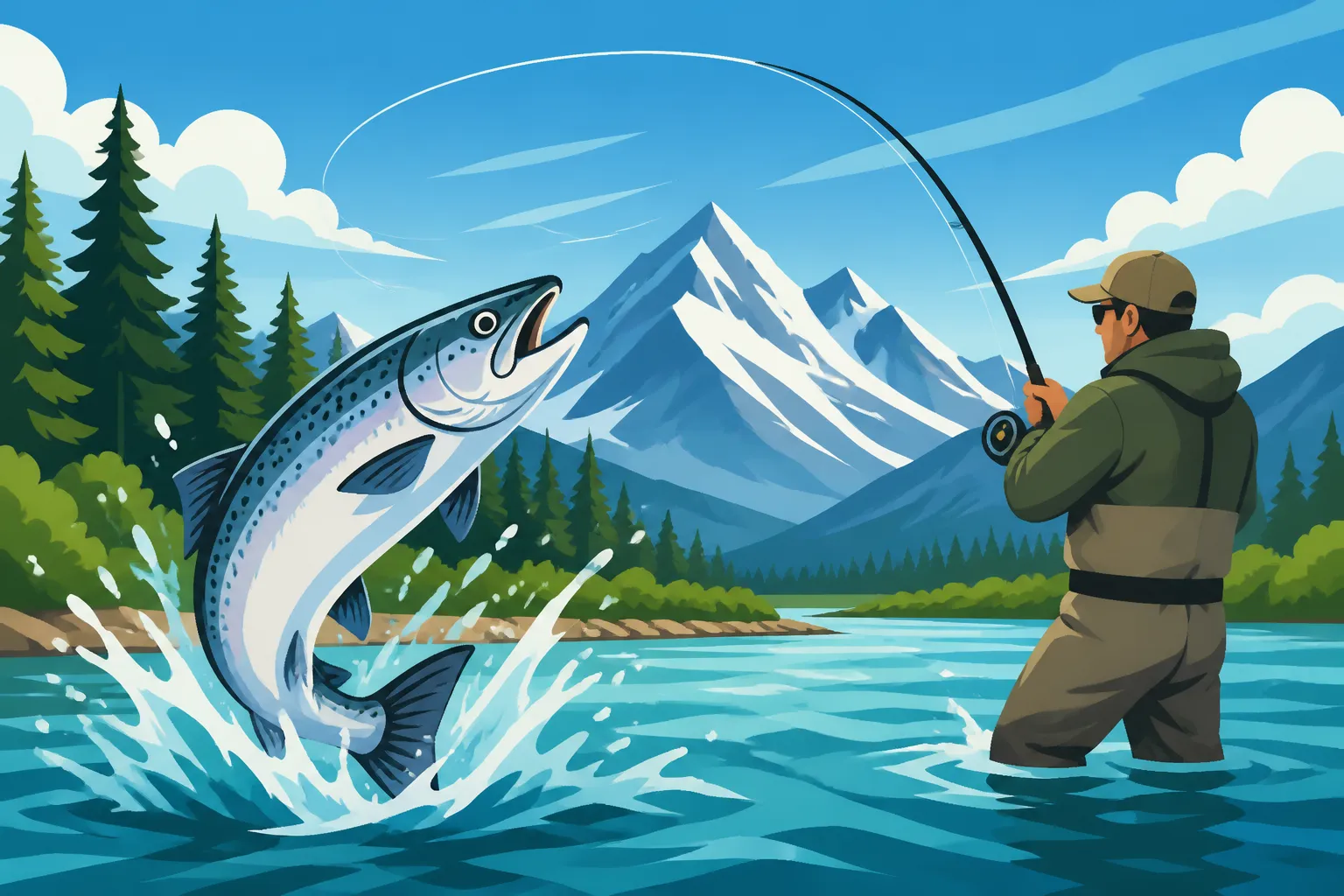
Naknek River Fishing Guide
The Naknek River is one of those places that calls to anglers, a wild promise of incredible fishing that can, admittedly, feel a little overwhelming to plan for. You hear the whispers of legendary Sockeye runs and monster Rainbow Trout, but how do you actually turn that dream into a tangible, successful trip? This guide is here to cut through the noise, offering you a comprehensive, realistic look at what it takes to experience the magic of fishing Alaska's mighty Naknek River.
Why the Naknek River is an Angler's Dream
For anyone dreaming of an Alaskan fishing adventure, the Naknek River, nestled in the heart of Bristol Bay, stands out as truly exceptional. It's not just another river; it's an entire ecosystem that supports an unbelievable abundance and diversity of fish, making it a bucket-list destination for serious anglers and casual enthusiasts alike. The sheer volume of fish passing through its waters is staggering, creating an environment where a productive day is almost guaranteed, provided you're there at the right time with the right approach.
Unmatched Salmon Diversity
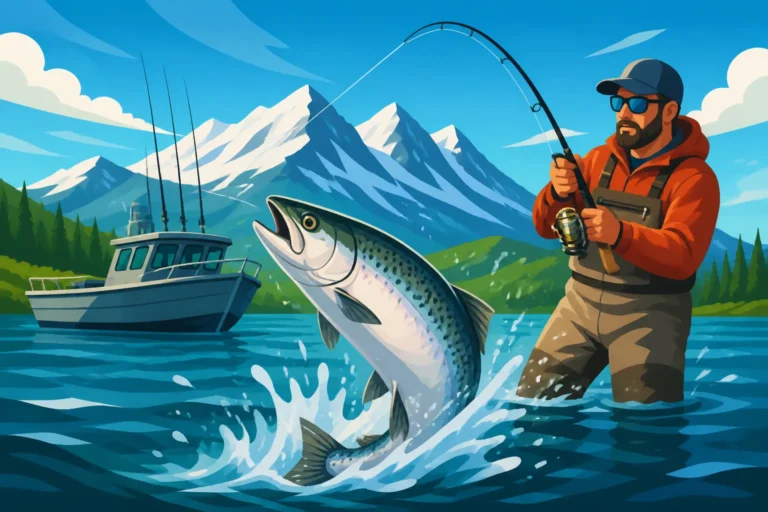
The Naknek River is synonymous with salmon, and for good reason. It hosts truly epic runs of all five Pacific salmon species, creating a dynamic fishery that changes throughout the season. While the Kenai River might get more headlines for giant King Salmon, the Naknek offers consistent, robust runs across the board, providing unparalleled opportunities to target different species depending on your timing.
The river's fertile waters act as a crucial migration corridor and spawning ground, attracting millions of salmon from the Bering Sea. This incredible influx of fish means that anglers have diverse opportunities, from the powerful, chrome-bright Sockeye to the acrobatic Silver Salmon. It's a vibrant, ever-changing tableau of wildlife, with bears often seen foraging along the banks, further emphasizing the richness of this unique Alaskan landscape.
Trophy Rainbow Trout Opportunities
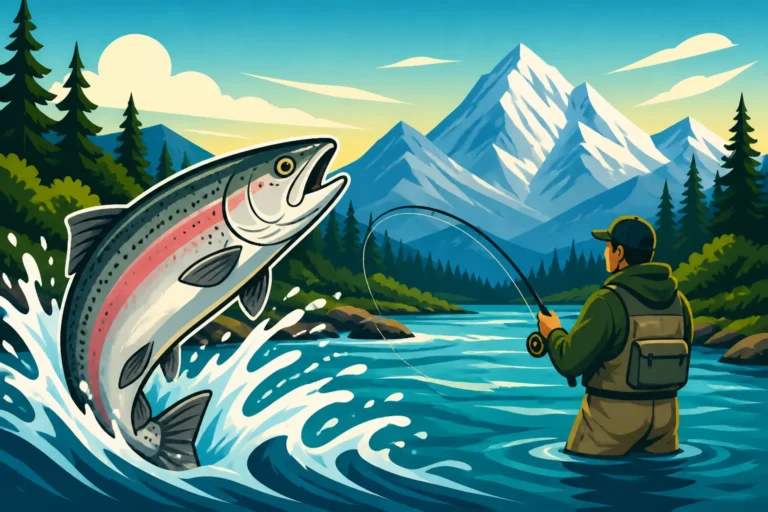
While the salmon runs are spectacular, it's often the Naknek's legendary Rainbow Trout that steal the show for many anglers. These aren't just any rainbows; the Naknek is famous for producing truly enormous, aggressively feeding fish, often referred to as "leopard rainbows" due to their distinctive spotting and vibrant colors. What makes them so special is their diet.
Following the massive Sockeye salmon spawn, the riverbed becomes a buffet of protein-rich salmon eggs, a feast that fuels incredible growth in the resident trout population. Later in the season, decaying salmon carcasses provide another rich food source, allowing these rainbows to gorge and grow to impressive sizes, often exceeding 25 inches and pushing double-digit weights. Hooking into one of these powerful, buttery-yellow trout in the fast currents of the Naknek is an experience that stays with you long after you've released it.
The Landscape and Accessibility
The Naknek River is located in Southwest Alaska, flowing from Naknek Lake into Bristol Bay. This region is undeniably remote, a vast expanse of pristine wilderness where human impact is minimal. The surrounding landscape is breathtaking, characterized by tundra, boreal forests, and distant volcanic peaks, offering a true sense of untamed Alaska. The remoteness contributes to the wild feel of the fishing, but it also means accessibility requires some planning.
Most anglers access the Naknek via the town of King Salmon, which has a regional airport (KGS) served by flights from Anchorage. From King Salmon, many visitors utilize local lodges or air taxi services to reach their specific fishing destinations along the river. While it requires a bit more effort to get there than some roadside fisheries, the reward is an immersion in a genuinely wild and productive environment that feels worlds away from everyday life.
Understanding Naknek River Salmon Runs
The key to a successful Naknek River fishing trip lies in understanding the rhythm of its salmon runs. Each species has its own peak season, and knowing when they arrive, how long they stay, and how they behave can make all the difference between a good trip and an unforgettable one. It's a natural calendar that dictates the river's activity, influencing not just the salmon fishing, but also the phenomenal trout fishing that follows.
Sockeye Salmon: The Heartbeat of the Naknek
Without a doubt, the Sockeye (or Red) Salmon are the true foundation of the Naknek's ecosystem. The Bristol Bay region sees the largest Sockeye run in the world, with millions of these powerful, chrome-bright fish pushing into rivers like the Naknek to spawn. Their sheer numbers are astonishing, and witnessing a full Sockeye run is an experience in itself – the river literally teems with them.
The peak Sockeye run on the Naknek typically kicks off in late June and continues strongly through mid-July. During this time, the primary technique is usually "flossing" or "lining," where anglers use a heavy leader and a small, unweighted fly or bare hook to snag the fish in the mouth as they migrate upstream. It's a high-volume fishery, offering incredible action and the chance to fill your freezer with some of the best-tasting salmon Alaska has to offer. For more detailed insights into timing these runs, be sure to check out our guide on Alaska Sockeye Salmon Run Timing.
King Salmon and Silver Salmon: Chasing the Big Ones
While the Naknek isn't as renowned for its trophy King Salmon (Chinook) as some other Alaskan rivers, it still offers a respectable run of these powerful fish. King Salmon typically begin arriving in early June and can be targeted through early to mid-July, often overlapping with the initial Sockeye push. These fish are known for their incredible strength and endurance, offering a truly challenging fight. Techniques like back-trolling with Kwikfish, drifting with bait (where legal), or casting large spinners are effective.
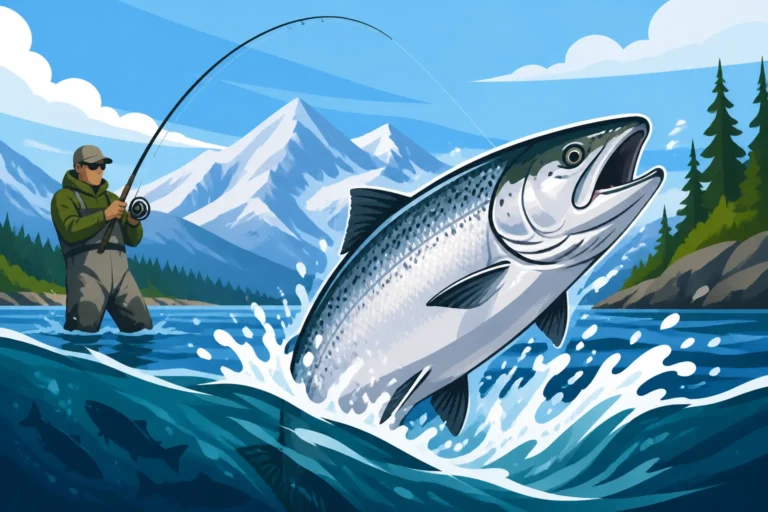
Following the Kings, the Silver (Coho) Salmon make their appearance, usually from mid-August through September. Silver Salmon are incredibly acrobatic and aggressive, making for an exhilarating fight on lighter tackle. They'll readily strike spinners, spoons, and flies, and can even be caught on surface poppers, which is an absolute blast. Knowing the specific timing for these species is crucial, and you can delve deeper into this with our articles on Alaska King Salmon Run Timing and Alaska Silver Salmon Run Timing. The shift from Kings to Silvers marks a distinct change in the river's character and fishing strategy.
Pink and Chum Salmon: Abundant Action
While often overshadowed by their more famous salmon cousins, Pink (Humpy) and Chum (Dog) salmon provide abundant and often overlooked fishing opportunities on the Naknek. Pink Salmon are the smallest and most numerous, running every even year (e.g., 2024, 2026) and typically peaking in August. They are incredibly aggressive and will hit almost any small spinner, spoon, or fly, making them fantastic targets for families or novice anglers looking for constant action. They're also surprisingly good fighters for their size.
Chum Salmon, on the other hand, are larger and known for their distinctive "dog teeth" as they near spawning. They typically run from mid-July through August. While not always considered the best eating salmon, fresh-run Chums are powerful fighters and can provide a lot of fun on the water, readily taking large flies, spoons, and spinners. Their strong runs ensure that even if other species are slowing down, there's always something exciting to target on the Naknek.
| Salmon Species | Peak Run Timing on Naknek | Primary Fishing Methods | General Size Range |
|---|---|---|---|
| Sockeye (Red) | Late June – Mid-July | Flossing (fly/bare hook) | 5-10 lbs |
| King (Chinook) | Early June – Mid-July | Trolling, drifting, casting | 15-40 lbs (up to 60+) |
| Silver (Coho) | Mid-August – September | Spinners, spoons, flies, poppers | 8-15 lbs |
| Pink (Humpy) | August (Even Years) | Small spinners, spoons, flies | 3-6 lbs |
| Chum (Dog) | Mid-July – August | Large flies, spoons, spinners | 10-20 lbs |
Mastering Naknek River Rainbow Trout Fishing
The Naknek River's reputation for world-class Rainbow Trout is well-deserved, attracting fly anglers and spin fishermen from around the globe. These aren't your average creek rainbows; they are powerful, often massive fish that have grown fat on the bounty of the salmon runs. Understanding their feeding patterns and the best times to target them is crucial for hooking into these magnificent creatures.
Best Seasons for Trophy Rainbows
Naknek River Rainbow Trout fishing is truly exceptional, and their prime seasons directly follow the salmon activity. You generally have two main windows for targeting these aggressive, egg-eating machines. The first, and arguably most popular, occurs immediately after the Sockeye salmon have finished spawning. This "post-spawn" window typically runs from late July through August.
During this time, the riverbed is littered with loose salmon eggs, creating an unparalleled feeding frenzy for the resident rainbows. The trout gorge themselves on these nutrient-rich eggs, and they are incredibly active and eager to strike. The second, equally productive, but often colder, window is the fall season, primarily September and early October. At this point, the King and Silver salmon are spawning, providing another flush of eggs, and the trout are often even larger as they've had more time to bulk up. The cooler temperatures mean fewer anglers, and the fish are often at their absolute peak size and aggression, making for some truly unforgettable angling. For a broader overview of these amazing fish, check out our Alaska Rainbow Trout Guide.
Effective Techniques and Gear
When targeting Naknek River rainbows, specific techniques and gear will significantly increase your success rate. For fly fishermen, the strategy almost always revolves around imitating the salmon eggs. Egg patterns, tied in various sizes and colors to mimic the natural roe, are incredibly effective. Drifting these patterns under an indicator in seams, riffles, and behind spawning salmon is the most common approach. As the season progresses into late fall, larger streamers and flesh flies, imitating decaying salmon flesh, become deadly as trout switch their diet.
Spin fishermen aren't left out either! Beads, which are essentially small plastic or glass spheres threaded onto your line just above a bare hook, are designed to perfectly imitate a single salmon egg. Drifting beads under a float or bouncing them along the bottom is a highly effective method. Small, natural-colored lures that mimic baitfish or flesh can also work, especially for larger, more predatory rainbows. The key is presenting something that looks like the high-protein food source these trout are accustomed to devouring.
Reading the River: Key to Success
Just like any great trout stream, successfully fishing the Naknek River requires a keen understanding of where the fish are likely to be holding. On the Naknek, this often means focusing on areas associated with salmon spawning activity. Look for gravel bars where salmon are actively digging redds (nests), or deeper pools and runs directly downstream from these spawning beds. Rainbows will often position themselves just behind spawning salmon, waiting for loose eggs to drift downstream.
Another prime location is along current seams and eddy lines, especially those adjacent to slower water or structure like submerged logs. These areas provide current breaks where trout can rest while still having easy access to passing food. When wading or drifting, pay close attention to changes in depth and current speed. The Naknek is a big river, so having a guide who knows the specific honey holes and subtleties of the different river sections can be invaluable. This local knowledge helps you focus your efforts and maximize your chances of connecting with a true Naknek trophy.
Essential Gear and Techniques for Naknek Success
Preparing for a fishing trip to the Naknek River is about more than just packing a few rods; it's about anticipating the unique challenges and opportunities this powerful Alaskan fishery presents. From selecting the right tackle to dressing appropriately, having the right gear and understanding the most effective techniques are paramount for a successful and comfortable experience.
Rods, Reels, and Lines for Each Species
Given the diversity of species in the Naknek, you'll likely need a range of tackle. For targeting the powerful King Salmon, a heavy-action baitcasting or spinning rod (8'6" to 10'6") rated for 15-40 lb line is essential, paired with a robust reel capable of holding at least 200 yards of 30-50 lb braided line. For Sockeye, a medium-heavy spinning rod (9-10 ft) with a fast action, coupled with a reliable spinning reel spooled with 20-30 lb braid, works well for flossing. Fly anglers chasing Kings will need a 9-10 weight rod, while Sockeye fly fishing is often done with 8-9 weight setups.
When it comes to the acrobatic Silver Salmon, a medium-heavy spinning rod (8'6" to 9'6") rated for 10-20 lb line, or a 7-8 weight fly rod, provides an excellent balance of power and sensitivity. For the truly special Naknek Rainbow Trout, a medium-light to medium spinning rod (7-9 ft) with 8-12 lb line, or a 6-8 weight fly rod, is perfect. Floating lines are standard for fly fishing trout, with various sink-tip lines for salmon. Don't forget quality leaders and tippets appropriate for the species and water conditions.
Lures, Flies, and Bait: What Works
The Naknek River demands a versatile tackle box. For King Salmon, popular choices include large, diving plugs like Kwikfish or Mag Lips (often "wrapped" with a sardine fillet), large spinners (e.g., #5 or #6 Vibrax), and cured salmon roe (where legal). Sockeye are almost exclusively caught by flossing small, unweighted flies (like sparse yarn flies in red, pink, or orange) or bare hooks.
Silver Salmon are suckers for bright, flashy spinners (#4 or #5), spoons, and brightly colored flies like Coho patterns (e.g., Clouser Minnows, articulated leeches). Poppers can also be incredibly exciting when silvers are aggressive on the surface. For the famed Rainbow Trout, an array of egg patterns (tied on beads or yarn in various sizes and colors like orange, pink, and peach) are indispensable. Later in the season, flesh flies and larger streamers mimicking baitfish or smolt become highly effective. To get more specific on your terminal tackle, review our guide on the Best Lures for Alaska Salmon.
Waders, Raingear, and Layering
Alaska's weather, particularly in Bristol Bay, is notoriously unpredictable. One moment it can be sunny, the next you're facing a sudden squall. Therefore, investing in high-quality, breathable chest waders is non-negotiable for comfort and safety, especially if you plan to wade the shallower stretches of the river for Sockeye or trout. Pair them with sturdy wading boots that offer good ankle support and traction on slippery riverbeds.
Equally important is a reliable, waterproof, and breathable rain jacket and pants. Look for gear made with Gore-Tex or similar proprietary waterproof membranes. Layering is also critical. Start with a moisture-wicking base layer (synthetics or merino wool), add an insulating mid-layer (fleece or puffy jacket), and top it off with your waterproof outer shell. Even in summer, bring a warm hat and gloves, as mornings can be chilly. Being prepared for all conditions ensures you stay comfortable and can focus on the fishing, regardless of what the weather throws at you. Our comprehensive article on How to Dress for Alaska Fishing offers even more detailed advice.
Planning Your Naknek River Fishing Adventure
A trip to the Naknek River is an investment in time and resources, but the payoff can be legendary. To maximize your chances of success and ensure a smooth, enjoyable experience, careful planning is absolutely essential. From choosing your accommodation to understanding the legalities, every detail matters in the Alaskan wilderness.
Lodges, Guides, and DIY Options
For many, the full Alaskan experience means staying at one of the region's renowned fishing lodges. These operations, often all-inclusive, provide everything from transportation from King Salmon to gourmet meals, top-notch gear, and experienced guides who know the Naknek like the back of their hand. Lodges offer convenience, comfort, and a high level of service, making them ideal for those seeking a hassle-free, immersive trip.
Alternatively, hiring a local guide for day trips or a few days of fishing can be an excellent option, especially if you prefer more independent lodging or want to focus on specific techniques or species. Guides provide invaluable local knowledge, safety, and equipment, greatly increasing your chances of success. You can find many reputable guides and lodges through services like FishingBooker, which helps connect anglers with proven operators. If you're an experienced angler with a knack for planning and wilderness navigation, a DIY trip is possible but requires significant logistical effort, including gear rental, transportation, and extensive research. For a deeper dive into these choices, read our guide on Alaska Fishing Charters: Complete Guide.
Licenses, Regulations, and Safety
Before casting a line, ensure you have the appropriate Alaska fishing license. Non-residents will need to purchase a specific license for their trip duration, and if you plan to target King Salmon, an additional King Salmon stamp is required. Licenses can often be purchased online before your trip or upon arrival in King Salmon. You can get all the specifics on how to acquire this crucial document by reading our Alaska Fishing License: Complete Guide.
It's absolutely critical to familiarize yourself with the current Alaska Fishing Regulations Explained for the Naknek River area, as these can change frequently due to emergency orders. Pay close attention to bag limits, size restrictions, gear restrictions (e.g., bait bans, single hook rules), and catch-and-release requirements. You'll also need an Alaska Harvest Record Card Explained to log any King Salmon or other designated species you retain. Beyond regulations, wilderness safety is paramount. This includes carrying bear spray, knowing how to use it, properly storing food to avoid attracting wildlife, and always informing someone of your float plan if venturing out independently.
Best Time to Visit and Travel Tips
Deciding on the "best time to visit" the Naknek River depends entirely on what species you prioritize. If Sockeye are your target, late June through mid-July is prime. For King Salmon, early to mid-July is the window. Silver Salmon hunters should aim for mid-August to September. And for those incredible trophy Rainbow Trout, plan your trip for late July through early October, with the fall months often yielding the largest fish. Our article, Best Time to Fish in Alaska, provides a broader calendar to help align your visit with your fishing goals.
Getting to King Salmon (KGS) typically involves a commercial flight from Anchorage (ANC) on airlines like Alaska Airlines or Ravn Alaska. Once in King Salmon, your lodge or guide service will usually handle transfers to the river. Pack wisely, remembering that baggage limits on smaller bush planes can be strict. Bring layers, waterproof gear, insect repellent, and a good camera to capture the stunning scenery and incredible fish. Be prepared for potentially long days on the water and the sheer wildness of the Alaskan frontier – it's all part of the unforgettable Naknek experience.
Disclaimer
Please note that fishing regulations in Alaska can change frequently due to biological factors and management decisions. Always consult the most current Alaska Department of Fish and Game regulations and any in-season emergency orders before you head out on the water. This guide provides general information and should not be used as a substitute for official regulations.