Kodiak Fishing Guide
The sheer scale and wild beauty of Alaska can feel overwhelming when you're planning a fishing trip, and Kodiak Island is no exception. It’s a place of legendary fishing opportunities, but navigating the vast options, understanding the unique seasons, and figuring out the logistics can be a real head-scratcher. This guide is here to untangle those knots, offering a down-to-earth look at what makes Kodiak a dream destination for anglers and how you can make your trip a resounding success.
Why Kodiak Island is a Premier Fishing Destination
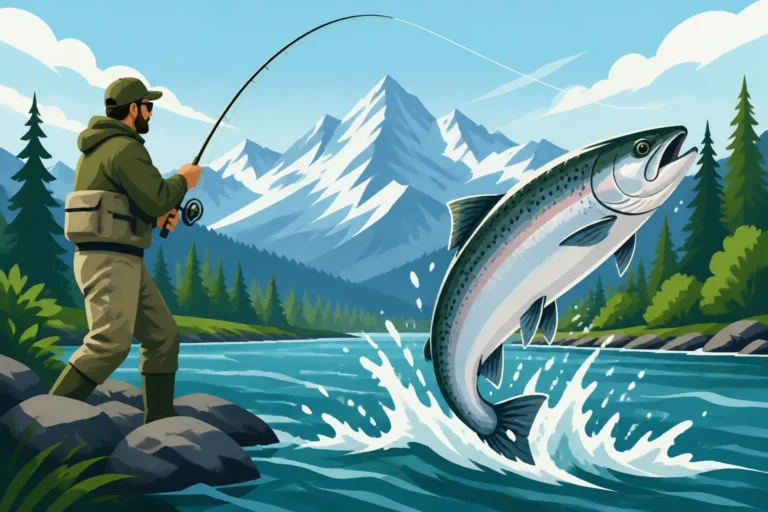
Kodiak, often called Alaska's "Emerald Isle" due to its lush green landscape, is more than just a pretty face; it’s a fishing powerhouse. This island, the second-largest in the United States, is surrounded by nutrient-rich waters teeming with diverse marine life and is crisscrossed by countless rivers and streams that host incredible salmon and trout runs. It's a place where the wilderness truly comes alive, offering an unparalleled angling experience that feels both primal and exhilarating.
Unique Geography and Ecosystems
Kodiak's rugged coastline, sheltered bays, and deep fjords provide an ideal habitat for a wide variety of fish, making it a dream destination for both saltwater and freshwater anglers. The island's position in the Gulf of Alaska means it benefits from strong ocean currents that bring in a constant supply of baitfish, which in turn attracts larger predatory species. Think massive halibut patrolling the seafloor or aggressive lingcod lurking among the rocks. This dynamic ecosystem supports incredibly healthy fish populations, making for consistently thrilling catches.
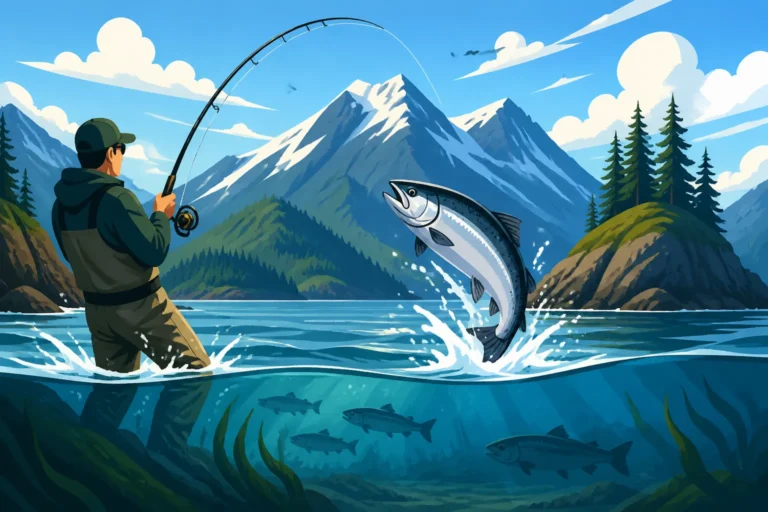
Beyond the saltwater, Kodiak's interior is a network of pristine rivers and lakes, fed by glacial melt and abundant rainfall. These waterways are vital spawning grounds for all five species of Pacific salmon and provide fantastic opportunities for targeting resident freshwater fish like rainbow trout and Dolly Varden. The unique blend of ocean and inland fishing accessible from various points around the island, from Kodiak City to more remote locales like Old Harbor or Larsen Bay, creates a diverse fishing portfolio that few other places can match.
Abundant Wildlife and Fish Diversity
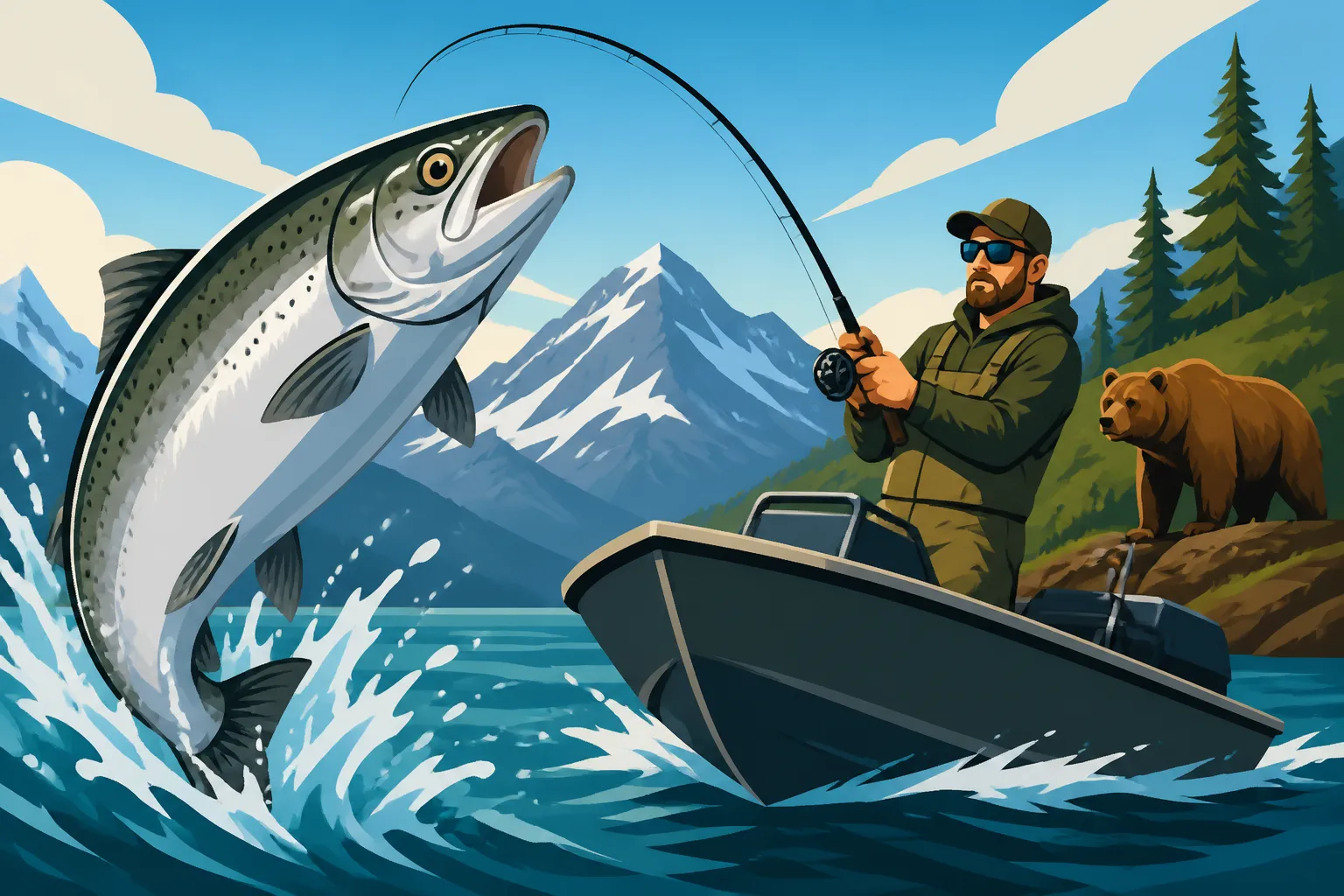
One of the most captivating aspects of fishing in Kodiak is the sheer abundance of wildlife you'll encounter, often making the fishing experience itself feel secondary to the awe-inspiring surroundings. It's not uncommon to see Kodiak brown bears foraging along riverbanks, sea otters playing in the bays, or eagles soaring overhead. This wild backdrop truly distinguishes a Kodiak fishing trip from almost anywhere else in the world, connecting you deeply with nature.
When it comes to fish, Kodiak delivers an incredible variety. From the powerhouse runs of sockeye and coho salmon, to the elusive king salmon, and the giant barn-door halibut that roam the depths, there’s always something exciting to target. This diversity means that no matter when you visit during the fishing season, you’ll likely find excellent opportunities, whether you're casting flies in a quiet stream or jigging in the open ocean. It's a place where you can truly tick off multiple bucket-list species in a single trip.
Top Fish Species to Target in Kodiak
Kodiak Island is a veritable smorgasbord for anglers, offering a staggering array of fish species across its fresh and saltwater environments. Knowing which species are available and when they typically show up can significantly enhance your trip planning and success. Whether you dream of a hard-fighting salmon or a colossal bottom dweller, Kodiak has a target species for you.
Salmon Species
Kodiak is renowned for its incredible salmon runs, hosting all five species of Pacific salmon. Each species offers a unique challenge and experience, contributing to the island's legendary status. Understanding their timing and habits is key to a successful salmon fishing adventure.
- King Salmon (Chinook): These magnificent fish, often the largest of the Pacific salmon, start appearing in Kodiak's rivers and nearshore waters around May, with the run peaking into July. Popular rivers like the Ayakulik and Karluk are known for their strong King Salmon returns. Catching one of these powerful fish is a true test of strength and skill. Remember that a King Salmon Stamp in Alaska is often required, depending on regulations.
- Sockeye Salmon (Red): Known for their vibrant red flesh and intense fighting spirit, sockeye arrive in massive numbers, typically from mid-June through July. Rivers like the Buskin and Saltery are famous for their sockeye runs, offering fast-paced action, especially for those who enjoy fly-fishing or "flossing." You can find detailed information on Alaska Sockeye Salmon Fishing Regulations and Limits to plan your trip.
- Coho Salmon (Silver): Silver salmon are celebrated for their acrobatic fights and willingness to strike a variety of lures and flies. Their runs usually kick off in late July and continue strongly through August and into September. They're widespread across Kodiak's rivers and coastal areas, providing exciting opportunities right up until the season begins to wind down. Learn more about Alaska Coho Salmon Fishing Regulations and Limits to maximize your chances.
- Pink Salmon (Humpy) and Chum Salmon (Dog): While perhaps not as sought after as their King, Sockeye, and Coho cousins, Pink and Chum salmon offer abundant action and are often caught incidentally while targeting other species. Pink salmon, identifiable by the pronounced hump on spawning males, arrive in huge numbers, especially in even-numbered years (e.g., 2024, 2026), typically in July and August. Chum salmon also arrive in summer, providing a robust fight, and are excellent for smoking.
Halibut and Other Bottom Fish
Beyond salmon, Kodiak's saltwater fisheries are legendary for their colossal halibut and a variety of other delicious bottom-dwelling species. These deep-sea adventures offer a stark contrast to river fishing, requiring different techniques and gear.
- Pacific Halibut: The "barn doors" of the deep are a primary draw for many anglers coming to Kodiak. These flatfish can grow to immense sizes, often exceeding 100 pounds, and provide an incredible challenge to reel in. The halibut season generally runs from May through September, with peak fishing often occurring from June to August. Deepwater jigging or bait fishing with large chunks of salmon, herring, or octopus is the name of the game. For all the specifics, check out our comprehensive guide on Alaska Halibut: Complete Guide.
- Lingcod: These aggressive, toothy predators are a blast to catch and offer some fantastic eating. They tend to lurk in rocky areas and kelp beds, ambushing prey. Lingcod fishing is best from May through September, and they'll readily strike jigs, swimbaits, or even baited hooks intended for halibut. Be careful when handling them; those teeth are no joke!
- Rockfish: Kodiak's waters are home to numerous species of rockfish, including tasty yelloweye, black, and dusky rockfish. These fish are generally found near rocky structures, reefs, and drop-offs. They can be caught year-round, but summer offers the most comfortable conditions. Light jigging with lead head jigs or bait-tipped jigs is highly effective. Remember to carry a deepwater release device to properly release rockfish from deeper waters to help ensure their survival, as required by Alaska regulations.
Freshwater Trout and Char
For those who enjoy the tranquility of freshwater angling or wish to diversify their trip, Kodiak's rivers and lakes hold healthy populations of trout and char, offering a different kind of challenge and beauty.
- Rainbow Trout: Many of Kodiak's rivers and lakes support vibrant rainbow trout populations, some growing to impressive sizes, particularly in areas rich with salmon eggs during the spawning season. Fly-fishing with egg patterns, flesh flies, or small spinners can be incredibly productive, especially in rivers like the Karluk, Ayakulik, and Frazer. The best trout fishing often occurs after salmon have spawned, typically in late summer and fall, when trout gorge on the abundant protein.
- Dolly Varden: Often confused with Arctic Char, Dolly Varden are native to Kodiak and are found in almost all the same freshwater systems as trout and salmon. These beautiful char are opportunistic feeders, often following salmon into rivers to feast on eggs. They readily take small spinners, flies, or even bits of cured salmon roe. They're a fantastic fish to target for consistent action and offer a colorful addition to any catch.
Best Kodiak Fishing Seasons and Times
Understanding the seasonal rhythms of Kodiak's fisheries is paramount to planning a successful trip. The island's diverse fish populations offer opportunities throughout much of the year, but specific species peak during certain windows. Timing your visit to coincide with your target species' prime run can make all the difference.
Spring Fishing Opportunities (May – Early June)
Spring on Kodiak Island is a time of awakening, not just for the landscape but also for the fishing. While not as crowded as the peak summer months, this period offers unique and often rewarding experiences for anglers seeking specific species before the main summer rush.
During May and early June, the focus for saltwater anglers often turns to early-season halibut. These powerful flatfish begin to move into shallower feeding grounds as water temperatures rise, making them accessible to charter boats. While the "barn doors" might be less frequent than in mid-summer, plenty of respectable halibut are caught, and you often have less competition on the water. Additionally, feeder king salmon, which spend their lives in saltwater foraging, can be targeted in various bays and nearshore areas.
In the freshwater systems, late spring can see some early returns of king salmon in certain rivers, though these runs are often just beginning and can be subject to restrictive emergency orders. However, resident rainbow trout and Dolly Varden are actively feeding after the long winter, often eager to strike flies or small lures in the calmer, clearer waters before the heavy snowmelt begins in earnest. This is a quieter time to experience Kodiak, with crisp air and burgeoning wildlife activity.
Peak Summer Action (Mid-June – August)
Summer is undeniably the prime time for fishing in Kodiak, offering an explosion of activity across both freshwater and saltwater fisheries. This is when the island truly lives up to its reputation as a world-class angling destination, with multiple species running strong.
Mid-June typically heralds the arrival of the massive sockeye salmon runs. Rivers like the Buskin and Saltery become teeming with these bright red fish, offering incredible opportunities for shore-based anglers using specific techniques like "flossing." Simultaneously, the king salmon runs on rivers like the Karluk and Ayakulik are usually in full swing, providing thrilling battles for those seeking a trophy Chinook. By July, the sockeye action remains intense, and the first waves of powerful coho (silver) salmon also begin to appear, adding another exciting target.
In saltwater, halibut fishing is at its absolute peak during these months. Charter boats regularly head out of Kodiak City, Homer, and Seward, targeting deepwater haunts where the largest halibut reside. Alaska Halibut Charter Regulations Explained are crucial to understand during this busy time. Lingcod and various rockfish species are also abundant and aggressive, making for action-packed combo trips. The long daylight hours of the Alaskan summer mean more time on the water and more opportunities to connect with fish, though it also means more competition for prime spots and charter availability. Booking your trip well in advance, especially through platforms like FishingBooker, is highly recommended for these peak months.
Fall's Last Hurrah (September)
As summer begins to wane, September brings a cooler, often more contemplative, but still incredibly productive fishing experience to Kodiak. The crowds thin, the landscape takes on autumnal hues, and some of the most aggressive fishing of the year can be had.
Fall is absolutely prime time for coho salmon. These "silver bullets" are still abundant and often at their most aggressive as they prepare for spawning, eagerly striking spinners, flies, and cured eggs in both saltwater estuaries and freshwater rivers. Anglers can experience consistent action for these acrobatic fighters. While the main king and sockeye runs are largely over, fresh coho offer an exhilarating last push for salmon enthusiasts.
For freshwater anglers, September is also a fantastic time for rainbow trout and Dolly Varden, especially in systems where salmon have already begun to spawn. The trout and char gorge themselves on nutrient-rich salmon eggs, leading to exceptional fishing for larger, healthier fish. Saltwater opportunities remain strong for halibut, lingcod, and rockfish, though weather patterns can become more unpredictable. If you're looking for a quieter, yet still incredibly productive, fishing experience on Kodiak with fewer people, September is an excellent choice.
Here's a quick overview of Kodiak's fishing calendar:
| Species | Prime Season | Best Techniques | Common Locations | Notes |
|---|---|---|---|---|
| King Salmon | May – July | Trolling, Back-bouncing, Drift fishing | Karluk River, Ayakulik River, Nearshore saltwater | Requires King Salmon Stamp |
| Sockeye Salmon | Mid-June – July | Flossing, Fly-fishing (egg patterns) | Buskin River, Saltery River, Frazer River | Runs can be massive, very active |
| Coho Salmon | Late July – Sept | Spinners, Spoons, Flies, Trolling | Most rivers, Coastal estuaries, Nearshore saltwater | Aggressive fighters, great eating |
| Pink Salmon | July – Aug (Even years) | Spinners, Spoons, Flies | Most rivers, Estuaries | Huge numbers, good for beginners |
| Chum Salmon | July – Aug | Spinners, Spoons, Flies, Bait | Most rivers, Estuaries | Powerful fight, excellent for smoking |
| Pacific Halibut | May – Sept | Jigging, Bottom fishing (bait) | Gulf of Alaska, Shelikof Strait, Chiniak Bay | Can grow very large, deepwater |
| Lingcod | May – Sept | Jigging, Live bait, Heavy lures | Rocky reefs, Kelp beds, Drop-offs | Aggressive, sharp teeth |
| Rockfish | May – Sept | Jigging, Bait fishing | Rocky structures, Reefs, Drop-offs | Various species, use descending device |
| Rainbow Trout | June – Oct | Fly-fishing (egg patterns, flesh flies), Spinners | Karluk River, Ayakulik River, Buskin River, lakes | Larger fish in fall during salmon spawn |
| Dolly Varden | June – Oct | Small spinners, Flies (egg patterns), Bait | Most freshwater systems, Estuaries | Abundant, opportunistic feeders |
Popular Kodiak Fishing Spots and Access
Kodiak Island offers a wide spectrum of fishing experiences, from easily accessible roadside spots to remote wilderness rivers requiring a floatplane. Knowing where to go and how to get there is crucial for maximizing your time and enjoyment on the island.
Saltwater Hotspots
For many, Kodiak’s allure lies in its vast and productive saltwater. The island is surrounded by rich marine environments that hold everything from legendary halibut to schools of salmon.
- Kodiak City & Nearshore Areas: The waters directly accessible from Kodiak City and its immediate surroundings, like Chiniak Bay, offer excellent opportunities. Numerous charters operate out of Kodiak’s harbor, heading into the Gulf of Alaska and the Shelikof Strait for halibut, lingcod, and rockfish. Even smaller boats can find success closer to shore for salmon, especially during their migratory periods. These areas provide convenience and relatively sheltered waters compared to the open ocean.
- Pasagshak Bay: Located on the southeastern side of Kodiak Island, Pasagshak Bay is a popular spot for both salmon and bottom fish. It offers some protected waters and is accessible by road, which is a big plus for those without a boat or wanting to avoid fly-out costs. Anglers here can target coho salmon in late summer and early fall, as well as halibut and rockfish closer to the mouth of the bay. Its accessibility makes it a favorite for local anglers and visitors willing to drive.
- Remote Coastal Towns: Places like Old Harbor and Larsen Bay, while requiring a flight or ferry to reach, offer phenomenal fishing. These smaller communities are situated amidst pristine fishing grounds, providing quicker access to prime halibut areas and excellent nearshore salmon runs without the boat traffic of larger ports. Hiring a local guide in these towns can unlock some truly world-class, uncrowded fishing experiences. Many anglers consider these spots for a true Alaskan wilderness experience.
Freshwater Rivers and Lakes
Kodiak’s interior is a network of stunning freshwater systems, each with its own character and fishing opportunities. From roadside rivers to remote wilderness treks, there's a freshwater adventure waiting.
- Buskin River: Perhaps the most accessible and popular freshwater fishing spot on Kodiak, the Buskin River is a short drive from Kodiak City. It sees strong runs of sockeye and coho salmon, making it a busy but exciting place to fish, especially during peak season. It's also home to resident rainbow trout and Dolly Varden. Its accessibility makes it a fantastic option for families or those looking for a quick fishing fix without extensive travel. However, with popularity comes crowds, so be prepared for some "combat fishing" during peak sockeye runs.
- Saltery River: Accessible via a well-maintained gravel road, the Saltery River is another key freshwater fishery on Kodiak. Like the Buskin, it hosts excellent sockeye and coho runs. It's a bit further out from Kodiak City, offering a slightly less crowded experience than the Buskin, though still very popular. Anglers often appreciate the scenic drive and the chance to spread out a bit more. Both the Buskin and Saltery are great places to practice techniques like flipping or drift fishing for salmon.
- Remote Rivers (Karluk, Ayakulik, Frazer): For the serious angler seeking a true wilderness experience and potentially trophy fish, the remote rivers of Kodiak are unparalleled. The Karluk, Ayakulik, and Frazer rivers are legendary for their robust runs of king, sockeye, and coho salmon, as well as large rainbow trout and Dolly Varden. Access to these rivers is typically via floatplane, flying out from Kodiak City. This allows for multi-day float trips or lodge-based fishing in truly wild settings. While costly, the reward is often uncrowded waters and incredible fishing against a backdrop of untouched Alaskan wilderness. These are the kinds of trips you often see advertised through services like FishingBooker for an all-inclusive adventure.
Remote Fly-in Opportunities
Kodiak is a vast island, and much of its best fishing lies beyond the road system, accessible only by air. These fly-in trips offer an unparalleled wilderness experience and access to truly untouched waters.
Fly-in fishing allows you to reach pristine lakes and rivers that see minimal pressure, offering a unique opportunity to target abundant fish populations in solitude. Imagine being dropped off by a floatplane on a remote lake, surrounded by towering mountains and dense forests, with only the sounds of nature and the splash of rising trout. This is often how anglers access the upper stretches of the Karluk or Ayakulik, or discover hidden lakes teeming with Arctic char.
These excursions often involve booking a charter flight from Kodiak City with an air taxi service, which can be arranged independently or as part of a package through a fishing lodge. While a more significant investment, the experience of a fly-in trip is often described as a highlight of an Alaskan adventure, combining breathtaking scenic flights with world-class fishing. Just remember to pack light, prepare for all weather conditions, and be acutely aware of bear safety in these remote areas.
Navigating Kodiak Fishing Regulations
Alaska's fishing regulations are designed to protect its precious fish stocks, but they can sometimes feel like a complex maze, especially for visitors. Kodiak Island falls under specific regulatory frameworks that anglers must understand to ensure a legal and ethical fishing trip. Ignorance of the rules is never an excuse, and violations can lead to hefty fines or even loss of fishing privileges. It's always smart to check the latest Alaska Fishing Regulations Explained before you even pack your bags.
Licensing Requirements
Before you even think about dropping a line in Kodiak's waters, securing the correct fishing license is non-negotiable. This is the fundamental requirement for all anglers, resident and non-resident alike.
All non-residents aged 16 and older must purchase an Alaska sport fishing license. Residents typically also need a license, though certain age groups (like seniors) may have exemptions. The type of license depends on the length of your stay – options range from 1-day, 3-day, 7-day, 14-day, to annual licenses. For anyone planning to fish for king salmon, an additional King Salmon Stamp is almost always required, regardless of residency or license type. This stamp is vital because king salmon populations are often carefully managed, and the revenue from the stamp helps fund conservation efforts. Ensure you purchase your license and any necessary stamps before you head out; wardens are often present in popular fishing areas and will check. You can often buy them online, through vendors like Fred Meyer or Carrs, or at local tackle shops in Kodiak City. Our guide on the Alaska Fishing License: Complete Guide has all the details you need.
Bag and Size Limits
Once you have your license and are ready to fish, understanding bag and size limits for each species is crucial. These limits are in place to ensure sustainable harvests and can vary not only by species but also by location (specific rivers vs. saltwater) and even by date due to emergency orders.
For salmon, you'll find different daily and annual bag limits for kings, sockeye, and coho. For example, Alaska King Salmon Fishing Regulations and Limits for non-residents might include an annual limit on the number of king salmon you can retain, along with daily limits. Halibut also have specific daily bag and possession limits, which can be quite complex, sometimes involving reverse slot limits or charter vessel closures on certain days. Knowing the Alaska Halibut Fishing Regulations and Limits is vital for saltwater anglers. Rockfish often have aggregate limits, meaning a total number of various rockfish species you can keep, along with specific rules for species like yelloweye rockfish. Always consult the most current Alaska Department of Fish and Game (ADF&G) regulations booklet for the region you are fishing (Kodiak is primarily in the Southcentral region) or download their app for on-the-go access. Keep your harvest record card updated for species like King Salmon as well.
Emergency Orders and In-Season Changes
Perhaps the most challenging aspect of Alaska fishing regulations for many anglers, particularly visitors, is the frequent issuance of Emergency Orders (EOs). These are in-season changes to regulations made by ADF&G in response to real-time fish run data.
Emergency Orders can dramatically alter bag limits, close fisheries entirely, change legal fishing methods (e.g., bait restrictions, single hook rules), or adjust fishing hours. These changes can happen with very short notice – sometimes just a day or two before implementation. For example, a king salmon fishery might suddenly close due to low escapement numbers, or a sockeye fishery might open to additional harvest if runs are stronger than anticipated. This dynamic nature means that regulations you read months in advance might not be current when you arrive. It's imperative to check for EOs daily, especially if targeting highly managed species like king salmon or sockeye. ADF&G posts EOs on their website, has a hotline, and often communicates them through local news outlets and fishing shops. Many reputable Kodiak charters will also keep you informed, but ultimately, it's the angler's responsibility to stay updated. This guide on Alaska Fishing Emergency Orders Explained can provide more context.
Hiring a Kodiak Fishing Charter or Guide
For many visiting anglers, especially those unfamiliar with Kodiak's vast and wild landscape, hiring a professional fishing charter or guide is the smartest way to ensure a safe, productive, and memorable trip. They provide invaluable local knowledge, proper gear, and expertise that can turn a good trip into an unforgettable one.
Types of Charters and Guides
Kodiak offers a variety of guided fishing experiences, each tailored to different preferences and target species. Understanding these options can help you choose the best fit for your adventure.
- Saltwater Charters: These are typically larger boats (25-40+ feet) that head out into the Gulf of Alaska for halibut, lingcod, and rockfish, or troll nearshore for salmon. They are equipped with advanced electronics, safety gear, and heavy-duty tackle necessary for battling large ocean fish. Many offer combo trips, allowing you to target both salmon and bottom fish in a single day. Saltwater charters usually operate out of Kodiak City, Pasagshak, or the more remote coastal villages. They are excellent for those seeking the ultimate halibut experience or simply wanting to cover a lot of water safely.
- Freshwater Guides: For river fishing, particularly for salmon and trout, you'll often find guides operating drift boats or jet boats on rivers like the Karluk, Ayakulik, or Buskin. These guides specialize in local river conditions, specific salmon runs, and techniques like fly-fishing, spin fishing, or back-bouncing. They know the best holes, current regulations, and how to safely navigate the river. A guided river trip is perfect for anglers who want a more intimate fishing experience, focusing on specific freshwater species.
- Fly-Out Guides/Lodges: For the ultimate wilderness experience, many all-inclusive fishing lodges or independent guides offer fly-out packages. This involves flying via floatplane from Kodiak City to remote rivers or lakes. These trips can be day trips or multi-day expeditions with camping or rustic lodge accommodations. They provide access to untouched waters with minimal pressure, often resulting in incredible fishing for salmon, trout, or char. Platforms like FishingBooker can help you sort through these options, comparing prices and inclusions for various lodges and guides.
Choosing the Right Guide or Charter
Selecting the right guide is more than just picking a name off a list; it's about finding a partner who aligns with your fishing goals, experience level, and personality. A good guide makes all the difference.
First, consider what you want to catch and what kind of experience you're looking for. Do you want to chase trophy halibut or battle sockeye in a river? Are you looking for a family-friendly trip or a hardcore angling adventure? Read reviews and ask for references. Look for guides with strong safety records, up-to-date licenses, and a reputation for being patient and knowledgeable. Don't be afraid to ask questions about their experience, equipment, and what's included in the trip. For example, inquire if they provide all the necessary fishing gear and tackle, rain gear, or if fish processing is included. Our How to Choose an Alaska Fishing Charter guide offers even more detailed advice. Many people use online booking services like FishingBooker to compare different guides and operators in Kodiak, reading detailed reviews from previous clients to help make an informed decision.
What to Expect on a Guided Trip
A guided fishing trip in Kodiak is designed to be a hassle-free experience, allowing you to focus purely on the fishing. Your guide handles the logistics, so you don't have to worry about permits, navigation, or finding the fish.
Most charters and guides will provide all the necessary fishing gear, including rods, reels, tackle, and bait. They'll also ensure all safety equipment is on board. Your guide will typically pick you up at a designated meeting point, transport you to the fishing grounds, and provide expert instruction throughout the day. They'll know the hotspots, interpret the weather and water conditions, and help you with baiting, casting, and landing fish. Expect a full day on the water, usually starting early morning and returning in the late afternoon. Be prepared for varying weather conditions – Alaska can be unpredictable, so layers are essential! Communication is key; don't hesitate to ask your guide questions or voice any concerns you might have. Many charters also offer fish processing services or have arrangements with local processors, making it easy to prepare your catch for transport home, as detailed in our Alaska Fish Processing and Shipping Home Rules article.
Practical Tips for Your Kodiak Fishing Adventure
A trip to Kodiak Island is an adventure, and a little preparation can go a long way in making it successful and comfortable. From packing the right gear to staying safe in the wilderness, these practical tips will help ensure you have the best possible experience.
Gear Essentials and Packing Advice
Alaska's weather is famously unpredictable, and Kodiak is no exception. Being properly equipped can make the difference between a miserable day and a fantastic one.
- Layered Clothing: This is the golden rule for Alaskan weather. Start with a moisture-wicking base layer, add insulating layers (fleece or down), and top it off with waterproof and windproof outer shells. Even in summer, temperatures can fluctuate wildly, and rain is always a possibility.
- Rain Gear: Invest in high-quality, breathable waterproof rain jackets and pants. You will need them. Brands like Grundéns or Helly Hansen are popular among Alaskan anglers for their durability.
- Footwear: Waterproof boots are essential, whether you're on a boat or wading a riverbank. Neoprene waders are a must for river fishing.
- Headwear & Gloves: A warm hat (beanie) and waterproof gloves will protect you from the wind and cold, especially on saltwater charters. Sun protection (sunglasses, wide-brimmed hat) is also vital on sunny days due to the glare off the water.
- Personal Items: Don't forget sunscreen, insect repellent (especially for freshwater areas), any personal medications, a camera, and a small daypack for snacks and water. Many charter operators will provide some snacks and drinks, but it's always good to have your own. Our comprehensive Alaska Fishing Gear and Tackle Guide provides more specific recommendations.
Safety Considerations
Kodiak is a wild place, and while incredibly beautiful, it requires respect for its natural elements and wildlife. Prioritizing safety is paramount.
- Bear Awareness: Kodiak is home to the Kodiak brown bear, a magnificent but potentially dangerous animal. If fishing in freshwater areas, especially during salmon runs, carry bear spray, know how to use it, and make noise to avoid surprising a bear. Store food properly and never approach bears. Most guides are experts in bear country safety and will brief you accordingly.
- Weather and Water Conditions: The weather can change rapidly in Kodiak, especially on the open ocean. Always listen to your charter captain or guide, as they have the final say on safety regarding sea conditions. If fishing independently, check marine forecasts diligently. For river fishing, water levels can rise quickly with heavy rain, so always be aware of your surroundings and potential escape routes.
- First Aid and Communication: Ensure you have a basic first-aid kit, and if venturing into remote areas, carry a satellite communication device (like a Garmin inReach or Zoleo) for emergencies, as cell service is very limited outside of Kodiak City.
Fish Processing and Transport
You've landed your dream fish – now what? Getting your catch home safely and legally is the final, crucial step of your Kodiak fishing adventure.
Most reputable charters and lodges offer fish processing services, or they'll have partnerships with local processors in Kodiak City. These services typically include filleting, portioning, vacuum-sealing, and freezing your fish. They can then pack your frozen catch into airline-approved, insulated fish boxes for transport. This professional handling ensures your fish stays fresh and meets airline requirements. It's wise to budget for these services, as doing it yourself, especially for large quantities of fish, can be a daunting task.
When flying, be aware of airline policies regarding checked frozen fish. Most airlines allow it, but there are weight restrictions and specific packing guidelines. If you have a particularly large haul, you might need to ship it via air cargo. Always confirm these details with your airline well in advance of your departure. Remember, the goal is to enjoy delicious Alaskan fish long after your trip is over, so proper processing and transport are key to preserving your hard-earned bounty.
Disclaimer
Please note that fishing regulations in Alaska are subject to change, often with little notice, due to emergency orders issued by the Alaska Department of Fish and Game. While this guide provides comprehensive information, it is essential for all anglers to consult the most current ADF&G regulations booklet and check for any emergency orders pertaining to the specific region and species they plan to fish before heading out. Safety in the Alaskan wilderness is paramount; always be prepared for changing weather conditions and aware of local wildlife.