Alaska Southeast Regulations Summary
Trying to make sense of Alaska's fishing regulations can feel like trying to land a trophy King Salmon with a toothpick – confusing, overwhelming, and potentially frustrating. Nowhere is this more apparent than in the vast and diverse waters of Southeast Alaska, where rules can change by the mile and the week. This comprehensive guide is here to untangle the complexities, offering clear, actionable insights into the fishing regulations specific to this incredible region.
Navigating the Nuances of Southeast Alaska Fishing Regulations
Southeast Alaska, often referred to as the Inside Passage, is a labyrinth of islands, fjords, and mainland coastline stretching for hundreds of miles from Ketchikan north to Yakutat. This geographical complexity means that fishing regulations aren't just a simple statewide blanket; they are incredibly localized, designed to manage diverse fish stocks and accommodate various user groups, from commercial fleets to sport anglers. It's a system that, while crucial for conservation, can leave even seasoned anglers scratching their heads.
Why Southeast Regulations Are Uniquely Complex
The sheer scale and ecological diversity of Southeast Alaska are primary drivers of its intricate regulatory framework. You're not just dealing with one major river system; you're looking at countless streams, bays, and offshore waters, each with its own unique salmon runs, halibut spawning grounds, and resident trout populations. This means that what's legal in the waters around Juneau might be completely different from regulations near Sitka or Petersburg, even for the same species. Factors like localized stock abundance, federal versus state waters, and management objectives for specific species all play a role in creating this patchwork.
Another layer of complexity comes from the interplay between state and federal management. While the Alaska Department of Fish and Game (ADF&G) generally sets sportfishing rules, federal agencies like the National Oceanic and Atmospheric Administration (NOAA) Fisheries manage specific offshore species like halibut, often working in conjunction with the International Pacific Halibut Commission. This dual oversight means a single fishing trip could put you under different regulatory regimes depending on how far offshore you venture or what species you target. It's not uncommon for anglers to feel they need a law degree just to go fishing responsibly.
Key Resources for Staying Up-to-Date
Given the dynamic nature of these regulations, relying solely on last year's knowledge is a recipe for trouble. The most critical resource for any angler in Southeast Alaska is the official ADF&G website. They publish the annual Sport Fishing Regulations Summary for Southeast Alaska, which is your bible. It covers everything from licensing requirements to specific bag limits for each species and sub-region. Always download the most current version, as regulations can change from one year to the next based on stock assessments and conservation needs.
Beyond the annual summary, emergency orders are arguably the single most important thing to monitor. These orders, issued by ADF&G, can change regulations on short notice – often closing fisheries, altering bag limits, or implementing gear restrictions – to protect declining runs or ensure conservation goals are met. Many local tackle shops, marinas, and charter operators also serve as excellent information hubs. They often have the most up-to-the-minute details because their livelihoods depend on staying informed. Before heading out, a quick call to a local outfitter in Ketchikan or Juneau can save you a lot of grief. Remember, ignorance of the law is not an excuse for violations. You can learn more about how to check for these critical updates in our guide on How to Check Alaska Emergency Orders Before Fishing.
General Requirements for Anglers in Southeast Alaska
Before you even think about casting a line in the stunning waters of Southeast Alaska, there are a few foundational requirements every angler needs to understand. These aren't just bureaucratic hurdles; they are fundamental to managing Alaska's world-class fisheries sustainably for generations to come. Without these basics, your fishing trip could quickly turn into a costly and disappointing experience.
Licensing Essentials for Residents and Non-Residents
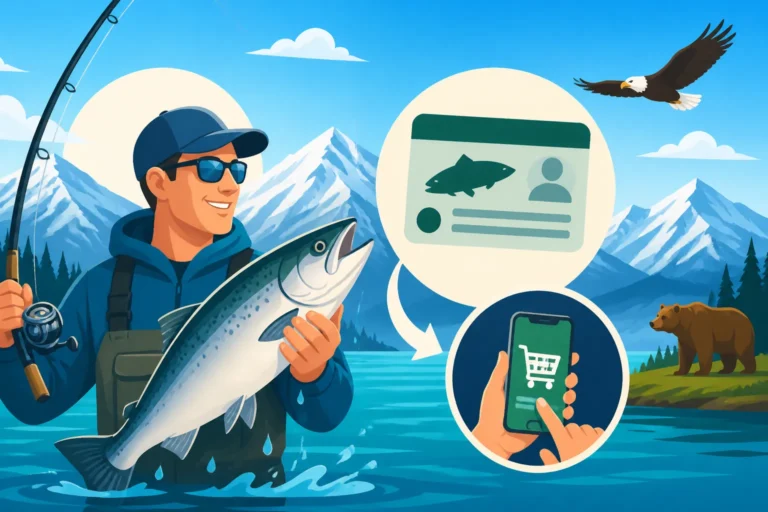
The first and most crucial step is obtaining the correct fishing license. If you're 16 years of age or older, you need an Alaska sport fishing license. This applies to both residents and non-residents, though the costs differ significantly. For visitors, an Alaska Non-Resident Fishing License Guide offers a detailed breakdown of costs and how to purchase. Non-residents typically have options for 1-day, 3-day, 7-day, 14-day, or annual licenses, allowing flexibility for shorter trips. Residents, on the other hand, often opt for annual licenses, which are considerably cheaper. It's essential to understand Alaska Fishing License Age Requirements to ensure everyone in your party is compliant.
But a standard fishing license isn't always enough, especially if you're chasing the prized King Salmon. If you plan to fish for King Salmon, you'll also need to purchase a King Salmon stamp, which is an additional endorsement on your license. This stamp helps fund King Salmon management and conservation efforts. Be sure to check Do You Need a King Salmon Stamp in Alaska for the specific rules, as requirements can vary depending on the area and whether you are a resident or non-resident. These stamps are available for various durations, mirroring the fishing license options. You can usually purchase your license and any necessary stamps online through the ADF&G website or from various vendors, including many tackle shops and general stores, ensuring you're ready before you hit the water.
Harvest Record Card and Reporting
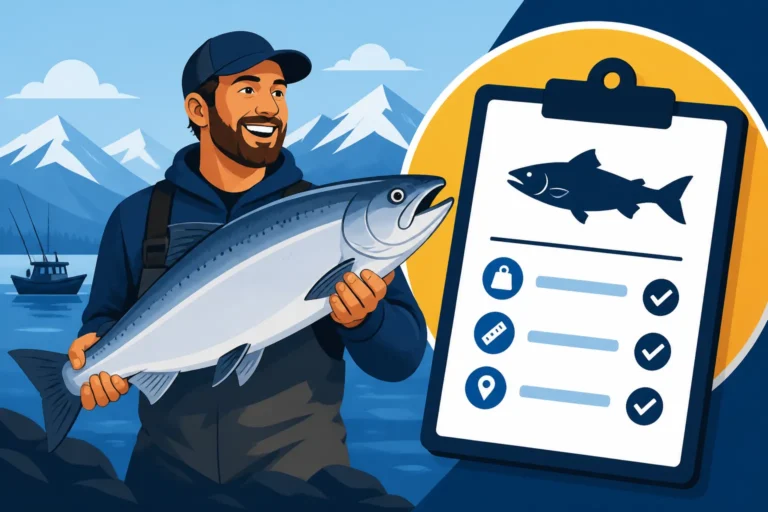
Beyond the license itself, many anglers, especially those targeting King Salmon and halibut, will need an Alaska Harvest Record Card. This card is often integrated into your physical license when you print it or is a separate document provided with it. Its purpose is critical for scientific data collection: it allows ADF&G to track the harvest of certain species, providing vital information for stock assessments and future regulation setting. Essentially, it’s a commitment from you, the angler, to contribute to the health of the fishery.
For species like King Salmon and certain halibut, you are required to immediately record your catch on this card once the fish is retained. This typically means noting the date, location (or statistical area), and species. For King Salmon, you'll need to clip the adipose fin immediately after retention. This might sound like a hassle after a long fight, but it's a mandatory step that helps managers distinguish between hatchery-reared and wild salmon. Understanding What Is the Alaska Harvest Record Card and our guide on How to Fill Out an Alaska Harvest Record Card will ensure you complete this process correctly, avoiding potential fines. Proper completion and retention of your harvest card are just as important as having a valid license, so treat it with care.
Species-Specific Regulations in Southeast Alaska
Southeast Alaska is a treasure trove for anglers, boasting incredible runs of all five species of Pacific salmon, massive halibut, and thriving freshwater trout and char populations. However, each of these species comes with its own set of rules, often meticulously tailored to ensure sustainable harvests and protect vulnerable stocks. Understanding these specific regulations is paramount to a successful and legal fishing trip.
Salmon Regulations: Kings, Sockeye, Coho, Pink, and Chum
Salmon are the lifeblood of Alaska, and Southeast offers phenomenal opportunities to target them. However, regulations can be incredibly nuanced, especially for King (Chinook) Salmon. King Salmon populations have faced challenges in recent years, leading to highly restrictive rules, frequent emergency orders, and often lower bag limits, especially for non-residents. Anglers targeting Kings in Southeast should always check the specific area regulations, as limits can change from one bay to the next, and annual limits for non-residents can be as low as one to three fish. For the most up-to-date information on the prized species, consult our in-depth guide to Alaska King Salmon Fishing Regulations and Limits.
For other salmon species, the rules are generally more liberal but still require close attention. Sockeye (Red) Salmon runs are robust in many Southeast rivers, with daily bag limits often ranging from three to six fish. Coho (Silver) Salmon typically arrive later in the summer, offering exciting action, often with similar bag limits to Sockeye. Pink (Humpy) and Chum (Dog) Salmon are usually the most abundant, with high daily bag limits, sometimes up to six or more per day, and are often overlooked despite being excellent for smoking or canning. Always verify the current daily and possession limits for each species in the specific area you plan to fish. These can differ even within the same general region.
Halibut and Groundfish Rules
Halibut fishing in Southeast Alaska is world-renowned, with anglers dreaming of landing a "barn door." However, halibut management is complex, involving both state and federal rules, often influenced by the International Pacific Halibut Commission. Daily bag limits for sport anglers in Southeast (often referred to as Area 2C and 3A for federal management purposes) are typically one or two fish per day, but with significant size restrictions, especially for charter anglers. Often, charter clients are subject to a "reverse slot limit" or a single-fish limit, meaning you can keep one fish under a certain size (e.g., 40 inches) or over a much larger size (e.g., 80 inches), with a protected slot in between. This helps distribute the harvest and protect breeding-size fish.
For unguided anglers, rules are often slightly less restrictive, but still vary by year and sub-region. It’s crucial to understand Alaska Halibut Fishing Regulations and Limits before you go. Beyond halibut, Southeast offers excellent fishing for various groundfish, including several species of rockfish and lingcod. Rockfish regulations are particularly stringent due to their slow growth and susceptibility to barotrauma (the effects of rapidly bringing fish up from deep water). Many areas have reduced bag limits for rockfish, especially for yelloweye, and mandate the use of a deepwater release device to return non-retained rockfish to depth. This device is typically a weighted hook that helps the fish descend quickly, increasing its survival chances. Check with local guides in places like Sitka or Juneau for specifics, as they are intimately familiar with these practices.
Freshwater Species: Trout, Char, and Grayling
While saltwater species often steal the spotlight, Southeast Alaska's numerous freshwater systems offer fantastic opportunities for trout, char, and Arctic Grayling. Rainbow trout, Cutthroat trout, and Dolly Varden are common catches in the region's lakes and rivers. Regulations for these species tend to be more stable than for salmon or halibut, but still require attention. Many popular streams and lakes might have bait restrictions, gear limitations (e.g., fly-fishing only or single, barbless hooks), or catch-and-release-only sections to protect wild stocks. Our guide on Alaska Rainbow Trout Regulations provides a good starting point for understanding these nuances.
For instance, some productive Dolly Varden streams, particularly those with strong salmon runs, might have daily limits of 2-5 fish, but often with size restrictions. Arctic Grayling, known for their sail-like dorsal fin, are found in some interior-draining rivers of Southeast, typically with conservative bag limits to protect these relatively slow-growing fish. Always check the specific regulations for the particular body of water you intend to fish. These details are usually outlined clearly in the ADF&G regulation booklet, often broken down by individual lake or stream.
Common Restrictions and Best Practices
Understanding the specific bag limits and seasons is only half the battle. Alaska's conservation-focused approach means there are also general restrictions on tackle, handling, and what you can do with your catch. Adhering to these best practices isn't just about avoiding a citation; it's about being a responsible steward of Alaska's precious fisheries.
Tackle and Bait Restrictions
Gear restrictions are commonplace in Alaska, particularly in sensitive salmon-spawning rivers or during specific times of the year when certain fish runs are vulnerable. A critical regulation often encountered in Southeast is the requirement for barbless hooks, especially in salmon streams. This rule helps ensure that incidentally caught or released fish have a much higher chance of survival, as the hook can be removed with minimal damage. Many popular fishing spots will explicitly state "single, barbless hook" requirements. It's a good idea to crimp down the barbs on all your hooks, or purchase pre-barbless hooks from a tackle shop. This is a practice that promotes ethical angling and is detailed further in our Alaska Barbless Hook Requirements guide.
Bait restrictions are another common feature, especially in freshwater systems. In some rivers or during certain salmon runs, bait may be completely prohibited, requiring anglers to use artificial lures or flies. This is often done to reduce incidental catch of non-target species or to protect highly concentrated spawning salmon. Our Alaska Bait Restrictions Explained article delves deeper into these rules. Even when bait is allowed, there might be rules about what kind (e.g., cured eggs, herring) and how it's presented. Always carry a variety of lures and flies, even if you prefer bait, so you can adapt to local regulations. Having a good tackle box, perhaps one you got from a quick search on Amazon, organized with both artificials and bait options, will save you a headache.
Possession Limits and Fish Transport
One of the most common points of confusion for visiting anglers is the difference between daily bag limits and possession limits. A daily bag limit refers to the number of fish you can legally harvest and keep in a 24-hour period. A possession limit, however, refers to the total number of fish you can have in your possession at any given time, whether on your person, in your cooler, at your lodge, or being transported. In many parts of Alaska, the possession limit is simply one or two times the daily bag limit. However, for some species like King Salmon and halibut in Southeast, the possession limit can be quite restrictive, sometimes equaling the daily bag limit or a small annual limit.
If you're planning on shipping your catch home, understanding Alaska Fish Transport and Shipping Rules is crucial. Fish must be kept in a condition that allows for species and count identification until you reach your permanent residence. This means whole fish or large fillets with a patch of skin (and sometimes the head/tail intact for length verification) still attached. Most reputable fish processors in Southeast communities like Ketchikan, Wrangell, or Petersburg are well-versed in these rules and can properly process, package, and ship your fish for you, ensuring compliance. They are a valuable resource if you're planning to take your catch home.
Understanding Emergency Orders and Closures
Alaska's fisheries are dynamic, heavily influenced by natural cycles, environmental conditions, and the strength of returning fish runs. To manage these fluctuations in real-time, ADF&G frequently issues emergency orders. These orders can supersede published regulations with little notice, instituting closures, reducing bag limits, or implementing new gear restrictions to protect fish stocks that are not meeting escapement goals. A prime example is the Kenai River King Salmon fishery, which has seen numerous closures and restrictions over the years due to low returns. Southeast fisheries are no different; King Salmon closures in areas like the Juneau vicinity are not uncommon.
It is every angler's responsibility to check for these emergency orders before heading out to fish. The ADF&G website has a dedicated section for emergency orders, and many local tackle shops and charter operators will also be aware of and post these updates. Ignoring an emergency order, even unknowingly, can lead to significant fines and penalties, including forfeiture of your catch and gear. Staying informed is non-negotiable for anyone fishing in Alaska. Many experienced anglers check the ADF&G website daily, or at least every few days, during their trip, especially if targeting species known for volatile runs.
Here’s a quick summary of general bag limits in Southeast Alaska. Please remember these are general guidelines and can change frequently via emergency order or annual regulation updates. Always check the current ADF&G regulations for the specific area you plan to fish.
| Species | General Daily Bag Limit (Sport Anglers) | Key Restrictions / Notes |
|---|---|---|
| King Salmon (Chinook) | 1 (often with annual limits for non-residents, e.g., 1-3) | Subject to frequent emergency orders, size limits, King Salmon stamp required. |
| Sockeye Salmon (Red) | 3-6 | Varies by river system and run strength. |
| Coho Salmon (Silver) | 3-6 | Strong late-summer/fall fishery. |
| Pink Salmon (Humpy) | 6-10+ | Highly abundant in odd-numbered years. |
| Chum Salmon (Dog) | 6-10+ | Abundant, often underutilized. |
| Halibut | 1 or 2 (with size restrictions) | Federal waters, often reverse slot for charters; specific limits vary by area. |
| Rockfish | 1-4 (varies greatly by species) | Deepwater release device often required for non-retained fish, specific limits for yelloweye. |
| Lingcod | 1-2 (with size limits) | Specific seasons and size requirements. |
| Rainbow/Cutthroat Trout | 2-5 (often with size limits) | Many areas have bait or gear restrictions, some catch-and-release only. |
| Dolly Varden | 2-5 | Common in freshwater, often co-exists with salmon. |
| Arctic Grayling | 2-5 | Found in some interior-draining rivers, often catch-and-release encouraged. |
Navigating the unique and ever-changing landscape of Alaska's fishing regulations, especially in Southeast, requires diligence, patience, and a genuine commitment to conservation. By understanding the licensing requirements, harvest card responsibilities, and species-specific rules, you're not just avoiding trouble; you're actively participating in the preservation of one of the world's last great wild fisheries. Always double-check current regulations, monitor emergency orders, and when in doubt, ask a local expert. It’s an adventure that demands respect for both the fish and the rules that protect them.
Disclaimer
Please be aware that fishing regulations in Alaska are subject to frequent change by the Alaska Department of Fish and Game (ADF&G) through emergency orders and annual regulatory cycles. This guide provides general information and should not be considered the definitive source for current regulations. Always consult the official ADF&G website and the most recent Sport Fishing Regulations Summary for Southeast Alaska before you embark on any fishing trip. Failure to comply with current regulations can result in significant fines and penalties.