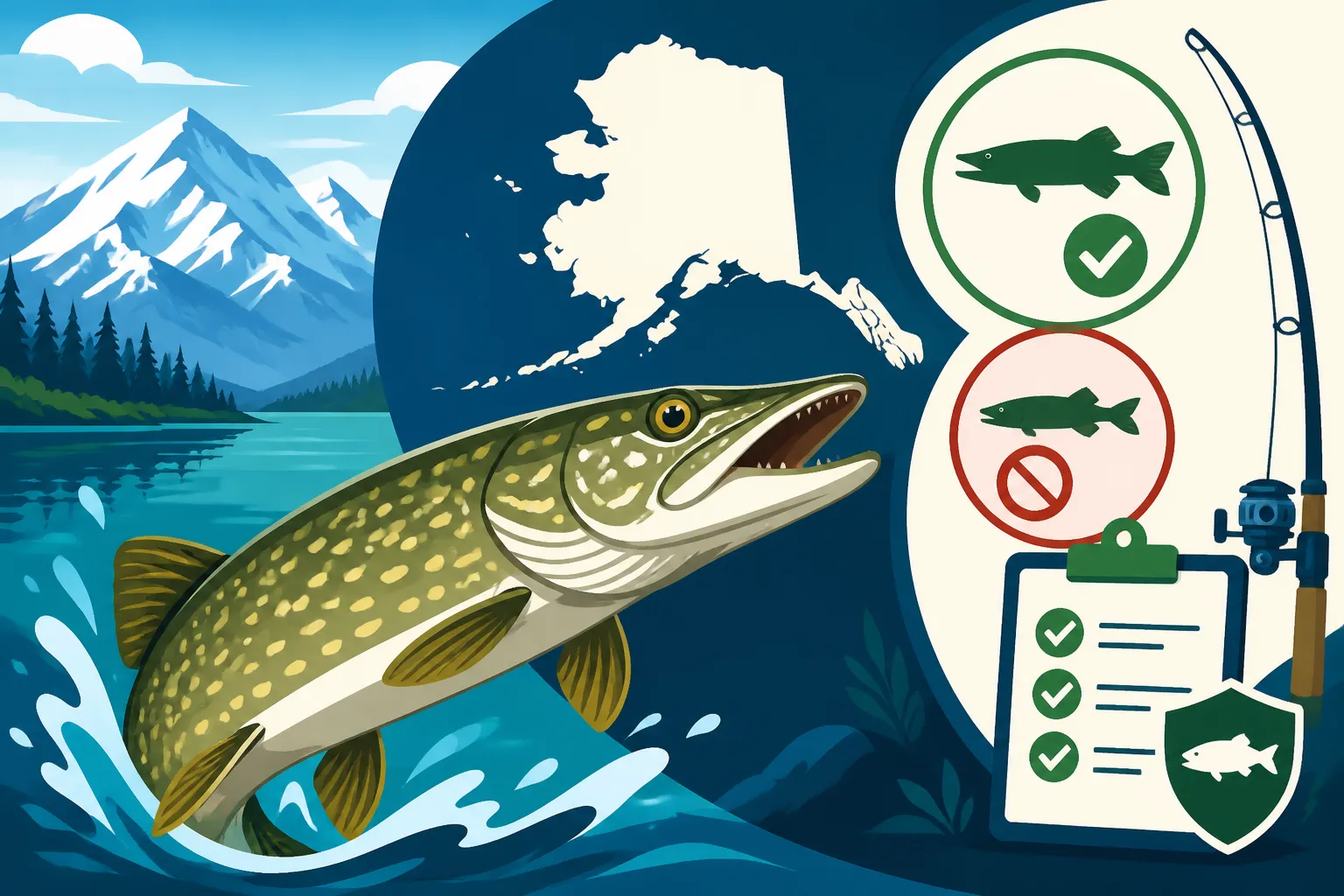
Alaska Northern Pike Regulations and Limits
You've set your sights on northern pike in Alaska, and that's an exciting prospect! However, fishing for these toothy predators here isn't always as straightforward as it might seem elsewhere. The regulations around Northern Pike can be a real head-scratcher, primarily because their status varies wildly across the state – from cherished native species to outright invasive pests. This guide is here to untangle the complexities of Alaska Northern Pike Regulations and Limits, ensuring you're fully prepared to fish legally and responsibly, no matter where your pike quest takes you.
Understanding Northern Pike in Alaska: A Unique Regulatory Challenge
Northern pike in Alaska present a fascinating, if sometimes frustrating, regulatory landscape. Unlike many other species that are universally protected with strict limits, pike here are managed with a dual approach, reflecting their ecological role in different parts of the state. This distinction is crucial for any angler planning to target them.
Why Northern Pike Regulations Are Different
The reason behind these contrasting regulations boils down to whether northern pike are considered native or invasive to a particular watershed. In much of Southcentral Alaska, particularly in the Susitna River drainage, Mat-Su Valley, and areas around Anchorage, northern pike are an introduced, invasive species. They weren't historically present in these waters, and their introduction, likely through illegal stocking, has had devastating impacts on native fish populations. Imagine a ravenous predator suddenly appearing in an ecosystem where the local fish, like juvenile salmon, rainbow trout, and Arctic grayling, have no natural defenses against it. That's precisely what happened.
These invasive pike can decimate young salmon populations, impacting future returns of king salmon, sockeye, and coho, which are vital for both sport fisheries and subsistence users. They also pose a significant threat to popular sportfish like the trout and grayling many anglers travel to Alaska to experience. Because of this ecological threat, the Alaska Department of Fish and Game (ADF&G) has implemented aggressive management strategies in these invasive areas, often encouraging anglers to harvest as many pike as possible, with extremely liberal or even unlimited bag and possession limits. The goal is active suppression and, ideally, eradication to protect Alaska's vulnerable native fish. It’s a conservation effort that relies heavily on angler participation.
General Overview of Pike Management Zones
To simplify, you can generally think of Alaska's pike management in two broad categories:
First, there are the invasive pike management areas, primarily found in Southcentral Alaska. These are the zones where ADF&G wants you to catch and keep every pike you possibly can. Regulations in these areas are designed to encourage harvest, often featuring no bag limits, no size limits, and extended seasons. The state wants these fish out of the water to protect native species. If you're fishing a lake or river in the Matanuska-Susitna Borough, for instance, there's a good chance you're in an invasive pike zone where you can fill your cooler.
Second, there are native pike management areas, predominantly located in Interior, Western, and Arctic Alaska. Here, northern pike are a natural part of the ecosystem, coexisting with other species. In these regions, regulations are much more conservative, focusing on sustainable harvest and ensuring healthy pike populations. You'll find standard bag and possession limits, and sometimes even size restrictions, similar to how other sportfish are managed. The Yukon River, Kuskokwim River, and many lakes in the Interior are examples of native pike habitats. It's a completely different mindset than in the invasive zones, emphasizing respect for their role in the natural balance. Knowing which zone you're in is paramount before you even cast a line. For a broader understanding of statewide rules, check out our guide on Alaska Fishing Regulations Explained.
Detailed Northern Pike Regulations and Bag Limits by Region
Understanding the general philosophy behind pike management is a great start, but the real details are found in the regional regulations. Alaska is a vast state, and what's perfectly legal in one area might be a serious violation in another. Always double-check the current Alaska Sport Fishing Regulations booklet for the specific region you plan to fish, as emergency orders can change rules rapidly.
Southcentral Alaska: Aggressive Removal Areas
In Southcentral Alaska, particularly within the Susitna River Drainage, the Mat-Su Valley, and the Anchorage Bowl, northern pike are largely considered an invasive threat. This means the regulations are highly liberal, designed to promote maximum harvest. The objective is to remove as many pike as possible to protect native fish populations, especially juvenile salmon and trout.
For instance, in many waters within the Susitna River drainage, which includes popular destinations like the Nancy Lake Recreation Area, the ADF&G often sets no bag limit and no size limit for northern pike. This means if you catch a pike in these areas, you are strongly encouraged to harvest it and not release it. This approach aims to reduce their numbers significantly, giving native species a fighting chance. Anglers are often seen as frontline defenders in this conservation battle. It’s a unique situation where catching a lot of fish is not just fun, but also a service to the ecosystem. Always remember to dispatch these fish humanely and quickly; don't release them back into the water to continue preying on native fish.
Areas like the Talkeetna Lakes, Wasilla Lake, and many other lakes accessible from the road system in the Mat-Su Borough frequently fall under these aggressive removal regulations. It's not uncommon to hear of anglers catching dozens of pike in a single outing from these infested waters. This liberal approach is a direct response to the ecological damage these invasive predators inflict. You might not even need to record your catch on an Alaska Harvest Record Card Explained for pike taken in these specific eradication zones, but it's always best to verify in the current regulations booklet.
Interior and Western Alaska: Native Habitat and Conservation
When you venture into Interior, Western, or Arctic Alaska, the story changes entirely. Here, northern pike are native to the vast river systems and countless lakes. They are a natural and important part of the food web, and the regulations reflect a conservation-minded approach to ensure sustainable populations.
For example, within the sprawling Yukon River Drainage and its tributaries, or the equally vast Kuskokwim River Drainage, you'll typically find more conservative bag and possession limits for northern pike. These limits are designed to allow for recreational harvest while maintaining healthy spawning stocks. A common regulation might be a daily bag limit of 5-10 pike, with specific possession limits that are often twice the daily limit. Unlike the invasive areas, size limits may also be in place, sometimes encouraging the harvest of smaller pike while protecting larger, potentially more reproductively valuable females. This is where you might encounter specific size slots, like "no pike between 25 and 35 inches may be retained," to manage the population structure.
Consider the Tanana River Drainage, where pike are also native. Here, anglers might have a daily bag limit of five pike, with a possession limit of ten, and possibly a regulation that only one pike over a certain length (e.g., 30 inches) can be kept per day. These rules are in place to prevent overharvest and ensure that future generations of anglers can also enjoy the pike fishery. Anglers in these regions are expected to adhere to these limits, just as they would for salmon or trout. Releasing fish within the legal limits is a common practice here, reflecting the value of pike as a native sportfish. Knowing the Alaska Fishing Limits and Bag Limits Explained for all species is always vital.
Exceptions and Special Regulations
Alaska's fishing regulations are dynamic, and northern pike are no exception. Beyond the general regional differences, there are often specific nuances, local closures, or annual emergency orders that can impact your pike fishing plans. It’s not uncommon for ADF&G to issue emergency orders that alter bag limits or seasons, sometimes with very short notice, to respond to biological concerns or conservation needs.
For instance, certain lakes might have specific gear restrictions that differ from the general rules. While bait is generally permitted for pike in many areas, there could be waters where Alaska Bait Restrictions Explained are in place to protect native species from bait-related disease transmission or accidental hooking. Always check the "Exceptions" section for your specific fishing area in the ADF&G regulation booklet. Additionally, some waters might have specific times of year when pike fishing is restricted or even closed, often coinciding with spawning periods or critical periods for other native species.
Another common exception relates to gear. While many general regulations allow for the use of artificial lures and bait, some waters might stipulate single hooks only or even barbless hooks, particularly if there's a risk of incidentally catching other sport fish like Alaska Rainbow Trout Regulations or Alaska Arctic Grayling Regulations and Limits. These special rules are designed to balance fishing opportunities with the protection of all fish species in the water body. Always carry the most recent regulation booklet or have the ADF&G mobile app handy, and be sure to verify any emergency orders before heading out.
Here's a simplified comparison of typical Northern Pike regulations in Alaska:
| Feature | Invasive Pike Management Areas (e.g., Mat-Su Valley, Anchorage Bowl) | Native Pike Management Areas (e.g., Yukon, Kuskokwim, Tanana Drainages) |
|---|---|---|
| Status | Invasive, detrimental to native species (salmon, trout, grayling) | Native, integral part of the ecosystem |
| Bag Limit | No bag limit (unlimited harvest encouraged) | 5-10 pike per day (specific limits vary by region/water body) |
| Possession Limit | No possession limit (unlimited) | Often 2x daily limit, or a specific possession limit (e.g., 10-20 pike) |
| Size Limit | No size limit (all sizes encouraged to be harvested) | Varies; often protects larger fish (e.g., "only one over 30 inches") or has a protected slot limit (e.g., "none between 25-35 inches") |
| Release Policy | Harvest and humanely dispatch all caught pike; do not release live. | Catch-and-release is common within legal limits; release fish you don't intend to keep. |
| Harvest Record | May not be required in specific eradication zones (always check current regs). | Required to be recorded on your Alaska Harvest Record Card. |
| Gear Restrictions | Generally liberal (e.g., bait allowed, multiple hooks); always check specific water body regulations for exceptions. | Varies; may have specific restrictions (e.g., single hook only) to protect other species; check specific water body regulations. |
Practical Tips for Responsible Northern Pike Fishing
Fishing for northern pike in Alaska can be incredibly rewarding, but it’s crucial to approach it with responsibility and a clear understanding of the rules. Whether you're helping control an invasive population or sustainably harvesting from a native one, being prepared makes all the difference.
Required Gear and Permitted Methods
When targeting northern pike, having the right gear is essential, not just for success but also for legal compliance. Pike have incredibly sharp teeth, so heavy leader material is a must. Many anglers opt for wire or heavy fluorocarbon leaders to prevent bite-offs. As for lines, a strong braided line in the 30-50 lb test range is typical, spooled on a medium-heavy to heavy action rod with a sturdy reel. You want something with backbone to handle these powerful fish.
In terms of lures and bait, pike are generally not too picky. Large spoons, spinnerbaits, inline spinners, and swimbaits are all highly effective. For bait, cut herring or large chunks of fish are often used, especially when fishing through the ice. When it comes to hooks, most general regulations allow for treble hooks, but in specific areas, especially where native trout or salmon may be present, you might encounter regulations requiring single hooks, or even barbless hooks to minimize harm to non-target species. Always check the specific area regulations.
One exciting option for many anglers in Alaska is the Alaska Two-Pole Fishing Rules. If you purchase a two-pole endorsement with your Alaska fishing license, you can fish with two separate rods at the same time, which can increase your chances when targeting active pike. This endorsement is particularly popular in lakes and slower-moving rivers. Ensure both poles are actively attended and that using two poles is permitted in your chosen waterbody.
Handling and Recording Your Catch
How you handle your catch depends heavily on whether you're in an invasive or native pike area. In Southcentral Alaska's aggressive removal zones, the directive is clear: if you catch a northern pike, you are encouraged to harvest it. This means you should be prepared for humane dispatch. A swift, decisive blow to the head or a strong gill cut are common methods. Have a sturdy pair of pliers or jaw spreaders, and a good knife or priest ready. Do not release live pike back into the water in these areas. Your efforts directly contribute to the conservation of native salmon and trout.
In native pike areas, where bag and size limits apply, responsible handling means minimizing stress if you intend to release the fish. Use appropriate tools to quickly unhook them, and release them gently back into the water. If you're keeping them within your legal limits, humanely dispatch them as described above. Regardless of the region, if you're retaining pike, you'll need to know how to properly record them on your harvest record card, if applicable. While specific eradication zones may be exempt, most sportfish caught and kept in Alaska must be noted. This helps ADF&G monitor harvest levels and manage fish populations effectively.
Preventing the Spread of Invasive Species
This is a critical responsibility for every angler, especially when fishing for species like northern pike that can be invasive. The mantra "Clean, Drain, Dry" is paramount. If you're moving your boat, waders, or any fishing gear between different bodies of water, particularly from an invasive pike lake to a native one, you must take precautions.
- Clean: Thoroughly clean your boat, trailer, waders, boots, and all fishing gear to remove any mud, plants, or organic debris. Even a small piece of vegetation can carry invasive species.
- Drain: Drain all water from your boat, live wells, bilge, and bait buckets before leaving the ramp. Never transport water from one lake to another.
- Dry: Allow all equipment to thoroughly dry for at least 24-48 hours before using it in a different water body. This kills many microscopic organisms that could be invasive.
Furthermore, never, ever transport live fish from one waterbody to another. This is illegal and is the primary way invasive species like northern pike spread. Even if you think you're "helping" by moving fish, you could be causing irreparable damage to an entire ecosystem. Report any suspected illegal fish introductions to ADF&G. Adherence to these practices is vital for protecting Alaska's precious aquatic resources and ensuring healthy fisheries for generations to come. When planning your trip, consider durable, easy-to-clean gear. You can often find effective tools like sturdy fishing pliers, landing nets, and fish processing knives on Amazon that will stand up to the rigors of Alaskan fishing and help you comply with ethical handling practices.
Disclaimer
Please remember that fishing regulations in Alaska can change frequently, especially with emergency orders. Always consult the current Alaska Department of Fish and Game (ADF&G) sport fishing regulations booklet for the specific region you plan to fish before heading out. This guide provides general information and should not be considered a substitute for official regulations.