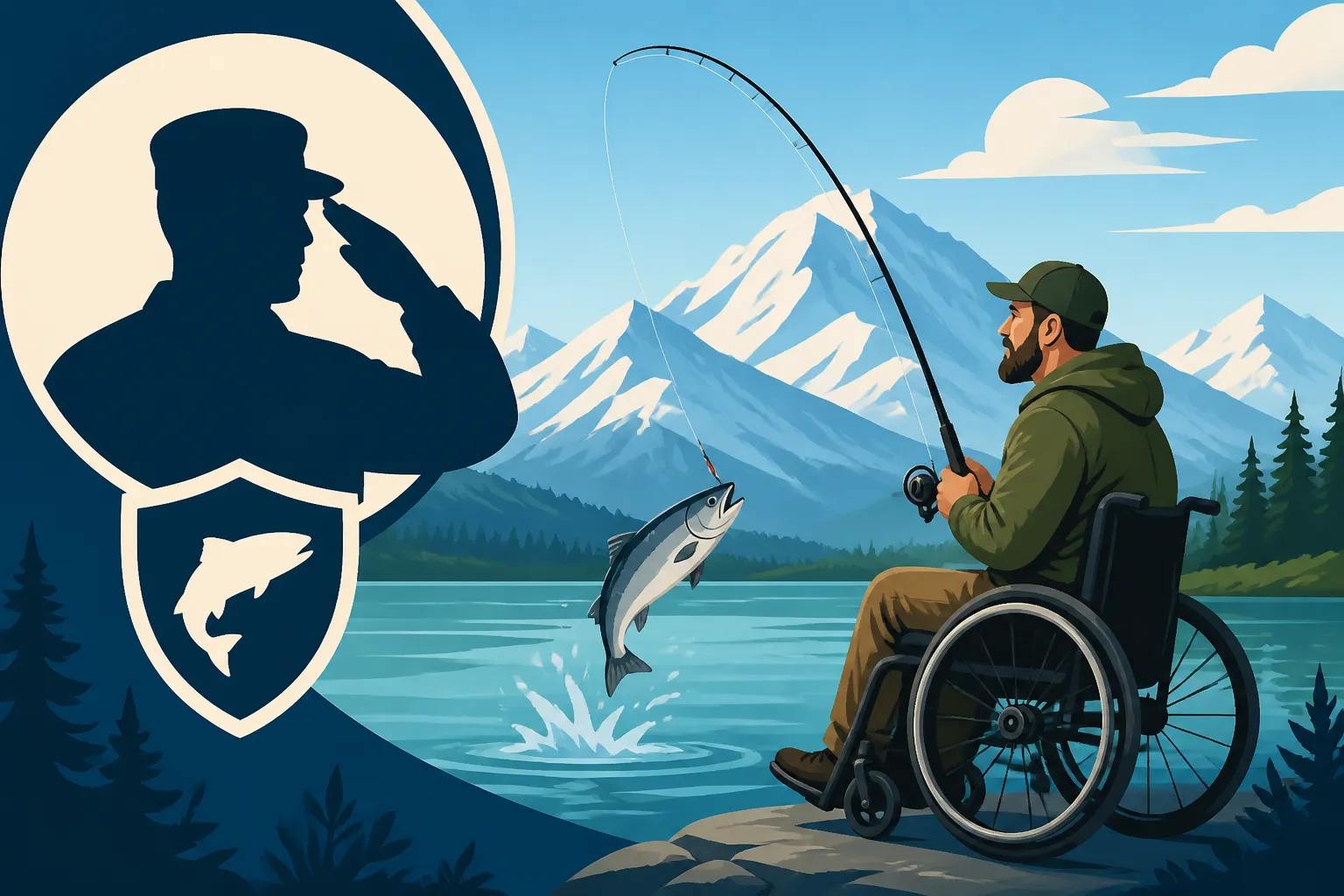
Alaska Fishing License for Disabled Veterans
Navigating the world of fishing licenses can often feel like a puzzle, especially when you're looking for specific benefits earned through service. For disabled veterans who've sacrificed so much, the process of figuring out how to get an Alaska fishing license shouldn't be another challenge. This comprehensive guide is here to cut through the confusion, offering a clear path to understanding the qualifications, benefits, and application process for disabled veterans looking to enjoy the incredible fishing opportunities Alaska has to offer.
Navigating the Benefits: Alaska Fishing License for Disabled Veterans
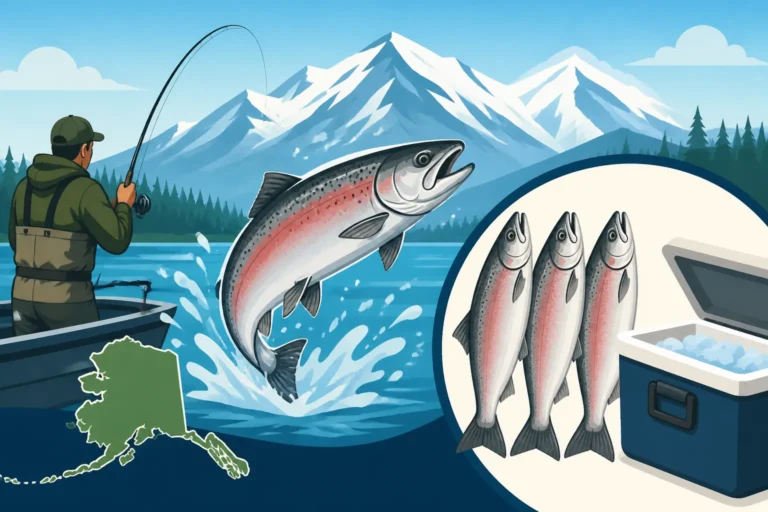
Alaska deeply values the contributions of its veterans, and that appreciation extends to offering specific benefits for disabled veterans seeking to enjoy the state's unparalleled fishing. It's not just about a discount; it's about acknowledging service and making access to recreational opportunities easier for those who've given so much. Understanding these specific provisions can save you time, money, and a good deal of frustration.
Who Qualifies for a Disabled Veteran Fishing License in Alaska?
Let's get down to the brass tacks of eligibility, because this is where many folks get tripped up. The state of Alaska offers special fishing licenses to residents who are veterans with a service-connected disability. The key here is "resident" and "service-connected disability." You can't just be any veteran with a disability; you need to meet the Alaska Department of Fish and Game (ADF&G) criteria for a resident, which typically means you've lived in the state for at least 12 consecutive months immediately preceding your application and don't claim residency in another state. This residency requirement is crucial, so if you're planning a move to Alaska or are just passing through, keep that in mind.
Beyond residency, the disability itself must be service-connected, meaning the U.S. Department of Veterans Affairs (VA) has officially recognized that your disability was incurred or aggravated during military service. There's also a specific disability rating threshold: typically, veterans need to have at least a 50% service-connected disability rating. This isn't something the ADF&G determines; it's based on your official VA documentation. It's a system designed to ensure the benefits go to those whose service has directly led to significant challenges.
It's common to feel a bit overwhelmed by the paperwork and criteria. Many veterans express frustration with navigating government bureaucracy, especially when dealing with personal health information. But rest assured, the process is well-established, and once you have your VA documentation in order, it becomes much smoother. If you’re unsure about your residency status or disability rating, it’s always best to confirm with official state and VA resources before starting your application.
Understanding the Specific Benefits and Discounts
The primary benefit for qualifying disabled veterans is a significantly reduced fee for their Alaska sport fishing license. Instead of paying the standard resident annual sport fishing license fee, which can be around $20, eligible disabled veterans can often obtain their license for a nominal fee, sometimes as low as $5. This might seem like a small amount on its own, but when you consider that it includes the annual license, and sometimes even crucial stamps like the King Salmon stamp, the savings really add up over time, especially if you're an avid angler.
Beyond the reduced cost, these licenses represent a small token of gratitude from the state. For many, the true value isn't just the monetary saving, but the recognition of their service and the tangible support for their recreational pursuits. It allows more disabled veterans to access the healing power of Alaska's wild spaces without an added financial burden. For a deeper dive into general licensing requirements, you might want to check out the Alaska Fishing License: Complete Guide.
Comparing this to the costs for other anglers, it’s a substantial discount. A standard Alaska resident annual fishing license costs more, and non-resident licenses are considerably higher, often in the range of $100 for an annual license or various tiered prices for shorter durations. So, while the base fee might seem minor, it’s a significant financial break that underscores Alaska's commitment to its disabled veteran community.
The Importance of Recognizing Veteran Contributions
This special license program isn't just about administrative policy; it's a heartfelt recognition of the profound sacrifices made by our nation's veterans. Many disabled veterans face ongoing challenges, both physical and mental, as a direct result of their service. Providing access to outdoor activities like fishing, which are known for their therapeutic benefits, is one way Alaska shows its appreciation. It acknowledges that healing and enjoyment are vital, and that the beautiful, serene landscapes of Alaska can offer a unique form of solace.
For many veterans, fishing isn't just a hobby; it's a way to reconnect with nature, find peace, and enjoy camaraderie. Programs like this make it easier for them to do exactly that. It's a small but meaningful way to say "thank you" for their unwavering commitment to our country. It’s also important for us, as a community, to be aware of these benefits and help spread the word, ensuring that every eligible disabled veteran knows about and can access the opportunities they've earned.
It also fosters a sense of belonging and community. When veterans feel supported and valued, it strengthens their ties to their home state. This isn't just about handing out a card; it's about investing in the well-being of individuals who have already invested so much in us. Understanding the Alaska Fishing License Cost and Types in general really highlights the value of this specific benefit for veterans.
Step-by-Step: How to Apply for Your Disabled Veteran Fishing License
Applying for any government-issued license can feel like navigating a maze, but breaking it down into manageable steps makes it much easier. For your disabled veteran fishing license in Alaska, the process is straightforward once you know what documents you need and which application method suits you best.
Gathering the Necessary Documentation
The foundation of a successful application is having all your paperwork in order. The main documents you'll need are proof of your Alaska residency and verification of your service-connected disability rating from the VA. For residency, this could be your Alaska Permanent Fund Dividend (PFD) application history, a valid Alaska driver's license or state ID that's been issued for over a year, or other official documents showing your physical presence in the state for the required 12 months. Ensure these documents clearly show your address and demonstrate continuous residency.
For your service-connected disability, you'll need an official letter from the U.S. Department of Veterans Affairs (VA) stating your disability rating and confirming it is service-connected. This letter is crucial as it verifies you meet the 50% or more disability rating requirement. Your DD-214 (Certificate of Release or Discharge from Active Duty) might also be requested as proof of veteran status, so it’s wise to have a copy readily available.
My best advice here is to create a dedicated folder, physical or digital, for all these documents. Having everything organized will prevent last-minute scrambling and potential delays. Make copies of everything and never send original documents unless explicitly instructed and you've made copies for your records. This methodical approach will save you a lot of headaches in the long run.
Application Methods: Online, Mail, or In-Person
Alaska offers several convenient ways to apply for your disabled veteran fishing license, allowing you to choose the method that best fits your comfort level and schedule.
-
Online Application: This is often the quickest and most efficient method for many. The Alaska Department of Fish and Game (ADF&G) website has an online licensing system. You'll typically need to create an account, upload scanned copies of your required documents (VA letter, proof of residency), and complete the application form digitally. The system is generally user-friendly, guiding you through each step. The primary advantage here is speed – you can often get your license almost immediately once approved. However, you need to be comfortable with scanning and uploading documents and have a reliable internet connection. For those who prefer to do things from home, this is an excellent option. If you're generally interested in how to purchase licenses online, you can learn more by reading How to Get an Alaska Fishing License Online.
-
Mail-In Application: If you prefer a more traditional approach or don't have easy access to a computer and scanner, applying by mail is a solid alternative. You can download the application form from the ADF&G website, print it, fill it out by hand, and then mail it along with photocopies of your supporting documents. This method requires a bit more time for postage and processing, so it's not ideal if you need your license in a hurry. Make sure to use certified mail if you're concerned about tracking your application. The forms are usually straightforward, but double-check that every field is filled out correctly to avoid delays.
-
In-Person Application: For those who prefer face-to-face interaction or need assistance, applying in person is always an option. You can visit an ADF&G office or a licensed vendor (like some sporting goods stores or general stores in smaller communities) that sells hunting and fishing licenses. Bring all your original documents and their copies. A staff member can help you fill out the form, verify your documents on the spot, and often issue your license immediately. This method is great for getting questions answered and ensuring everything is correct before you leave. Just remember to check the operating hours of the office or vendor before you go.
No matter which method you choose, always verify the most current requirements and forms on the official ADF&G website before you begin, as regulations can sometimes change.
What to Expect After Application
Once you've submitted your application and all the necessary documentation, the waiting game begins. The processing time can vary depending on the time of year and the volume of applications the ADF&G is handling. Typically, online applications are processed the fastest, sometimes within a few hours or a day, assuming all documents are clear and correct. Mail-in applications might take a few weeks, including transit time. In-person applications usually result in an immediate issuance if everything is in order.
If there are any issues with your application, such as missing documents, unclear copies, or discrepancies, the ADF&G will contact you. This is why providing accurate contact information (phone and email) is so important. They'll let you know what additional information is needed, and you'll have an opportunity to provide it. Don't get discouraged if this happens; it's a standard part of the process to ensure compliance.
Once your application is approved, your disabled veteran fishing license will be issued. If you applied online, you’ll likely receive a digital copy immediately, which you can print or display on your phone. A physical license card will usually be mailed to you as well. Keep your license with you whenever you're fishing, as it's a legal requirement. Being prepared ensures you can fully enjoy your fishing trips without any unexpected hassles.
Beyond the License: Essential Alaska Fishing Information for Veterans
Getting your disabled veteran fishing license is a fantastic first step, but Alaska fishing involves more than just a piece of paper. To truly enjoy your time on the water, you'll want to be familiar with the regulations, have the right gear, and know where to find accessible, veteran-friendly opportunities.
Understanding Alaska Fishing Regulations and Emergency Orders
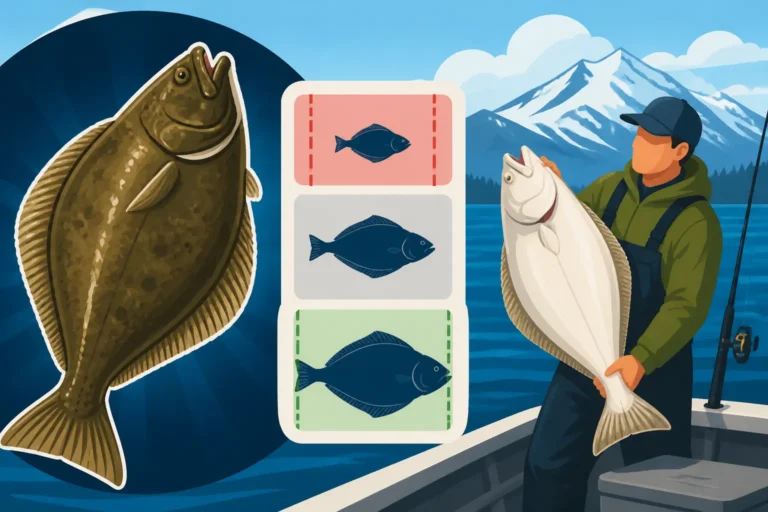
Alaska's fishing regulations are extensive and can be quite complex, varying by region, species, and even specific river systems. This isn't just a suggestion to read them; it's a critical component of ethical and legal fishing in the state. Ignoring them can lead to significant fines or even loss of fishing privileges, which would be a real shame after all your effort to get licensed. The state prioritizes conservation, and regulations like bag limits, size restrictions, and gear restrictions are in place to protect fish populations for future generations. For a comprehensive overview, familiarize yourself with the Alaska Fishing Regulations Explained guide.
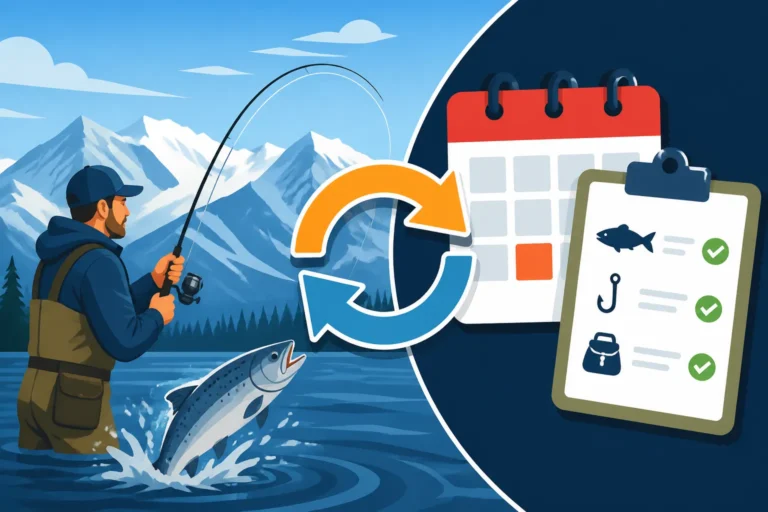
A unique aspect of Alaska fishing is the frequent use of "emergency orders." These are in-season changes to regulations, often implemented with little notice, due to fluctuating fish runs or other ecological factors. For example, a King Salmon fishery might suddenly close, or bait might be restricted. Staying informed is paramount. You can sign up for email or text alerts from the ADF&G, check their website frequently, or call their regional offices. Before every trip, especially for popular fisheries like the Kenai River, it’s crucial to "check the E.O.s" to ensure you're compliant with the very latest rules. Knowing How to Read Alaska Fishing Regulations Booklet can be immensely helpful here.
For disabled veterans, especially if mobility or accessibility is a concern, knowing the rules helps in planning trips effectively. You don't want to travel a long distance only to find out the fishery you intended to target is closed or has unexpected restrictions. Being proactive means a more enjoyable and stress-free fishing experience.
Recommended Gear and Accessibility Tips for Disabled Anglers
When it comes to gear for Alaska fishing, durability and functionality are key, but for disabled anglers, accessibility and comfort are equally important. Think about your specific needs. Are lightweight rods and reels easier to handle? Do you benefit from specialized rod holders that attach to a chair or boat? Many adaptive fishing tools are available to help make the sport more accessible, from modified grips to casting aids. You can often find a wide array of specialized equipment, from comfortable, supportive fishing chairs to robust, easy-to-manage fishing vests, with a quick search on platforms like Amazon.
Layering your clothing is always crucial in Alaska's unpredictable weather. Waterproof and breathable rain gear is non-negotiable, even on sunny days, as conditions can change rapidly. For accessible locations, consider spots that offer paved paths, designated fishing platforms, or boat launches with ramps. Many state parks and popular roadside fishing areas around communities like Anchorage, Fairbanks, and on the Kenai Peninsula have made great strides in improving accessibility. You might find some excellent suggestions in the Best Fishing Spots for Families in Alaska which often includes accessible locations.
If you're considering a guided trip, don't hesitate to communicate your specific needs when booking. Reputable charter operators and fishing guides are generally happy to accommodate disabled anglers and can often provide specialized equipment or tailor the trip to ensure comfort and safety. Many guides are passionate about getting everyone out on the water, and a frank conversation beforehand ensures a great experience for all. A full overview can be found in the Alaska Fishing Charters: Complete Guide.
Finding Veteran-Friendly Fishing Opportunities and Communities
Alaska has a growing number of organizations and initiatives specifically geared towards supporting veterans, including those with disabilities, in accessing outdoor activities like fishing. Groups such as Project Healing Waters Fly Fishing or local veteran support networks often organize fishing trips, workshops, and provide mentorship. These programs not only offer fantastic fishing experiences but also foster a strong sense of community and camaraderie among veterans.
Look for local chapters or non-profits that focus on outdoor recreation for veterans in areas you plan to visit, such as the Mat-Su Valley, Kenai Peninsula, or Southeast Alaska. Many fishing lodges and charter operations also offer special rates or dedicated trips for veterans, particularly those with disabilities, as a way of giving back. A quick online search for "Alaska veteran fishing trips" or "disabled veteran outdoor programs Alaska" can yield some wonderful resources. Social media groups and forums dedicated to Alaska fishing and veteran affairs can also be excellent places to connect with like-minded individuals and discover opportunities.
Participating in these communities can provide invaluable local knowledge, shared experiences, and friendships. It's an opportunity to connect with others who understand the unique challenges and joys of being a disabled veteran. Whether it's through a sponsored trip or just networking with fellow anglers, finding these veteran-friendly spaces can enrich your Alaska fishing adventure significantly. Remember, platforms like Amazon also stock a variety of accessible fishing gear that can further enhance your comfort and independence on these trips. For additional tips on what gear to pack, check out our Alaska Fishing Gear and Tackle Guide.
Alaska Fishing License for Disabled Veterans Comparison
To summarize the key differences, here's a quick comparison of the fishing license types:
| License Type | Eligibility | Typical Annual Cost | Key Benefits |
|---|---|---|---|
| Disabled Veteran Resident | Alaska Resident, 50%+ Service-Connected VA Disability | ~$5 | Significantly reduced fee, often includes King Salmon stamp. |
| Alaska Resident Annual | Alaska Resident (12+ months) | ~$20 | Standard access to all sport fisheries for residents. |
| Alaska Non-Resident Annual | Non-Alaska Resident | ~$100 | Allows non-residents to fish all sport fisheries for a full year. |
| Alaska Non-Resident 7-Day | Non-Alaska Resident | ~$70 | Good for shorter trips, valid for seven consecutive days. |
| Alaska Senior Resident (60+) | Alaska Resident, Age 60+ | Free | Free license for eligible resident seniors. |
Note: All costs are approximate and subject to change by the Alaska Department of Fish and Game. King Salmon Stamps are often an additional cost for standard licenses but may be included for disabled veteran licenses.
Disclaimer
The information provided in this guide is for general informational purposes only and does not constitute legal advice. While we strive to keep the information accurate and up-to-date, Alaska's fishing regulations and licensing requirements can change without notice, particularly through emergency orders. Always consult the official Alaska Department of Fish and Game (ADF&G) website and the U.S. Department of Veterans Affairs (VA) for the most current and authoritative information regarding eligibility, application processes, and fishing regulations before planning any fishing activities.