Alaska Kenai River King Salmon Closure Explained
It's incredibly frustrating when you've planned your dream Alaska fishing trip, perhaps even months or a year in advance, only to hear whispers or, worse, an official announcement about a Kenai River King Salmon closure. This unexpected shift can throw a wrench into your carefully laid plans, leaving you confused about what you can or cannot fish for, and what your options are. This comprehensive guide will walk you through the realities of Kenai River King Salmon closures, why they happen, how to stay informed, and what alternatives you have so you can still enjoy your Alaskan adventure.
Understanding Why Kenai King Salmon Fisheries Close
For many anglers, the Kenai River is synonymous with trophy King Salmon, also known as Chinook. It's a legendary river, drawing people from all over the world with the promise of battling one of these magnificent fish. But the health of the King Salmon population is a delicate balance, and closures are never made lightly. They are a necessary, albeit often painful, management tool used by the Alaska Department of Fish and Game (ADF&G) to protect these vital fish runs.
The Importance of King Salmon Escapement Goals
At the heart of any closure decision lies the concept of escapement goals. Think of escapement as the number of adult fish that successfully "escape" the fishery – meaning they are not caught by anglers or commercial fishermen – and make it back to their spawning grounds to reproduce. ADF&G sets specific, science-based escapement goals for each salmon species and river system, including the Kenai River King Salmon. These goals are crucial for ensuring the long-term sustainability of the population. If the number of returning King Salmon is projected to fall below these minimum escapement targets, or if in-season counts indicate the run is weaker than anticipated, immediate action is required. This is often when you'll see an emergency order come into play. It's a proactive measure to safeguard the future of the species, even though it impacts current fishing opportunities.
Environmental Factors and Salmon Runs
It's not just about how many fish are caught; a myriad of environmental factors also play a huge role in the strength of a salmon run. Changes in ocean conditions, such as temperature fluctuations and shifts in food availability, can significantly impact the survival rates of juvenile salmon as they mature in the marine environment. Freshwater conditions, too, are critical. Things like unusually low water levels due to drought can make rivers difficult for salmon to navigate, increasing stress and mortality. Conversely, high water events from heavy rains or snowmelt can make it harder for anglers to effectively fish, but also mean fish can move through the system quickly, sometimes making escapement easier to achieve without as much fishing pressure. These environmental variables are constantly monitored, and when they point to a weaker run, fishing regulations, including closures, are adjusted accordingly. It's a complex ecological puzzle, and unfortunately, anglers often bear the brunt of these natural fluctuations.
Balancing Sport, Commercial, and Personal Use Fisheries
The Kenai River King Salmon fishery isn't just about sportfishing. Alaska has a diverse range of fishing interests that all rely on these valuable resources. There are commercial fisheries, often gillnetters in Cook Inlet, that target King Salmon as they approach the river. Then there are personal use fisheries, like the famous dip net fishery at the Kenai River mouth, which allows Alaskan residents to harvest large quantities of salmon for subsistence. All these users share the same resource, and ADF&G has the unenviable task of balancing the needs and desires of each group while prioritizing the health of the fish stock. When King Salmon runs are weak, restrictions are often implemented across all user groups – sometimes even resulting in commercial closures or limitations on personal use harvests – to ensure enough fish make it upstream to spawn. This shared responsibility, though sometimes contentious, is vital for conservation.
The Mechanics of a Kenai King Salmon Closure
When the word "closure" comes down, it can feel sudden and confusing. It's rarely a spur-of-the-moment decision; rather, it's the culmination of ongoing monitoring, data analysis, and careful deliberation by fisheries biologists. Understanding how these decisions are made and what different types of restrictions exist can help you react more effectively when they occur.
Emergency Orders and Regulatory Changes
The primary mechanism for implementing a King Salmon closure on the Kenai River is through an "Emergency Order" issued by the ADF&G. These orders are legally binding and supersede existing regulations published in the annual sport fishing regulation booklet. An emergency order is exactly what it sounds like: a rapid response to an in-season situation, usually a weaker-than-expected run, to immediately protect the fish.
When an emergency order is issued, it will specify the species affected (e.g., King Salmon), the specific waters impacted (e.g., the Kenai River mainstem from its mouth to Skilak Lake), and the exact dates or conditions under which the restriction is in effect. It might ban retention entirely, prohibit the use of bait, or even close fishing for King Salmon altogether. You can't rely solely on the paper regulation book for current information; you absolutely must How to Check Alaska Emergency Orders Before Fishing before heading out. Checking the ADF&G website or their recorded hotline is paramount, even if you just checked yesterday.
Types of King Salmon Restrictions
A "closure" isn't always a complete ban on fishing for King Salmon. Sometimes, restrictions are implemented in stages, or specific types of fishing are curtailed while others are allowed. It’s crucial to understand the nuances.
- No Retention: This is a common restriction. It means you can fish for King Salmon, and if you catch one, you must immediately release it unharmed. This can be particularly frustrating if you've been dreaming of bringing home a trophy King for the dinner table, but it's a way to allow fishing enjoyment while still protecting the run. Many anglers still enjoy the thrill of the catch and release.
- Bait Restrictions: Often accompanying "no retention" or enacted independently, bait restrictions prohibit the use of natural bait (like herring or cured salmon eggs) when targeting King Salmon. This is because bait is generally more effective at enticing a bite, and therefore, poses a higher risk of incidental catch and mortality to Kings. This means you might be restricted to artificial lures only. Make sure your tackle box is ready for such scenarios – having a good selection of spoons, spinners, and plugs on hand that don't require bait, perhaps purchased from Amazon, is always a good idea. For more details on this, you might want to read about Alaska Bait Restrictions Explained.
- Gear Restrictions: Sometimes, ADF&G might impose specific gear restrictions, such as requiring single hooks or prohibiting treble hooks, especially during King Salmon closures. The aim is to reduce damage to fish that are caught and released, increasing their chances of survival.
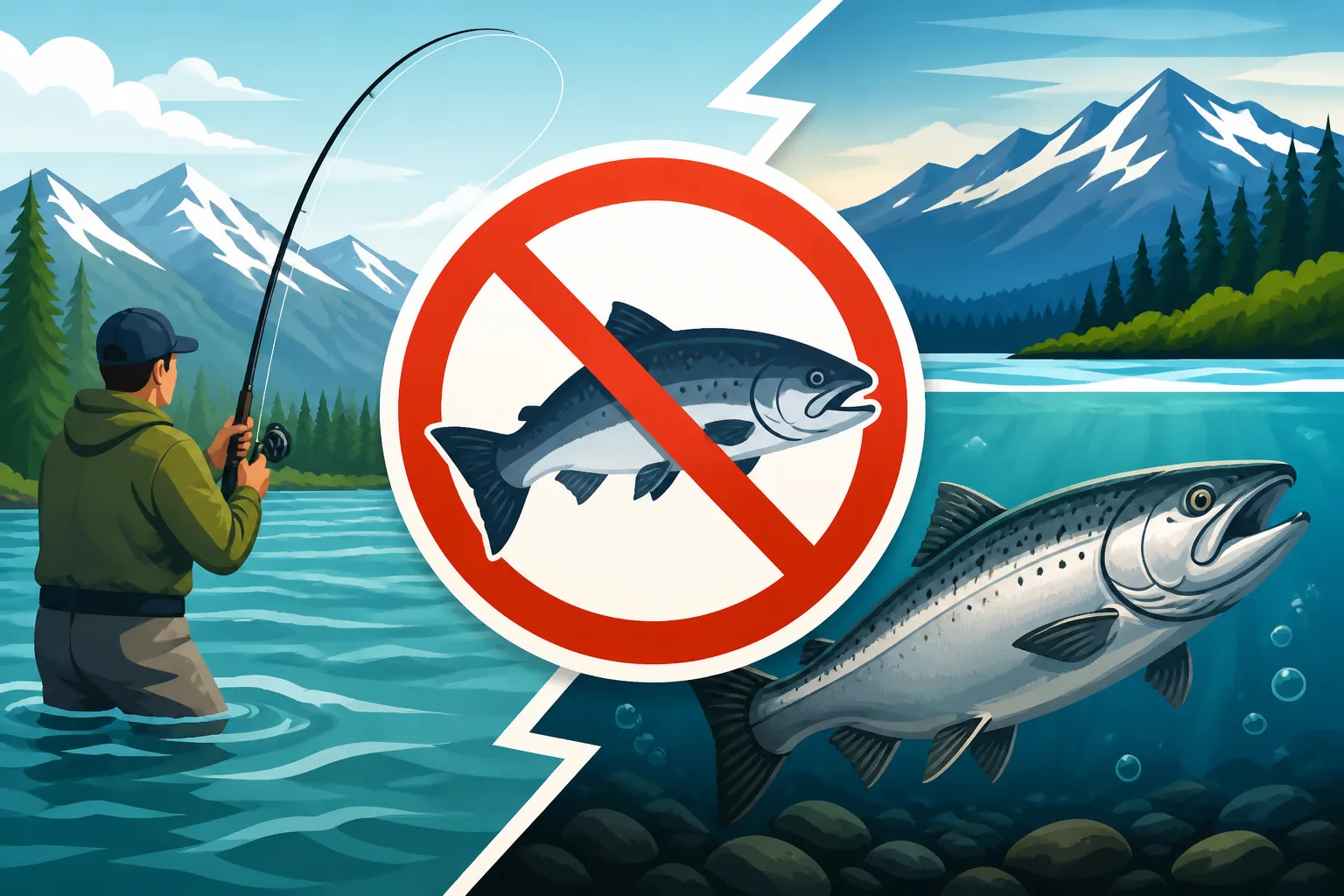
- Full Closure: This is the most severe restriction, where all fishing for King Salmon is prohibited in the specified waters for the duration of the emergency order. This means you can't even target them for catch-and-release. In such cases, you need to shift your focus to other species or fishing locations.
Here's a quick table summarizing common Kenai River King Salmon restrictions:
| Restriction Type | What It Means | Impact on Anglers | Primary Goal |
|---|---|---|---|
| No Retention | You can fish for Kings, but any caught must be immediately released. | You still get to experience the fight, but no fish for the cooler. Requires careful handling and quick release. | Increase escapement by reducing harvest. |
| Bait Restriction | Natural baits (e.g., eggs, herring) are prohibited; artificial lures only. | May reduce effectiveness for some anglers; requires a shift in tackle and technique. | Reduce incidental catch/mortality of Kings. |
| Single Hook Rule | Only single-point hooks allowed; treble hooks often prohibited. | Reduces physical damage to caught fish, improving survival rates for released Kings. | Enhance post-release survival. |
| Full Closure | No fishing for King Salmon whatsoever in specified waters. | Forces anglers to target other species or find alternative fishing locations. | Maximum protection for severely depressed runs. |
It's clear Why Alaska Closes King Salmon Fisheries when you understand these critical management strategies.
Navigating Kenai River Fishing During King Salmon Closures
A King Salmon closure doesn't mean your fishing trip to the Kenai Peninsula is ruined. Far from it! Alaska offers an incredible diversity of fishing opportunities, and with a little flexibility and knowledge, you can still have an amazing and productive experience. It just means adapting your plans.
Targeting Other Salmon Species
While King Salmon might be closed, other species of Pacific Salmon are often running strong, especially during the peak summer months. The Kenai River is renowned for its colossal Sockeye (Red) Salmon runs, which typically peak in July. These hard-fighting fish are a blast to catch, provide excellent table fare, and usually have very generous bag limits for residents and non-residents alike. Learning How to Catch Sockeye Salmon in Alaska can quickly turn a King closure into a Sockeye success story. Similarly, Silver (Coho) Salmon runs pick up in late July and August, offering another fantastic opportunity. They are incredibly acrobatic and aggressive, making for exciting fishing.
Many guides on the Kenai specialize in Sockeye or Coho if King fishing is restricted. They'll have the right gear and know the best spots, like the famous "combat fishing" areas on the Russian River confluence where Sockeye are targeted with specialized techniques. Don't overlook these alternatives; they can be equally, if not more, rewarding, especially if you're bringing home a cooler full of delicious reds. Remember that Alaska Sockeye Salmon Fishing Regulations and Limits will be different from Kings, so always check the latest emergency orders.
Exploring Freshwater Trout and Char Opportunities
Beyond salmon, the Kenai River system boasts world-class freshwater fishing for resident species like Rainbow Trout and Dolly Varden. These fish thrive on the abundant salmon eggs and decaying salmon carcasses that enrich the river ecosystem after the spawners arrive.
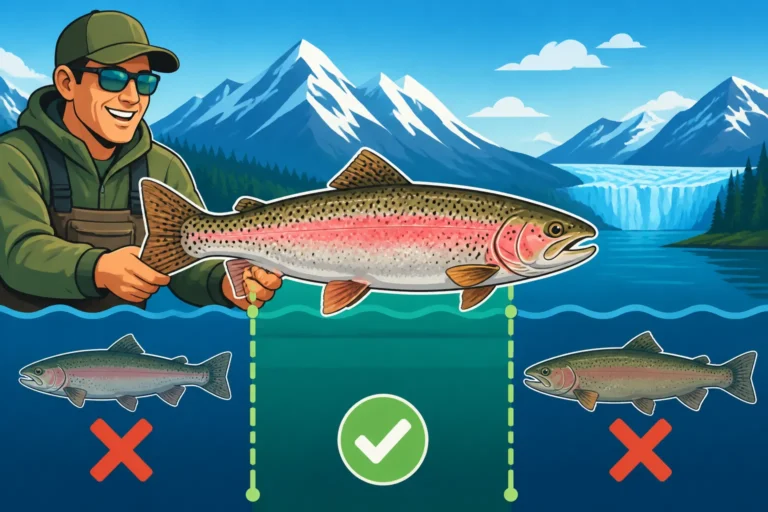
- Rainbow Trout: The Kenai is home to some truly massive Rainbow Trout, often referred to as "leopard rainbows" due to their distinctive spots. They are typically targeted with fly fishing gear, using egg patterns or flesh flies, but spin fishing with beads or small lures can also be very effective. These fisheries are often catch-and-release, but the size and fighting power of these trout are legendary. Check out the guide on Alaska Rainbow Trout Regulations for specific rules.
- Dolly Varden: Related to Arctic Char, Dolly Varden are opportunistic feeders that will readily strike egg patterns, small spinners, or flies. They are beautiful fish and provide consistent action, especially in the clear tributaries or lake outlets.
A King closure can be a fantastic excuse to explore these often-overlooked resident fisheries. Many local guides offer trips specifically for trout and char, providing a completely different, but equally thrilling, Alaskan fishing experience.
Switching to Saltwater Halibut and Rockfish Charters
If you're on the Kenai Peninsula, particularly in towns like Homer or Seward, a King Salmon river closure doesn't have to put an end to your big-fish dreams. You can easily pivot to saltwater fishing for Halibut, Lingcod, and various Rockfish species.
- Halibut: Alaska is famous for its "barn door" Halibut, and a full-day charter out of Homer or Seward can put you on some truly massive fish. These powerful flatfish offer an incredible fight and are arguably one of the best-tasting fish in the ocean. Charters typically provide all the necessary heavy tackle, and you'll often come back with plenty of fillets to ship home. Remember that Alaska Halibut Charter Regulations Explained are distinct from river rules.
- Lingcod and Rockfish: Often targeted on the same charters as Halibut, Lingcod are aggressive predators that put up a strong fight, and various species of Rockfish (like Yelloweye and Black Rockfish) are plentiful. These bottom-dwelling fish are delicious and add variety to your catch.
Many operations offer combo trips for Halibut and Rockfish, maximizing your time on the water. These charters are an excellent alternative when river fishing is restricted, giving you that quintessential Alaskan deep-sea experience. Plus, there are plenty of specialized gear options available on Amazon if you want to bring your own jigging setups for these species.
Preparing for Future Kenai King Salmon Seasons
While closures are an unfortunate reality, there are proactive steps you can take to minimize their impact on your future trips and contribute to the health of the fishery. Being informed and prepared is always your best strategy.
Staying Up-to-Date on Regulations and Forecasts
The absolute best thing you can do is to diligently monitor the official sources for information.
- ADF&G Website: The Alaska Department of Fish and Game website is your most reliable source. They publish all emergency orders immediately. You'll want to specifically look for the Southcentral region sport fishing regulations, as the Kenai River falls within this area.
- ADF&G Hotline: Many regions have recorded hotlines that provide current regulation updates. This can be handy when you're on the road or don't have internet access.
- Local Fishing Reports and Guides: Follow reputable local fishing reports and listen to what the local guides are saying. They are on the water constantly and often have the most immediate pulse on conditions and potential regulatory changes. However, always cross-reference with official ADF&G sources.
Remember, How to Read the Alaska Sport Fishing Regulations Booklet is a crucial skill, but always supplement it with real-time emergency orders. Forecasts for King Salmon runs are usually available in the spring, giving you some indication of what to expect for the upcoming season, though these are just projections and can change.
The Role of Conservation and Responsible Angling
Every angler plays a part in the conservation of King Salmon. Responsible angling practices are paramount, especially when runs are fragile.
- Catch-and-Release Best Practices: If you are fishing during a "no retention" period, make sure you know how to properly handle fish for release. Minimize their time out of water, use knotless landing nets, avoid dragging them on rocks, and release them gently headfirst into the current. Using barbless hooks, as often required by emergency orders, significantly aids in quick, low-impact releases.
- Educate Yourself: Understanding the salmon life cycle, the challenges they face, and why specific regulations are in place fosters a deeper appreciation for the resource. The more we know, the better stewards we can be.
- Support Conservation Efforts: Consider supporting organizations dedicated to salmon habitat restoration and research. Your contributions can help ensure healthy fish runs for generations to come.
Understanding concepts like Alaska King Salmon Annual Limit for Non-Residents and adhering to them is part of being a responsible angler.
Considering Flexible Trip Planning
Given the dynamic nature of Alaskan fisheries, especially for King Salmon, flexibility in your trip planning can be a huge asset.
- Multiple Species Focus: Instead of solely focusing on King Salmon, plan your trip with a multi-species approach in mind. This way, if Kings are closed, you still have exciting opportunities for Sockeye, Coho, Rainbow Trout, or even a saltwater Halibut charter.
- "Plan B" Options: Research alternative fishing spots or activities for your trip dates. The Kenai Peninsula has amazing opportunities for Best Fishing Spots on the Kenai Peninsula for various species, hiking, wildlife viewing, and more. Having a "Plan B" readily available can alleviate stress if regulations change.
- Work with Experienced Guides: Reputable fishing guides are often the first to know about regulation changes and can quickly adapt their trips to target available species. Many guides who primarily target Kings will have expertise in Sockeye or trout fishing as well. Discuss contingency plans with your guide when booking. For instance, if you're looking for a top-tier experience, many guides on the Kenai River, like those at Cooper Landing Fish Camp or Kenai River Drifters, are experts in adjusting to conditions and ensuring clients still have an incredible time, even if the Kings aren't biting or are closed.
By being flexible and well-informed, you can turn a potential disappointment into an opportunity to experience more of Alaska's incredible angling diversity. Whether it's the thrill of a Kenai Sockeye or a powerful Halibut from the deep, Alaska always has something spectacular to offer.
Disclaimer
The information provided in this guide is for general informational purposes only and is subject to change. Alaska fishing regulations, including emergency orders, can be updated frequently by the Alaska Department of Fish and Game (ADF&G). It is the angler's sole responsibility to check and comply with all current regulations, emergency orders, and licensing requirements before engaging in any fishing activity. Always consult the official ADF&G website or local offices for the most up-to-date and accurate information.