Alaska Wild Steelhead Release Requirement
Few things can be as exhilarating, and sometimes frustrating, as chasing wild steelhead in the vast and untamed rivers of Alaska. Anglers often come to the Last Frontier dreaming of these powerful, acrobatic fish, but many are caught off guard by the strict regulations surrounding their catch and release. Navigating the specific rules, particularly the mandatory release requirements for wild steelhead, can feel like deciphering an ancient scroll, leaving even seasoned anglers scratching their heads. This comprehensive guide will demystify Alaska's wild steelhead release requirements, ensuring you're well-prepared to fish responsibly and legally.
Why Wild Steelhead Need Special Protection in Alaska
Steelhead are a truly remarkable anadromous rainbow trout, spending part of their lives in the ocean before returning to freshwater to spawn, much like their salmon cousins. Their mystique and elusiveness make them a highly prized catch, but it's precisely these qualities, combined with their life history, that make them so vulnerable and necessitate strict conservation measures in Alaska.
The Vulnerability of Wild Steelhead Populations
Unlike hatchery-raised fish, wild steelhead populations are entirely self-sustaining, relying on pristine freshwater habitats for successful spawning and juvenile rearing. They face numerous challenges throughout their life cycle, from fluctuating river conditions and predation to habitat degradation. When you consider the arduous journey these fish undertake from the ocean back to their natal streams, often overcoming rapids and obstacles, it's clear they are survivors. However, their numbers can be fragile, and overfishing or poor catch-and-release practices can quickly decimate local populations, taking years, if not decades, to recover. This delicate balance means every wild steelhead caught and released successfully contributes to the future of the species.
Their long migration and specific spawning habitat requirements mean that any interruption in their cycle can have widespread effects. A single wild steelhead returning to spawn represents the culmination of years of ocean growth and a successful journey. Losing even a few of these valuable spawners due to improper handling can significantly impact the genetic diversity and overall strength of a river system's future runs. This is why the emphasis on proper release is not just a guideline, but a critical imperative for the health of these unique fish.
Conservation Goals Behind Release Requirements
The primary goal behind Alaska's wild steelhead release requirements is simple: to ensure the long-term sustainability and health of these precious fish populations. By mandating the release of wild steelhead, the Alaska Department of Fish and Game (ADF&G) aims to protect the breeding stock, allowing these magnificent fish to complete their spawning cycles and contribute to the next generation. This isn't just about saving a few fish; it's about safeguarding entire ecosystems and preserving the genetic integrity of wild strains that have adapted to their specific environments over millennia.
These regulations reflect a proactive approach to fisheries management, acknowledging the unique challenges steelhead face. It’s a recognition that while sportfishing is a cherished activity, it must be balanced with robust conservation practices. The regulations are designed to minimize angler impact, ensuring that future generations can also experience the thrill of encountering these powerful fish in their natural habitat. This dedication to conservation is a cornerstone of Alaska Fishing Regulations Explained and many other critical management policies throughout the state.
Understanding Alaska's Steelhead Release Requirements
Alaska's fishing regulations can be quite granular, often varying by region, river, and even time of year. While the overarching principle for wild steelhead is "release," understanding the nuances is crucial to stay compliant and protect these fish effectively. It's not enough to simply know you should release them; you need to understand when and how.
Statewide Mandates vs. Regional Specifics
Generally speaking, the statewide mandate for wild steelhead in Alaska is catch-and-release. This means that if you catch a wild steelhead, you must immediately release it unharmed back into the water. This rule applies across most of the state where steelhead populations exist, particularly in areas like Southeast Alaska, Prince William Sound, and certain Southcentral drainages. However, specific regions or river systems might have additional, even stricter, rules. For example, some areas might implement "no retention of any steelhead" rules, meaning even hatchery-marked steelhead (if present, which is rare for steelhead in Alaska compared to salmon) would need to be released.
It's absolutely vital to consult the current ADF&G Sport Fishing Regulations booklet for the specific region you plan to fish. This booklet, available online and at most tackle shops, is your bible for understanding daily and annual bag limits, open seasons, and species-specific rules. Regulations can change frequently due to emergency orders, especially for sensitive species like steelhead. Always check for Alaska Fishing Emergency Orders Explained before you head out, as a river that was open yesterday might have different rules today.
Let's look at a simplified example of how regulations might differ:
| Region/River | Steelhead Regulation | Additional Notes |
|---|---|---|
| Statewide General | Wild Steelhead: Catch & Release Only | Mandated release to protect wild spawning stock. |
| Southeast Alaska | Wild Steelhead: Catch & Release Only | Strong populations, but highly protected. Some rivers may have specific timing restrictions. |
| Prince William Sound | Wild Steelhead: Catch & Release Only | Limited, sensitive populations; absolute care required. |
| Certain Kenai Peninsula tributaries | Wild Steelhead: Catch & Release Only | Very rare in the main Kenai, but some smaller systems may host them. Confirmed identification is critical. |
Always remember, ignorance of the law is not an excuse for a violation. Carrying a current copy of the regulations, or having the ADF&G app on your phone, is a must-do for any angler.
Identifying Wild Steelhead for Proper Handling
One of the biggest challenges for anglers, especially those new to Alaska or steelhead fishing, is correctly identifying a wild steelhead from other trout species like rainbow trout. While steelhead are technically rainbow trout that migrate to the ocean, the regulations specifically target the anadromous (ocean-going) form. In many cases, particularly in systems where resident rainbow trout and steelhead coexist, a "steelhead" is often defined by its size (typically larger than resident rainbows) and silvery, ocean-bright coloration, lacking the vibrant red stripe common on resident rainbows. However, this isn't always foolproof.
The most reliable way to distinguish a hatchery steelhead (which are extremely rare in Alaska and almost exclusively wild) from a wild one is the presence of an adipose fin. Hatchery-raised steelhead, if they exist in a system, would typically have their adipose fin clipped (a small fleshy fin on their back between the dorsal and tail fins). In Alaska, virtually all steelhead are wild, meaning they will have an intact adipose fin. Therefore, the general rule of thumb is: if it's a steelhead, and it has an adipose fin, it's wild and must be released. If you're unsure, always err on the side of caution and release the fish. How to Tell a Rainbow Trout from a Steelhead can provide more visual cues, but the adipose fin is often the definitive indicator for regulatory purposes concerning hatchery stock.
Best Practices for Catch-and-Release Steelhead Fishing
Successfully releasing a wild steelhead isn't just about adhering to the law; it's about minimizing stress and injury to the fish, significantly increasing its chances of survival. A fish that swims away vigorously is a testament to responsible angling, ensuring it can spawn and contribute to future generations.
Essential Gear for Responsible Release
Having the right gear is paramount for a successful and ethical catch-and-release experience. This isn't just about what helps you catch the fish, but what helps you release it safely.
- Barbless Hooks: This is non-negotiable for steelhead fishing in Alaska. Many regulations, especially in catch-and-release fisheries, explicitly require barbless hooks. Even where not legally mandated, it's considered best practice. Barbless hooks greatly reduce tissue damage and make hook removal much easier and quicker. You can buy barbless hooks directly or crimp down the barbs on your existing hooks with a pair of pliers. This is a crucial component of Alaska Barbless Hook Requirements. You can find excellent barbless hooks from brands like Gamakatsu or Owner on Amazon, ensuring you’re ready before hitting the river.
- Appropriate Rod and Reel: Use tackle that is heavy enough to land the fish quickly without exhausting it. A prolonged fight can lead to lactic acid buildup, making the fish more susceptible to post-release mortality. For typical Alaska steelhead, a 7-8 weight fly rod or a medium-light to medium spinning rod with 8-12 lb test line is often suitable.
- Rubberized Net: A net with a soft, knotless, rubberized mesh is far superior to traditional knotted nylon nets. It protects the fish's delicate slime coat, fins, and scales from abrasion and entanglement. These nets are available at most reputable fishing stores and online retailers like Amazon. Avoid using gaffs or any device that would puncture the fish.
- Forceps or Pliers: Long-nosed pliers or hemostats are essential for quick and efficient hook removal, especially if the hook is deep. Keep them easily accessible.
- Camera (Optional): If you plan to take a photo, have your camera ready beforehand to minimize the time the fish is out of the water.
This table summarizes the essential catch-and-release gear:
| Item | Purpose | Key Features |
|---|---|---|
| Barbless Hooks | Minimize injury, quick release | Available pre-made or crimp barbs with pliers |
| Appropriate Tackle | Land fish quickly, reduce exhaustion | Matched to species size; prevents prolonged fights |
| Rubberized Net | Protect slime coat, fins, and scales | Knotless, soft rubber mesh; prevents entanglement |
| Long-Nosed Pliers/Forceps | Quick, safe hook removal | Essential for deeper-set hooks; easy access |
| Waders/Waterproof Boots | Access fish in water for release | Allows you to stay in the water with the fish |
Gentle Handling Techniques to Ensure Survival
The moment you hook a steelhead, your actions dictate its survival chances. Here are the golden rules for gentle handling:
- Minimize Fight Time: As mentioned, use adequate tackle to bring the fish to hand or net as quickly as possible without "horsing" it in. Keep the fight efficient.
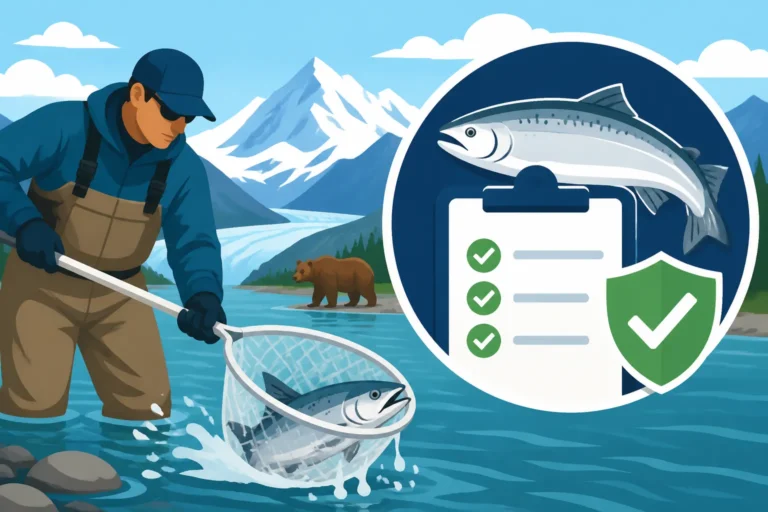
- Keep the Fish in the Water: This is perhaps the most critical rule. Steelhead cannot breathe air, and even a few seconds out of water can be highly stressful and damaging, stripping their protective slime coat. If possible, remove the hook while the fish is still in the net, submerged in the water.
- Wet Hands: If you must handle the fish, wet your hands thoroughly before touching it. Dry hands can remove the fish's protective slime, leaving it vulnerable to disease.
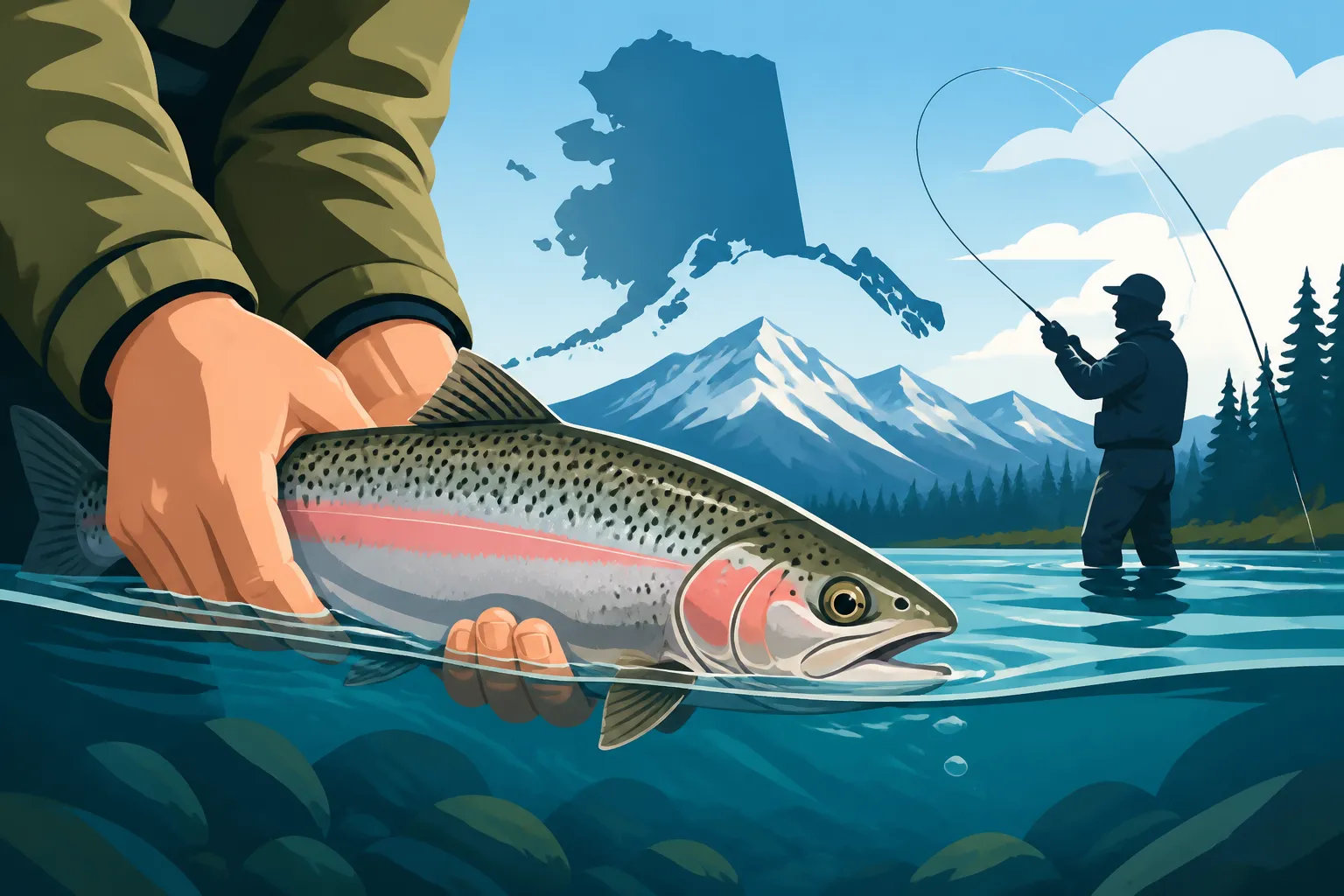
- Support the Fish: If you lift the fish for a quick photo, support its weight horizontally with one hand under the belly and the other gently gripping the tail. Never hang a large steelhead vertically by the jaw or gills, as this can cause severe internal damage. Keep its head pointed into the current.
- Quick Hook Removal: Using your forceps or pliers, gently back out the barbless hook. If the fish is deeply hooked and removal would cause significant trauma, it's often best to simply cut the line as close to the hook as possible. The hook will eventually rust out, and this is less harmful than trying to tear it free.
- Revive the Fish: After hook removal, hold the fish gently in the water, facing upstream into a gentle current. Allow water to flow over its gills. You'll feel it regain strength, and when it's ready, it will swim away under its own power. Do not release a fish that is struggling or disoriented. Gently guide it until it can hold itself upright and swim strongly away. These principles align perfectly with Alaska Catch-and-Release Best Practices.
Common Misconceptions and Avoiding Violations
Despite the clear regulations, misunderstandings can still lead to unintentional harm to wild steelhead or, worse, regulatory violations. Being fully informed is your best defense.
The Difference Between Hatchery and Wild Fish
One of the most common points of confusion stems from the distinction between hatchery and wild fish, especially for those accustomed to salmon fisheries where hatchery releases are common. For wild steelhead in Alaska, it's generally safe to assume that all steelhead you encounter will be wild. While some states have extensive steelhead hatchery programs, Alaska's management strategy for steelhead largely focuses on protecting and enhancing natural, wild runs. Therefore, the expectation is that any steelhead caught will have an intact adipose fin and must be released.
Anglers sometimes confuse steelhead with resident rainbow trout, especially smaller ones. While they are the same species, the regulations often differentiate between the anadromous (steelhead) and resident forms, primarily because steelhead are the spawning stock migrating from the ocean. If you are fishing a river known for both, always err on the side of caution. If it looks like a steelhead – typically silvery, large, and ocean-bright – release it. This approach minimizes risk and prioritizes conservation. For more information on differentiating various species, refer to Alaska Fish Species Guide.
Consequences of Not Following Release Rules
Failing to adhere to Alaska's wild steelhead release requirements carries serious consequences, both for the fish population and for the angler. ADF&G takes these regulations very seriously, and violations can result in significant penalties.
- Fines: You could face substantial fines, often hundreds or even thousands of dollars, depending on the severity of the violation and whether it's a first offense.
- License Revocation: Repeat offenders or those committing egregious violations could have their Alaska fishing license suspended or revoked, potentially for an extended period. This impacts not only your ability to fish in Alaska but can also affect licenses in other states through reciprocity agreements.
- Seizure of Equipment: Your fishing gear, including your rod, reel, and even your boat, could be seized by enforcement officers.
- Criminal Charges: In serious cases, particularly those involving commercial trafficking of protected species or repeated violations, you could face criminal charges and even jail time.
Beyond legal ramifications, there's the ethical consideration. Each fish you harm or illegally retain reduces the spawning potential of that river system, impacting the very resource that drew you to Alaska in the first place. Responsible anglers understand that their actions have a direct impact. Always check Alaska Fishing Violations and Fines for detailed information on penalties. Taking a few extra moments to review the regulations, especially complex ones like Alaska Fishing Limits and Bag Limits Explained and How to Read Alaska Fishing Regulations, before you leave home can save you a lot of trouble and heartache on the water.
Knowing these rules and practicing proper catch-and-release techniques isn't just about avoiding trouble; it's about being a true steward of Alaska's incredible wild resources. The future of wild steelhead fishing depends on every angler's commitment to these vital conservation efforts.
Disclaimer
The information provided in this guide is for general informational purposes only and does not constitute legal advice. Alaska fishing regulations are complex and subject to change. Always consult the most current Alaska Department of Fish and Game Sport Fishing Regulations booklet and any applicable emergency orders before engaging in any fishing activity.