Alaska Chum Salmon Regulations
Oh, the world of Alaska fishing regulations! It can feel like you need a law degree just to figure out what’s legal and what’s not, especially when you’re targeting a specific species like chum salmon. Many anglers find themselves scratching their heads, wondering if the rules for chum are the same as for sockeye, or if that beautiful dog salmon they just landed is even legal to keep. This guide is here to clear up the confusion, walking you through the ins and outs of Alaska chum salmon regulations so you can fish with confidence and stay on the right side of the law.
Understanding Alaska's Approach to Chum Salmon Regulations
Chum salmon, often affectionately called "dog salmon" due to their impressive canine-like teeth when spawning, are a vital part of Alaska's diverse fisheries. They might not always get the same high-profile attention as King salmon or the massive runs of Sockeye, but they offer incredible sport and are fantastic table fare, especially when caught fresh from the saltwater. However, just like any other species in Alaska, their harvest is carefully managed, and the regulations can be a bit of a moving target.
Why Chum Salmon Regulations Vary
One of the biggest frustrations for anglers visiting or living in Alaska is the sheer variability of fishing regulations. It's not a "one size fits all" scenario, and chum salmon are no exception. The rules can change based on a number of factors, making it feel like you need to check a dozen different sources before wetting a line.
First and foremost, the strength of the specific chum salmon run in a particular river or region dictates a lot. If a run is forecasted to be strong, you might see more liberal bag limits. If it’s weak, the Alaska Department of Fish and Game (ADF&G) might implement restrictions, such as reduced limits or even closures, to ensure adequate escapement for spawning. These in-season adjustments can be jarring if you're not expecting them. Imagine planning your trip for months, only to arrive and find that the rules have changed overnight! It happens more often than you'd think, which is why checking current conditions is paramount.
Another significant factor is the geographical region. Alaska is massive, and regulations are often tailored to specific areas like Southcentral, Southeast, or Western Alaska. A river like the Susitna in Southcentral might have different rules than a remote stream near Juneau. Then there's the distinction between fresh and saltwater. Ocean-caught chum often have different regulations than those caught in rivers as they head upstream to spawn.
Finally, the type of user group plays a role. Sport fishermen have one set of rules, while subsistence and personal use fisheries have another, often with different gear requirements and harvest methods like dip netting or gillnetting. It’s a complex tapestry, all designed to sustainably manage these incredible fish populations.
Key Regulatory Bodies
When you're trying to figure out the rules, it helps to know who's setting them. In Alaska, the primary authority for fish and game management is the Alaska Department of Fish and Game (ADF&G). They conduct the research, monitor fish populations, and propose regulations.
The ultimate decisions on fishing regulations, however, largely rest with the Alaska Board of Fisheries. This board, comprised of seven members appointed by the Governor, meets annually to consider proposals from ADF&G, the public, and various advisory committees. They set the framework for seasons, bag limits, and gear restrictions. Once the Board of Fisheries establishes the foundational regulations, ADF&G then implements and enforces them, and critically, they also issue emergency orders when in-season conditions require immediate changes. So, while you'll consult the ADF&G website and regulation booklets regularly, understand that these rules are born from a larger, public process aimed at balancing conservation with fishing opportunity.
Statewide General Chum Salmon Regulations
While it's crucial to always check local and in-season regulations, understanding the statewide general rules for chum salmon gives you a good starting point. These are the baseline guidelines before regional specifics and emergency orders come into play, offering a solid foundation for your fishing plans.
Daily and Annual Bag Limits for Sport Fishing
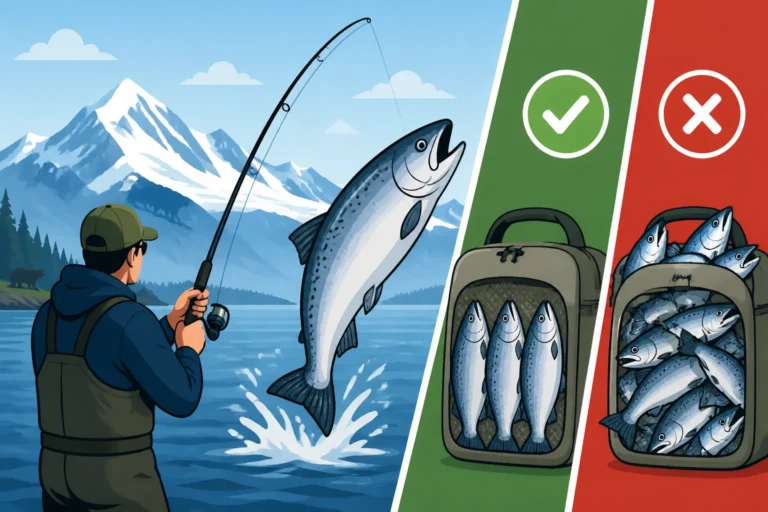
For most sport anglers, the biggest concern revolves around how many chum salmon they can keep in a day and, sometimes, over the entire season. Generally, when conditions are good and runs are strong, chum salmon often have more liberal bag limits compared to more prized species like King or Sockeye salmon.
Statewide, in many marine areas and some river systems, the default daily bag limit for salmon other than King salmon can be quite generous, often allowing for 3 to 6 salmon per day. Within this general "other salmon" category, chum are usually included. However, it's vital to remember that a daily limit means fish in your possession that day, regardless of whether you've kept them from multiple trips. The idea is to prevent overharvest on any single day.
Annual limits for chum salmon are less common for sport fishing, but they can exist in certain, highly managed areas or during specific years when conservation is a concern. Usually, if there's an annual limit, it's for species like King salmon, which face greater conservation challenges. For the most part, if you're fishing for chum, you'll be focused on daily limits. This is where the frustration often comes in – you might hear conflicting information from different people, so always, always consult the most current ADF&G regulation booklet for the specific area you plan to fish. You can usually find these booklets online or pick up a physical copy at tackle shops across the state.
Gear and Bait Restrictions for Chum
Fishing for chum salmon, like any other salmon in Alaska, comes with specific rules regarding the gear and bait you can use. These aren't just arbitrary rules; they're in place to protect the fish, reduce snagging, and ensure fair chase.
A common restriction you'll encounter, especially in freshwater fisheries, is the requirement for single-hook, unbaited lures or flies or single, barbless hooks. This is particularly true during certain salmon runs or in specific areas known for high concentrations of fish. The purpose of barbless hooks is to minimize injury to fish that are caught and released, which is crucial for conservation, especially for non-target species or when limits have been met. For instance, if you're primarily targeting Sockeye but keep hooking chum, being able to release them unharmed is paramount.
Bait restrictions are another frequent consideration. While bait (like cured salmon roe, herring, or commercial scent attractants) can be incredibly effective for enticing a bite, it's often prohibited in certain sensitive areas or during specific times to reduce incidental mortality of released fish or to ensure a more sporting catch. If bait is allowed, you might find requirements for how it's presented, such as being attached to a single hook.
When fishing in saltwater for chum, before they enter freshwater, the gear regulations are typically more liberal. You might be able to use multiple hooks, barbed hooks, and a wider variety of baits. However, once those fish hit the rivers, expect the rules to tighten up. Always check the specific regulation summary for the body of water you intend to fish. If you're planning a trip, acquiring gear that meets these common regulations, such as a variety of single, barbless hooks, spinners, and spoons, is a good idea. Many experienced anglers find excellent selections of such compliant tackle on platforms like Amazon, ensuring they're prepared before they even set foot in Alaska.
Regional Specifics for Chum Salmon Fishing
Alaska's vastness means that "statewide" regulations are often just a baseline. Chum salmon runs vary significantly by region, and local management plans reflect these differences. It's like trying to compare fishing in Florida to fishing in Maine – entirely different ecosystems, entirely different rules.
Southcentral Alaska: Common Chum Fisheries
The Southcentral region, encompassing areas like Anchorage, the Kenai Peninsula, and Prince William Sound, sees significant chum salmon activity. While perhaps not as famed for chum as for its King or Sockeye runs, many rivers and marine areas offer excellent opportunities.
One prominent area is the Susitna River drainage. While most anglers here might be after Kings or Silvers, healthy numbers of chum salmon also utilize this system. Regulations can be complex due to the multitude of tributary streams, and understanding the nuances of how to fill out an Alaska Harvest Record Card is key, even if chum don't always need to be recorded. For smaller rivers on the Kenai Peninsula, like the Ninilchik or Anchor River, chum might be present, but often as a secondary target, and you'll need to pay close attention to the specific bag limits for "other salmon" which would include them. In Prince William Sound and Resurrection Bay near Seward, saltwater fisheries for chum are common, especially from boats targeting multiple salmon species. These marine areas usually have more generous regulations for gear and daily take, reflecting the broader distribution of fish. Remember that these areas are subject to frequent emergency orders, particularly if other salmon runs are struggling.
Southeast Alaska: Ketchikan, Juneau, Sitka Areas
Southeast Alaska, a labyrinth of islands, fjords, and countless rivers, is a powerhouse for all five species of Pacific salmon, including robust chum runs. The regulations here are often influenced by both sport and commercial fishing interests, and Canadian regulations for migratory fish can also play a subtle role.
Around Ketchikan, Juneau, and Sitka, anglers often target chum in marine waters, particularly while trolling or mooching for King and Coho salmon. In these areas, the daily bag limits for "other salmon" tend to be consistent, allowing for a good number of chum to be retained. Many local guides and charters specialize in multi-species trips, and catching a bright, ocean-fresh chum can be a bonus. Freshwater systems in Southeast are often shorter and steeper, and while chum will spawn in them, the fishing focus might shift to smaller, resident trout species once you're far upriver. It's critical to know the specific regulations for the particular body of water you're on, as rivers and their tributaries can have different rules than the open marine waters. You can find detailed breakdowns of these regulations by consulting resources like the Alaska Fishing Regulations by Region summary provided by ADF&G.
Western/Arctic Alaska: Remote Chum Fisheries
Moving further north and west, the dynamics of chum salmon fishing shift dramatically. In regions like Bristol Bay, the Yukon River, and even further north into the Arctic, chum salmon often represent a crucial subsistence resource for local communities. Sport fishing, while present, often takes a back seat to these traditional harvests.
Rivers in Western Alaska, such as the Nushagak or the Kuskokwim, see enormous runs of chum, sometimes in the millions, alongside sockeye. While the focus for sport anglers might be the prolific Sockeye, chum are also abundant. Regulations in these remote areas might allow for higher bag limits, reflecting the sheer volume of fish and the importance of these runs for food security. However, access can be challenging, often requiring expensive fly-in trips to lodges or remote camps.
Further north, in the Arctic and Interior Alaska, chum salmon are a fascinating species, known for their long migrations up rivers like the Yukon. Sport fishing for them is less common than personal use or subsistence fishing. The rules here are often very specific to the river system and can change rapidly based on run strength and local needs. It's truly a different world of fishing, far removed from the road system, and requires an even more diligent approach to checking the specific, often hyper-local, regulations set by ADF&G.
Important Regulatory Considerations for Chum Salmon
Navigating Alaska's fishing regulations for chum salmon isn't just about knowing the basic bag limits; it's also about understanding the dynamic nature of these rules and the responsibilities that come with them. Overlooking these nuances can quickly turn a fantastic fishing day into a frustrating encounter with a Fish and Wildlife Trooper.
Emergency Orders and In-Season Changes
This is perhaps the single most critical aspect of Alaska fishing regulations that every angler, whether targeting chum or king salmon, must understand: emergency orders. Alaska's fisheries are dynamic, and fish runs are influenced by everything from ocean conditions to water temperature and spawning success from previous years. ADF&G manages these highly variable populations by having the authority to issue "emergency orders" (EOs) that can change regulations on the fly.
An emergency order can do anything from increasing or decreasing bag limits for chum salmon to closing a specific river or area entirely, changing legal gear (e.g., prohibiting bait or requiring single, barbless hooks), or adjusting fishing times. These changes are immediate and supersede the printed regulation booklet. So, while that booklet you picked up at the sporting goods store is a great general guide, it might be outdated the moment you step out the door. The frustration of arriving at a favorite fishing spot only to find it closed or the limits drastically reduced is a common experience for those who don't check for EOs. This is why learning how to check Alaska Emergency Orders Before Fishing is absolutely non-negotiable for a successful trip.
For chum salmon, emergency orders might be issued if a run is exceptionally strong and an increased harvest is permissible, or more commonly, if a different, more sensitive species (like King salmon) is present in the same waters and needs protection. Often, chum regulations might be tightened to protect a struggling King salmon run in a mixed stock fishery.
The Alaska Harvest Record Card and Chum
The Alaska Harvest Record Card is an essential document for many Alaska anglers, primarily used to track the harvest of certain species with annual limits, most notably King salmon and halibut. But what about chum salmon?
Generally speaking, for sport fishing, you are not required to record your chum salmon harvest on your Alaska Harvest Record Card. This is because chum salmon typically do not have annual limits in most sport fisheries, and the primary management tool for them is daily bag limits and emergency orders.
However, it's vital to clarify that the Harvest Record Card is still a mandatory part of your fishing license if you plan to fish for species that do require recording. For example, if you're fishing a river that has both King salmon and chum, and you catch a King, you absolutely must record it immediately on your card, even if your main target was chum. Furthermore, if you purchase an Alaska King Salmon Stamp, the Harvest Record Card portion of your license will have specific sections for recording Kings. Always double-check the current regulations for the specific area you're fishing to confirm if any unusual recording requirements apply to chum salmon or any other "other salmon" species. The rules for how to fill out an Alaska Harvest Record Card are clear for the species that require it.
Distinguishing Chum from Other Salmon Species
One of the biggest pitfalls for anglers, especially those new to Alaska, is correctly identifying their catch. While experienced anglers can often tell the difference at a glance, distinguishing chum salmon from other species can sometimes be tricky, particularly when fish are fresh from the ocean or starting to show spawning colors. And making a mistake can lead to a violation.
Chum salmon (or dog salmon) have a few key identifying features:
- Teeth: They are famous for their large, canine-like teeth, especially noticeable in spawning males.
- Coloration: When ocean-bright, they are silvery with faint vertical bars or stripes that become pronounced as they enter freshwater, turning into mottled green, purple, and red "tiger stripes."
- Tail: They have a relatively unforked tail with no significant spots, unlike King salmon which have spots on both lobes of their tail, or Coho which have spots only on the upper lobe.
- Shape: They are generally more slender than Kings and typically smaller than prime Sockeye, though they can reach substantial sizes.
Why is this identification so crucial? Because the bag limits and regulations for each salmon species can be vastly different. You might be in a fishery with a liberal limit for chum, but a very restrictive limit for King salmon. Accidentally retaining a King salmon over the limit, or misidentifying it as a chum, could result in significant fines and penalties. If you're unsure, it's always best to assume the more conservative regulation or release the fish if you're close to your limit for other species. Taking the time to understand How to Identify Alaska Salmon Species before your trip will pay dividends.
Practical Tips for Navigating Chum Salmon Regulations
Dealing with Alaska's fishing regulations can feel like a full-time job. But with a little preparation and a proactive approach, you can easily stay informed and ensure your fishing adventure for chum salmon is both successful and legal.
How to Stay Up-to-Date
The key to successfully navigating Alaska's dynamic fishing regulations is a multi-pronged approach to staying informed. Relying on a single source, like a printed booklet from months ago, is a recipe for trouble.
Your first and best resource is always the Alaska Department of Fish and Game (ADF&G) website. They have a dedicated section for sport fishing regulations, complete with region-specific summaries and, most importantly, a list of current emergency orders. Before every fishing trip, even if it's just a quick outing to a local spot, check the emergency orders for your specific area. Many savvy anglers even check them the night before and again the morning of their trip, especially during peak salmon runs when changes can happen hourly.
Local tackle shops and sporting goods stores are invaluable. The staff at places like Bass Pro Shops or smaller, independent shops in towns like Soldotna or Ketchikan are often avid anglers themselves and are usually very knowledgeable about current local conditions and any recent regulatory changes. They often have printouts of the latest emergency orders prominently displayed. Don't be shy about asking questions when you go in to buy your tackle or bait.
Fishing guides and charter operators are another excellent source of real-time information. They are literally out on the water every day and are keenly aware of what's happening. If you're booking a guided trip, your guide will handle all the regulatory specifics for you, but it’s still good practice to be generally aware.
Finally, consider signing up for ADF&G email notifications for the regions you plan to fish. This way, any new emergency orders or significant regulation changes will land directly in your inbox. This takes some of the guesswork out of actively seeking information.
What to Do If You're Unsure
It happens to the best of us: you're out on the water, you catch a fish, and suddenly a doubt creeps into your mind. Is this legal? What's the limit? What if it's a chum but it looks a bit like a small King? This moment of uncertainty is where caution and good judgment become your best allies.
When in doubt, always err on the side of caution. This means assuming the most restrictive regulation applies. If you're unsure about the species, consider releasing it, especially if you're near your limit for the more valuable species. If you're questioning the bag limit, stick to the lower number. It's far better to release a fish you could have legally kept than to keep one that results in a violation.
Another smart move is to ask questions before you go. Talk to those experienced anglers at the local tackle shop. Chat with other fishermen on the riverbank (politely, of course). If you have cell service, try to look up the ADF&G emergency orders one last time.
If you're truly stumped and you've already kept a fish, don't try to hide it or dispose of it. That will only make matters worse if you encounter a Fish and Wildlife Trooper. Be honest, explain your confusion, and accept the consequences if you made an innocent mistake. Troopers generally appreciate honesty, though ignorance of the law is rarely an excuse for a violation. The penalties for Alaska Fishing Violations and Fines can be significant, so it's always best to be proactive and informed.
Typical Chum Salmon Bag Limits in Alaska (Sport Fishing)
Here's a generalized table to give you an idea of typical daily bag limits for chum salmon in various parts of Alaska. Please remember, these are highly generalized, can change at any moment due to emergency orders, and may vary greatly within regions. Always consult the official ADF&G regulations for your specific location and date.
| Region | General Daily Chum Salmon Limit (Adults) | Common Gear Restrictions in Rivers | Notes |
|---|---|---|---|
| Southcentral (Freshwater) | 3-6 per day (often as "other salmon") | Single, barbless hook, no bait | Highly variable by specific river/season. Check EOs for areas like the Susitna drainage. |
| Southcentral (Saltwater) | 3-6 per day (often as "other salmon") | Typically more liberal | Often caught incidentally while targeting other species in bays and sounds (e.g., Kachemak Bay). |
| Southeast (Freshwater) | 3-6 per day (often as "other salmon") | Single, barbless hook, no bait | Rules vary by specific stream. Remote streams might have different regulations. |
| Southeast (Saltwater) | 3-6 per day (often as "other salmon") | Typically more liberal | Common catch in marine waters near Juneau, Sitka, Ketchikan while trolling. |
| Western/Arctic (Freshwater) | 3-10+ per day (as "other salmon") | Variable, often single hook | Limits can be more liberal due to large runs, but specific to very localized management areas (e.g., Yukon). |
| Western/Arctic (Saltwater) | 3-6 per day (as "other salmon") | Typically more liberal | Less common sport fishery, often subsistence-focused. |
Disclaimer
The information provided in this guide is for general informational purposes only and is not intended as legal advice. Alaska fishing regulations are highly dynamic and subject to frequent change through emergency orders issued by the Alaska Department of Fish and Game. Always consult the official, current Alaska Sport Fishing Regulations manual and check for the latest emergency orders on the ADF&G website before engaging in any fishing activity. Failure to do so may result in fines or penalties.