Alaska Fishing Regulations by Region
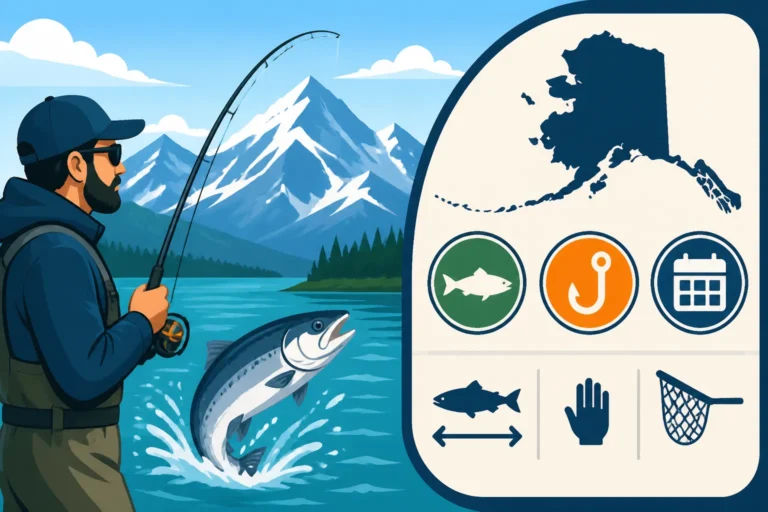
One of the biggest head-scratchers for anyone planning an Alaska fishing trip, whether you're a seasoned local or an excited visitor, is just how much the regulations can change from one river to the next, or from one bay to another. It's not a single rulebook for the whole state; instead, Alaska's vastness means fishing rules are hyper-local and incredibly specific. This guide is here to untangle that complexity, helping you understand why these regional differences exist and how to navigate the ever-evolving regulations across Alaska's diverse fishing landscapes.
Why Regional Regulations Matter So Much in Alaska
If you've ever tried to make sense of the Alaska Department of Fish and Game (ADF&G) regulations booklet, you know it's not a light read. The sheer volume of rules, exceptions, and region-specific details can be overwhelming. But there's a good reason for this complexity: Alaska is an enormous state with wildly different ecosystems, fish populations, and human pressures. What works for managing salmon runs in the bustling Kenai River might be completely irrelevant or even detrimental to the remote fisheries of Bristol Bay or the serene streams of Interior Alaska. Understanding this foundation is key to appreciating why these rules are so nuanced.
Diverse Ecosystems and Fish Stocks
Imagine the difference between fishing in the saltwater fjords of Southeast Alaska versus the glacial-fed rivers of Southcentral, or the clear streams north of the Arctic Circle. These aren't just different places; they are entirely different worlds with unique fish species, migration patterns, and ecological sensitivities. For instance, the ocean-going Chinook (King) salmon populations in Southeast Alaska navigate a complex maze of islands and channels, often interacting with different fishing fleets, while the Kenai River King salmon face intense pressure in a relatively confined freshwater system.
These diverse habitats mean that fish stocks behave differently, spawn at different times, and face unique threats. Regulations are carefully crafted to protect these distinct populations. For example, a river in the Mat-Su Valley might have specific rules for Rainbow Trout, while a lake further north might focus on managing Northern Pike. It's all about tailoring conservation efforts to the specific fish and their environment, which naturally leads to a patchwork of regional rules.
Conservation and Sustainable Management
At its heart, Alaska's regional regulation system is about conservation and ensuring sustainable fisheries for generations to come. Each fishing region is like a distinct puzzle piece in the larger conservation effort. Managers need the flexibility to respond to local conditions, whether that's a strong return of Sockeye salmon to the Kasilof River or a weaker than expected run of King salmon in the Susitna River. This is where the concept of Alaska Fishing Emergency Orders Explained really comes into play. These orders allow ADF&G to swiftly adjust bag limits, close areas, or change gear restrictions to protect fish when needed or open up opportunities when runs are robust.
Without regional distinctions, a blanket regulation across the state might either over-harvest vulnerable stocks in one area or unnecessarily restrict fishing in another where populations are thriving. This granular approach helps maintain the delicate balance between providing world-class fishing opportunities and safeguarding Alaska's incredible natural resources.
Economic and Social Considerations
Beyond biology, regional regulations also take into account the diverse economic and social fabric of Alaska. Fishing isn't just a recreational activity here; it's a way of life, a significant industry, and a crucial source of food for many communities. Commercial fishing, sport fishing, personal use fishing, and subsistence fishing all operate under different frameworks, and these often intersect and are managed differently depending on the region.
For example, communities in Bristol Bay rely heavily on commercial salmon fisheries, so the regional sportfishing regulations are designed to minimize conflict and ensure the commercial harvest is met first. In contrast, the Kenai Peninsula sees a massive influx of sport anglers, leading to regulations that manage high user pressure and prioritize recreational access within sustainable limits. The rules also consider local traditions, access points, and the logistical challenges of managing fisheries in remote areas.
Understanding Alaska's Main Fishing Regions
To truly grasp the regulatory differences, it's essential to understand how Alaska is broadly divided for fishing management purposes. The Alaska Department of Fish and Game (ADF&G) breaks the state into several major management regions, each with its own sport fishing regulations booklet. These regions are further subdivided into specific management areas, and that's where the truly fine-grained rules kick in.
Southeast Alaska Panhandle
This long, narrow strip of islands and mainland, stretching from Ketchikan up to Yakutat, is a temperate rainforest paradise. Fishing here is predominantly saltwater-focused, with abundant King (Chinook), Coho (Silver), Sockeye, Pink, and Chum salmon in the ocean, along with trophy Halibut, Lingcod, and various Rockfish. Freshwater fishing, while present, is often smaller scale, targeting Cutthroat Trout, Rainbow Trout, and Dolly Varden.
Regulations in Southeast often reflect the complex interplay of commercial trolling, charter fishing, and recreational angling across vast saltwater territories. You'll find specific rules regarding Alaska Halibut Charter Regulations Explained, often featuring different bag limits, size restrictions, and annual limits compared to other regions. Seasonal closures for certain species, like King salmon, are common and can vary by sub-area (e.g., Sitka vs. Juneau). The sheer number of islands and inlets means regulations can differ even within short distances, requiring anglers to be hyper-aware of their exact location.
Southcentral Alaska
Home to Anchorage, the Kenai Peninsula, and the Matanuska-Susitna Valley, Southcentral is the most populated and accessible fishing region. This area is famous for its world-class salmon runs, particularly the Kenai River, Russian River, and Kasilof River, which see massive numbers of Sockeye and King salmon. Freshwater opportunities abound for Rainbow Trout, Dolly Varden, and Northern Pike in countless lakes and rivers. Saltwater fishing in Cook Inlet and Prince William Sound targets Halibut, all five species of Pacific salmon, and various Rockfish.
Due to its accessibility and immense popularity, Southcentral often has the most restrictive and dynamic regulations. High fishing pressure means stringent bag limits, specific gear restrictions (like Alaska Bait Restrictions Explained or single-hook rules), and frequent Alaska Fishing Emergency Orders Explained to manage intense harvest. For example, the Alaska King Salmon Fishing Regulations and Limits on the Kenai River can be notoriously complex, often changing several times within a single season based on run strength. Anglers here often carry the regulations booklet with them, or have the ADF&G app, checking for updates daily.
Interior and Arctic Alaska
This vast, sparsely populated region stretches from the Alaska Range north to the Arctic Ocean, encompassing Fairbanks, Denali National Park, and remote wilderness. Fishing here often involves bush planes, ATVs, or long drives on unpaved roads. The primary target species include Arctic Grayling, Northern Pike, Lake Trout, Burbot, and Sheefish, along with runs of King, Chum, and Sockeye salmon in the larger river systems like the Yukon and Tanana.
Regulations in Interior and Arctic Alaska often reflect the remote nature and lower fishing pressure, but also the critical importance of these fish for subsistence users. Bag limits might be more liberal for certain species, but specific conservation measures protect more vulnerable populations or spawning areas. Special rules apply to species like Sheefish, often called the "Tarpon of the North," found predominantly in the clear, northern rivers. Access restrictions and limitations on motorized boat use are also common in wilderness areas to preserve the pristine environment.
Southwest and Bristol Bay
Southwest Alaska, including the Alaska Peninsula and Bristol Bay, is legendary for its truly epic Sockeye salmon runs, considered the largest in the world. Rivers like the Nushagak, Naknek, and Alagnak host millions of salmon, supporting a massive commercial fishery and unparalleled sportfishing opportunities. This region also offers excellent fishing for King, Coho, Pink, and Chum salmon, as well as Rainbow Trout, Dolly Varden, and Arctic Grayling. Coastal areas provide access to Halibut and other saltwater species.
Regulations in Bristol Bay are heavily influenced by the immense Sockeye salmon returns and the management of the commercial fishery. Sportfishing limits are often generous for Sockeye but can be more restrictive for King salmon, particularly for non-residents, reflecting conservation goals. Alaska Fishing Limits and Bag Limits Explained for this region often include high daily limits for Sockeye during peak runs, sometimes allowing for personal use dipnetting for residents. Gear restrictions might be in place to reduce impact on certain species or to align with commercial fishing practices.
Key Regulatory Differences You'll Encounter Region by Region
Navigating Alaska's fishing regulations can feel like learning a new language. The key is to understand that while the types of rules (bag limits, gear restrictions, etc.) are consistent across the state, the specifics of those rules are what change dramatically from one region to another. It's this regional variability that makes checking the local regulations so critical for any successful fishing trip.
Salmon Bag Limits and Annual Limits
One of the most apparent differences you'll notice is in the daily and annual bag limits for salmon. For King salmon, for example, the annual limit for non-residents is usually 1-2 fish statewide, but the daily limit and specific size restrictions can vary wildly by river system and region.
Consider the following hypothetical comparison for King Salmon, though specific numbers can change with emergency orders:
| Region / Fishery | Daily Bag Limit (Non-Resident) | Annual Limit (Non-Resident) | Size Restrictions | Season Notes |
|---|---|---|---|---|
| Southeast (Sitka Sound) | 1 King Salmon | 5 King Salmon | Minimum 28 inches | May-June often sees higher limits, then drops |
| Southcentral (Kenai River) | 0-1 King Salmon | 2 King Salmon (often reduced) | Typically 20-28 inches, or over 34 inches | Highly variable, frequent emergency closures |
| Southwest (Nushagak River) | 1-2 King Salmon | 5 King Salmon | Minimum 28 inches | Stronger runs, but can still have restrictions |
| Interior (Tanana River) | 0-1 King Salmon | 2 King Salmon | Often no minimum size, but subject to closures | Shorter seasons, focus on conservation |
As you can see from this table, the Alaska King Salmon Fishing Regulations and Limits can shift drastically. On the Kenai River, you might be limited to zero Kings on certain days or to specific size slots, reflecting the intense management pressure. In contrast, a place like the Nushagak River might allow for two King salmon per day during peak season, given the strength of its runs. These differences also often extend to Alaska Sockeye Salmon Limits by River and Alaska Coho Salmon Bag Limits. Always check the exact rules for your planned fishing location before you cast a line.
Halibut Regulations and Charter Rules
Halibut fishing is another prime example where regional differences, particularly between guided and unguided trips, are stark. Alaska Halibut Fishing Regulations and Limits are managed by the International Pacific Halibut Commission (IPHC) and then further refined by federal and state agencies, leading to complex regional variations.
In some areas of Southcentral like Homer or Seward, charter boat anglers might face a "reverse slot limit" where halibut between certain sizes (e.g., 28-40 inches) must be released, along with specific daily limits (e.g., one halibut per day, and often one smaller fish under 28 inches or one larger fish over 40-50 inches, depending on the year). These rules aim to spread the harvest and protect breeding-size fish. Unguided anglers, however, might have more liberal rules, sometimes allowing two halibut of any size within a certain weight limit.
In contrast, Southeast Alaska's halibut rules might differ. A charter out of Sitka could have a simpler "one-fish limit" with no slot, or different specific dates when retention is allowed. These regulations also change yearly, and often in-season, so relying on last year's knowledge is a recipe for trouble. You absolutely need to consult the specific regulation booklet for the area you're fishing in, especially if you're going on a charter, as Do Charters Include Alaska Fishing Licenses questions also come up, and they often adhere to specific charter regulations.
Gear, Bait, and Hook Restrictions
Beyond fish limits, the actual methods you can use to catch fish also vary significantly by region and even by specific river. Alaska Bait Restrictions Explained is a common example. On many salmon-bearing rivers in Southcentral, especially during King salmon runs, using bait (like cured roe) might be prohibited to reduce incidental catch, or only artificial lures might be allowed. However, in other regions or for different species, bait could be perfectly legal and even encouraged.
Hook rules are another major point of variation. You might encounter Alaska Barbless Hook Requirements in certain catch-and-release fisheries, or Alaska Single-Hook Rules During King Closures in areas trying to reduce mortality on stressed King salmon runs. Some regions may permit snagging in designated "terminal fisheries" at specific times, while others strictly forbid it. If you're planning on ordering specific gear, like a variety of flies for trout or specialized lures, it's a good idea to check the regional regulations first. Many anglers find durable, waterproof regulation booklets on Amazon or use the ADF&G apps to keep track of these nuanced rules on the go.
Emergency Orders and In-Season Changes
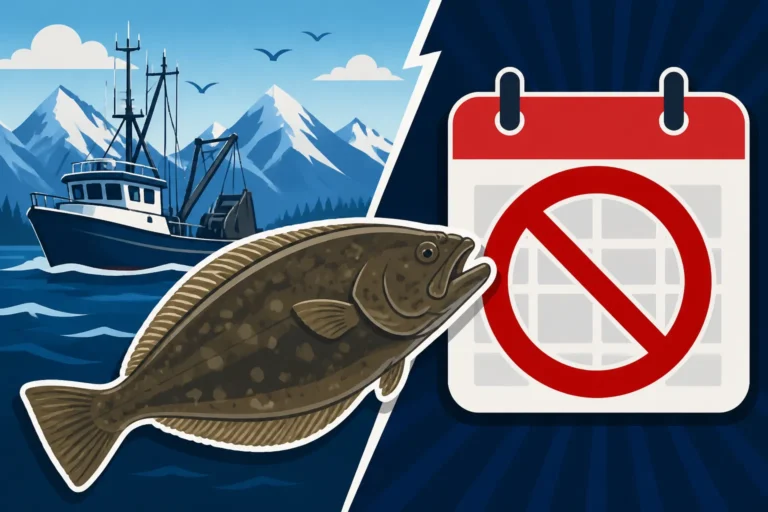
Perhaps the most challenging aspect of Alaska's regional regulations is their dynamic nature. Alaska Fishing Emergency Orders Explained are issued frequently throughout the season, sometimes with less than 24 hours' notice. These orders can close entire fisheries, change bag limits, alter legal fishing hours, or modify gear restrictions based on real-time assessments of fish runs.
These orders are almost always region-specific. A strong Sockeye run on the Russian River in Southcentral might lead to an emergency opening for an extra fish, while simultaneously, a weak King run on the Deshka River, also in Southcentral but a different management area, could trigger an emergency closure. Anglers planning trips need to be aware that the rules they read weeks or months in advance might not be the rules in effect on the day they fish. This necessitates constant vigilance and checking official ADF&G channels.
Navigating the ADF&G Regulations Booklet by Region
The Alaska Department of Fish and Game (ADF&G) publishes comprehensive sport fishing regulations booklets, broken down by region. These aren't just suggestions; they are the law, and unfamiliarity is no excuse for Alaska Fishing Violations and Fines. Learning How to Read Alaska Fishing Regulations is a crucial skill for any angler hoping to avoid a costly ticket or, worse, impacting conservation efforts.
Locating Your Specific Management Area
Each physical regulations booklet covers a broad region (e.g., Southcentral, Southeast, Interior). Inside, you'll find maps that delineate smaller, specific management areas and sub-areas, often labeled with codes like "Area F" or "Regulatory Section 20A." This is where the real detail lies. You might be fishing a river that flows through multiple sections, with different rules applying as you move upstream or downstream. For instance, the Kenai River has different rules for its "Upper Kenai" (above Skilak Lake), "Middle Kenai" (Skilak to Soldotna bridge), and "Lower Kenai" (Soldotna bridge to Cook Inlet) sections, affecting everything from bait use to motor restrictions.
It’s not enough to know you're in Southcentral; you need to pinpoint your exact river, lake, or stretch of saltwater. This often means cross-referencing maps with the detailed text. Many anglers find it helpful to download the regional regulation summary onto their phone or tablet, or even print out the specific pages for their target location and keep them in a waterproof case, maybe even one they found easily on Amazon.
Deciphering Region-Specific Tables and Exceptions
Within each regional booklet, you’ll find extensive tables outlining daily and annual bag limits for various species, categorized by the specific management area. These tables are often dense, listing different rules for residents versus non-residents, and sometimes even for specific ages (like Alaska Youth Fishing License Rules). You might see exceptions for specific dates, times of day, or types of gear.
For example, a table for King Salmon in Southeast Alaska might show a daily limit of one fish, but then note an exception: "From May 15 – June 15, the daily limit is two King Salmon in waters near Sitka (Area 13B), unless modified by emergency order." Another exception might state, "No retention of King Salmon over 34 inches in certain hatchery zones." These details are crucial. It's not enough to skim; you must carefully read every footnote and asterisk that applies to your location and target species. Take your time, read it twice, and if you're still unsure, ask a local expert or the ADF&G directly.
Regional Regulation Examples for Popular Fisheries
To illustrate just how varied these regulations can be, let's look at a couple of popular fishing scenarios in different regions. These aren't exhaustive lists of rules, but rather examples of the contrasting approaches.
Kenai River Southcentral vs. Sitka Area Southeast Salmon Rules
Kenai River (Southcentral) Salmon: The Kenai River is perhaps the most famous salmon river in Alaska, known for its massive King and Sockeye runs.
- King Salmon: Historically, the Alaska King Salmon Fishing Regulations and Limits on the Kenai have been incredibly restrictive due to conservation concerns. Daily limits for non-residents have often been zero or a single fish within a very specific slot size (e.g., 20-28 inches), with an annual limit of one or two Kings. Bait is frequently prohibited, and Alaska Single-Hook Rules During King Closures are common. Often, sections of the river close entirely to King salmon fishing.
- Sockeye Salmon: For Sockeye, the Kenai River can be more liberal, especially during strong runs. Daily limits might be three or six fish, with specific legal methods like "flossing" or "flipping" being paramount.
Alaska Sockeye Salmon Limits by Riverin the Kenai are often adjusted rapidly via emergency order, sometimes opening for an extra fish or closing to specific gear types if the run weakens. The Alaska Harvest Record Card Explained is also critical here, as recording Sockeye is mandatory.
Sitka Area (Southeast) Salmon: Sitka is a prime saltwater fishing destination in Southeast Alaska, with salmon primarily targeted in the ocean.
- King Salmon: Ocean fishing for Kings near Sitka often has more consistent limits, though they can still change in-season. A common regulation might be a daily limit of one or two King salmon, often with an annual limit for non-residents higher than in river systems (e.g., five Kings). Size limits, such as a minimum of 28 inches, are common. Bait, often herring, is typically allowed and is a primary method. There's less emphasis on single hooks unless specific conservation measures are in place for particular hatchery fish.
- Sockeye Salmon: While Sockeye are present, they are less of a primary target for sport anglers in the saltwater near Sitka compared to the sheer volume in freshwater systems like the Kenai. Daily limits are often one or two fish, and they're typically caught incidentally while trolling for Kings or Coho.
Homer Southcentral vs. Kodiak Southwest Halibut Rules
Homer (Southcentral) Halibut: Homer, known as the "Halibut Fishing Capital of the World," operates under strict federal and state regulations, particularly for charter anglers.
- Charter Anglers: As mentioned, Homer halibut charters typically face a daily limit of one halibut. This often comes with a "reverse slot limit," meaning fish between roughly 28 and 40-50 inches (the exact numbers change) must be released. Anglers can keep one fish under the slot or one fish over the slot, often with specific weekly closures (e.g., no halibut retention on Thursdays). These Alaska Halibut Charter Regulations Explained are designed to manage the immense fishing pressure and conserve the breeding population.
- Unguided Anglers: If you're fishing unguided out of Homer, you generally have a more liberal Alaska Halibut Fishing Regulations and Limits. Unguided anglers might be allowed two halibut per day, with no slot limit, though annual possession limits still apply. This distinction clearly shows how management aims to balance commercial, charter, and private recreational interests.
Kodiak (Southwest) Halibut: Kodiak Island offers fantastic halibut fishing, and its regulations reflect a different management zone and often slightly different fishing pressures.
- Charter Anglers: Kodiak charter anglers might also face a one-halibut daily limit, but the slot limit could be different or non-existent in certain years, allowing retention of any size fish up to a certain total length or weight. Weekly closure days might also apply, but the specifics can vary from Homer. The overall Alaska Halibut Charter Regulations Explained are still designed for sustainability but are tailored to the local stock assessment and user groups.
- Unguided Anglers: Similar to Homer, unguided anglers in Kodiak generally have a two-halibut daily limit, with no slot restriction. The larger size and more spread-out fishing grounds often allow for slightly more relaxed individual limits compared to the concentrated pressure around Homer.
These examples clearly demonstrate that a successful fishing trip in Alaska hinges on a deep dive into the regulations specific to your chosen location and target species.
Essential Tips for Staying Compliant in Any Alaska Region
With such complex and dynamic regulations, it’s easy to feel overwhelmed. But staying compliant is crucial, not just to avoid penalties but to contribute to the conservation of Alaska’s incredible fisheries. Here are some essential tips to help you navigate the rules, no matter where you cast your line.
Always Check the Latest Emergency Orders
This cannot be stressed enough: the printed regulations booklet you grabbed in January might be outdated by July. Alaska Fishing Emergency Orders Explained are issued by the ADF&G to respond to real-time fluctuations in fish runs, environmental conditions, or management goals. These orders supersede the printed regulations and can change limits, open or close fisheries, or alter gear requirements overnight.
Before you head out, and even daily during your trip, make sure to check the ADF&G website for the latest emergency orders specific to your fishing region and even the particular river or body of water. Many local tackle shops also post these updates, and some communities even have dedicated hotlines or apps. Ignoring emergency orders is the most common way anglers inadvertently break the rules and face Alaska Fishing Violations and Fines.
Consult Local Experts and Guides
When in doubt, ask someone who knows! Local tackle shop owners, experienced fishing guides, and lodge staff are invaluable resources. They live and breathe these regulations and are often the first to know about emergency orders or subtle changes in enforcement. If you've booked a guided trip, your guide will be your primary source of information on the day, but it's still smart to have a general understanding yourself.
Many of these experts can also offer practical advice on how Alaska Bait Restrictions Explained might impact your approach, or recommend the right lures or techniques given the current conditions and regulations. They often have real-time knowledge of fish movements and where certain species are being caught, which can save you a lot of time and effort. Don't be shy about asking questions; it's always better to be safe than sorry, and it demonstrates respect for the local fishery.
Double-Check Your License and Stamps
Before your line even touches the water, ensure your Alaska Fishing License: Complete Guide is current and that you have all necessary stamps. This includes a King Salmon Stamp if you plan to target or retain King salmon, regardless of the region. Do You Need a King Salmon Stamp in Alaska is a common question, and the answer is almost always yes if you're going after them.
The requirements for Alaska Fishing License Age Requirements and Alaska Fishing License for Seniors or Alaska Fishing License for Military can also vary, so verify your specific situation. Many licenses can be purchased online through the ADF&G website, or at authorized vendors like tackle shops and sporting goods stores. Always carry your physical license or a digital copy on your phone. A quick check of your license and stamp situation can prevent a simple oversight from turning into a big headache. For non-residents, understanding the different Alaska Non-Resident Fishing License Guide options, like 1-day, 3-day, 7-day, or annual licenses, is also important. Knowing How Much Fish Can You Bring Home from Alaska is another key consideration, as possession limits are often tied to your license duration and specific species.
Disclaimer
Please remember that fishing regulations in Alaska are subject to change at any time through emergency orders issued by the Alaska Department of Fish and Game. Always consult the most current official ADF&G regulations booklet for the specific region you intend to fish, and check for emergency orders before and during your trip. This article is intended as a general guide and should not be used as the sole source of regulatory information.