Alaska Snagging Regulations Explained
Heading to Alaska for some world-class fishing is an angler's dream, but deciphering all the rules can feel like trying to untangle a hundred yards of monofilament in the dark. One of the most confusing and often misunderstood topics is snagging. It’s a technique that generates strong opinions and is largely illegal, but there are very specific places and situations where it’s not only allowed but encouraged. This guide will cut through the confusion and explain Alaska's snagging regulations, helping you understand where, when, and why this method is sometimes permitted.
What Exactly is Snagging in Alaska?
Before we dive into the regulations, let's get a clear picture of what "snagging" actually means in the context of Alaska fishing. The term itself can stir up controversy, evoking images of anglers intentionally foul-hooking fish. While that perception isn't entirely wrong, the legal definition and application in Alaska are quite specific, designed for particular fisheries and conservation goals.
Defining "Snagging" or "Foul Hooking"
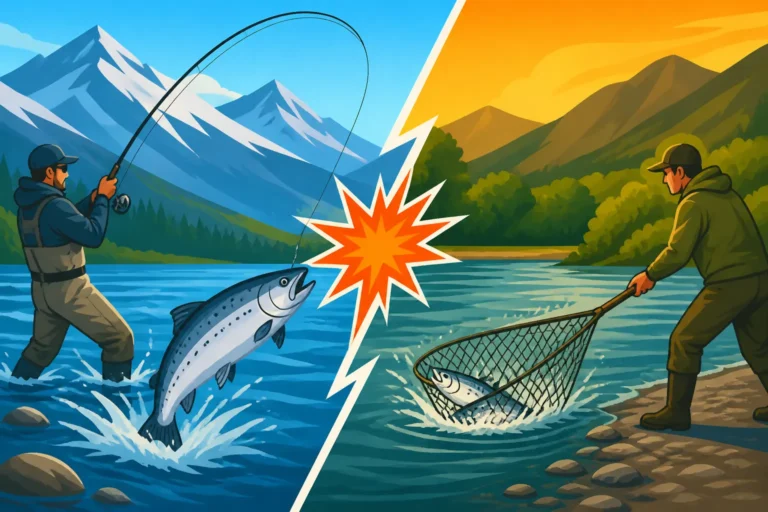
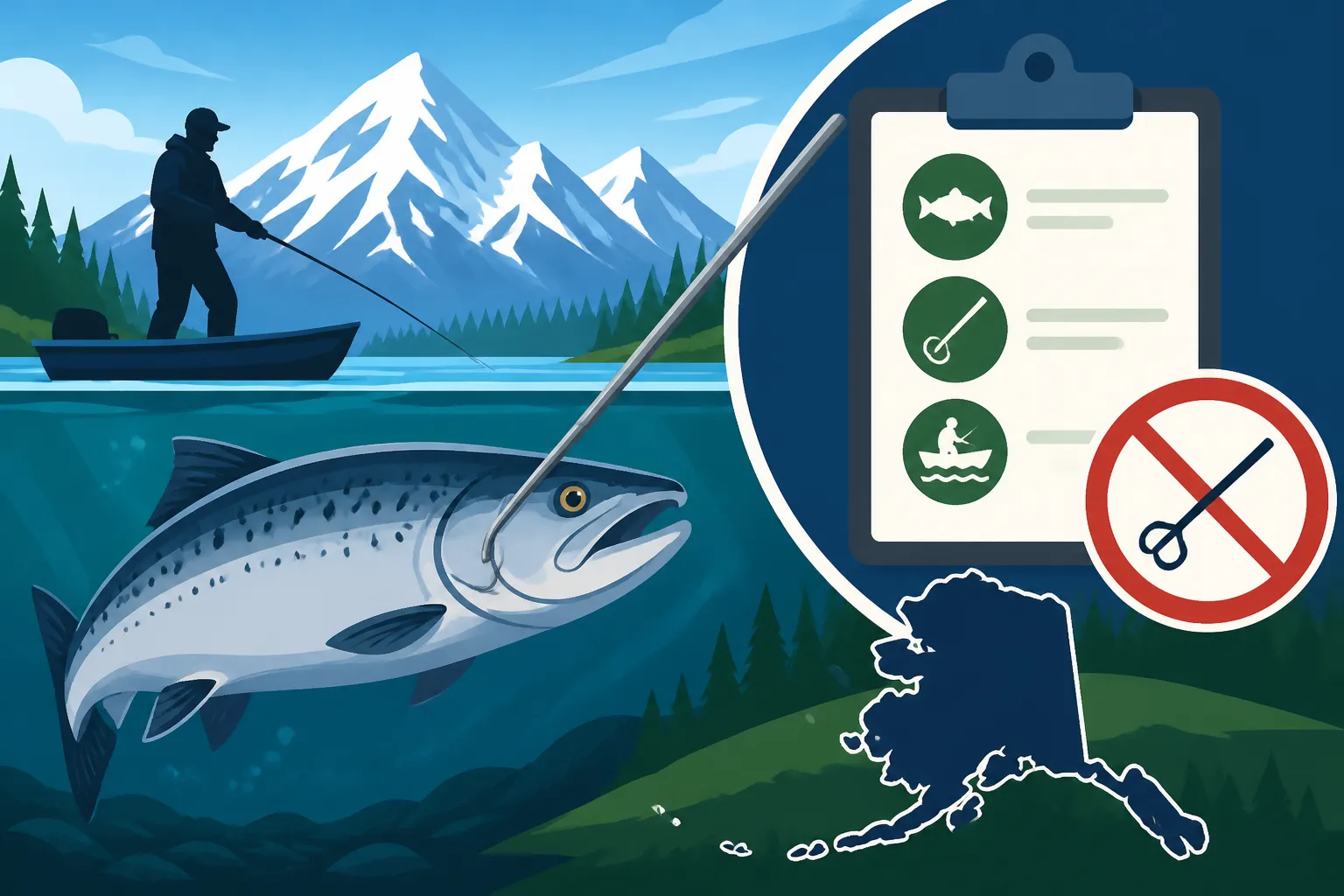
In the simplest terms, snagging, often referred to as foul hooking, is the act of catching a fish by hooking it in any part of its body other than the mouth. Imagine a salmon swimming upstream, and instead of taking a bait or lure into its mouth, an angler's hook snags its side, tail, or dorsal fin. That's foul hooking. Legally, the Alaska Department of Fish and Game (ADF&G) defines snagging as "the act of hooking a fish elsewhere than in the mouth." This distinction is critical because, outside of very specific, designated "terminal fisheries," any fish caught by snagging must be immediately released. This is a fundamental principle of fair chase sport fishing, ensuring that fish are caught by enticing them to bite, rather than by brute force or accident.
The intent behind the cast is often what differentiates an accidental foul hook from intentional snagging. An angler legitimately trying to entice a fish to bite might accidentally hook it in the pectoral fin. If this happens outside of a legal snagging area, that fish must be released, even if it's perfectly legal to keep otherwise. On the other hand, an angler deliberately casting weighted treble hooks into a dense school of salmon, hoping to impale one, is engaging in intentional snagging. It's a nuanced line that often falls to the discretion of Alaska Wildlife Troopers, so understanding the spirit of the regulation is just as important as the letter of the law.
Ethical Debates Around Snagging
The practice of snagging, even where legal, is a hot-button issue among anglers. Many staunch sport fishermen view snagging as unsportsmanlike, going against the ethos of fair chase and the challenge of enticing a fish to strike. They argue it reduces fishing to mere harvesting, removing the skill and respect for the fish that traditional angling embodies. For these anglers, the thrill comes from the bite, the fight, and the successful landing of a fish that willingly took the offering. They might prefer catch-and-release practices, even for species intended for harvest.
However, proponents or participants in legal snagging often view it through a different lens, primarily that of resource utilization and efficiency in certain designated areas. These areas, typically called "terminal fisheries," are often near hatchery releases or at the very end of a salmon's life cycle when they are no longer feeding and their flesh quality is diminishing. In these specific scenarios, snagging is permitted as a management tool to maximize harvest opportunities for the public, ensuring that as many fish as possible are utilized rather than going unharvested or dying naturally after spawning. The objective isn't "sport" in the traditional sense, but efficient take. Understanding this distinction helps contextualize why such a controversial method is sometimes allowed under strict Alaska Fishing Regulations Explained.
General Alaska Snagging Regulations
Alaska's fishing regulations are extensive, but when it comes to snagging, they are remarkably clear: it is generally prohibited unless explicitly stated otherwise. This "guilty until proven innocent" approach for snagging ensures that the vast majority of Alaska's pristine waters remain fair-chase fishing grounds. However, there are indeed exceptions, and knowing these specifics is paramount to avoid fines and potential confiscation of your gear.
Statewide Prohibitions and Exceptions
Across the vast majority of Alaska's rivers, lakes, and saltwater areas, snagging is strictly forbidden. The default rule is that any fish caught by foul hooking must be immediately released back into the water without undue harm. This means if you're fishing for rainbow trout on the Kenai River or halibut in Kachemak Bay, and you accidentally hook a fish outside the mouth, you are legally obligated to let it go. Trying to shake it off in the water or bringing it into the boat to de-hook it for release is standard practice, but keeping it is out of the question. This general prohibition aims to protect fish stocks, maintain the integrity of sport fishing, and prevent wasteful practices.
The significant exceptions to this rule are found in specific, clearly defined "terminal harvest areas" or "personal use fisheries." These are usually sections of rivers or marine waters where large numbers of fish congregate at the end of their migratory journeys, often near hatcheries or spawning grounds, and are intended for mass harvest. In these select locations, ADF&G has determined that allowing snagging is a justifiable management tool to provide harvest opportunities to the public. However, even within these exceptions, there are often strict caveats, such as specific dates, times, and gear restrictions. It's never a free-for-all; rather, it's a controlled allowance. When researching your trip, always consult the most current Alaska Fishing Regulations by Region to ensure you're compliant.
Species-Specific Snagging Rules
While the general rule of "no snagging" applies broadly, when it is allowed, it's almost exclusively for certain species of salmon, and occasionally for other species in very limited, specific contexts. The primary target for legal snagging in Alaska is usually salmon, particularly sockeye, pink, and sometimes chum salmon, when they are in dense schools and no longer actively feeding. King salmon are rarely, if ever, part of legal snagging opportunities due to their protected status, lower returns, and higher value as a fair-chase sport fish. For example, Alaska King Salmon Fishing Regulations and Limits are typically very stringent, prohibiting snagging entirely.
- Sockeye Salmon: Sockeye are a prime candidate for legal snagging in terminal fisheries because they often stop feeding once they enter freshwater and are known for schooling tightly. In areas like Chitina or parts of Ship Creek, where legal snagging is permitted, sockeye are the main target. The technique often involves casting heavy weighted hooks into the schools.
- Pink Salmon (Humpies): These salmon are incredibly abundant in many years and can also be targets for snagging in designated areas, particularly later in their run when they are dense and no longer feeding aggressively.
- Chum Salmon: Also known as Dog Salmon, chums can be targets in specific terminal areas, especially during large returns.
It's extremely rare to find legal snagging opportunities for resident freshwater fish like rainbow trout, Dolly Varden, or Arctic grayling. These species are almost universally managed under fair-chase principles, emphasizing traditional angling methods. The same goes for saltwater species like halibut, lingcod, or rockfish; the idea of snagging them is not only illegal but largely impractical due to their feeding habits and habitat.
Seasonality and Emergency Orders
Alaska's fisheries are dynamic, and regulations can change rapidly, often in-season, due to varying fish returns. This is especially true for snagging regulations, which are often tied to specific fish runs and harvest needs. What was legal one week might be closed the next, or vice-versa, all dictated by the Alaska Department of Fish and Game (ADF&G) through Emergency Orders. These orders are legally binding changes to regulations that take precedence over the printed regulation booklets.
For instance, a section of a river might be open to snagging for sockeye salmon during a strong run to maximize harvest, but if the run is weaker than expected, an emergency order could close the snagging season immediately or reduce bag limits. Conversely, if a run is exceptionally strong, ADF&G might extend the snagging season or expand the area where it's permitted. This real-time management makes it absolutely crucial for anglers to check for Alaska Fishing Emergency Orders Explained before heading out. You can find these updates on the ADF&G website, local fishing tackle shops, or by calling local ADF&G offices. Failing to do so can lead to serious violations, even if you were simply following outdated information.
Where Snagging is Legal in Alaska
While generally illegal, there are very specific locations in Alaska where snagging is permitted. These aren't random spots; they are carefully designated areas known as "terminal fisheries," managed to allow for the efficient harvest of abundant salmon runs, often in conjunction with hatchery operations or at the very end of the fish's life cycle. Understanding these specific areas is key to legally participating in this unique form of fishing.
Understanding Terminal Fisheries
The term "terminal fishery" is critical here. It refers to a localized area, typically near the mouth of a river, a weir, a dam, or a hatchery release point, where salmon congregate in large numbers before entering their spawning grounds or being processed. In these locations, the primary goal of ADF&G management shifts from protecting fish for sport and spawning to maximizing harvest for human consumption. This is where snagging sometimes comes into play as a legal harvest method.
Why are these areas different? Because the fish in terminal fisheries are often no longer actively feeding. They are focused solely on reproduction, their bodies are deteriorating, and their flesh quality might be declining. Allowing snagging in these areas ensures that a significant portion of the run can be harvested by the public, preventing waste and providing accessible food resources. It's a pragmatic approach to fisheries management, acknowledging the biological realities of salmon runs. These areas are usually clearly marked with signs, and the specific regulations for them are detailed in the ADF&G sport fishing regulations booklet for the corresponding region.
Key Snagging Hotspots and Regional Rules
Several well-known locations across Alaska are designated as legal snagging areas during specific times. These spots are often bustling with activity when the fish are in, creating a unique "combat fishing" atmosphere, though distinct from the Russian River's combat fishing which focuses on legal fair-hooking.
-
Ship Creek (Anchorage): One of the most accessible urban fisheries, Ship Creek in downtown Anchorage often has periods where snagging is legal for pink and coho salmon, especially later in the season. These openings are typically announced via emergency order. It’s an exciting place to fish right in the city, but you absolutely need to know the specific rules for Alaska Ship Creek Snagging Rules because they can change daily. The weir at Ship Creek is a classic example of a terminal fishery, concentrating fish for public harvest.
-
Valdez (Prince William Sound): The waters around Valdez, particularly near the Valdez Small Boat Harbor and the salmon hatchery, are notorious for legal snagging opportunities for pink and coho salmon. These are some of the most popular areas for locals and visitors to fill their freezers. The runs here can be massive, with millions of pink salmon returning some years. While you might want to look for specific gear on Amazon, many local tackle shops in Valdez will have specialized snagging setups ready to go during the season.
-
Chitina Personal Use Fishery (Copper River): This is perhaps the most famous and unique snagging fishery in Alaska. Located on the mighty Copper River, the Chitina fishery allows Alaska residents (and non-residents with a special permit and guide) to dipnet and snag sockeye and Chinook (King) salmon for personal use. It's a highly regulated and highly anticipated event, with specific windows for fishing. The sheer volume of fish can be staggering, but the conditions are rugged, and the fishing intense. It’s important to distinguish this from typical sport fishing; it's a personal use fishery, designed for sustenance. You can learn more about Alaska Dip Netting Regulations and Alaska Personal Use Fishing Explained for a broader understanding.
-
Other Localized Openings: Beyond these major hotspots, smaller, localized snagging openings might occur in other regions, often tied to specific local hatchery returns or exceptionally strong wild runs. These are usually short-lived and highly publicized through local ADF&G announcements. Always check the current regulations for the specific region you plan to visit, as snagging opportunities are dynamic.
Regional Variations in Rules
It's crucial to understand that snagging regulations are not uniform across Alaska. Each management region, and even specific watersheds within those regions, can have vastly different rules. For example, what's allowed in Prince William Sound near Valdez may be strictly prohibited on the Kenai Peninsula's famous salmon rivers. These variations reflect the unique fish populations, conservation needs, and management strategies for each area.
Table: Overview of Common Legal Snagging Scenarios in Alaska
| Location/Region | Target Species | Typical Season | General Conditions/Notes |
|---|---|---|---|
| Ship Creek (Anchorage) | Pink Salmon, Coho Salmon | July – September | Very specific emergency order openings; check ADF&G updates. |
| Valdez (Prince William Sound) | Pink Salmon, Coho Salmon | July – September | Often open near hatcheries; can be very crowded. |
| Chitina Personal Use | Sockeye Salmon, King Salmon | June – September | Residents only (or guided non-residents); requires permit; very rugged access; includes dipnetting. |
| Other Terminal Areas | Various Salmon | Varies by location | Highly localized, temporary openings via emergency order. |
Always, always consult the most up-to-date ADF&G Sport Fishing Regulations booklet for the exact region you're fishing. The information provided in any guide, including this one, is general in nature and subject to change. The ADF&G website is your best friend here, as are local tackle shops that are usually up-to-the-minute on emergency orders.
Gear and Techniques for Legal Snagging
When snagging is legal, it’s not just about any old fishing gear. There's a specific approach and tackle that anglers use to be effective, focusing on the unique mechanics of foul-hooking fish. This isn't subtle dry fly fishing; it's about robust equipment designed for powerful fish and a distinct technique aimed at securing them by any part of their body.
Essential Snagging Gear
Because snagging involves intentionally impaling a fish, often a large, powerful salmon, the gear used is typically heavy-duty and robust. This isn't the finesse gear you might use for trout or delicate fly fishing.
- Rods: Anglers generally use strong, heavy-action salmon rods, often 9 to 12 feet long. These rods need enough backbone to cast heavy weights and hooks, and then to subdue a struggling salmon hooked outside the mouth, which tends to fight differently and often harder than a fair-hooked fish. Look for rods rated for 15-40 lb line or higher. Many brands offer suitable rods, and you can often find good options for heavy salmon fishing on Amazon if local stores don't stock exactly what you need.
- Reels: Durable spinning reels or conventional baitcasting reels capable of holding a large amount of heavy line are essential. The drag system needs to be smooth and powerful enough to handle sudden, violent runs from large salmon. Many anglers prefer reels designed for saltwater or heavy freshwater use, built to withstand abuse.
- Line: You'll want heavy braided line, typically 50-80 lb test. Braided line offers superior strength, sensitivity, and resistance to abrasion, which is important when fishing in crowded conditions or areas with submerged obstacles. A short leader of heavy monofilament or fluorocarbon (30-60 lb test) might be used to connect the main line to the terminal tackle, primarily for abrasion resistance or knot integrity.
- Hooks: The most distinguishing piece of snagging gear is the hook. Legal snagging almost exclusively involves large, heavily weighted treble hooks. These hooks are designed to maximize the chance of impaling a fish as they are swept through a school. Sizes can range from 4/0 to 10/0, often with added lead weight directly on the hook shank or a separate heavy sinker rigged just above the hook. The goal is a heavy, blunt instrument that can sink quickly and be effectively "swept" through the water. While you might not find "snagging hooks" explicitly marketed in all areas, heavy weighted treble hooks are the common component.
The Act of Snagging: Casting, Sweeping, and Landing
The technique for legal snagging is straightforward but requires effort, especially in crowded conditions. It's less about enticing a bite and more about physically connecting with a fish.
- Casting: Anglers cast their heavy, weighted treble hook rigs out into the water, aiming for areas where salmon are schooling densely. The weight of the rig allows for long casts and quick sinking into the fish-holding depths.
- Sweeping/Ripping: Once the rig sinks, the angler quickly sweeps the rod upwards or to the side, then drops it back down, reeling in slack. This "ripping" or "sweeping" motion pulls the heavy hook through the water column, increasing the likelihood of it impaling a fish. It's a continuous, repetitive process, often described as "flailing" or "ripping" the water. Unlike traditional fishing where you wait for a bite, with snagging, you are actively trying to hook the fish.
- Setting the Hook: When a fish is snagged, the sensation is usually a sudden, heavy thud or strong resistance, rather than a subtle tug. The angler immediately sets the hook with another strong sweep to ensure it's firmly embedded.
- Landing: Landing a snagged salmon can be challenging. Because the fish is hooked externally, it often fights with incredible power, sometimes broadsiding the current, making it feel much larger than it is. The heavy rod and strong line are essential here to bring the fish in quickly and efficiently. In crowded legal snagging areas, a sturdy net or gaff is crucial for landing fish without tangling with other anglers or losing your catch. Remember to always check current Alaska Fishing Limits and Bag Limits Explained for the specific area and species, as even in legal snagging zones, harvest limits apply.
Common Misconceptions and Violations
Given the often-controversial nature of snagging, it's not surprising that there are many misconceptions surrounding it. Understanding these, along with the very real consequences of illegal snagging, is vital for any angler in Alaska. The line between legal and illegal can sometimes feel blurry, but ADF&G regulations are quite explicit when you know how to read them.
Accidental Foul Hooking vs. Intentional Snagging
This is probably the biggest source of confusion and ethical debate. It's entirely possible, even common, for an angler using legal gear and techniques to accidentally foul-hook a fish. Imagine drift fishing for sockeye with a fly or small lure, and a fish darting past the hook gets caught in the side. In most parts of Alaska, if you accidentally foul-hook a fish (meaning it's hooked anywhere but the mouth), you must immediately release it. This is a critical distinction: the act of foul hooking is not always illegal, but keeping a foul-hooked fish outside of a designated snagging area is.
Intentional snagging, on the other hand, is the deliberate act of trying to foul-hook a fish by sweeping or ripping hooks through the water, usually with heavy, weighted treble hooks, with the intent to keep it. This is explicitly illegal in the vast majority of Alaska's waters. The only exception is in those very specific terminal fisheries discussed earlier, where snagging is explicitly allowed as a harvest method. The intent of the angler and the location are the two determining factors in whether foul hooking constitutes an illegal snagging violation. Wildlife Troopers often observe fishing behavior to determine intent. An angler repeatedly casting weighted treble hooks into a school with aggressive sweeping motions in an unauthorized area is clearly engaging in illegal snagging.
Penalties for Illegal Snagging
The consequences of illegal snagging in Alaska can be severe, far beyond just losing your fish. Alaska Wildlife Troopers take fishing violations seriously, especially those that undermine fair chase principles or conservation efforts.
- Fines: Penalties can range from hundreds to thousands of dollars, depending on the severity of the offense, the species involved (e.g., King salmon violations are often higher), and whether it's a repeat offense.
- Confiscation of Gear: It's not uncommon for illegally used fishing gear, including rods, reels, and even boats, to be confiscated. This can be a significant financial loss on top of any fines.
- Loss of Fishing Privileges: Anglers found guilty of serious violations may lose their Alaska fishing privileges for a period, or even permanently. This can be particularly devastating for those who travel to Alaska specifically for fishing.
- Criminal Charges: In egregious cases, such as commercial illegal snagging or repeated offenses, criminal charges can be filed, leading to jail time.
It's a stark reminder that ignorance of the law is not an excuse. This is why resources like How to Read Alaska Fishing Regulations and current emergency orders are so vital. Always err on the side of caution. If you're unsure if a technique or area is legal for snagging, assume it's not and stick to traditional fair-hooking methods. The cost of a violation far outweighs the potential benefit of a illegally caught fish.
Why Snagging Regulations Exist
Understanding why certain regulations are in place helps clarify their purpose and often diffuses some of the ethical tension. Alaska's snagging rules, like many fishing regulations, are a careful balance between providing harvest opportunities for the public and ensuring the long-term sustainability of its incredible fish resources. They reflect a pragmatic approach to fisheries management in a state with diverse ecosystems and varied human uses of its fish.
Conservation and Sustainable Harvest
At the heart of all fisheries regulations is conservation. While it might seem counterintuitive to allow snagging for conservation purposes, it makes sense in the context of terminal fisheries. These are areas where fish are often at the end of their lives, having completed their ocean migration and expended most of their energy for spawning. Their flesh quality might be declining, and their chances of successfully spawning might already be fulfilled (e.g., if they are part of a hatchery return or past a counting weir).
In these specific scenarios, allowing snagging becomes a tool for sustainable harvest. It enables a greater number of fish to be removed from the system efficiently, preventing waste. For instance, if a hatchery is returning a massive surplus of salmon beyond what's needed for broodstock or natural escapement, and these fish are no longer feeding, snagging provides a high-volume method for the public to harvest them. This maximizes the utilization of a renewable resource that would otherwise die naturally without being caught. The alternative, letting them die unharvested, would be considered wasteful by many. This careful management ensures that the resource remains healthy for future generations, while still providing ample opportunity in designated areas.
Maintaining Fair Chase Principles
For the vast majority of Alaska's sport fishing waters, the core principle is "fair chase." This ethical standard dictates that anglers should provide the fish with a reasonable chance to escape and that the catch should result from the fish willingly taking the bait or lure. This is why snagging is almost universally prohibited outside of the specific terminal fisheries. The challenge, skill, and respect for the fish are central to the sport fishing experience for most anglers.
Regulations enforcing fair chase protect the recreational value of fishing. Anglers travel from all over the world to experience the thrill of catching an Alaskan salmon or halibut on the bite. If widespread snagging were allowed, it would fundamentally alter this experience, turning it into a less challenging and less rewarding activity for many. Moreover, indiscriminate snagging could quickly deplete fish stocks, particularly those that are more vulnerable or less abundant, undermining the very foundation of sustainable sport fishing. By restricting snagging to specific, managed harvest zones, ADF&G safeguards the traditional sport fishing experience and ensures that Alaska Catch-and-Release Best Practices can flourish in other areas where fair chase is paramount.
Disclaimer
The information provided in this guide is for general informational purposes only and is subject to change. Fishing regulations in Alaska are complex and can change frequently, often with short notice via emergency orders. Always consult the official Alaska Department of Fish and Game (ADF&G) regulations booklet for the current year, and check for recent emergency orders for the specific region you plan to fish, before engaging in any fishing activity. Failure to comply with regulations can result in fines, penalties, and confiscation of gear.