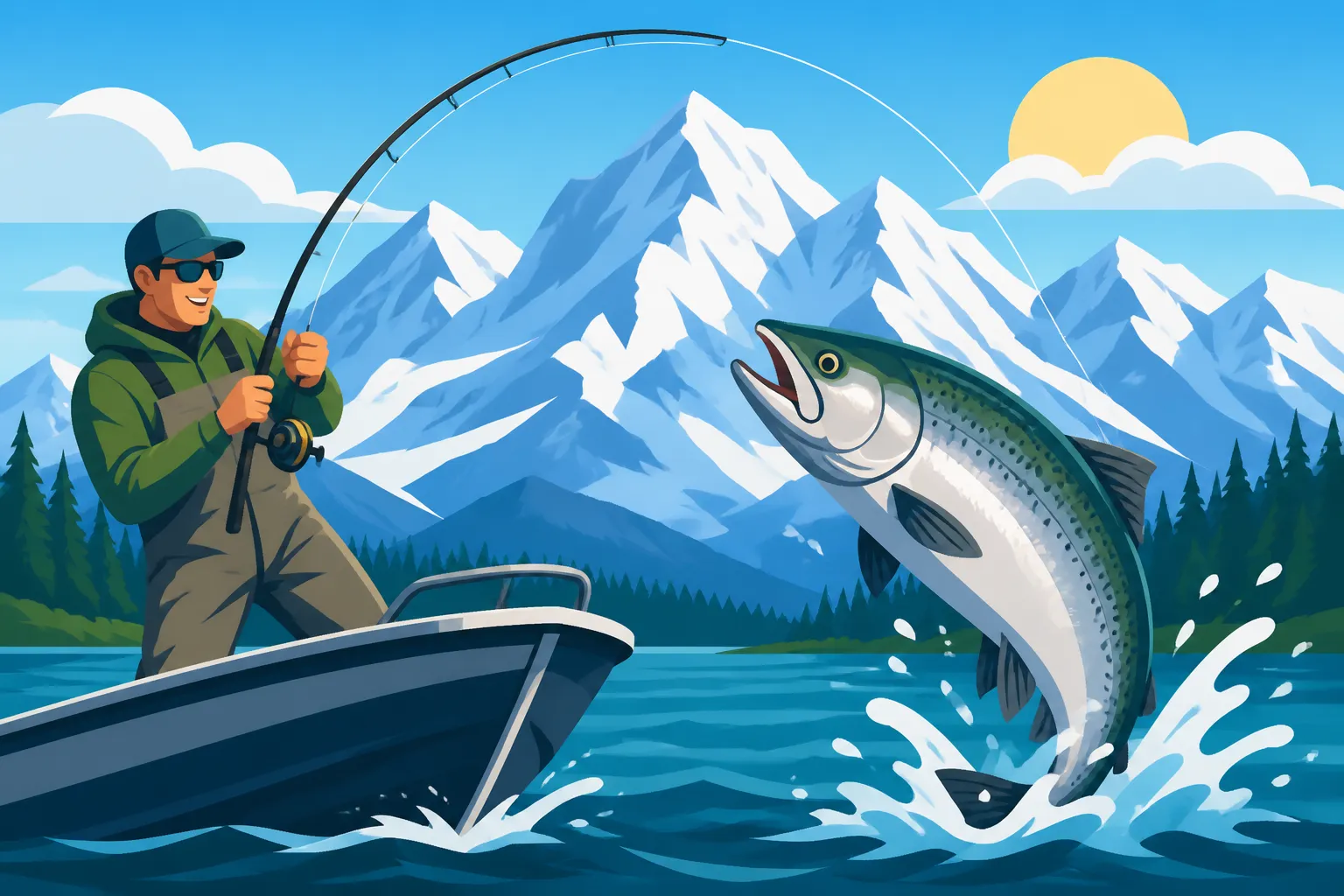
Best Alaska Fishing Charters Near Anchorage
Oh, the dream of fishing in Alaska! You've landed in Anchorage, the biggest city, and now you're looking out at all that wild country, wondering where on earth to find a fantastic fishing charter without getting completely overwhelmed by the choices or feeling like you have to fly to a remote village. It's a common conundrum for visitors and even some residents – Anchorage is a hub, but the really prime fishing spots often require a bit of travel. This guide is here to cut through the confusion, helping you identify the best fishing charter options within a reasonable distance from Anchorage, so you can plan an unforgettable Alaskan angling adventure.
Why Fishing Near Anchorage is Both Challenging and Rewarding
Anchorage is a bustling urban center, surrounded by stunning wilderness, but it's not exactly a fishing hotbed within the city limits. This can be a bit frustrating when you arrive, full of anticipation, and realize you'll need to venture out a bit. However, this slight inconvenience is truly a small price to pay for the incredible diversity and world-class fishing that lies just a short drive or quick flight away.
The Geographic Puzzle and Time Constraints
The biggest challenge for many looking for "Alaska fishing charters near Anchorage" is understanding that "near" often means an hour or two, sometimes even three or four, drive. You won't typically find charters leaving directly from downtown Anchorage for deep-sea halibut fishing or trophy rainbow trout excursions. The city sits on Knik Arm, which isn't the most productive sportfishing water, especially for popular species. This means that a significant portion of your "fishing day" might involve travel, especially if you're trying to fit a trip into a tighter schedule. For visitors on a tight itinerary, maximizing fishing time by choosing a location that matches your goals and travel tolerance is key. Many folks fly into Ted Stevens Anchorage International Airport and immediately head south or north to their angling destination.
Imagine you've flown all the way to Alaska, eager to cast a line. You might assume you can just walk down to the waterfront in Anchorage and hop on a boat. While there's Ship Creek, a popular urban salmon fishery right in the city, most iconic Alaska experiences – think King Salmon, Sockeye, or a massive halibut – require a journey. This requires a bit of planning, especially regarding transportation and factoring in drive times. It's not insurmountable, but it's crucial to set realistic expectations for what "near" truly entails in the vast landscape of Alaska.
Diverse Species and Scenic Beauty
Despite the travel, the payoff is immense. The areas surrounding Anchorage offer an incredible smorgasbord of fishing opportunities, from battling powerful King Salmon in a river to jigging for barn-door halibut in the deep blue sea. Within a few hours' drive, you can access phenomenal freshwater rivers like the Kenai and Kasilof, and saltwater giants from Seward or Homer. The sheer variety means you can often tailor your trip to target specific species or experience different types of fishing.
Beyond the fish themselves, the scenery you'll encounter on your way to and during your fishing trip is nothing short of spectacular. Driving south on the Seward Highway, you'll witness dramatic fjords, towering mountains, and possibly even Dall sheep clinging to cliffsides. Whether you're navigating a peaceful river in a drift boat or cruising the open ocean with glaciers in the distance, the Alaskan landscape elevates every fishing trip into a truly unforgettable wilderness experience. This unparalleled natural beauty often makes the journey part of the adventure, solidifying why so many anglers consider Alaska the ultimate fishing destination.
Top Fishing Destinations and Their Charters Near Anchorage
When people talk about the best fishing charters "near" Anchorage, they're usually referring to specific regions that are accessible by road from the city. These destinations offer distinct fishing experiences, catering to different preferences for species, scenery, and trip duration.
Kenai Peninsula: The Salmon and Halibut Heartland
The Kenai Peninsula, often called "Alaska's Playground," is probably the most popular destination for anglers traveling from Anchorage. It's a relatively easy drive south, offering a wealth of freshwater and saltwater options.
River Fishing in Soldotna and Cooper Landing
Driving south from Anchorage on the scenic Seward Highway, you'll reach the communities of Cooper Landing and Soldotna, both famous for their incredible river fishing. The Kenai River, flowing through these towns, is legendary for its massive King Salmon, prolific Sockeye Salmon runs, and trophy Rainbow Trout.
- King Salmon (Chinook): The Kenai River holds the world record for King Salmon, making it a bucket-list destination for many. Charters here often use methods like back-trolling with Kwikfish or back-bouncing cured salmon eggs. The early run typically starts in May and extends into June, while the late run peaks in July.
- Sockeye Salmon (Red): Known for their fighting spirit and delicious red meat, Sockeye runs on the Kenai River are phenomenal in July. Guides often specialize in "flossing" techniques, which are highly effective for these hard-hitting fish.
- Rainbow Trout: After the salmon runs, the Kenai River becomes a world-class trout fishery, with large resident rainbows feasting on salmon eggs. Guided drift boat trips are popular for fly fishing or spin fishing with beads.
When looking for a guide in this area, you'll find countless reputable operations in Soldotna, Sterling, and Cooper Landing. Many operate drift boats or larger powerboats designed for river fishing. You can easily find and compare these guides on platforms like FishingBooker, which allows you to filter by location, target species, and even review past customer experiences. Planning ahead is crucial, especially if you're targeting peak salmon runs; How Far in Advance to Book an Alaska Charter is a question you'll want to answer early.
Saltwater Charters from Seward and Homer
Further south on the Kenai Peninsula lie the coastal towns of Seward and Homer, the gateways to incredible saltwater fishing. While the drive is longer (about 2.5-3 hours to Seward, 4-5 hours to Homer), many visitors from Anchorage make the journey for the exceptional halibut and salmon opportunities.
- Seward: Located at the head of Resurrection Bay, Seward is a hub for deep-sea charters. Here, you can target massive Halibut, often referred to as "barn doors," as well as a variety of Rockfish, Lingcod, and Silver Salmon. Most charters are full-day trips, heading out into the Gulf of Alaska or Resurrection Bay's more productive waters. The scenery from Seward is breathtaking, with glaciers and rugged coastline. Many of these charters run combo trips, allowing you to try for both halibut and salmon in one day. You can learn more about specific regulations in the area by checking the Seward Alaska Fishing Guide.
- Homer: At the very end of the Sterling Highway, Homer proudly declares itself the "Halibut Fishing Capital of the World." This is the place if you're dreaming of a monster halibut. Charters depart from the famous Homer Spit, venturing into Kachemak Bay and beyond. While the drive is longer, the density of halibut and the abundance of charter options make it a top choice. Besides halibut, you'll also find opportunities for King Salmon (early season) and Silver Salmon (later season). Exploring a dedicated Homer Alaska Fishing Guide can help you narrow down your choices for this legendary destination.
When considering charters from Seward or Homer, it's essential to understand that these are often longer, more physically demanding trips on open water. Be sure to check what gear they provide and consider bringing your own Alaska Fishing Charter Packing List essentials, especially good rain gear.
Mat-Su Valley Rivers: Close-to-Home Salmon and Trout
To the north of Anchorage, the Matanuska-Susitna Valley (or Mat-Su Valley) offers a variety of river fishing experiences that are generally closer and can sometimes provide a more intimate, less crowded outing. Rivers like the Deshka, Susitna, and Talkeetna are popular choices.
These rivers are particularly known for their King Salmon and Silver Salmon runs, as well as resident Rainbow Trout and Dolly Varden. Access often involves driving off the main highway, and some spots might require a jet boat or even a short floatplane trip for the best access. Charters in this region tend to be smaller, often operating out of drift boats or smaller powerboats, providing a more personalized experience.
For those looking for a slightly different vibe than the bustling Kenai Peninsula, the Mat-Su Valley offers a chance to experience Alaska's interior rivers. The season for King Salmon typically runs from late May through July, while Silvers become more prevalent in August and September. These waters are a fantastic option for a day trip from Anchorage, especially if you're trying to avoid the longer drives south. You'll want to investigate specific guides based in Wasilla or Talkeetna for the best local expertise on these often-remote feeling waterways.
Prince William Sound/Whittier: Saltwater Adventures
If you're looking for saltwater fishing without the longer drive to Homer, consider Prince William Sound, accessible via a short (about an hour) scenic drive to Whittier. From Anchorage, you'll take the Seward Highway south and then head through the Anton Anderson Memorial Tunnel (check tunnel schedule!) to reach the quirky port town of Whittier.
Prince William Sound is a vast, protected waterway known for its incredible scenery, including glaciers and abundant wildlife. It offers excellent opportunities for:
- Halibut: While perhaps not as famed as Homer for halibut size, the Sound offers consistent action and often boasts calmer waters than the open ocean.
- Salmon: Silver Salmon runs are strong here in late summer, and you can also find Pink Salmon in abundance.
- Bottomfish: Various species of Rockfish and Lingcod are plentiful in the Sound's many reefs and rocky structures.
Charters operating out of Whittier typically offer full-day excursions. Some guides even offer multi-day trips, exploring different parts of the Sound. It's a fantastic option for those who want a saltwater experience without the extreme travel of destinations further south. The journey itself, through the mountains and the unique tunnel, adds to the adventure. You can find detailed information about this area in a Prince William Sound Fishing: What to Know Before You Go guide.
Here's a quick comparison of these popular fishing destinations near Anchorage:
| Destination Area | Primary Fish Species Targeted | Drive Time from Anchorage (approx.) | Typical Charter Type | Best Time to Go | Key Highlights |
|---|---|---|---|---|---|
| Soldotna/Cooper Landing (Kenai River) | King Salmon, Sockeye Salmon, Rainbow Trout | 1.5 – 2.5 hours | Drift boat, powerboat (river) | June-Sept (Kings June-July, Sockeye July, Trout Aug-Sept) | World-record King Salmon, abundant Sockeye, stunning river scenery. |
| Seward (Resurrection Bay) | Halibut, Silver Salmon, Rockfish, Lingcod | 2.5 – 3 hours | Offshore charter boat (saltwater) | May-Sept (Halibut May-Sept, Silvers July-Sept) | Majestic fjords, glacier views, combo trips for multiple species. |
| Homer (Kachemak Bay) | Halibut, King Salmon, Silver Salmon, Rockfish | 4 – 5 hours | Offshore charter boat (saltwater) | May-Sept (Halibut May-Sept, Kings May-June, Silvers July-Sept) | "Halibut Fishing Capital," iconic Homer Spit, vast bay. |
| Mat-Su Valley Rivers | King Salmon, Silver Salmon, Rainbow Trout, Dolly Varden | 1 – 2 hours | Drift boat, jet boat (river) | May-Sept (Kings May-July, Silvers Aug-Sept) | Closer proximity, potentially less crowded, authentic interior river experience. |
| Whittier (Prince William Sound) | Halibut, Silver Salmon, Rockfish, Lingcod | 1.5 hours (incl. tunnel wait) | Offshore charter boat (protected saltwater) | June-Sept (Halibut June-Sept, Silvers July-Sept) | Spectacular glacier and wildlife viewing, calmer waters, unique tunnel access. |
Choosing the Best Charter for Your Alaska Fishing Adventure
Deciding on the "best" charter really depends on your personal preferences, budget, and what kind of fishing experience you're after. With so many options accessible from Anchorage, it's worth taking the time to consider a few key factors before you commit.
Key Factors to Consider Before Booking
Before you even start looking at specific boats, sit down and think about what you want out of this trip. This will make the selection process much smoother and ensure you don't end up on a trip that doesn't align with your expectations.
- Target Species: Do you have your heart set on catching a trophy King Salmon, or are you dreaming of a freezer full of halibut? Perhaps you want to experience the sheer numbers of Sockeye, or tangle with a big Kenai River Rainbow Trout? Your target species will largely dictate where you go and what kind of charter you book. For example, if you want to catch Alaska King Salmon: Complete Guide, you'll likely focus on the Kenai or Mat-Su rivers in June or July.
- Trip Duration: Are you looking for a quick half-day trip, a standard full-day excursion, or even a multi-day package? Remember that travel time from Anchorage adds to the overall commitment. Half-day trips might be more suitable for destinations closer to Anchorage, while full-day trips are common for saltwater charters from Seward or Homer.
- Group Size and Dynamic: Are you traveling solo, with a partner, your family, or a larger group of friends? Some charters are perfect for small, intimate groups, while larger boats can accommodate bigger parties. If you're bringing kids, look for charters that specifically cater to families; they often have more patient guides and perhaps even some amenities for younger anglers.
- Budget: Alaska fishing can be an investment. Charters vary widely in price depending on location, duration, species, and whether it's a private or shared trip. Knowing your budget beforehand will help you narrow down options considerably. We've got a comprehensive guide on How Much Does an Alaska Fishing Charter Cost that can help you budget effectively.
Platforms like FishingBooker are incredibly useful here because they allow you to filter charters by all these criteria. You can search by location near Anchorage (like Soldotna, Seward, Homer), specify target fish, and even see options for half-day versus full-day trips, making your initial search much more efficient.
What to Look for in a Reputable Charter
Once you have your preferences sorted, it's time to vet the actual charter operators. A reputable charter can make or break your trip, so don't rush this step.
- Licenses and Insurance: This is non-negotiable. Ensure the charter operator and their guides are properly licensed by the Alaska Department of Fish and Game (ADF&G) and the US Coast Guard (if saltwater). They should also carry adequate insurance. A legitimate operation will be transparent about their credentials.
- Experience and Local Knowledge: You want a guide who knows the waters intimately, understands fish behavior, and can adapt to changing conditions. Ask about their experience in the specific area you'll be fishing and their track record for the species you're targeting. Local guides often have generational knowledge that's invaluable.
- Equipment and Safety: A good charter will have well-maintained boats, high-quality fishing gear (rods, reels, tackle), and all necessary safety equipment (life jackets, first-aid, communications). Don't be afraid to ask about the condition of their equipment.
- Clear Communication: A reputable charter will clearly communicate what's included in the price, such as bait, tackle, and fish processing, and what you need to bring. They should also be upfront about any potential additional costs like fishing licenses or King Salmon stamps. Our guide on What's Included in an Alaska Fishing Charter can help you set expectations.
- Reviews and References: Always check online reviews on sites like Google, TripAdvisor, or of course, FishingBooker. Pay attention to consistent themes – both positive and negative. If possible, ask for references from past clients, especially if you're booking a high-end trip.
Booking Tips and Timing
Securing the right charter takes a bit of strategy, especially if you're traveling during peak season.
- Book Early, Especially for Peak Season: The best guides and most popular dates book up fast. For prime King or Sockeye Salmon runs (June and July) or prime halibut season, you should aim to book 6-12 months in advance. Our guide on How Far in Advance to Book an Alaska Charter emphasizes this crucial point. Last-minute bookings are possible, but your options will be significantly limited.
- Be Flexible with Dates: If your schedule allows, having a few flexible dates can increase your chances of finding an available charter, especially during busy times. It also provides a buffer in case of unforeseen weather cancellations or emergency order closures (which can happen frequently in Alaska fishing).
- Consider Combo Trips: Many charters, especially from coastal towns like Seward or Homer, offer combo trips where you can target both halibut and salmon in a single outing. This is a great way to maximize your experience if you're short on time and want to try for multiple species.
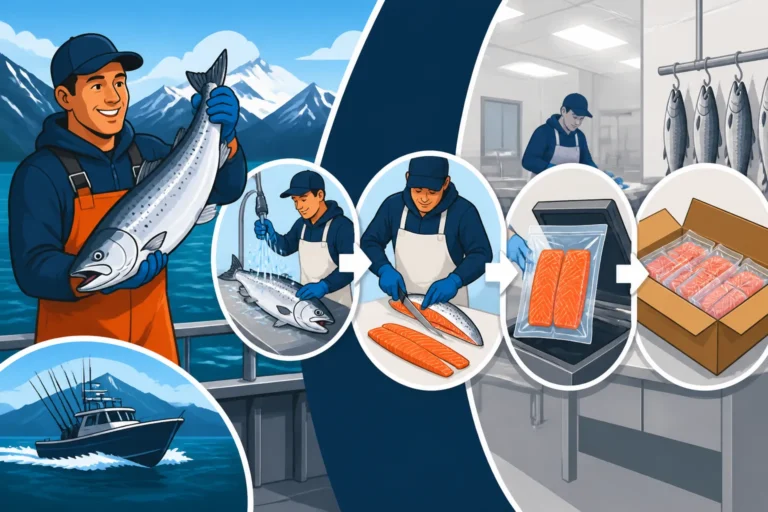
- Ask About Fish Processing: After a successful trip, you'll have fish! Clarify with your charter how they handle fish processing – filleting, vacuum sealing, and freezing. Some offer it as part of the package, while others might direct you to local processors, which is an additional cost. Knowing Alaska Fish Processing and Shipping Home Rules beforehand will save you a headache.
Preparing for Your Guided Fishing Trip from Anchorage
You've booked your dream charter, you're all set to go, but now what? A little preparation can go a long way in ensuring your trip is comfortable, safe, and ultimately, more successful. Remember, the weather in Alaska can be unpredictable, and regulations are always in flux.
Essential Gear and Clothing
Even if your charter provides all the fishing gear, what you wear and bring personally is critical for staying comfortable in Alaska's notoriously changeable weather.
- Layer, Layer, Layer: This is the golden rule of Alaskan attire. Start with a moisture-wicking base layer (not cotton!), add a fleece or wool mid-layer for warmth, and top it with a waterproof and windproof outer shell. You'll thank yourself when the sun comes out, then disappears behind clouds, then it drizzles, then the wind picks up.
- Rain Gear: This isn't optional; it's a necessity. Even if the forecast looks clear, a squall can roll in quickly. Good quality, breathable rain gear (jacket and pants) will make a huge difference in your comfort levels. Check out our recommendations in the Best Rain Gear for Alaska Fishing guide.
- Footwear: Waterproof, comfortable boots are essential, especially for river trips where you might be wading or walking on wet banks. For saltwater trips, deck boots or sturdy waterproof hiking shoes are ideal.
- Headwear and Handwear: A warm hat (even in summer) is crucial for retaining body heat, and a brimmed hat or cap can help with sun glare. Fingerless gloves can be useful for warmth while still allowing dexterity for fishing.
- Personal Items: Don't forget sunscreen (the Alaskan sun, especially reflected off water, can be intense), polarized sunglasses to reduce glare and help spot fish, a camera to capture memories, and any personal medications. Snacks and drinks are often a good idea, though some charters provide light refreshments.
Your charter will confirm what gear they provide, which typically includes rods, reels, bait, and tackle. However, always have your personal items ready to go.
Understanding Regulations and Logistics
Alaska has some of the most complex fishing regulations in the world, designed to protect its precious fish stocks. While your guide will be an expert on the rules for your specific trip, it's always good practice to have a basic understanding yourself.
- Fishing License and Stamps: Every angler 16 years or older needs an Alaska Fishing License. If you're targeting King Salmon, you'll also need an Alaska King Salmon Stamp. These can be purchased online through the ADF&G website or at many sporting goods stores around Anchorage, such as Fred Meyer or Bass Pro Shops. Our Alaska Fishing License: Complete Guide explains all the ins and outs, and for King Salmon, you'll want to read up on Do You Need a King Salmon Stamp in Alaska. It's crucial to have these purchased and on your person (either printed or digital on your phone) before your trip starts.
- Harvest Record Card: For certain species like King Salmon and Halibut (in some areas), you'll need to record your catch on a physical Harvest Record Card, which comes with your license. This is vital for conservation efforts and must be filled out immediately upon retention of a fish. Our Alaska Harvest Record Card Explained offers detailed instructions.
- Bag and Possession Limits: Be aware of the daily bag limits (how many fish you can keep per day) and possession limits (how many fish you can have in your possession at any given time, including those already processed). These can change frequently via emergency orders. Your guide will be well-versed in the current Alaska Fishing Limits and Bag Limits Explained, but it's good to be aware.
- Travel Time and Logistics: Factor in ample travel time from Anchorage to your charter departure point. Traffic, especially on the Seward Highway during summer weekends, can add significant delays. Confirm exact meeting times and locations with your guide well in advance. If you're taking a tunnel to Whittier, remember to check the tunnel schedule.
A little planning and understanding of these rules will ensure your trip goes smoothly, preventing any potential violations and allowing you to focus entirely on the thrill of the catch.
Disclaimer
The information provided in this guide is for general informational purposes only and does not constitute professional advice. Alaska fishing regulations, seasons, and conditions can change rapidly due to emergency orders, weather, and fish run fluctuations. Always consult the official Alaska Department of Fish and Game (ADF&G) regulations booklet and website for the most current rules and emergency orders before planning or embarking on any fishing trip. It is the angler's responsibility to know and follow all applicable regulations.