Alaska Fishing Charter Packing List
Oh, the joy (and sometimes dread) of packing for an Alaskan fishing adventure! It's one of those trips where you really don't want to forget anything critical, because the consequences of being unprepared can range from simply uncomfortable to downright miserable. Whether you're dreaming of reeling in a monster halibut out of Homer or battling sockeye on the Kenai River, getting your gear list dialed in is paramount. This guide is here to cut through the confusion, offering a realistic, seasoned angler's perspective on what you absolutely need to pack for an Alaska fishing charter.
The Unpredictable Alaska Climate Demands Strategic Packing
Alaska's weather has a notorious reputation for being fickle, and for good reason. You can literally experience all four seasons in a single day, or even within a few hours. This isn't your average sunny day fishing trip; it's an adventure in a truly wild landscape, and your packing strategy needs to reflect that reality.
Understanding Alaskan Weather Variations
It’s easy to look at the calendar and think "summer, it'll be warm!" but Alaska laughs in the face of conventional seasonal expectations. Even in July and August, the prime fishing months, you could wake up to crisp 40-degree mornings, see temperatures climb into the 70s by midday, and then have a cold, driving rain squall roll in by late afternoon. Coastal areas, like those around Juneau or Kodiak, often experience more precipitation and cooler temperatures due to their proximity to the ocean and numerous fjords, resembling a temperate rainforest. In contrast, interior regions, such as near Fairbanks, can swing wildly from hot, dry summer days to chilly nights.
This variability means you can't just pack for "warm" or "cold" weather; you have to pack for all weather. Wind can be a constant companion on open water, making even a 50-degree day feel significantly colder. And don't forget the infamous Alaskan "liquid sunshine"—rain is just a part of the experience, and accepting that means preparing for it. Ignoring these realities is a surefire way to cut your incredible fishing day short or develop a lasting grudge against the elements.
The Importance of Layering for Comfort
If there’s one golden rule for dressing in Alaska, it's layering. Think of your clothing as an adjustable thermostat. As the temperature shifts, or as you move from the warm cabin of a charter boat to a windy deck, you can add or shed layers to maintain optimal comfort. This isn't just about warmth; it's about managing moisture. Getting sweaty in warm gear, then having the temperature drop or the wind pick up, can lead to a rapid chill.
A proper layering system typically involves three main components: a base layer, a mid-layer, and an outer layer. The base layer wicks moisture away from your skin, keeping you dry. The mid-layer provides insulation and warmth. The outer layer, often called a shell, protects you from wind and precipitation. Cotton, bless its heart, has no place in this system; once wet, it loses all insulating properties and takes forever to dry, making you cold. Opt for smart, synthetic materials or natural fibers like merino wool. Seriously, this concept is so crucial it could be its own course!
Clothing and Footwear: Your Armor Against the Elements
When you're out on the water or wading in a river, your clothing isn't just about fashion; it's your first line of defense against the raw power of Alaskan nature. Investing in the right gear here pays dividends in comfort and enjoyment.
Base and Mid-Layers for Warmth and Moisture Wicking
Your base layer is what sits directly against your skin, and its primary job is to wick sweat away. Think thin, form-fitting tops and bottoms made from merino wool or synthetic performance fabrics. Merino wool is a favorite among Alaskan guides because it's soft, warm even when damp, and naturally odor-resistant—a big plus on multi-day trips! Synthetics like polyester also work wonders, drying quickly and providing excellent wicking action. Brands like Patagonia or Smartwool are popular choices.
Over your base layer, you'll want a mid-layer for insulation. This could be a fleece jacket, a puffy vest, or a thicker synthetic or wool sweater. The idea is to trap warm air close to your body without being overly bulky, allowing for freedom of movement while casting or fighting a fish. For chillier days, two mid-layers might even be appropriate, perhaps a thinner fleece and then a heavier one. You'll thank yourself when the wind whips up on the open ocean or a cold front pushes through the valley.
Outerwear: The Waterproof, Windproof Shield
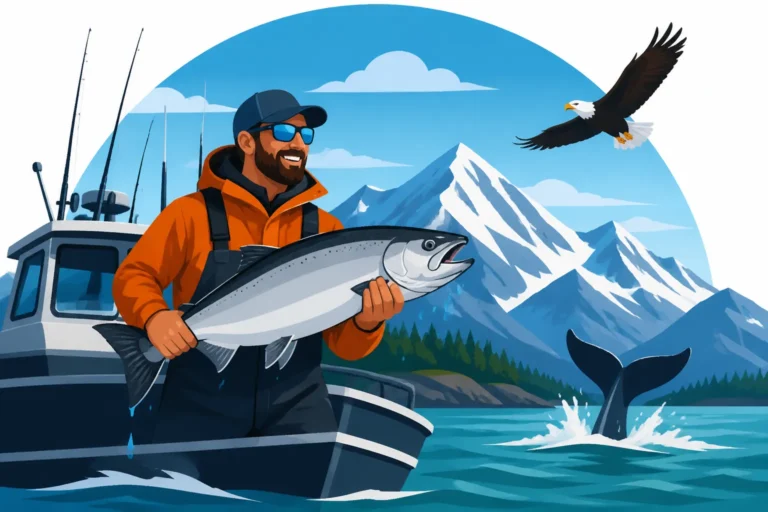
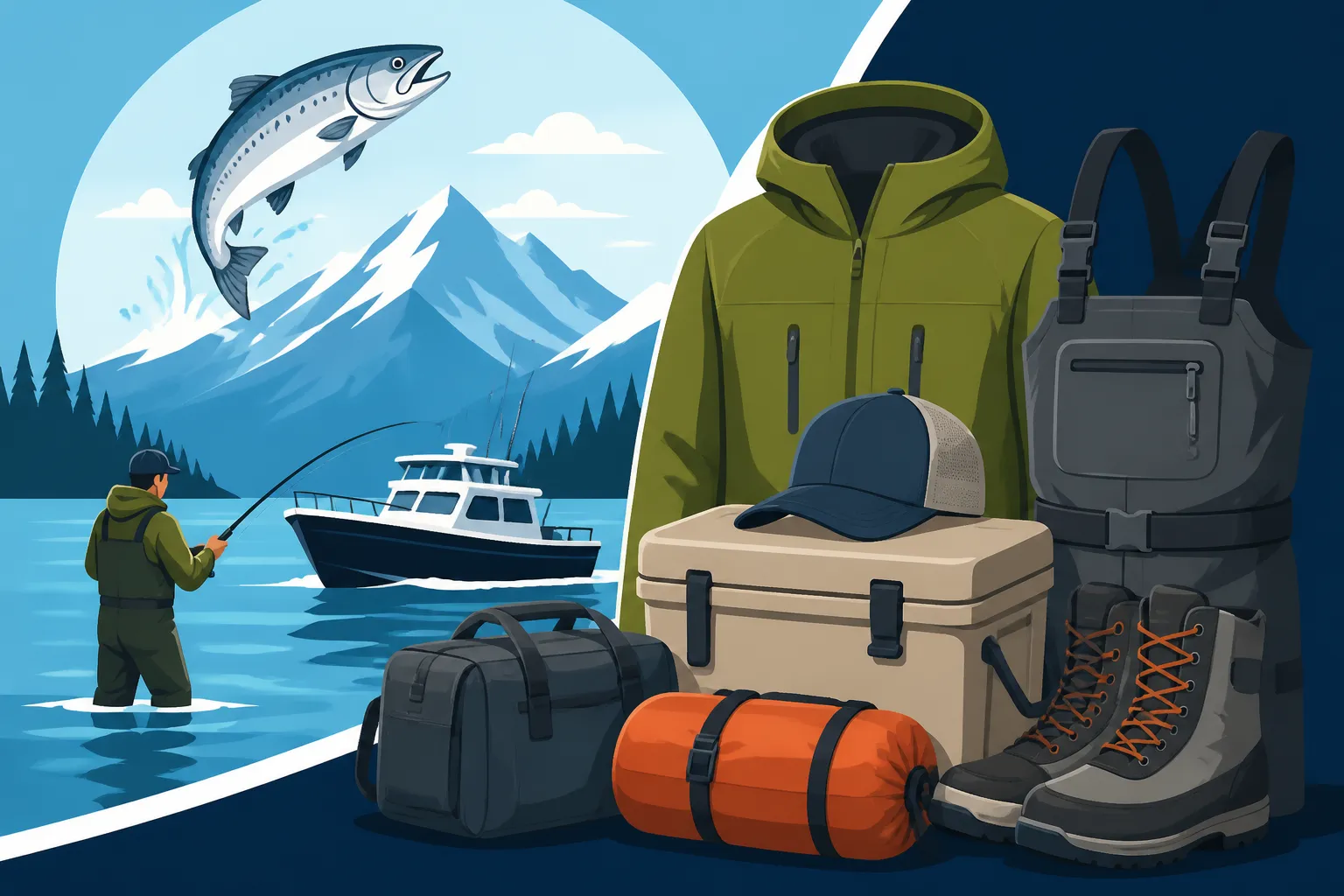
This is arguably the most critical part of your Alaskan fishing ensemble. Your outer layer needs to be completely waterproof and windproof. We’re talking about serious rain gear—not just a light rain jacket you wear jogging. You need both a high-quality waterproof jacket and matching waterproof pants. Imagine reeling in a beautiful silver salmon in a downpour; you want to be focused on the fight, not shivering from soaked clothes.
Look for gear made with Gore-Tex or similar durable, breathable waterproof membranes. Fishing-specific brands like Grundéns, Helly Hansen, or Simms are mainstays in Alaska because they're built to withstand the rigorous demands of the environment. These aren’t cheap, but they are an investment in your comfort and safety. Make sure your jacket has a good hood that stays put in windy conditions, and that your pants can easily fit over your boots. It’s also wise to pick gear in a bright color, not just for visibility on the boat, but because it just feels more Alaskan!
Headwear, Gloves, and Footwear for All-Day Comfort
Don't underestimate the importance of your extremities! A significant amount of body heat is lost through your head, so a warm beanie or a fleece-lined cap is essential. Even a baseball cap under a hood can provide extra warmth and keep rain out of your eyes.
When it comes to gloves, you'll want at least two pairs: a thin pair for dexterity (e.g., fingerless fishing gloves) and a thicker, waterproof pair for colder, wetter conditions. Handling cold, wet fish or gear with bare hands can quickly lead to numb fingers.
And then there's footwear. For most freshwater river fishing, chest waders are often required, especially if you plan on wading into the river. If you're primarily on a boat, or bank fishing, a good pair of waterproof, insulated boots is a must. The iconic XTRATUF boots are practically the unofficial uniform of Alaskans for a reason; they're durable, comfortable, and keep your feet dry. Pair these with thick, warm wool socks (again, not cotton) to provide insulation and wick away moisture. Having an extra pair or two of dry socks is never a bad idea.
| Item Category | Essential Items | Notes for Alaska |
|---|---|---|
| Clothing | Base Layers (tops & bottoms) | Merino wool or synthetic. Focus on moisture-wicking. No cotton! |
| Mid-Layers (fleece, puffy jacket/vest) | Fleece or synthetic insulated layers for warmth. Easy to add/remove. | |
| Outer Shell (waterproof jacket & pants) | High-quality, durable, breathable rain gear. Brands like Grundéns, Helly Hansen, Simms are highly recommended. Full rain suit is ideal. | |
| Warm Hat/Beanie | Crucial for heat retention, even on cooler summer days. | |
| Waterproof Gloves | At least one pair, ideally two (one thinner for dexterity, one insulated/waterproof for cold/wet). | |
| Wool Socks (multiple pairs) | Thick, warm, moisture-wicking. Replace soaked socks immediately. | |
| Waterproof Boots | XTRATUF or similar durable, waterproof boots for boat/shore. Waders for river wading (check with charter if needed). | |
| Fishing Gear | Rods, Reels, Tackle | Most charters provide these. Confirm beforehand. Consider bringing your preferred fly rod if applicable. |
| Small Tackle Box (optional) | For personal lures/flies if you have specific preferences. | |
| Pliers/Line Clippers | Handy for cutting line, removing hooks. | |
| Polarized Sunglasses | Essential for eye protection and spotting fish, especially in clear rivers. | |
| Fishing License & King Salmon Stamp | Absolutely required. Purchase beforehand. Check for Do You Need a King Salmon Stamp in Alaska if targeting kings. | |
| Personal Items | Identification/Travel Documents | Passport, driver's license, flight info. Keep secure and dry. |
| Medications | All prescription meds, motion sickness remedies (Dramamine, Bonine), pain relievers. | |
| Toiletries | Basic personal hygiene items. | |
| Sunscreen & Lip Balm | UV rays are strong, especially on water, even on cloudy days. | |
| Insect Repellent | Mosquitoes and gnats can be fierce in some areas. Head net might be useful. | |
| Camera/Phone & Chargers | Waterproof protection is a must. Bring a portable power bank. | |
| Small Waterproof Day Bag | For snacks, wallet, phone, extra layers. Keep items dry. | |
| Snacks & Water Bottle | Charters often provide some, but extra personal favorites are always welcome. Reusable bottle is great. | |
| Cash for Tips | Gratuities for guides are customary and appreciated. |
Fishing Gear and Tackle: What to Bring, What to Expect
One of the big questions when booking an Alaska fishing charter is always, "What fishing gear do I need to bring?" The answer often depends on the type of charter and your personal preferences.
Charter-Provided Essentials vs. Personal Preferences
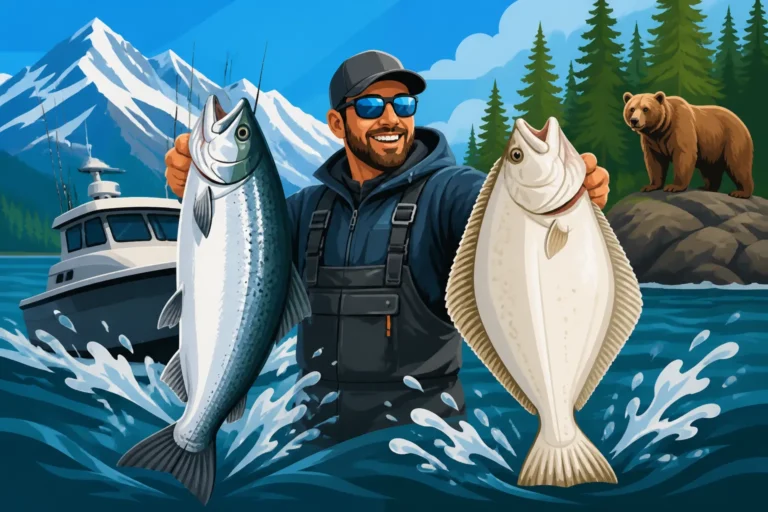
Most reputable Alaska fishing charters, whether you're targeting giant halibut in the Gulf of Alaska or feisty sockeye on the Kenai River, will provide all the necessary rods, reels, and terminal tackle for the species you're pursuing. This is a huge convenience, as it saves you the hassle and expense of transporting heavy, specialized gear. Guides often use specific setups that are proven effective for local conditions and regulations. For instance, on a halibut charter, they'll have heavy-duty rods and reels spooled with braid, along with the appropriate weights and circle hooks. If you're fishing for salmon in a river, they'll likely provide conventional or spinning setups suited for that method.
However, if you're an avid angler with a deep connection to your own gear, or if you prefer a specific technique like fly fishing, you might consider bringing some of your own equipment. Always confirm this with your charter captain or lodge before your trip. Some charters are happy to accommodate personal gear, while others might prefer you use theirs to ensure consistency and adherence to their methods. This communication is key, and platforms like FishingBooker often allow you to directly ask these questions when booking your trip. They can also connect you with guides specializing in specific techniques like How to Fly Fish in Alaska.
Recommended Personal Gear for Enthusiasts
For those who want to supplement the provided gear or just have a few personal items that enhance their experience, here are some things to consider:
- Favorite Lures/Flies: While guides have their tried-and-true baits, you might have a lucky spinner or a particular fly pattern that you swear by. Pack a small, organized tackle box if you plan to bring your own. Just be aware of local regulations regarding bait and tackle; for example, some areas have strict Alaska Barbless Hook Requirements.
- Fly Rod & Reel: If you're a passionate fly angler and your charter allows it, bringing your own 8- or 9-weight rod for salmon or a lighter 5- or 6-weight for trout can be incredibly rewarding. Pack it in a sturdy travel case.
- Leader Material and Tippet: If you're particular about your leader setups, a spool of fluorocarbon or monofilament in various strengths can be useful, especially for trout or steelhead fishing.
- Fishing Vest/Pack: A small, comfortable fishing vest or chest pack can keep your personal items, extra tackle, and tools easily accessible while on the river or boat.
Remember, the goal isn't to overpack, but to bring items that genuinely enhance your trip or provide backup.
Fishing Accessories That Make a Difference
Beyond the rods and reels, a few small accessories can significantly improve your fishing experience:
- Polarized Sunglasses: These are non-negotiable. They protect your eyes from harmful UV rays (even on cloudy days!) and, more importantly, cut glare on the water, allowing you to see submerged structure, detect subtle bites, and even spot fish in clear rivers. Quality polarized lenses can truly make a difference in your catch rate.
- Fishing Pliers and Line Clippers: While your guide will have these, having your own pair of sturdy fishing pliers (for hook removal, crimping split shot) and sharp line clippers (for quick knot tying) is incredibly convenient.
- Fishing Hat: A wide-brimmed hat or a baseball cap offers additional sun protection for your face and neck, and helps keep rain or spray out of your eyes.
- Fish Grips/Gloves: If you plan on handling fish for photos or release, fish grips can protect both you and the fish. Some anglers also prefer fishing gloves for better grip on slimy fish.
- Small Waterproof Bag: This is essential for keeping your phone, camera, wallet, and any other personal electronics or valuables dry, especially on saltwater charters where spray is common.
Personal Essentials for a Smooth and Enjoyable Trip
While fishing gear and proper attire are top priorities, don't overlook the personal items that contribute to your overall comfort and peace of mind during your Alaskan adventure.
Documents, Medications, and Money
First and foremost, double-check that you have all necessary identification and travel documents. This includes your driver's license or passport, flight information, and any lodge or charter confirmations. For fishing, your Alaska Fishing License: Complete Guide is absolutely critical, along with any necessary stamps, like the King Salmon Stamp if you're targeting Chinook. It’s always best to purchase these online beforehand to save time at your destination. A quick web search for "How to Get an Alaska Fishing License Online" will point you in the right direction. Keep these vital documents in a waterproof pouch or bag.
If you have any prescription medications, bring enough for your entire trip, plus a few extra days, just in case of travel delays. Keep them in their original containers. Over-the-counter essentials like pain relievers, antacids, and especially motion sickness medication (Dramamine or Bonine are common choices) are highly recommended, particularly for ocean charters where the swells can be substantial. A small personal first-aid kit with bandages, antiseptic wipes, and blister treatment is also a smart addition.
Finally, cash for tips is a thoughtful and customary gesture for your hard-working guides and deckhands. The amount often depends on the length and quality of your trip, but having smaller denominations on hand makes it easier. Many folks also appreciate a bit of cash for unexpected souvenirs or treats in smaller towns.
Camera, Chargers, and Communication
You're going to want to capture those incredible moments, so bring your camera or smartphone. However, Alaska's weather can be brutal on electronics. Invest in a waterproof case for your phone, or a waterproof bag for your camera. Extra batteries and a portable power bank are invaluable, as outlets might be scarce, especially on multi-day trips or in remote lodges.
While many areas have cell service, especially around major towns like Anchorage, Soldotna, or Seward, you'll quickly find yourself in dead zones once you venture into the more remote fishing grounds. For those headed to truly off-grid fly-in lodges, a satellite phone or an InReach device might be something your outfitter provides or recommends, ensuring communication in emergencies. Always discuss communication options with your charter or lodge beforehand.
Snacks, Hydration, and Sun Protection
While many charters provide snacks and drinks, having a few of your favorite personal snacks (energy bars, trail mix, jerky) can be a real mood booster, especially during long days on the water. A reusable water bottle is also a great idea; staying hydrated is crucial, and it helps reduce plastic waste.
Even on cloudy days in Alaska, the sun's UV rays can be intense, especially when reflecting off water or snow. Sunscreen with a high SPF and a good quality lip balm with SPF are essential to prevent painful burns. Don't forget the back of your neck and ears! And while it might seem counterintuitive to pack for bugs in Alaska, trust me, you'll want insect repellent—especially in late spring and early summer, when mosquitoes and no-see-ums can be surprisingly persistent in certain riverine and forested areas. A head net can even be a lifesaver if you're particularly sensitive to bites.
Beyond the Basics: Preparing for the Alaskan Wild
An Alaska fishing charter is more than just a boat ride and some fishing; it's an immersion into a truly wild environment. Being aware of a few extra considerations can make your trip safer and more enjoyable.
Bear Safety and Awareness
Alaska is bear country, plain and simple. While your fishing charter will primarily focus on water-based activities, many river fishing experiences or even shore excursions might put you in close proximity to bears. It's not a reason to be scared, but it is a reason to be prepared and educated. Your guide will be well-versed in bear safety, but understanding the basics yourself is empowering.
Always store food and scented items properly, avoid strong-smelling perfumes or deodorants, and make noise when hiking to avoid surprising a bear. Never approach bears, especially cubs, and always follow your guide's instructions. Bear spray can be a consideration for personal protection on land, but check with your guide or lodge first, as some prefer to carry it themselves. For a deeper dive, check out resources on How to Fish Safely Around Alaska Bears. It’s about respect and awareness, not fear.
Fish Processing and Transport Considerations
One of the best parts of an Alaska fishing trip is bringing home delicious wild-caught fish! Most charters will include basic fish processing as part of their service – meaning they'll fillet your catch, and often bag it. However, the exact level of service varies. Some might simply gut and head the fish, while others will fillet, skin, and bag it.
If you want your fish vacuum-sealed and flash-frozen, you’ll typically need to arrange this with a local fish processor, often for an additional fee. Towns like Homer, Seward, and Soldotna have excellent processors that can handle everything from filleting to freezing and even shipping your fish directly to your home. It’s a good idea to research these options beforehand or ask your charter captain for recommendations. Understanding "How Much Fish Can You Bring Home from Alaska" is also important, as possession limits apply. Knowing how to expertly How to Fillet a Halibut or How to Vacuum Seal and Ship Alaska Fish will be useful for when you get home, too!
Booking Logistics and Pre-Trip Checks
Beyond just packing, a little bit of logistical planning can prevent headaches. When you book your charter, whether through a service like FishingBooker or directly, confirm what exactly is included in your trip. Does it cover lunch? Beverages? Fishing gear? Are there any hidden fees? Understanding these details upfront can prevent surprises.
Stay informed about potential Alaska Fishing Emergency Orders Explained. These are regulatory changes that can happen mid-season due to conservation concerns (e.g., lower-than-expected salmon runs). Before your trip, check the Alaska Department of Fish and Game (ADF&G) website or app for the latest updates in your fishing area. Your guide will also be on top of this, but it’s always good to be aware.
Finally, consider the timing of your trip. The Alaska Fishing Seasons: Month-by-Month Guide offers a great overview, but drilling down to specific species and regions (e.g., Best Time to Fish in Alaska for King Salmon) will ensure you’re there during peak opportunities for your desired catch.
Preparing for an Alaska fishing charter doesn't have to be overwhelming. With a little foresight and this comprehensive packing list, you'll be well-equipped to enjoy the incredible fishing, breathtaking scenery, and unforgettable experiences that the Last Frontier has to offer. Tight lines!
Disclaimer
The information provided in this guide is for general informational purposes only and does not constitute professional advice. Alaska fishing regulations, weather conditions, and charter policies can change frequently. Always consult the official Alaska Department of Fish and Game regulations and communicate directly with your chosen fishing charter or guide for the most accurate and up-to-date information relevant to your specific trip. The author and publisher are not responsible for any actions taken based on the information presented herein.