Alaska Charter Fishing for Groups
Planning a fishing trip to Alaska with a group of friends, family, or colleagues can feel like herding cats – everyone has different ideas, schedules, and expectations, and finding the perfect charter that can accommodate everyone without breaking the bank can be a real headache. This comprehensive guide is here to simplify that complex process, helping you navigate the ins and outs of booking an unforgettable group fishing adventure in the Last Frontier.
Why Group Charters in Alaska are a Fantastic Idea
There's something truly special about sharing the thrill of landing a trophy salmon or a monster halibut with your favorite people. Alaska group fishing charters aren't just about catching fish; they're about creating lasting memories, strengthening bonds, and experiencing the wild beauty of Alaska together. However, anyone who's ever tried to organize a multi-person outing knows it comes with its own set of logistical hurdles.
The Undeniable Benefits of Group Fishing
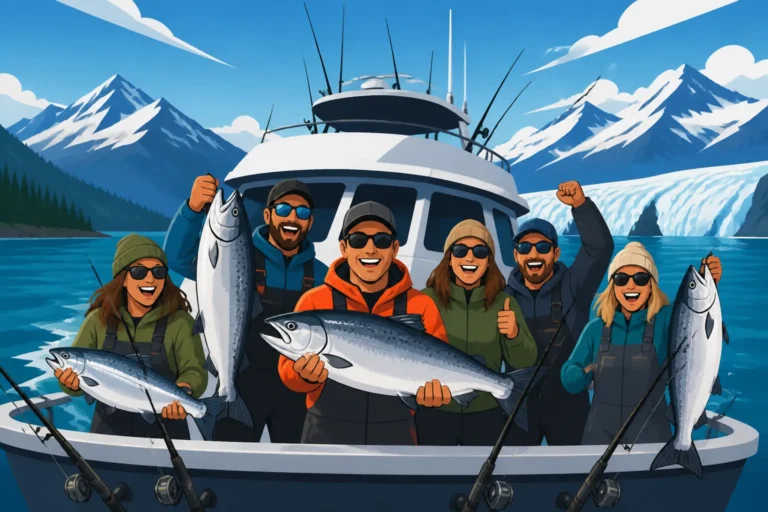
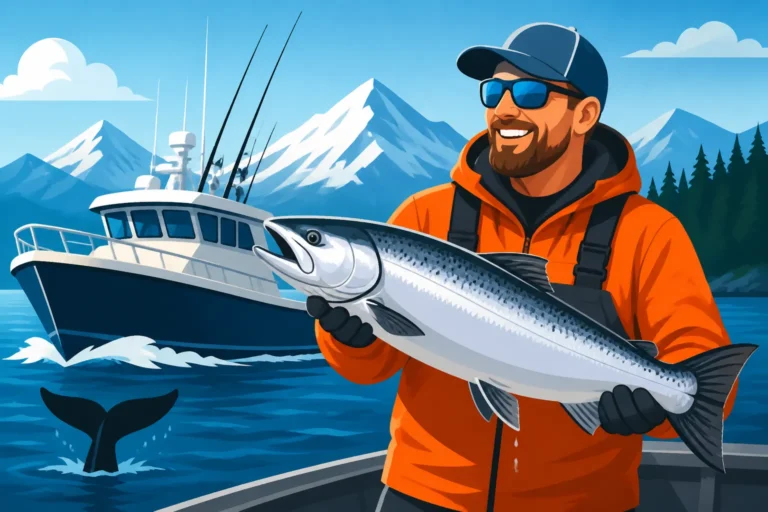
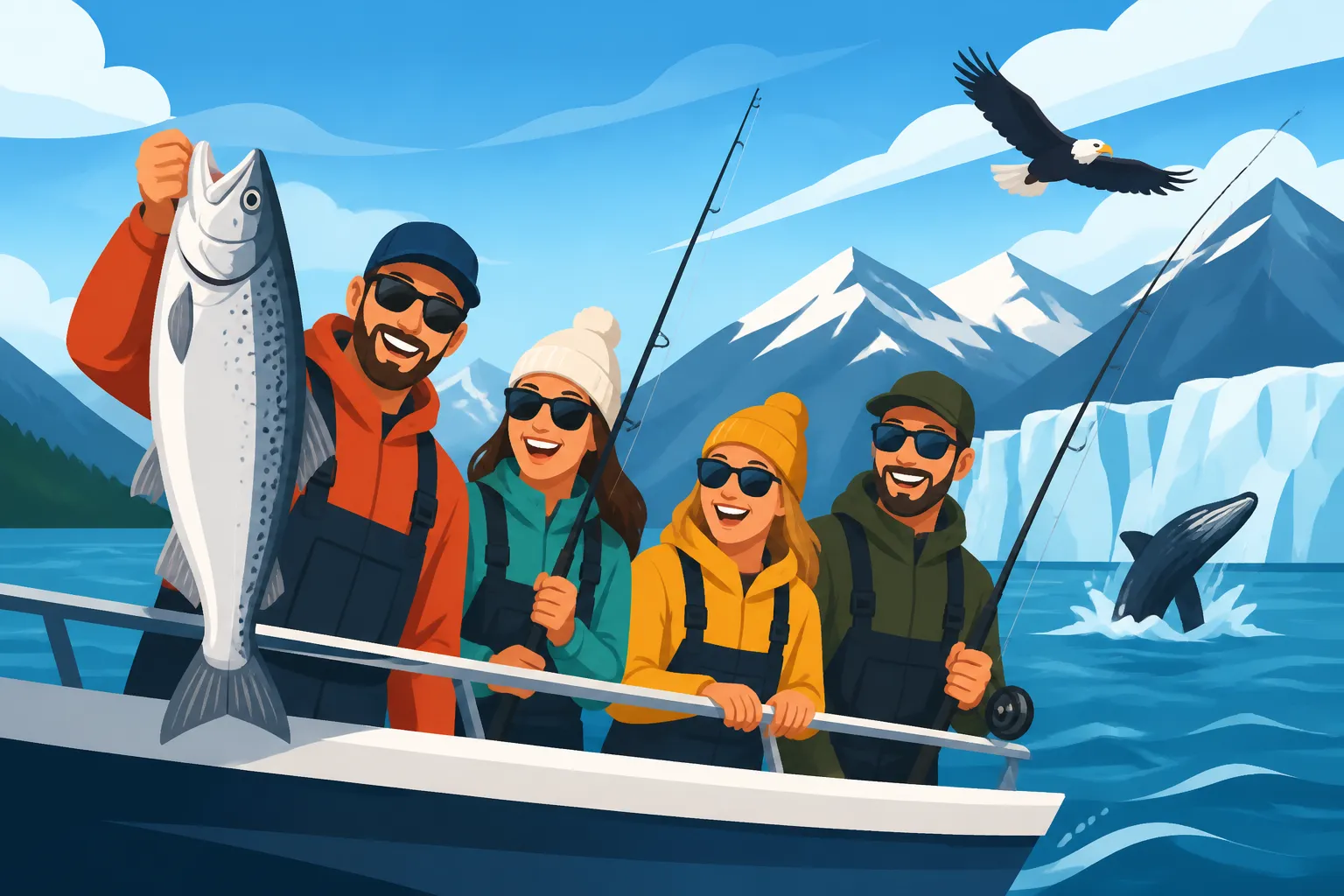
When you fish with a group in Alaska, you amplify the experience tenfold. Imagine the cheers when someone hooks into a King Salmon on the Kenai River, or the shared awe as you watch a humpback whale breach near your halibut fishing grounds in Prince William Sound. These moments are even better when you have a whole crew to share them with. Group charters often mean you get to book the entire boat, giving you more flexibility with your schedule, target species, and even the type of fishing experience you're looking for. It's a fantastic way to celebrate a special occasion, host a corporate retreat, or simply enjoy quality time away from the daily grind. Plus, when it comes to the sheer volume of fish you might bring home, a group often means a larger collective haul, which can be great if you're planning a big fish feast or want to stock up your freezer.
Common Group Frustrations and How to Overcome Them
Let's be real, organizing any group activity is tough, and an Alaska fishing trip is no exception. You've got varied budgets, conflicting schedules, different levels of fishing experience, and the ever-present challenge of pleasing everyone. One person might dream of catching a huge halibut, while another is set on a silver salmon run, and a third just wants a relaxing day on the water. It’s easy for these differing desires to lead to friction before you even leave the dock. The key is clear communication and setting realistic expectations from the get-go. Discussing priorities, budget ranges, and preferred dates early on can save a lot of headaches. Be prepared to compromise, or consider booking a combo trip that targets multiple species, giving everyone a taste of what they're looking for.
Choosing the Right Charter for Your Group's Needs
The sheer number of Alaska fishing charters can be overwhelming, especially when trying to find one suitable for a large group. From the bustling harbors of Homer and Seward to the remote lodges of Bristol Bay, each offers a unique experience. Understanding what your group truly wants and what each charter provides is paramount.
Boat Size and Capacity Considerations
This is arguably the most critical factor for group trips. Most charters are licensed to carry a certain number of passengers, commonly a "six-pack" (meaning six anglers plus crew). If your group is larger than six, you'll need to explore options like booking multiple smaller boats or finding one of the larger vessels designed for bigger parties. For instance, some of the big halibut boats out of Seward or Homer can accommodate 10 to 20 anglers. However, consider the trade-off: more people often mean less individual space and potentially less personalized attention from the deckhands.
Group Size & Charter Options:
| Group Size | Common Charter Options | Pros | Cons |
|---|---|---|---|
| 1-6 people | Standard "six-pack" charters, private boat | Intimate experience, more personalized attention, flexible | Limited to smaller groups, can be pricier per person if not full |
| 7-12 people | Larger charters, multiple "six-packs," or shared trips | More options than larger groups, can stay together or split | Booking multiple boats requires more coordination, shared trips might not allow full customization |
| 13+ people | Multi-boat charters, larger dedicated vessels | Everyone fishes, large group camaraderie, potential for more fish | Fewer operators with this capacity, less individual space, higher overall cost, less flexibility |
When you're comparing options, don't just look at the maximum capacity. Think about comfort. Will everyone have enough room to cast without tangling lines? Is there enough cabin space if the weather turns? Platforms like FishingBooker allow you to filter charters by capacity, which can be a huge time-saver when you're trying to find that perfect fit for your crew. Remember, your goal is for everyone to have a great time, not to feel crammed.
Types of Charters Available
Alaska offers a diverse array of fishing experiences. Your group might be focused solely on the thrill of battling a huge barn-door halibut, or perhaps the fast-paced action of a sockeye salmon run on the Kenai River. Maybe you want a bit of everything!
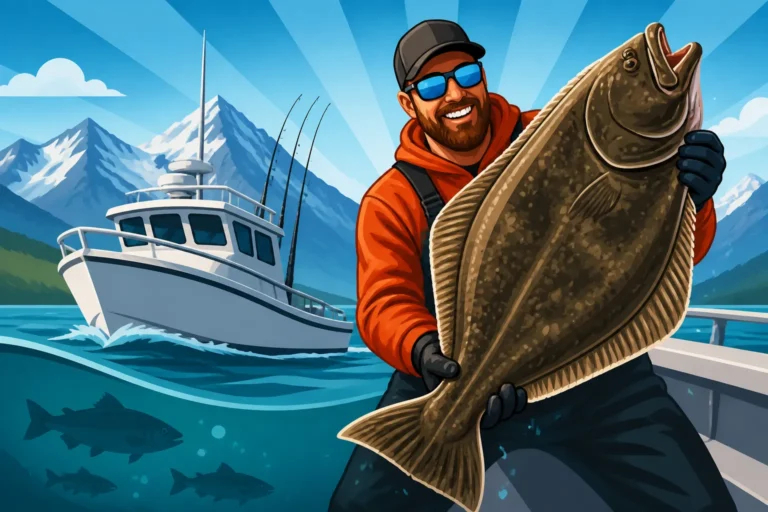
- Halibut Charters: These typically involve deep-sea bottom fishing in saltwater, often out of coastal towns like Homer, Seward, Valdez, or Sitka. The boats are usually larger, stable, and equipped with powerful engines for reaching prime fishing grounds. A full-day trip is common, sometimes 10-12 hours, to maximize time on the productive banks. Be aware of specific regulations like the Alaska Halibut Daily Limit for Charter Anglers or potential Thursday closures that might impact your planning.
- Salmon Charters: Salmon fishing can be done in both saltwater (trolling for King Salmon or Silver Salmon in places like Juneau or Ketchikan) or freshwater rivers (like drift fishing for Sockeye Salmon on the Kenai or Kasilof Rivers). River charters often use smaller drift boats or powerboats, depending on the river. The experience is very different; river fishing can be more intimate and fast-paced, while saltwater trolling might offer a broader range of species.
- Combo Charters: Many coastal charters offer combination trips that target both salmon and halibut in a single day. These are fantastic for groups with varied interests, providing a taste of both saltwater experiences. They often involve a few hours of trolling for salmon, followed by bottom fishing for halibut. It’s a great way to ensure everyone gets a shot at their preferred species without having to book two separate trips.
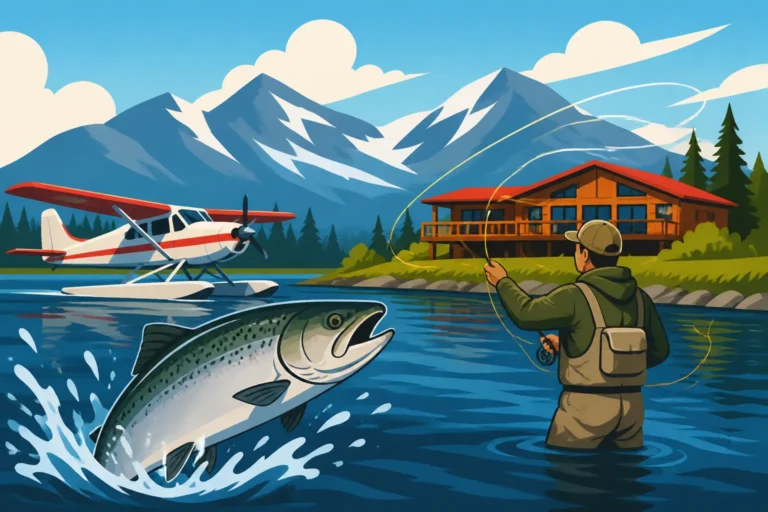
- Freshwater/Trout Charters: For groups interested in fly fishing or spin fishing for Rainbow Trout, Dolly Varden, or Arctic Grayling, river or lake charters are the way to go. Destinations like the Upper Kenai River near Cooper Landing, or fly-out trips to remote lakes, are popular for these species. These are generally smaller boat operations, often focusing on wading or bank fishing, which can be ideal for smaller, more specialized groups.
When discussing the Alaska Fishing Charter Cost Explained, it's worth noting that combo trips might appear more expensive upfront, but they often save money compared to booking two separate full-day charters.
Guide Experience and Reputation
A good guide can make or break a group trip, especially when dealing with diverse skill levels and expectations. You want a captain and crew who are not only expert anglers but also great communicators, patient teachers, and entertaining hosts. Look for charters with a solid reputation for safety, fish-finding ability, and excellent customer service. Online reviews are a great starting point, but also consider asking for references, especially for larger or more customized trips. A seasoned guide will know the local waters inside out, understand current Alaska Fishing Regulations Explained, and be able to adapt quickly to changing conditions or group dynamics. They can provide valuable insights on topics like the Best Time to Fish in Alaska for specific species or how to handle an Alaska Catch-and-Release Best Practices situation.
Logistics and Planning: Making it Seamless
Once you've zeroed in on the type of charter and a few potential operators, the real planning begins. This is where meticulous organization pays off, especially with a group.
Booking in Advance
Alaska is a highly sought-after fishing destination, and the best charters book up incredibly fast, sometimes a year or more in advance, especially for peak season dates (June-August). For groups, this is even more critical, as finding availability for multiple spots or an entire boat is much harder last-minute. As soon as your group's dates are firm, start reaching out to charters. Many operators require a deposit to hold your reservation. Using a reputable booking platform like FishingBooker can streamline this process, allowing you to see real-time availability and compare options side-by-side, which is invaluable when coordinating multiple people. Don't underestimate the demand for prime fishing windows, particularly for popular species like King Salmon or during the intense sockeye runs on rivers like the Kenai.
Communication Strategies for Your Group
Effective communication is the glue that holds a successful group trip together. Appoint a primary organizer or trip leader who will be the main point of contact for the charter company and disseminate information to the rest of the group.
Here’s a table outlining key communication points:
| Planning Stage | Communication Points | Details to Cover |
|---|---|---|
| Early Planning | Expectations & Goals | What species, trip duration, level of comfort, overall vibe (serious fishing vs. relaxed fun). |
| Booking | Budget & Deposits | Breakdown of charter cost, deposit deadlines, payment methods, how expenses will be split. |
| Pre-Trip | What to Pack & Wear | Essential gear (rain gear, layers, sunglasses), recommended clothing (e.g., How to Dress for Alaska Fishing). |
| Pre-Trip | Logistics & Meeting Points | Exact meeting time and location, transportation to the dock, any shared meals or activities. |
| Onboard | Safety Briefing & Rules | Listen to the captain, understand boat rules, emergency procedures, fish handling instructions. |
| Post-Trip | Fish Processing & Shipping | How the catch will be handled, shared costs for processing/shipping, how to legally transport fish (e.g., Alaska Fish Transport and Shipping Rules). |
Using a shared document (like Google Docs) or a group chat can keep everyone on the same page. Be proactive in sharing details about what to expect on an Alaska Fishing Charter, including things like motion sickness remedies, food and drink policies, and any specific gear the charter provides.
Understanding Licenses and Regulations
Navigating Alaska's fishing regulations can be complex, and it’s critical that every member of your group understands and adheres to them. This is not just about avoiding fines; it’s about responsible resource management. Every angler, resident or non-resident, typically needs an Alaska Fishing License: Complete Guide, and for certain species like King Salmon, a King Salmon Stamp is also required. You can often purchase licenses online beforehand, which is highly recommended to avoid delays on the day of your trip.
Specific regulations, such as Alaska Halibut Charter Regulations Explained, can include daily bag limits, annual limits, size restrictions (like reverse slot limits), and even specific closure days (e.g., no halibut retention on Thursdays in certain areas). Salmon limits vary by species and river system, and emergency orders can change these on short notice. Your guide will be a wealth of information, but it’s still wise for the group leader to review the current year's Alaska Fishing Regulations by Region before your trip. Most charter captains will also ensure everyone has their license and stamp before leaving the dock. Some charters might even offer assistance with purchasing licenses, but it’s ultimately the angler’s responsibility.
Maximizing Your Group's Experience on the Water
A well-chosen charter and good planning are crucial, but the real magic happens once you're out on the Alaskan waters. To ensure everyone has a fantastic time, consider these aspects.
Onboard Amenities and Comfort
When you're out on the vast Alaskan waters, sometimes for many hours, comfort matters. For group charters, especially those with varying ages or physical abilities, ask about onboard amenities. Is there a heated cabin? A marine head (toilet)? How much deck space is there for everyone to spread out or cast? Some larger vessels might even have a small galley or provide lunch.
Consider the following:
- Seating: Is there enough comfortable seating for everyone, both inside and out?
- Storage: Will there be space for personal bags, extra layers, and any small coolers you might bring?
- Safety Gear: Ensure the charter is well-equipped with life vests for all passengers, first-aid supplies, and proper communication equipment. Your captain will conduct a safety briefing before departure, so pay close attention.
- Fishing Gear: Most reputable charters provide all the necessary fishing gear, including rods, reels, and tackle. However, if your group has specific preferences or lucky rods, confirm if bringing your own is allowed. This is often covered in discussions about What to Expect on an Alaska Fishing Charter.
Having these details sorted beforehand can prevent discomfort or unexpected issues during your trip, allowing everyone to focus on the fishing and the stunning scenery.
Catering to Diverse Skill Levels
It's rare for every person in a group to have the exact same level of fishing experience. Some might be seasoned anglers, while others are absolute beginners. A great charter crew will be adept at assisting all skill levels.
- Instruction and Assistance: The best guides and deckhands are patient teachers. They should be willing to show beginners how to bait a hook, cast, identify a bite, and properly reel in a fish. Don't be shy about asking for help; that's what they're there for!
- Equal Opportunity: While some anglers might be more aggressive in pursuing fish, ensure that the charter promotes a fair and enjoyable experience for everyone. The crew should make an effort to help quieter or less experienced anglers get in on the action.
- Rotation: On some deep-sea charters, especially when fishing for halibut, it's common practice to rotate fishing spots around the boat, or rotate who gets the next "hot rod." This ensures everyone gets a fair shot at the prime positions and opportunities.
- Encouragement: A positive and encouraging atmosphere among the group, fostered by both the anglers and the crew, can make a huge difference. Celebrate every catch, no matter the size or who caught it!
Remember that an Alaska fishing trip is about the overall experience, not just who catches the biggest fish. The camaraderie and shared adventure are often more memorable than the individual catch count.
Fish Processing and Shipping Home
One of the most exciting parts of an Alaska fishing trip is bringing home your fresh catch. For groups, this requires careful coordination to ensure everyone gets their share and understands the logistics of getting it back home.
Most charters offer basic fish processing onboard or have arrangements with local processors at the dock. This usually involves filleting, skinning, and sometimes portioning the fish. For more comprehensive services like vacuum sealing, freezing, and boxing for shipment, you'll likely use a dedicated fish processor in town. Popular towns like Seward, Homer, and Ketchikan have excellent fish processors.
Key considerations for groups:
- Cost: Fish processing and shipping can add a significant cost to your trip. Clarify if these services are included in the charter fee or if they are separate charges. For groups, you might consider pooling resources or designating someone to manage these expenses.
- Labeling: Ensure each person's catch is clearly labeled to avoid mix-ups. This is especially important if multiple people caught the same species.
- Shipping vs. Checked Baggage: You can often check your frozen fish boxes as airline baggage (confirm airline policies and fees!), or arrange for professional shipping services that can deliver to your home address. The latter is often more convenient for larger quantities. You'll want to review How to Fish Processing After an Alaska Charter to get the full picture.
- Possession Limits: Be mindful of Alaska Fishing Possession Limits Explained, which might be different from daily bag limits. These rules dictate how much fish you can possess at any given time, including fish already processed and ready for transport.
A good processing plan ensures that the bounty of your Alaska fishing adventure makes it home safely and deliciously.
Budgeting for Your Group Fishing Adventure
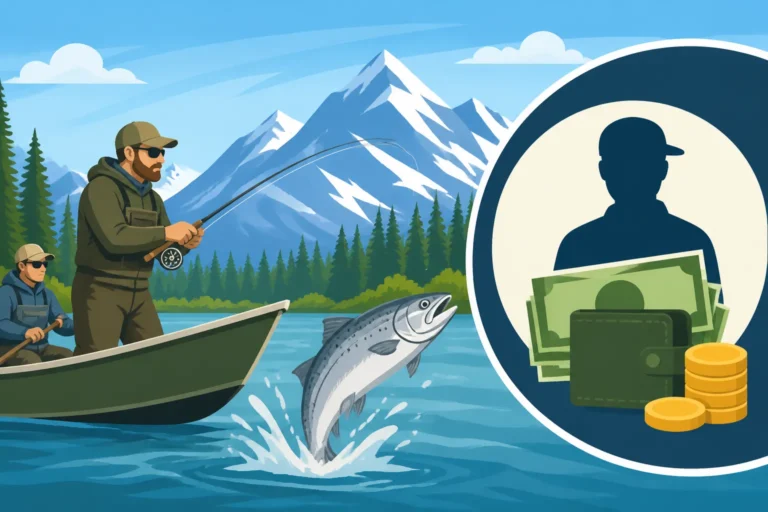
Let's be frank: an Alaska fishing trip isn't typically a budget vacation, but sharing the costs among a group can make it more accessible. Understanding all the potential expenses upfront will help you plan wisely and avoid any unwelcome surprises.
Understanding Core Charter Costs
The initial charter fee will be your largest expense, but it's important to understand what's included. Prices vary widely based on the type of fishing, duration (half-day, full-day, multi-day), location, and the amenities provided. For example, a multi-day trip to an all-inclusive lodge in Bristol Bay will naturally cost significantly more than a single day halibut trip out of Homer.
When evaluating costs, consider:
- Private vs. Shared Charter: For groups, booking a private charter (the whole boat) might seem more expensive per person than individual spots on a shared boat, but it offers unparalleled flexibility and customization. If your group fills the boat's capacity, a private charter can actually be quite competitive in price per head.
- Inclusions: Ask specifically what's included in the price. Does it cover gear, bait, fuel, snacks, and drinks? What about fish processing? Many guides, especially for river trips, include all necessary gear and even waders if needed. For saltwater trips, sometimes lunch or snacks are provided.
- Seasonality: Peak season (mid-June through mid-August) generally sees higher prices and less availability. If your group can travel during shoulder seasons (late May/early June or late August/early September), you might find better rates.
- Location: Charters departing from major hubs like Anchorage (or nearby ports like Seward and Homer) might have different pricing structures than those in more remote areas.
Splitting Expenses Fairly
This is where group dynamics really come into play. Clear communication about financial expectations is crucial.
- Upfront Deposits: Charters often require a significant deposit. Decide how this will be split and collected from the group.
- Final Payment: How will the remaining balance be collected and paid? Will one person handle the transaction and be reimbursed, or will everyone pay separately?
- Shared Costs: Beyond the charter fee, consider shared expenses like transportation to the harbor, group meals, or collective fish processing and shipping costs. Establish a clear system for tracking and settling these, perhaps using a shared expense app or a dedicated group treasurer.
- Individual Costs: Remind everyone about individual expenses like their Alaska Fishing License Cost and Types, personal gear they might buy, or their own travel to and from Alaska.
- Tipping: Tipping on an Alaska Fishing Charter is customary and appreciated for good service. A general guideline is 15-20% of the charter fee, to be split among the captain and crew. Discuss this as a group beforehand so everyone contributes fairly. This is a common point of confusion for many first-timers and it’s important to communicate this expectation.
Avoiding Hidden Fees and Unexpected Costs
No one likes a surprise bill at the end of a trip. While most reputable charters are transparent, it’s always wise to ask questions.
- Fuel Surcharges: For saltwater trips, especially if gas prices are volatile, some charters might have a fuel surcharge clause. Clarify this when booking.
- Deckhand Fees: While tipping is standard, ensure there are no mandatory "deckhand fees" disguised as something else.
- Processing Upgrades: Basic filleting might be included, but vacuum sealing, flash freezing, and boxing for shipment will almost always be an extra cost from a processor.
- Gear Damage: While rare, ask about policies for lost or severely damaged gear that might be due to angler negligence.
- Emergency Orders: Be aware that emergency orders by the Alaska Department of Fish and Game can change bag limits or even close fisheries. While this isn't a "hidden fee," it can impact your group's expected catch and overall experience, so it's good to understand that fishing regulations are dynamic. You can learn more about this in How to Check Alaska Emergency Orders Before Fishing.
By thoroughly discussing these points, your group can create a robust budget and enjoy a worry-free Alaskan fishing adventure.
Planning Activities Beyond the Fishing Charter
While the main event is definitely the fishing, Alaska offers so much more. For groups, especially those with varied interests, planning some non-fishing activities can enhance the overall experience and cater to everyone.
Exploring Alaskan Towns and Scenery
Alaska's towns are as unique as its wilderness. Each community offers its own charm, history, and opportunities for exploration.
- Homer: Known as the "Halibut Fishing Capital of the World," Homer boasts the famous Homer Spit, a narrow strip of land extending into Kachemak Bay, lined with shops, restaurants, and art galleries. Your group can enjoy fresh seafood, browse local art, or even go for a scenic walk.
- Seward: Located at the head of Resurrection Bay, Seward is another prime fishing destination. It's also the gateway to Kenai Fjords National Park. Consider a wildlife cruise for your group, where you can spot whales, puffins, and glaciers. The Alaska SeaLife Center is also a fascinating visit, perfect for all ages.
- Anchorage: As Alaska's largest city, Anchorage offers more urban amenities, museums, and a vibrant dining scene. If your group is flying into or out of Anchorage, scheduling an extra day or two here can provide a different kind of Alaskan experience. You could explore places like Ship Creek Fishing in Downtown Anchorage.
- Juneau: As the state capital, Juneau combines stunning natural beauty with cultural attractions. Group activities could include visiting Mendenhall Glacier, whale watching, or exploring the historic downtown.
These towns provide excellent opportunities for group bonding, allowing everyone to relax and soak in the unique Alaskan atmosphere between fishing days.
Wildlife Viewing and Adventure Tours
Beyond fishing, Alaska is a paradise for wildlife enthusiasts and adventure seekers.
- Bear Viewing: For an unforgettable experience, consider a fly-out bear viewing trip. Places like Katmai National Park or Lake Clark National Park offer incredible opportunities to see brown bears in their natural habitat. This is a fantastic way to experience Alaska's wild side, especially for non-anglers in your group.
- Glacier Tours: Boat tours into areas like Kenai Fjords National Park or Prince William Sound offer spectacular views of tidewater glaciers, where you can witness massive ice calvings. These tours often combine glacier viewing with opportunities to spot marine wildlife like sea otters, seals, and eagles.
- Hiking and Kayaking: For the more adventurous members of your group, numerous trails and waterways offer opportunities for hiking, kayaking, or even packrafting. From easy coastal walks to challenging backcountry treks, Alaska has it all. Always ensure your group is prepared for the conditions and aware of bear safety.
- Flightseeing: A flightseeing tour over mountains, glaciers, and wilderness can provide a breathtaking perspective of Alaska's immense scale and beauty. These are often available from many major towns and offer varying durations.
Incorporating diverse activities ensures that your group trip caters to a wider range of interests and creates a more well-rounded Alaskan adventure. You can refer to Best Fishing Spots in Alaska for locations that might also be ideal for other outdoor activities.
Rest and Relaxation
Remember, a vacation is still a vacation, even if it's packed with adventure. It’s easy to overschedule when planning a group trip, but building in some downtime is crucial.
- Scheduled Downtime: Encourage your group to schedule a half-day or full day of relaxation. This could mean sleeping in, enjoying a leisurely breakfast, reading a book, or simply strolling around town.
- Accommodation with Amenities: When choosing lodging, consider options that offer common areas for your group to gather, or amenities like hot tubs, fire pits, or scenic views that encourage relaxation. Many Alaska Fishing Lodges Guide cater specifically to groups.
- Flexible Itinerary: While a general plan is good, be prepared to be flexible. If the weather is unexpectedly beautiful, your group might want to linger by the water. If someone is feeling tired, they might appreciate a quiet afternoon.
A well-balanced itinerary, combining thrilling fishing action with opportunities for relaxation and exploration, will ensure your group leaves Alaska feeling refreshed, invigorated, and with a treasure trove of shared memories.
Disclaimer
The information provided in this guide is for general informational purposes only and should not be considered legal advice. Fishing regulations in Alaska are subject to change by the Alaska Department of Fish and Game through emergency orders. Always consult the most current Alaska Sport Fishing Regulations booklet and any active emergency orders before planning and embarking on your fishing trip. Ensure all members of your group possess the necessary licenses and stamps.