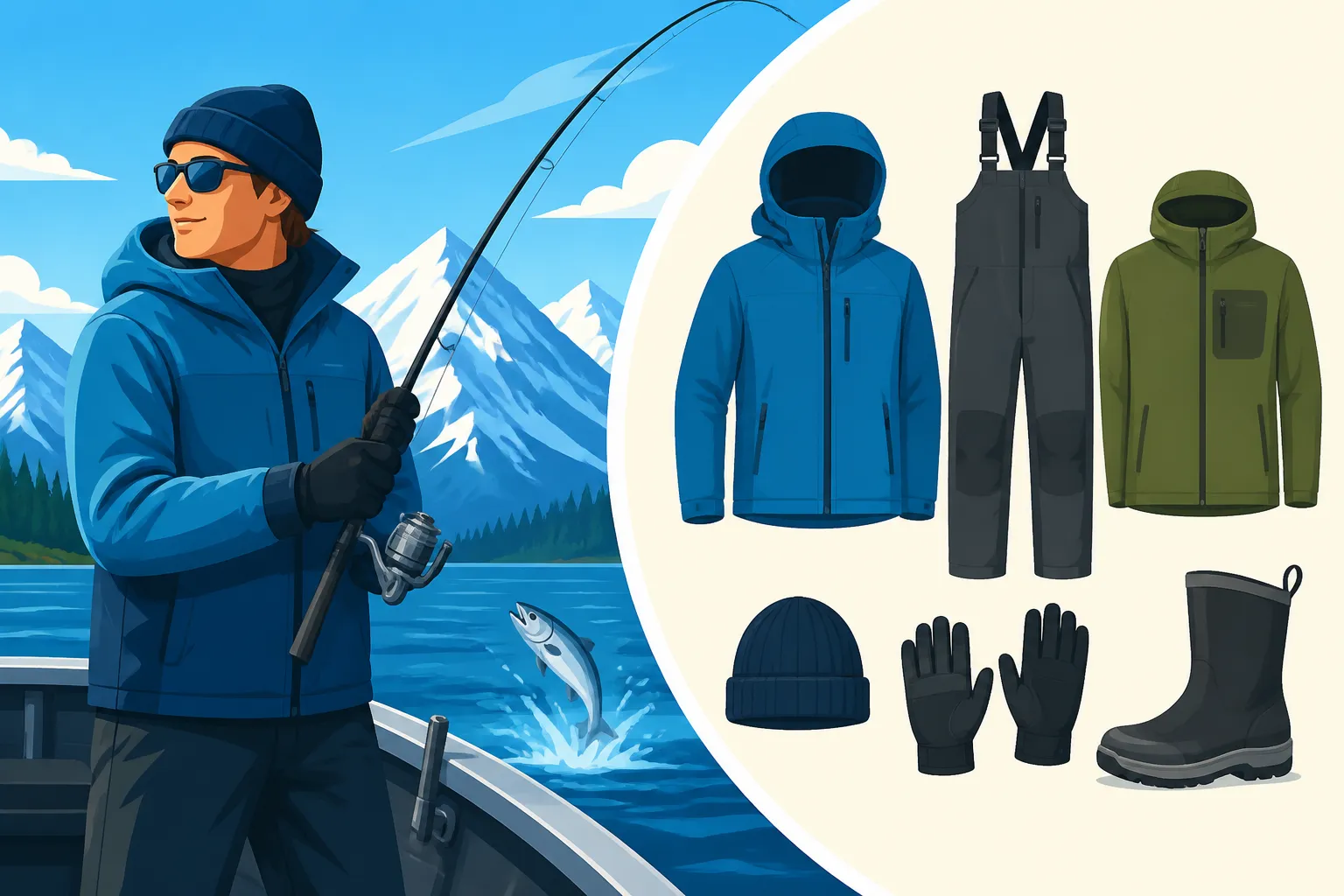
What to Wear on an Alaska Fishing Charter
Heading out on an Alaska fishing charter is an experience unlike any other, but the unpredictable weather can quickly turn an exciting trip into a miserable one if you're not dressed right. Many folks underestimate how quickly conditions can shift from sunny to biting cold rain, leaving them shivering and soaked. This guide is here to walk you through exactly what to wear on an Alaska fishing charter, ensuring you stay comfortable, dry, and ready to reel in that trophy catch, no matter what Mother Nature throws your way.
The Golden Rule of Alaska Fishing Apparel: Layers, Layers, Layers
When it comes to dressing for a day of fishing in Alaska, forget everything you thought you knew about just grabbing a heavy jacket. The single most important principle you need to embrace is layering. Alaska's weather is notoriously fickle; you can start your morning under clear skies, experience a sudden downpour by lunchtime, and finish the day with strong winds. Having the right layers allows you to adapt to these rapid changes, adding or shedding clothing as needed to maintain optimal comfort. This isn't just about warmth; it's about flexibility and staying dry, which is paramount for safety and enjoyment in the Alaskan wilderness.
Why Layers Are Non-Negotiable in Alaska
Imagine this: You're on a morning charter out of Seward, the air is crisp, and you're bundled up. The sun breaks through the clouds, the wind dies down, and suddenly you're sweating. If you're wearing one big, bulky coat, you either roast or take it off and risk catching a chill when the sun inevitably ducks back behind the clouds. Layers solve this problem. Each layer serves a specific purpose, working together to regulate your body temperature and manage moisture. It's not just a suggestion; it's a fundamental strategy for any serious angler venturing into Alaskan waters. Neglecting to layer can lead to discomfort, premature fatigue, and even hypothermia in extreme cases. Proper layering also helps you stay agile and allows for a full range of motion, which is crucial when you're fighting a feisty silver salmon or battling a barn door halibut.
The Three-Layer System Breakdown
To keep it simple, think of your fishing attire in Alaska as a three-part system:
- The Base Layer (Next to Skin): This is your foundation. Its primary job is to wick moisture (sweat) away from your skin, keeping you dry. If sweat stays on your skin, it cools rapidly, leading to a chill. Materials like merino wool or synthetic performance fabrics are excellent choices here. Avoid cotton at all costs; it absorbs moisture and takes forever to dry, making you cold. For instance, if you're out on the Kenai River in the morning targeting sockeye, a good base layer will keep you comfortable during the cooler hours and prevent clamminess when you start working hard.
- The Mid-Layer (Insulation): This layer provides the warmth. It traps air close to your body, acting as insulation. Depending on the temperature and your activity level, you might wear one or multiple mid-layers. Fleece jackets, down vests, or thicker wool sweaters fit perfectly here. On a cooler day, you might opt for a heavier fleece, while on a milder day, a lightweight vest could suffice. The key is to have options that you can easily add or remove. Consider the expected temperatures for your specific Alaska Fishing Seasons: Month-by-Month Guide when choosing your mid-layers.
- The Outer Layer (Protection): This is your shield against the elements. Its main role is to protect you from wind, rain, and spray. This layer needs to be completely waterproof and windproof, but ideally also breathable. Think high-quality rain gear – jackets and bibs that can withstand a relentless Alaska downpour. This is the layer that will save your day when the weather turns sour offshore near Homer or during a sudden storm on Prince William Sound. Without a reliable outer layer, even the best base and mid-layers won't keep you truly dry.
Fabric Choices: What Works, What Doesn't
Choosing the right fabrics is just as important as the layering strategy itself. Different materials have distinct properties that make them suitable (or unsuitable) for Alaska's challenging environment.
- Merino Wool: This is a superstar for base and mid-layers. It's incredibly soft, naturally odor-resistant, excellent at wicking moisture, and perhaps its best quality – it retains a good amount of its insulating properties even when wet. This makes it ideal for dynamic activities where you might sweat a bit. Brands like Smartwool or Icebreaker offer great options for everything from socks to long-sleeve shirts.
- Synthetics (Polyester, Polypropylene): These performance fabrics are designed specifically for active wear. They are lightweight, highly effective at wicking moisture, quick-drying, and durable. They come in various weights, making them versatile for base and mid-layers. Look for brands known for their outdoor apparel.
- Fleece: Made from synthetic polyester, fleece is a fantastic mid-layer. It's warm, relatively lightweight, and continues to insulate even when damp. It's a staple for most outdoor enthusiasts in Alaska.
- Down: Down offers incredible warmth-to-weight ratio, making it excellent for insulating mid-layers or outer layers in dry, cold conditions. However, down loses almost all its insulating power when it gets wet, which is why it's usually best protected by a waterproof shell.
- Cotton: Avoid cotton at all costs! I cannot stress this enough. Cotton absorbs moisture like a sponge, dries very slowly, and loses all its insulating properties when wet. Wearing cotton in cold, wet conditions is a direct path to hypothermia. Even a single pair of cotton socks under your waterproof boots can make your feet miserably cold and prone to blisters.
A quick chat with your charter operator, which you can often find information about when researching on platforms like FishingBooker, can also give you specific insights into what conditions they typically expect for their trips.
Essential Outerwear for Staying Dry and Protected
Your outer layer is your first and last line of defense against Alaska's notorious weather. This isn't where you want to cut corners. Investing in high-quality waterproof and windproof gear will pay dividends in comfort and enjoyment, ensuring you can focus on the fishing rather than fighting the elements. Remember, "water-resistant" is not good enough; you need truly "waterproof."
Waterproof and Windproof Jacket
This is arguably the most critical piece of clothing for an Alaska fishing trip. Your jacket needs to be completely waterproof, meaning it can repel steady rain and ocean spray for hours without soaking through. It also needs to be windproof, as even a light breeze can feel bone-chilling when combined with dampness. Look for jackets with sealed seams, durable water repellent (DWR) finish, and adjustable cuffs and hood.
- Materials: GORE-TEX, Helly Hansen's Helly Tech, or similar proprietary waterproof/breathable membranes are excellent choices. These fabrics not only keep water out but also allow sweat vapor to escape, preventing that clammy feeling inside.
- Features to look for:
- Adjustable Hood: A hood that can cinch down securely around your face is vital for keeping rain out and warmth in, especially on windy boat rides.
- High Collar: Offers extra protection for your neck and chin from wind and spray.
- Waterproof Zippers: Crucial for preventing leakage through the main opening and pockets.
- Plenty of Pockets: For storing small essentials, just make sure they're also waterproof.
- Length: A longer jacket that covers your hips offers better protection when sitting or bending.
Think of those brisk mornings trolling for king salmon off Kodiak Island; a good jacket makes all the difference between a great day and a grim one.
Waterproof Pants or Bibs
Just as important as your jacket are waterproof pants or bibs. These will protect your lower body from rain, spray, and any fish slime that might come your way. Many anglers prefer bibs (overalls-style waterproof pants) because they offer extended protection up your torso, preventing water from seeping in between your jacket and pants when you bend or reach.
- Bibs vs. Pants: Bibs generally provide superior protection, especially when sitting or if you encounter heavy seas. They also offer an extra layer of warmth for your core. Waterproof pants are a good alternative if you prefer more flexibility or are fishing in slightly milder conditions, but ensure they have an elastic or adjustable waist to create a good seal with your jacket.
- Durability: Fishing involves kneeling, leaning against boat railings, and handling fish, so choose pants or bibs made from rugged material that can withstand abrasion. Reinforced knees and seat are a bonus.
- Ease of Movement: Ensure your chosen outerwear allows for comfortable movement. You don't want to feel restricted when casting, reeling, or navigating the boat.
Headwear and Hand Protection
These often-overlooked items are critical for comfort and heat retention. You lose a significant amount of body heat through your head, and cold hands can quickly make fishing unbearable.
- Headwear:
- Warm Hat: A wool or fleece beanie is essential for warmth. Even on milder days, a beanie can be a lifesaver when the wind picks up or temperatures drop.
- Waterproof Hat: Some anglers prefer a waterproof baseball cap or a wide-brimmed waterproof hat to keep rain off their face and neck. Often, the hood of your waterproof jacket will provide this, but a brimmed hat worn underneath can add extra protection and help keep your vision clear.
- Hand Protection:
- Waterproof Gloves: Crucial for keeping your hands dry. Look for gloves designed for fishing that offer good grip even when wet. Neoprene gloves or waterproof mittens with a fold-back finger design are popular choices.
- Insulated Gloves: On colder days, you might want a pair of insulated waterproof gloves.
- Thin Liner Gloves: Some people wear thin wool or synthetic liner gloves under their waterproof gloves for an extra layer of warmth and moisture wicking. This also allows you to remove the outer glove for dexterity while still having some protection.
Remember, it's much easier to take off a hat or gloves than to suddenly materialize them when you're freezing!
Footwear: Keeping Your Toes Warm and Dry
There's nothing quite as miserable as cold, wet feet, especially when you're standing on a boat deck for hours. Proper footwear is absolutely non-negotiable for an Alaska fishing charter. It’s not just about comfort; it’s about safety, too, preventing slips and falls on potentially slick surfaces.
The Importance of Waterproof Boots
Your feet will inevitably come into contact with water – whether it's ocean spray, rain, or fish processing runoff on the deck. Therefore, waterproof boots are paramount. Regular hiking boots, even if they're "water-resistant," likely won't cut it for a full day on the water.
- Rubber Boots (Deck Boots): These are a go-to for many Alaska anglers. Brands like XTRATUF (often called "Alaska Sneakers") are incredibly popular for their complete waterproofing, comfortable fit, and excellent traction on wet surfaces. They come in various heights; a 12-inch or 15-inch height is usually sufficient to protect against splashes and standing water on deck. They're easy to clean and surprisingly comfortable for long days.
- Insulated Boots: If you're fishing in colder shoulder seasons, like early May for king salmon or late September for silver salmon, consider insulated rubber boots to keep your feet truly warm. However, for peak summer months, often uninsulated XTRATUFs with proper socks are enough.
- Waders: If your charter involves any wading in rivers, particularly for species like sockeye on the Russian River or Kenai River, then chest waders with wading boots are essential. Discuss this with your charter captain beforehand, as not all trips require them. If you do need waders, ensure they are breathable to prevent excessive sweating and come with appropriate wading boots with good grip. For river fishing, sometimes you'll be advised to bring your own waders, while other times, particularly for guided trips booked through a service like FishingBooker, the guide might provide them.
Sock Strategy for Cold and Wet Conditions
Just like your base layers, your socks play a crucial role in moisture management and warmth. Forget cotton socks entirely. They will make your feet cold, clammy, and prone to blisters.
- Merino Wool Socks: These are the gold standard. They wick moisture, provide warmth even when damp, and are naturally odor-resistant. Look for medium to heavy-weight wool socks. You might even double up on thinner wool socks if the weather is particularly cold.
- Synthetic Socks: Good quality synthetic socks (polyester, polypropylene blends) also perform well, offering moisture-wicking and quick-drying properties.
- Layering Socks: For optimal warmth and blister prevention, some anglers wear a thin liner sock (synthetic or thin merino) directly against their skin, followed by a thicker wool sock over it. This allows the inner sock to wick moisture, while the outer sock provides insulation and cushioning.
- Bring Extra Pairs: Always pack at least one extra pair of dry socks in your daypack. A fresh pair of dry socks can dramatically improve your comfort if your feet get wet or sweaty.
Non-Slip Soles: A Safety Must-Have
Safety on a boat cannot be overstated, and your footwear's grip is a major factor. Boat decks, especially when wet from spray, rain, or fish blood, can be incredibly slippery.
- Traction is Key: Ensure your boots have non-marking, non-slip soles designed for marine environments. The last thing you want is to slip and fall while reeling in a big halibut or navigating a rocking boat.
- Inspecting Soles: Before your trip, take a moment to inspect the soles of your boots. If the tread is worn down, consider investing in a new pair. Old, smooth soles offer minimal grip.
- Stability: Choose boots that offer good ankle support, especially if you anticipate rougher waters or a lot of movement on the boat.
Staying upright and secure on deck is just as important as staying warm and dry.
Mid-Layers and Base Layers: The Core of Your Warmth
While your outerwear protects you from the external elements, your base and mid-layers are responsible for managing your core body temperature and moisture from the inside out. This internal climate control is crucial for comfort and endurance throughout a long day of fishing.
Base Layers for Moisture Wicking
The layer closest to your skin has one primary job: move sweat away from your body. If sweat sits on your skin, it cools, and you get cold, regardless of how many warm layers you have on top.
- Material Matters: As we discussed, merino wool and synthetic fabrics are your best friends here. A long-sleeve base layer top and long johns are highly recommended, even in summer. You might think it's overkill in July, but the air temperature on the water, especially early in the morning or if the wind picks up, can be surprisingly chilly.
- Fit: Your base layer should be relatively snug against your skin to efficiently wick moisture, but not so tight that it restricts movement or circulation.
- Weight: Base layers come in different weights (light, medium, heavy). For most Alaska summer fishing, a medium-weight base layer is a versatile choice. For colder spring or fall trips, a heavy-weight base layer might be appropriate.
Imagine you're casting aggressively for Alaska Sockeye Salmon on the Kenai. You're working up a sweat. A good base layer will pull that moisture away, keeping you feeling dry and warm, while cotton would just leave you clammy and cooling off rapidly.
Insulating Mid-Layers for Variable Temperatures
This is where you build your warmth. Mid-layers trap body heat, providing insulation. The beauty of multiple mid-layers is that you can adjust your insulation on the fly.
- Versatility is Key: Pack at least one or two mid-layers of varying thickness. A thin fleece jacket might be perfect for a mild day, while a thicker fleece or a down sweater (protected by your waterproof outer layer) could be necessary for colder conditions.
- Easy to Remove/Add: Choose mid-layers that are easy to zip on and off. This allows you to quickly adapt to changes in activity level or weather. If you're on a charter that’s moving between fishing spots, you might want an extra layer, then shed it when you’re actively fishing.
- Material Choices: Fleece is a very common and effective mid-layer. It's warm, relatively lightweight, and retains some insulating properties even when damp. Some anglers also like thin puffy jackets with synthetic insulation (like Primaloft) which offer excellent warmth-to-weight and still perform if they get a little wet.
The Role of Fleece and Wool
Fleece and wool are the workhorses of effective mid-layering.
- Fleece: This synthetic fabric is made from polyester and designed to mimic the insulating properties of wool. It's lightweight, soft, durable, quick-drying, and relatively inexpensive. Fleece jackets, vests, and pullovers are staples for Alaska fishing. They're easy to care for and perform well in various conditions.
- Wool: Specifically merino wool, is an excellent natural alternative. It offers superior warmth even when wet, is naturally odor-resistant, and incredibly breathable. While often more expensive than fleece, its performance and comfort are unmatched for many. Thicker wool sweaters or even wool vests can be fantastic insulating layers.
Remember, the goal is to trap warm air without creating bulk that restricts movement. Your mid-layers should provide insulation without making you feel like the Michelin Man.
Beyond the Basics: Important Accessories and Personal Items
While the core clothing layers are fundamental, a few extra accessories and personal items can significantly enhance your comfort, safety, and overall enjoyment on an Alaska fishing charter. Don't underestimate the small details that can make a big difference.
Eye Protection and Sunscreen
Even on cloudy days in Alaska, UV radiation can be intense, especially when reflecting off the water. Protecting your eyes and skin is crucial.
- Polarized Sunglasses: These are essential, not just for sun protection but also for visibility. Polarized lenses reduce glare off the water, helping you see better and reducing eye strain. This can be particularly useful when sight-fishing in clearer waters for species like Alaska Rainbow Trout. Look for sunglasses with good UV protection.
- Sunscreen: Don't let overcast skies fool you. Apply a broad-spectrum, high-SPF sunscreen to any exposed skin, especially your face, neck, and ears. Reapply throughout the day, particularly if you're sweating or getting splashed.
- Lip Balm with SPF: Your lips are susceptible to sun and windburn. A lip balm with SPF will keep them protected and moisturized.
Small Daypack and Personal Gear
You'll want a way to keep your essential personal items organized, dry, and easily accessible.
- Waterproof Dry Bag or Backpack: This is highly recommended. A small, waterproof dry bag (10-20 liters) or a backpack with a rain cover will protect your spare layers, snacks, camera, and other valuables from splashes, rain, and spray.
- Snacks and Water: While some charters provide snacks, it's always a good idea to bring your own, especially if you have dietary preferences or needs. Staying hydrated is important, so bring a reusable water bottle.
- Camera/Phone Protection: If you plan on taking photos (and you absolutely should!), ensure your camera or phone is protected in a waterproof case or a dedicated dry bag within your daypack. The last thing you want is a water-damaged device.
- Medications: Any personal medications should be kept in a waterproof container and easily accessible.
- Small Towel: A quick-drying microfiber towel can be surprisingly useful for drying hands, wiping down gear, or cleaning up messes.
Camera and Electronics Protection
Alaska provides endless photo opportunities, from stunning landscapes to monster fish. Protecting your electronics is key to preserving those memories.
- Waterproof Cases: For phones, a reliable waterproof phone pouch or case is a must. For dedicated cameras, consider a waterproof housing or a sturdy dry bag that allows you to operate the camera through the material.
- Spare Batteries: Cold weather can drain batteries faster, so bring extra, fully charged batteries for your camera or any other electronic devices. Keep them in an inner pocket to keep them warm.
- Floating Straps: For smaller devices like phones or compact cameras, a floating strap can save your device from a watery grave if it accidentally goes overboard.
Many anglers find useful tips and recommendations for gear when researching charter options and their typical offerings on platforms like FishingBooker, as many guides list what they provide versus what anglers should bring.
Preparing for Your Specific Alaska Fishing Charter
Not all Alaska fishing charters are created equal. The specific type of trip you embark on will significantly influence your clothing needs. A river trip for salmon is different from a saltwater halibut excursion, and what the charter provides can also alter your packing list.
River vs. Saltwater Charters: What's Different
The environment dictates many of your clothing choices. Understanding these distinctions will help you tailor your gear.
- Saltwater Charters (Ocean):
- Exposure: You'll be more exposed to wind, ocean spray, and larger waves. The temperatures can feel colder due to the wind chill.
- Footwear: Heavy-duty rubber boots (like XTRATUF) are almost universally recommended. Deck conditions can be very wet and slippery.
- Outerwear: Absolutely prioritize top-tier waterproof and windproof jacket and bibs. Rain can come horizontally, and spray is constant.
- Layers: Be prepared for significant temperature swings from morning to afternoon.
- Examples: Halibut charters out of Homer or Seward, salmon trolling in Sitka, or combo trips. These trips might include battling a huge Alaska Halibut, so you need to be unhindered by your clothing.
- River Charters (Freshwater):
- Exposure: While still exposed to rain and wind, it's generally less intense than on the open ocean. You might be fishing from a drift boat, a jet boat, or even bank fishing.
- Footwear: If wading is involved, breathable chest waders with wading boots are essential. If fishing from a boat, waterproof rubber boots are still a good idea.
- Outerwear: High-quality waterproof and breathable gear is still a must, but the windproof aspect might be slightly less critical than on the open ocean.
- Layers: Still crucial, as river valleys can have their own microclimates with cool mornings and warmer afternoons.
- Examples: Salmon fishing on the Kenai River, Russian River sockeye combat fishing, or targeting rainbow trout on the Kasilof.
Knowing the specific Best Salmon Fishing Rivers in Alaska you'll be on will help guide your footwear and outerwear decisions.
Checking the Forecast and Emergency Orders
Alaska's weather forecasts can be notoriously challenging, but they provide a starting point. More importantly, always check for emergency orders before you go.
- Weather Forecasts: Look at multiple weather apps or websites for your specific fishing location a few days before your trip. Pay attention to wind speed, precipitation chances, and temperature highs/lows. While forecasts can change, they give you a general idea. Expect anything, and be pleasantly surprised if the weather is better than predicted.
- Emergency Orders: The Alaska Department of Fish and Game (ADF&G) issues emergency orders (EOs) that can change bag limits, open/close fisheries, or modify gear restrictions with little notice. These EOs are critical and can impact your trip. Always check the ADF&G website or their emergency order hotline before heading out. Ignoring an EO can lead to severe penalties, including fines and gear confiscation. Understanding Alaska Fishing Emergency Orders Explained is a key part of responsible angling.
- Listen to Local Advice: Your charter captain is a local expert. They will have the most up-to-date information on current conditions and regulations. Don't hesitate to ask them for advice on what to wear or what to expect.
Communication with Your Charter Provider
The best source of information regarding what to wear and what to expect is always your charter captain or booking agent.
- Ask Questions: Before your trip, call or email your charter company and ask specific questions about clothing. For example:
- "What kind of waterproof gear do you recommend for the typical conditions we'll encounter?"
- "Will we be wading at all, or staying entirely in the boat?"
- "Do you provide any gear, like rain suits or rubber boots?" (Some charters do, especially if it's a specialty item like waders, but never assume.)
- "What are the typical water temperatures for the area we'll be fishing?"
- Charter Provided Gear: Some high-end lodges or specialized charters might provide top-quality rain gear, boots, or even waders. Always clarify this. If they do, inquire about sizes to ensure they have something that fits you properly. Often, when you find and book charters through services like FishingBooker, this information is explicitly listed in the charter details, or you can message the captain directly for clarification.
- It's Their Business: Remember, your charter captain wants you to have a safe and enjoyable trip. They are happy to provide guidance on preparation. Their advice is invaluable.
By taking these steps, you'll not only be prepared for the weather but also for any regulatory changes that might affect your day on the water, ensuring a smooth and successful fishing adventure.
Summary of Recommended Alaska Fishing Attire
To make it easy to digest, here's a quick reference table for your Alaska fishing charter packing list. Remember, prioritize quality and adhere to the layering principle!
| Layer Type | Item | Material/Description | Key Features | Avoid |
|---|---|---|---|---|
| Base Layer | Long-sleeve Shirt, Long Underwear | Merino Wool, Synthetic (Polyester, Polypropylene) | Moisture-wicking, quick-drying, relatively snug fit | Cotton (absorbs moisture, dries slowly) |
| Mid-Layer | Fleece Jacket/Vest, Wool Sweater, Puffy | Fleece, Merino Wool, Synthetic Insulation (e.g., Primaloft) | Insulation, traps heat, breathable, easy to add/remove | Bulky, non-breathable materials |
| Outer Layer | Waterproof/Windproof Jacket | GORE-TEX, Helly Tech, proprietary waterproof membranes | Fully waterproof, windproof, breathable, sealed seams, adjustable hood/cuffs | "Water-resistant" jackets, non-sealed seams |
| Waterproof Pants/Bibs | GORE-TEX, Helly Tech, sturdy nylon with membrane | Fully waterproof, durable, good coverage (bibs preferred) | Jeans, cotton pants, non-waterproof pants | |
| Footwear | Rubber Boots | XTRATUF, Grundéns, other marine-grade rubber boots | 100% waterproof, non-slip soles, comfortable for standing, insulated if cold | Sneakers, hiking boots, cotton socks |
| Wading Boots & Waders (if needed) | Neoprene or breathable waders with sturdy wading boots | Waterproof, breathable, good grip (for river wading) | Leaky waders, poor-fitting boots | |
| Socks | Multiple Pairs | Merino Wool, Synthetic Blends | Moisture-wicking, warm even when damp, comfortable fit | Cotton socks (will make feet cold/wet) |
| Headwear | Warm Beanie | Wool, Fleece | Retains body heat, covers ears | Thin, uninsulated hats |
| Waterproof Cap/Brimmed Hat | Waterproof fabric, wide brim for rain/sun | Keeps rain/sun off face, can be worn under hood | ||
| Hands | Waterproof Fishing Gloves | Neoprene, GORE-TEX, synthetic blends | Keeps hands dry, maintains grip, insulated if cold, allows dexterity | Regular knit gloves, cotton gloves |
| Accessories | Polarized Sunglasses | UV protection, glare reduction | Enhances visibility, protects eyes from sun/glare | Non-polarized, no UV protection |
| Sunscreen & Lip Balm | High SPF, broad-spectrum | Protects exposed skin from UV rays, prevents chapping | Ignoring sun protection | |
| Waterproof Daypack/Dry Bag | Durable waterproof material | Protects personal items, spare clothes, electronics | Regular backpack (gets soaked) |
Disclaimer
The information provided in this guide is for general informational purposes only and does not constitute professional advice. Alaska fishing conditions and regulations can change rapidly. Always consult the official Alaska Department of Fish and Game (ADF&G) website for the most current regulations, emergency orders, and licensing requirements. It is also highly recommended to communicate directly with your chosen fishing charter operator for their specific recommendations and requirements regarding gear and attire. Safety should always be your top priority when fishing in Alaska.