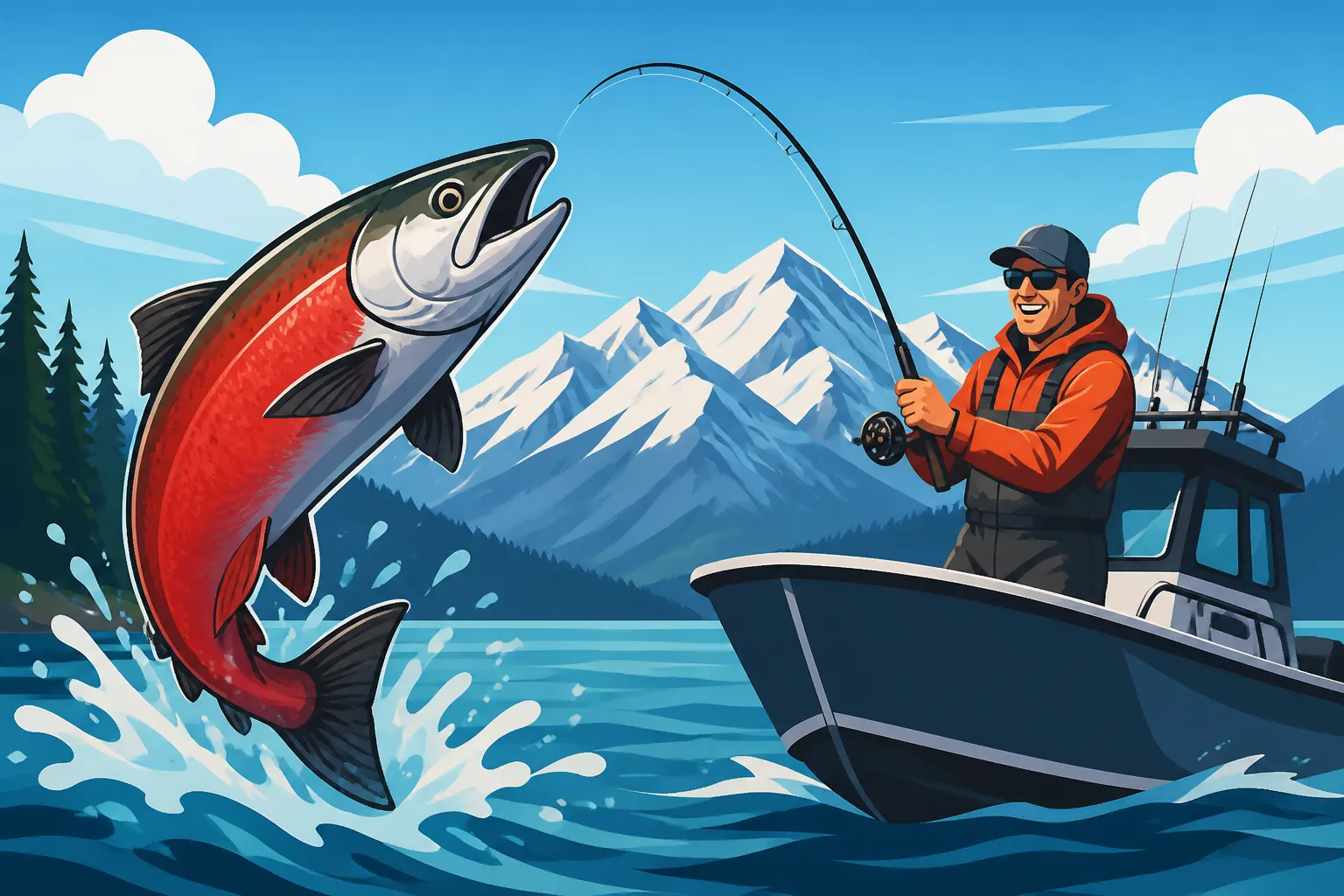
Alaska Salmon Charter Guide
Dreaming of hooking into a powerful Alaska salmon is a common fantasy for many anglers, but the sheer vastness of the state and the multitude of fishing options can feel overwhelming. Trying to figure out where to go, what species to target, and, most importantly, which charter will actually deliver on that bucket-list experience is a daunting task. This comprehensive guide is here to cut through the confusion, helping you understand the ins and outs of booking an Alaska salmon charter so you can focus on the thrill of the catch, not the stress of planning.
Why Choose a Salmon Charter in Alaska?
Let's be honest, Alaska fishing is epic, but it's not like dropping a line in your local pond. The rivers are vast, the ocean immense, and the fish, while plentiful, aren't always easy to find or catch. This is where a dedicated salmon charter truly shines, transforming a potentially frustrating DIY attempt into a high-probability angling adventure. You’re not just paying for a boat; you’re investing in expertise, access, and peace of mind.
Maximizing Your Catch Potential
When you come to Alaska, you want to catch fish. It’s as simple as that. While there's no such thing as a "guaranteed" catch – it's fishing, after all – a reputable salmon charter dramatically tips the odds in your favor. These guides spend countless hours on the water, tracking salmon runs, observing water conditions, and adapting their techniques daily, sometimes even hourly. They know the subtle nuances that make a difference, like the exact depth kings are holding in Cook Inlet or the specific current seams sockeye are hugging in the Kenai River.
Consider a scenario: you've flown thousands of miles, rented a car, bought some gear, and now you're standing on the bank of a river, staring at acres of water. Without local knowledge, you're essentially guessing. A charter guide, on the other hand, will take you directly to the productive spots, often private access points or specific holes known only to a few, and equip you with the right tackle and techniques for the conditions. This focused approach means more casts in the strike zone and, ultimately, a much better chance of feeling that powerful tug on your line that signals an Alaska salmon is on.
Expert Guidance and Local Knowledge
Alaska's fishing landscape is complex, not just in terms of geography but also regulations. Trying to decipher the ever-changing emergency orders, bag limits, and gear restrictions can be a headache, especially for visitors. A seasoned charter captain or guide acts as your personal fishing encyclopedia and regulatory expert. They live and breathe Alaska fishing, understanding the intricacies of each season and species.
Imagine you're targeting sockeye salmon on the Russian River. There are very specific rules about fly size, leader length, and even how you fish certain sections. A guide will walk you through these rules, demonstrate the correct "flossing" technique, and ensure you're compliant, preventing costly fines or the disappointment of losing a prized fish due to a technicality. They’ll share insights into fish behavior, explain why a particular lure works better than another on a given day, and teach you how to properly handle and release fish, if necessary. This invaluable local knowledge extends beyond just fishing; they can tell you about the local wildlife, the history of the area, and even recommend a great place for dinner after your trip.
Access to Prime Fishing Grounds
Many of Alaska’s most productive salmon fishing grounds are either difficult to access without specialized equipment, require a boat, or are simply too remote for the average angler to reach on their own. This is especially true for those legendary saltwater fisheries where trophy king and silver salmon roam. Charter operations invest heavily in purpose-built boats, specialized electronics, and permits to access these coveted areas.
For instance, if you're dreaming of a deep-sea battle with a giant King Salmon, a saltwater charter out of Seward or Homer is essential. These boats are equipped to handle the open ocean, navigate tricky currents, and locate schooling baitfish that attract big salmon. Similarly, for river fishing, many guides have custom-built drift boats or powerful jet boats that can safely navigate shallow, braided rivers like the Kenai or Kasilof, putting you right on top of migrating salmon. They might even have exclusive access to private stretches of river that are off-limits to the general public, giving you a competitive edge and a more peaceful fishing experience away from the crowds.
Types of Alaska Salmon Charters
Alaska offers a diverse range of salmon fishing experiences, each tailored to different species, environments, and angler preferences. Understanding these types will help you narrow down your choices and find the perfect fit for your dream trip. Whether you prefer the solitude of a river or the thrill of the open ocean, there's a salmon charter designed for you.
River Charters: Drift Boats vs. Power Boats
River charters are incredibly popular, especially for targeting migratory salmon as they make their way upstream to spawn. The choice between a drift boat and a power boat often comes down to the specific river, the salmon species, and the fishing style.
Drift boat charters are classic for a reason, offering a quiet, intimate experience on rivers like the Kenai or Russian. These boats are typically rowed or oared by the guide, allowing for silent approaches to prime fishing holes and precise lure presentation. Anglers often fish out of the boat, casting to visible fish or drifting eggs and flies through runs. It's a very hands-on style of fishing, perfect for those who enjoy the finesse of Drift Fishing in Alaska: How-To Guide or fly fishing. The slower pace allows you to soak in the stunning Alaskan scenery, from towering spruce forests to eagles soaring overhead. However, drift boats are limited by current and are generally used on rivers with consistent flows and public access points.
Power boat charters, often utilizing jet boats, are ideal for covering more ground on larger, braided rivers or accessing remote sections quickly. Guides can motor upstream to hot spots, drop anchor, and then drift down, repeating the process. This can be particularly effective for intercepting fast-moving schools of sockeye or targeting deep holes where King Salmon might be holding. On rivers like the Kenai, guides often employ Back-Trolling in Alaska: How-To Guide techniques with Kwikfish or other plugs from power boats. These boats are generally more stable and can accommodate more anglers, making them a good choice for families or larger groups who prioritize covering ground and maximizing fishing time.
Saltwater Charters: Nearshore vs. Offshore
Saltwater salmon charters offer a completely different experience, often involving trolling or jigging in the vast, nutrient-rich waters of Alaska’s coastal regions. The choice between nearshore and offshore depends on your target species and tolerance for bigger water.
Nearshore saltwater charters typically operate closer to the coastline, often within protected bays and fjords. These areas are excellent for targeting feeding king and silver salmon that are staging before their final push to spawning rivers. You might be trolling with downriggers, using flashers and bait like herring, or even casting spoons and jigs towards rocky outcrops. Towns like Valdez, Whittier, and some areas around Juneau and Ketchikan offer fantastic nearshore salmon opportunities. The waters tend to be calmer, making this a great option for those prone to seasickness or families with younger children. The scenery is often dramatic, with glaciers and mountain peaks rising directly from the sea.
Offshore saltwater charters venture further out into the open ocean, often targeting larger, migratory salmon that are actively feeding in deeper waters. While these trips can be more susceptible to weather and rougher seas, they offer the potential for truly massive fish, especially trophy King Salmon. Areas like the waters off Sitka, Kodiak, and deep into Cook Inlet are renowned for their offshore salmon fishing. These charters often combine salmon fishing with other species, like targeting Halibut or Rockfish, creating a dynamic full-day adventure. The boats are typically larger, more robust vessels equipped with advanced navigation and fish-finding electronics, ensuring safety and efficiency in the expansive marine environment. For those looking to experience the full grandeur of Alaska's coastal fisheries, an offshore trip is an unforgettable choice. You can learn more about specific regulations in the Alaska Halibut Charter Regulations Explained guide.
Combo Charters: Salmon & Halibut
Many anglers visiting Alaska have two primary targets: salmon and halibut. Why choose just one when you can often combine them into a single, epic day? Combo charters are incredibly popular, especially out of coastal towns like Homer, Seward, and Sitka, offering the best of both worlds. These charters typically involve starting the day bottom fishing for halibut in deeper waters, and then, as the day progresses, shifting to troll for salmon closer to shore or in productive feeding lanes.
The strategy usually involves an early start, heading out to prime halibut grounds where you'll drop heavy gear and bait to the seafloor, hoping to entice a "barn door" halibut. After a few hours of arm-pumping halibut action, the captain will often pull anchor and transition to trolling for salmon. This change of pace keeps the day exciting and offers a wider variety of fishing techniques and species to target. It's a fantastic option for groups with varied interests or for anyone who wants to maximize their take-home fish. Be aware that these trips are typically longer, often 10-12 hours, and can be more physically demanding, but the reward of a cooler full of both flaky white halibut and rich red salmon is well worth it. Just remember that specific daily limits and regulations apply to each species, so your guide will ensure you stay compliant. For more in-depth information, you might find the Alaska Halibut Daily Limit for Charter Anglers article helpful.
Understanding Salmon Species and Seasons
Alaska is famous for its five species of Pacific salmon, and knowing when and where each one runs is crucial for planning a successful salmon charter. Each species has unique characteristics, fight styles, and preferred habitats, dictating the best time to target them and the type of charter you should consider. Timing is everything in Alaska fishing, and understanding the salmon run calendar is key to a productive trip. You can get a broader overview from our Alaska Fishing Seasons: Month-by-by Month Guide.
King Salmon (Chinook) Charters
Ah, the King Salmon. Revered for their massive size, powerful fights, and rich, delectable meat, Chinooks are the ultimate prize for many Alaska anglers. Targeting King Salmon is often a dedicated affair, as they are less abundant than other species and require specific techniques.
Season & Locations: King Salmon typically begin their runs in late May and peak through June and early July. Key rivers like the Kenai River (though subject to strict regulations and closures), Kasilof River, and Deshka River are famous for their King runs. Saltwater kings are targeted year-round as "feeder kings" in some areas, but the large returning spawners are what most people seek from late spring to early summer.
Charter Focus: King Salmon charters, especially river-based ones, often involve back-trolling plugs, drift fishing with bait, or even specific fly-fishing techniques in designated areas. Saltwater charters will troll with large herring or spoons, often at specific depths where kings are feeding. Guides on King Salmon trips are experts at locating these elusive fish and employing the heavy-duty gear needed to land them.
Experience: Landing a King Salmon is a true test of strength and skill. Their powerful runs and head shakes are legendary. Due to their decreasing numbers and the intense management required, King Salmon fishing can be challenging, but the reward of a fresh King is unparalleled. For a deeper dive, check out our Alaska King Salmon: Complete Guide.
Sockeye Salmon (Red) Charters
Sockeye salmon are perhaps the most iconic and numerous salmon species in Alaska, famous for their vibrant red flesh and strong, acrobatic fights. They are a staple of the Alaskan summer fishing scene and a favorite for subsistence and sport anglers alike.
Season & Locations: Sockeye runs are concentrated in June, July, and early August, with the Kenai River and Russian River being legendary hotspots for millions of returning fish. Bristol Bay rivers, like the Naknek and Nushagak, see the largest sockeye runs in the world.
Charter Focus: River Sockeye fishing is often done from the bank or from a drift boat, using a technique sometimes referred to as "flossing" – essentially using a weighted fly or bare hook to snag the fish in the mouth as they swim upstream in dense schools. It's a unique technique that requires precision and practice, and a guide can make all the difference in mastering it.
Experience: Sockeye are incredibly strong fighters, known for their powerful, head-shaking runs and aerial displays. While they don't grow as large as Kings, their sheer numbers and aggressive nature make for non-stop action during peak runs. Plus, their firm, red meat is considered by many to be the best-tasting salmon. If you're looking for fast action and abundant fish, a Sockeye charter is an excellent choice. Our Alaska Sockeye Salmon Explained guide offers more details.
Coho Salmon (Silver) Charters
Coho salmon, or Silvers, are beloved for their aggressive takes, acrobatic fights, and willingness to bite a variety of lures and flies. They provide fantastic action later in the summer when other salmon runs might be tapering off.
Season & Locations: Coho salmon runs typically begin in late July, peaking throughout August and September, extending into early October in some areas. They are widespread across Alaska, found in rivers and coastal waters from Southeast Alaska to Cook Inlet and beyond. Popular spots include the Kenai, Kasilof, Deshka, and numerous rivers around Anchorage, Juneau, and Prince William Sound.
Charter Focus: Coho charters can be very diverse. In rivers, guides often employ back-trolling, drift fishing with eggs or beads, or casting spinners and spoons. On saltwater charters, trolling with spoons, herring, or even small plugs is common, as coho are active feeders. Fly fishing for coho with brightly colored flies can also be incredibly productive and exciting.
Experience: Silvers are known for their spectacular aerial displays and hard runs, often making multiple jumps and direction changes. They're strong fighters pound-for-pound and are generally eager to bite, making them a great target for anglers of all skill levels, including those new to Alaska fishing. Their orange-red flesh is also highly prized for eating. For more specific techniques, check out How to Catch Coho Salmon in Alaska.
Pink and Chum Salmon Opportunities
While King, Sockeye, and Coho often steal the spotlight, Pink and Chum salmon offer additional, often overlooked, fishing opportunities that can be incredibly fun, especially for families or those looking for constant action.
Pink Salmon (Humpies): These are the smallest and most numerous of Alaska’s salmon, with massive runs occurring every even-numbered year (e.g., 2024, 2026).
Season & Locations: Pinks run primarily in July and August. They are widespread throughout coastal Alaska, including rivers on the Kenai Peninsula, Prince William Sound, and Southeast Alaska.
Charter Focus: Pinks are eager biters and can be caught on light tackle with small spinners, spoons, or flies. They are excellent for kids and beginners due to their abundance and aggressive nature. While not as large or revered for eating as Kings or Sockeye, they offer non-stop action and are delicious smoked or canned.
Chum Salmon (Dogs): Known for their distinctive "dog-like" teeth when spawning and their incredible fighting power, Chum salmon are often underrated.
Season & Locations: Chum runs typically occur from July through August, overlapping with Pinks and early Silvers. They are found in many of the same areas as Pinks, particularly in Western and Interior Alaska rivers, but also in coastal rivers across the state.
Charter Focus: Chum salmon are incredibly strong fighters, pound-for-pound arguably the strongest of the Pacific salmon. They readily strike spinners, spoons, and flies. Charters targeting Chums are great for anglers who want a serious battle on lighter gear. While their flesh is paler than Sockeye or King, it’s still excellent for smoking, canning, or making fish spread.
| Salmon Species | Primary Run Period | Average Size (lbs) | Key Characteristics | Common Charter Type |
|---|---|---|---|---|
| King (Chinook) | Late May – Early July | 20-50 (up to 90+) | Largest, powerful runs, prized meat | River (Power/Drift), Saltwater Trolling |
| Sockeye (Red) | June – Early August | 6-12 | Abundant, strong fighters, firm red meat | River (Drift/Bank) |
| Coho (Silver) | Late July – Sept | 8-15 | Acrobatic, aggressive, excellent table fare | River (Drift/Spin), Saltwater Trolling |
| Pink (Humpy) | July – August (even years) | 3-6 | Most numerous, eager biters, good for kids | River (Spin), Saltwater |
| Chum (Dog) | July – August | 8-20 | Extremely strong fight, widespread | River (Spin), Saltwater |
Key Factors When Choosing Your Salmon Charter
Selecting the right salmon charter can feel like finding a needle in a haystack, with so many operators vying for your business. It's not just about the price; it's about matching your expectations, fishing style, and group needs with the right guide and operation. Doing your homework here will significantly impact your overall experience.
Location, Location, Location
Alaska is enormous, and fishing opportunities vary wildly from one region to another. The "best" location for a salmon charter depends entirely on what kind of experience you're seeking and which species you're most eager to catch. Do you envision battling trophy Kings in a bustling port town, or do you prefer the serene wilderness setting of a fly-in lodge chasing Sockeye?
Southeast Alaska (e.g., Ketchikan, Juneau, Sitka): Renowned for its abundant saltwater salmon fishing, particularly King and Coho, as well as excellent halibut. Charters here often focus on trolling the rich ocean currents and protected fjords. The scenery is spectacular, with lush islands and deep, clear waters.
Southcentral Alaska (e.g., Kenai Peninsula, Anchorage Area, Valdez, Seward, Homer): This is arguably the most popular region for sport fishing due to its accessibility. The Kenai Peninsula boasts world-famous rivers like the Kenai and Kasilof for King, Sockeye, and Coho, while coastal towns like Homer and Seward are epicenters for saltwater King, Coho, and Halibut combo trips. Valdez and Whittier offer excellent Prince William Sound Coho and Pink fishing. Many popular Best Fishing Spots in Alaska are in this region.
Western/Bristol Bay Alaska (e.g., Naknek, Nushagak): If Sockeye are your primary target, and you're seeking sheer numbers and a true wilderness experience, this region is unparalleled. It's primarily accessed via fly-in lodges or specialized air charters.
Think about your travel logistics. Are you looking for a drive-up destination, or are you willing to take additional flights to reach more remote areas? Each region offers distinct advantages and different fishing dynamics.
Charter Boat and Gear Considerations
The vessel and equipment provided by your charter can greatly influence your comfort, safety, and fishing success. Don't be afraid to ask specific questions about these aspects before booking.
Boat Type and Size: For river trips, are you on a comfortable drift boat designed for quiet approaches and precise casting, or a larger, faster power boat for covering more water? For saltwater, is it an ocean-certified vessel with an enclosed cabin, a head (bathroom), and enough space for your group? A smaller boat might be more intimate but less comfortable in choppy seas. Consider the number of anglers; some boats are better suited for larger groups, others for a more private experience.
Equipment Quality: A reputable charter will provide high-quality, well-maintained rods, reels, and tackle appropriate for the target species and fishing style. Ask if they provide rain gear, boots, or other essential fishing apparel, though it's always wise to bring your own layers. Good gear isn't just about comfort; it's about reliability when you hook that fish of a lifetime. A snapped line due to faulty equipment is a heartbreak you want to avoid.
Safety Features: All legitimate charters will have proper safety equipment on board, including life jackets, first-aid kits, communication devices, and emergency signaling gear. Don't hesitate to ask about their safety protocols. While fishing is fun, safety should always be paramount.
Guide Experience and Reputation
The guide is the heart of your charter experience. Their expertise, personality, and commitment to your trip can make or break your day on the water.
Experience and Licensing: Look for guides with years of experience fishing in the specific area and for the species you're targeting. Alaska fishing guides must be licensed by the Alaska Department of Fish and Game (ADF&G), and saltwater captains also require U.S. Coast Guard certification. Don't hesitate to ask about their credentials. Experienced guides know the nuances of the water and the fish.
Reputation and Reviews: In today's digital age, online reviews (Google, TripAdvisor, FishingBooker, etc.) are invaluable. Look for consistent positive feedback about the guide's knowledge, professionalism, patience, and ability to put clients on fish. Pay attention to how they handle less-than-ideal conditions or slow fishing days. A great guide can still make a tough day enjoyable. Conversely, be wary of operations with consistently negative reviews or a lack of transparent information.
Communication and Personality: A good guide is also a good communicator and host. They should be able to clearly explain techniques, regulations, and what to expect. Think about the kind of personality you get along with. Do you prefer a quiet, focused expert, or someone more jovial and talkative? A quick phone call before booking can often give you a good sense of their demeanor.
Group Size and Trip Duration
These practical considerations will impact the cost, intimacy, and overall pace of your fishing adventure.
Group Size: Are you planning a solo trip, a romantic getaway, a family adventure, or a corporate outing? Charters typically cater to different group sizes. Private charters offer exclusivity and flexibility but come at a higher cost. Shared charters (often called "open boats") are more budget-friendly as you split the cost with other anglers, but you'll be sharing the space and the guide's attention. Ensure the boat can comfortably accommodate your group without feeling cramped.
Trip Duration: Salmon charters generally range from half-day (4-5 hours) to full-day (8-10+ hours) trips. Half-day trips are excellent for beginners, families with young children, or those on a tighter schedule. They provide a taste of the action without overcommitting. Full-day trips offer more fishing time, a greater chance to hit multiple spots, and often include lunch. For King Salmon or combo salmon/halibut trips, a full day is almost always recommended to maximize your chances and experience the full range of fishing. Longer multi-day packages, often through lodges, offer even more immersive experiences. More information on costs can be found in our Alaska Fishing Charter Cost Explained guide.
Booking Your Alaska Salmon Charter
Once you've done your research and have an idea of what kind of salmon charter you're looking for, it's time to pull the trigger and book your trip. This process has its own set of considerations, from timing your booking to understanding the financial aspects and what to pack.
When and How to Book
Timing your booking is critical, especially for popular seasons and locations in Alaska. Don't make the mistake of waiting until the last minute.
Book Early: Alaska's peak fishing season (June-September) is relatively short, and the best guides and lodges often book up 6-12 months in advance, particularly for prime King and Sockeye runs. If you have specific dates or a particular guide in mind, book as soon as your travel plans are firm. For example, if you're targeting the famous Kenai River sockeye run in July, booking by the previous fall or early winter is highly recommended. You can often find reputable charters and compare options on platforms like FishingBooker, which makes the booking process straightforward.
Online vs. Phone: Many charters have online booking systems, but a phone call can be incredibly valuable. It allows you to ask specific questions about current conditions, recent catch reports, the guide's philosophy, and any unique circumstances for your group (e.g., mobility issues, young children). It also gives you a feel for their customer service and personality. Don't be shy; a good charter operator welcomes questions.
Deposit and Confirmation: Expect to pay a deposit, usually 25-50% of the total cost, to secure your booking. Always get a written confirmation that includes your trip date, time, duration, cost, deposit amount, and cancellation policy. This protects both you and the charter.
What to Expect and What to Bring
Being prepared for your Alaska salmon charter will ensure you're comfortable and ready for action, regardless of what the unpredictable Alaskan weather throws at you.
What the Charter Provides: Most reputable charters provide all necessary fishing gear (rods, reels, tackle, bait), and sometimes even rain gear and rubber boots. They'll also handle the fish once caught, often bleeding them and placing them on ice. Confirm these details when you book.
What You Should Bring:
- Alaska Fishing License and King Salmon Stamp (if applicable): This is non-negotiable. You can often purchase these online from the ADF&G website or at local sporting goods stores. Make sure you understand Do You Need a King Salmon Stamp in Alaska.
- Warm, Layered Clothing: Alaska weather can change in an instant. Think wool, fleece, and quick-drying synthetics. Avoid cotton. Even on a sunny summer day, the wind on the water can be chilly.
- Rain Gear: Even if the forecast is clear, a good waterproof jacket and pants are essential.
- Waterproof Footwear: Rubber boots are often ideal, especially for river bank fishing.
- Hat, Sunglasses, Sunscreen: Protection from the sun and glare is important, even on cloudy days.
- Snacks and Drinks: Most charters don't provide food or drinks, so pack plenty to stay energized.
- Camera: You'll want to capture those memories!
- Small Backpack: To keep your essentials organized and dry.
- Cooler (for your catch): While fish are kept on ice during the trip, you’ll need a cooler to transport your catch after the trip, especially if you're taking it to a processor.
For a more detailed checklist, our guide on What to Expect on an Alaska Fishing Charter is an invaluable resource.
Understanding Costs and Tipping
Fishing in Alaska is an investment, and understanding all the associated costs is important for budgeting your trip.
Charter Fees: These vary widely based on location, duration (half-day vs. full-day), species targeted (King Salmon charters are often more expensive), and whether it's a private or shared trip. Expect to pay anywhere from $250-$500 per person for a shared half-day trip to $800-$1500+ for a full-day private charter, sometimes more for remote fly-in operations. Platforms like FishingBooker clearly list charter prices, helping you compare options efficiently.
Licenses and Stamps: Factor in the cost of your Alaska Fishing License Cost and Types and any required stamps (e.g., King Salmon Stamp). These are typically separate from the charter fee.
Fish Processing: Once you catch your fish, you'll need to decide how to handle it. Many charters have arrangements with local processors who can fillet, vacuum seal, and flash freeze your catch, and even arrange shipping home. This service comes at an additional cost, usually per pound of fish. It's a fantastic service that ensures your fish stays fresh and is ready for transport.
Tipping: Tipping your guide is customary and highly encouraged in Alaska, as it is a significant portion of their income. A general guideline is 15-20% of the trip's cost, or $50-$100+ per angler for a full day if they worked hard and provided a great experience. If the guide went above and beyond, consider tipping more. Tip directly to the guide at the end of the trip. If you had a truly exceptional experience, leaving a positive review online can be just as valuable.
Making the Most of Your Salmon Charter Experience
You've booked your trip, arrived in Alaska, and are ready for your salmon adventure! Now it's time to ensure you get the most out of your time on the water, from respecting your guide to properly caring for your prized catch.
On-Board Etiquette and Safety
A successful charter trip is a partnership between you and your guide. Following good etiquette and respecting safety protocols ensures a smooth and enjoyable experience for everyone.
Listen to Your Guide: Your guide is the expert on the water. They know the current conditions, the fishing techniques, and most importantly, the safety rules. Pay close attention to their instructions, especially when casting, handling fish, or moving around the boat. If they tell you to "reel, reel, reel!" when a fish strikes, do it immediately. These instructions are for your success and safety.
Be Punctual: Arrive on time, if not a few minutes early, for your scheduled departure. Delays impact everyone's fishing time.
Stay Aware: Be mindful of your surroundings, especially when multiple lines are in the water or when the boat is moving. Be aware of other anglers’ casting space. On rivers, be mindful of bears and other wildlife, and follow your guide's instructions for appropriate behavior.
Keep the Boat Tidy: While your guide will clean the boat, try to keep your personal gear organized and avoid leaving trash or discarded fishing line around. A clean boat is a safer boat.
Manage Expectations: Fishing is unpredictable. While your guide will do everything to put you on fish, there are no guarantees. Weather, fish migrations, and even other anglers can influence success. Enjoy the process, the scenery, and the company, even if the fish aren't biting constantly. A positive attitude goes a long way.
Fish Care and Processing
Once you've landed your salmon, the work isn't over! Proper fish care is essential to preserve the quality of your catch, and understanding processing options ensures you can enjoy your fish long after you've returned home.
Immediate Care: As soon as a salmon is caught, particularly if you intend to keep it, it should be bled quickly and thoroughly. Your guide will typically handle this, but it’s good to know why. Bleeding helps improve the flavor and extends the shelf life of the meat. After bleeding, the fish should be placed on ice in a cooler immediately to maintain freshness. The colder the fish, the better the quality.
Filleting and Packaging: After your trip, you'll need to decide on processing. Many coastal towns and fishing hubs have dedicated fish processing facilities that specialize in handling sport-caught fish. These professionals will fillet, de-bone, skin, vacuum seal, and flash freeze your catch. Vacuum sealing is crucial for preventing freezer burn and preserving the quality of the fish for up to a year or more.
Shipping Home: If you're flying, processing facilities can often arrange to ship your frozen fish directly to your home. They use insulated, airline-approved boxes and specialized shipping methods to ensure your fish arrives safely and still frozen. Alternatively, you can check your fish as extra baggage, but ensure it's properly packaged in an insulated cooler. Be aware of airline regulations regarding cooler size and weight. Our guide on Alaska Fish Processing and Shipping Home Rules provides comprehensive information. This service is an added cost but incredibly convenient, saving you the hassle of dealing with bulky, frozen fish at the airport.
Enjoying Your Catch: Whether you grill it, bake it, smoke it, or can it, Alaska salmon is a culinary delight. You've earned this delicious reward through your efforts on the water. Sharing your catch with friends and family is part of the joy of an Alaskan fishing adventure.
Choosing and booking an Alaska salmon charter doesn't have to be a bewildering experience. By understanding the different types of charters, the salmon species and their seasons, and what to expect in terms of booking and logistics, you can plan a trip that meets your expectations and creates lasting memories. With a little research and preparation, you'll be well on your way to experiencing the thrill of reeling in an Alaska salmon.
Disclaimer
Please note that fishing regulations in Alaska can change frequently due to emergency orders issued by the Alaska Department of Fish and Game (ADF&G). While this guide provides general information, it is crucial to always consult the most current Alaska Sport Fishing Regulations booklet and check for emergency orders before you head out on your trip. Your charter guide will also provide up-to-date information, but it is ultimately your responsibility as an angler to be aware of and comply with all regulations.