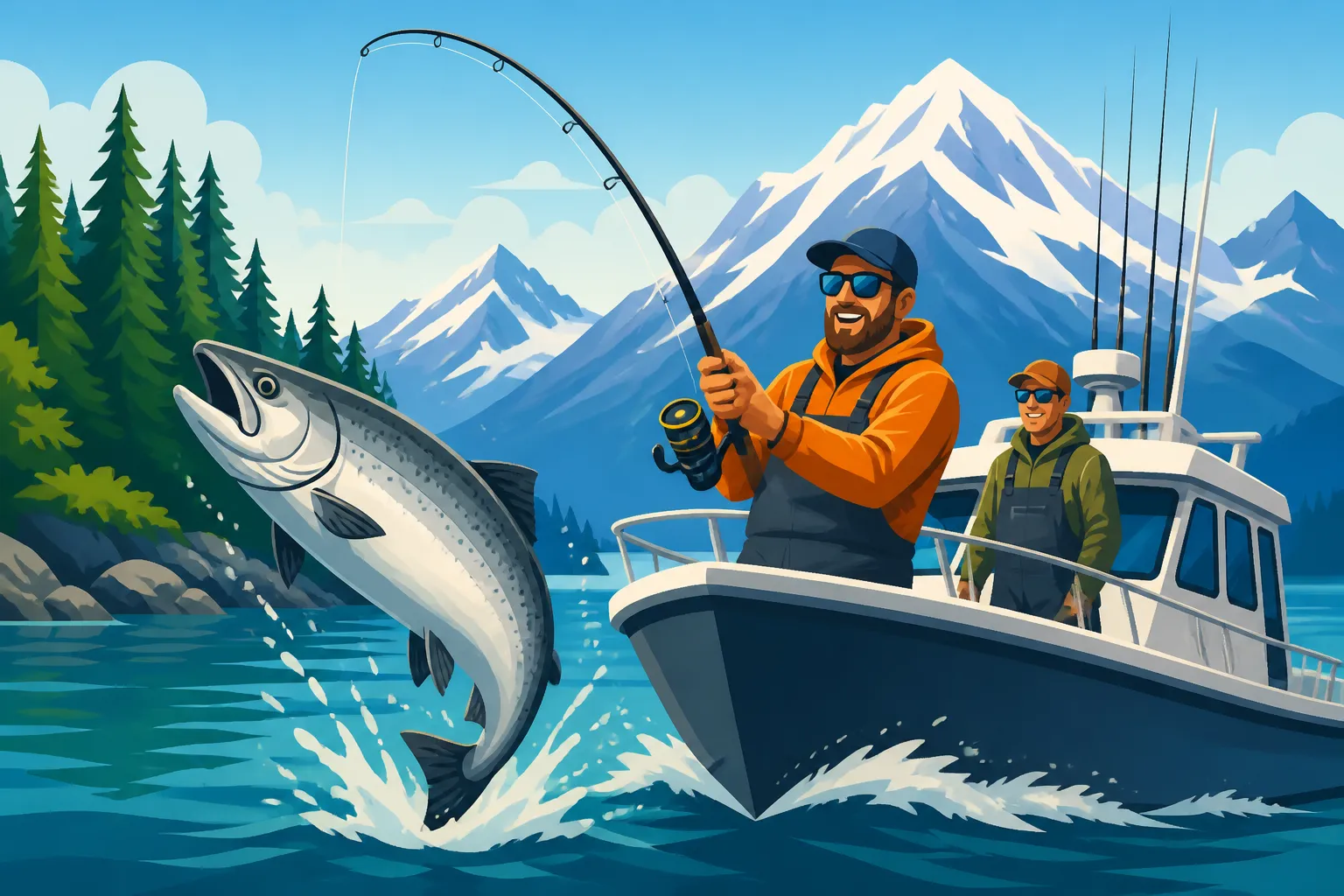
Best Fishing Charters in Ketchikan, Alaska
Planning a fishing trip to Ketchikan can feel overwhelming, especially when trying to sift through all the charter options. You want to make sure you're getting the best experience for your hard-earned money and precious vacation time, not just signing up for a generic boat ride. This guide is here to cut through the noise, helping you understand what truly makes a top-tier fishing charter in Ketchikan and how to find one that perfectly fits your Alaskan fishing dreams.
Why Ketchikan Shines as an Angler's Paradise
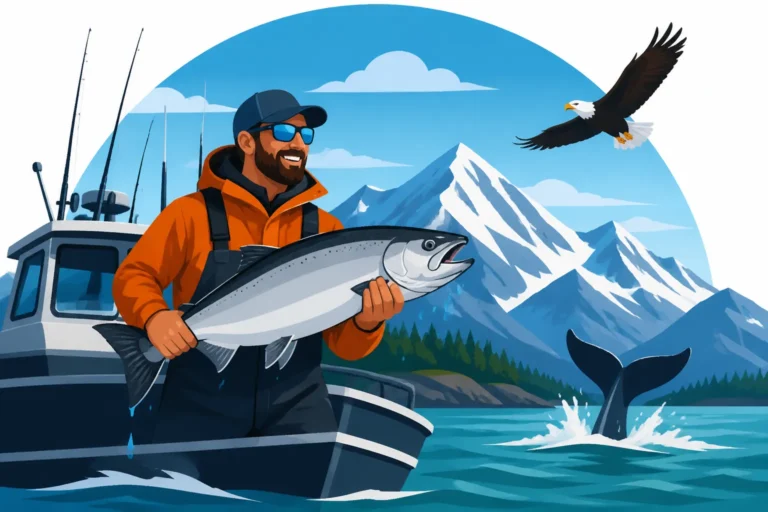
Ketchikan, often called the "Salmon Capital of the World," isn't just a pretty face with its stunning fjords and lush rainforests; it's a bonafide fishing mecca. Anglers from all corners of the globe flock here, and for good reason. The waters surrounding Ketchikan are teeming with an incredible variety of fish, offering diverse opportunities for both seasoned pros and first-time fishers.
The geography of Southeast Alaska plays a huge role in why Ketchikan is such a productive fishery. Situated within the Inside Passage, it's shielded from the harshest ocean swells, creating relatively calm waters that are perfect for comfortable fishing. This intricate network of islands, channels, and bays provides ideal habitats and migration routes for multiple species, ensuring that even if one species isn't biting, there's always something else to target. You're not just casting a line; you're immersing yourself in an ecosystem rich with life, where every bend in the channel could reveal a new opportunity.
A Rich Tapestry of Alaska Salmon Runs
When people talk about Ketchikan fishing, salmon are usually the first thing that comes to mind, and for good reason. All five species of Pacific salmon—King (Chinook), Sockeye (Red), Coho (Silver), Pink (Humpy), and Chum (Dog)—make their way through these waters, either returning to spawn in local rivers or passing through on their journey to other freshwater systems. This means that throughout the fishing season, from late spring through early fall, there's almost always a salmon run happening somewhere.
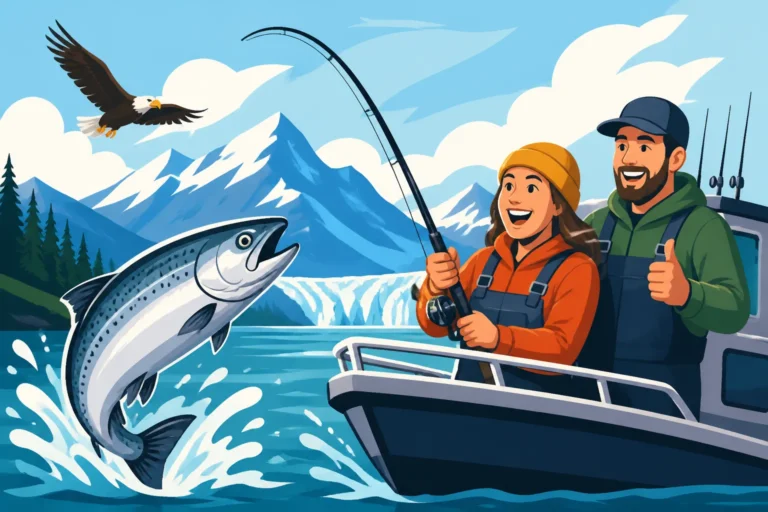
Imagine the thrill of hooking into a powerful King salmon, feeling that line peel off your reel as it makes a desperate run for freedom. Or the fast-paced action of a Coho salmon bite, where you might be reeling in fish after fish in a frenzy. Each species offers a unique challenge and experience, making it a dynamic environment for anglers. Understanding the specific run timings for each species can greatly enhance your trip, allowing you to target your preferred catch. For example, if you're dreaming of a trophy King, you'll want to plan your visit for specific windows when these magnificent fish are most abundant.
Beyond Salmon: Halibut, Lingcod, and Rockfish Galore
While salmon might steal the spotlight, Ketchikan offers fantastic opportunities for bottom fishing too. The deep, cold waters of the surrounding channels are prime habitat for Pacific Halibut, Lingcod, and various species of Rockfish. These deep-sea denizens provide a completely different kind of fight and a delicious reward for your efforts.
Picture yourself dropping a heavy jig or bait to the seafloor, hundreds of feet below, and feeling that unmistakable thud as a massive halibut takes the bait. The ensuing tug-of-war can be exhausting but incredibly exhilarating. Lingcod, with their toothy grins and aggressive strikes, offer another exciting challenge, while the vibrant colors of Rockfish like the Yelloweye add a visual treat to your catch. A good Ketchikan fishing charter will often specialize in targeting these species or offer a combo trip, allowing you to experience both the thrill of salmon trolling and the brute strength required for deep-sea bottom fishing. This variety is truly what elevates Ketchikan from a good fishing spot to an extraordinary one.
Decoding the 'Best': Key Qualities of Top Ketchikan Fishing Charters
When you're shelling out good money for a once-in-a-lifetime Alaskan fishing adventure, you're not just looking for "a boat." You're looking for the best experience, and that means a charter that goes above and beyond. The "best" isn't just about catching fish – though that's certainly a big part of it! It's about safety, expertise, comfort, and a genuine passion for sharing Alaska's incredible outdoors. There are countless operations out there, but distinguishing the truly exceptional from the merely adequate requires a keen eye for detail and knowing what questions to ask.
It can feel a bit like sifting through gold dust to find that perfect nugget, especially if you're not familiar with the local scene. Many visitors feel the pressure to book something quickly, but taking the time to understand what sets a charter apart will pay dividends. A truly great charter understands that every angler's dream trip is unique and strives to make that dream a reality, whether it's battling a giant halibut or filling the cooler with sockeye.
The Expertise of Your Captain and Crew
This is arguably the most critical factor. A top-tier Ketchikan fishing charter is led by a captain who possesses an intimate, almost intuitive, knowledge of the local waters. They know the tides, the currents, the migratory patterns of fish, and where the secret fishing holes are located. This isn't knowledge that comes from a textbook; it's gained over years, often decades, of being on the water.
A truly experienced captain is also a master of reading the conditions – the weather, the water temperature, even the subtle signs on the surface that indicate where the fish might be. They're adept at adjusting strategies on the fly, moving to a different spot if the bite slows, or changing up lures and techniques to maximize your chances. Beyond just finding fish, a great captain prioritizes your safety, meticulously maintaining their vessel and staying current on all required certifications and regulations. The crew, too, should be seasoned professionals: helpful, patient, and skilled at assisting with everything from baiting hooks to landing fish and providing essential tips. Their shared passion for fishing and the Alaskan wilderness is often infectious, making the entire experience more enjoyable.
Top-Notch Equipment and Well-Maintained Vessels
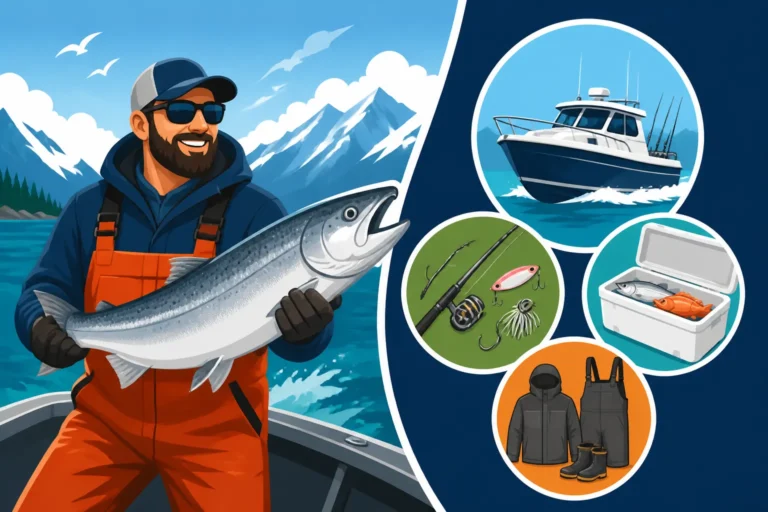
You can't catch big fish with subpar gear, and the best charters understand this implicitly. They invest in high-quality, well-maintained fishing equipment – rods, reels, lines, tackle, and electronics – that are perfectly suited for the species you're targeting. There's nothing more frustrating than a reel seizing up on a trophy fish or a line snapping due to old age.
Beyond the fishing gear, the vessel itself is a huge indicator of quality. Look for charters that operate clean, comfortable, and seaworthy boats designed for Alaskan conditions. A spacious deck, a heated cabin (a blessing on chilly days!), a clean restroom, and all the necessary safety equipment (life rafts, first aid, communication devices) are non-negotiable. Charters like Alaska Premier Charters or Waterfall Resort Alaska, while offering different experiences, are known for their well-appointed fleets and professional standards. The vessel should be inspected regularly and adhere to all U.S. Coast Guard safety standards. When you step aboard, you should feel confident in the boat's integrity and your comfort throughout the trip, whether you're navigating calm bay waters or braving a bit of chop out in the deeper channels.
Exceptional Customer Service and Local Insights
The "best" charters aren't just about the fish; they're about the entire customer experience, from your initial inquiry to saying goodbye at the dock. This means clear communication, transparent pricing, and a willingness to accommodate reasonable requests. A great charter operator acts as a local ambassador, sharing stories, answering questions about the area, and even offering tips on other things to see and do in Ketchikan.
They should make you feel welcome, regardless of your fishing experience level. For families or beginners, patience and clear instruction are paramount. For seasoned anglers, it's about respecting their skills while providing guidance on local nuances. Post-trip, the best charters often offer comprehensive fish processing services, ensuring your catch is properly cared for, filleted, vacuum-sealed, and prepared for shipping or consumption. This level of service transforms a simple fishing trip into a truly memorable Alaskan adventure. When you're browsing options, platforms like FishingBooker can be incredibly helpful for seeing reviews that speak directly to the level of customer service provided by various Ketchikan operators.
Navigating Your Options: Salmon, Halibut, and Combo Charters in Ketchikan
Ketchikan offers a smorgasbord of fishing opportunities, which means charters often specialize or offer combinations to suit different preferences. Knowing what kind of experience you're looking for is the first step in narrowing down your choices. Are you a dedicated salmon fanatic, dreaming of a freezer full of King salmon fillets? Or is a monster halibut the prize you seek? Perhaps you want to try a bit of everything? Each type of charter has its own rhythm, techniques, and target species, catering to different angler temperaments and expectations.
The beauty of Ketchikan is that you don't necessarily have to choose just one. Many operations understand that visitors want to experience the full spectrum of Alaskan fishing, which is why combo trips are so popular. However, it's essential to communicate your priorities clearly when booking, as some charters might excel at one style over another.
Dedicated Salmon Fishing Charters
If the thought of chrome-bright salmon tugging on your line sets your heart racing, a dedicated salmon charter is your ticket. These trips typically focus on trolling or mooching in the calmer, protected waters of the Inside Passage, often close to shore or in specific bays and channels where salmon congregate before heading upriver to spawn. The primary target species will vary depending on the time of year, as different salmon runs peak throughout the season.
- King Salmon (Chinook): The largest and most coveted of the Pacific salmon, Kings are often targeted in late spring and early summer (May-July). They are powerful fighters, and catching a "trophy" King is a lifelong dream for many. Charters will often use downriggers to get lures or bait to the specific depths where Kings are feeding.
- Sockeye Salmon (Red): Known for their rich, red flesh, Sockeye are also a prime target, especially in July and August. While less common to target in saltwater via charter, some guides might take you to river mouths or personal-use areas for specific techniques. For deep dives into regulations, check out Alaska Sockeye Salmon Fishing Regulations and Limits.
- Coho Salmon (Silver): Offering acrobatic fights and aggressive bites, Cohos are abundant from July through September. They're a favorite for their consistent action and excellent eating quality. Many charters offer dedicated Coho trips due to the sheer numbers and thrilling fights.
- Pink Salmon (Humpy) & Chum Salmon (Dog): These smaller, more numerous salmon fill in the gaps, especially in mid-summer. While not as prized for eating as Kings or Sockeye, they offer non-stop action, which is fantastic for families or beginner anglers.
A good salmon charter will have a variety of lures, flies, and bait on hand, adjusting techniques to the specific species and conditions. They'll know the hotspots around places like Clover Pass or Mountain Point, which are famous for their salmon production. You'll want to review the Alaska Salmon Run Timing Explained before you book to ensure you're visiting when your target species is most active.
Halibut and Bottom Fishing Adventures
For those who prefer a different kind of challenge, a halibut and bottom fishing charter is an unforgettable experience. These trips involve heading out to deeper, often more exposed, offshore waters where these groundfish reside. It's a test of strength and patience, as you drop heavy lines to depths of several hundred feet, waiting for that tell-tale thud of a "barn door" halibut taking your bait.
- Pacific Halibut: The star of bottom fishing, these flatfish can grow to enormous sizes, earning them the nickname "barn doors." Halibut are powerful, relentless fighters, and reeling in a large one can be a full-body workout. Charters typically use large circle hooks with bait like herring, salmon heads, or octopus, along with heavy weights to get to the bottom. For more on this magnificent fish, explore the Alaska Halibut: Complete Guide.
- Lingcod: With their prehistoric appearance and aggressive nature, Lingcod offer an exciting fight. They are often found on rocky structures and ledges. Jigs and bait are effective, and they are excellent table fare.
- Rockfish: This diverse family includes many species, like Yelloweye (often called Red Snapper), Black Rockfish, and China Rockfish. They provide steady action and are visually stunning. Regulations often require the use of deepwater release devices for certain species to improve survival rates when released.
Halibut charters often involve anchoring over known fishing grounds or drifting slowly, allowing your bait to cover a wider area. These trips can be physically demanding due to the heavy gear and the fight of the fish, but the reward of fresh halibut fillets is unparalleled. Many charter companies in Ketchikan, when you check booking platforms like FishingBooker, clearly delineate if they offer dedicated halibut trips or focus on shallower water salmon fishing.
Combo Trips: The Best of Both Worlds
Can't decide between the thrill of a jumping salmon and the brute strength of a deep-sea halibut? Many Ketchikan charters offer combo trips that allow you to experience both. These are incredibly popular for visitors who want to maximize their Alaskan fishing exposure in a single day.
Typically, a combo trip might start with a few hours of salmon trolling in the morning when the bite is often strongest, followed by a move to deeper waters for halibut and rockfish later in the day. The exact split of time can vary, so it's crucial to discuss your preferences with the captain when booking. This flexibility is a huge advantage, allowing you to sample different fishing styles and potentially bring home a diverse cooler of fish. Remember to check regulations for specific bag limits for both salmon and halibut; for charter anglers, halibut limits are often more restrictive than for unguided anglers. Learn more about these specific rules in Alaska Halibut Charter Regulations Explained.
Here's a quick comparison of the typical charter experiences:
| Charter Type | Primary Target Species | Typical Season | Fishing Technique | Physical Demands | Ideal For |
|---|---|---|---|---|---|
| Salmon Charter | King, Coho, Sockeye, Pink, Chum Salmon | May – September | Trolling, Mooching | Moderate | Action-oriented, families, multiple species |
| Halibut/Bottom | Pacific Halibut, Lingcod, Rockfish | May – September | Bottom fishing, Jigging | High | Trophy hunters, strong fighters, delicious meat |
| Combo Charter | Salmon (various), Halibut, Rockfish | May – September | Trolling, Bottom fishing | Moderate to High | Variety seekers, maximizing experience |
Booking Your Dream Trip: Essential Steps and Preparation for Ketchikan Charters
Finding that perfect charter in Ketchikan isn't just about showing up; it requires a bit of homework and preparation to ensure a smooth, enjoyable, and successful trip. From knowing when to book to what to wear, every detail contributes to the overall experience. Don't underestimate the small things – they can make a big difference between a good day and a truly great one on the water.
Many anglers arrive in Alaska with high expectations, and rightfully so! But those expectations are best met when you've done your part in planning. It's about setting yourself up for success and minimizing any potential hiccups that could detract from the magic of fishing in the Last Frontier.
When and How to Book Your Ketchikan Charter
The best advice for booking an Alaska fishing charter is simple: book early! Ketchikan is a popular destination, especially during peak salmon and halibut seasons (June through August). Top-rated charters often fill up months, sometimes even a year, in advance.
- Determine Your Dates & Target Species: First, decide when you want to visit and what fish you're most keen on catching. If a trophy King Salmon is your goal, late May to early July is prime. For consistent Coho action, look at late July through September. Use resources like the Best Time to Fish in Alaska guide to align your trip with the best fishing opportunities.
- Research Reputable Charters: Look for charters with strong reputations, positive reviews, and clear communication. Websites and platforms like FishingBooker are excellent resources for comparing operators, reading genuine feedback, and seeing what kind of trips they specialize in. Pay attention to how long they've been in business and if they're locally owned and operated.
- Inquire and Ask Questions: Don't hesitate to call or email potential charters with your specific questions. Ask about their boat, captain's experience, what's included in the price (gear, bait, fish processing), their cancellation policy, and group size limits. Are licenses included, or do you need to purchase one separately? Often, they are not, so check out Alaska Fishing License: Complete Guide to get prepared.
- Confirm and Deposit: Once you've chosen, confirm all details in writing and be prepared to pay a deposit to secure your booking. Reputable charters will provide a clear booking agreement.
- Consider a Multi-Day Package: For a truly immersive experience, especially if you're coming from afar, consider an all-inclusive fishing lodge or a multi-day package. These often include accommodations, meals, guided fishing, and full fish processing, simplifying your logistics. Many of the best fishing lodges in Alaska offer packages that bundle these services.
Preparing for Your Day on the Water
Once your charter is booked, the next step is preparing for the actual fishing day. Alaska's weather can be notoriously unpredictable, so dressing in layers and bringing the right gear is crucial for comfort and enjoyment.
- Dress in Layers: This is the golden rule for Alaskan outdoor activities. Start with a moisture-wicking base layer, add insulating middle layers (fleece or wool), and finish with a waterproof and windproof outer shell. Even on sunny days, the ocean breeze can be chilly. Look at What to Wear on an Alaska Fishing Charter for a detailed packing list.
- Waterproofs are Essential: A good quality rain jacket and rain pants are non-negotiable. Even if the forecast is clear, spray from the boat or a sudden shower can leave you soaked.
- Footwear: Waterproof, non-slip boots are ideal. Your feet will thank you.
- Headwear & Handwear: A warm hat (beanie) and gloves can make a huge difference in comfort. Sunglasses are also important for glare protection, especially on bright days.
- Sun Protection: Even on cloudy days, UV rays reflect off the water. Bring sunscreen and lip balm with SPF.
- Snacks and Drinks: While some charters provide snacks, it's always a good idea to bring your own water, non-alcoholic beverages, and a few easy-to-eat snacks.
- Motion Sickness Medication: If you're prone to seasickness, take medication before you board the boat. Once you feel sick, it's often too late.
- Camera: You'll want to capture those memories, especially that trophy fish! Ensure it's waterproof or has adequate protection.
- Fishing License and King Salmon Stamp: Purchase these before your trip. You can often buy them online through the Alaska Department of Fish & Game website. Don't forget your Alaska King Salmon Stamp Requirements if you plan to target Kings!
Remember, communication with your captain or charter company is key. They can provide specific recommendations based on current weather conditions and what's included in your trip. A little preparation goes a long way in ensuring your Ketchikan fishing adventure is everything you dreamed it would be.
What to Expect After the Catch in Ketchikan
The exhilaration of landing a magnificent salmon or a colossal halibut is just one part of the Alaskan fishing experience. What happens next with your hard-earned catch is equally important, especially if you're traveling and want to take your fish home. Understanding the processing, packaging, and shipping options is crucial, as is adhering to all regulations regarding possession limits. It would be a true heartbreak to catch the fish of a lifetime only to run into issues with getting it home.
Many anglers worry about the logistics, picturing themselves wrestling with bloody fish and trying to pack it into a suitcase. The reality, thanks to established infrastructure in places like Ketchikan, is usually much smoother, but it still requires a clear plan.
Professional Fish Processing Services
Most reputable Ketchikan fishing charters will either offer basic fish processing services on board or, more commonly, have a partnership with a local fish processor at the dock. This is where your fish transforms from a raw catch into vacuum-sealed, portioned fillets ready for freezing or shipping.
- Filleting and Portioning: The first step is expert filleting. Processors are incredibly efficient, turning your whole fish into neat, boneless, skin-on or skin-off fillets. They'll often portion these into convenient meal-sized pieces.
- Vacuum Sealing: This is critical for preserving quality and preventing freezer burn. Each portion is individually vacuum-sealed, removing all air to protect the delicate flavor and texture of the fish. This also makes the packages compact and easy to store.
- Freezing: Once sealed, the fish is blast-frozen to ultra-low temperatures. This rapid freezing locks in freshness and maintains quality for months.
- Packaging for Travel: For transport, your frozen, vacuum-sealed fish will be packed into airline-approved, insulated fish boxes. These boxes are designed to keep the fish frozen solid for 24-48 hours, depending on the insulation quality and ambient temperature. This makes flying with your catch as checked luggage much less stressful.
Many anglers leave the processing entirely to the professionals, and it’s a service well worth the cost to ensure your fish is handled correctly. These processors are experienced with local regulations and airline requirements, taking a huge logistical burden off your shoulders. For more detailed information, check out Fish Processing After an Alaska Charter.
Shipping Your Alaskan Catch Home
For many visitors, especially those flying, shipping your fish home is the most convenient option. Ketchikan has several reputable fish processors and freight services that specialize in shipping frozen seafood.
- Choosing a Shipper: Your charter company might recommend a specific processor, or you can research local options like The Fish House, Salmon Etc., or Island Point Seafood. They handle everything from packaging to coordinating shipping with major carriers.
- Shipping Methods: Fish is typically shipped via expedited air freight, ensuring it arrives at your home address still frozen solid. You can often choose between different speed options, though faster shipping generally costs more.
- Cost Considerations: Shipping costs depend on the weight of your fish, the destination, and the speed of service. It's an additional expense to factor into your trip budget, but it's a small price to pay for the taste of Alaska back home.
- Possession Limits: Always be mindful of Alaska fishing possession limits. These are distinct from daily bag limits and refer to the total amount of fish you can have in your possession, including fish already processed and shipped. Charters are usually excellent at reminding you of these rules, but it’s good to be aware yourself. Detailed information can be found in Alaska Fishing Possession Limits Explained.
It's common for anglers to coordinate directly with the fish processor after their trip to arrange shipping. They'll provide tracking information, and you'll typically receive your frozen Alaskan bounty within a few days of your departure, allowing you to relive your Ketchikan adventure at home with every delicious meal.
Disclaimer
The information provided in this guide is for general informational purposes only and does not constitute legal or professional advice. Fishing regulations in Alaska are subject to change, including through emergency orders. Always consult the most current Alaska Department of Fish and Game regulations and emergency orders before engaging in any fishing activities. We are not responsible for any actions taken based on the information in this guide.