Alaska Halibut Charter Guide
The thought of landing a giant halibut in Alaska is a dream for many anglers, but the sheer logistics and regulations can feel overwhelming, turning what should be an exciting adventure into a maze of unknowns. This comprehensive guide is here to demystify the process of booking and experiencing an Alaska halibut charter, ensuring you're well-prepared for a memorable and successful fishing trip in the Last Frontier.
What Makes Alaska Halibut Charters So Unique?
Alaska isn't just a place to fish; it's an experience, especially when you're targeting the magnificent Pacific halibut. These aren't your average bottom feeders; they're powerful, elusive, and require a specialized approach, making a dedicated charter not just a convenience, but often a necessity for success.
The Lure of Giant Halibut
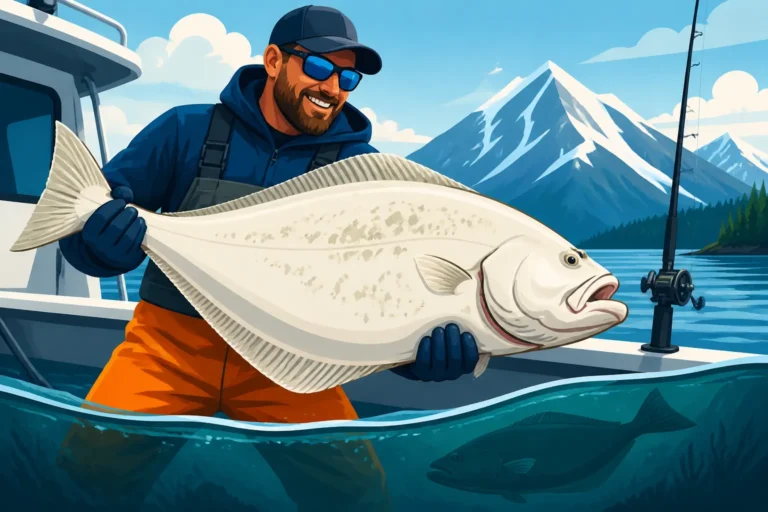
When people talk about halibut fishing in Alaska, they're often dreaming of "barn doors"—halibut weighing hundreds of pounds that can test the limits of your tackle and your stamina. While not every trip guarantees a record-breaker, the potential is always there. Alaska's cold, nutrient-rich waters provide an ideal habitat for these flatfish, allowing them to grow to immense sizes. Imagine battling a fish that’s as tall as you are, pulling with a force that makes your arms ache, only to finally bring it alongside the boat. It's a primal, exhilarating fight unlike almost any other freshwater or saltwater species, and it's what draws anglers from all over the world to places like Homer and Seward.
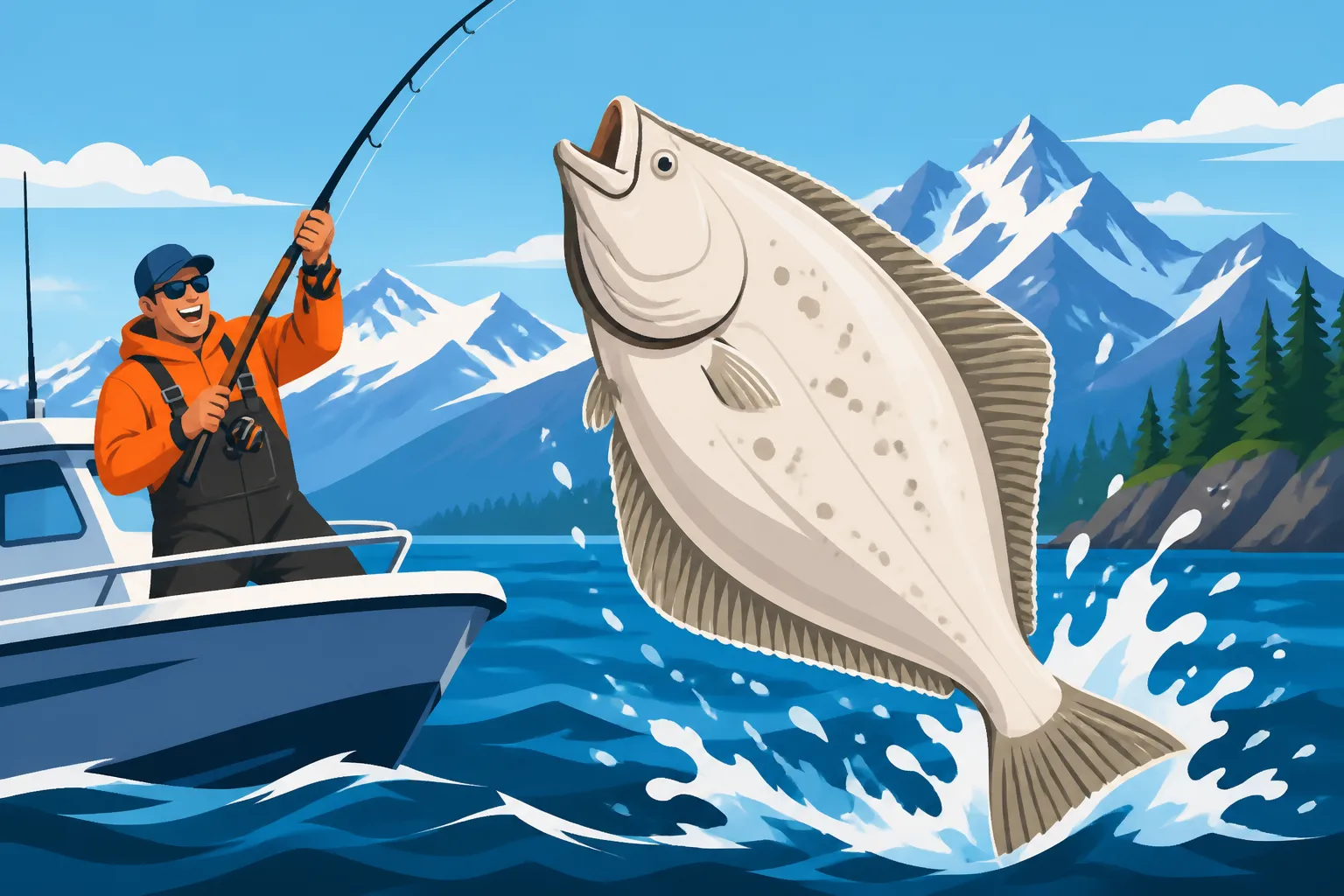
The sheer power of these fish is truly something to behold. They'll take long, sustained runs, often hugging the bottom, making you work for every inch of line gained. It's not uncommon for a good-sized halibut to take 20-30 minutes to bring in, especially if you're battling one in the 80 to 100-pound range. The anticipation of what's lurking in the deep, combined with the challenge of reeling it in, creates an addictive fishing experience that keeps people coming back year after year.
Deepwater Dynamics and Regulations
Halibut typically inhabit deep, cold waters, often from 100 to 1,000 feet or more. This means you'll be fishing offshore, sometimes many miles from the nearest harbor. It's not bank fishing or wading in a river; it's a serious offshore endeavor requiring a robust vessel, specialized electronics to locate fish and structure, and heavy-duty gear to get your bait down and those big fish up. The currents can be strong, the weather can change quickly, and navigating these waters safely requires expert knowledge.
On top of the environmental challenges, Alaska's halibut fisheries are heavily regulated to ensure sustainability. Bag limits, size restrictions (like the "reverse slot limit" often seen in areas managed by the International Pacific Halibut Commission, or IPHC), and even specific days when charters can operate can vary greatly by region and change frequently through emergency orders. For instance, you might encounter regulations like the Alaska Halibut Daily Limit for Charter Anglers which sets specific rules for guided trips that differ from unguided efforts. Understanding these nuances is a full-time job, and it's precisely why a reputable charter captain is invaluable. They live and breathe these rules, ensuring your trip is legal and responsible.
The Guided Advantage
For most visitors, an Alaska halibut charter isn't just a convenience; it's the only practical way to experience this fishery. Charter operators provide everything: the boat, the captain and deckhands, all the specialized gear, bait, and often even some rain gear and snacks. More importantly, they provide the expertise. A good captain knows the local waters like the back of their hand, understands halibut behavior, tracks the best fishing grounds, and can quickly adapt to changing conditions. They'll teach you the techniques, help you rig your lines, and even assist in landing and dispatching your catch.
Imagine trying to navigate the choppy waters of Kachemak Bay out of Homer, or Resurrection Bay near Seward, without local knowledge. It would be daunting, if not dangerous. With a charter, you step aboard, relax (as much as you can when anticipating a fight!), and focus purely on the fishing. This guided experience allows you to maximize your time on the water and significantly increases your chances of success, especially if you're hoping for a trophy catch. Many charters also offer combo trips, allowing you to target salmon or rockfish alongside your halibut quest.
Choosing the Right Halibut Charter: Key Considerations
Selecting the perfect halibut charter in Alaska is about more than just finding an open spot. It’s an investment in your adventure, and a few key factors can make all the difference between a good trip and a truly legendary one.
Boat Type and Group Size
Halibut charters come in various shapes and sizes, each offering a different experience. Larger head boats can accommodate more anglers, often making them a more economical choice. They typically have more amenities, like enclosed cabins and restrooms, and offer a more stable ride in rougher seas. However, with more people on board, you might have less one-on-one attention from the crew, and the fishing spots might be a bit more crowded. For a social atmosphere and potentially lower cost per person, these are excellent options.
On the other hand, smaller, private charters offer a more intimate and personalized experience. These boats typically carry 4-6 anglers, giving you more space, more direct interaction with the captain and deckhand, and often more flexibility in where you fish. If you're traveling with a family or a small group of friends, a private charter means you have the boat to yourselves, which can be fantastic for celebrating big catches together without jostling for space. The downside is usually a higher per-person cost. Consider your group size, budget, and desired level of privacy when making this crucial decision. Companies like FishingBooker often allow you to filter charters by boat size and capacity, making it easier to find one that fits your needs.
Captain's Experience and Reputation
This might be the most critical factor. An experienced captain is your guide to safe passage and successful fishing. Look for captains with years, if not decades, of experience fishing Alaskan waters. They should be intimately familiar with the local fishing grounds, halibut migration patterns, and current regulations. A captain's reputation often precedes them, so checking online reviews and asking for referrals can be incredibly helpful. Are they known for putting clients on fish? Do they prioritize safety? Are they patient and good with beginners, or do they cater more to seasoned anglers?
A good captain will not only find the fish but also ensure a positive atmosphere on board. They'll be knowledgeable about local wildlife, share stories, and make the day enjoyable, even if the fishing is slow. They also know how to navigate the ever-changing Alaska Fishing Regulations Explained and keep everyone on the right side of the law. Don't be shy about asking potential charter operators about their captains' experience, their safety records, and what they do to ensure a fun and productive trip for their guests. A charter's communication style before you even book can tell you a lot about their professionalism.
Cost, Inclusions, and Exclusions
The How Much Does an Alaska Fishing Charter Cost can vary widely based on location, duration (half-day versus full-day), boat type, and what's included. Be sure to get a clear understanding of the total price and what exactly it covers. Most charters include:
- Boat and Crew: The vessel, captain, and deckhand.
- Fishing Gear: Rods, reels, tackle, and bait.
- Fuel: Usually part of the package, but confirm.
However, some things are almost always not included:
- Fishing License and King Salmon Stamp: You are responsible for purchasing your own Alaska Fishing License: Complete Guide and any necessary stamps, like the Do You Need a King Salmon Stamp in Alaska, if you plan to target King Salmon on a combo trip. You can often buy these online or at local sporting goods stores.
- Food and Drinks: While some charters provide water or a light snack, it's wise to bring your own lunch, snacks, and non-alcoholic beverages.
- Rain Gear and Layers: Although some charters might have loaner gear, it's best to bring your own waterproof and warm clothing.
- Fish Processing: While the deckhand will usually fillet your fish onboard, professional processing, vacuum sealing, and shipping costs are almost always extra.
- Tips for the Crew: Tipping is customary in the charter industry. We'll cover this more in detail later.
Always clarify these details before booking to avoid any surprises. A reputable company will be transparent about their pricing and what services are included in the fare. It's often helpful to compare several options, using platforms like FishingBooker to look at various charters and their offerings side-by-side.
Preparing for Your Alaska Halibut Charter Trip
Preparation is key to a smooth and enjoyable Alaska fishing adventure. A little planning goes a long way in ensuring you're comfortable, compliant, and ready for whatever the Alaskan waters throw your way.
Essential Gear and Clothing
The weather in Alaska, especially on the coast, is notoriously unpredictable. A sunny morning can quickly turn into a rainy, windy afternoon. Layering is your best friend. Start with a moisture-wicking base layer, add a warm fleece or wool mid-layer, and top it with a waterproof and windproof outer shell. Even in summer, temperatures offshore can be chilly, so a warm hat and gloves are often appreciated.
Here’s a quick checklist for what to bring:
- Waterproof Outerwear: High-quality rain jacket and pants are non-negotiable. Don't skimp here; being wet and cold is miserable.
- Warm Layers: Fleece jackets, wool sweaters, thermal underwear.
- Waterproof Footwear: Deck boots or waterproof hiking boots. Your feet will thank you.
- Hat and Gloves: A warm beanie and waterproof gloves can make a huge difference.
- Sunglasses: Polarized lenses help with glare and spotting fish (though mostly for salmon, less so for deep-water halibut).
- Sunscreen: Even on cloudy days, the UV can be intense, especially on the water.
- Motion Sickness Medication: If you're prone to seasickness, take preventative measures before you board. Dramamine or Bonine can save your day.
- Snacks and Drinks: Non-alcoholic beverages, sandwiches, granola bars – whatever keeps you fueled.
- Camera: Capture those trophy moments! Make sure it’s waterproof or in a protective case.
- Cooler (for your fillets): While fish processors handle the long-term, having a small cooler for the ride back to your lodging can be handy.
For a deeper dive into what to pack, check out our guide on What to Wear on an Alaska Fishing Charter. Remember, it’s always better to overpack warm and waterproof clothing than to be caught unprepared.
Licenses, Stamps, and Regulations
As mentioned, you absolutely need an Alaska sport fishing license. For non-residents, these come in various durations: 1-day, 3-day, 7-day, 14-day, or annual. If you're targeting King Salmon, even incidentally, you'll need an additional King Salmon Stamp. It's best to purchase these online before your trip through the Alaska Department of Fish and Game (ADF&G) website. You can print it out or keep a digital copy on your phone, but having a physical copy or screenshot is a good backup in areas with spotty cell service.
Beyond the license and stamp, it's good practice to familiarize yourself with the current Alaska Halibut Charter Regulations Explained and general Alaska Fishing Regulations Explained for the region you'll be fishing. While your captain is the expert, knowing the basics (like bag limits and size restrictions) can help you understand the decisions made on the boat and ensure compliance. These regulations can change rapidly, sometimes daily, through emergency orders, which is another reason a good charter captain is indispensable—they stay on top of these real-time adjustments.
Booking Logistics and Timing
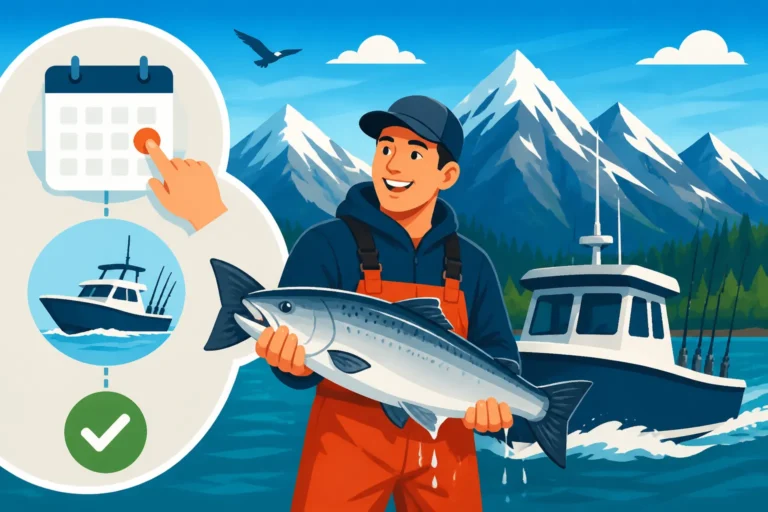
Booking your Alaska halibut charter well in advance is crucial, especially if you're traveling during the peak summer months of June, July, and August. The best charters fill up quickly, often six months to a year out. If you have specific dates or a particular charter in mind, don't delay. Platforms like FishingBooker are excellent for comparing availability and securing your spot.
Consider the Alaska Fishing Seasons: Month-by-Month Guide and the Best Time to Fish in Alaska when planning. Halibut season in Alaska typically runs from May through September. While halibut can be caught throughout this period, the peak season for larger fish and more consistent action is often mid-June through early September. Weather can be a factor, with late summer sometimes bringing more unsettled seas, though this is never a guarantee. If you're hoping to combine halibut fishing with a salmon run, coordinating the timing is essential. For example, July is a great month for both sockeye salmon and halibut in many areas.
Booking Checklist:
- Research Charters: Read reviews, compare prices, check boat features.
- Confirm Availability: Contact the charter directly or use an online booking platform.
- Understand Deposit & Cancellation Policy: Know what happens if you need to cancel or if weather forces a cancellation.
- Purchase Licenses & Stamps: Do this online well before your trip.
- Plan Travel & Accommodation: Book flights and lodging, especially for popular destinations like Homer or Seward.
- Pack Smart: Refer to your gear and clothing checklist.
What to Expect Onboard and On the Water
Stepping onto an Alaska halibut charter is an adventure in itself. Knowing what the day will entail, from the fishing techniques to the safety measures, will help you feel more comfortable and ready to reel in that big one.
The Halibut Fishing Experience
Your day will typically start early, meeting your captain and crew at the harbor before sunrise. After a safety briefing, you'll embark on a scenic ride out to the fishing grounds, which could be anywhere from an hour to several hours, depending on where the fish are biting and your departure port (e.g., departing from Homer might mean a shorter run to prime spots in Kachemak Bay, while a longer run from Seward might take you further into the Gulf of Alaska). Along the way, keep an eye out for wildlife like whales, sea otters, and puffins – it's part of the Alaska experience!
Once you reach the designated area, the captain will use sonar to locate schools of baitfish or structure where halibut tend to congregate. The anchor will be set, or the boat will drift, and the fishing will begin. Expect to spend the majority of the day actively fishing, often in waters hundreds of feet deep. It’s not unusual for a full-day charter to be on the water for 8-12 hours, depending on travel time and fish limits. The deckhand will be there to assist with baiting hooks, explaining techniques, untangling lines, and helping you land your fish.
Tackle and Techniques Employed
Halibut fishing often involves heavy-duty gear designed to withstand the deep waters and powerful pulls of these fish. You'll typically be using stout rods, conventional reels spooled with heavy braided line (think 80-130 lb test), and large lead weights (1-5 lbs, sometimes more!) to get your bait down quickly to the bottom.
The primary techniques include:
- Bottom Fishing/Still Fishing: This is the most common method. You drop your bait (often herring, cod, or salmon heads/guts) to the ocean floor and wait for a bite. Halibut are ambush predators, and they'll often "mouth" the bait first, so feeling for subtle taps before a strong pull is key. The deckhand will show you How to Set Up a Halibut Rig for Alaska with large circle hooks.
- Jigging: While less common than bait fishing, jigging with large metal jigs can also be effective, especially when halibut are actively feeding. This involves vertically working a heavy jig near the bottom, mimicking an injured baitfish.
When you get a bite, be prepared for a fight! Halibut pull hard, often making powerful runs towards the bottom. It's a test of endurance, and the deckhand will likely provide encouragement and tips on how to fight the fish effectively. Once brought to the surface, larger halibut are typically dispatched quickly and humanely by the crew using a "brain spike" or "billy club" to ensure safety on board and prevent injury to the fish or anglers.
Safety Protocols and Comforts
Safety is paramount on any Alaska fishing charter. Reputable operators adhere to strict U.S. Coast Guard regulations. Before you even leave the dock, your captain will conduct a thorough safety briefing, pointing out life jackets, emergency exits, and important procedures. Boats are equipped with essential safety gear, including VHF radios, GPS, radar, first-aid kits, and emergency flotation devices.
Most charters will have an enclosed cabin where you can get out of the elements, and many have a marine head (restroom). While these aren't luxury cruise ships, they are designed for functionality and safety in challenging marine environments. Remember to communicate any concerns you have with the crew, whether it's about seasickness, feeling cold, or needing assistance with fishing. They are there to ensure your trip is as safe and comfortable as possible. Staying hydrated and eating regular snacks also contributes to your comfort and helps ward off seasickness.
Handling Your Catch: From Deck to Dinner Table
One of the most satisfying parts of an Alaska halibut charter is knowing you're bringing home some of the freshest, most delicious seafood imaginable. But getting it from the hook to your freezer involves a few steps.
Onboard Fish Care and Filleting
Once a halibut is successfully landed and dispatched, the crew's work continues. They typically ensure the fish is bled immediately to preserve the quality of the meat. Bleeding allows the blood to drain from the flesh, resulting in whiter, firmer, and better-tasting fillets. This might involve cutting the gills or tail while the fish is still on the deck.
The deckhand will then usually fillet your fish right there on the boat, or back at the dock, depending on the charter's preference and the number of fish. They are experts at breaking down these large fish efficiently, separating the four large fillets from the carcass. Watching them work is often a show in itself! These fresh fillets are then usually rinsed and placed into bags or coolers, often on ice, to keep them fresh until you can get them to a professional processor. If you're curious about the process, you might find our guide on How to Fillet a Halibut helpful.
Processing and Shipping Your Halibut Home
Unless you plan to cook and eat all your halibut within a day or two, you'll want to have it professionally processed, vacuum-sealed, and flash-frozen for transport home. This is where local fish processors come in. Towns like Homer, Seward, and Kodiak have excellent fish processing facilities, such as Coal Point Seafood Company in Homer or J-Dock Seafood Company in Seward, which specialize in handling sport-caught fish.
Upon returning to the dock, the charter crew will often direct you to a reputable processor or even help transport your catch there. The processing service usually involves:
- Custom Cutting: You can specify how you want your fillets cut (e.g., steaks, portions).
- Vacuum Sealing: This removes air, preventing freezer burn and greatly extending the shelf life of your fish.
- Flash Freezing: Quickly freezing the fish preserves its texture and flavor.
- Packaging for Travel: Your frozen, vacuum-sealed fish will be packed into airline-approved, insulated fish boxes, often made of styrofoam and cardboard. These are designed to stay frozen for 24-48 hours, making them perfect for air travel.
This service is an additional cost, but it's well worth it to ensure your hard-earned catch makes it home in pristine condition. Don't underestimate the convenience and quality of professional processing. You can learn more about this crucial step in our Fish Processing After an Alaska Charter article.
Bag Limits and Reporting Requirements
Alaska has strict bag limits and possession limits to manage its fisheries sustainably. For charter anglers targeting halibut, these limits are often set by the IPHC and can vary by area and even change mid-season via emergency orders. Typically, in Southcentral Alaska, charter anglers are limited to one halibut per day, and there may be size restrictions such as a reverse slot limit (e.g., harvest one halibut under 40 inches or one over 80 inches, but not in between). Always confirm the most current regulations with your captain.
Furthermore, many species caught on a sport fishing trip, particularly King Salmon, must be recorded on your Alaska Harvest Record Card immediately after being harvested. While halibut usually don't require this specific recording, your captain will ensure compliance with all applicable regulations. Adhering to these rules is not just about avoiding fines; it's about being a responsible angler and contributing to the health of Alaska's incredible fisheries for future generations.
Common Questions and Planning Tips
Even with all the detailed information, a few common questions always pop up when planning an Alaska halibut charter. Let's tackle them to help you finalize your preparations.
Tipping Etiquette
This is a frequently asked question, and the answer is a resounding yes, tipping is customary and greatly appreciated on an Alaska fishing charter. Your captain and deckhand work incredibly hard, often long hours, to ensure your safety and success. They clean the boat, bait hooks, untangle lines, fillet fish, and do much more behind the scenes.
A general guideline for tipping is 15-20% of the charter cost. If you had an exceptional experience, felt the crew went above and beyond, or landed a trophy fish with their expert guidance, consider tipping towards the higher end of that scale. It's best to bring cash for tips, as it's often easiest for the crew. You can give the tip to the captain, who will then typically split it with the deckhand, or you can tip each crew member directly if you prefer. For more comprehensive advice, our guide on Tipping on an Alaska Fishing Charter provides excellent detail.
Weather Considerations and Cancellations
Alaska's weather is famously unpredictable. A beautiful, calm morning can turn into a windy, choppy, rainy afternoon. Charters generally go out rain or shine, so being prepared with proper rain gear and warm layers (as discussed earlier) is crucial. However, if conditions become genuinely unsafe due to high winds, severe storms, or extremely rough seas, a reputable captain will prioritize safety and may cancel or reschedule the trip.
Each charter company will have its own cancellation policy regarding weather. Typically, if the captain cancels the trip due to unsafe weather, you will receive a full refund or the option to rebook. If you decide to cancel due to cold or light rain, you likely won't receive a refund, especially if the boat still goes out. Always discuss the charter's weather-related cancellation policy when you book to understand your options. It's a good idea to build a "buffer day" into your travel itinerary if possible, just in case a trip needs to be rescheduled.
Combining Halibut with Other Species
Many anglers visiting Alaska want to experience as much as possible, and that often means targeting multiple species. Fortunately, many halibut charters offer "combo" trips where you can also fish for other species like salmon (King, Coho, or Sockeye depending on the season and location) or various types of rockfish (e.g., Lingcod, Yelloweye, Black Rockfish). These trips usually involve splitting the day between different fishing grounds or techniques.
For example, a common combo trip from Seward might involve starting the morning fishing for halibut in deeper waters, then moving closer to shore in the afternoon to jig for rockfish or troll for Coho salmon. Similarly, in areas like Prince William Sound or near Ketchikan, you might find charters that combine halibut with salmon or even shrimp and crab pot pulling.
Considerations for Combo Trips:
- Time: Combo trips often mean less dedicated time for any single species. If your sole focus is a trophy halibut, a dedicated halibut trip might be better.
- Regulations: Be mindful of different bag limits and regulations for each species. You might need additional stamps (like a King Salmon stamp).
- Cost: Combo trips can sometimes be slightly more expensive due to added logistics or gear changes.
- Seasonality: Ensure the species you want to target are in season during your trip. Our Alaska Salmon Run Timing Explained guide can help you plan this.
Always discuss your preferences with the charter captain when booking. They can advise you on the best combo options for your dates and maximize your chances of a diverse and exciting catch. It's often the best way to get a true taste of the incredible variety of fishing Alaska offers in one incredible day!
| Feature | Dedicated Halibut Charter | Halibut/Salmon Combo Charter |
|---|---|---|
| Primary Focus | Maximum halibut fishing time, often targeting larger fish | Split time between halibut and salmon (or other species) |
| Fishing Time | All day on halibut grounds | Typically 4-6 hours halibut, 2-4 hours salmon/rockfish |
| Gear | Heavy-duty bottom fishing gear | Heavy-duty for halibut, lighter trolling/jigging gear for salmon |
| Experience | Intense bottom fishing, potential for large halibut | Varied experience, targeting different fighting styles and species |
| Cost | Standard full-day charter rate | Potentially slightly higher due to diversified effort |
| Best For | Anglers wanting big halibut, focused effort | Anglers wanting variety, a taste of multiple Alaskan fisheries |
| License Needs | Alaska fishing license | Alaska fishing license + King Salmon stamp (if targeting Kings) |
Disclaimer
The information provided in this guide is intended for general informational purposes only and does not constitute legal or professional advice. Alaska fishing regulations, seasons, and bag limits are subject to change by the Alaska Department of Fish and Game (ADF&G) and other governing bodies. It is the responsibility of each angler to confirm the most current regulations before fishing. Always prioritize safety and consult with your chosen charter captain for the most accurate, up-to-date, and localized information regarding your specific fishing trip.