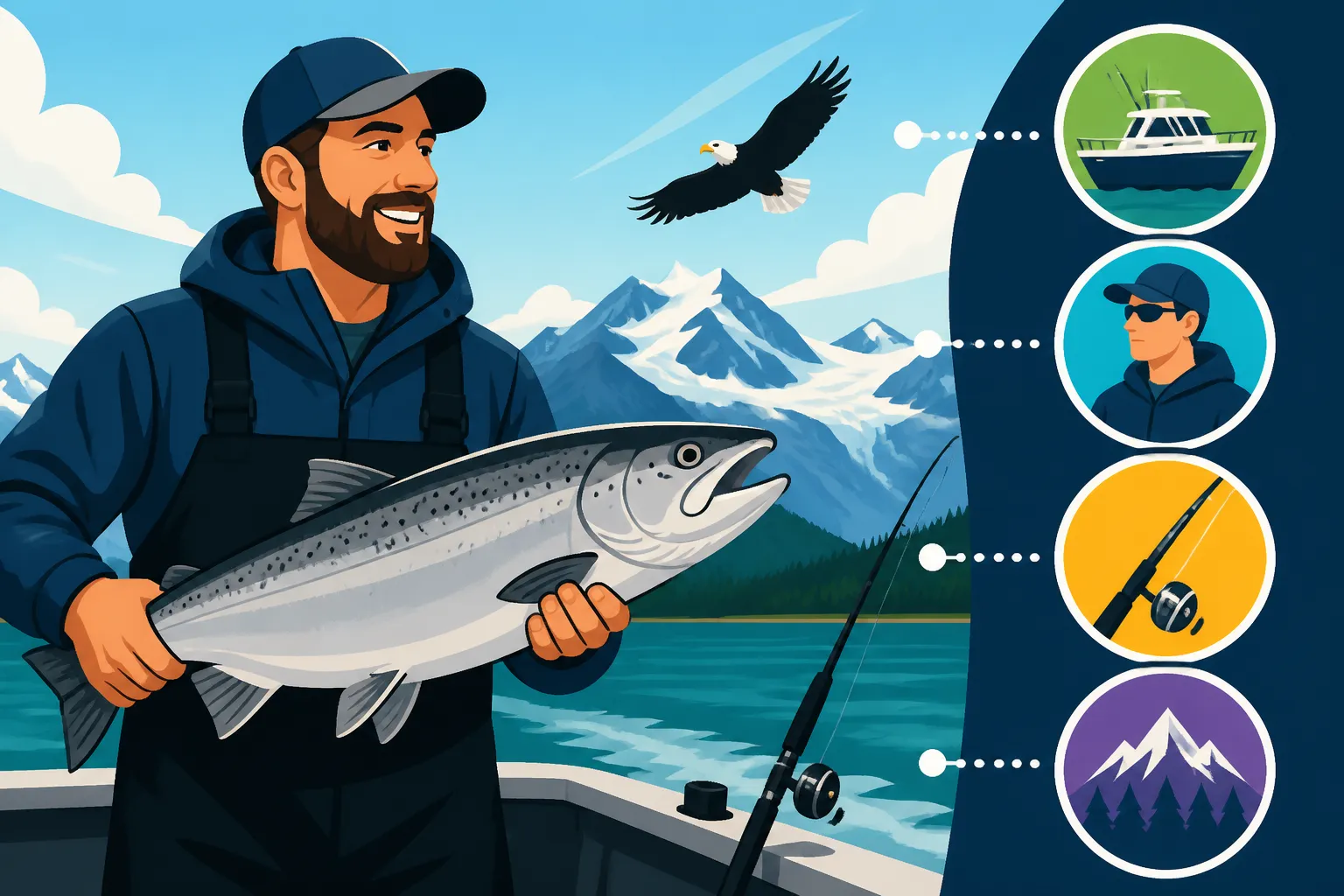
How to Choose an Alaska Fishing Charter
Planning an Alaskan fishing adventure is incredibly exciting, but let's be real, the sheer number of charter options out there can feel overwhelming. You're probably wondering how to sort through all the promises, figure out what's genuinely included, and ultimately pick a charter that delivers the trip of a lifetime without any nasty surprises. This comprehensive guide is here to walk you through every step of choosing the perfect Alaska fishing charter, ensuring your angling dreams become a reality.
Understanding the Landscape of Alaska Fishing Charters
Alaska's fishing scene is as vast and varied as the state itself. Before you can even begin to think about what kind of fish you want to catch, it’s crucial to understand the different types of charters available and where they typically operate. This foundational knowledge will help you narrow down your choices significantly.
Diverse Options: From Day Trips to Multi-Day Adventures
When you start looking, you'll quickly realize that "fishing charter" isn't a one-size-fits-all term in Alaska. There's a wide spectrum of experiences, each designed to cater to different budgets, timeframes, and fishing aspirations.
You've got your standard half-day and full-day charters, which are perfect for those who want a taste of Alaska's incredible fishing without committing to an entire expedition. A half-day trip, typically 4-5 hours, might focus on a specific species in a localized area, like targeting coho salmon near Seward or exploring Kachemak Bay for halibut out of Homer. These are great if you're on a tighter schedule, or if you're bringing along younger anglers who might not have the stamina for a full eight-hour grind. Full-day charters, usually 8-10 hours, offer a much more immersive experience. They allow for more travel time to prime fishing grounds, giving you a better chance to hit multiple spots, try different techniques, and potentially target a wider variety of fish, especially when you're after those bigger halibut that lurk in deeper waters further offshore.
Then there are the multi-day charters, which often involve staying on a larger vessel or at a remote lodge. These are true adventures, allowing you to delve deeper into Alaska's wilderness. Imagine waking up surrounded by stunning fjords, having breakfast, and then heading straight to the fishing grounds without a long commute. These trips are fantastic for serious anglers who want to maximize their time on the water, often combining different types of fishing, like saltwater halibut and salmon one day, and freshwater trout or dolly varden the next. Many of these multi-day operations are found in more remote regions, sometimes accessible only by float plane or ferry, and they provide a much more comprehensive and exclusive experience.
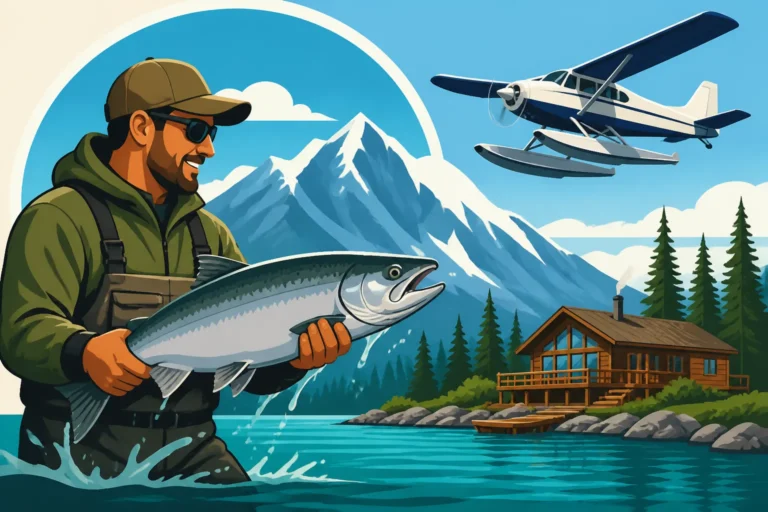
Finally, you have fly-out fishing lodges and day trips. These are in a league of their own. Picture hopping into a float plane, soaring over breathtaking landscapes, and landing on a pristine lake or river where few others venture. These can range from a single day excursion, flying out from a hub like Anchorage or Homer to a secluded stream for rainbow trout, to an all-inclusive week-long stay at a luxurious lodge in Bristol Bay, known for its incredible sockeye salmon runs. Fly-out trips are all about accessing truly wild, untouched fisheries, offering unparalleled solitude and often incredible action. They often come with a higher price tag, but for many, the unique experience of remote Alaskan fishing is worth every penny.
Key Fishing Destinations and Their Specialties
Alaska is a massive state, and different regions are renowned for different types of fishing. Understanding these specialties is key to picking a charter that aligns with your desired catch.
Let's take Homer, for instance. Perched on the southern end of the Kenai Peninsula, Homer is famously dubbed the "Halibut Fishing Capital of the World." If landing a "barn door" halibut is at the top of your list, this is where many anglers set their sights. Charters here specialize in deep-sea bottom fishing, often venturing into Kachemak Bay or even further out into Cook Inlet. While halibut might be the star, many Homer charters also offer combination trips, giving you a shot at King Salmon, silver salmon, rockfish, and lingcod as well. You can find out more about the prime spots in Homer Alaska Fishing Guide.
Just up the road, Seward offers a different flavor of saltwater adventure. Situated on Resurrection Bay, Seward is a gateway to the rich waters of Prince William Sound. Charters from Seward are well-known for their diverse catches, including strong runs of King Salmon and coho salmon, as well as excellent halibut fishing. Many charters here combine salmon trolling with halibut bottom fishing in a single day, maximizing your chances for a mixed bag. The scenery around Seward, with its glaciers and abundant wildlife, adds another layer to the experience.
For those dreaming of battling a powerful King Salmon or reeling in a cooler full of sockeye, the Kenai River is legendary. Flowing through the Kenai Peninsula, this river is a magnet for anglers during the salmon runs. Charters on the Kenai typically use drift boats or power boats, focusing on back-trolling, back-bouncing, or drift fishing techniques depending on the target species and regulations. It’s a completely different experience from saltwater charters, offering intense, close-quarters fishing. However, fishing on the Kenai can be very popular, so be prepared for crowds during peak times. If you're wondering about the timing for these incredible runs, check out our guide on Alaska Salmon Run Timing Explained.
Further south in Southeast Alaska, towns like Sitka, Juneau, and Ketchikan are renowned for their incredible salmon and halibut fisheries in a truly wild, coastal rainforest setting. Sitka, for example, is famous for its feeder King Salmon, which are kings that spend their summer bulking up in the ocean rather than actively migrating upstream, offering fantastic fishing well into the fall. Charters in these areas often involve trolling for salmon and jigging or bottom fishing for halibut and various rockfish species. The fishing here is often incredibly consistent, and the chance to see whales, bears, and eagles adds to the allure.
Knowing these regional specialties will help you start your search with a clear geographic focus, ensuring you pick a charter operating in an area that best suits your fishing desires.
Defining Your Alaska Fishing Goals
Before you even glance at a charter website, it's incredibly helpful to sit down and honestly assess what you want out of your Alaska fishing trip. Are you a hardcore angler chasing a trophy, or is it more about the family experience? Your goals will significantly influence the type of charter you should choose.
What Species Are You Targeting?
Alaska is blessed with an abundance of fish, but not every charter targets every species. Having a clear idea of what you hope to catch is paramount.
Let's talk salmon. Alaska is synonymous with salmon, and you'll find five species of Pacific salmon here: King (Chinook), Sockeye (Red), Coho (Silver), Pink (Humpy), and Chum (Dog).
- King Salmon are the undisputed heavyweights, prized for their size and fighting power. Charters specializing in Kings often operate on specific rivers like the Kenai or Kasilof during their specific runs, or troll for them in saltwater near places like Sitka, Homer, or Valdez. Their season is typically earlier in the summer, from late May through July.
- Sockeye Salmon are often sought after for their incredible table fare and sheer numbers, especially in rivers like the Kenai and Russian. These fish are challenging to catch on a rod and reel, often requiring specialized "flossing" techniques. Their runs usually peak in July.
- Coho Salmon (Silvers) are known for their acrobatic fights and aggressive takes. They typically show up later in the summer, from August into September, offering excellent action in both fresh and saltwater.
- Pink and Chum Salmon are generally smaller but offer consistent action, particularly good for younger anglers or those looking to simply bend a rod.
If halibut is your target, you're looking at a completely different type of fishing. These giant flatfish are found in the saltwater, often in deep ocean waters. Charters for halibut will typically be large, stable boats equipped with heavy-duty gear for bottom fishing or jigging. Homer, Seward, and Sitka are prime halibut destinations. It's not uncommon to spend an entire day solely dedicated to halibut, or combine it with salmon trolling if regulations and time allow. Understanding Alaska Halibut Charter Regulations Explained is also vital here.
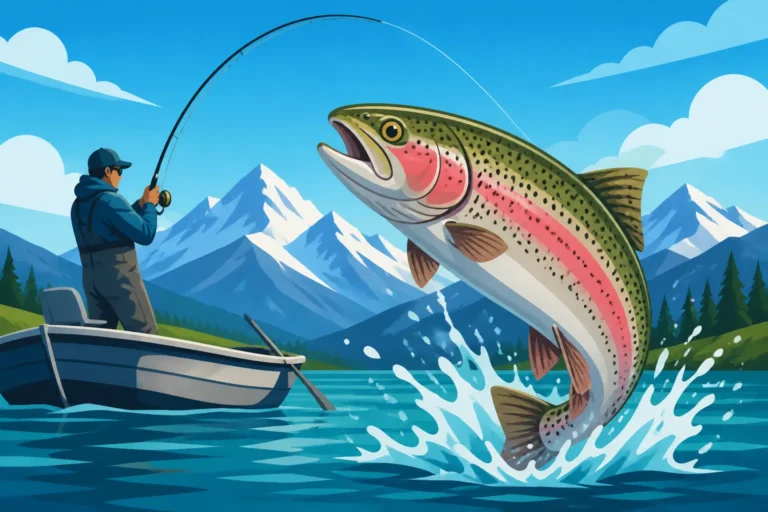
Beyond salmon and halibut, Alaska offers fantastic opportunities for rainbow trout, Dolly Varden, Arctic Grayling, steelhead, lingcod, and various rockfish species. Trout and char fishing is predominantly in freshwater rivers and lakes, often involving fly fishing or spin fishing. These trips are generally smaller, more intimate operations, sometimes fly-out to remote locations. Lingcod and rockfish are saltwater species, usually caught as part of a halibut or salmon charter, often through jigging over rocky structures.
Your target species will largely dictate the season you travel, the location you choose, and the type of charter boat and guide expertise you'll need.
Your Ideal Fishing Experience: Guided vs. Unguided, Boat vs. Shore
The "how" of your fishing experience is just as important as the "what." Alaska offers options for every style.
Guided vs. Unguided: This is a fundamental decision. Going with a guided charter means you're entrusting your trip to a professional who knows the waters, the fish, and the regulations. They provide the boat, gear, bait, and most importantly, the expertise. This is highly recommended for first-timers to Alaska or those targeting challenging species like King Salmon or large halibut. Guides increase your chances of success, ensure your safety, and handle all the logistical headaches. However, it comes at a cost. Unguided fishing, on the other hand, gives you complete freedom and is generally much cheaper. This is more suited for experienced anglers familiar with Alaskan waters and regulations, or for those targeting readily accessible species from shore. For a deeper dive into this, check out Guided vs Unguided Fishing in Alaska.
Boat vs. Shore Fishing: The majority of trophy fishing in Alaska, especially for salmon and halibut, happens from a boat. Saltwater charters take you out into the open ocean or protected bays. Freshwater charters often use river boats (drift boats or powered craft) to navigate currents and access prime salmon holding lies. However, there are fantastic opportunities for bank fishing in Alaska in many areas, particularly for sockeye salmon on the Kenai and Russian Rivers, or trout in accessible streams. This is a much more budget-friendly option and can still be incredibly productive. Just remember, shore fishing often means more walking, wading, and potentially dealing with crowds during peak runs.
Your comfort level on the water, whether you get seasick, and your desire for solitude versus camaraderie will also play a role. Some people love the social aspect of a shared charter boat, while others prefer the quiet intimacy of a drift boat with just a few friends.
Group Size and Experience Level
Thinking about who you're traveling with and their fishing prowess will help refine your charter choice.
Group Size: Are you traveling solo, as a couple, with your family, or a large group of friends? Most saltwater charters accommodate 4-6 anglers comfortably, some larger vessels up to 12. If you have a smaller group, you might join a "shared" charter where you're paired with other anglers. This is often more cost-effective. If you have a larger group or prefer privacy, a "private" charter, where you book the entire boat, is ideal. This allows for more flexibility in target species, fishing spots, and overall pace. For river fishing, drift boats typically hold 2-3 anglers plus the guide, offering a more personalized experience.
Experience Level: Alaska fishing can be intense.
- For Beginners and Families: Look for charters that explicitly welcome novices and children. They often have more patient guides, simpler fishing techniques, and might opt for calmer waters or target more cooperative species like pink or coho salmon. Many Homer and Seward charters are great for families, as are some river guides on the lower Kenai.
- For Experienced Anglers: If you're looking for a challenge, consider charters specializing in trophy Kings or exploring remote areas for specific species. Don't be afraid to ask about advanced techniques or targeting less common species. You might want to look into specific guides known for consistently putting clients on big fish, or those operating in more remote, less-pressured waters.
A clear understanding of your personal and group goals ensures you book a charter that provides the right level of adventure and comfort for everyone involved.
Essential Factors to Research When Choosing a Charter
Once you have a general idea of your destination and desired fishing experience, it's time to dig into the nitty-gritty of evaluating individual charters. This is where diligent research pays off, helping you separate the exceptional from the merely adequate.
Reputation and Reviews
In today's digital age, a charter's reputation is often laid bare online. Taking the time to sift through reviews is crucial, but it's also important to know what to look for.
Start by searching on major review platforms. Websites like Google Reviews, TripAdvisor, Yelp, and specialized fishing booking platforms such as FishingBooker are excellent resources. Look beyond just the star rating. Read the actual comments. What are people consistently praising? Is it the guide's expertise, their patience with kids, the quality of the gear, or the fish processing service? Conversely, what are the common complaints? Are there mentions of grumpy guides, broken equipment, or misleading promises?
Pay close attention to recent reviews. A charter that was great five years ago might have changed ownership, guides, or standards. Also, look for how the charter responds to reviews, both positive and negative. A charter that respectfully addresses constructive criticism shows a commitment to customer service and improvement. Don't immediately dismiss a charter for a single negative review, as individual experiences can vary wildly, but a pattern of similar complaints should raise a red flag. For instance, if multiple reviews mention the guide being uncommunicative or the boat being dirty, those are significant concerns. A good charter, like those you might find listed on FishingBooker, will often have a wealth of detailed feedback covering all aspects of the trip.
Be wary of overly generic or suspiciously effusive reviews that sound like they were written by the same person, or a flood of new 5-star reviews all appearing at once. Authenticity matters. If a charter has a strong, consistent track record over several seasons, that's a much better indicator of quality.
Licensing, Insurance, and Safety Protocols
This is non-negotiable. Fishing in Alaska's wild environments, especially offshore or on powerful rivers, carries inherent risks. You absolutely want to ensure your chosen charter operates legally and prioritizes safety.
For saltwater charters, the vessel and captain must be licensed by the U.S. Coast Guard. This ensures the boat meets specific safety standards (e.g., proper life-saving equipment, navigation tools, fire extinguishers) and the captain holds the necessary credentials and experience to operate a commercial passenger vessel. Don't hesitate to ask for proof of their Coast Guard Merchant Mariner Credential or vessel documentation number. You can often look up registered vessels online.
For freshwater river guides, they must be licensed by the State of Alaska. This typically involves passing a knowledge exam on regulations, first aid, and river safety, and maintaining proper insurance. Again, ask to see their state guide license. Reputable operators will be transparent about their credentials. You can learn more about verifying licenses in How to Verify an Alaska Charter Is Licensed.
Beyond licenses, inquire about their insurance coverage. While you hope never to need it, knowing they carry adequate liability insurance provides peace of mind.
Most importantly, ask about their safety protocols and equipment.
- What kind of communication systems do they have (VHF radio, satellite phone)?
- What emergency equipment is on board (EPIRB, life rafts, first aid kits, flares)?
- What are their procedures in case of a medical emergency or severe weather?
- Do they provide life jackets for all passengers, including children? (They should!).
- For rockfish, do they carry a descending device to help safely release fish from deep water? (This is becoming increasingly important for conservation).
A responsible charter will be happy to discuss these points, as they are a testament to their professionalism and care for their clients. Any hesitation or vagueness should be a major warning sign.
What's Included and What's Not
One of the biggest sources of frustration for anglers booking charters is discovering hidden costs or unmet expectations because they didn't clarify what was included. Get a detailed breakdown in writing if possible.
Common Inclusions:
- Boat and Guide: This is a given, of course.
- Fishing Gear: Rods, reels, tackle, and bait are almost always provided. However, ask about the quality. Are they well-maintained? Is it appropriate for the target species?
- Basic Fish Cleaning: Most charters will at least bleed and gut your fish. Some will fillet them for you right on the boat or at the dock.
- Safety Equipment: Life jackets, first aid.
Common Exclusions (and potential extra costs):
- Fishing License and King Salmon Stamp: You are almost always responsible for purchasing your own Alaska Fishing License: Complete Guide and any required stamps, like the Alaska King Salmon Stamp Requirements. These must be purchased before your trip.
- Food and Beverages: Many full-day charters will provide water, but you'll usually need to bring your own snacks and lunch.
- Rain Gear and Layers: While some may have loaners, it's best to bring your own. You can find more detail in What to Wear on an Alaska Fishing Charter.
- Fish Processing and Shipping: After basic cleaning, if you want your fish filleted, vacuum-sealed, frozen, and shipped home, this is almost always an additional service provided by local processors. These services vary widely in cost but can add a significant amount to your trip budget. For more details on this, see Fish Processing After an Alaska Charter.
- Gratuity for the Guide: Tipping is customary in the charter industry, typically 15-20% of the trip cost. Don't forget to factor this in. You can read more in Tipping on an Alaska Fishing Charter.
Don't assume anything. A clear conversation with the charter company about what's covered in the price is essential to avoid any unwelcome surprises. Many reputable charters, including those you might find through platforms like FishingBooker, will have clear statements about what is and isn't included in their pricing.
Asking the Right Questions Before You Book
Once you’ve narrowed down your choices to a few promising charters, it’s time to pick up the phone or send an email. Asking specific, targeted questions will help you distinguish between good charters and truly great ones, and ensure there are no misunderstandings once you're out on the water.
Inquiring About Gear, Techniques, and Expertise
You're putting your trust in the guide to help you catch fish, so understanding their approach and tools is vital.
Start by asking about the type and quality of fishing gear they provide. Are the rods and reels well-maintained? Do they use specific brands known for durability and performance? For example, are they using heavy-duty Penn or Shimano reels for halibut, or lighter, more sensitive setups for trout? If you have specific preferences, like wanting to use a fly rod for salmon, confirm if they accommodate that. Some charters might welcome it, while others are strictly spin or conventional gear.
Next, delve into their fishing techniques. For saltwater, will you be trolling, jigging, or bottom fishing? For river salmon, are they employing back-trolling with Kwikfish, back-bouncing bait, or drift fishing with beads? Understanding the methods gives you an idea of the style of fishing and whether it aligns with your expectations. For instance, if you're keen on the active fight of jigging for halibut, you wouldn't want a charter that solely relies on static bait soaks.
Crucially, ask about the guide's experience with your target species. How long have they been guiding in that specific area for that particular fish? A guide who has spent decades on the Kenai River chasing King Salmon will have invaluable insights that a newer guide might lack. Don't be shy about asking how they adapt to changing conditions or slower bites. A good guide will have a bag of tricks and alternative strategies.
Finally, inquire about their flexibility. If the King Salmon bite is slow, are they willing to pivot to rockfish or coho if available and within regulation? While guides are experts, unexpected conditions can arise, and a flexible approach can save a slow fishing day. This also touches on how much input anglers can have in the day's plan – some guides run a tight ship, others are more collaborative.
Understanding Logistics: Weather, Cancellations, and Fish Handling
Alaska's weather is famously unpredictable, and its fisheries are dynamic. Having a clear understanding of the logistics will prevent disappointment and ensure you're prepared for any eventuality.
First, clarify their weather policy and cancellation procedures. What happens if the weather turns foul and it's unsafe to go out (e.g., high seas for saltwater, blown-out rivers for freshwater)? Do they offer rescheduling, a full refund, or a credit for a future trip? There's nothing worse than having your dream trip canceled due to weather and losing your deposit. Always read the fine print in their booking agreement, especially regarding Alaska Charter Cancellation and Weather Policies.
Ask about their approach to slow fishing days. Fishing is fishing, and sometimes the fish just aren't biting. How does the guide handle this? Do they have alternative spots or techniques? Do they manage expectations realistically? A good guide will be honest about the challenges and work hard to make the best of any situation.
Perhaps most importantly, discuss fish handling and processing. Beyond the basic bleeding and gutting, what happens next?
- Do they have adequate coolers and ice on board to keep your catch fresh throughout the day?
- Do they offer filleting services at the dock, or can they recommend a reputable local processor?
- How does the processor handle vacuum sealing, freezing, and shipping your catch home? This is a significant logistical consideration, especially if you're flying. Many towns like Homer, Seward, and Sitka have excellent processing facilities that work closely with charters. Check out Alaska Fish Transport and Shipping Rules for detailed information.
- For specific species like King Salmon or halibut, how do they ensure proper care to maintain quality?
Knowing these details upfront will help you plan your travel and budget, avoiding last-minute scrambling or unexpected costs related to getting your prized catch home.
Permits, Regulations, and Local Knowledge
Alaska's fishing regulations are complex and can change frequently, sometimes even mid-season through emergency orders. A good guide isn't just a fisherman; they are a walking encyclopedia of the rules.
Inquire how the charter ensures compliance with all state and federal fishing regulations. This includes bag limits, size restrictions, seasonal closures, specific gear restrictions (like barbless hooks or single hooks), and catch-and-release rules. Guides should be intimately familiar with the Alaska Fishing Regulations Explained for their operating area. They should also be aware of any recent emergency orders, which can suddenly close fisheries or change limits. They should explain these rules clearly to you before and during the trip.
Ask if they provide a harvest record card (if required for species like King Salmon or halibut) and ensure you understand how to properly record your catch. This is a legal requirement for many species and failing to do so can result in fines. Our guide on the Alaska Harvest Record Card Explained offers more insight here.
Finally, gauge their local knowledge beyond just fishing. Do they know the best times to avoid crowds, the safest routes in rough weather, or spots where you might see whales or bears? This kind of deep, local insight enhances the entire experience, turning a fishing trip into a truly Alaskan adventure. A guide with years of experience in a particular area, whether it's the Kasilof River or Prince William Sound, will have an unparalleled understanding of its nuances.
By asking these detailed questions, you're not just booking a boat; you're vetting a professional who will be responsible for your safety, success, and overall enjoyment of your Alaskan fishing expedition.
Budgeting for Your Alaska Fishing Charter
Let's face it, an Alaska fishing trip is an investment, and charter costs can vary wildly. Understanding the financial landscape upfront is crucial for planning and avoiding any unpleasant surprises. It's not just the sticker price of the charter; there are many associated expenses that add up.
Typical Costs and Value for Money
Charter prices are influenced by several factors: duration, location, target species, type of boat, and whether it's a private or shared trip.
- Half-day charters (4-5 hours) typically range from $200 to $400 per person. These are generally for local fishing, targeting readily accessible species, or offering a shorter experience.
- Full-day charters (8-10 hours) are the most common and will usually cost between $350 and $700 per person. This allows for more time on the water, travel to more distant fishing grounds, and a better chance at a variety of species.
- Multi-day charters or fly-out trips can range from $800 to $2,000+ per person per day, depending on the remoteness, luxury level, and what's included (lodging, all meals, multiple guides/boats).
These prices are often based on a "per person" rate for shared charters. If you opt for a private charter, where you book the entire boat, you'll pay a flat rate for the boat, which can sometimes be more cost-effective for a group of 4-6 people than individual shared rates, or it simply guarantees you and your group dedicated attention. For a more comprehensive breakdown, see our guide on Alaska Fishing Charter Cost Explained.
When evaluating costs, consider the "value for money." A cheaper charter might mean older gear, a less experienced guide, or fewer services included. A slightly more expensive option might offer top-of-the-line equipment, a highly reputable guide, and comprehensive amenities. It's often worth paying a little extra for peace of mind, safety, and a significantly better chance of success and enjoyment. Don't be afraid to compare pricing across different providers, including those listed on platforms like FishingBooker, to get a sense of the market rate for the specific type of trip you're interested in.
Tipping Etiquette and Other Hidden Expenses
Beyond the charter fee, several other costs need to be factored into your budget to avoid financial surprises.
Tipping: It is customary and expected to tip your fishing guide in Alaska, much like other service industries. The standard rate is generally 15-20% of the total trip cost. For a full-day charter costing $500 per person, a 15% tip would be $75, and a 20% tip would be $100. If you had an exceptional experience, felt the guide went above and beyond, or they were particularly helpful with a new angler, feel free to give more. Always bring cash for tips, as it's often preferred and easier at the end of a long day on the water. For more details on this practice, refer to Tipping on an Alaska Fishing Charter.
Fishing Licenses and King Salmon Stamps: You must purchase your Alaska fishing license before you step on the boat. Non-resident licenses vary in cost depending on duration (e.g., 1-day, 3-day, 7-day, 14-day, annual). If you plan to target King Salmon, you'll also need a separate King Salmon stamp. These costs can add another $20 to $150+ per person depending on your trip length and target species. Make sure you understand the specific requirements for Do You Need a King Salmon Stamp in Alaska.
Fish Processing and Shipping: This can be a significant expense but is often crucial if you want to enjoy your catch at home. Local processors offer services ranging from filleting and vacuum-sealing to blast freezing and shipping. Costs vary based on the amount of fish and the services desired. Shipping can be expensive, especially for large coolers of frozen fish. Get an estimate from a processor beforehand if possible. For example, a 50-pound box of fish, processed and shipped, could easily run $300-$500+ depending on destination and speed.
Food, Beverages, and Personal Gear: Remember to factor in the cost of snacks, lunch, and drinks for your day on the water, unless the charter explicitly states they provide them. Also, if you need to purchase specialized rain gear, warm layers, or waders for a river trip, those are additional costs to consider.
Travel and Lodging: Don't forget the costs of airfare, rental cars, and accommodation surrounding your fishing days. Many anglers choose to stay in towns like Homer, Seward, or Soldotna (for Kenai River access) which have a range of lodging options.
By accounting for all these potential expenses, you can create a realistic budget for your Alaska fishing adventure, ensuring you're fully prepared and can enjoy every moment without financial stress.
Timing Your Alaska Fishing Charter
Timing is arguably one of the most critical factors for a successful Alaska fishing trip. The state's fisheries are highly seasonal, with different species peaking at different times. Booking your charter during the right window significantly increases your chances of hitting a hot bite.
Best Seasons for Different Species
Alaska's fishing calendar is a dynamic one, driven by the anadromous cycles of salmon and the feeding patterns of other species.
- King Salmon (Chinook): Generally, the King Salmon season kicks off in late May and runs through July. Early June often sees the first big push of kings into rivers like the Kenai and Kasilof. Saltwater King Salmon fishing (often for "feeder kings") can extend into early summer and sometimes even late fall in specific areas like Sitka. If trophy Kings are your goal, focusing on June and early July is usually best, but be aware that runs can fluctuate and emergency closures are possible. For a deep dive into this, consult our guide on When Do King Salmon Run in Alaska.
- Sockeye Salmon (Red): July is prime time for Sockeye. The Kenai River is world-famous for its sockeye runs, with the first run typically in June and the massive second run peaking mid-July. Rivers in Bristol Bay also experience incredible sockeye returns in July. These are highly sought after for their meat and the sheer volume of fish.
- Coho Salmon (Silver): Coho Salmon typically show up later in the summer, offering fantastic action from mid-August through September, and sometimes into October. They are known for their aggressive strikes and aerial acrobatics, making them a favorite among many anglers. Both saltwater and freshwater fisheries can be excellent for Coho during this period.
- Pink Salmon (Humpy) and Chum Salmon (Dog): These species tend to peak in mid-to-late July and August, particularly in even-numbered years for pink salmon. They offer consistent action and are great for kids or those looking for a high-volume catch.
- Halibut: The halibut season in Alaska runs roughly from May through September, with peak fishing often occurring from June through August. The middle of summer generally offers the most consistent weather and the highest availability of fish, particularly larger "barn door" halibut. Charters will be running throughout this window, but booking strategically based on weather patterns and specific fishing reports for locations like Homer or Seward can be beneficial. Our resource on Best Time to Catch Halibut in Alaska can offer more precise information.
- Rainbow Trout, Dolly Varden, Arctic Grayling: Freshwater trout and char fishing is excellent from late spring through fall. The post-spawn salmon season (August-September) is particularly renowned for trout, as they gorge themselves on salmon eggs. Fly-out trips for these species can be incredible during this time.
To truly optimize your timing, I highly recommend checking out our comprehensive Alaska Fishing Seasons: Month-by-Month Guide and Best Time to Fish in Alaska as essential planning tools. These resources offer detailed breakdowns of what’s biting and where throughout the year.
Booking in Advance
Given the seasonal nature of Alaska's fisheries and the high demand for quality charters, booking well in advance is not just recommended, it's essential.
Popular charters, especially those with excellent reputations or operating in prime locations during peak salmon and halibut runs, can be fully booked 6 to 12 months out. If you have specific dates in mind, particularly for a summer trip (June-August), you really need to plan ahead. This is especially true if you're traveling with a large group or targeting a specific, highly sought-after species like King Salmon.
Booking early not only secures your spot but also often gives you a wider choice of dates and guides. Waiting until the last minute might leave you with limited options, less desirable dates, or having to settle for a charter that isn't quite what you hoped for. Many charters require a deposit to hold your reservation, with the balance due closer to the trip date.
Consider booking your airfare and accommodations at the same time you book your charter, especially if you're traveling during peak season to popular destinations like Homer, Seward, or Soldotna. Lodge accommodations and even basic hotels can fill up quickly. For guidance on securing your trip, refer to How to Book an Alaska Fishing Trip and How Far in Advance to Book an Alaska Charter.
Final Considerations for a Successful Trip
You’ve done your research, asked all the right questions, and booked your dream charter. Now, let’s ensure you’re fully prepared for the actual trip itself and can make the most of your time on the water.
Packing Essentials for Your Charter
Alaska is famous for its unpredictable weather, so layering is key. Don't be fooled by sunny forecasts; conditions can change rapidly.
Here's a list of essentials to pack:
- Rain Gear: This is non-negotiable. A good quality, waterproof and windproof jacket and pants are crucial, even on sunny days, as boat spray can soak you. Look for breathable options to prevent overheating. Brands like Grundéns or Helly Hansen are popular among Alaskan guides and anglers.
- Layers: Bring thermal underwear, fleece jackets, and warm sweaters. You can always shed layers if it warms up. Even in summer, early mornings on the water can be chilly.
- Warm Hat and Gloves: Your extremities lose heat quickly. A warm beanie and waterproof gloves are game-changers.
- Waterproof Boots: Insulated, waterproof boots are ideal for keeping your feet dry and warm, especially on a wet boat deck or wading in rivers.
- Sun Protection: Yes, even in Alaska! The sun can be intense, especially on the water with reflection. Pack sunscreen, sunglasses (polarized are best for spotting fish), and a wide-brimmed hat.
- Snacks and Drinks: As discussed, most charters don't provide meals, so bring plenty of snacks, sandwiches, and water or non-alcoholic beverages.
- Camera/Phone: For capturing those incredible moments (make sure it’s waterproof or in a dry bag!).
- Small Daypack/Dry Bag: To keep your personal items safe and dry.
- Motion Sickness Medication: If you're prone to seasickness, take medication like Dramamine or Bonine before you board the boat. Don't wait until you feel sick!
- Fishing License and King Salmon Stamp: Have these readily accessible.
Remember, space on charter boats can be limited, so pack efficiently. A comprehensive guide on What to Wear on an Alaska Fishing Charter will give you even more detailed advice.
Communicating with Your Guide
Your guide is your partner for the day, and open communication is vital for a successful and enjoyable experience.
Before the Trip:
- Reconfirm: A few days before your trip, reconfirm your booking, meeting time, and location.
- Share Expectations: Briefly reiterate your primary goals for the day (e.g., "We're really hoping to catch a King Salmon," or "The kids are most excited just to catch anything!"). This helps the guide tailor the experience.
- Ask About Current Conditions: Inquire if there have been any significant changes in fishing conditions, regulations, or weather forecasts since you last spoke.
During the Trip:
- Listen to Instructions: Pay close attention to your guide's safety briefings and fishing instructions. They are there to help you catch fish and stay safe.
- Speak Up: If you're feeling seasick, need a break, or have a question, don't hesitate to tell your guide. They can often adjust the boat's course, find a calmer spot, or offer assistance.
- Be Realistic: Fishing is not always catching. Understand that guides work incredibly hard, but they can't control the fish or the weather. Appreciate the effort and the experience, even if the bite isn't red hot.
- Enjoy the Journey: Alaska is breathtaking. Take time to look around, appreciate the wildlife, and soak in the incredible scenery. A good guide will often point out interesting features or animals.
A great guide-angler relationship enhances the entire trip. By being prepared, communicative, and realistic, you set the stage for an unforgettable Alaska fishing charter experience.
Comparing Charter Options
To give you a clearer picture, here's a general comparison of common charter types you might encounter in Alaska. Remember, prices and inclusions can vary significantly.
| Feature | Half-Day River Charter (e.g., Kenai) | Full-Day Saltwater Charter (e.g., Homer/Seward) | Multi-Day Remote Lodge (e.g., Bristol Bay) |
|---|---|---|---|
| Duration | 4-5 hours | 8-10 hours | 3-7 days |
| Target Species | Sockeye, Coho, Trout | Halibut, King Salmon, Coho, Rockfish | Sockeye, King, Rainbow Trout, Char |
| Typical Cost (per person) | $200 – $400 | $350 – $700 | $800 – $2,000+ per day |
| Boat Type | Drift boat, small power boat | Larger fiberglass/aluminum boat (25-40 ft+) | Variety of boats, float planes |
| Fishing Style | Drift fishing, back-trolling, flossing | Bottom fishing, jigging, trolling | Fly fishing, spin fishing, drift fishing |
| Includes | Guide, gear, bait, basic cleaning | Guide, gear, bait, basic cleaning | Guide(s), lodging, meals, gear, processing, transfers |
| Excludes | License, stamp, food, tip, processing | License, stamp, food, tip, advanced processing | License, stamp, alcohol, specialized gear, tip |
| Experience Level | Beginner to Advanced | Beginner to Advanced | Intermediate to Advanced |
| Ideal For | Quick trip, specific river species, families | Diverse catch, full day on water, groups | Immersive wilderness, serious anglers, luxury |
This table provides a generalized overview, and you'll find variations within each category. Always confirm specifics directly with the charter operator before booking.
Disclaimer
Please remember that fishing regulations, seasons, and emergency orders in Alaska can change frequently and sometimes without much advance notice. It is your responsibility to stay informed of the most current regulations from the Alaska Department of Fish and Game (ADF&G) for your specific fishing location and target species. Always double-check with your chosen charter or guide, as they should be up-to-date on all current requirements and conditions. This guide provides general information and recommendations and should not be considered legal advice or a substitute for official regulations.