What Is a Winter King Salmon in Alaska
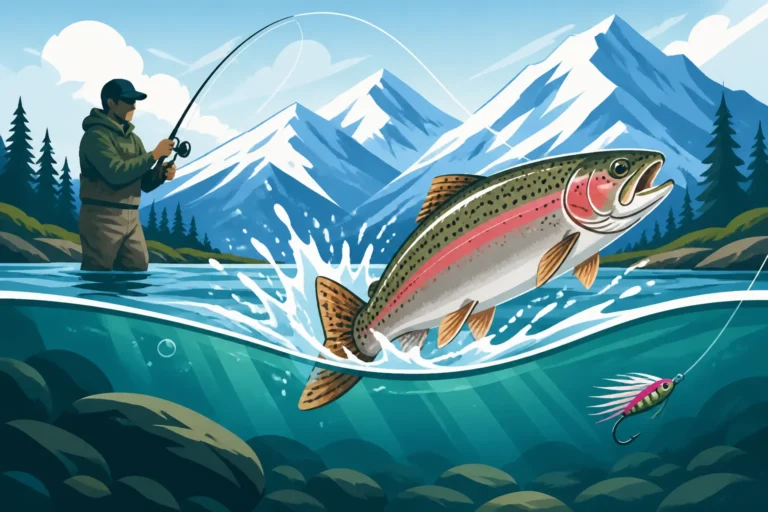
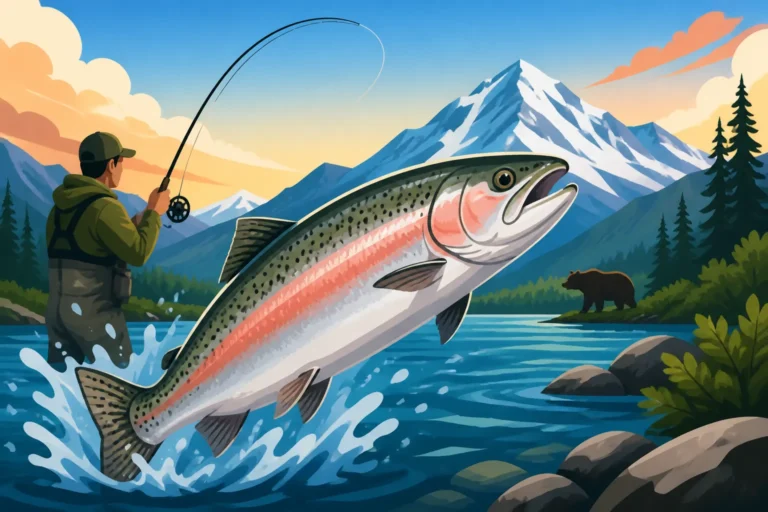
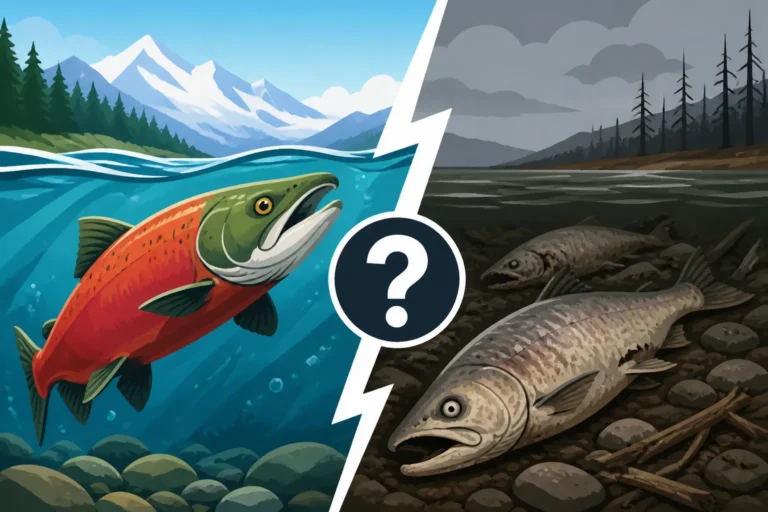
When you dream of fishing in Alaska, often your mind immediately conjures images of massive King Salmon, bursting out of rivers, their backs glistening under the summer sun, fighting their way upstream to spawn. It's a powerful picture, and it’s what many people come to Alaska for. But what if I told you there's another kind of King Salmon experience, one that takes place far from the crowded summer rivers, offering a different kind of challenge and reward? We're talking about the elusive and highly prized winter King Salmon, a true gem of Alaska's colder months, and this guide is here to shed light on what makes them so special.
Understanding the Lifecycle of Alaska King Salmon
To truly grasp what a winter King Salmon is, we first need to understand the incredible journey these magnificent fish undertake throughout their lives. It's not a simple one-way trip; there are various stages and behaviors that make them one of Alaska's most fascinating species.
The Classic Summer Run
For most anglers, the term "King Salmon" (or Chinook Salmon, if you prefer the scientific name) immediately brings to mind the bustling summer months in rivers like the Kenai, Kasilof, or Nushagak. These are the fish that have spent years out in the vast ocean, growing to immense sizes, and are now returning to their natal streams to complete their life cycle.
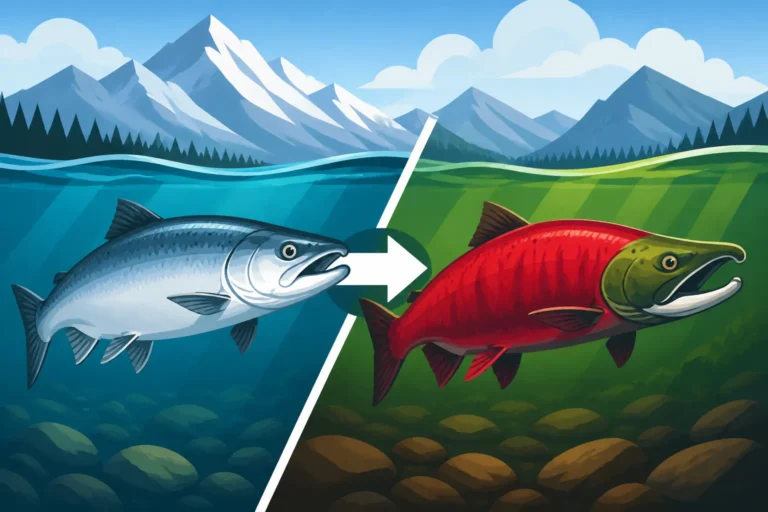
During the summer runs, typically from May through July, these mature Kings are focused on one thing: reproduction. They've stopped feeding in freshwater, and their bodies are undergoing a remarkable transformation. Their vibrant silver scales begin to dull, and males often develop a pronounced humped back and hooked jaw (kype) as they prepare for spawning. The sheer power of these fish, as they battle upstream, is legendary. Anglers line the banks and fill drift boats, eagerly anticipating the thud of a trophy King on their line. The anticipation can be palpable, especially when the Alaska King Salmon Run Timing indicates a strong season. It’s an electrifying, albeit often crowded, experience that defines Alaska fishing for many.
The Unique Behavior of Winter Kings
Here's where the story takes a different turn. Not all King Salmon that venture into Alaskan waters are on a one-way ticket to a spawning bed. A significant portion of the population, particularly in certain regions, consists of "feeder kings" – juvenile or maturing King Salmon that are actively feeding and growing in saltwater during the colder months. These are our winter kings.
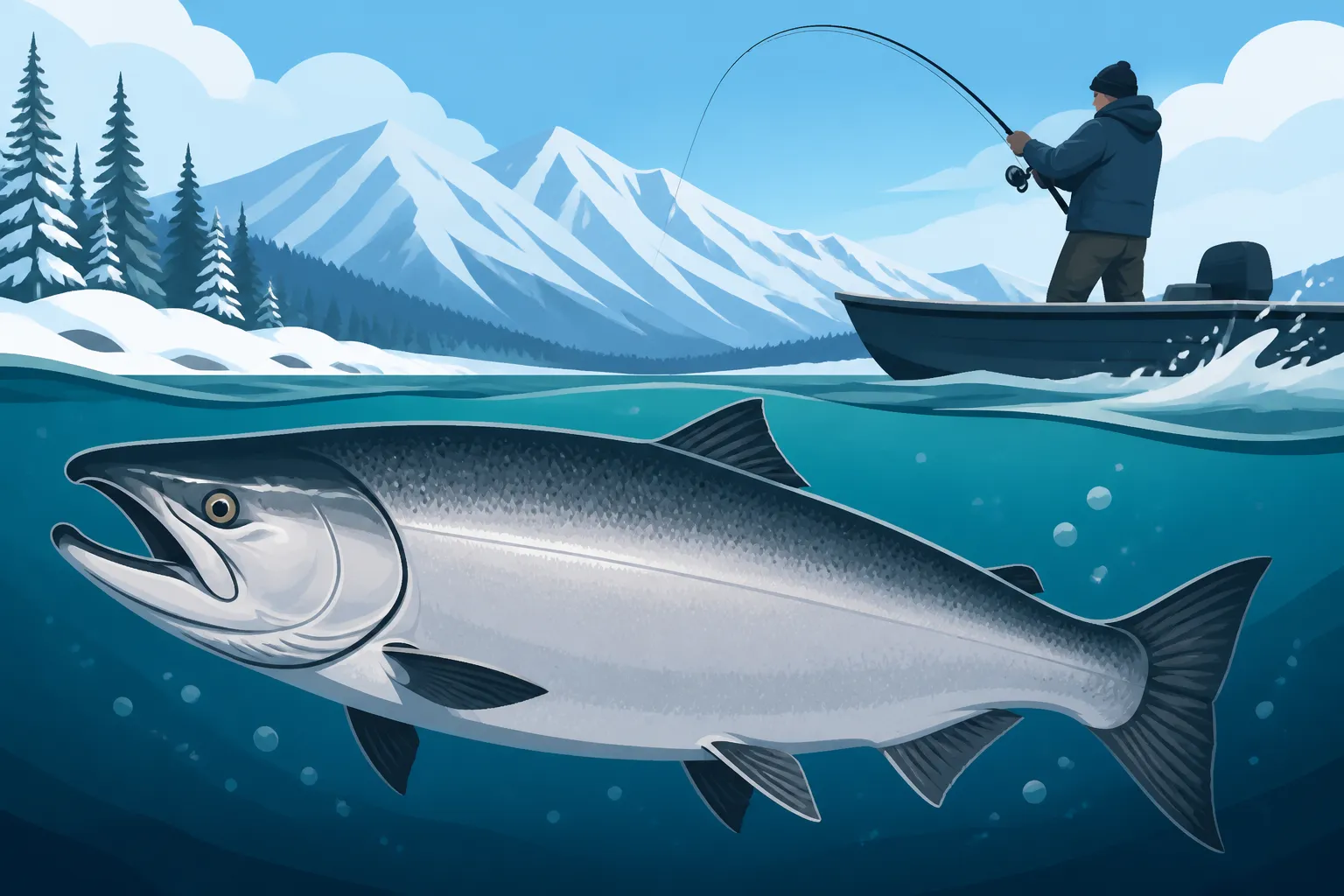
Unlike their summer-run brethren, winter kings have no immediate plans to spawn. They are purely focused on bulking up, chasing baitfish like herring, sandlance, and juvenile salmon in the rich, cold marine environments. Think of them as the ultimate opportunists, using the cooler water to their advantage while their spawning relatives are otherwise preoccupied. These fish are typically found in protected bays, inlets, and nearshore waters where food is abundant. They are often brighter, more chrome-colored, and packed with fat and oil, making them a culinary delight. Their presence completely changes the notion that Alaska fishing is solely a summer affair; in fact, winter can offer some of the most rewarding angling experiences, just in a different setting and with different tactics.
What Defines a "Winter King" Salmon?
The distinction between a winter King Salmon and a summer-run King goes beyond just the calendar. It encompasses their physiological state, their feeding habits, and ultimately, the quality of the fish itself.
Feeder Kings vs. Spawning Kings
The most crucial difference lies in their life stage and purpose. A summer-run King is a "spawning king." It's an adult fish, often 3 to 5 years old (or even older for some of the real monsters!), that has completed its ocean migration and entered freshwater, driven by the instinct to spawn. Once they enter freshwater, they cease feeding. Their energy reserves are dedicated to making the arduous journey upstream and to the development of eggs and milt. This is why, as the season progresses and they get closer to their spawning grounds, their flesh can become softer, and their vibrant color changes.
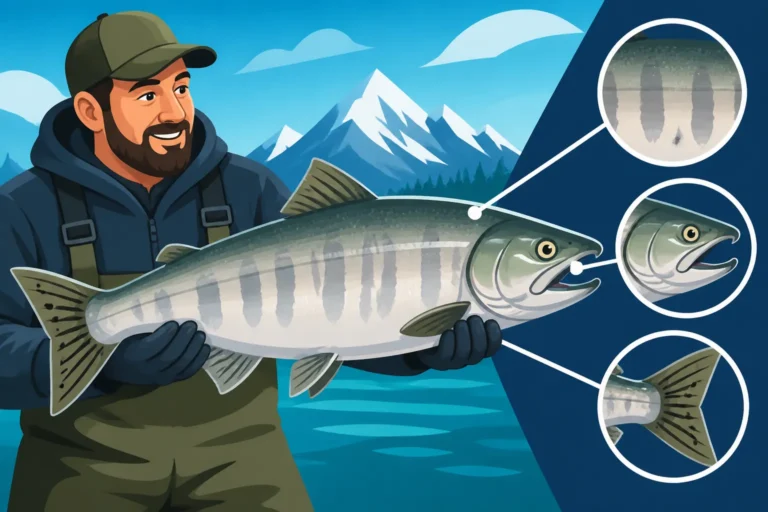
A "winter king," on the other hand, is a "feeder king." These are immature or pre-spawning adult King Salmon that are still actively feeding in the ocean. They are not yet ready to spawn, and their primary goal is growth. This means they are voraciously hunting for food, maintaining incredibly high levels of fat and omega-3 oils. Physiologically, they are at their peak for eating quality. Their scales are usually a brilliant, unblemished silver, often with a deep blue-green back, reflecting their active, ocean-going lifestyle. There's no kype developing, no fading color – just pure, prime salmon. The internal color of their flesh is typically a deep, rich orange-red, often brighter and more consistent than that of a summer-run fish that has been in freshwater for weeks.
Where and When to Find Them
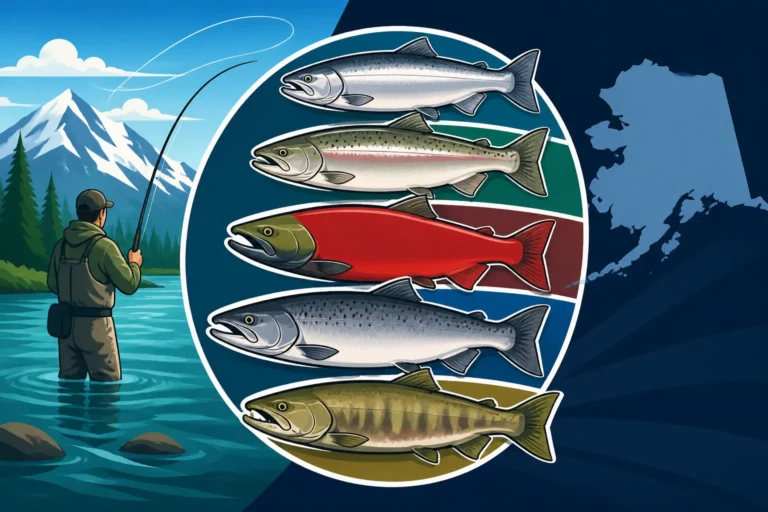
Winter King Salmon are primarily found in the saltwater environments of Southeast Alaska, Prince William Sound, and portions of Southcentral Alaska, including areas around Seward and Homer. These regions offer sheltered bays and productive waters that hold ample baitfish throughout the colder months.
The "when" for winter kings typically spans from late fall through early spring, roughly October through April. While some can be caught year-round, the term "winter king" specifically refers to those caught during these colder, darker months. During this period, their metabolism is still strong, and they are actively cruising subsurface structures, drop-offs, and bait balls.
For instance, in Southeast Alaska, communities like Sitka and Ketchikan are renowned for their winter king fisheries. You'll find local charter operations and dedicated anglers heading out, often braving cooler temperatures and shorter daylight hours, knowing the reward of a fresh winter king is worth the effort. In Southcentral, Resurrection Bay near Seward and the waters of Kachemak Bay out of Homer are also known for producing these incredible fish during the winter season. These fish generally remain in these marine feeding grounds until the late spring or early summer, when they might join the migration to their natal rivers to spawn, or continue to grow as multi-year ocean residents.
The Allure and Challenges of Fishing for Winter Kings
Fishing for winter King Salmon isn't for the faint of heart, but the rewards often far outweigh the efforts, creating a dedicated following among Alaska's angling community.
Why Anglers Seek Them Out
The primary draw of winter kings is their unparalleled eating quality. Because they are actively feeding and packed with fat, their flesh is incredibly rich, firm, and flavorful. Many connoisseurs argue that a winter King Salmon is the best-tasting salmon you can get your hands on. It's often compared to a prime cut of steak – perfectly marbled and exquisitely tender. When you bring one aboard, the vibrant orange flesh almost glows.
Beyond the plate, the fishing experience itself holds immense appeal. Winter fishing means fewer boats on the water. The serene, often mirror-calm waters of protected bays, shrouded in mist, offer a stark contrast to the summer hustle and bustle. There's a quiet solitude, a sense of being truly "out there" in the Alaskan wilderness, even if you're just a short boat ride from town. Hooking into a powerful King Salmon in this tranquil setting is an unforgettable experience. They fight hard, leveraging their dense, fat-filled bodies against your tackle. Plus, the knowledge that you're pursuing a fish that is truly in its prime, not yet weakened by the spawning journey, adds to the excitement.
Essential Gear and Techniques for Success
Success in winter King Salmon fishing largely depends on your setup and technique. These fish are often found deeper, so understanding your electronics and how to present your bait effectively is paramount.
- Heavy-Duty Rods and Reels: You'll want a stout trolling rod, typically 8-10.5 feet, paired with a reliable level-wind reel spooled with 30-50 lb test monofilament or braid. A good quality reel with a smooth drag system is crucial, especially when you hook into a large, powerful King.
- Downriggers: These are essential for getting your lures or bait down to the precise depth where the fish are holding. Winter kings often congregate near the bottom, or at specific thermoclines, which can be 50 to 200 feet deep or more. Electric downriggers are a lifesaver for quickly adjusting depth and retrieving weights.
- Lures and Bait:
- Cut Plug Herring: This is arguably the most consistent producer. Rigged correctly, a cut plug herring spins enticingly in the water, mimicking an injured baitfish. You can find pre-brined herring at local tackle shops or prepare your own.
- Spoons: Large, reflective spoons like the Silver Horde Coho Killers or similar "flasher" spoons in silver, chartreuse, or even glow-in-the-dark patterns work well, especially when paired with a flasher to create more attraction.
- Hoochies: These squid imitations, often paired with a dodger or flasher, can be very effective, especially in green, blue, or pink hues.
- Plugs: Diving plugs that mimic baitfish can also entice strikes.
For those looking to stock up on gear, sites like Amazon offer a wide selection of fishing tackle, from downriggers to specific lures and heavy-duty rain gear, ensuring you're well-equipped for the chilly Alaskan conditions. Don't forget proper cold-weather clothing – layers are key, along with waterproof outer shells, insulated boots, and warm gloves. Staying comfortable makes a huge difference in your enjoyment and ability to focus on the fishing.
Navigating Regulations and Safety
Fishing in Alaska, especially during the off-peak season, always requires a keen awareness of regulations and safety protocols. The Alaska Fishing Regulations Explained offers comprehensive details that change by region and even in-season.
- Emergency Orders: Always, always check for emergency orders before heading out. These can change daily and affect bag limits, open seasons, and even tackle restrictions for specific species or areas. The Alaska Department of Fish and Game (ADF&G) website is your best friend here.
- Licenses: Yes, you still need an Alaska Fishing License: Complete Guide, even for winter fishing. If you plan to target King Salmon, you'll also likely need a King Salmon stamp, which is often a separate purchase. Understanding Do You Need a King Salmon Stamp in Alaska is crucial before you cast a line.
- Shorter Daylight Hours: Winter in Alaska means significantly shorter daylight hours compared to the endless summer days. Plan your trips carefully, accounting for travel time to and from your fishing grounds. Bring reliable navigation tools and lights.
- Weather and Water Conditions: The weather can change rapidly and dramatically. High winds, heavy snow, and freezing temperatures are all possibilities. Always check marine forecasts and err on the side of caution. Ensure your boat is properly maintained for cold weather, with all safety gear (VHF radio, flares, EPIRB, life jackets, etc.) in good working order. Hypothermia is a real danger, so inform someone of your float plan and expected return. Even a short trip out of a harbor can quickly become dangerous if unprepared.
Comparing Winter Kings to Their Summer Counterparts
While both winter and summer King Salmon offer incredible fishing experiences, there are distinct differences that make each unique. Understanding these can help you decide which adventure calls to you.
Taste and Quality
This is where winter kings truly shine. As mentioned, because they are actively feeding and have not yet embarked on their arduous spawning migration, their flesh is incredibly rich in natural oils and fat. This translates to a superior flavor profile and a firmer texture when cooked. The vibrant, deep orange-red color of the meat is consistently excellent, making them highly sought after by chefs and home cooks alike. Imagine grilling a thick fillet of winter King Salmon, the fat rendering perfectly, creating a moist, flaky, and intensely flavorful meal. It's a culinary experience that's hard to beat.
Summer-run Kings, especially those caught further upriver or later in the season, are still delicious, but their quality can vary. As they get closer to spawning, their bodies begin to reabsorb fat for egg and milt production, which can lead to a slightly softer texture and a paler color. They are still fantastic, but the winter kings often have an edge in terms of richness and firm texture.
Fishing Experience and Effort
The fishing experience itself is vastly different. Summer salmon fishing, particularly for Kings, can be a high-energy, fast-paced affair. Rivers are often busy with boats and bank anglers, and the action can be furious when the run is on. It's an exciting, communal experience, often characterized by the thrill of the "combat fishing" style in certain popular areas.
Winter King fishing, by contrast, is a more contemplative pursuit. You'll often find yourself on quiet, glassy waters, surrounded by snow-capped mountains, with only a handful of other boats (if any). It requires patience, a good understanding of marine electronics, and precision in your trolling techniques to locate and entice these deep-dwelling fish. The effort is often higher in terms of finding the fish, but the reward of landing one in such serene conditions, knowing its exceptional quality, is profoundly satisfying. It’s less about volume and more about the quality of the catch and the tranquility of the environment.
Conservation and Management Considerations
The management of King Salmon populations is a complex and vital task for the Alaska Department of Fish and Game (ADF&G). Both summer and winter fisheries are carefully monitored. Regulations for Alaska King Salmon Fishing Regulations and Limits are often among the most stringent for any species in Alaska, reflecting their importance and sensitivity.
Winter king fisheries are typically managed with conservative bag limits, often one or two fish per day, and sometimes annual limits for non-residents, like the Alaska Nonresident King Salmon Annual Limit Explained. This cautious approach ensures that these valuable feeding fish have the opportunity to continue growing and contribute to future spawning runs. ADF&G closely tracks stock assessments and adjusts regulations through emergency orders as needed, aiming to balance fishing opportunities with long-term sustainability. This proactive management is critical for protecting the future of Alaska's iconic King Salmon.
Winter King vs. Summer Spawner Comparison
To put it all into perspective, here's a quick comparison of the key differences between these two types of King Salmon encounters:
| Feature | Winter Feeder King (Winter King) | Summer Spawning King |
|---|---|---|
| Primary Goal | Actively feeding, growing, accumulating fat reserves. | Migrating to spawn, focused on reproduction. |
| Habitat | Saltwater (protected bays, inlets, nearshore ocean). | Primarily freshwater (rivers), after ocean migration. |
| Time of Year | Late fall through early spring (October – April). | Late spring through mid-summer (May – July). |
| Flesh Quality | Exceptional; very high oil content, firm, rich, vibrant color. | Excellent, but can vary; may become softer/paler closer to spawning. |
| Appearance | Brilliant, unblemished silver, deep blue-green back; no kype. | Silver to dark, dulling color; males develop kype and hump. |
| Feeding Status | Actively feeding on baitfish (herring, sandlance). | Cease feeding upon entering freshwater. |
| Fishing Method | Primarily saltwater trolling with downriggers. | River fishing (drift, back-troll, back-bounce, casting, fly fishing). |
| Crowd Level | Low, offering solitude and tranquility. | Can be high, especially in popular rivers during peak runs. |
| Challenge | Requires precision trolling, electronics, and cold-weather prep. | Powerful fight, often requiring stamina and quick reactions. |
If you're looking for an off-season adventure that promises incredibly high-quality fish and a peaceful, scenic experience, chasing winter King Salmon might just be your next Alaskan obsession.
Disclaimer
Please remember that fishing regulations in Alaska can change frequently due to emergency orders from the Alaska Department of Fish and Game (ADF&G). Always verify the most current regulations for your specific fishing location and target species before heading out on the water. This guide is for informational purposes only and should not be considered a substitute for official regulatory documents. Your safety and adherence to regulations are your responsibility.