What Do Alaska Halibut Eat
Alaska Pacific halibut consume fish, crustaceans, and cephalopods, adapting their diet through different life stages from juveniles to massive adults.
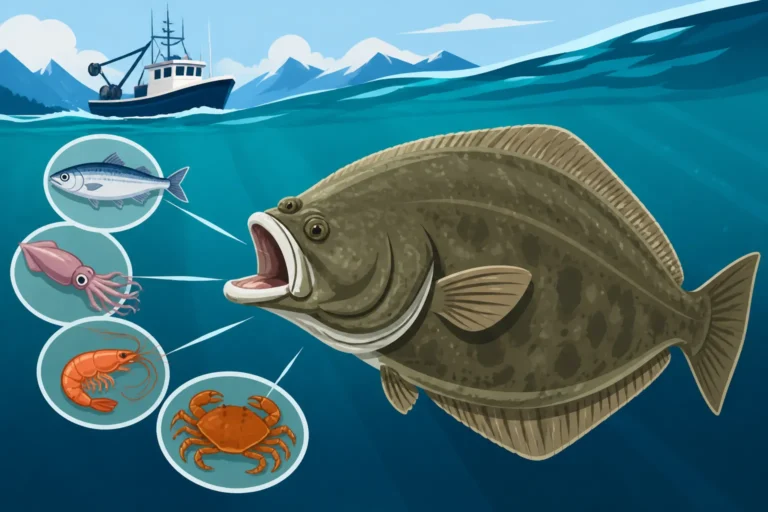
Alaska Pacific halibut consume fish, crustaceans, and cephalopods, adapting their diet through different life stages from juveniles to massive adults.
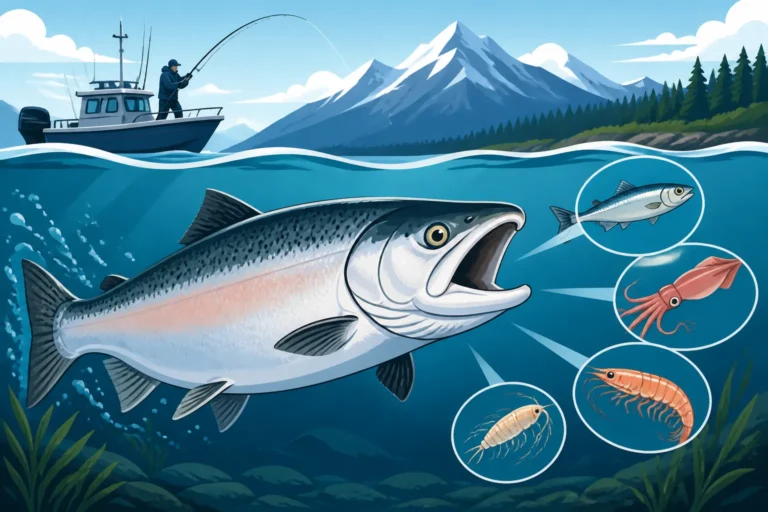
Alaska King Salmon consume zooplankton, aquatic insect larvae, herring, sandlance, capelin, juvenile pollock, and squid throughout their life cycle stages.

Alaska silver salmon typically weigh eight to twelve pounds, measuring twenty-four to thirty inches, with rare trophies reaching over twenty pounds.
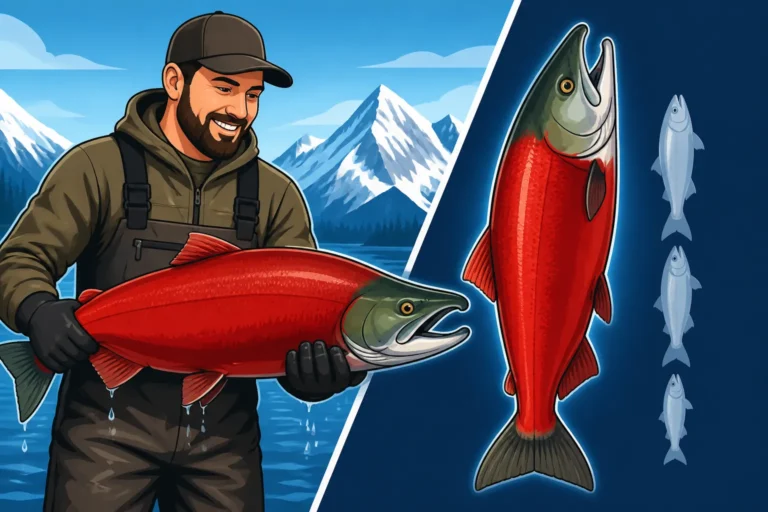
Alaska sockeye salmon typically measure 20 to 30 inches and weigh 4 to 12 pounds, offering anglers an exciting and powerful freshwater challenge.
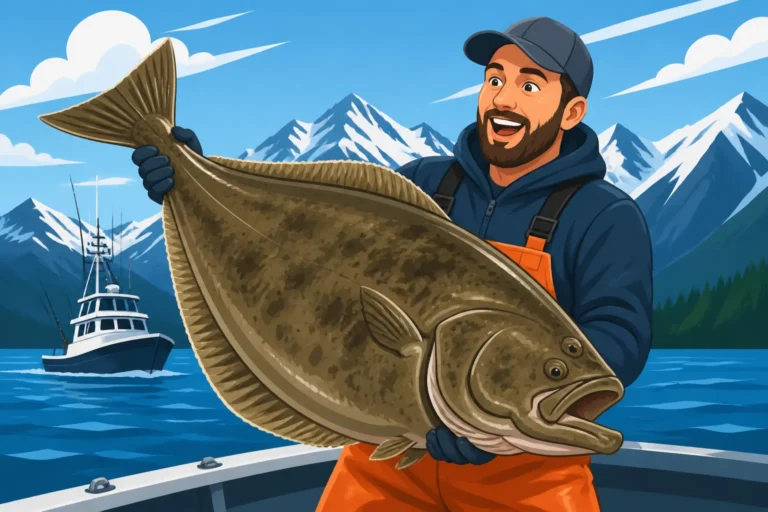
The maximum size of Alaska halibut, including average weights, trophy potential, and world record catches, reaches up to hundreds of pounds.
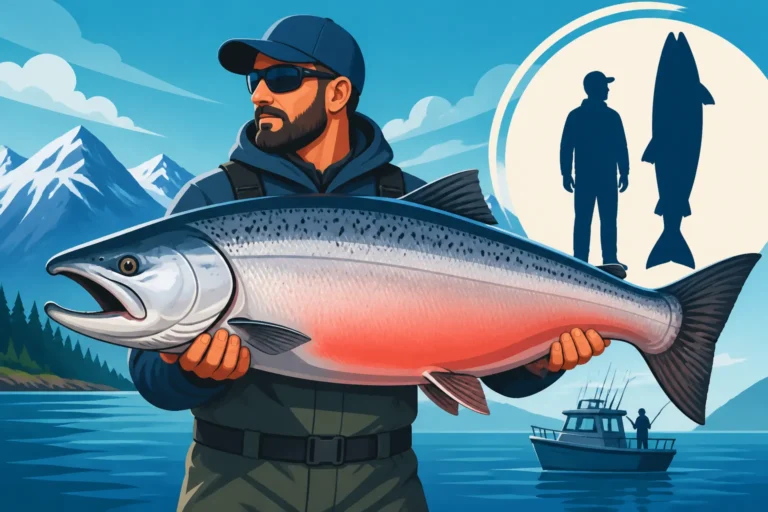
Alaska king salmon growth, trophy sizes, and regional weight variations, including the record ninety-seven pound catch from the Kenai River.

Alaska rainbow trout reach legendary sizes due to rich salmon runs and pristine waters, with a record 21-pound catch from Lake Iliamna.

Alaskan Pacific halibut sizes, the 459-pound world record, and the prime locations, gear, and techniques needed to catch massive fish.

Alaska king salmon sizes, regional differences, and the legendary ninety-seven-pound world record caught by Les Anderson on the Kenai River.
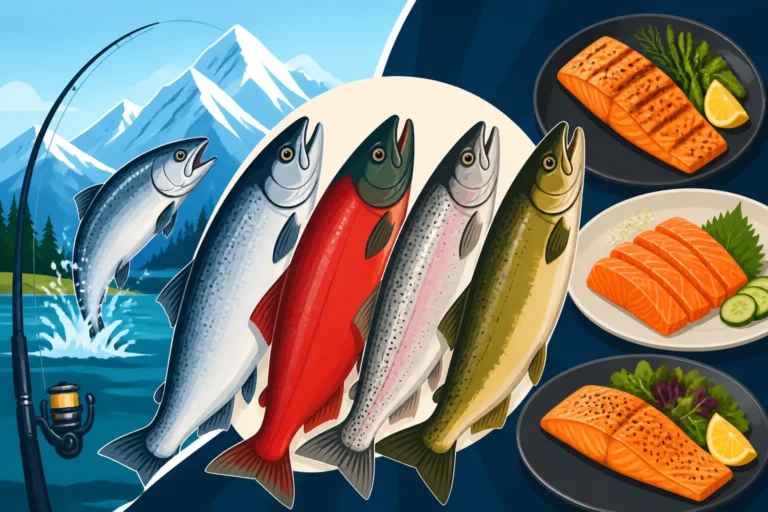
Alaska salmon varieties include King, Sockeye, Coho, Pink, and Chum, each offering distinct flavors, oil contents, and culinary uses for your kitchen.