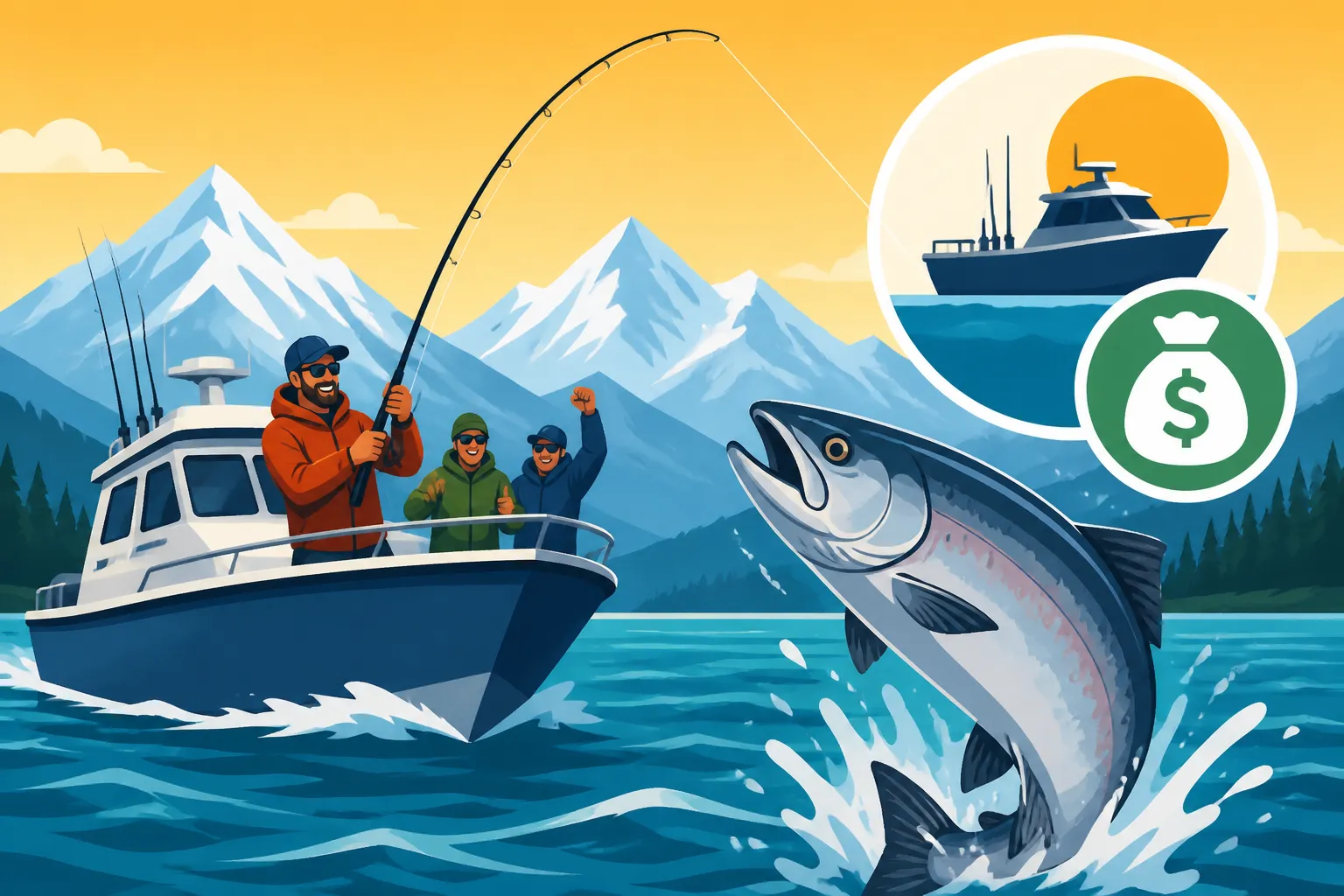
How Much Is a Fishing Charter in Anchorage, Alaska
Planning a fishing trip to Alaska, especially when you're trying to figure out the finances, can feel like you're trying to decipher ancient hieroglyphics. There's so much information out there, and nailing down the real cost of a fishing charter, particularly around a major hub like Anchorage, can be a major headache. You want to experience the legendary fishing, but you also need to know what to budget for. This comprehensive guide is here to unravel those mysteries, giving you a realistic breakdown of what you can expect to pay for an Alaska fishing charter departing from or near Anchorage, and all the little extras that add up.
Understanding the Factors That Influence Charter Costs in Anchorage
When you start looking into fishing charters from Anchorage, or rather, the accessible fishing opportunities from Anchorage as your base, you'll quickly realize that the prices aren't fixed. They fluctuate wildly depending on a number of crucial factors. It's not just about the guide; it's about the entire experience, the logistics, and even the type of fish you're targeting.
Type of Fishing Trip
The species you're chasing and the environment you're fishing in significantly impact the price tag. Alaska offers a diverse range of fishing experiences, and each comes with its own operational costs.
Saltwater vs. Freshwater Expeditions
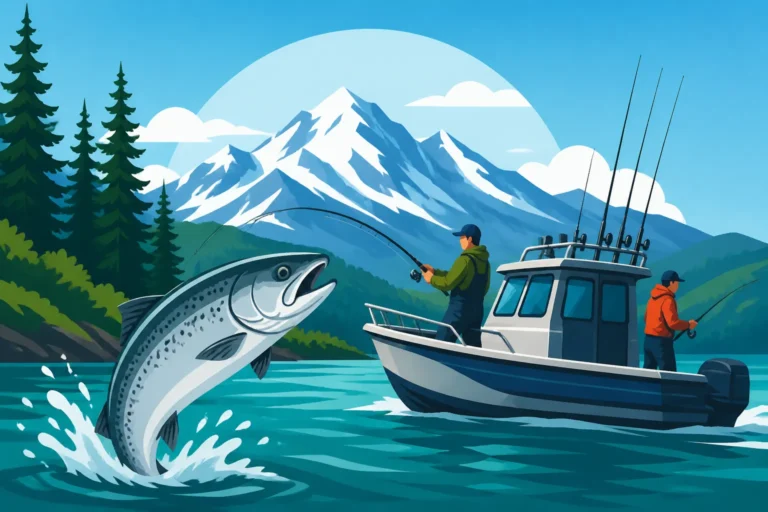
While Anchorage itself is primarily a freshwater and urban fishing destination with rivers and creeks like Ship Creek running right through it, many anglers use Anchorage as their gateway to world-class saltwater fishing. This means traveling a couple of hours south to coastal towns like Seward or Homer. These saltwater charters typically target halibut, king salmon, silver salmon, rockfish, and lingcod. They involve larger boats, specialized deep-sea gear, and often longer travel times on the water, all of which contribute to a higher price point. You're paying for the vessel, the fuel, the specialized safety equipment, and the expertise of captains who navigate ocean conditions.
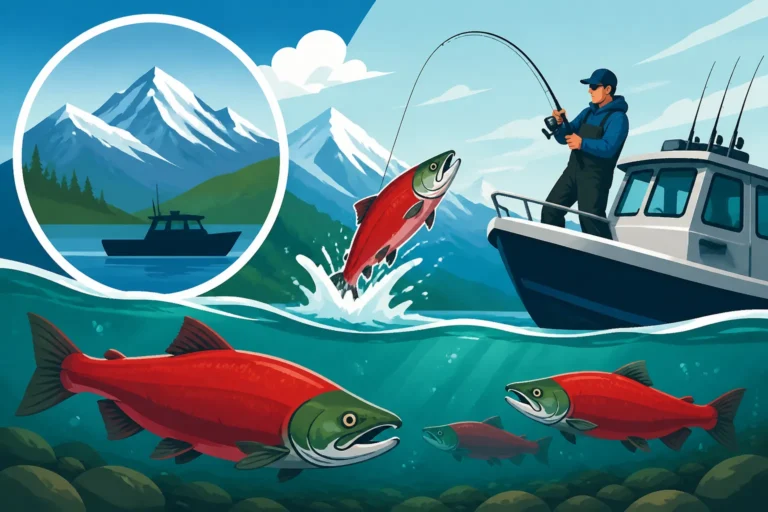
Freshwater trips, on the other hand, might involve drift boats or smaller powerboats on rivers such as the Kenai, Kasilof, or Deshka. These trips primarily target the five species of Pacific salmon (kings, sockeye, coho, pink, and chum), as well as rainbow trout and Dolly Varden. The boats are often smaller, the fuel consumption less, and the logistics somewhat simpler, which can sometimes translate to a slightly lower per-person cost, though the demand for prime river spots can still push prices up.
Target Species and Seasons
Targeting specific species also plays a role. King salmon, for example, are highly prized, and their runs are often shorter and more intense. Charters focusing on king salmon can command premium prices, especially during peak season on popular rivers like the Kenai. Halibut charters are another popular choice, often requiring full-day commitments and heavier tackle. Then there are combo trips – a day split between salmon and halibut, or perhaps salmon and rockfish – which are essentially two trips rolled into one, and priced accordingly. The time of year also dictates availability and price; fishing during the peak of the Alaska Salmon Run Timing Explained will generally be more expensive due to demand.
Duration of the Trip
Just like any guided service, the longer you're out on the water, the more you'll pay. Charters are typically offered in half-day, full-day, and sometimes multi-day formats.
Half-Day Charters
A half-day trip usually lasts about 4-6 hours. These are a great option if you're on a tighter budget, have limited time, or if you're introducing kids or beginners to fishing and want to avoid exhaustion. For example, a half-day trip out of Whittier targeting salmon or rockfish might be considerably less than a full-day halibut trip. However, be aware that a shorter trip means less fishing time, especially considering travel to and from the fishing grounds. You might get a taste, but not the full immersion.
Full-Day Charters
Most anglers opting for a serious Alaska fishing experience choose full-day charters, which typically run 8-12 hours. This duration allows ample time to reach prime fishing grounds, try different techniques, and maximize your chances of success. Halibut charters, especially those venturing further offshore from Homer or Seward, are almost exclusively full-day trips due to the travel required. Naturally, these command a higher price point due to increased fuel costs, guide wages, and boat operational hours.
Multi-Day Packages
For the ultimate Alaskan adventure, some outfits offer multi-day packages. These often combine lodging, multiple days of guided fishing (perhaps targeting different species each day), and sometimes even fish processing services. While the upfront cost is significantly higher, these packages can sometimes offer a slight per-day discount compared to booking individual full-day trips, and they certainly simplify the logistics of your trip. They're an excellent option for dedicated anglers who want a comprehensive experience without the hassle of planning every detail.
Inclusions and Exclusions
What's included in the sticker price can vary wildly from one outfitter to another, and this is where many people get surprised by hidden costs. Always, always, confirm what's covered before you book.
Gear, Bait, and Tackle
Most reputable fishing charters will include all necessary fishing gear – rods, reels, lines, and an initial supply of bait and tackle. This is a huge convenience, as traveling with your own specialized fishing equipment can be cumbersome and expensive. However, if you lose a lot of tackle (e.g., sinkers, lures), some guides might charge a small fee for replacements, especially on saltwater trips where heavy weights are common. Always clarify this. High-quality gear isn't cheap, so having it provided is a real value.
Fishing Licenses and King Salmon Stamps
Here's a big one: your Alaska Fishing License: Complete Guide is almost never included in the charter price. You are responsible for purchasing your own license before stepping onto the boat. If you plan to target king salmon, you'll also need to purchase an Alaska King Salmon Stamp Requirements. These are mandatory and fines for not having them can be hefty. You can typically purchase these online from the Alaska Department of Fish and Game (ADF&G) website, or from local vendors in fishing towns. Be sure to check the specific regulations, as costs vary for residents and non-residents, and by duration (1-day, 3-day, 7-day, etc.). You can find more details in our guide on How Much Is an Alaska Fishing License for Non-Residents.
Fish Processing and Shipping
Catching fish is only half the battle; getting it home is the other. Many charters will offer basic fish filleting services at the end of the trip, but advanced processing (like vacuum sealing, freezing, and boxing) and shipping your catch back home are almost always additional costs. These services are often handled by local fish processors in towns like Seward, Homer, or Valdez. The cost can vary based on the amount of fish and the shipping destination, so factor this into your overall budget. We have a detailed guide on Fish Processing After an Alaska Charter that can help you plan for this.
Food, Drinks, and Rain Gear
While some high-end charters or lodges might provide snacks, drinks, or even a packed lunch, most standard charters expect you to bring your own provisions. The same goes for rain gear and appropriate layers. Alaska weather is famously unpredictable, and you'll want to be prepared for anything. Some charters might have a limited supply of spare rain jackets, but it's best to bring your own reliable set of waterproof clothing. Check out our advice on What to Expect on an Alaska Fishing Charter for a comprehensive packing list.
Time of Year and Demand
The law of supply and demand definitely applies to Alaska fishing charters. When the fishing is hot, prices tend to be higher.
Peak Season Premiums
Alaska's peak fishing season typically runs from mid-June through August, coinciding with the strong salmon runs and the best weather for halibut fishing. During these months, guides are in high demand, and their calendars fill up quickly. Booking during this time means you'll likely pay the highest rates. The Kenai Peninsula, with its legendary Kenai River Fishing: Complete Guide, sees immense pressure during the sockeye and king salmon runs, driving charter prices up.
Shoulder Season Deals
If you're looking to save a bit of money and don't mind potentially cooler weather or targeting different species, consider fishing during the shoulder seasons – late May/early June or early September. While the runs might not be as intense, you can still find excellent fishing opportunities, and charters might offer slightly reduced rates or more flexibility. For instance, early season king salmon can be fantastic, and late-season silver salmon fishing in September often sees fewer crowds and competitive pricing.
Average Costs for Popular Anchorage Fishing Charters
While Anchorage is a significant entry point for travelers, most of the "charter fishing" you hear about (especially saltwater) actually happens in communities within a few hours' drive. Think of Anchorage as your base camp, with expeditions launching from surrounding ports.
Saltwater Halibut and Salmon Charters
These are the quintessential Alaska fishing experiences for many visitors. Since Anchorage is inland, you'll need to travel to coastal towns for these trips.
Homer and Seward Departures
Homer, often called the "Halibut Fishing Capital of the World," and Seward, gateway to the stunning Resurrection Bay and outer waters, are the two most popular hubs for saltwater charters accessible from Anchorage. You can drive to either in about 2.5 to 4 hours.
- Half-Day Trips: A half-day charter for salmon or rockfish out of Whittier (a closer port, about an hour's drive from Anchorage through the Anton Anderson Memorial Tunnel) or Seward might cost anywhere from $175 to $300 per person. These are usually shorter, focused trips.
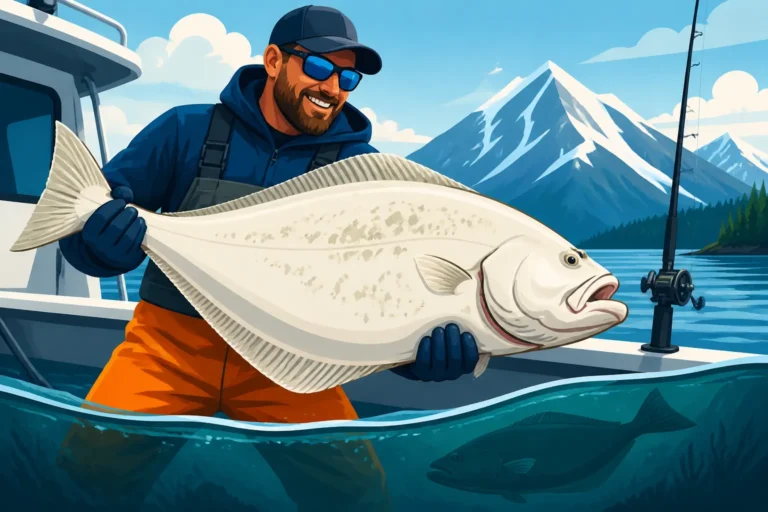
- Full-Day Halibut or Combo Trips: Expect to pay $300 to $500+ per person for a full-day halibut or a salmon/halibut combo trip from Seward or Homer. These trips are long, intense, and often yield impressive catches. Prices can climb even higher for smaller, more personalized private charters compared to larger party boats. Many anglers dream of catching giant halibut, often called "barn doors," and these trips are your best bet. Homer, in particular, has a reputation for great Homer Alaska Fishing Guide experiences, including many reputable charter operations. Similarly, Seward offers fantastic opportunities, as detailed in our Seward Alaska Fishing Guide.
Freshwater Salmon and Trout Charters
For river fishing, you don't have to venture as far. The world-famous Kenai Peninsula is within a 2-3 hour drive south of Anchorage, offering abundant river fishing opportunities.
Kenai and Kasilof River Expeditions
These rivers are synonymous with Alaska salmon fishing. The Kenai River is legendary for its king salmon and sockeye runs, while the Kasilof is known for its more relaxed pace and hatchery king salmon.
- Half-Day River Trips: A half-day guided salmon or trout trip on a river like the upper Kenai (near Cooper Landing) or the Kasilof might run from $225 to $350 per person. These trips are typically drift boat or small powerboat excursions.
- Full-Day River Trips: For a full-day guided trip on the Kenai or Kasilof targeting salmon or rainbow trout, expect to pay $350 to $600+ per person. Prices vary based on the guide's reputation, the time of year (king salmon trips are often at the higher end), and whether it's a private or shared charter. During peak sockeye season, the Kenai River can be quite busy, but the rewards are often worth it.
Local Anchorage Area Fishing
For fishing directly in or very close to Anchorage, options exist, though they are generally for smaller fish or specific urban fisheries. Ship Creek, for instance, runs right through downtown Anchorage and offers a unique urban king and silver salmon fishery during certain times of the summer. While formal "charters" here are less common, local guides might offer walk-in or short, bank-fishing trips. These are usually much more affordable, perhaps in the $100-$250 range for a few hours, but the experience is very different from a full-blown river or ocean charter. For those wondering about options closer to the city, check out Best Fishing Spots Near Anchorage.
Fly-Out Fishing Trips
If budget isn't your primary concern and you want an unparalleled wilderness experience, a fly-out fishing trip is the pinnacle. Many of these trips depart from small airfields near Anchorage.
- Day Trips: A single-day fly-out trip to remote lakes or rivers in places like Lake Clark National Park or Katmai National Park, targeting trophy rainbow trout, Arctic grayling, or salmon, can cost anywhere from $800 to $1,500+ per person. This includes the scenic flight, often in a floatplane or bush plane, and a full day of guided fishing. These trips are about the journey as much as the destination, offering incredible wildlife viewing and access to untouched waters.
- Multi-Day Lodge Packages: For an all-inclusive, multi-day experience at a remote lodge accessible by floatplane from Anchorage, expect to pay $4,000 to $10,000+ per person for 3-7 days. These luxury experiences often include flights, gourmet meals, top-tier guiding, and comfortable accommodations in stunning wilderness settings. They are truly once-in-a-lifetime adventures for serious anglers.
Here’s a quick overview of estimated charter costs from or near Anchorage:
| Charter Type (Departure Point) | Duration | Estimated Cost Per Person (USD) | Common Inclusions | Typical Exclusions |
|---|---|---|---|---|
| Saltwater (Seward, Homer, Whittier) | Half-Day | $175 – $300 | Boat, fuel, gear, tackle, guide | License, stamp, tips, fish processing, food |
| Saltwater (Seward, Homer) | Full-Day | $300 – $500+ | Boat, fuel, gear, tackle, guide | License, stamp, tips, fish processing, food |
| Freshwater River (Kenai, Kasilof) | Half-Day | $225 – $350 | Drift boat/powerboat, gear, tackle, guide | License, stamp, tips, fish processing, food |
| Freshwater River (Kenai, Kasilof) | Full-Day | $350 – $600+ | Drift boat/powerboat, gear, tackle, guide | License, stamp, tips, fish processing, food |
| Urban Freshwater (Ship Creek – walk-in guide) | 2-4 Hours | $100 – $250 | Basic gear, guide | License, stamp, tips, processing, food |
| Fly-Out Day Trip (near Anchorage) | Full-Day | $800 – $1,500+ | Floatplane flight, gear, guide, remote access | License, stamp, tips, extensive processing, food |
| Fly-Out Lodge Package (from Anchorage) | Multi-Day | $4,000 – $10,000+ | Flights, lodging, meals, guide, gear, processing | License, stamp, high-end alcohol, personal items |
Note: These are estimated ranges. Actual prices can vary based on operator, season, demand, and specific inclusions. Always confirm directly with the charter company.
Budgeting for Your Alaska Fishing Adventure Beyond the Charter Fee
Many first-time visitors focus solely on the charter price, but an Alaskan fishing trip involves several other significant costs that you absolutely need to factor into your budget. Overlooking these can lead to unpleasant surprises.
Essential Additional Costs
Beyond the cost of the boat and guide, there are mandatory and highly recommended expenses that will add to your total.
Licenses and Stamps
As mentioned, your Alaska Fishing License: Complete Guide and any necessary King Salmon Stamps are your responsibility. For non-residents, an annual sport fishing license can cost around $145, while a 7-day license might be about $70. A King Salmon Stamp adds another $15 for a day or $30 for an annual stamp for non-residents. These fees go directly to supporting Alaska's incredible fisheries management, so consider it an investment in the resource you're enjoying. Always buy these before your trip to avoid delays or, worse, fines.
Tipping Your Crew
It's customary and expected to tip your fishing guide and any deckhands in Alaska. These professionals work incredibly hard, often in challenging conditions, to ensure you have a successful and enjoyable trip. A general guideline is to tip 15-20% of the charter price. If you had an exceptional experience, felt the guide went above and beyond, or they worked tirelessly to put you on fish, consider tipping at the higher end. For a $400 full-day trip, a $60-$80 tip per person would be appropriate. Our guide on Tipping on an Alaska Fishing Charter dives deeper into this important aspect of your trip.
Fish Processing and Shipping
Bringing your catch home is a major part of the Alaska experience! After your fish is filleted, you'll want it professionally vacuum-sealed and flash-frozen. Expect to pay anywhere from $2.50 to $4.00 per pound for processing. Shipping costs are additional and can vary dramatically based on weight and your home address. Many anglers find shipping to be a substantial cost, sometimes hundreds of dollars, but it ensures your prized Alaskan salmon or halibut arrives in perfect condition. Companies like Alaska Fish Express or 1st Class Fish Processing in Homer are well-regarded options. Make sure to budget for this if you plan on taking your catch home.
Lodging and Transportation
Anchorage, being the largest city in Alaska, offers a wide range of lodging options from budget hotels to upscale accommodations, typically ranging from $150 to $400+ per night depending on the season and amenities. If you're driving to Seward, Homer, or the Kenai Peninsula, you'll also need to budget for rental car costs (which can be steep in Alaska, especially during summer), gas, and potentially lodging in those towns if you stay overnight before or after your charter. The scenic drives, while beautiful, do consume significant time and fuel.
Food and Supplies
Don't forget your daily expenses. Groceries, restaurant meals (which can be pricier in Alaska), and any personal supplies (sunscreen, bug spray, extra snacks for the boat) will add up. A typical meal out might run $20-$50 per person.
How to Save Money
While Alaska fishing isn't typically a "budget" vacation, there are ways to make your dollars stretch further.
Group Travel and Shared Charters
The most effective way to reduce per-person costs is to travel with a group and book a shared charter. Charters often have a set boat rate, and that cost is then divided among the anglers. If a boat holds six people, booking with a full group of six will get you the best price per person. If you're a solo angler or a small party, most charter operators will try to group you with others, but this isn't always guaranteed, especially during shoulder seasons.
Off-Peak Season or Species
Consider booking your trip in late May, early June, or September. While specific runs might be winding down or just starting, you can still find excellent fishing for various species, often at reduced rates and with fewer crowds. Targeting less sought-after species, like pink or chum salmon, can also sometimes be more affordable than chasing kings. Looking at the Best Time to Fish in Alaska can help you strategize your visit.
DIY Components
If you're comfortable with some planning, blending guided trips with "do-it-yourself" fishing can save money. Spend a day or two with a guide for specific targets (like halibut or kings), then explore some roadside fishing spots or easier-access streams around the Best Fishing Spots on the Road System in Alaska for trout or pink salmon on your own. Just remember to always check local regulations for any DIY fishing.
Making the Most of Your Anchorage Fishing Charter Investment
You're spending your hard-earned money on an unforgettable experience, so you want to ensure you get the absolute most out of it. A little preparation goes a long way.
Researching and Booking Your Charter
Don't just pick the first charter you see. Do your homework!
Reading Reviews and Comparing Operators
Look for reputable charter companies with consistent positive reviews. Sites like FishingBooker are excellent resources for comparing operators, reading genuine reviews from past clients, and seeing what different packages are offered. Pay attention to what people say about the guide's professionalism, the quality of the gear, safety measures, and their success rates. A good guide isn't just about catching fish; it's about providing a safe, enjoyable, and educational experience. Look for guides who are knowledgeable about Alaska Fishing Regulations Explained and committed to sustainable practices.
Asking the Right Questions
Before booking, don't hesitate to ask detailed questions:
- What species are we realistically targeting at that time of year?
- What's included in the price? (Be specific: gear, bait, drinks, lunch?)
- What should I bring?
- What's your cancellation policy, especially for weather?
- How do you handle fish at the end of the trip? Do you recommend a processor?
- What are the group sizes typically like?
- Are there any hidden fees or additional costs I should be aware of?
These questions will help avoid any surprises and ensure you're on the same page as your guide. Our guide on How to Choose an Alaska Fishing Charter provides even more great questions to ask.
Preparing for Your Trip
Once booked, get ready to make memories!
Dress in Layers
Alaska weather is notoriously fickle. Even on a sunny summer day, it can turn cold and rainy in an instant. The golden rule for dressing in Alaska is layers. Start with a moisture-wicking base layer, add a warm fleece or wool mid-layer, and top it off with waterproof and windproof outer layers (jacket and pants). Insulated waterproof boots are also highly recommended. You can always shed layers if you get warm, but you can't conjure up extra warmth if you're freezing.
Pack Smart
Bring a small waterproof bag with essentials: your fishing license and King Salmon Stamp (digital copy on your phone is usually fine, but a printout is safer), sunglasses (polarized are best for spotting fish), sunscreen, insect repellent (especially for freshwater trips), a camera, any medications you need, and plenty of snacks and drinks. Don't forget a hat! Some charters provide snacks and drinks, but it's always good to have your own favorites.
Manage Expectations
While Alaska offers world-class fishing, it's still fishing, not catching guaranteed. Weather can be challenging, fish runs can be unpredictable, and even the best guides can have tough days. Go with an open mind, enjoy the stunning scenery, the wildlife, and the camaraderie. The experience of being in Alaska, surrounded by its raw beauty, is often as memorable as the fish you catch. You can check Best Time to Fish in Alaska to maximize your chances, but Mother Nature always has the final say!
Disclaimer
The information provided in this guide is for general informational purposes only and is subject to change. Fishing regulations, license costs, charter prices, and availability can vary significantly. Always consult the official Alaska Department of Fish and Game (ADF&G) website for the most current regulations and licensing requirements. It is highly recommended to contact specific charter operators directly to confirm pricing, inclusions, and policies before booking your trip.