Best Weather for Salmon Fishing in Alaska
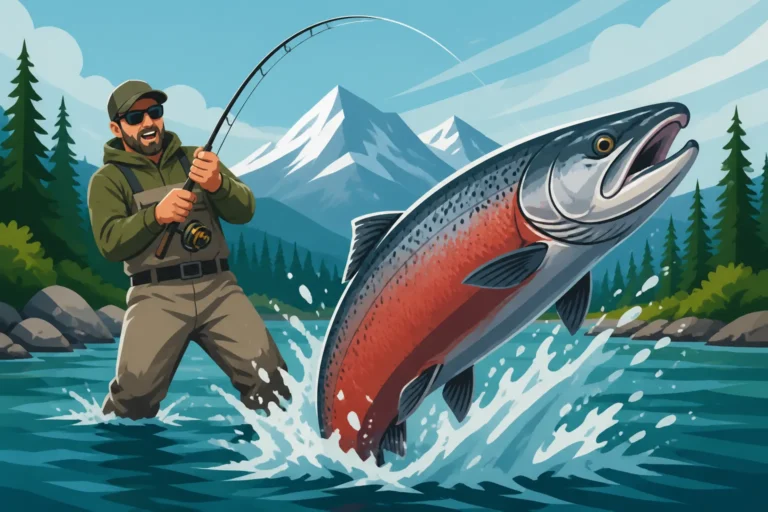
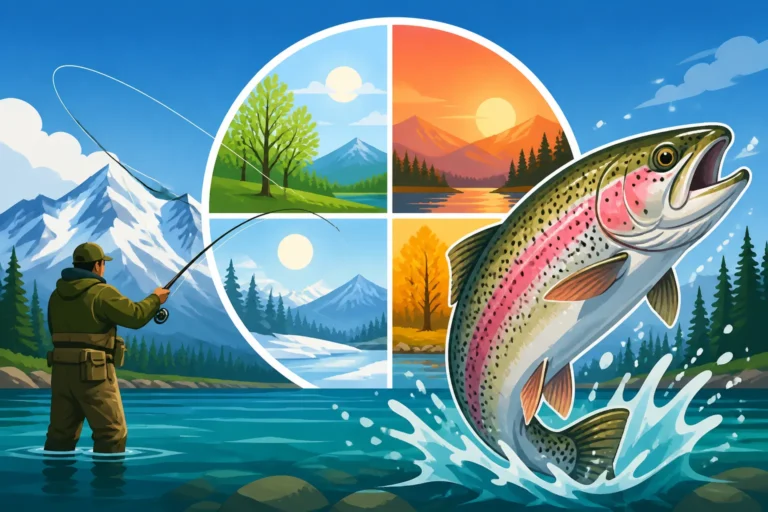
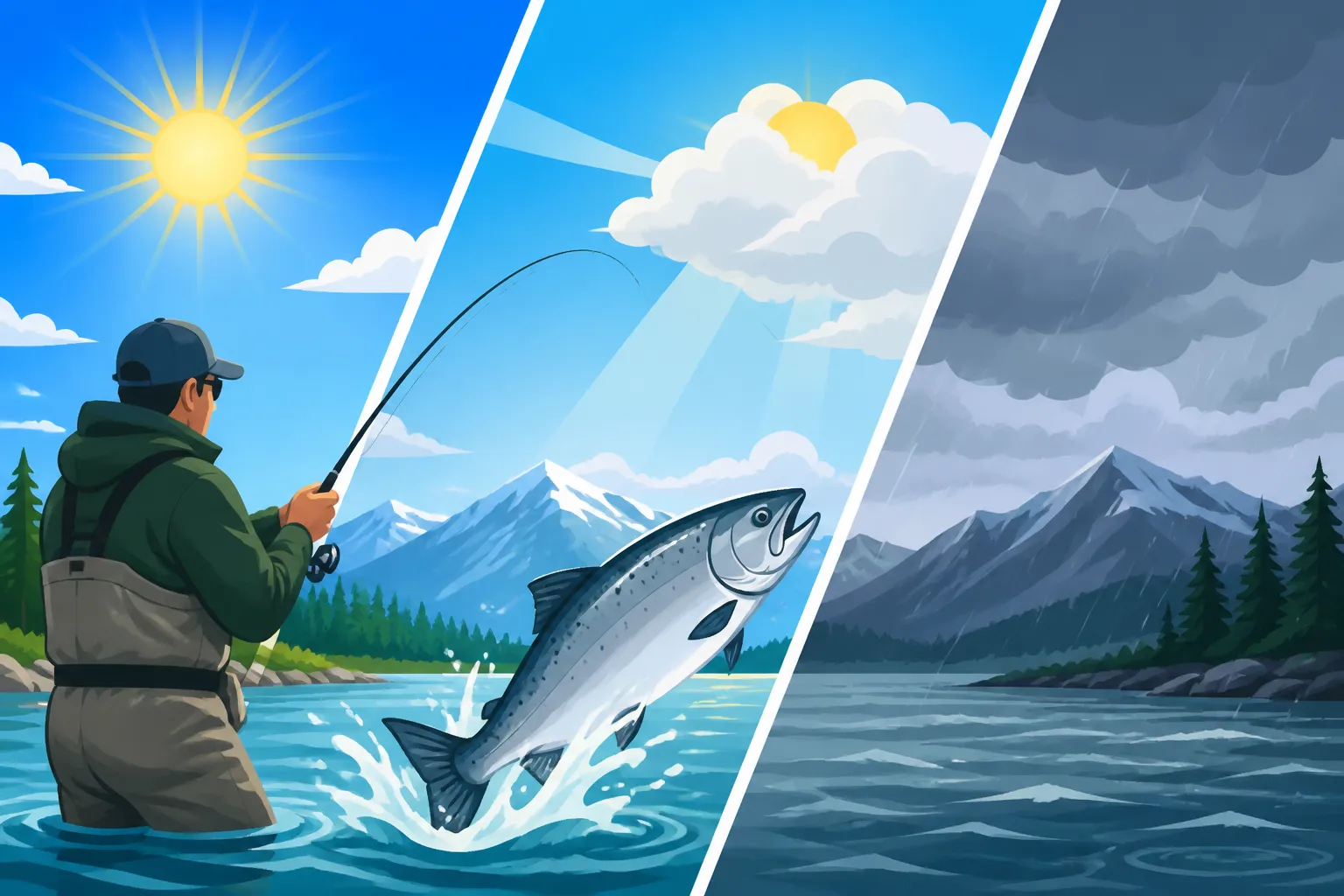
There’s nothing quite like planning that dream Alaska fishing trip, only to check the forecast a few days out and see a mix of sun, clouds, and a healthy dose of "scattered showers." It’s enough to make you wonder if you’ve packed the right gear or if your chances of catching anything just plummeted. Fishing in Alaska isn't always about bluebird skies; sometimes, the best days happen when the weather is less than perfect. This guide will walk you through how different weather conditions impact salmon behavior and how you can adapt your strategies to find success, rain or shine.
Understanding How Weather Influences Alaska Salmon Behavior
Alaska’s weather is famously unpredictable, and it plays a massive role in how fish behave. Salmon, especially, are highly sensitive to changes in their environment, from the warmth of the water to the clarity of the river after a heavy rain. Understanding these nuances isn't just academic; it’s crucial for putting fish in the net.
Water Temperature and Salmon Metabolism
Think about it: just like us, fish have an optimal comfort zone. When the water gets too cold, their metabolism slows down, making them less active and often less inclined to bite. On the flip side, extremely warm water can stress them out, reduce oxygen levels, and also make them sluggish. Salmon runs are triggered by instinct and environmental cues, and water temperature is a huge one.
For example, when temperatures are just right—typically in the 40s and 50s Fahrenheit for many salmon species—they're energetic, actively migrating upstream, and often more willing to strike at bait or lures. King Salmon, for instance, prefer cooler, well-oxygenated water, often staying in deeper, swifter currents during warmer periods. If you're fishing a river like the Kenai and the water temperature spikes, you might find the Kings holding in different spots or being less aggressive. Conversely, a sudden cold snap can make even aggressive Coho Salmon a bit lethargic. Knowing the ideal water temperatures for various species can significantly improve your chances; for more on this, check out our guide on Alaska Salmon Run Timing Explained.
Water Levels and Clarity
Rainfall, or a lack thereof, directly affects river levels and clarity, which in turn dictate where and how salmon travel. A big rainstorm can quickly turn a clear, meandering river into a raging, muddy torrent. While this might seem like a disaster, it's not always bad news.
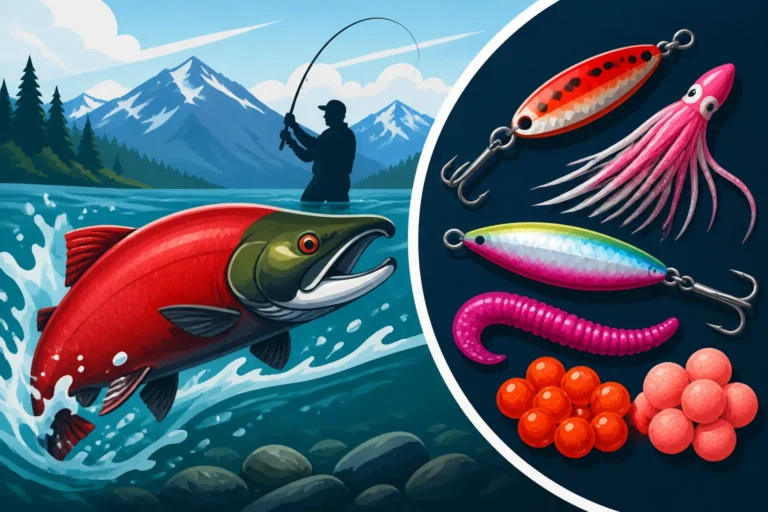
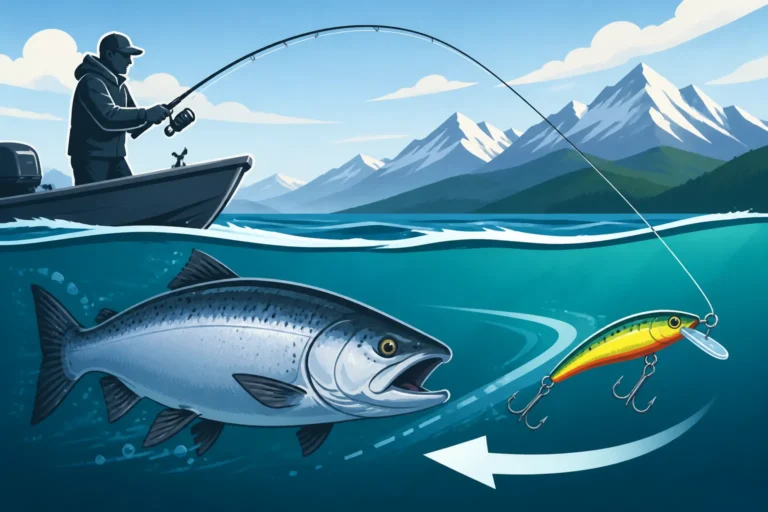
- High Water/Murky Conditions: Often, a bump in water levels can encourage salmon that have been holding in deeper pools or near the ocean to push further upstream. The increased flow provides cover from predators and makes their migration easier. In murky water, salmon rely more on their lateral lines to detect vibrations, making brighter, larger lures or baits with strong scents more effective. This is particularly true for King Salmon.
- Low Water/Clear Conditions: When rivers are running low and clear, salmon can become skittish. They're more exposed to predators, and they might hold in deeper holes or tight against shaded banks. In these conditions, finesse fishing becomes key: smaller presentations, lighter line, and a stealthy approach are often necessary. Sockeye Salmon can be particularly challenging in low, clear water, as they become even more focused on their upstream journey and less on feeding. This is often when you'll see people perfecting their technique for How to Catch Sockeye Salmon in Alaska, often involving precision flossing.
Barometric Pressure Changes
This is a subtle one that many anglers overlook, but barometric pressure can have a noticeable effect on fish. Think of it as the weight of the air pressing down on the water. Fish have a swim bladder that helps them maintain buoyancy, and changes in pressure can affect this.
- Falling Pressure (Before a Storm): Often, just before a storm front rolls in and the barometric pressure drops, fish tend to become more active. They might feed more aggressively, sensing a change in weather and preparing for a period of less comfortable conditions. This can be a fantastic time to be on the water. You might notice a flurry of activity in the hours leading up to a significant weather shift.
- Stable Pressure: During prolonged periods of stable high or low pressure, fish behavior tends to be consistent. This doesn't mean bad fishing, just predictable. You can often dial in your techniques based on what you've learned.
- Rising Pressure (After a Storm): After a storm passes and the pressure rises, fish can sometimes shut down for a period. The sudden change can put them off, making them less willing to bite. However, once conditions stabilize and water clarity improves, they usually resume their normal patterns. Pay attention to those local weather forecasts; they can give you a real edge!
Ideal Weather Conditions for Different Salmon Species
Not all salmon are created equal when it comes to their preferred fishing weather. What might be perfect for a feisty Silver Salmon could leave you scratching your head while targeting a powerful King. Understanding these preferences helps you tailor your trip and expectations.
King Salmon Chinook Preferences
Ah, the mighty King Salmon! These giants are often found in rivers during the early part of the summer, seeking out deeper, cooler water. They can be finicky, and bright, sunny days with clear, low water can make them incredibly challenging to entice.
The "sweet spot" for King Salmon often involves slightly overcast skies, stable or falling barometric pressure, and good water levels with a bit of color. A light drizzle, rather than a downpour, can often be ideal. This kind of weather tends to make them feel more secure and less pressured, encouraging them to move and occasionally strike. On a river like the Kasilof, a slight rise in water from a recent rain can actually be beneficial, spreading the fish out and making them less concentrated in easily spooked areas. When you're trying to figure out How to Catch King Salmon in Alaska, remember that subtle changes in light and water conditions can make all the difference for these majestic fish.
Sockeye Salmon Red Preferences
Sockeye Salmon are a different beast entirely. They're typically targeted using "flossing" or snagging (where legal in terminal fisheries), as they generally don't feed once they enter freshwater. What matters most for Sockeye is concentration and their migration urge.
Overcast days with stable weather are often excellent for Sockeye, as they continue their relentless upstream journey without being impacted by intense sunlight that might make them more wary. Rain can also be fantastic, especially if it raises the water levels just enough to encourage more fish to push into the river system. Places like the Russian River during a peak Sockeye run can be incredible when the weather is consistently stable or a bit rainy. The key is often seeing a strong push of fish, which isn't always tied to perfect weather, but rather the biological timing of their run. Understanding Alaska Sockeye Salmon Limits on the Kenai is vital, as these fisheries can be very popular and regulated.
Silver Salmon Coho Preferences
Silver Salmon, or Coho, are renowned for their aggressive strikes and aerial acrobatics. They typically arrive later in the summer and into fall, often when the weather starts to shift towards cooler temperatures and more consistent rainfall.
Coho absolutely love a good rain! Overcast, rainy days with slightly cooler temperatures are often when Silver Salmon fishing truly shines. The rain darkens the water, gives them a sense of security, and often makes them incredibly active and willing to chase down lures, flies, or cured eggs. They seem to lose some of their wariness in these conditions. Light drizzle to moderate rain can turn an average day into an epic one. If you're on a river like the Little Susitna in late August or September and a good rain rolls through, get ready for some serious action. Our guide on How to Catch Silver Salmon in Alaska dives deep into the best techniques for these feisty fish, especially in their preferred weather.
Pink and Chum Salmon Preferences
Pink Salmon (Humpies) and Chum Salmon (Dog Salmon) are generally less particular about weather than their King, Sockeye, and Coho cousins. They are often abundant, especially Pink Salmon in even-numbered years, and their sheer numbers mean they're often willing to bite regardless of the conditions.
Both Pinks and Chums will bite in bright sun, overcast skies, or rain. The primary factor for them is simply being present in the river system. While a bit of cloud cover or light rain might make them slightly more aggressive, you don't typically need to wait for "ideal" weather to target them. They're a great option for a consistent catch when other species might be challenging.
Navigating Less-Than-Ideal Weather Conditions
Let's be realistic: you can't always pick the perfect weather for your Alaska fishing adventure. The Last Frontier laughs in the face of consistent forecasts. So, instead of letting it ruin your trip, learn how to embrace and adapt to what Mother Nature throws your way.
Fishing in Rain
Rain is practically a state of being in Alaska during salmon season, especially in regions like Southeast and parts of Southcentral. But don't despair! Fishing in the rain can be incredibly productive, especially for Silver Salmon. The key is to be prepared.
First and foremost, invest in top-quality rain gear. I'm talking about a proper waterproof jacket and bibs, not just a flimsy poncho. Look for options with sealed seams and durable water-repellent (DWR) coatings. Brands offering serious protection are essential for staying comfortable. You can find many highly-rated options on platforms like Amazon if you know what you're looking for.
Once you're geared up, consider how the rain affects the water. If it's a light rain, it might just provide some cover, making fish less spooky. If it's a heavy downpour, the water might rise and get murky.
- Tactical Adjustments: In clearer, rainy conditions, fish tend to be more spread out and aggressive. Try covering more water with spinners, spoons, or drifted eggs. In murkier, higher water, go for brighter, larger lures that create more vibration, or use strongly scented baits. Fish might also hug the banks to escape the fastest current, so focus your efforts there. And remember, the fish are already wet; it's you who needs to stay dry and comfortable to maximize your time on the water. For a deeper dive into staying dry, check out our guide on Best Rain Gear for Alaska Fishing.
Dealing with Wind
Wind is another common antagonist in Alaska. It can make casting difficult, especially with light tackle or fly rods, and it can create chop on the water, making boat control a nightmare. Strong winds can also impact fish behavior by stirring up sediment or creating strong currents.
- Tactical Adjustments:
- Casting: If fishing from the bank, try to find sheltered areas or position yourself so the wind is at your back. For boat anglers, try to drift with the wind or use a trolling motor to maintain control. Heavier lures or a different casting technique might be needed.
- Boat Control: On lakes or large rivers, strong winds can make anchoring or holding a drift challenging. A good drift sock can be invaluable for slowing your boat down. If you're out on saltwater targeting halibut, strong winds can make bottom fishing impossible, stirring up the water and making it hard to feel bites. Your captain will likely adjust plans or reschedule if it's too rough.
- Fish Behavior: Wind can push baitfish around, concentrating them in certain areas, which in turn might concentrate salmon. Pay attention to wind lines and current seams where food might accumulate. Sometimes, fishing the lee side of an island or bank can offer calmer water and more cooperative fish.
Adapting to Extreme Heat or Cold
While less common during the peak summer salmon runs, Alaska can experience unusually hot or cold spells. Both extremes can present unique challenges.
- Extreme Heat: During prolonged hot spells, river temperatures can rise, stressing salmon. This often leads to sluggish fish that hold in deeper, cooler pockets of water or near springs. Fishing during the cooler parts of the day, like early morning or late evening, can be more productive. Focus on deep holes and slow-moving presentations. Some fisheries might even have emergency orders put in place during extreme heat to protect fish, so always check Alaska Fishing Emergency Orders Explained before heading out.
- Extreme Cold: Early or late season fishing can bring frigid temperatures. This isn't just about discomfort; cold can numb your fingers, making knot-tying and delicate presentations difficult. Fish metabolism slows down significantly, so strikes can be subtle. Warm up with layers, including proper base layers and insulating mid-layers. Think about hand warmers and hot drinks. For the fish, slower retrieves and presentations that stay in the strike zone longer might be more effective. Consider durable, insulating clothing that you can find from outdoor retailers or even easily order online through platforms like Amazon.
Essential Gear for All Alaska Weather Scenarios
You can't control the weather, but you can absolutely control your preparedness. Having the right gear is non-negotiable for a successful and enjoyable Alaska fishing trip, no matter what the sky decides to do. It’s all about staying comfortable, safe, and ready to fish through anything.
Layering is Key
This isn't just a suggestion; it's a golden rule for Alaska. The weather can change dramatically within hours, or even minutes. You might start your day in bright sunshine and end it in a cold, driving rain. Dressing in layers allows you to adjust quickly to these shifts.
Start with a moisture-wicking base layer (synthetics or merino wool are great, avoid cotton). Add an insulating mid-layer like a fleece or down jacket. Finally, top it all off with a waterproof and windproof outer shell. This system traps warmth, wicks away sweat, and protects you from the elements. Trust me, standing out in a sudden squall without proper layers will quickly turn a fun day into a miserable one. For detailed advice, our guide on How to Dress for Alaska Fishing has everything you need to know.
Rain Gear and Waterproofing
Alaska gets rain, often a lot of it. And it’s not just a drizzle; it can be a steady, soaking downpour. Good rain gear is your best friend. Don't skimp on this.
Look for a truly waterproof (not just water-resistant) jacket and bibs. GORE-TEX or similar high-quality waterproof membranes are worth the investment. Ensure they fit well, allow for a full range of motion, and have features like adjustable cuffs, hoods, and sealed zippers. Brands like Grundéns, Helly Hansen, or Simms are popular choices among seasoned Alaska anglers for a reason. You can often find deals or a good selection on sites like Amazon, but always prioritize quality for Alaska's conditions.
Beyond your main attire, consider waterproof gloves, a waterproof bag for your phone and valuables, and a waterproof hat with a brim to keep rain out of your eyes.
Footwear and Hand Protection
Your feet and hands are often the first to get cold and wet, and once they do, your comfort level plummets.
- Footwear: Waterproof boots are essential. Depending on whether you're bank fishing or on a boat, you'll want different types. For river fishing, hip waders or chest waders are often necessary. Ensure they are well-maintained and leak-free. For boat fishing, sturdy rubber boots (like XTRATUF or similar brands) are a classic choice among Alaskans, providing excellent grip and waterproof protection. Always wear warm, moisture-wicking socks under your boots.
- Hand Protection: Even in summer, Alaska mornings can be chilly. Waterproof gloves are a game-changer. Consider a pair that allows for dexterity for tying knots or handling fish, or perhaps a pair of fingerless gloves for warmth with a waterproof over-mitten you can pull on. Having an extra pair of dry gloves is also a smart move.
Equipping yourself properly means you can focus on the fishing, not on being cold, wet, or uncomfortable. It might feel like a big upfront investment, but it's an investment in your enjoyment and success. You can often find good deals on reliable gear on Amazon, just make sure to read reviews and choose products designed for serious outdoor use.
Weather-Specific Tackle Adjustments
It's not just about what you wear; your fishing tackle might need tweaks too.
| Weather Condition | Salmon Species | Tackle Adjustments | Reason |
|---|---|---|---|
| Overcast/Light Rain | King, Silver | Brighter lures (chartreuse, orange), scented baits | Increased visibility in dim light, fish more aggressive |
| Heavy Rain/Murky | King, Silver | Larger lures, more vibration, strong scents | Fish rely on lateral line, need stronger sensory cues |
| Bright Sun/Clear | King, Sockeye | Smaller, natural colored lures/flies, lighter line | Fish are spooky, need stealthier approach, less flash |
| Falling Pressure | All Species | Aggressive retrieves, various presentations | Fish often feed actively before a front |
| Cold Temps | All Species | Slower retrieves, hold baits in strike zone longer | Fish metabolism slows, less inclined to chase |
| Windy | All Species | Heavier lures, adjust casting angles, deeper fishing | Counter wind resistance, reach fish holding deeper or in calm spots |
This table provides a quick reference, but remember, local conditions and specific river characteristics can always influence the best approach. Staying flexible and observant is key! And for a complete rundown on what fishing gear you might need for your trip, check out our in-depth article: Alaska Fishing Gear and Tackle Guide.
Disclaimer
Fishing in Alaska involves inherent risks, including rapidly changing weather conditions and encounters with wildlife. Always prioritize safety, check local regulations and emergency orders before heading out, and consider consulting with experienced local guides. This information is for educational purposes only and should not replace professional advice or official regulations.