What Tackle to Bring to Alaska
Heading to Alaska for a fishing trip is a dream for many, but the sheer variety of fishing opportunities often leaves anglers scratching their heads about what gear to pack. Overpacking can be a nightmare for travel, especially with airline weight limits, while underpacking can leave you unprepared for that once-in-a-lifetime trophy catch. This guide will meticulously break down the essential fishing tackle you'll need for an unforgettable angling adventure in the Last Frontier, ensuring you're ready for whatever bites.
Setting the Stage: Why Alaska Tackle is Unique
Alaska isn't your average fishing destination; it's a vast, wild, and incredibly diverse environment. From the churning glacial rivers teeming with salmon to the deep, frigid saltwater bays holding monstrous halibut, the conditions and target species vary wildly. What works perfectly for rainbow trout in a clear mountain stream won't do you any good for a hundred-pound halibut at 300 feet. This fundamental difference means you can't just throw your usual freshwater bass rod in a tube and call it good.
Navigating Diverse Fishing Environments
Picture this: one day you might be wading in a shallow, braided river system, casting tiny dry flies for Arctic grayling, and the very next, you could be on a charter boat in the Gulf of Alaska, battling a "barn door" halibut in choppy seas. The equipment demands are simply poles apart. Rivers like the Kenai or Russian often have swift currents and require tackle capable of handling powerful salmon runs, while the deep waters off Homer or Seward call for heavy-duty setups that can withstand immense pressure and big fish. It’s a common misconception that one tackle setup will suffice for all of Alaska's angling treasures.
Weather also plays a massive role. Alaska's weather can be notoriously unpredictable, often swinging from bright sunshine to chilly rain within hours. Your tackle, and importantly, your gear accessories, need to be durable and able to perform in less-than-ideal conditions. Bringing gear that corrodes easily or isn't robust enough for potential knocks and scrapes is a recipe for frustration.
Understanding Target Species and Their Demands
Alaska is renowned for its five species of Pacific salmon: King (Chinook), Sockeye (Red), Coho (Silver), Pink (Humpy), and Chum (Dog). Each has its own fighting style and preferred habitat, influencing the type of tackle required. A King Salmon, for instance, demands a powerful rod and reel to handle its initial explosive runs, while sockeye, often caught by "flossing" in rivers, might require a more sensitive, longer rod for detecting subtle bites in current.
Beyond salmon, there's the legendary Halibut, a bottom dweller that grows to epic proportions, demanding specialized heavy gear. Then you have Lingcod and various Rockfish species in saltwater, and freshwater treasures like Rainbow Trout, Dolly Varden, Arctic Char, and Arctic Grayling, each requiring lighter, more finessed approaches. Being aware of the specific species you plan to target will be your first step in assembling the perfect tackle box. It's truly a choose-your-own-adventure scenario, and your tackle choice defines your success.
The Heart of the Haul: Rods, Reels, and Line for Alaskan Species
Your rods, reels, and line are the triumvirate of your fishing setup. Getting these right for the specific species and conditions you'll encounter in Alaska is paramount. Skimping here can lead to heartbreak when that fish of a lifetime snaps your line or overpowers your reel.
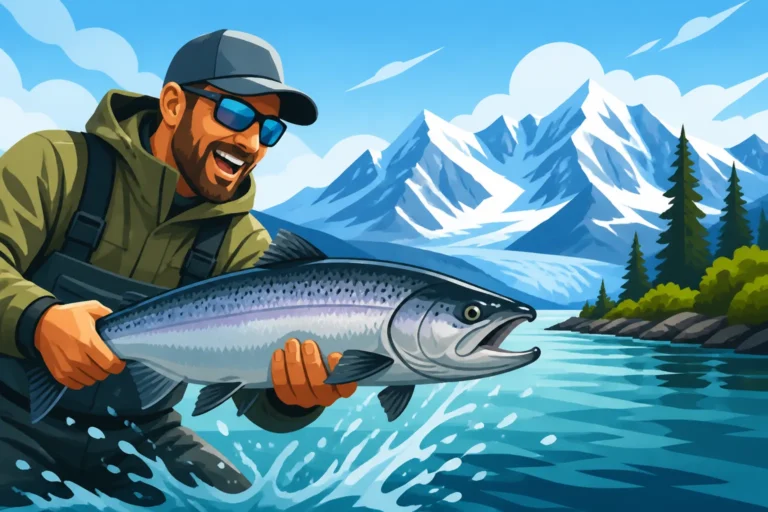
Salmon Fishing Setups: Kings, Sockeye, and Silvers
When it comes to Alaska salmon, you'll likely need different setups for different species, or at least a versatile heavy and medium-heavy option.
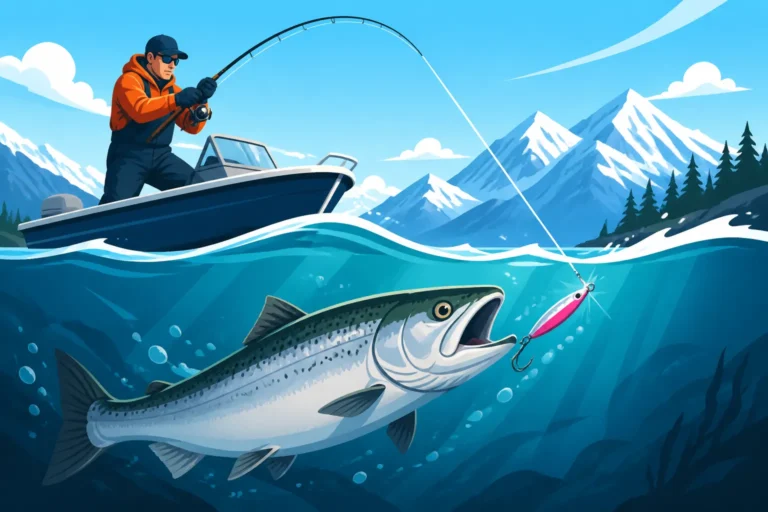
- King Salmon: For these undisputed monarchs, you absolutely need robust gear. A medium-heavy to heavy-action rod, typically 9 to 10.5 feet long, is ideal for river fishing, allowing for long casts and the leverage needed to fight powerful fish in strong currents. Popular choices include G. Loomis or Lamiglas rods, known for their backbone. Pair this with a high-quality baitcasting reel or a large spinning reel (e.g., a Shimano Tranx or Penn Battle III 6000-8000 series) spooled with 30-65 lb braided line. This heavier line, often 50 lb, allows you to put pressure on a stubborn king without fear of snapping. Many anglers prefer braided line for its sensitivity and strength, often adding a 20-40 lb monofilament or fluorocarbon leader. You’ll want to be prepared, especially if you're targeting big fish on the Kenai River where Alaska King Salmon Fishing Regulations and Limits can be strict.
- Sockeye Salmon: Sockeye fishing in rivers often involves a technique called "flossing" or drift fishing. This requires a longer, more sensitive rod, typically 9 to 10.5 feet, with a moderate to fast action. The longer length helps manage line in the current and provides cushion for the lighter leader lines often used. A medium-sized spinning reel (3000-5000 series like a Daiwa BG or Penn Conflict II) spooled with 20-30 lb braided line, transitioning to a 15-25 lb fluorocarbon leader, is a common setup. The sensitivity is key to feeling the often subtle "thump" of a sockeye engaging the line. If you're wondering How to Catch Sockeye Salmon in Alaska, your gear is a big part of the equation.
- Coho (Silver) Salmon: Coho are acrobatic fighters and can be targeted with a versatile medium-heavy setup, often a 7-9 foot rod paired with a 4000-5000 series spinning reel or a medium baitcaster. 20-30 lb braided line with a 15-20 lb fluorocarbon leader is suitable. These fish hit spoons, spinners, and plugs aggressively, so a rod with a good tip for casting lures and enough power to handle their aerial antics is perfect. Brands like Okuma or St. Croix offer great options at various price points.
Halibut and Bottom Fishing Gear
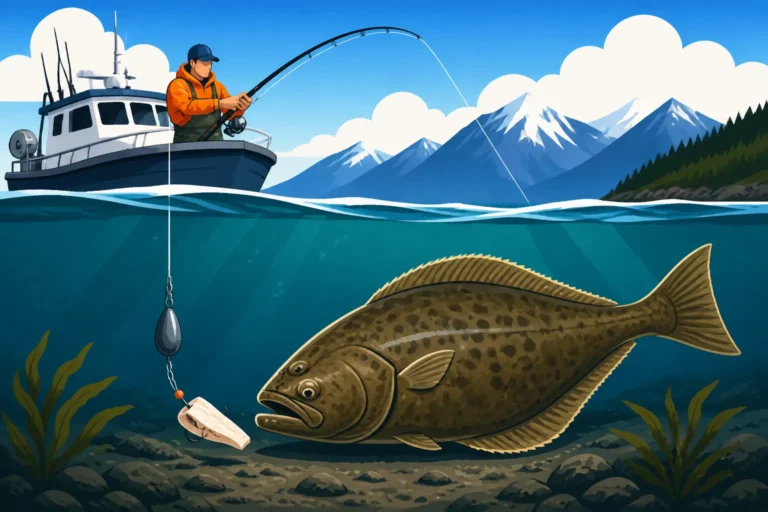
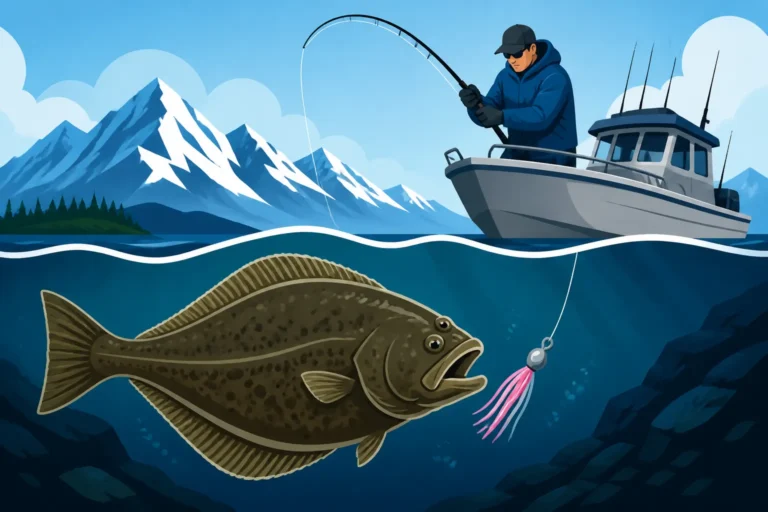
For the "barn doors" of the deep, you're entering a different realm of tackle. Halibut fishing is a brute-force game requiring specialized heavy-duty equipment.
- Rods: Look for stout, heavy-action rods, often 6 to 7.5 feet long, specifically designed for bottom fishing or halibut. These rods have thick blanks and strong guides capable of lifting heavy lead weights (often 1-2 lbs or more) and fighting large, powerful fish from deep water. They often have sensitive tips to detect bites but immense power in the butt section.
- Reels: This is where conventional reels shine. A high-capacity, lever-drag or star-drag conventional reel (like a Penn Fathom, Daiwa Saltiga, or Avet reel) is almost mandatory. You'll need something that can hold at least 300-500 yards of heavy braided line, typically 65-100 lb test, to handle the depth and the sheer power of a large halibut. The cranking power and robust drag system are critical. When you're learning How to Catch Halibut in Alaska, you'll quickly realize that your gear is put to the ultimate test.
- Line: As mentioned, 65-100 lb braided line is standard for the main line due to its strength-to-diameter ratio and lack of stretch, which helps detect bites in deep water. You'll then use a heavy monofilament or fluorocarbon leader (80-150 lb test) for abrasion resistance and to attach your terminal tackle. Many charters provide gear for halibut, but if you're bringing your own, make sure it's up to snuff.
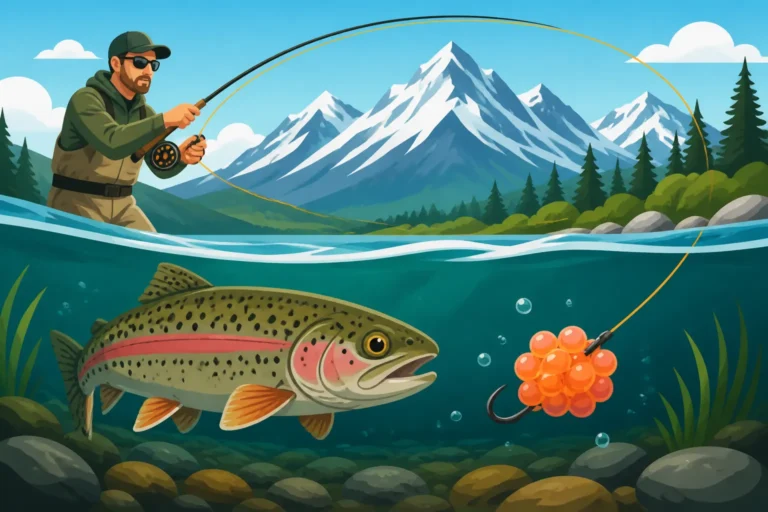
Freshwater Trout and Char Systems
Alaska's freshwater systems offer incredible opportunities for trout, char, and grayling, often requiring a lighter, more finessed approach compared to salmon and halibut.
- Rods: For rainbow trout, Dolly Varden, and Arctic char, a medium-light to medium-action spinning rod, 6.5 to 8.5 feet, is versatile. If you're into fly fishing, a 5-7 weight fly rod is ideal for most trout and char situations, with an 8-9 weight being useful if you're targeting larger trout or swinging flies for steelhead.
- Reels: Pair spinning rods with a 2500-4000 series spinning reel. For fly rods, a reliable, smooth-drag fly reel matched to your rod weight is crucial. A good quality reel from a brand like Orvis or Sage can last for years.
- Line: For spinning setups, 10-20 lb braided line with a 6-12 lb fluorocarbon leader is common. For fly fishing, a weight-forward floating line is standard, with sinking tips or full sinking lines useful for nymphing or streamer fishing in deeper runs. If you're venturing to the world-renowned Bristol Bay area or rivers like the Naknek, the trout can be truly massive, so don't completely underestimate their power. For a comprehensive overview, check out our Alaska Rainbow Trout Guide.
| Species Group | Rod Action/Length | Reel Type/Size | Main Line (Braid) | Leader (Mono/Fluoro) | Common Techniques |
|---|---|---|---|---|---|
| King Salmon | Heavy, 9-10.5 ft | Baitcaster/Spinning (6000-8000) | 30-65 lb | 20-40 lb | Back-trolling, drift, casting |
| Sockeye Salmon | Medium-Fast, 9-10.5 ft | Spinning (3000-5000) | 20-30 lb | 15-25 lb | Flossing, drift fishing |
| Coho Salmon | Med-Heavy, 7-9 ft | Spinning (4000-5000)/Baitcaster | 20-30 lb | 15-20 lb | Casting lures, drift |
| Halibut/Bottom | Heavy, 6-7.5 ft | Conventional (high capacity) | 65-100 lb | 80-150 lb | Jigging, bait fishing (bottom) |
| Trout/Char | Med-Light/Medium, 6.5-8.5 ft | Spinning (2500-4000) / Fly (5-7 wt) | 10-20 lb | 6-12 lb | Spin casting, fly fishing |
Terminal Tackle and Lures: What Actually Catches Fish
Once you've got your rods, reels, and lines sorted, it's time to talk about the business end of your setup: the terminal tackle and lures that entice those Alaskan fish to bite. This is where your preferences for specific presentations come into play, but there are some definite must-haves.
Salmon Lures and Baits
Alaska's salmon are highly responsive to various presentations, and what works best can depend on the river, the specific run timing, and even the time of day.
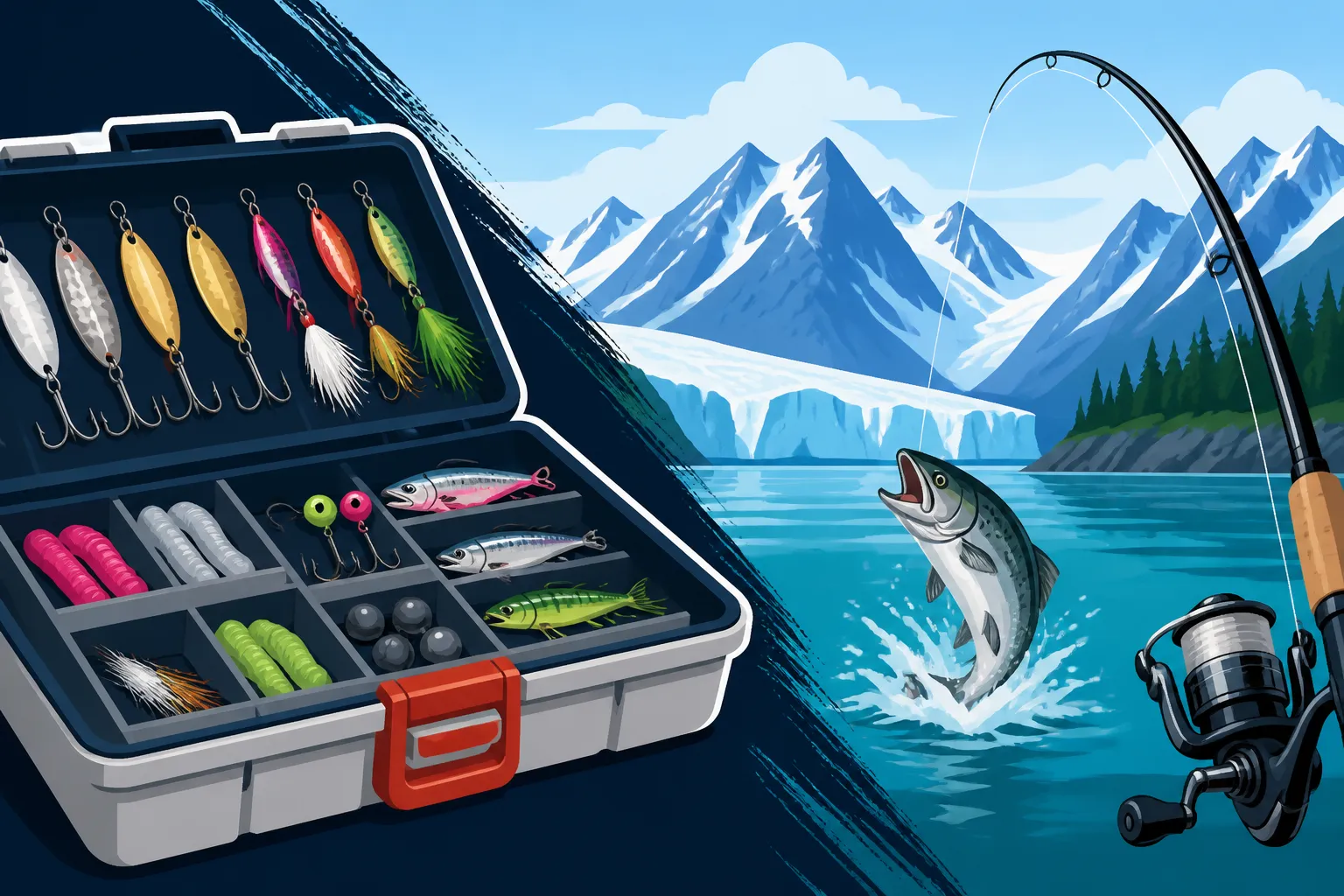
- For Kings: Plugs like the Kwikfish or Flatfish, often scented with sardine or herring, are deadly when back-trolled or back-bounced. Large spinners (like a #5 or #6 Vibrax or Pixie spoon) and cured salmon roe are also incredibly effective. Don't forget heavy lead weights (1-6 oz) for getting your bait down in strong currents. Finding the Best Lures for Alaska Salmon, especially Kings, often involves trial and error, but these are solid starting points.
- For Sockeye: In many rivers, sockeye are primarily targeted by "flossing" or drift fishing using a bare hook or a small, colored bead (like a Glo-Bug egg imitation) on a short leader, preceded by a lead weight. The key is to present the offering naturally at the fish's eye level as they migrate upstream. Specific regulations often dictate the rigging, such as single, barbless hooks. Make sure your hook choice is compliant, as Alaska Fishing Regulations Explained can be very detailed on these points.
- For Silvers (Coho): Coho are aggressive and will readily hit a variety of artificial lures. Spinners (Blue Fox Vibrax, Mepps Aglia), spoons (Pixie, Koho, Silver Horde), and twitching jigs are incredibly effective. Bright colors like chartreuse, orange, and hot pink often outperform. Small plugs and herring under a bobber can also be very productive, particularly in tidal fisheries or slower stretches of rivers. Carrying a good assortment of these will give you options.
- Bait: Cured salmon eggs (roe) are a staple for many salmon species, especially Kings and Silvers. You can buy them pre-cured or learn How to Cure Salmon Eggs for Bait yourself. Herring is another top choice, often used for Kings and Silvers, either whole or cut in strips, sometimes on a flasher setup.
Halibut and Bottom Fishing Terminal Tackle
When targeting deepwater denizens, your terminal tackle needs to be robust and effective at attracting fish from the seafloor.
- Jigs: Heavy jigs, ranging from 8 oz to 2 lbs, are incredibly popular for halibut. Brands like Krokodile, P-Line, or Berkley offer heavy jigs in various colors, often tipped with a piece of bait. Scampi-style jigs or "butterfly" jigs are also effective. The weight is crucial to get to the bottom quickly in strong currents.
- Circle Hooks: For bait fishing, large, strong circle hooks (12/0 to 20/0) are standard. Circle hooks are mandatory in some areas and for charters due to their effectiveness in hooking fish in the corner of the mouth, reducing gut-hooking and improving release survival.
- Weights: You will need substantial lead weights – often 16 oz to 32 oz (1-2 lbs) – to hold your bait on the bottom in deep, current-swept areas. Sometimes even heavier, 48 oz (3 lbs) or more, is necessary. Having a variety of weights is crucial.
- Bait: Fresh or frozen bait is king for halibut. Herring, salmon heads, octopus, and squid are all excellent choices. Many charters provide bait, but if you're going unguided, securing fresh bait is key. Consider reading up on the Best Bait for Alaska Halibut to maximize your chances.
- Rigs: Pre-tied halibut rigs are readily available and often include a spreader bar to keep your mainline from twisting with your leader, or a simple dropper loop setup. Always have extra leaders on hand, as toothy fish like lingcod can fray them quickly.
Trout and Freshwater Terminal Tackle
For the smaller, often more delicate freshwater species, lighter tackle and a wider array of presentations are key.
- Spinners and Spoons: Small inline spinners (Mepps, Panther Martin, Blue Fox Vibrax sizes #1-3) and diminutive spoons (Kastmaster, Pixie) are highly effective for trout, char, and grayling. Natural colors like silver, gold, and brass are good, as are those with a touch of orange or chartreuse.
- Beads and Egg Patterns: Especially during salmon runs, trout and char gorge themselves on salmon eggs. Drifting beads (often 8-12mm in various egg-imitating colors) or artificial egg patterns under an indicator is a highly productive technique. Ensure your hook is exposed from the bead for legal compliance.
- Flies: For fly anglers, a comprehensive box would include an assortment of dry flies (like Adams, Caddis), nymphs (Prince, Hare's Ear, Pheasant Tail), streamers (Woolly Bugger, Sculpzilla), and, of course, a variety of egg patterns and flesh flies during salmon spawning season. Knowing the local insect hatches can make a big difference, but general attractor patterns are always a good bet.
- Jigs: Small marabou or rabbit fur jigs (1/8 to 1/4 oz) can be deadly for trout and Dolly Varden, especially when tipped with a small piece of shrimp or a scented plastic grub.
- Hooks and Weights: Bring an assortment of small, sharp hooks (size 4 to 12) and various split shot or small lead weights to control your drift for bait or beads.
Beyond the Basics: Essential Tools and Accessories for Your Alaska Trip
It’s not just about what catches the fish; it’s about having the right tools to handle them, stay comfortable, and comply with regulations. These often-overlooked items can make or break your trip.
Vital Gear for Fish Handling and Measurement
Once you've hooked that fish, you need to safely land it and, if keeping, process it.
- Pliers/Forceps: A good pair of long-nosed pliers or fishing forceps is indispensable for safely removing hooks, especially from toothy fish or deep-set hooks. Look for rust-resistant options, as they’ll see plenty of moisture.
- Net/Gaff: For river fishing, a sturdy, rubber-meshed landing net is a must for salmon and trout. Rubber mesh protects the fish if you plan to release it. For saltwater charters, gaffs are typically provided for halibut. If you're on your own boat, a proper halibut gaff or harpoon is essential for safely subduing large fish.
- Measuring Tape: Many species in Alaska have strict size limits, like certain Halibut or Alaska Rainbow Trout Slot Limit Explained. A flexible, waterproof measuring tape (at least 60 inches for halibut) is critical to ensure you stay within legal limits. Always measure carefully before deciding to retain or release a fish.
- Fish Grips/Gloves: Lip grips are excellent for handling salmon and other fish without touching their bodies, which can protect their slime coat. Cut-resistant gloves can save your hands when handling fish with sharp fins or gill plates.
- Harvest Record Card: Don't forget your Alaska Harvest Record Card! This is crucial for recording your kept King Salmon and other species as required by regulation. Understanding Which Fish Must Be Recorded in Alaska and how to properly fill it out is non-negotiable for anglers.
Comfort and Safety Essentials
Alaska is wild, and being prepared for the elements and potential emergencies is just as important as your fishing tackle.
- Rain Gear: This is non-negotiable. Quality, waterproof rain gear – jacket and pants – is absolutely essential. Brands like Grundéns or Helly Hansen are popular among Alaskan anglers for their durability. Even if the forecast looks clear, weather can change in an instant. Learn How to Dress for Alaska Fishing properly to stay comfortable.
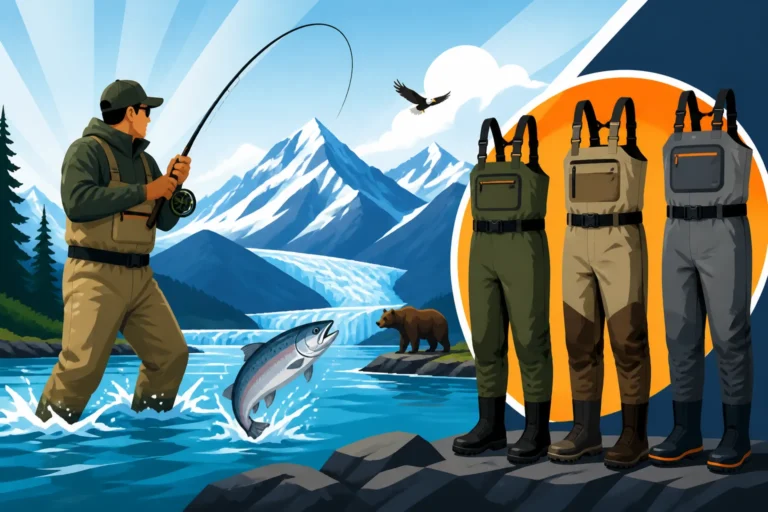
- Waders and Boots: If you plan on any river fishing, reliable waders are a must. Chest waders are generally preferred for versatility in varying water depths. Pair them with sturdy wading boots that provide good ankle support and traction on slippery riverbeds. Do You Need Waders for Alaska Fishing? In short, yes, for most river fishing scenarios.
- Layered Clothing: Beyond rain gear, bring warm, moisture-wicking layers. Think synthetic or wool base layers, a fleece mid-layer, and a puffy jacket. Even summer mornings can be chilly, and evenings can drop quickly.
- Hat, Sunglasses, Sunscreen: A brimmed hat offers protection from sun and rain. Polarized sunglasses are vital for spotting fish and protecting your eyes from UV rays and errant hooks. Sunscreen is important, even on cloudy days, especially with reflective water surfaces.
- Bug Spray: Mosquitoes and no-see-ums can be relentless, particularly in calm, wooded areas. Bring a high-DEET bug spray or repellent to keep them at bay.
- First-Aid Kit: A compact first-aid kit with essentials for cuts, scrapes, and minor ailments is always a good idea, especially if you're venturing into more remote areas.
- Water Bottle/Snacks: Stay hydrated and energized. Fishing can be physically demanding.
- Dry Bag: A small dry bag or waterproof backpack is invaluable for protecting your phone, camera, extra layers, and snacks from the elements.
The Miscellaneous but Mighty
Small items that often get forgotten but prove incredibly useful.
- Knife: A sharp, rust-resistant fishing knife for cutting line, bait, or processing fish is a staple. A fillet knife is a good addition if you plan on processing your catch yourself.
- Line Clippers/Scissors: Quick and easy for trimming line or tags.
- Headlamp/Flashlight: Even in the long summer daylight, a headlamp is useful for early morning rigging, getting to/from spots, or dealing with unexpected repairs in low light.
- Camera: To capture those unforgettable moments, of course! Make sure it’s waterproof or in a protective case.
- Cooler/Fish Bag: If you're keeping fish, a quality cooler or insulated fish bag is essential for transporting your catch, especially if you're traveling a distance from the fishing spot to a processor or your lodging. Many anglers order specific fish boxes online from retailers like Amazon before their trip for easier shipping.
- Fishing License and King Salmon Stamp: Do not forget this! You cannot fish without it. Get your Alaska Fishing License: Complete Guide sorted before you arrive. If targeting Kings, also ensure you have a Do You Need a King Salmon Stamp in Alaska. You can often purchase these online or at local vendors.
Bringing the right tackle to Alaska isn't about having the most expensive gear, but rather having the appropriate gear for the species and conditions you'll face. Research your chosen destination and target species, consult with local guides or tackle shops, and always prioritize versatility and durability. With careful planning, you'll be well-equipped for an incredible angling adventure in the vast wilderness of Alaska.
Disclaimer
The information provided in this guide is for general informational purposes only and does not constitute professional advice. Fishing regulations in Alaska are complex and can change frequently, often via emergency orders. Always consult the most current Alaska Department of Fish and Game regulations booklet and emergency orders before heading out. Your safety and adherence to all local laws are your sole responsibility.