How to Surf Fish in Alaska
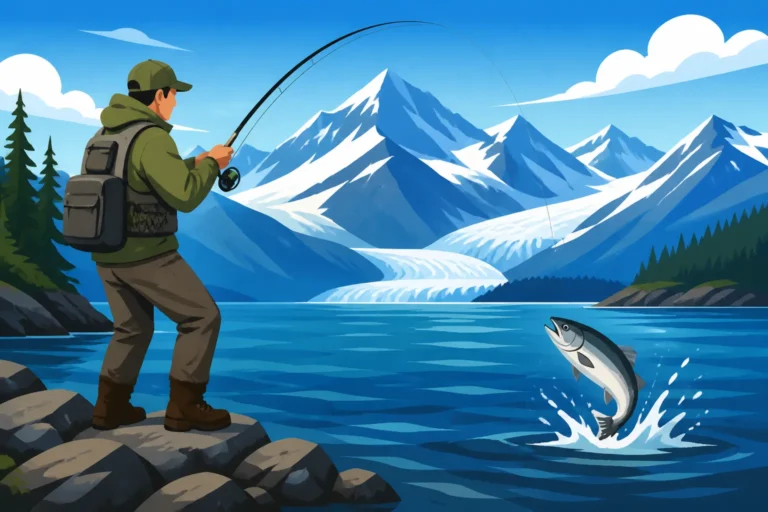
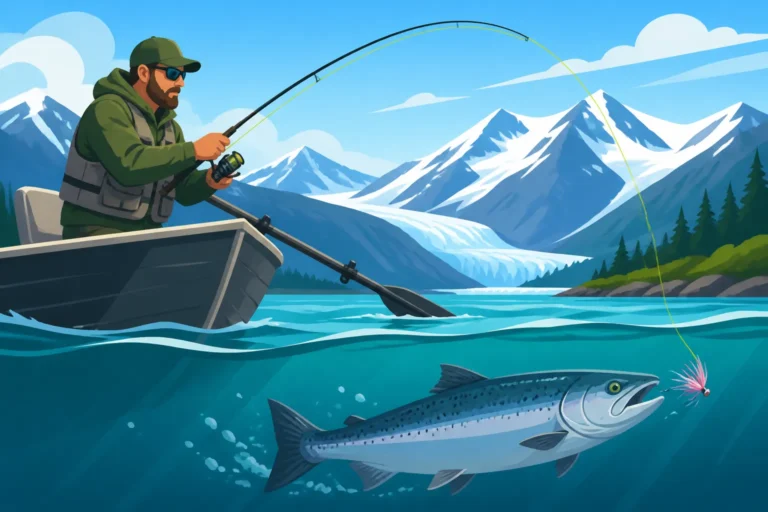
When most folks imagine surf fishing, they picture sunny beaches, warm breezes, and maybe some palm trees gently swaying. Alaska? Not so much. Yet, the reality is that the Last Frontier offers incredible, albeit challenging, opportunities for anglers willing to brave its rugged coastline and chilly waters. This guide is all about diving deep into how you can successfully surf fish in Alaska, covering everything from the unique environment you'll encounter to the gear you'll need and the techniques that will put fish on your line.
Understanding Alaska's Unique Surf Fishing Environment
Forget everything you know about traditional surf fishing in warmer climates. Alaska is a different beast entirely, and approaching its coast with the wrong mindset or gear is a recipe for a cold, frustrating, and fishless day. The sheer scale and wildness of the Alaskan shoreline present challenges that are both daunting and incredibly rewarding for those who figure them out.
The Raw Coastal Landscape
Alaska's coastline is a dramatic tapestry of towering cliffs, rocky beaches, remote gravel bars, and vast tidal flats. You won't find endless stretches of fine sand here; instead, expect rugged terrain that demands respect and preparedness. The waters are cold, often glacially fed, and currents can be incredibly strong, especially in areas with large tidal swings like Cook Inlet or Kachemak Bay. These aren't the gentle lapping waves of the Gulf Coast; these are powerful, nutrient-rich waters that churn up baitfish and attract hungry predators.
Access is also a major factor. Many prime surf fishing spots in Alaska aren't easily reached by road. You might find yourself hiking through dense brush, navigating uneven shorelines, or even needing a boat or floatplane to get to truly remote and productive areas. This adds to the adventure but also means you need to be self-sufficient and keenly aware of your surroundings, especially regarding wildlife. Bears, both black and brown, are a common sight along salmon streams and coastal areas, so understanding how to fish safely around Alaska bears is paramount.
The Impact of Tides and Weather
Tides in Alaska are no joke. Some areas, like Turnagain Arm near Anchorage, boast some of the highest tidal differentials in the world, with swings of over 30 feet. These massive tides create incredible currents, expose vast mudflats, and dramatically change water levels throughout the day. For surf anglers, this means understanding the tide tables isn't just helpful, it's absolutely critical for both safety and success. Fish often move with the tides, feeding actively as water levels rise or fall, pushing bait into choke points.
Weather in Alaska is notoriously unpredictable. A sunny morning can quickly turn into a stormy afternoon with driving rain and howling winds. This isn't just uncomfortable; it can be dangerous, especially when you're exposed on a beach or rock point. Fog can roll in fast, obscuring landmarks and making navigation tricky. Always check the local forecast before heading out, and be prepared for anything. This often means bringing extra layers, waterproof gear, and a solid understanding of how to read Alaska Emergency Orders before fishing, as conditions can change rapidly and impact regulations.
Essential Gear for Alaska Surf Fishing
You can't just show up with your freshwater bass rod and expect to tackle the Alaskan surf. This environment demands specialized, robust gear that can withstand the cold, the saltwater, and the powerful fish you're likely to encounter. Investing in the right equipment will not only make your trip more comfortable but also significantly increase your chances of success and safety.
Rods, Reels, and Line Built for Battle
For Alaska surf fishing, you're generally looking at medium-heavy to heavy-action rods, typically in the 9 to 12-foot range. This length gives you the casting distance needed to reach beyond the immediate breakers and into deeper channels where fish might be holding. A good quality graphite or composite rod will offer the sensitivity to detect subtle bites while having the backbone to handle large salmon, lingcod, or even halibut that venture close to shore. Brands like Lamiglas, Shimano, and Daiwa offer excellent saltwater surf rods that can take a beating.
Your reel needs to be equally robust and, critically, saltwater-resistant. Corrosion is a real issue in this environment. Look for spinning reels in the 6000-10000 size range, or sturdy conventional reels, with sealed drag systems and plenty of line capacity. Penn Battle, Shimano Spheros, or Daiwa BG series are popular choices that offer good performance and durability without breaking the bank. As for line, braided line is almost universally preferred for surf fishing in Alaska. Its lack of stretch provides incredible sensitivity, allowing you to feel every bump and nibble, and its strength-to-diameter ratio means you can pack a lot of heavy line on your reel. Opt for 30-50 lb test braid, and always use a fluorocarbon leader (20-40 lb test) for abrasion resistance and stealth. You can find a wide array of options for both braided line and leaders on Amazon, making it convenient to stock up before your trip.
Effective Baits and Lures
When it comes to baits and lures, simplicity and effectiveness are key. Many of Alaska's prime surf targets, particularly salmon, respond well to common offerings.
- Herring: Cut plug herring, either fresh or brined, is a classic and highly effective bait for all five species of Pacific salmon, especially Kings and Silvers. Rig it on a leader with a couple of sharp hooks and drift it with the current or retrieve it slowly.
- Spoons: Metal spoons are workhorses in the surf. Iconic lures like the Luhr Jensen J-Plug, P-Line Laser Minnow, or Gibbs-Delta Kitimat are excellent for casting far and mimicking injured baitfish. Silver, blue, green, and chartreuse patterns are often productive. Many anglers will also swear by the Pixie spoon or the Buzz Bomb, especially when fishing for Pink or Silver salmon in the shallers.
- Jigs: Heavy jigs (1-3 oz) can be incredibly effective when cast out and vertically jigged along drop-offs or through current seams. Lead jigs with a holographic finish or those tipped with a piece of herring or a soft plastic grub can entice rockfish, lingcod, and even halibut.
- Spinners: While perhaps more common in rivers, larger spinners (e.g., Mepps Aglia or Blue Fox Vibrax in sizes 4-6) can be effective in calmer bay surf for Coho (Silver) salmon or even Dolly Varden.
Remember that bait restrictions exist in some areas, so always double-check the current Alaska Fishing Regulations Explained before you head out.
Staying Warm and Dry
This isn't optional; it's absolutely crucial for an enjoyable and safe Alaska surf fishing experience. Hypothermia is a genuine risk.
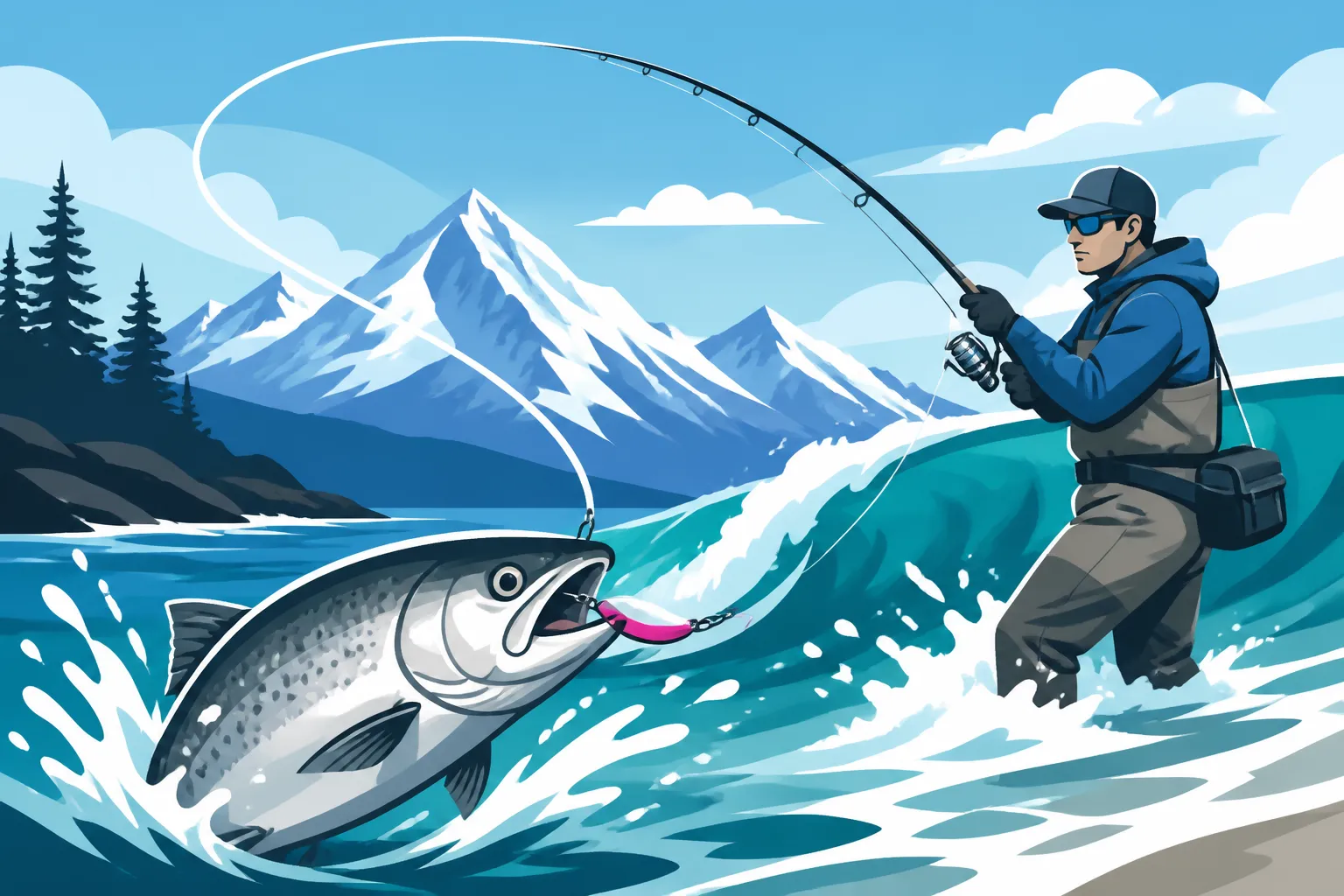
- Waders: Breathable chest waders are essential. They allow you to wade out into the surf, access deeper water, and stay dry. Pair them with sturdy wading boots that provide good ankle support and grip on slippery rocks. Neoprene waders can offer more warmth in frigid conditions but are less breathable.
- Layered Clothing: Dress in layers. Start with a moisture-wicking base layer (synthetics or wool, never cotton). Add a warm mid-layer like fleece or down, and top it with a waterproof and windproof outer shell. Even in summer, a good puffy jacket is often necessary.
- Rain Gear: A high-quality rain jacket and pants are non-negotiable. Look for GORE-TEX or similar waterproof-breathable fabrics that will keep you dry through persistent rain. You can browse many excellent options for waterproof outerwear on Amazon.
- Accessories: Waterproof gloves, a warm hat that covers your ears, and polarized sunglasses to cut glare and spot fish are also vital. Bring extra socks, too!
Top Locations and Seasons for Alaska Surf Fishing
Alaska is vast, and its coastal fishing opportunities are equally diverse. Knowing where and when to go can significantly impact your success. While many imagine ocean-side beaches, some of the best "surf fishing" in Alaska happens in large tidal bays and river mouths.
Southcentral Alaska Hotspots
The Southcentral region, particularly around Cook Inlet and Kachemak Bay, offers some of the most accessible and productive surf fishing in the state.
- Deep Creek (Ninilchik): Located on the Kenai Peninsula, Deep Creek is famous for its King and Silver salmon runs. Anglers often drive their vehicles right onto the beach during low tide and fish the outgoing and incoming tides. It can get crowded during peak seasons, but the opportunity to catch a trophy King salmon straight from the surf is a powerful draw. You'll need appropriate gear to handle the strong currents and the potential for a massive King on the other end of your line.
- Anchor Point: Just north of Deep Creek, Anchor Point offers similar opportunities for salmon and, at times, even halibut that come into shallower water. The "tractor launch" where local guides launch their boats directly into the surf is an iconic sight. Fishing here typically involves casting heavy spoons or bait rigs into the surf.
- Kachemak Bay (Homer): While Homer is renowned for its charter halibut fishing, the shores of Kachemak Bay, particularly the spit, can offer shore-based opportunities. Pink and Silver salmon can be caught from the beaches and jetties, especially during strong incoming tides. Dolly Varden are also present. Understanding how tides affect Alaska salmon fishing here is crucial, as the currents can be intense.
- Ship Creek (Anchorage): Though technically a river, the lower reaches of Ship Creek in downtown Anchorage are heavily influenced by Cook Inlet's tides and can be considered a form of urban surf fishing. Anglers line the banks, especially during the King and Silver salmon runs, casting into the tidal waters. It's an incredibly unique experience, almost like combat fishing but in the heart of the city.
Southeast Alaska Opportunities
Southeast Alaska, with its labyrinthine fjords and islands, also holds significant surf fishing potential, though often requiring boat access to truly remote spots.
- Sitka Sound: Around Sitka, many rocky points and sheltered coves can produce excellent fishing for salmon, particularly Silvers, and various rockfish species. Casting spoons or jigs from shore can be very effective, especially where kelp beds provide cover for baitfish. Lingcod can also be found in these areas, often lurking near rocky structures.
- Juneau Area: Similar to Sitka, the coastline around Juneau, including Douglas Island, offers numerous public access points where anglers can target salmon and bottom fish. Look for areas with current breaks and submerged structure. The fishing can be phenomenal when the runs are strong, but the precise locations often require local knowledge or a bit of exploration.
Timing Your Trip
The timing of your surf fishing trip in Alaska is almost as important as the location. It's all about matching your visit with the various salmon runs or when other species are accessible nearshore.
| Species | Peak Surf Fishing Season | Prime Location Types | Common Baits/Lures |
|---|---|---|---|
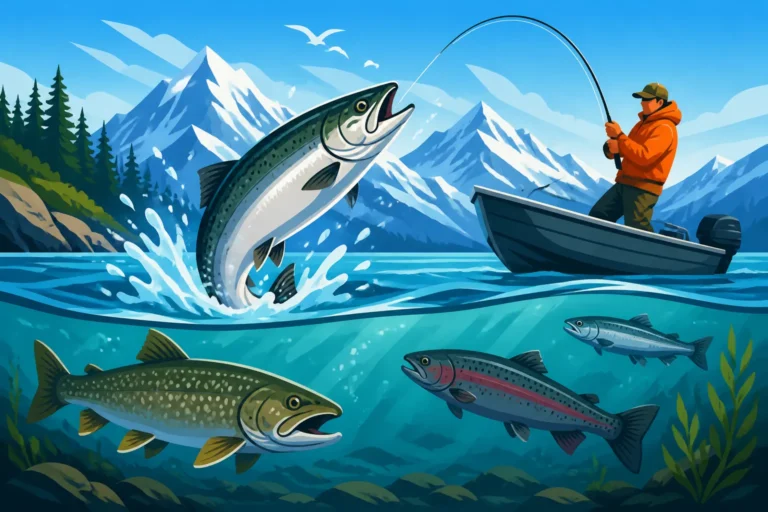
| King Salmon | Late May – Mid-July | Tidal river mouths, surf zone with deep channels | Cut plug herring, large spoons |
| Sockeye Salmon | Late June – Late July | River mouths, strong tidal currents near shore | Small flies (often 'flossing' technique), bare hooks |
| Pink Salmon | Mid-July – Late August | Rocky beaches, river mouths, shallow bays | Small spoons, spinners, pink jigs |
| Silver Salmon | Mid-July – Mid-September | River mouths, ocean beaches, rocky points | Spoons, spinners, cured salmon eggs, herring |
| Chum Salmon | Mid-July – Late August | River mouths, sheltered bays, rocky points | Spoons, large flies, bright colored jigs |
| Halibut | May – September (nearshore) | Sandy bottoms near structure, large tidal flats | Heavy jigs, cut bait (herring, salmon heads) |
| Lingcod | May – September | Rocky shorelines, kelp beds, submerged structure | Large jigs, swimbaits, whole herring |
| Rockfish | Year-round (best in summer) | Rocky points, drop-offs, kelp beds | Small jigs, soft plastics, squid |
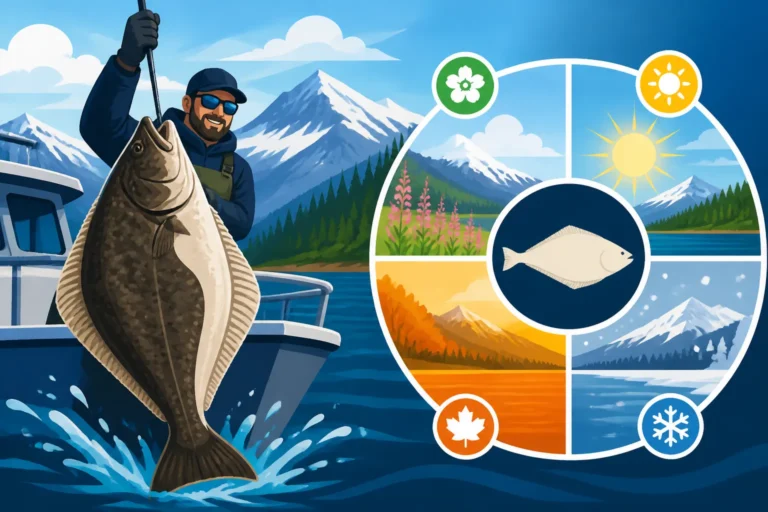
For detailed information on when specific species arrive, consult an Alaska Salmon Run Timing Explained guide. Generally, the summer months from June through September offer the most diverse and abundant opportunities for surf fishing in Alaska.
Techniques and Tactics for the Alaska Surf
Successfully catching fish in the Alaskan surf requires more than just casting and hoping. It involves understanding the environment, knowing how to present your bait or lure effectively, and being prepared to handle powerful fish in challenging conditions.
Reading the Water
The ability to "read the water" is perhaps the most crucial skill for any surf angler, and it's especially true in Alaska. This means looking for signs that indicate where fish might be holding or moving.
- Structure: Look for submerged rocks, jetties, tide pools, or any other features that break up the current or offer cover. Fish often congregate around these areas, ambushing baitfish. Even a subtle change in bottom contour can create a fish highway.
- Current Seams: Where fast currents meet slower water, or where a river current meets the tidal flow, you'll often find seams that concentrate bait and attract predatory fish. Casting into these seams and allowing your lure or bait to drift naturally is a highly effective tactic.
- Rip Currents and Eddies: These might look intimidating, but rip currents can actually be great places to fish. They pull baitfish out to deeper water, and larger fish will often patrol the edges of the rip. Eddies, on the other hand, provide calmer areas where fish can rest out of the main current.
- Baitfish Activity: Keep an eye out for nervous baitfish skipping on the surface, or diving birds, which are classic indicators of feeding activity below. If you see signs of bait, chances are the bigger fish aren't far behind.
Casting and Presentation
Long, accurate casts are vital to reach productive water beyond the immediate breakers. A proper two-handed cast can send your lure considerable distances, putting it in front of more fish. Once your lure or bait is in the water, the presentation depends on your target species and the chosen offering.
- Spoon Fishing: For spoons, a steady retrieve with occasional pauses or twitches is often effective. Vary your retrieve speed and depth until you find what triggers a strike. For species like King Salmon, a slow, methodical retrieve is often best. Learn how to catch King Salmon in Alaska, and you'll find that patience is a virtue.
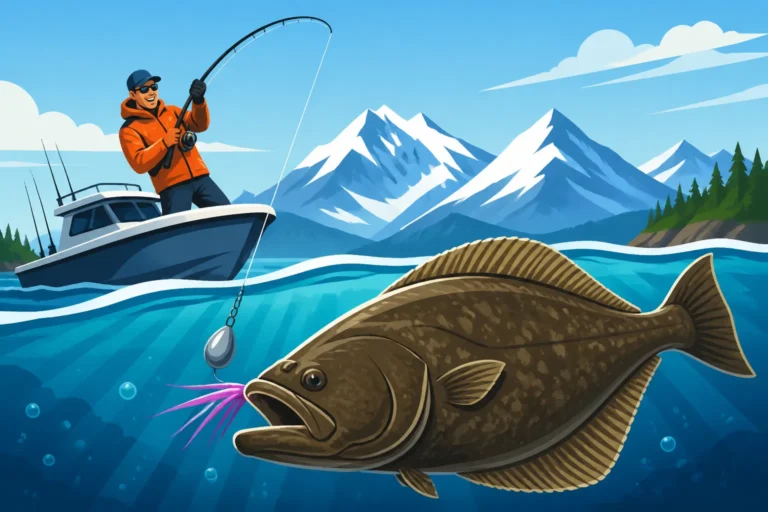
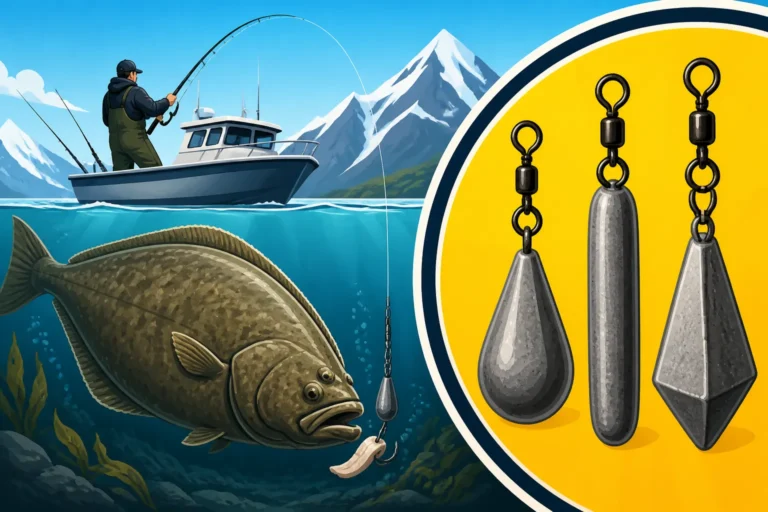
- Bait Fishing (Drifting/Soaking): When using cut bait like herring, you'll typically rig it with enough weight (often a pyramid sinker or a cannonball sinker) to hold the bottom, or just enough to allow it to drift naturally with the current. This can be done effectively using a Carolina rig or a fish-finder rig. Cast it out, let it sink, and keep a tight line to feel for bites. This is a common technique for nearshore halibut fishing.
- Jigging: For jigs, cast it out, let it sink to the bottom, and then use a series of sharp lifts and drops of the rod tip to make the jig "swim" erratically. This often imitates a wounded baitfish, irresistible to rockfish, lingcod, and even passing salmon or halibut. Many reputable tackle shops and online retailers like Amazon offer a wide range of jigs suitable for Alaskan waters.
Fighting Fish in the Surf
Hooking a strong fish in the powerful Alaskan surf is an exhilarating experience, but landing it can be a challenge. The strong currents and waves work against you, and the fish will use them to their advantage.
- Maintain Pressure: Keep steady, consistent pressure on the fish. Avoid letting it run into submerged snags or kelp beds. If it makes a strong run, let your drag do its job.
- Use the Waves: When the fish is close to shore, use the incoming waves to help slide it onto the beach. As a wave recedes, pull the fish up onto the exposed sand or gravel. This is particularly useful for larger fish like salmon or halibut.
- Be Patient: Don't try to horse a big fish in. Let it tire itself out, and work it slowly towards you. The battle might take longer than you expect, but a hurried fight often results in a lost fish.
- Landing Gear: A long-handled net or a Boga Grip can be invaluable for securing your catch in the turbulent surf. For larger fish like halibut, a gaff might be necessary, but always ensure you're familiar with proper and ethical gaffing techniques. Remember to always understand the current Alaska Fishing Limits and Bag Limits Explained for the species you're targeting.
Safety and Best Practices on the Alaska Coast
Alaska's wild beauty is undeniable, but it comes with inherent risks. Being prepared and practicing good judgment are critical for a safe and enjoyable surf fishing trip.
Wildlife Awareness
You're in bear country. Period. Whether you're fishing a remote beach on the Kenai Peninsula or a popular spot like Deep Creek, bears can be present. Always make noise while hiking, store food securely, and consider carrying bear spray and knowing how to use it. Many local outdoor stores and even Amazon carry bear spray, but ensure you know the regulations for carrying it, especially if flying. Other wildlife, such as moose, eagles, and various marine mammals, are common, and it's always best to give them their space.
Environmental Awareness
The Alaskan coast can be unforgiving.
- Tide Charts: Always carry and consult local tide charts. Getting stranded by an incoming tide on a remote beach or rock outcropping can be a life-threatening situation.
- Footing: Rocks can be incredibly slippery, covered in algae or barnacles. Wear appropriate wading boots with good grip, and take your time navigating uneven terrain. A wading staff can provide extra stability.
- Weather Changes: As mentioned, Alaska's weather can turn on a dime. Always dress in layers and carry extra waterproof clothing. Hypothermia is a real risk, even in summer.
- Leave No Trace: Pack out everything you pack in, including all fishing line, bait containers, and food wrappers. Respect the pristine environment and leave it better than you found it.
Regulations and Conservation
Alaska has some of the most complex yet effective fishing regulations in the world, designed to protect its precious fish stocks. It's your responsibility to know and follow them.
- Fishing License: Ensure you have a valid Alaska Fishing License: Complete Guide, including any necessary stamps like the King Salmon Stamp if you're targeting those fish. Non-residents have specific requirements.
- Emergency Orders: The Alaska Department of Fish and Game (ADF&G) frequently issues Emergency Orders that can change bag limits, open/close seasons, or restrict gear types on very short notice. Always check the most recent regulations before heading out. Websites and apps are available for this.
- Harvest Record Card: For certain species, like King Salmon, you'll need to record your catch immediately on your Alaska Harvest Record Card. Failure to do so can result in fines.
- Catch and Release: If you're practicing catch and release, do so ethically. Minimize handling time, keep the fish in the water as much as possible, and use barbless hooks to reduce injury.
Surf fishing in Alaska might not be the easiest way to catch fish, but it is undoubtedly one of the most immersive and rewarding. It connects you directly with the raw power and immense beauty of the Last Frontier. With the right preparation, gear, and a healthy respect for the environment, you can experience incredible angling adventures and make memories that will last a lifetime.
Disclaimer
The information provided in this guide is for general informational purposes only. Fishing regulations, conditions, and best practices in Alaska can change frequently. Always consult the latest Alaska Department of Fish and Game regulations and local resources before planning any fishing trip. Safety is paramount; be aware of your surroundings and prepare for all potential hazards.