How to Catch Homer Halibut
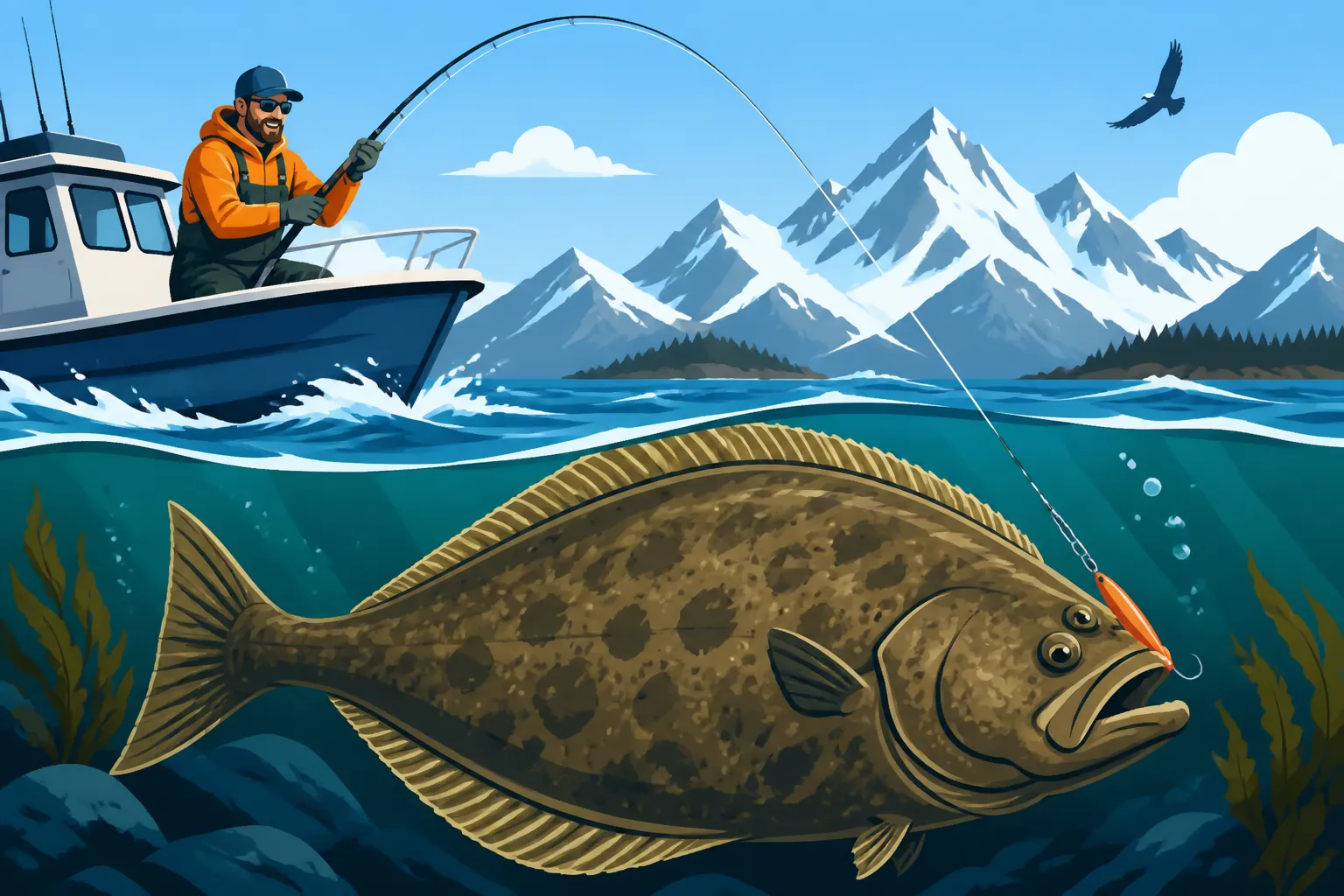
Catching a monstrous halibut in Homer, Alaska, is a dream for countless anglers, but the sheer scale of the ocean and the elusive nature of these powerful flatfish can make it feel like an insurmountable challenge. Many visitors arrive with high hopes only to be overwhelmed by the vastness of Kachemak Bay or confused by the myriad of gear options and fishing techniques. This comprehensive guide is designed to cut through the confusion, offering practical, veteran-tested advice on exactly how to increase your chances of landing a magnificent "barn door" halibut in the famed waters around Homer.
The Allure of Homer Halibut: Seasons and Prime Locations
Homer isn't called the "Halibut Fishing Capital of the World" for nothing. The deep, nutrient-rich waters of Cook Inlet and Kachemak Bay provide an ideal habitat for Pacific halibut, drawing anglers from around the globe. But just because there are a lot of fish doesn't mean they're always easy to catch. Understanding when and where to focus your efforts is the first crucial step to success.
When to Chase the Barn Doors: Peak Seasons
While halibut can be caught year-round in some parts of Alaska, the prime season for sportfishing in Homer generally runs from May through September. This window offers the best combination of weather, fish availability, and regulatory openness.
- Early Season (May-Early June): This is when the halibut start becoming more active after the colder winter months. You can often find some decent fish, though they might be in slightly shallower water as the overall ocean temperature begins to rise. The weather can be a bit unpredictable, with more chances for rough seas or chilly days, but the crowds are usually lighter. Some of the largest fish of the season are often caught in the early weeks as they feed aggressively.
- Mid-Season (Mid-June-August): This is the undisputed peak season for Homer halibut. The weather is typically at its best, the days are long (hello, midnight sun!), and the halibut are actively feeding. This also means more boats on the water, especially on weekends and during major fishing derbies. The abundance of salmon in the area during these months also means halibut are gorging themselves, growing bigger and stronger. This is when you're most likely to encounter the legendary "barn door" halibut, those massive fish over 100 pounds. For a broader look at the fishing calendar, consult an Alaska Fishing Seasons: Month-by-Month Guide.
- Late Season (September): As fall approaches, the halibut action can still be fantastic, though it might start to slow down slightly towards the end of the month. The crowds thin out, and you can enjoy a more peaceful fishing experience. The weather, however, becomes increasingly variable, with a higher chance of storms or cold fronts. Don't discount September, though; many seasoned anglers swear by its potential for big fish and fewer people.
Beyond the general season, it's vital to consider tides. Halibut are bottom dwellers, and strong tidal currents can be your friend or foe. Many experienced Homer captains prefer to fish during slack tide, or an hour or two on either side, when the water movement is minimal. This allows your bait to stay on the bottom more effectively without getting swept away, and halibut tend to be more active feeders during these calmer periods.
Where to Find Them: Homer's Productive Waters
Homer's fishing grounds are vast, encompassing Kachemak Bay, Cook Inlet, and even venturing out into the Gulf of Alaska. Halibut are often found on or near the bottom, preferring areas with structure, drop-offs, or underwater ledges where baitfish congregate.
- Kachemak Bay: While the inner bay can hold smaller "chicken" halibut (those under 30 pounds), the deeper channels and mouths of Kachemak Bay, particularly towards the entrance near the Barren Islands, are renowned for larger fish. These areas feature complex underwater topography with rocky outcrops and significant depth changes, creating ideal ambush points for halibut.
- Cook Inlet: North and west of Homer, Cook Inlet offers vast expanses of prime halibut habitat. Specific "honey holes" are often closely guarded secrets by local captains, but generally, areas with strong currents and ample baitfish are productive. Remember, the deeper you go, the bigger the potential for a trophy halibut, but also the more challenging it becomes to fish due to current and depth.
- The Outer Coast & Gulf of Alaska: For truly enormous halibut, many charters will run further offshore into the Gulf of Alaska. These trips are longer, more expensive, and highly weather-dependent, but they often yield the largest fish. If your dream is a true "barn door" halibut, this is often where you'll find it. Keep in mind that these distant grounds are typically reserved for full-day or multi-day charters.
- Structure is Key: Regardless of the specific location, always remember that halibut are opportunistic predators that use underwater features to their advantage. Look for areas marked on marine charts as "reefs," "ridges," "drop-offs," or "banks." These are natural congregating points for baitfish, which in turn attract the larger predators. Your charter captain will have their favorite spots, honed over years of experience. For a general overview of the region, check out our Homer Alaska Fishing Guide.
Gearing Up for Homer Halibut: Rods, Reels, and Rigs
You wouldn't bring a butter knife to a sword fight, and you certainly shouldn't bring light tackle to an Alaskan halibut battle. These fish are incredibly strong, with broad, powerful tails and a stubborn refusal to give up. Proper gear isn't just about catching fish; it's about making sure you have a fighting chance and don't lose the fish of a lifetime.
The Right Tools for the Job: Rods and Reels
When it comes to Homer halibut, think heavy-duty, robust, and reliable. This isn't the place for finesse; it's about brute strength and endurance.
- Rods: Look for a heavy or extra-heavy action conventional rod, typically 6 to 7 feet long. Fiberglass or composite rods are popular for their durability and forgiveness. The rod needs to have a strong backbone to handle heavy weights (often 1-3 pounds, sometimes more) and the immense power of a large halibut. A soft tip is beneficial for detecting subtle bites in deep water, but the power needs to kick in quickly to lift a big fish off the bottom. Companies like Ugly Stik or Penn Battle offer excellent value and durability, often available through retailers like Amazon.
- Reels: Conventional reels are the standard for halibut fishing due to their power, line capacity, and drag systems. A size 4/0 to 6/0 conventional reel with a strong star or lever drag system is ideal. You'll need a reel that can hold at least 300-500 yards of heavy braided line. Brands like Penn, Daiwa, or Shimano are workhorses in this fishery. Ensure the reel's drag is smooth and capable of applying significant pressure without locking up, as a big halibut will test it to its absolute limits.
- Line: Braided line (superline) is almost universally preferred for halibut. Its lack of stretch provides excellent sensitivity, allowing you to feel even the slightest tap in hundreds of feet of water. It also offers a thinner diameter for its breaking strength compared to monofilament, which helps reduce current drag and allows you to use lighter weights. Typically, 80-150 pound test braided line is used. The higher breaking strength isn't just for the fish; it also helps when your rig gets snagged on the bottom, allowing you to pull free without losing too much expensive tackle.
Crafting the Perfect Rig: Hooks, Weights, and Leaders
The terminal tackle you use is where your bait meets the fish. Getting this right is crucial, as a weak link here can mean a lost trophy.
- Spreader Bars or Three-Way Swivels: These are fundamental for presenting your bait effectively. A spreader bar keeps your main line separate from your leader, preventing tangles and ensuring your bait dangles enticingly off the bottom. A three-way swivel serves a similar purpose, allowing you to tie your main line to one eye, a leader to another, and your weight to the third. This setup is key to keeping your bait visible and enticing. Learning How to Rig a Spreader Bar for Halibut is a game-changer.
- Leaders: Use heavy monofilament or fluorocarbon leader material, typically 100-200 pound test, about 4-6 feet long. Halibut have abrasive mouths and powerful jaws, so a strong leader is essential to prevent break-offs.
- Hooks: Circle hooks are the go-to choice for halibut fishing, often in sizes ranging from 16/0 to 24/0. They are designed to hook fish in the corner of the mouth, which is safer for the fish if you're releasing it, and significantly reduces gut-hooking. Crucially, with circle hooks, you don't "set" the hook with a strong upward jerk. Instead, you simply apply steady pressure as the fish swims away, and the hook will rotate into place. Learn more about the advantages of Best Circle Hooks for Alaska Halibut.
- Weights: You'll need substantial lead weights to get your bait to the bottom and keep it there against strong currents. Pyramids, cannonballs, or flat disc weights weighing 1 to 3 pounds are common. In very deep water or strong current, you might even use heavier weights. The goal is to feel your weight hitting the bottom; if you can't, you need more lead.
- Bait: Fresh bait is king. Herring, salmon heads, cod fillets, squid, and octopus are all excellent choices. Many anglers prefer herring because of its oil content and scent trail. Often, charter boats will provide bait, but bringing some extra, perhaps from a local tackle shop or even ordered from Amazon for specific artificial options, can sometimes give you an edge. For a detailed look at options, see Best Bait for Alaska Halibut.
Here's a quick checklist for your Homer Halibut Gear:
| Item | Description |
|---|---|
| Rod | 6-7 ft, Heavy to Extra-Heavy action conventional rod (e.g., Ugly Stik GX2, Penn Carnage) |
| Reel | Conventional reel, size 4/0-6/0, with strong drag and high line capacity (e.g., Penn Fathom, Shimano Talica) |
| Line | 80-150 lb test braided line, 300-500 yards capacity |
| Leader | 100-200 lb test monofilament or fluorocarbon, 4-6 ft length |
| Hooks | 16/0 – 24/0 circle hooks (single or treble, depending on regulations and personal preference – circle hooks are standard for charters) |
| Weights | 1-3 lb lead weights (pyramid, cannonball, disc) |
| Rigs | Spreader bars or heavy-duty three-way swivels |
| Bait | Fresh herring, salmon heads, cod fillets, squid, octopus (often provided by charter, but consider bringing extra or specialized artificials) |
| Jigs (Optional) | Heavy-duty metal jigs (e.g., P-Line Laser Minnow, Nomad Design Streaker Jig) for active fishing. Many great options can be found on Amazon. |
| Gloves | Deck gloves for handling fish and line (optional but recommended) |
Proven Techniques for Homer Halibut Success
Having the right gear is only half the battle; knowing how to use it is the other. Halibut fishing in Homer typically involves a combination of bottom fishing and jigging, often adapting to conditions and fish behavior.
Bottom Fishing: The Classic Approach
This is the most common and often most effective method for halibut, especially when targeting larger fish. The goal is simple: get your bait to the bottom where the halibut live and wait for a bite.
- Anchored vs. Drifting:
- Anchored Fishing: Many charters will anchor over a known halibut hot spot, especially during periods of slack tide. This allows your bait to sit directly in the strike zone, concentrating scent and giving halibut time to find it. When anchored, cast your bait out a short distance from the boat to avoid tangles with other lines, and let it sink straight down.
- Drift Fishing: When the current is manageable, or if the halibut are spread out, drifting can be highly effective. The boat's movement drags your bait across a wider area, increasing your chances of encountering a fish. The key to successful drift fishing is maintaining contact with the bottom. You'll need to constantly adjust your line, letting out more as the boat drifts over deeper sections and reeling in as it drifts shallower. This can be more active and engaging than anchored fishing.
- Maintaining Bottom Contact: This cannot be stressed enough. If your weight isn't regularly tapping the bottom, your bait isn't where the halibut are. If you feel your line lifting off the bottom for more than a few seconds, let out more line. If the current is too strong and you can't get to the bottom even with heavy weights, it might be time to move to a different spot or wait for the tide to slacken.
- Detecting the Bite: Halibut bites can range from a subtle tap, feeling like a snag, to a powerful rod-bending strike. With braided line, you'll feel every twitch. Don't be too quick to set the hook, especially with circle hooks. When you feel a bite, drop your rod tip slightly, count to five, and then slowly lift, applying steady pressure. If you feel weight, keep reeling and lifting. Sometimes, a halibut will "mouth" the bait before fully committing, so a little patience can pay off.
Jigging for Aggressive Biters
Jigging is a more active form of fishing that can be incredibly effective, especially when halibut are particularly aggressive or when you want to cover ground more quickly than traditional bottom fishing.
- Jig Types: Heavy-duty metal jigs, often weighing 8-24 ounces, are popular. These can be slender "butterfly" jigs, or broader, more traditional "slab" jigs. Many come with glow-in-the-dark paint, which can be a huge advantage in deep, dark waters. You can find a wide variety of effective jigs on Amazon, but consult with local tackle shops in Homer for what's currently working best.
- Technique: The basic jigging motion involves dropping your jig to the bottom, then lifting your rod sharply about 3-5 feet and letting the jig flutter back down on a semi-slack line. The idea is to mimic a wounded baitfish. Experiment with the speed and height of your lifts. Sometimes a fast, erratic retrieve works, other times a slow, rhythmic motion is more effective.
- Combining with Bait: Many anglers will tip their jigs with a piece of bait, like a strip of herring or cod. This adds scent and can make the jig even more irresistible to a hungry halibut. The combination of visual appeal, erratic motion, and scent often proves to be a deadly presentation. For a deeper dive into techniques, read How to Jig for Halibut in Alaska.
- Feeling the Strike: Halibut often strike a jig on the drop, so be ready. If your line suddenly goes slack, or you feel a sudden weight or resistance, that's likely a bite. Again, with circle hooks on a jig, just sweep the rod and apply steady pressure.
Beyond the Bite: Regulations, Safety, and Fish Care
Successfully hooking a halibut is a thrill, but the journey isn't over until the fish is safely in the boat and processed according to regulations. Alaska's fisheries are carefully managed to ensure sustainability, so understanding the rules is paramount.
Navigating Alaska's Halibut Regulations
Alaska's fishing regulations can be complex and are subject to change, sometimes even mid-season, via emergency orders. It's your responsibility as an angler to know and follow them. Always check the current Alaska Department of Fish and Game (ADF&G) regulations for the Southcentral region before you head out.
- License Requirements: Everyone aged 16 and older needs an Alaska Fishing License: Complete Guide to sport fish in Alaska. Non-residents will need to purchase a specific non-resident license.
- Daily and Annual Limits: Halibut regulations often include daily bag limits, annual limits, and sometimes even size restrictions (like a reverse slot limit, which means you can only keep fish within a certain size range, e.g., under a certain length AND over a certain length, excluding the middle-sized fish). These limits can vary significantly between charter anglers and unguided anglers, and by region. For example, Homer-based charters often operate under specific federal regulations for daily and annual limits. Always verify the current Alaska Halibut Daily Limit for Charter Anglers if you're on a guided trip.
- Charter vs. Un-guided Regulations: Be aware that rules for charter boats (guided fishing) are often different and sometimes more restrictive than those for un-guided private boats. This is part of the management strategy to ensure the health of the fishery. Your charter captain will be fully aware of the current regulations, but it never hurts to be informed yourself.
- Emergency Orders: ADF&G frequently issues emergency orders that can change bag limits, open/close seasons, or alter fishing methods with little notice. Always check the ADF&G website or local offices for the latest updates before each fishing trip. Ignoring these orders can lead to significant fines and penalties. For a detailed look at the rules, consult the Alaska Fishing Regulations Explained.
From Water to Table: Landing, Processing, and Preserving Your Catch
Landing a large halibut is a team effort and requires proper technique to ensure safety and preserve the quality of the fish.
- Landing the Fish: Once a halibut is brought to the surface, especially a large one, it's not simply reeled into the boat. Deckhands or your guide will typically use a gaff or harpoon to secure the fish, often in the head, to prevent it from thrashing and causing injury or damage. For larger fish, a "killing shot" (a swift, humane blow to the head) is often administered immediately to subdue the fish and ensure it doesn't flop back into the water or hurt anyone.
- Bleeding the Fish: Immediately after landing, it's crucial to bleed the halibut. This involves making a cut to sever the main artery, usually near the gills or tail. Bleeding the fish quickly and thoroughly improves the meat quality, flavor, and shelf life. Many charters have dedicated bleed-tubs or methods to ensure this is done properly.
- Filleting and Processing: Back at the dock in Homer, there are several excellent fish processing businesses. Companies like Homer Fish Processing or Coal Point Seafood will professionally fillet, portion, vacuum-seal, and freeze your catch, often offering shipping services. This is a highly recommended service, as it ensures your hard-earned fillets are handled expertly and ready for your journey home. Trying to fillet a large halibut yourself for the first time on a dock can be a daunting, messy, and potentially wasteful task. You can also learn How to Fillet a Halibut for personal satisfaction if you are a DIY enthusiast.
- Shipping Your Catch: If you're flying home, these processors can pack your frozen fish in airline-approved boxes and even arrange shipping directly to your door, although shipping costs can be substantial. Always factor this into your overall trip budget. Keep copies of your fishing license and harvest records, as you may need them when shipping or transporting fish. For more comprehensive information, explore our Alaska Halibut: Complete Guide.
Catching halibut in Homer is more than just a fishing trip; it's an adventure into the heart of Alaska's wild bounty. With the right preparation, knowledge, and a healthy dose of patience, you'll be well on your way to experiencing the thrill of a lifetime and bringing home some of the best eating fish on the planet.
Disclaimer
The information provided in this guide is for general informational purposes only and does not constitute legal advice. Alaska fishing regulations, including those for halibut, are subject to change by the Alaska Department of Fish and Game (ADF&G) through emergency orders or regulatory updates. It is the sole responsibility of each angler to consult the most current ADF&G regulations and obtain all necessary licenses and stamps before engaging in any fishing activity. Always prioritize safety and adhere to local guidelines.