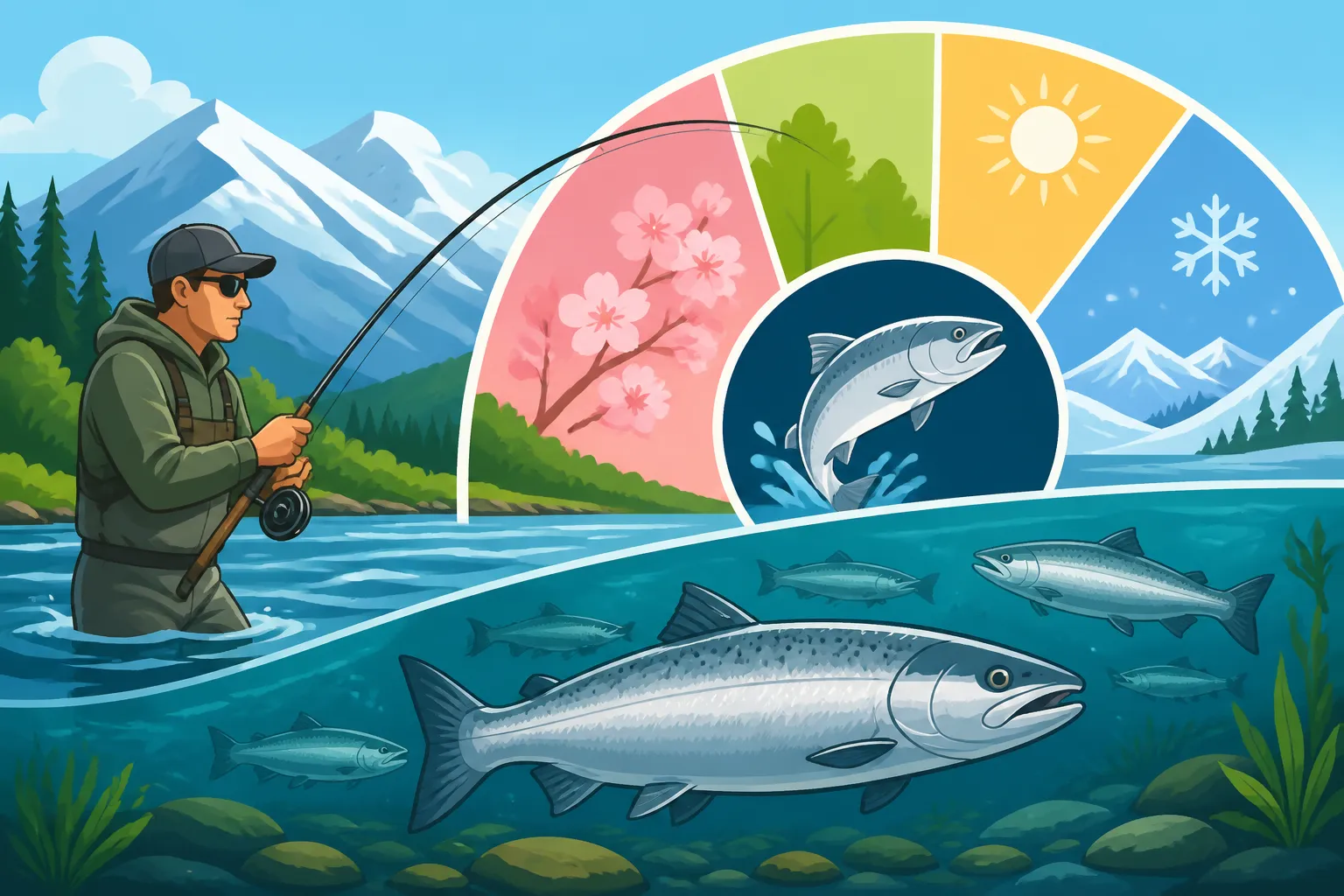
When Do Silver Salmon Run in Alaska
Anyone planning an Alaska fishing trip knows that timing is everything, especially when you're dreaming of chrome-bright silver salmon. It can be incredibly frustrating to arrive at a legendary river only to find the run hasn't quite started, or worse, has already passed its prime. This comprehensive guide is here to cut through the confusion, providing a detailed breakdown of when these spirited coho salmon typically make their grand entrance into Alaska's abundant waters, helping you plan your ultimate angling adventure.
Understanding the Silver Salmon Run Season in Alaska
Silver salmon, affectionately known as coho, are truly magnificent fish, renowned for their aggressive strikes and acrobatic fights. Unlike their sockeye cousins, which often arrive in massive, condensed waves, coho tend to trickle in, building up to strong, consistent runs that can offer phenomenal fishing for weeks, sometimes even months. Knowing when to expect them is paramount to a successful trip, and it's less about a single date and more about a general window that shifts based on a myriad of factors.
The General Window for Coho
For most of Alaska, the heart of the silver salmon season generally spans from late July through October, with peak action usually hitting from late August into September. It's a broad window, I know, but hear me out. The very first trickles of coho can start appearing in saltwater estuaries and lower river sections by mid-July in some southern coastal areas, signaling the start of the season. These are often what we call "early run" fish, and while they might be fewer in number, they can be exceptionally feisty.
As we move into August, these early runs begin to strengthen, especially in road-system rivers easily accessible from Anchorage like the Deshka River or parts of the Susitna system. The main push, however, really kicks into gear in late August and barrels through September. This is when the rivers are often teeming with fresh, feisty silvers, providing some of the most consistent fishing of the year. Some of the latest runs, particularly in rivers with long migration paths or those that freeze later, can extend well into October, offering a fantastic opportunity for those willing to brave cooler temperatures and potentially less crowded waters.
Why Timing Matters So Much
You see, hitting the run just right isn't just about catching a fish; it's about experiencing Alaska fishing at its very best. If you arrive too early, you might encounter sparse numbers, meaning more casting for fewer bites. Arrive too late, and the fish might be spawning, losing their vibrant chrome color, and becoming less interested in biting. The ideal time is when the fish are fresh from the ocean, full of vigor, and actively migrating upriver. They're still feeding aggressively, their scales are gleaming like polished silver, and their fight is absolutely legendary.
This prime window also means the fish haven't yet been exposed to heavy fishing pressure, making them more cooperative. As the season progresses, fish can become "educated" to certain lures or techniques. Furthermore, knowing the timing allows you to plan around other species. For instance, if you're hoping for a combo trip for both sockeye and silver salmon, you'll want to target late July or early August in specific rivers where their runs might overlap. Conversely, if you're purely after silvers, focusing on September often means you'll have the rivers predominantly to yourself for coho, without the intense combat fishing that often accompanies peak sockeye runs. It really makes a difference to experience that sweet spot of the run.
Key Factors Influencing Coho Salmon Runs
Predicting the exact day silver salmon will arrive in your favorite fishing hole is a bit like predicting the exact day spring will arrive – you can get a good estimate, but nature always throws a curveball. Several environmental factors play a huge role in dictating the precise timing and strength of coho runs each year.
Water Conditions and Weather Patterns
This is probably the biggest variable for any salmon run, and silver salmon are no exception.
- Rainfall: Alaska gets a lot of rain, and thank goodness for it, because rain often acts like a siren call for salmon. Significant rainfall events can dramatically increase river levels and clarity, signaling to staging coho in saltwater estuaries that it's safe to enter freshwater. Low, clear water can hold fish up in the salt, sometimes for weeks, while a good rain can trigger a massive push upriver almost overnight. I've seen it firsthand on the Kenai River; a few days of heavy rain in late August can completely change the fishing from slow to absolutely epic. Always keep an eye on the forecast!
- Water Temperature: Coho prefer cooler water temperatures for migration. Extended periods of unusually warm weather can raise river temperatures, making fish sluggish and less likely to push upstream. Conversely, a sudden drop in air and water temperature, often associated with fall, can signal to the fish that it's time to get a move on towards their spawning grounds.
- Snowmelt/Drought: While less impactful on the mid-to-late season coho runs than for early king or sockeye runs, drought conditions can lead to persistently low water levels, creating significant challenges for fish migrating upstream. They might wait longer in saltwater, conserving energy until a rain event makes the journey easier. Conversely, heavy snowpack earlier in the year can lead to prolonged high water, which while sometimes making fishing tougher due to strong currents, usually ensures fish can move freely.
Geographic Location and River Systems
Alaska is enormous, and what's happening in Southeast Alaska isn't necessarily what's happening in Southcentral or the Interior. The sheer geography dictates a lot about run timing.
- Coastal vs. Interior Rivers: Rivers closer to the ocean, especially in Southeast Alaska, tend to see earlier coho returns because the fish have less distance to travel from the ocean. Think of the rivers around Juneau or Ketchikan – they're practically spitting distance from the ocean. Rivers that flow hundreds of miles inland, like some tributaries of the Susitna River in Southcentral, naturally have later runs because the fish have a longer journey ahead of them. This is why you'll often hear about late-season silver fishing opportunities deep in the Interior.
- River Length and Gradient: Shorter, steeper rivers can sometimes have more condensed runs, as fish move through them quickly. Longer, meandering rivers might see more spread-out runs, with fish entering and holding in various sections along their migration. Understanding the specific river system you plan to fish is key. For example, the Kasilof River on the Kenai Peninsula has a relatively straightforward path, often leading to predictable runs, whereas a complex system like the Susitna can have fish spread across numerous tributaries.
Regional Breakdown of Silver Salmon Timings
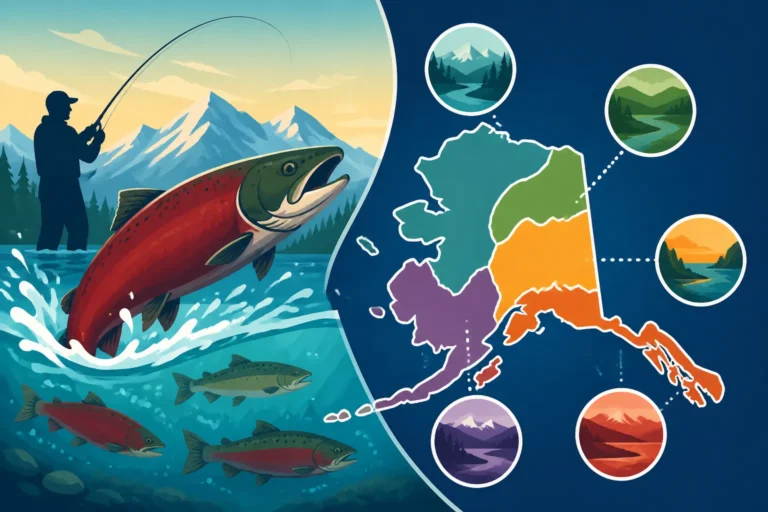
Alaska's vastness means that "when do silver salmon run?" doesn't have a single answer. It varies significantly by region, giving anglers options throughout late summer and fall. To truly understand the silver salmon calendar, it's best to look at the major fishing regions individually. For a broader overview of the year, check out our guide on Alaska Fishing Seasons: Month-by-Month Guide.
Southcentral Alaska: The Heart of Coho Action
This is arguably the most popular region for silver salmon fishing, thanks to its accessibility from Anchorage and the sheer number of productive rivers. The Kenai Peninsula, in particular, is a coho hotspot.
- Kenai River: The lower and middle sections of the Kenai River see strong silver runs, typically starting in early to mid-August, peaking in late August through mid-September. The early run, sometimes called "second-run" kings due to the overlap, provides a bonus. Then the main coho run really gets going. Fishing can remain excellent well into October, especially for those venturing further upstream towards Sterling and Cooper Landing. Remember that Alaska Fishing Regulations Explained are frequently updated, so always check before you go.
- Kasilof River: Located just south of the Kenai, the Kasilof generally follows a similar timing to the Kenai, with good silver action from mid-August into September. Often, it can be a good backup if the Kenai is experiencing high pressure or specific closures.
- Deshka River: This tributary of the Susitna River, north of Anchorage, often has one of the earlier significant silver runs in Southcentral, with fish arriving in early August and peaking towards the end of the month and into early September. It's a popular choice for those looking for early action.
- Anchor, Deep Creek, Ninilchik Rivers: These smaller "road-system" streams on the Lower Kenai Peninsula see their silver runs typically from late August through September. They are incredibly popular, especially with locals, and can be quite productive after a good rain. However, these rivers can also experience closures or bait restrictions, so always review the Alaska Southcentral Regulations Summary.
- Prince William Sound & Cook Inlet Marine Fisheries: Before they hit the rivers, silvers are active in the saltwater. Areas like Valdez and Whittier in Prince William Sound, or the marine waters of Cook Inlet, offer fantastic silver salmon trolling and jigging opportunities starting in mid-July and continuing strongly through August and into September. This is often where you'll find the first "chrome bright" fish of the season.
Southeast Alaska: Earlier and Longer Runs
Southeast Alaska, with its myriad of islands and coastal rivers, boasts some of the earliest and longest silver salmon runs in the state. The proximity to the ocean means less travel for the fish.
- Juneau, Ketchikan, Sitka: In these coastal communities and the surrounding drainages, silver salmon often start showing up in good numbers by late July, with consistent fishing throughout August and into September. Many small stream fisheries and marine areas offer excellent opportunities. Due to the high rainfall in this region, fish typically have ample water to migrate.
- River Systems: Think of rivers like the Nakat, Unuk, or various streams accessible from towns like Petersburg or Wrangell. Their runs can be strong from August through late September, with many fish holding in the estuaries and lower river sections, readily accessible to anglers. For specific details on these areas, you'll want to review the Alaska Southeast Regulations Summary. This region is also famous for multi-species trips, so for general planning, check out Best Fishing Spots in Alaska.
Interior and Western Alaska: Later but Strong
While Southcentral and Southeast get a lot of attention, don't overlook the interior and western parts of Alaska, which offer fantastic, often less-pressured, late-season silver fishing.
- Susitna River System: Beyond the Deshka, other tributaries of the Susitna, such as the Talkeetna River, Kashwitna, or Alexander Creek, see strong silver runs primarily in September and often extending into October. These fish have traveled further and are often large and powerful.
- Bristol Bay & Western Rivers: Rivers like the Nushagak, Naknek, and Alagnak are famous for sockeye, but they also get strong silver runs that kick in as the sockeye taper off. These runs typically peak in late August and September. Further west, remote rivers on the Alaska Peninsula or in the Kotzebue Sound region can have runs extending well into October, providing some truly wild and unpressured fishing experiences. The journey is long for these fish, so their arrival is naturally later. These locations are perfect for those seeking a true wilderness experience, and understanding the Alaska Interior Fishing Regulations Summary will be crucial.
Here's a quick overview of general peak silver salmon run timings by region:
| Region | General Peak Run Timing | Key Rivers/Areas |
|---|---|---|
| Southeast Alaska | Late July – Mid-September | Juneau, Ketchikan, Sitka, many small coastal rivers |
| Southcentral Alaska (Kenai Peninsula) | Mid-August – Late September | Kenai River, Kasilof River, Anchor River, Deep Creek |
| Southcentral Alaska (Mat-Su Valley) | Early August – Early October | Deshka River, Susitna River tributaries |
| Prince William Sound & Cook Inlet (Marine) | Mid-July – Early September | Valdez, Whittier, Homer, Seward |
| Interior & Western Alaska | Late August – Early October | Nushagak River, Naknek River, Alagnak River, Yukon River tributaries |
Maximizing Your Silver Salmon Fishing Trip
Now that you have a better grasp on when to find silver salmon, let's talk about how to make sure you're ready to catch them. A little preparation goes a long way in Alaska, and silvers are no different.
Essential Gear and Preparedness
Having the right equipment can significantly improve your chances and comfort. These fish hit hard and fight dirty, so your gear needs to be up to the task.
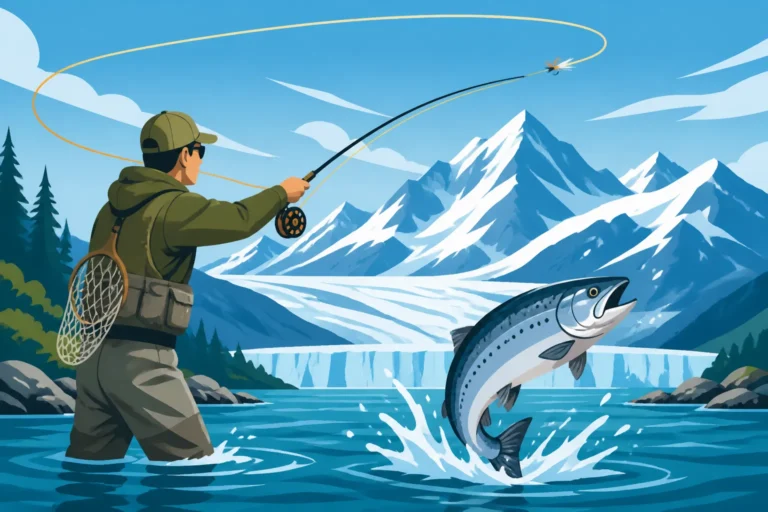
- Rods and Reels: For river fishing, a medium-heavy spinning rod (8'6" to 10'6") paired with a quality reel spooled with 20-30 lb braided line is a solid choice. If you're into fly fishing, an 8-weight or 9-weight fly rod with a strong reel and a floating line or an intermediate sink tip is ideal. Look for reputable brands; you can often find great deals on specific fishing setups on Amazon that will serve you well.
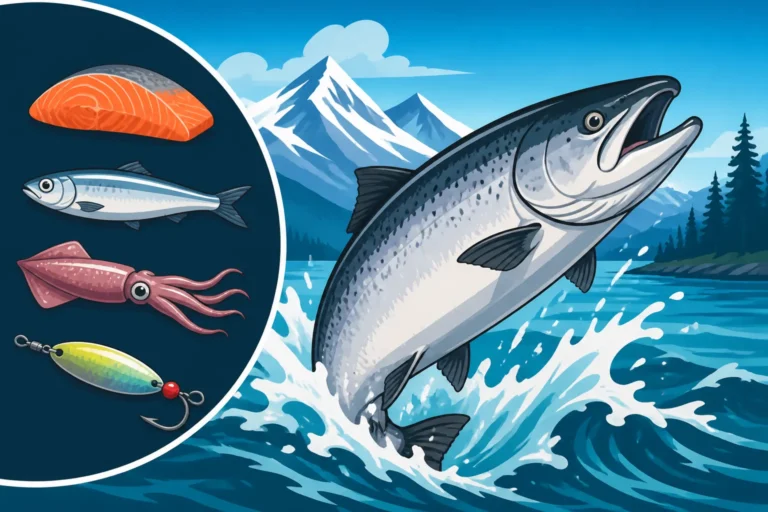
- Lures, Flies, and Bait: Silver salmon are aggressive and hit a variety of presentations. Spinners like the popular VooDoo Spinners or Mepps Aglia are classic choices. Spoons like Pixie Spoons with a contrasting insert, especially in pink or chartreuse, are deadly. For fly anglers, bright patterns like Dolly Llamas, Clouser Minnows, or various intruder-style flies in pink, purple, or chartreuse are highly effective. And of course, cured salmon eggs or even small chunks of herring or sardine can be irresistible to them when bait is permitted. For more detailed recommendations, check out our Alaska Fishing Gear and Tackle Guide.
- Weather-Appropriate Clothing and Waders: This is Alaska, folks. Even in August, a sunny morning can turn into a chilly, rainy afternoon. High-quality waterproof and breathable rain gear is non-negotiable. Don't skimp here; being wet and cold will absolutely ruin your day. Waders, whether chest or hip, are also essential for navigating riverbanks and wading safely. You'll find a wide selection of top-notch rain gear and waders, from brands like Simms or Grundéns, often available on Amazon. Layers are your friend, allowing you to adapt to changing conditions.
Staying Informed: Regulations and Forecasts
Alaska's fisheries are dynamic, and regulations can change without much notice, especially for popular species like salmon. Being informed is not just about avoiding fines; it's about respecting the resource.
- Alaska Department of Fish and Game (ADF&G) Emergency Orders: These are critical. ADF&G manages the fisheries closely, and if a run is weaker than expected, or if specific conservation goals need to be met, they will issue emergency orders. These can change bag limits, close specific rivers, or implement bait or gear restrictions. Always check the ADF&G website or local offices before heading out. Our article on How to Check Alaska Emergency Orders Before Fishing provides a step-by-step guide on navigating these crucial updates.
- River-Specific Regulations: Even within a region, rules can vary greatly from one river to another, or even different sections of the same river. Some areas might have catch-and-release rules, specific hook requirements (like single-hook, barbless), or bait prohibitions. Ignorance is no excuse, and violating regulations can lead to hefty fines and a ruined trip. Take the time to read the full sport fishing regulations booklet for the area you plan to visit.
- Run Forecasts and Fishing Reports: While never 100% accurate, ADF&G often provides pre-season forecasts for salmon returns based on escapement from previous years. Combine these with up-to-date fishing reports from local tackle shops, guides, or online forums. These reports can give you a real-time snapshot of where the fish are, what they're biting on, and if any emergency orders have been issued. Being plugged into the local grapevine, even virtually, can give you a significant advantage. Don't forget to review How to Catch Silver Salmon in Alaska for techniques that align with current conditions.
Ultimately, silver salmon fishing in Alaska is an experience like no other. With a bit of planning, attention to the calendar, and readiness for whatever Alaska's weather throws your way, you'll be well on your way to hooking into some of the most exciting fish the Last Frontier has to offer.
Disclaimer
The information provided in this guide is for general informational purposes only and is subject to change. Fishing regulations, run timings, and conditions in Alaska can vary significantly and are often updated by the Alaska Department of Fish and Game (ADF&G). Always consult the most current ADF&G regulations and emergency orders for the specific area you plan to fish before engaging in any fishing activities. We are not responsible for any inaccuracies or outdated information.