Alaska Fishing in July: What’s Biting
The Alaskan summer fishing season is a whirlwind of activity, and July often feels like the absolute peak of that beautiful chaos. Many anglers, especially those visiting for the first time, get overwhelmed trying to figure out what's really biting and where to even begin in this vast state. This comprehensive guide is here to cut through the confusion, helping you understand exactly which fish species are abundant in Alaska during July, the best places to find them, and the essential gear and techniques you'll need for a successful trip.
Why July is the Heart of Alaska Fishing Season
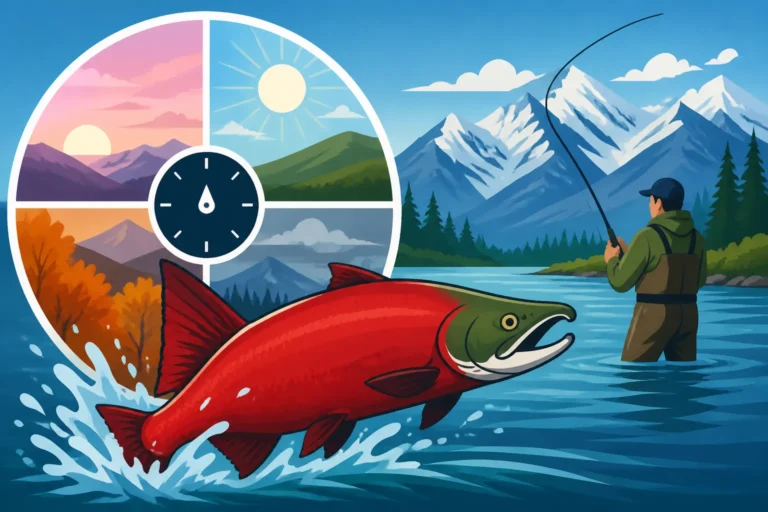
July in Alaska is nothing short of legendary for anglers, and for good reason. It’s when many of the major salmon runs are in full swing, the days are long thanks to the midnight sun, and the weather, while always unpredictable in Alaska, is often at its most hospitable. This month offers an incredible diversity of fishing opportunities, from battling powerful salmon in rushing rivers to wrestling giant halibut from the deep ocean.
The Peak of Salmon Runs
For many, Alaska fishing is synonymous with salmon, and July delivers on that promise like no other month. It’s a transition period where some early runs are still strong, and later runs are just beginning to show up in significant numbers. This overlap means you often have a chance at multiple salmon species during a single trip, a truly unique Alaskan experience.
Imagine standing on the banks of the Kenai River, surrounded by fellow anglers, all focused intently on the water, waiting for that tell-tale tug of a bright red sockeye. Or picture yourself out on the open ocean off Seward, trolling for a monster King Salmon. The energy is palpable, and the sheer volume of fish making their way upstream or feeding in saltwater makes July an incredibly exciting time to be an angler here.
Long Daylight Hours and Accessibility
One of the often-understated benefits of fishing in Alaska in July is the extended daylight. With nearly 24 hours of daylight in some northern regions and very long twilight hours even in the south, you have ample time to fish. This means less rushing, more flexibility, and the possibility of "just one more cast" turning into an extra hour of fishing under a perpetually bright sky.
This also makes many remote locations more accessible. Float plane services are running regularly, charter boats are making multiple trips a day, and even road system access points are bustling with activity. It’s the optimal time for both guided and unguided adventures, though with more people out on the water, it’s also crucial to be mindful of crowded areas and always practice good etiquette.
Targeting Salmon in July: A Species-by-Species Breakdown
When you think of Alaska fishing, salmon are usually the first fish that come to mind. July is prime time for several species, offering a thrilling variety of battles and delicious fillets. Understanding which salmon are where, and when, is key to maximizing your success.
King Salmon: Still a Chance for Royalty
While the peak of the King Salmon (Chinook) run often hits in June, July still offers fantastic opportunities, especially in specific regions and during the early part of the month. These magnificent fish are the largest of the Pacific salmon, renowned for their powerful runs and incredible fighting ability.
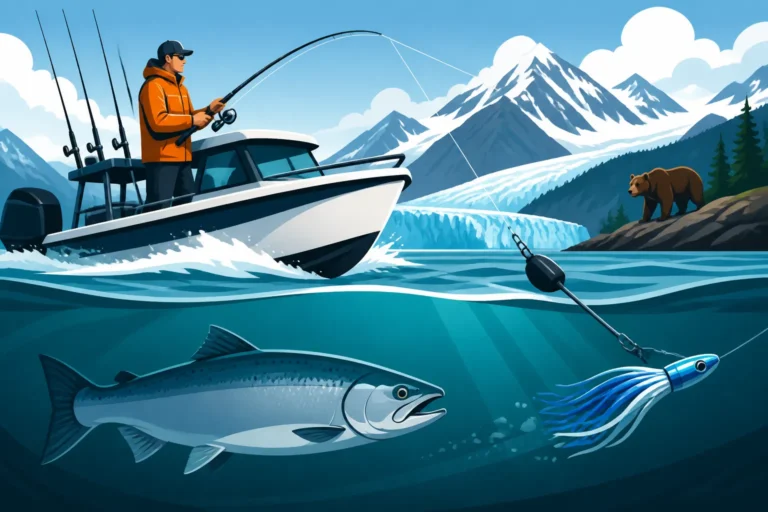
In early July, rivers like the Nushagak in Bristol Bay are often still experiencing strong King Salmon runs, drawing anglers from around the globe for its prolific fishery. Further south, systems like the Kenai River might see a second pulse of Kings, or at least offer residual opportunities for those targeting the larger, earlier fish. Keep a close eye on Alaska King Salmon Fishing Regulations and Limits, as these can change quickly due to emergency orders to protect declining stocks. For instance, the mighty Kenai River has seen closures for King Salmon fishing in recent years, making it even more important to check regulations before you go. Anglers often employ back-trolling with Kwikfish or pulling cured roe in bait restrictions areas.
Sockeye Salmon: The Red Hot Action
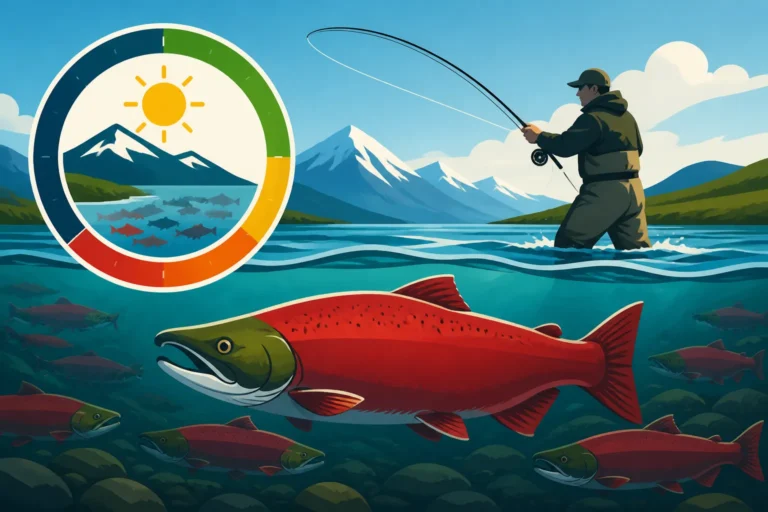
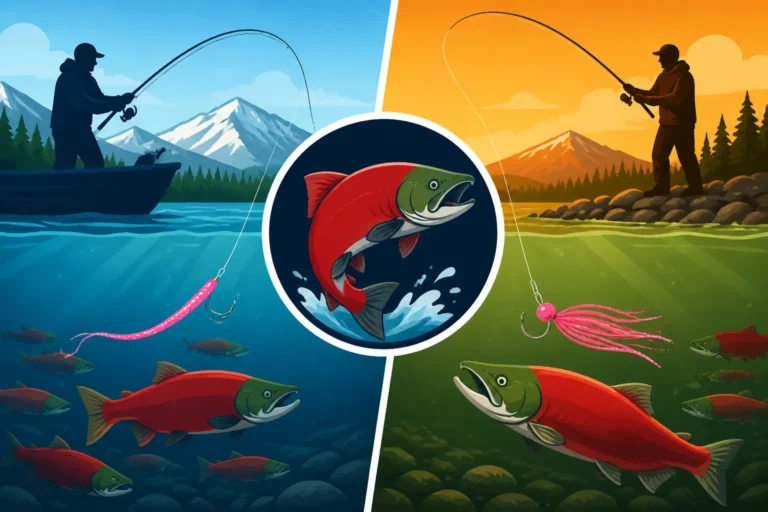
If there's one salmon species that defines July fishing in Alaska, it's the Sockeye (Red) Salmon. These fish arrive in absolutely staggering numbers, transforming rivers into vibrant arteries of life. Sockeye are prized for their firm, red flesh and their spirited fight, often characterized by acrobatic jumps and strong, steady pulls.
The Kenai River and the Russian River on the Kenai Peninsula are world-famous for their Sockeye runs, often attracting thousands of anglers daily in what's famously known as "combat fishing." While it sounds intense, it's an experience unlike any other, with success often coming from mastering the art of "flossing" or "lining" — a technique where a weighted fly or bare hook drifts naturally into the salmon's mouth as it pushes upstream. Further west, the vast river systems of Bristol Bay, including the Naknek and Alagnak Rivers, see literally millions of Sockeye returning, providing unparalleled opportunities for both fly and spin anglers. Knowing how to effectively fish for sockeye is crucial, and you can learn more about how to catch sockeye salmon in Alaska.
Silver Salmon: Early Arrivals
While Silver (Coho) Salmon typically peak in August and September, the earliest schools often start to arrive in coastal waters and the lower reaches of rivers by mid to late July. These aggressive biters are a favorite for many anglers due to their acrobatic fights and willingness to chase lures and flies.
Look for early Silver Salmon in saltwater estuaries and bays, particularly around Southeast Alaska (Ketchikan, Sitka, Juneau) and the outer coast of the Kenai Peninsula near places like Seward. They’ll often be found cruising near structure or feeding on baitfish. Popular techniques include casting spinners and spoons, or trolling with hoochies and flashers. As the month progresses, you might find them pushing into the lower sections of rivers, offering exciting opportunities for a mixed bag catch alongside Sockeye.
Pink and Chum Salmon: Abundance Galore
July is also a prime month for Pink (Humpy) Salmon and Chum (Dog) Salmon, especially as the month wears on. While often overlooked by anglers focused solely on Kings and Sockeye, these species offer incredibly fun fishing, especially for families and those looking for consistent action.
Pink Salmon, the smallest and most numerous of the Pacific salmon, arrive in odd-numbered years in absolutely massive numbers. In July of odd years, you can find them almost everywhere – from saltwater beaches to small creeks and major rivers across Southcentral and Southeast Alaska. They are eager biters and a blast on light tackle. Chum Salmon are larger and put up a very respectable fight, characterized by strong, dogged pulls. They are also widely distributed and often caught incidentally while targeting other salmon. Both Pinks and Chums respond well to bright, flashy spinners, spoons, and flies. For an easy way to gear up, many anglers find a wide selection of suitable lures and tackle available on Amazon, ready for their Alaskan adventure.
Beyond Salmon: Other Prime Catches in July
While salmon steal the spotlight, Alaska in July offers a treasure trove of other fishing experiences. From the deep-sea monsters to the pristine freshwater trout, there's something for every type of angler.
Battling Barn Doors: Halibut Fishing
July is absolutely prime time for Halibut fishing across Alaska's vast saltwater expanses. These flat-bodied giants are bottom dwellers and incredible fighters, providing a serious workout for any angler. The sheer size potential of an Alaskan halibut is a major draw, with "barn doors" weighing hundreds of pounds caught every season.
Iconic destinations like Homer, Seward, and Valdez are bustling with halibut charters throughout July. Anglers typically drop large baits (like herring, salmon heads, or octopus) or heavy jigs to the seafloor, often in depths ranging from 100 to 500 feet. The bite can be subtle, but once hooked, a large halibut will test your strength and gear to its limits. Make sure to check the Alaska Halibut Charter Regulations Explained before you book, as rules for charter operations, including daily and annual bag limits and size restrictions, can differ from unguided fishing.
Here's a quick look at prime July fishing opportunities:
| Species | Primary Season (July) | Best Locations (Examples) | Key Characteristics | Common Techniques |
|---|---|---|---|---|
| Sockeye Salmon | Peak | Kenai, Russian, Bristol Bay | Abundant, firm red meat, acrobatic fighter | Flossing, fly fishing |
| King Salmon | Early/Mid-July | Nushagak, Kenai (check EOs) | Largest salmon, powerful runs, trophy potential | Trolling, back-trolling |
| Silver Salmon | Late July (early runs) | Seward, Sitka, lower rivers | Aggressive, acrobatic, chase lures | Spinners, spoons, trolling |
| Pink Salmon | Peak (odd years) | Statewide coastal/rivers | Most numerous, eager biters, light tackle fun | Spinners, flies |
| Chum Salmon | Peak | Statewide coastal/rivers | Strong fight, large, often incidental catch | Spinners, flies |
| Halibut | Peak | Homer, Seward, Valdez | Bottom dweller, massive size, powerful deep fight | Bottom fishing, jigging |
| Rainbow Trout | Peak | Kenai, Naknek, Bristol Bay | Trophy potential, voracious feeders, fly fishing heaven | Fly fishing (beads), spin |
| Dolly Varden/Arctic Char | Peak | Coastal rivers, feeder streams | Aggressive, colorful, beautiful | Spinners, flies |
| Lingcod | Peak | Seward, Sitka, Gulf of Alaska | Aggressive predator, strong fight, delicious meat | Jigging, bait fishing |
| Rockfish | Peak | Seward, Sitka, Gulf of Alaska | Various species, good eating, consistent action | Jigging, bait fishing |
Trout and Char: Freshwater Gems
Beyond the salmon runs, July is also a phenomenal month for freshwater species, particularly Rainbow Trout and Dolly Varden (which are often indistinguishable from Arctic Char to the casual angler).
Many of Alaska’s world-renowned trout fisheries are at their best in July. As millions of salmon enter the rivers, they bring with them a feast of protein in the form of eggs and decaying flesh, creating an explosion of food for resident trout. The Kenai River is famous for its massive "trophy" Rainbow Trout, which gorge themselves on sockeye eggs. Fly fishing with bead patterns that imitate salmon eggs is incredibly effective here, especially in areas like Cooper Landing. Similarly, the rivers of Bristol Bay offer unparalleled opportunities for catching large Rainbow Trout and aggressive Dolly Varden, often just downstream from spawning salmon. For those looking for remote, pristine experiences, a fly-out trip to a wilderness lodge can put you on undisturbed waters. Learn more about Alaska Rainbow Trout Guide and how to catch them.
Coastal Predators: Lingcod and Rockfish
For saltwater anglers seeking something different, July provides excellent opportunities for Lingcod and various species of Rockfish. These deepwater predators are not only exciting to catch but also provide some of the finest eating fish Alaska has to offer.
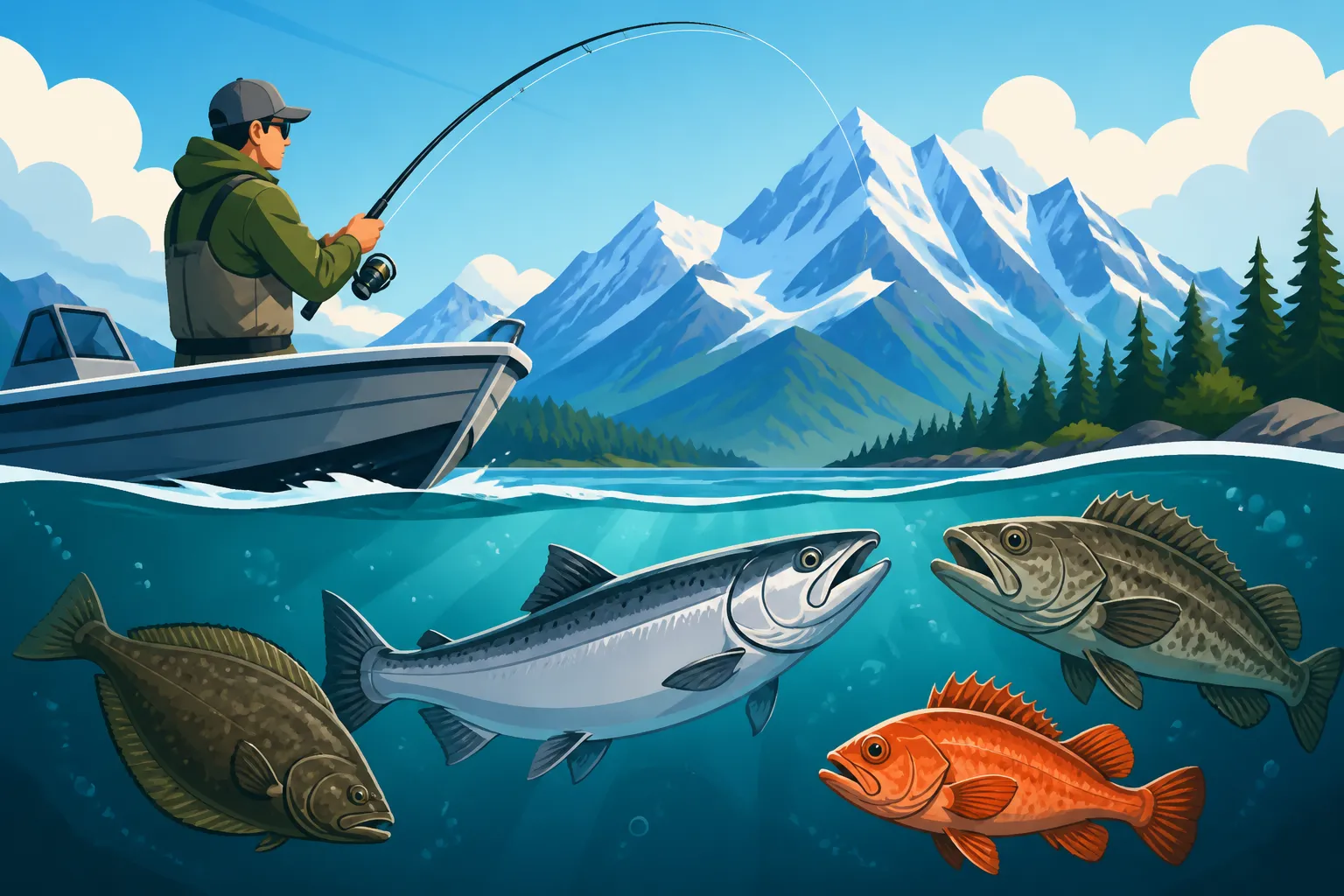
Lingcod, with their toothy grins and aggressive strikes, are often found around rocky reefs and pinnacles in coastal waters, especially in Southeast Alaska and the Gulf of Alaska. They put up a powerful, head-shaking fight that will test your tackle. Heavy jigs or large chunks of bait fished near the bottom are typically most effective. Rockfish, which encompass a wide variety of species like Yelloweye, Black, and Quillback, are abundant in similar habitats. They provide consistent action and are excellent table fare. Many charter boats offer combo trips where you can target halibut, lingcod, and rockfish all in one day out of ports like Seward or Sitka. Remember to familiarize yourself with Alaska Rockfish Retention and Release Rules, especially regarding deepwater release devices.
Gear and Tactics for July Success
Preparing for an Alaska fishing trip in July means thinking about versatility and being ready for anything the Last Frontier throws at you. The right gear and understanding common tactics will make all the difference between a frustrating outing and a memory-making one.
Must-Have Tackle for July
Given the variety of species available, a diverse tackle box is your best friend in July. You’ll want to be prepared for both freshwater and saltwater scenarios, or at least the specific type of fishing you plan to do.
For river fishing, especially for Sockeye, you’ll need a medium-heavy spinning rod (8.5-10.5 feet is common for flossing) paired with a robust spinning reel spooled with 30-40 lb braided line, tipped with a fluorocarbon leader. For King Salmon, heavier conventional gear or baitcasting setups are preferred, capable of handling 40-60 lb line. Fly anglers targeting Sockeye or Trout will want 7-9 weight rods. For saltwater species like Halibut, heavy-duty conventional reels paired with stout rods capable of handling 80-130 lb braided line are essential. Jigs from 8oz to 24oz (and even heavier in strong currents) are standard, along with sturdy circle hooks for bait. Don't forget a reliable fillet knife and a cooler or fish bag for your catch. When packing, many anglers purchase specialized fishing clothing, rain gear, and even tackle boxes from Amazon before their trip to ensure they have exactly what they need. You can find a more extensive list in our Alaska Fishing Gear and Tackle Guide.
Popular Fishing Techniques
Matching your technique to the species and conditions is paramount in Alaska.
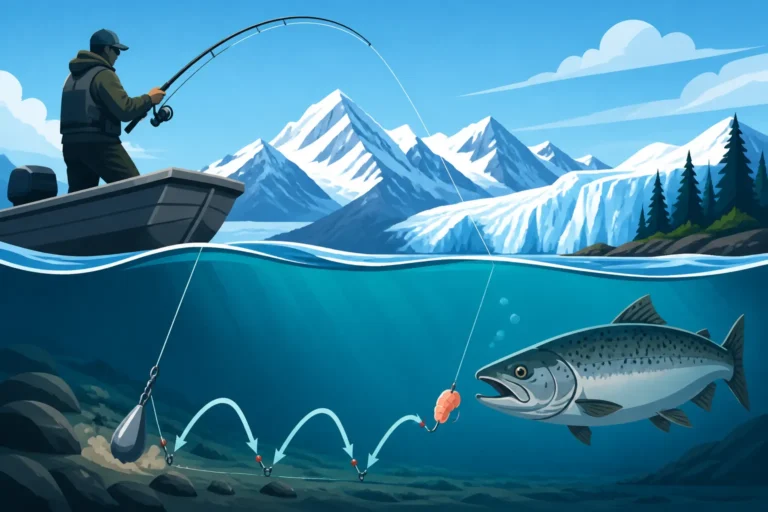
- Flossing (for Sockeye): This unique technique involves drifting a weighted leader with a short section of monofilament and a bare hook (or small unweighted fly) through a dense school of Sockeye. The goal is for the line to pass over the fish's back, and as the weight hits the bottom and the line tightens, the hook often snags the fish in the mouth. It requires practice and precision but is incredibly effective during peak Sockeye runs.
- Back-Trolling/Drift Fishing (for King Salmon): In many rivers, guides use powerboats or drift boats to slowly move downstream, allowing lures like Kwikfish or wobbling plugs, often tipped with cured roe, to "back-troll" or drift into holding King Salmon. This technique presents the bait naturally to staging fish.
- Bottom Fishing/Jigging (for Halibut, Lingcod, Rockfish): This is the go-to for saltwater bottom dwellers. Heavy jigs are dropped to the bottom and worked with an aggressive up-and-down motion to attract strikes. Alternatively, large baits are fished on spreader bars or slider rigs directly on the seafloor.
- Spin Fishing/Casting (for Silvers, Pinks, Chums, Trout): Casting spinners (like Pixees or Vibrax), spoons (like Daredevils or Little Cleos), or plugs (like Kwikfish or Mag Lips) is highly effective for aggressive salmon and trout in rivers and estuaries. Focus on seams, eddies, and structure where fish might be holding.
- Fly Fishing (for Trout, Sockeye): While flossing with a fly rod is popular for Sockeye, traditional fly fishing with egg patterns, streamers, or dry flies can be incredibly productive for Rainbow Trout, Dolly Varden, and Arctic Grayling, especially in systems with clear water and abundant insect life.
Internal Links to Enhance Your Alaska Fishing Knowledge
Navigating Alaska's fishing scene can be a lot, even in a peak month like July. To truly round out your knowledge and prepare for your adventure, consider diving deeper into these topics:
- For a broader understanding of when specific runs are happening, check out the Alaska Salmon Run Timing Explained.
- To ensure you’re fishing legally and responsibly, read up on the latest Alaska Fishing Regulations Explained.
- If you're thinking about extending your trip or visiting at a different time, our guide on the Best Time to Fish in Alaska offers a great overview.
- Considering hiring a guide? Our comprehensive guide on Alaska Fishing Charters: Complete Guide will help you make an informed decision.
- Before you head out, make sure you understand the Alaska Harvest Record Card Explained, as many species require immediate recording.
- Want to know where the best fishing is, period? Our article on the Best Fishing Spots in Alaska gives you the rundown.
- If you're particularly interested in targeting the elusive King Salmon, don't miss Alaska King Salmon: Complete Guide.
- For those deepwater battles, get all the facts from our Alaska Halibut: Complete Guide.
- To understand all the nuances of catching the abundant Sockeye, read How to Catch Sockeye Salmon in Alaska.
- And if you're keen on landing a trophy Rainbow, check out our Alaska Rainbow Trout Guide.
July in Alaska is an incredible time to wet a line. Whether you're chasing the legendary Sockeye, dreaming of a giant halibut, or exploring pristine trout streams, the opportunities are endless. Prepare well, respect the regulations, and get ready for an unforgettable fishing adventure in the Last Frontier!
Disclaimer
The information provided in this guide is for general informational purposes only and is subject to change. Alaska fishing regulations, seasons, and bag limits are dynamic and can be altered frequently through emergency orders issued by the Alaska Department of Fish and Game. Always consult the most current official Alaska Sport Fishing Regulations booklet and check for any emergency orders before you head out on your fishing trip. Failure to do so could result in fines or penalties.