Alaska Fishing in May: What’s Biting
It's May, and you're probably dreaming of casting a line into Alaska's pristine waters, but the idea of an early season trip can feel a bit daunting. Many anglers wonder if it's too early for decent fishing, worried they'll arrive only to find frozen lakes or empty rivers. This comprehensive guide is here to unravel the mysteries of Alaska fishing in May, detailing exactly what's biting, where you should be headed, and how to maximize your chances for a successful early-season adventure.
Understanding May in Alaska: A Transitional Angling Landscape
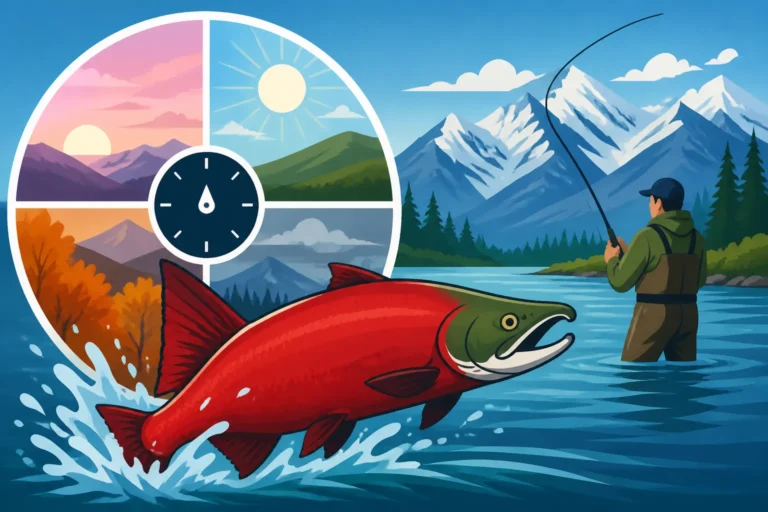
May is a fascinating, often overlooked month for fishing in Alaska. It’s a time of transition, where the last vestiges of winter give way to the burgeoning energy of spring. Snow melts, rivers swell, and fish, both freshwater and saltwater, begin to stir with renewed vigor. However, it's also a month of incredible variability, where conditions can change rapidly, and what's open and biting can differ significantly from week to week and region to region. Don't let that intimidate you; understanding this dynamic is key to a rewarding experience.
The Spring Thaw and Its Impact on Fisheries
As May progresses, the vast snowpacks across Alaska begin their melt, feeding countless rivers and streams. This influx of cold, fresh water can dramatically affect water levels, clarity, and temperature. In early May, many interior lakes might still be ice-bound, while lower-elevation rivers are already running high and often turbid. This means that while some areas are just waking up, others are hitting their stride. For river anglers, understanding how this runoff impacts water conditions is crucial. A river blown out with glacial melt can make fishing challenging, but a clear, stable tributary might be holding hungry fish. Saltwater fishing, conversely, is less affected by freshwater runoff, making it a more consistent option during periods of heavy melt. You'll often find that coastal areas and deeper ocean waters offer more predictable conditions.
This period of thaw also signals a change in insect hatches and forage availability, influencing the feeding patterns of resident fish. Trout, Dolly Varden, and Arctic Grayling, which have been relatively dormant under the ice or in slow-moving waters, become more active as food sources emerge. It's a true awakening, and if you're prepared for the varying conditions, you can find some incredible opportunities.
Early Season Expectations Versus Reality
The reality of May fishing in Alaska is that it often isn't the "peak season" many envision with endless salmon pouring into every river. That glory typically arrives in June and July. However, May offers its own unique charm and specific opportunities that savvy anglers cherish. Expect fewer crowds, more serene experiences, and a chance to target some truly magnificent fish before the summer rush.
For example, while the Kenai River might not see its massive sockeye runs until later, you can still find good early king salmon action. Similarly, while a remote wilderness lake might require a bit more planning to ensure it's ice-free, the rewards can be phenomenal, with aggressive trout eager to strike after a long winter. It's about adjusting your expectations from quantity to quality, and embracing the adventure of early-season exploration. You won't be shoulder-to-shoulder with hundreds of other anglers, which for many, is a huge plus. It’s a chance to truly experience Alaska’s wildness.
Key Fish Species Biting in Alaska During May
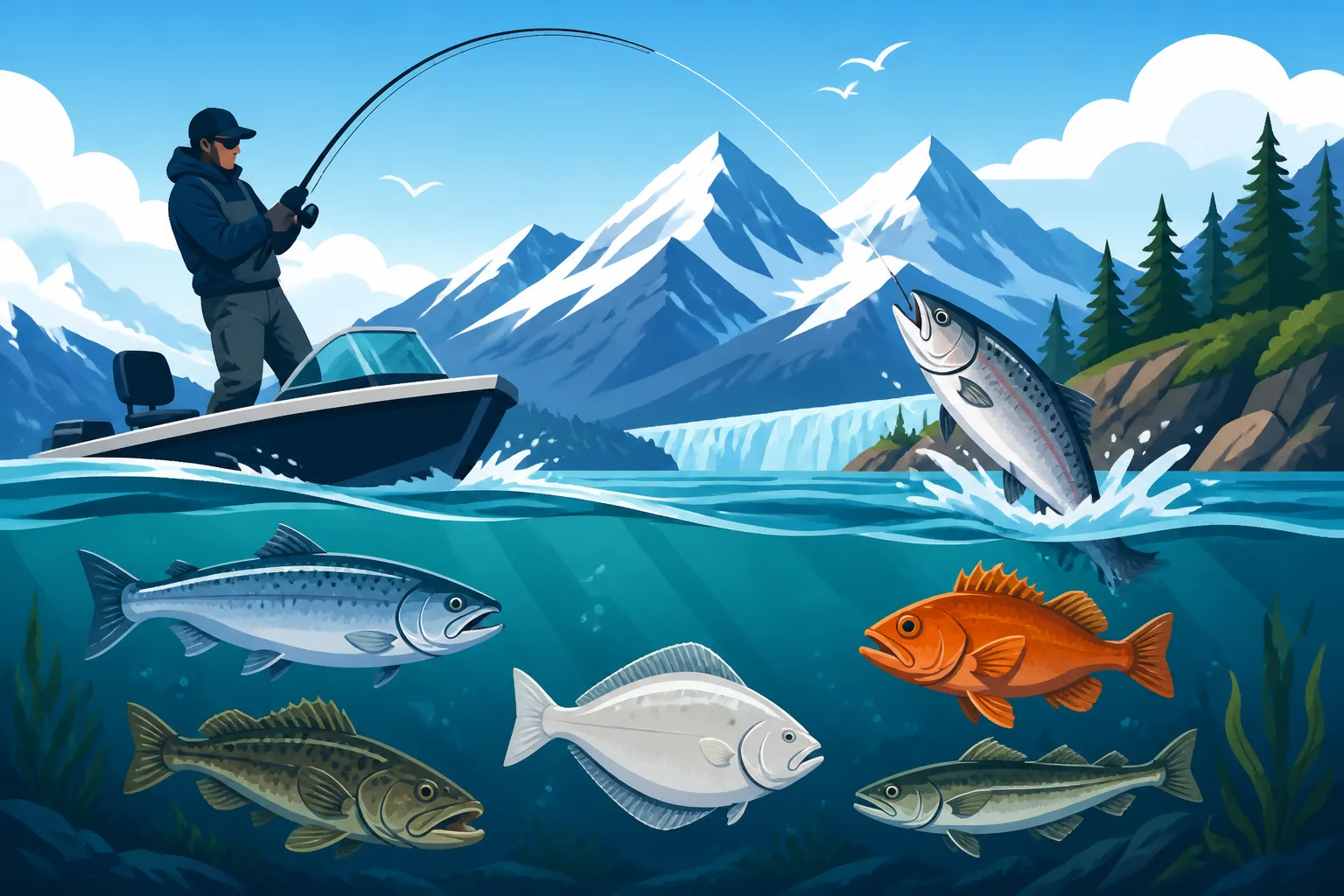
May is a prime month for several iconic Alaskan species, each offering a distinct fishing experience. From the mighty King Salmon to the powerful Halibut and vibrant freshwater residents, there's plenty of action to be found if you know where to look.
King Salmon: The Early Run Excitement
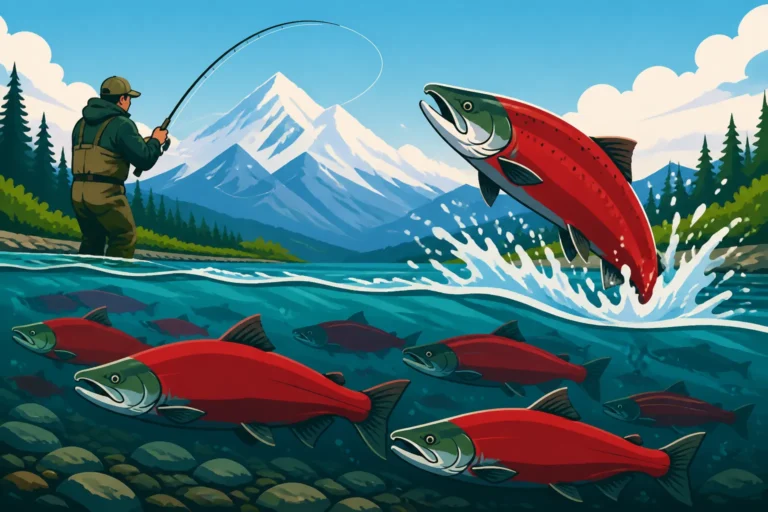
Ah, the King Salmon! For many, these chrome-bright giants are the holy grail of Alaska fishing, and May marks the beginning of their much-anticipated return. While the main pulse of the runs hits in June and July, the earliest kings start making their way into certain rivers in mid to late May. These are often large, powerful fish, fresh from the ocean, and they put up an incredible fight. Targeting these early kings requires persistence and local knowledge, but the reward of landing one is truly unforgettable.
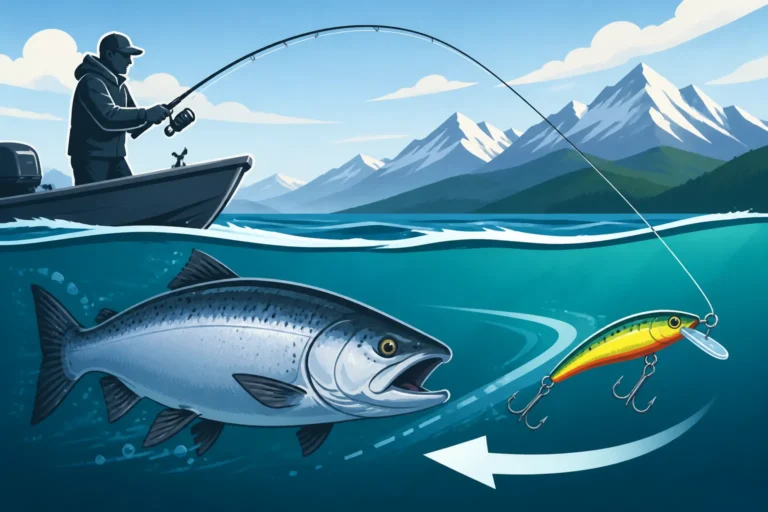
Rivers like the Kasilof River on the Kenai Peninsula are renowned for their early King Salmon runs, often opening to retention fishing in mid-May. The Susitna River drainage, including tributaries like the Deshka River, also sees an early influx of these magnificent fish. These "early kings" are often fewer in number than the later runs, but they tend to be exceptionally strong and aggressive. Anglers often employ back-trolling with Kwikfish or Brad's Super Baits, often wrapped with herring, or drifting with cured salmon roe. Make sure you check the specific regulations, as early King Salmon seasons can be highly regulated and subject to emergency orders due to conservation concerns. For a deeper dive, check out our guide on Alaska King Salmon Fishing Regulations and Limits.
Halibut: Deepwater Giants Awake
For saltwater enthusiasts, May is an outstanding month to chase Pacific Halibut. These enormous flatfish are widespread in Alaska's coastal waters, and by May, they are actively feeding after their winter deepwater migration. The fishing tends to be excellent as the halibut are hungry, and the waters are often less crowded than during the peak summer months. Whether you're dropping a line in Kachemak Bay out of Homer or the rich waters near Seward, the chances of hooking into a "barn door" halibut are very real.
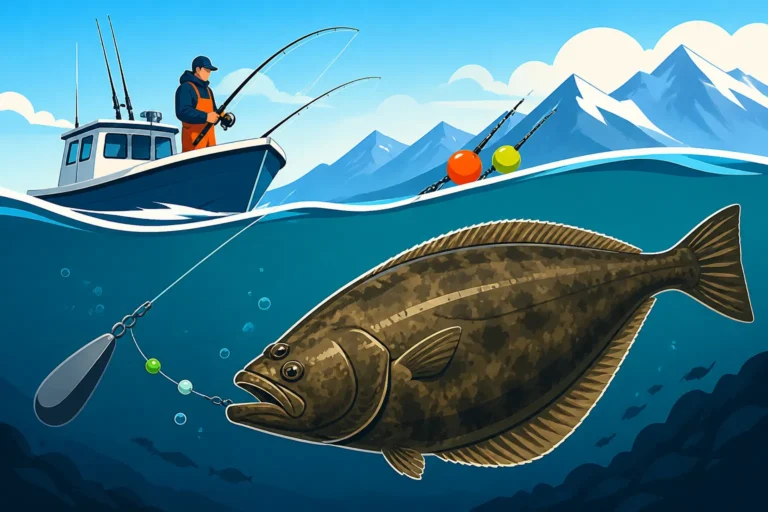
Halibut fishing typically involves bottom fishing with heavy tackle, using large bait such as herring, salmon heads, or octopus. Jigging with large metal jigs can also be incredibly effective, especially when paired with a chunk of bait. Charter operations, particularly out of Homer and Seward, are in full swing by May, taking anglers to productive halibut grounds. Remember, these fish can grow to immense sizes, so be prepared for a serious workout! Our article on How to Catch Halibut in Alaska offers more tactical advice. Don't forget proper rain gear and layers for these saltwater excursions; even on a sunny day, the ocean spray can be chilling. You can find robust, waterproof options easily on Amazon.
Resident Freshwater Species: Trout, Grayling, and Dolly Varden
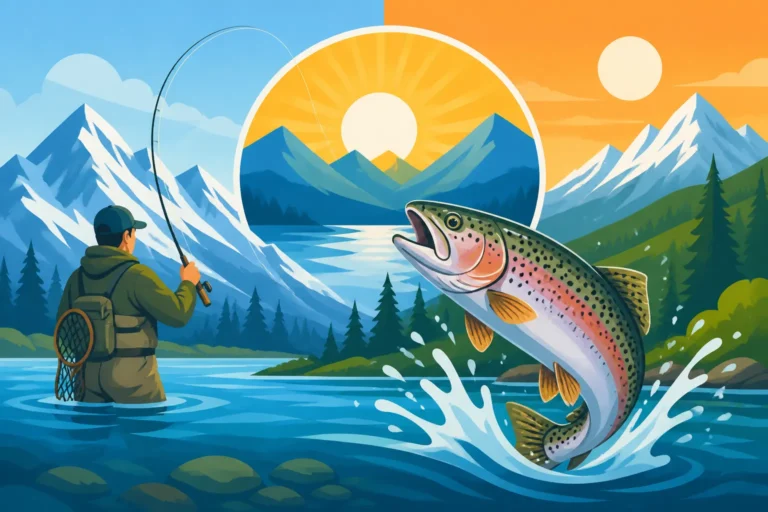
While salmon runs dominate the summer headlines, May is a fantastic time for freshwater fishing for Alaska's resident species. As the ice recedes and waters warm slightly, Rainbow Trout, Arctic Grayling, and Dolly Varden become incredibly active and aggressive, eager to feed after a long, cold winter.
- Rainbow Trout: Many rivers and lakes that hold robust populations of rainbow trout become accessible in May. The Kenai River, even before the big salmon runs, can offer excellent trout fishing, especially for opportunistic rainbows feeding on insect larvae and smolt. Other rivers in Southcentral Alaska, like the Russian River and its tributaries, also come alive with trout action. Fly fishing can be particularly rewarding, targeting trout with nymph patterns, small streamers, or emerging dry flies as insect hatches begin. Spin anglers will find success with small spinners and spoons, or bait like salmon eggs where permitted.
- Arctic Grayling: With their distinctive sail-like dorsal fin, Arctic Grayling are a joy to catch on light tackle. They are widely distributed throughout interior and Southcentral Alaska's clearwater streams and lakes. May sees them actively feeding on emerging insects, making them a prime target for fly anglers using small dry flies. They are often found in relatively shallow, clear water, making them visually exciting to fish for.
- Dolly Varden: These char species are prevalent in coastal streams and rivers, and they too become very active in May. Often mistaken for trout, Dollies are voracious predators and can be found shadowing salmon smolt as they migrate to the ocean. Fishing with small spinners, spoons, or char patterns on a fly rod can yield excellent results. They are known for their beautiful coloration and feisty fight.
Many remote lakes and accessible roadside streams near population centers like Anchorage and Fairbanks offer great opportunities for these species. Make sure to check local regulations for specific areas, as some waters might have special restrictions like catch-and-release only or single-hook requirements.
Where to Fish in May for Best Results
Choosing the right location in May is paramount to a successful Alaska fishing trip. Depending on whether you're chasing kings, halibut, or freshwater residents, certain regions and specific bodies of water stand out.
Top Saltwater Destinations for Kings and Halibut
When it comes to saltwater fishing in May, a few key destinations consistently deliver for both King Salmon and Halibut.
- Homer: Known as the "Halibut Fishing Capital of the World," Homer is an undeniable hotspot in May. Located on Kachemak Bay, its charter fleet is typically fully operational, taking anglers to offshore grounds for large halibut. You can find excellent opportunities to catch trophy-sized halibut here. The picturesque drive down the Kenai Peninsula to Homer is an experience in itself, and the town offers a fantastic base for multi-day excursions. Homer also offers opportunities for king salmon, often caught incidentally while halibut fishing or specifically targeted in certain nearshore areas. Find out more about fishing here with our Homer Alaska Fishing Guide.
- Seward: Situated on Resurrection Bay, Seward is another premier saltwater destination that fires up in May. Charters departing from Seward target both halibut and early-season King Salmon in the nutrient-rich Gulf of Alaska waters. Seward's location provides quick access to deep waters, often leading to productive fishing grounds without extensive travel time. Lingcod and various rockfish species also begin to become more active, offering potential combo trip opportunities.
- Southeast Alaska (Sitka, Ketchikan, Juneau): The entire Inside Passage region of Southeast Alaska offers fantastic King Salmon and Halibut fishing in May. Sitka is particularly famous for its King Salmon (Chinook) fishing, often seeing strong runs of feeder kings that are actively pursuing baitfish. Charters here often troll with downriggers, using spoons, flashers, and herring. Ketchikan and Juneau also provide excellent access to these species, with many lodges and charter operators catering to early-season anglers. The waters are often calmer within the protected channels, making for a more comfortable fishing experience.
When planning for saltwater adventures, be sure to ask your charter operator about their typical May catch rates and target species, as this can vary. It’s also wise to book in advance, especially if you plan to visit popular spots like Homer or Sitka.
Productive Freshwater Rivers and Lakes
For those preferring the tranquility of freshwater, May offers a diverse array of options across Alaska.
- Kenai Peninsula Rivers (Kenai, Kasilof, Russian Rivers): While the epic sockeye runs are yet to come, the Kenai and Kasilof rivers on the Kenai Peninsula offer early King Salmon opportunities in May. The Kasilof, especially, is known for its earlier run. Additionally, the Kenai River and the nearby Russian River can provide excellent rainbow trout and Dolly Varden fishing as the ice breaks up and waters begin to clear. These areas are easily accessible by road from Anchorage, making them popular choices for a weekend trip. Our Kenai River Fishing: Complete Guide covers these waters in more detail.
- Susitna River Drainage (Deshka River): North of Anchorage, the Susitna River and its tributaries, notably the Deshka River, are key locations for early King Salmon. The Deshka often has one of the earliest King Salmon sport fisheries on the road system, typically opening in mid-May. Anglers access these rivers often via jet boat or by hiking into accessible stretches.
- Interior Alaska Lakes and Streams: As the interior thaws, countless lakes and streams around Fairbanks and throughout the Mat-Su Valley become excellent for Rainbow Trout, Arctic Grayling, and Dolly Varden. Stocked lakes, in particular, can offer consistent action. Check the Alaska Department of Fish and Game (ADF&G) regulations for specific stocking schedules and lake accessibility. Fly-in fishing to remote lakes can also be an incredible May adventure, offering pristine waters and untouched fisheries for resident species.
- Urban Fisheries (Anchorage Area): Don't overlook the smaller lakes and streams right around Anchorage. Campbell Creek, Ship Creek, and numerous stocked lakes offer surprising opportunities for trout and Dolly Varden in May, especially for families or those looking for convenient fishing. Ship Creek, in particular, can see some very early King Salmon returns late in the month, though specific regulations and openings are highly dependent on run strength.
Essential Gear and Techniques for May Fishing
Being prepared with the right gear and employing appropriate techniques will significantly boost your success when fishing in Alaska during May's transitional conditions.
Tackle for Early Season Salmon and Halibut
Your gear choice for May depends heavily on your target species and where you'll be fishing.
- King Salmon (Saltwater & Freshwater):
- Rods: For saltwater kings, a medium-heavy to heavy conventional rod (8-9 ft) with a strong backbone is ideal. For freshwater river kings, a medium-heavy casting or spinning rod (9-10 ft) capable of handling heavy weights and powerful fish is necessary.
- Reels: High-quality baitcasting or level-wind reels with a good drag system and plenty of line capacity (300+ yards of 25-40 lb monofilament or braided line) are preferred for both. Brands like Penn, Shimano, or Daiwa offer reliable options.
- Lures/Bait: For trolling in saltwater, weighted spoons, flashers, and whole herring or anchovies are common. In rivers, back-trolling plugs (like Kwikfish or Wiggle Warts, often wrapped with herring) or drift fishing with cured roe under a float or with lead weights are primary methods. Many effective lures can be purchased on Amazon, making it easy to stock up before your trip.
- Halibut:
- Rods: A stout, heavy-duty conventional rod (6-7 ft) with a fast action tip and immense backbone is crucial for battling these deepwater giants.
- Reels: Large, high-capacity conventional reels (e.g., Penn Squall, Shimano TLD) spooled with 80-150 lb braided line are standard. The braid's low stretch helps detect bites in deep water and withstand the immense pressure.
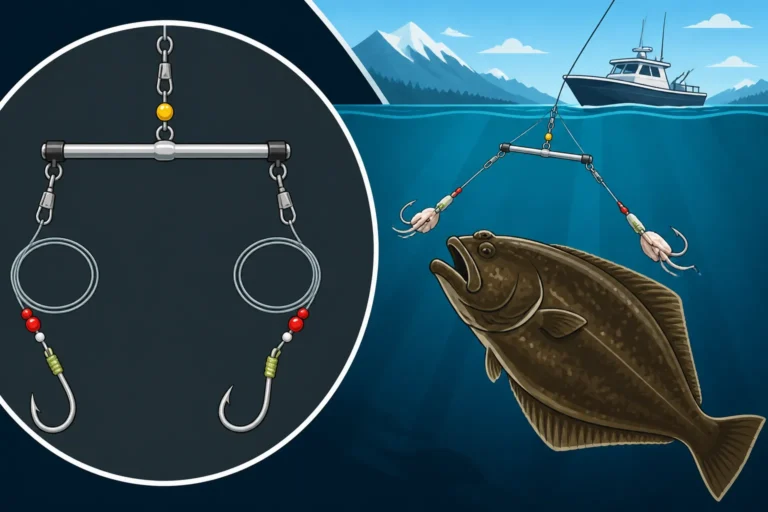
- Rigs/Bait: Heavy-duty spreader bars, circle hooks (16/0 to 20/0), and lead weights (8 oz to 2 lbs or more, depending on current and depth) are essential. Fresh bait like herring, salmon heads, cod, or octopus is highly effective. Large jigs (8-16 oz) tipped with a strip of bait are also popular. For safety and handling, a gaff and a strong harpoon are common tools on charter boats.
Strategies for Freshwater Success
Freshwater fishing in May requires a slightly different approach, focusing on the feeding patterns of resident fish as the waters transition.
- Rainbow Trout, Arctic Grayling, Dolly Varden:
- Rods: Light to medium-light spinning rods (6-7 ft) or 4-6 weight fly rods are perfect for these species.
- Reels: Small, smooth spinning reels with 4-8 lb monofilament or fluorocarbon, or appropriate fly reels with floating lines, are suitable.
- Lures/Flies/Bait:
- Spinning: Small spinners (e.g., Mepps, Rooster Tail), tiny spoons, or soft plastic baits mimicking worms or small fish. Where bait is allowed, a piece of cured roe or even a simple worm can be incredibly effective.
- Fly Fishing: Nymphs (like Prince Nymphs, Hare's Ears), emerger patterns, small streamers (like Woolly Buggers), and early-season dry flies (caddis, mayfly patterns) are good choices. As the ice recedes, you'll often find fish in slower pockets or deeper runs. Targeting the seams where fast water meets slow is often productive.
- Waders and Raingear: Essential for comfortable bank fishing in Alaskan rivers and streams, especially given May's unpredictable weather. A good pair of breathable waders and a reliable rain jacket are non-negotiable. Look for reputable brands on Amazon for these critical items.
Table: May Fishing Opportunities in Alaska
| Target Species | Typical Locations in May | Recommended Gear & Techniques | Key Considerations |
|---|---|---|---|
| King Salmon | Kasilof River, Deshka River, Susitna River (freshwater); Homer, Seward, Sitka (saltwater) | Heavy casting/spinning rods (9-10ft), 25-40lb line, Kwikfish, cured roe, herring | Highly regulated, check emergency orders; often fewer but larger fish |
| Pacific Halibut | Homer, Seward, Sitka, Ketchikan (coastal saltwater) | Heavy conventional rods (6-7ft), 80-150lb braid, spreader bars, large jigs, herring, salmon heads | Deepwater fishing, can be physically demanding; book charters in advance |
| Rainbow Trout | Kenai River, Russian River, stocked lakes (Southcentral); Interior Alaska streams/lakes | Light spinning rods (6-7ft) w/ small spinners/spoons; 4-6wt fly rods w/ nymphs/streamers | Active post-thaw; check local regulations for bait/release rules |
| Arctic Grayling | Clearwater streams & lakes in Interior & Southcentral Alaska | Light spinning rods w/ small spinners; 3-5wt fly rods w/ small dry flies/nymphs | Excellent dry fly action; often found in shallower water; scenic fishing |
| Dolly Varden | Coastal streams & rivers (Southcentral, Southeast) | Light spinning rods w/ small spinners/spoons; 4-6wt fly rods w/ streamers/egg patterns | Voracious eaters; often follow smolt migrations; vibrant colors |
Navigating Regulations and Planning Your May Trip
Planning an Alaska fishing trip in May requires a keen eye on regulations and a realistic approach to weather. The state’s commitment to sustainable fisheries means rules can change, especially for sensitive species like King Salmon.
Important Regulations to Know for May
Before you even pack your bags, understanding Alaska's fishing regulations is absolutely essential. These aren't just suggestions; they're legal requirements, and violations can lead to hefty fines or worse.
- Fishing License: Every angler aged 18 and older, whether resident or non-resident, needs an Alaska Fishing License: Complete Guide. Non-residents will often pay more, and you might need special stamps, like the King Salmon stamp, depending on what you're targeting. You can purchase these online through the Alaska Department of Fish and Game (ADF&G) website or from many local vendors, including some sporting goods stores.
- King Salmon Stamp: If you plan on fishing for King Salmon, a King Salmon stamp is required, even if you intend to catch and release. This is a crucial detail many overlook. For non-residents, the Alaska Nonresident King Salmon Annual Limit Explained might be relevant.
- Emergency Orders: This is probably the most critical aspect of May fishing. Alaska's fisheries are managed dynamically, and emergency orders can change bag limits, open/close seasons, or restrict gear type with very little notice. This is especially common for King Salmon, where low returns might lead to closures to protect spawning stocks. Always check the ADF&G website or call their local offices immediately before and during your trip. A great resource is our guide on Alaska Fishing Emergency Orders Explained.
- Bag and Possession Limits: Be aware of daily bag limits (how many fish you can keep in a 24-hour period) and possession limits (the maximum number of fish you can have in your possession at any given time, including those at home or in transit). These vary by species, location, and sometimes even time of year. For instance, Alaska Halibut Bag Limits Explained will tell you the current rules for those giants.
- Gear Restrictions: Certain rivers or areas may have specific gear restrictions, such as single-hook only, no bait, or fly-fishing only. Always read the regulation booklet carefully for your specific fishing location.
Preparing for Variable Weather
May weather in Alaska is notoriously unpredictable. You can experience all four seasons in a single day, or even within a few hours! Preparing for a wide range of conditions is key to staying comfortable and safe.
- Layering is King: This cannot be stressed enough. Start with a moisture-wicking base layer, add insulating layers (fleece or down), and top it off with waterproof and windproof outerwear. Even if it starts sunny, a sudden squall or cold front can roll in.
- Rain Gear: High-quality rain gear – jacket and pants – is absolutely essential. Cheap ponchos won't cut it against persistent Alaskan drizzle or heavy downpours. Good rain gear also acts as a windbreak, which is crucial on exposed boats or riverbanks. You can find excellent options from brands like Grundéns or Helly Hansen, often available for purchase on Amazon.
- Footwear: Waterproof boots are a must. For river fishing, hip waders or chest waders will keep you dry and allow you to access better casting positions. For saltwater charters, waterproof deck boots are highly recommended.
- Headwear and Gloves: A warm hat (beanie) and waterproof gloves will make a huge difference in comfort on chilly, windy days, especially on the water.
- Sun Protection: Don't forget sunscreen, sunglasses, and a wide-brimmed hat. Despite the cold, the Alaskan sun, especially reflecting off water, can be intense. The long daylight hours of May mean you'll be exposed for extended periods.
By meticulously checking regulations, staying flexible with your plans, and dressing for any eventuality, your May fishing trip to Alaska can be an incredibly rewarding and unforgettable experience, allowing you to beat the summer crowds and connect with some truly magnificent fish.
Disclaimer
Please note that fishing regulations in Alaska are subject to change by the Alaska Department of Fish and Game (ADF&G) through emergency orders and annual updates. Always consult the most current ADF&G regulations booklet and check for emergency orders before heading out to fish. This guide provides general information and should not be considered a substitute for official regulations.