Is Juneau Good for Fishing in Alaska
One of the most common questions I get from folks dreaming of an Alaskan adventure is whether Juneau, with its stunning glaciers and dramatic fjords, actually offers good fishing. It's a completely fair question! You see pictures of epic salmon and halibut, but how do you know if the capital city is truly a prime spot or just a pretty postcard? Well, let me tell you, Juneau isn't just a good fishing destination; it's an absolutely fantastic one, brimming with diverse opportunities that cater to every kind of angler, from the seasoned veteran to the family just looking to create some unforgettable memories.
Juneau's Fishing Reputation: What Makes It Stand Out?
When people think of Alaska fishing, their minds often jump to places like the Kenai River or Homer, known for their specific, legendary runs. But Juneau? Juneau offers something different, something broader and equally spectacular. It's a place where the majestic Mendenhall Glacier provides a breathtaking backdrop to your fishing escapade, and where saltwater and freshwater opportunities lie practically side-by-side, offering an incredible variety that many other locations simply can't match. It’s this unique blend of accessibility, diversity, and sheer natural beauty that firmly plants Juneau on the map as a top-tier fishing haven.
Diversity of Fish Species
What truly sets Juneau apart is the sheer variety of fish you can target. We're not just talking about one or two species; we're talking about a rich tapestry of aquatic life that makes every trip an exciting mystery. You can be battling a feisty salmon in the morning and by afternoon, be dropping lines for a monstrous halibut. This isn't common everywhere, and it's a huge draw for anglers who love to mix it up and try different techniques.
In the saltwater realms of Gastineau Channel and the surrounding Inside Passage, all five species of Pacific salmon – King (Chinook), Sockeye (Red), Coho (Silver), Pink (Humpy), and Chum (Dog) – make their migratory journeys through these waters. Each species presents its own unique challenge and flavor profile, making for a truly dynamic experience. Beyond salmon, the deep, cold waters are also home to massive Pacific halibut, formidable lingcod, and a diverse array of rockfish, including the prized yelloweye. For freshwater enthusiasts, the streams and lakes around Juneau teem with Dolly Varden, cutthroat trout, and even some resident rainbow trout. This incredible biodiversity means that no matter when you visit during the fishing season, there's always something exciting to pursue.
Accessibility and Convenience
One of the biggest frustrations for travelers to remote Alaskan fishing lodges is the sheer logistical nightmare and cost of getting there. Juneau, however, completely sidesteps this problem. As the state capital, it's easily accessible by plane, with direct flights from major cities like Seattle and Anchorage. Once you're here, you're not isolated. The city offers a wide range of accommodations, dining options, and services, making your stay comfortable and convenient.
Many prime fishing spots are just a short boat ride from the harbors, or even accessible by car for freshwater angling. You don't need to charter a floatplane to reach quality fishing – though those options are certainly available for the more adventurous spirits! This ease of access means less time traveling and more time with a line in the water, which, let's be honest, is what we all really want. For those looking to book a guided trip, platforms like FishingBooker make it incredibly easy to find and reserve reputable charters right out of Juneau, taking the guesswork out of planning.
Unique Scenic Experiences
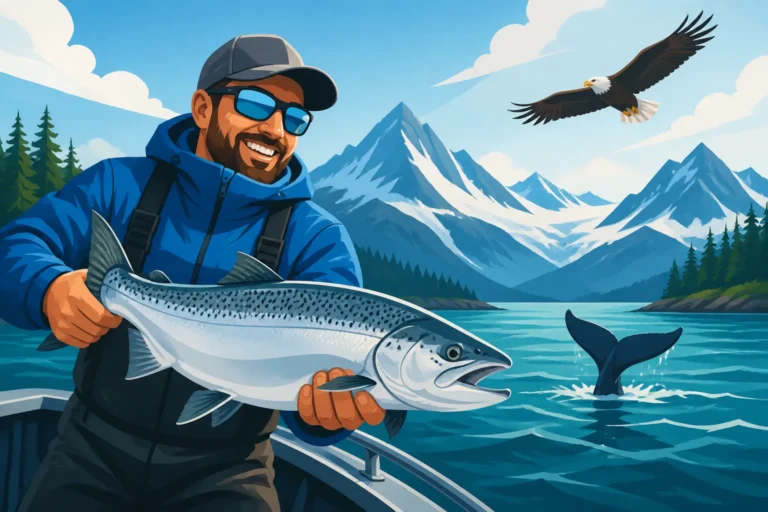
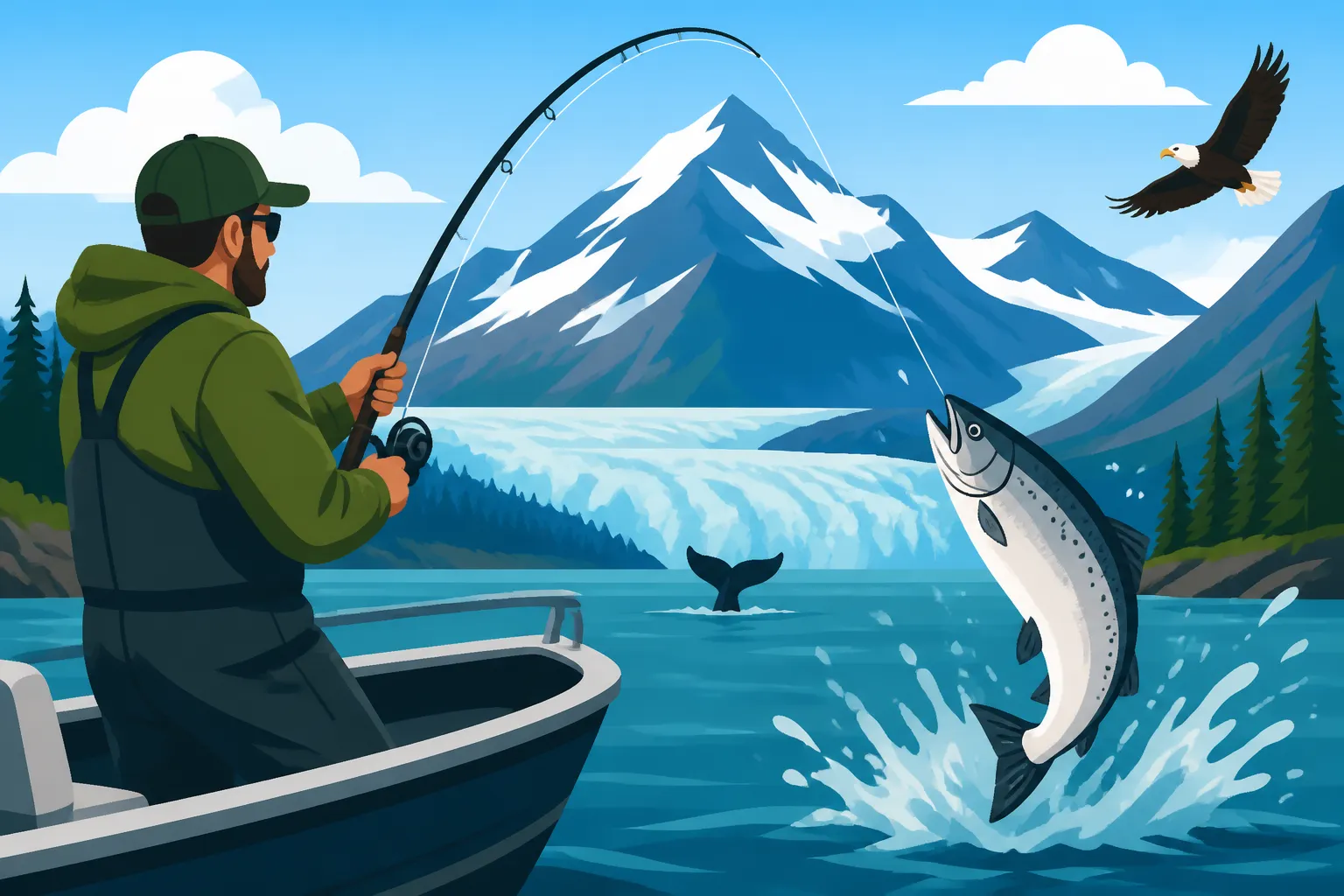
Fishing in Alaska isn't just about the fish; it's about the experience, the scenery, and the feeling of being completely immersed in one of the last true wildernesses. Juneau delivers this in spades. Imagine reeling in a beautiful Coho salmon while seals pop their heads up nearby, or watching humpback whales breach in the distance as you wait for a halibut bite. The towering, snow-capped mountains plunge directly into the sea, creating dramatic fjords and passages that are simply breathtaking.
The iconic Mendenhall Glacier is often visible from many fishing areas, adding another layer of awe to your adventure. You might spot a black bear foraging along the shoreline or eagles soaring overhead. These aren't just pretty backdrops; they're an integral part of what makes fishing in Juneau so special. It's a chance to connect with nature on a profound level, creating memories that extend far beyond the size of your catch. The beauty of Southeast Alaska is unparalleled, and fishing here allows you to experience it intimately.
Popular Fishing Opportunities in Juneau
Now that we've covered why Juneau is a fantastic choice, let's dive into the specifics of what you can actually catch and where. This isn't just a theoretical discussion; this is about putting hooks in the water and bringing fish to the boat (or shore!). From the roaring ocean waters to tranquil mountain streams, Juneau truly has something for everyone, ensuring your fishing rods won't stay idle for long.
Saltwater Adventures: Salmon and Halibut
The primary draw for many anglers coming to Juneau is, without a doubt, the incredible saltwater fishing. The deep, nutrient-rich waters of the Inside Passage are a highway for migrating salmon and a prime hunting ground for bottom-dwelling giants.
Salmon Fishing: The Silver Horde and More
Juneau is particularly famous for its salmon fishing, with opportunities spanning much of the summer. King salmon, often the first to arrive in spring, are prized for their size and fighting prowess. These magnificent fish can be targeted by trolling with downriggers and various lures or bait in areas like Fritz Cove or Stephens Passage. As summer progresses, the runs transition. You'll see sockeye making their way upstream into local rivers, while pink and chum salmon swarm the saltwater in massive numbers during July and August, offering fast-paced action that's perfect for families or beginners.
But if there's one salmon species that truly defines Juneau's saltwater fishing season, it's the Coho (Silver) salmon. These acrobatic fighters start showing up in good numbers by late July and continue through September, providing consistent, exhilarating action. Trolling with spoons, flashers, or herring behind a downrigger is a common and highly effective technique. Guided charters, easily found on platforms like FishingBooker, specialize in putting you on these active schools, often cleaning and packaging your catch at the end of the day. For detailed insights, you might want to read our guide on how to catch Coho salmon in Alaska.
Halibut Hunting: Battling Barn Doors
For those who dream of a true "barn door" halibut, Juneau's surrounding waters are fertile ground. Halibut are powerful, flatfish that can grow to enormous sizes, often exceeding 100 pounds. The thrill of hooking into one of these giants and feeling the sheer power as it tries to pull your rod into the depths is an unforgettable experience. Bottom fishing with heavy gear, large lead weights, and bait like herring, salmon heads, or octopus is the name of the game.
Popular halibut fishing grounds are often found in deeper waters outside of Gastineau Channel, requiring a good charter boat and experienced captain. While limits apply, catching enough fresh halibut for a fantastic dinner (or several!) is usually not an issue. Remember to familiarize yourself with the Alaska Halibut Daily Limit for Charter Anglers, as regulations can be quite specific, especially for guided trips. Many charters offer combo trips that allow you to pursue both salmon and halibut in a single action-packed day, making the most of your time on the water.
Freshwater Gems: Trout and Char
While the saltwater opportunities often steal the spotlight, Juneau also boasts some fantastic freshwater fishing that shouldn't be overlooked. These calmer waters offer a different kind of angling experience, often in serene, picturesque settings.
Targeting Trout and Dolly Varden
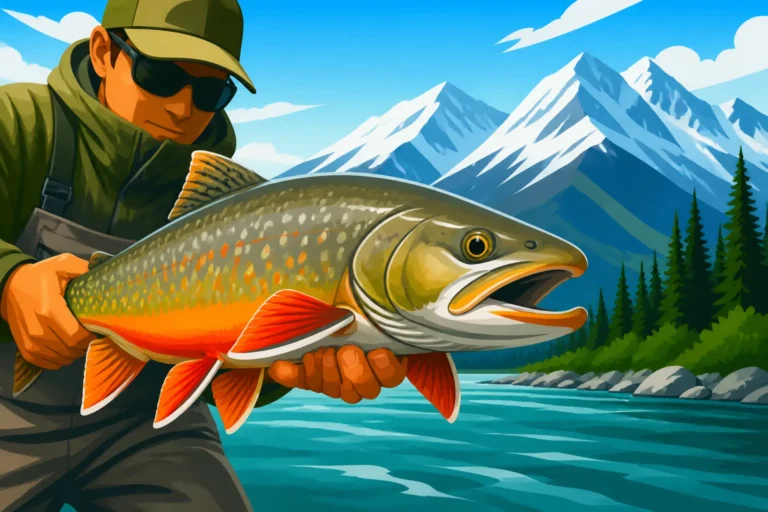
The rivers and creeks that flow into the saltwater around Juneau are home to thriving populations of Dolly Varden and cutthroat trout. These species are incredibly fun to catch on light tackle, offering a more intimate connection with the Alaskan wilderness. Dolly Varden, a type of char, are known for their vibrant colors and aggressive strikes, especially when salmon eggs are present during the spawning season. Cutthroat trout, with their distinctive red slash under the jaw, prefer cooler waters and often reside in the clear, pristine streams.
Popular spots include Fish Creek, Cowee Creek, and parts of the Mendenhall River. Fly fishing is particularly effective for these species, with patterns mimicking salmon eggs, aquatic insects, and small baitfish being very productive. Spin fishing with small spinners or spoons can also yield excellent results. These freshwater excursions are often less physically demanding than ocean charters and can be a wonderful option for a relaxing half-day trip or for anglers who prefer to fish from shore. Understanding Alaska Rainbow Trout Regulations is important, as some areas may have specific rules for retention or catch-and-release.
Unique River Fishing Experiences
Beyond trout and Dolly Varden, some of Juneau's freshwater systems offer opportunities for salmon during their spawning runs. The Mendenhall River, for example, sees sockeye salmon and Coho salmon in their respective seasons, offering bank fishing opportunities right on the edge of the city. While regulations can be strict to protect spawning fish, the chance to witness thousands of salmon migrating upstream is a spectacle in itself.
Fishing from shore in these rivers can be highly productive, but always be aware of your surroundings, especially for wildlife. Bear sightings are common near salmon-filled streams, so carrying bear spray and knowing how to fish safely around Alaska bears is crucial. Many local tackle shops can provide up-to-the-minute information on river conditions, fish runs, and recommended gear.
Seasonal Highlights and Best Times to Visit
Alaska's fishing opportunities are highly seasonal, and Juneau is no exception. Understanding the timing of various runs will dramatically impact your success and overall experience.
Spring (May-Early June): Kings and Early Halibut
Spring in Juneau kicks off the fishing season with the arrival of King salmon. While not as abundant as in some other regions, early season Kings are a prized catch. This is also a fantastic time for halibut fishing, as these giants are active and hungry after the long winter. The weather can be a bit more unpredictable, with cooler temperatures and more rain, but the rewards can be substantial. If you're looking for the biggest fish, this window is often your best bet for trophy Kings. You can learn more about the best time to catch King salmon in Alaska.
Summer Peak (Mid-June to August): Salmon Frenzy
This is the prime time for most anglers visiting Juneau. By mid-June, King salmon fishing is in full swing, and by July, the Coho salmon begin to arrive in earnest, offering incredible action. Pink and Chum salmon runs peak in July and August, providing nonstop casting opportunities. Halibut fishing remains strong throughout this period. The weather is generally milder, and the long daylight hours mean more time to fish. It’s also the busiest time for tourism, so booking charters and accommodations well in advance is essential. If you want to experience the full breadth of Juneau's salmon runs, consult an Alaska Salmon Run Timing Explained guide to plan your trip effectively.
Late Summer/Fall (September): Silver and Steelhead Opportunities
As August wanes, the Coho (Silver) salmon fishing often reaches its peak, with large numbers of aggressive fish moving through the waters. This is arguably the best time for sheer action on the saltwater. Freshwater streams also become very productive for trout and Dolly Varden as they gorge on salmon eggs. While less common, some coastal streams near Juneau can also see runs of steelhead, offering a challenging and rewarding pursuit for dedicated fly anglers. September offers a quieter fishing experience with fewer crowds and often spectacular fall foliage.
| Fish Species | Primary Season in Juneau | Peak Month(s) | Typical Fishing Method |
|---|---|---|---|
| King Salmon | May – July | June | Trolling with downriggers |
| Sockeye Salmon | July – August | July | Freshwater egg patterns/flossing |
| Coho (Silver) Salmon | Late July – September | August – September | Trolling with spoons/herring |
| Pink Salmon | July – August | Late July – Early Aug | Trolling, casting spinners |
| Chum Salmon | July – August | August | Trolling, casting spoons |
| Pacific Halibut | May – September | June – August | Bottom fishing with bait/jigs |
| Dolly Varden | May – October | August – September | Fly fishing, spin fishing |
| Cutthroat Trout | May – October | June – September | Fly fishing, spin fishing |
| Lingcod | July – November | August – September | Jigging, bottom fishing |
Planning Your Juneau Fishing Trip
Alright, so you're convinced Juneau is the place for you to cast a line. Now comes the nitty-gritty: how do you actually make it happen? Planning an Alaskan fishing trip can feel overwhelming, but with a bit of foresight and the right information, it can be smooth sailing. From deciding if you need a guide to understanding local rules, let's break down the essentials.
Choosing Between Guided and Unguided Trips
This is often one of the first big decisions anglers face, and it largely depends on your experience level, budget, and desired fishing style. Both options have their merits in Juneau.
Guided Charters: The Full-Service Experience
For most visitors, especially those new to Alaska or saltwater fishing, a guided charter is hands-down the best way to go. These professional operations provide everything: the boat, safety gear, fishing tackle, bait, and most importantly, an experienced captain who knows the local waters like the back of their hand. They know where the fish are, what they're biting on, and how to navigate the complex tides and currents of the Inside Passage. Booking with a reputable outfitter ensures you'll be fishing safely and efficiently. Many Juneau fishing charters even include fish processing services, making it easy to get your catch cleaned, filleted, and packaged for shipping home.
While charter costs can be a significant part of your trip budget, the value in terms of knowledge, equipment, and access to prime fishing spots is often well worth it. Companies like those listed on FishingBooker offer a range of options, from half-day salmon trips to full-day halibut expeditions or combo charters. It's smart to book these well in advance, particularly for peak season dates, as the best guides fill up quickly. Remember to ask questions like "Do Charters Include Alaska Fishing Licenses?" when booking, as license requirements often fall on the individual angler, even on a guided trip.
Unguided (DIY) Fishing: For the Independent Angler
If you're an experienced angler with a sense of adventure, renting a boat or fishing from shore might appeal to you. Juneau offers numerous public access points for shore fishing, particularly for freshwater species in streams like the Mendenhall River. For saltwater, smaller boat rentals are available, allowing you to explore closer-to-shore areas at your own pace. This DIY approach offers greater flexibility and can be more budget-friendly.
However, unguided fishing in Juneau requires significant local knowledge, especially for saltwater. You'll need to understand tides, weather patterns, navigation, and where fish tend to congregate. Bringing your own gear or renting suitable tackle is essential. For freshwater, knowing the specific regulations for areas like the Mendenhall River is critical, as emergency orders can change limits or closures in-season. Always prioritize safety, especially when on the water.
Essential Gear and Local Regulations
Don't show up in Alaska unprepared! The weather can be fickle, and the regulations are stringent, but both are manageable with a little planning.
What Gear to Bring or Rent
For saltwater fishing in Juneau, you'll generally need stout rods and reels capable of handling powerful fish, especially for halibut. A heavy action rod with a conventional reel spooled with 80-100 lb braided line is common for halibut. For salmon, medium-heavy action rods with level-wind reels or large spinning reels are suitable. Your charter will provide this, but if you're going unguided, ensure your gear is up to the task. For freshwater, a medium-light spinning setup or a 5-7 weight fly rod will cover most trout and Dolly Varden scenarios.
Beyond fishing tackle, layers are your best friend in Southeast Alaska. Waterproof and windproof outer shells are non-negotiable. Good quality rain gear for Alaska fishing is essential, even on sunny days, as conditions can change rapidly. Waterproof boots, warm hats, gloves, and polarized sunglasses are also highly recommended. Don't forget bug spray, especially for freshwater excursions!
Navigating Alaska Fishing Regulations
Alaska's fishing regulations are complex, and they can vary by region, species, and even specific body of water. Ignorance is not an excuse, and fines can be steep. Before you even cast a line, you absolutely need an Alaska fishing license. Non-residents will need a specific type of license, and if you plan to target King Salmon, a King Salmon Stamp is often required. You can purchase these online through the Alaska Department of Fish and Game (ADF&G) website, or from local vendors in Juneau.
Beyond licenses, pay close attention to bag limits, possession limits, and any size restrictions. For example, Alaska Halibut Charter Reverse Slot Limit rules might apply, or specific gear restrictions might be in place for certain salmon fisheries. Always carry a copy of the current regulations booklet (available digitally or at local tackle shops) and check for any emergency orders before heading out. The ADF&G website and local sporting goods stores are excellent resources for up-to-the-minute information. Taking the time to understand these rules will ensure a legal and enjoyable trip.
Logistics: Getting There and Staying in Juneau
Juneau might be Alaska's capital, but it's unique in that it's not connected to the North American road system. This means you'll arrive either by air or by sea.
Transportation to Juneau
Most visitors fly into Juneau International Airport (JNU). Alaska Airlines offers regular service from Anchorage and Seattle, which are the main hubs for flights to Juneau. If you're coming from further afield, you'll likely connect through one of these cities. Alternatively, for a truly scenic journey, consider taking the Alaska Marine Highway System (the state ferry) from Bellingham, Washington, or other Alaskan coastal communities. This allows you to bring your vehicle if you plan on extensive shore-based exploration. Keep in mind, however, that you can't drive out of Juneau, so bringing a car only makes sense if you plan to use it for local day trips.
Accommodation and Amenities
Juneau offers a wide range of accommodation options, from cozy bed and breakfasts to major hotel chains. Popular choices include the Baranof Downtown, the Goldbelt Hotel, and various vacation rentals. Given its popularity as a cruise ship destination, Juneau's tourism infrastructure is well-developed, meaning you'll find plenty of restaurants, shops, and services to make your stay comfortable. Book your lodging well in advance, especially if traveling during the peak summer months when cruise ships bring thousands of visitors daily.
Many fishing charters operate directly from Juneau's harbors, offering convenient access from downtown. Local tackle shops like Western Auto Marine or Juneau Fly Fishing Goods are invaluable resources for bait, gear, and current fishing reports. Don't hesitate to tap into the local knowledge; Alaskans are generally happy to share tips, especially if you're respectful of the land and the resources.
Maximizing Your Catch and Experience
Beyond the technicalities, a truly successful fishing trip to Juneau involves more than just catching fish. It's about respecting the environment, understanding local nuances, and making the most of every moment in this incredible place.
Local Tips and Techniques
Fishing success often comes down to adapting to local conditions and learning from those who know the waters best.
Understanding Juneau's Tides and Currents
Juneau is located in a tidal environment, and tides play a huge role in saltwater fishing success. Strong currents can move bait, position fish, and make boat control challenging. Experienced captains will time their trips to coincide with optimal tidal conditions for specific species. For example, slack tide periods are often best for halibut, while moving tides can activate salmon. If you're going unguided, studying local tide charts is absolutely crucial. A good rule of thumb is that fish often become more active as the tide begins to move, either incoming or outgoing, as this stirs up bait and concentrates prey.
Popular Lures and Bait
For salmon in saltwater, hoochies (squid skirts) trolled behind flashers, spoons like the Silver Horde or Coyote, and plug-cut herring are perennial favorites. Different colors work on different days, so having a variety is key. For halibut, large chunks of herring, salmon bellies, or octopus are excellent natural baits. Jigging with large lead jigs dressed with rubber skirts can also be highly effective. For freshwater trout and Dolly Varden, small spinners (like Mepps or Rooster Tail), salmon egg imitations, bead patterns, and various fly patterns (woolly buggers, streamers, egg-sucking leeches) are go-to choices. Your local guide or tackle shop can provide the most current recommendations.
Responsible Fishing Practices
Alaska's fisheries are incredibly special, and it's our collective responsibility to ensure they remain healthy for generations to come. Practicing responsible angling is not just a suggestion; it's a critical part of being a good steward.
Catch and Release Best Practices
While many anglers come to Juneau to take home a cooler full of fish, some species or areas are designated catch-and-release, or you might simply choose to release fish that don't meet your desired size or species. When practicing catch and release, handle fish gently with wet hands, minimize their time out of water, and use appropriate tools like dehookers. For bottom fish like rockfish, especially those caught in deep water, using a descending device is often required to help them survive release. Proper Alaska Catch-and-Release Best Practices ensure that released fish have the best chance of survival.
Respecting Wildlife and the Environment
Juneau is truly wild. You'll likely encounter marine mammals like seals, sea lions, porpoises, and whales, as well as eagles and bears. Always maintain a respectful distance from wildlife, never feed them, and store your food and fish securely, especially in areas where bears are present. Dispose of all trash properly, and avoid disturbing fragile ecosystems. Leaving no trace is paramount to preserving the pristine beauty of this incredible state. Enjoy the fishing, but remember that we are guests in their home.
Final Thoughts: Juneau's Unforgettable Angling Appeal
So, to answer the initial question, "Is Juneau good for fishing in Alaska?" The resounding answer is a confident yes! It offers an incredible blend of diverse species, accessibility, and breathtaking scenery that truly makes it stand out. Whether you're trolling for kings and coho in the shadow of glaciers, dropping lines for monster halibut, or fly-fishing for trout in a tranquil stream, Juneau provides an unparalleled Alaskan fishing experience.
It’s a destination where you can catch a lifetime of memories, often within minutes of urban comforts. Just remember to do your homework, respect the regulations, and embrace the wild spirit of Southeast Alaska. And if you’re looking for a hassle-free experience, consider leveraging resources like FishingBooker to connect with expert local guides who can truly unlock the best of Juneau’s waters for you. Happy fishing!
Disclaimer
The information provided in this guide is for general informational purposes only and does not constitute professional advice. Fishing regulations in Alaska are subject to change, and it is the angler's responsibility to consult the most current Alaska Department of Fish and Game regulations and emergency orders before engaging in any fishing activities. Always prioritize safety and adhere to all local, state, and federal laws.