Kenai River Silver Salmon Fishing Guide
Many anglers dream of battling the powerful, acrobatic salmon of Alaska, but sometimes, the sheer volume of information and the ever-changing river conditions can feel overwhelming. If you're specifically setting your sights on the elusive and exciting silver salmon (Coho salmon) on the world-famous Kenai River, you've come to the right place. This comprehensive guide will walk you through everything you need to know to make your Kenai River silver salmon fishing trip a truly memorable and successful one, from timing your visit to mastering the techniques.
The Allure of Kenai River Silver Salmon Fishing
There's something uniquely special about targeting silver salmon on the Kenai. While other species like the mighty kings or plentiful sockeye draw huge crowds, silvers offer an exhilarating challenge often overlooked by the masses. They're not just a fish; they're an experience – a vibrant silver streak in the pristine Alaskan waters, promising a fight you won't soon forget.
Why Silver Salmon are a Top Target on the Kenai
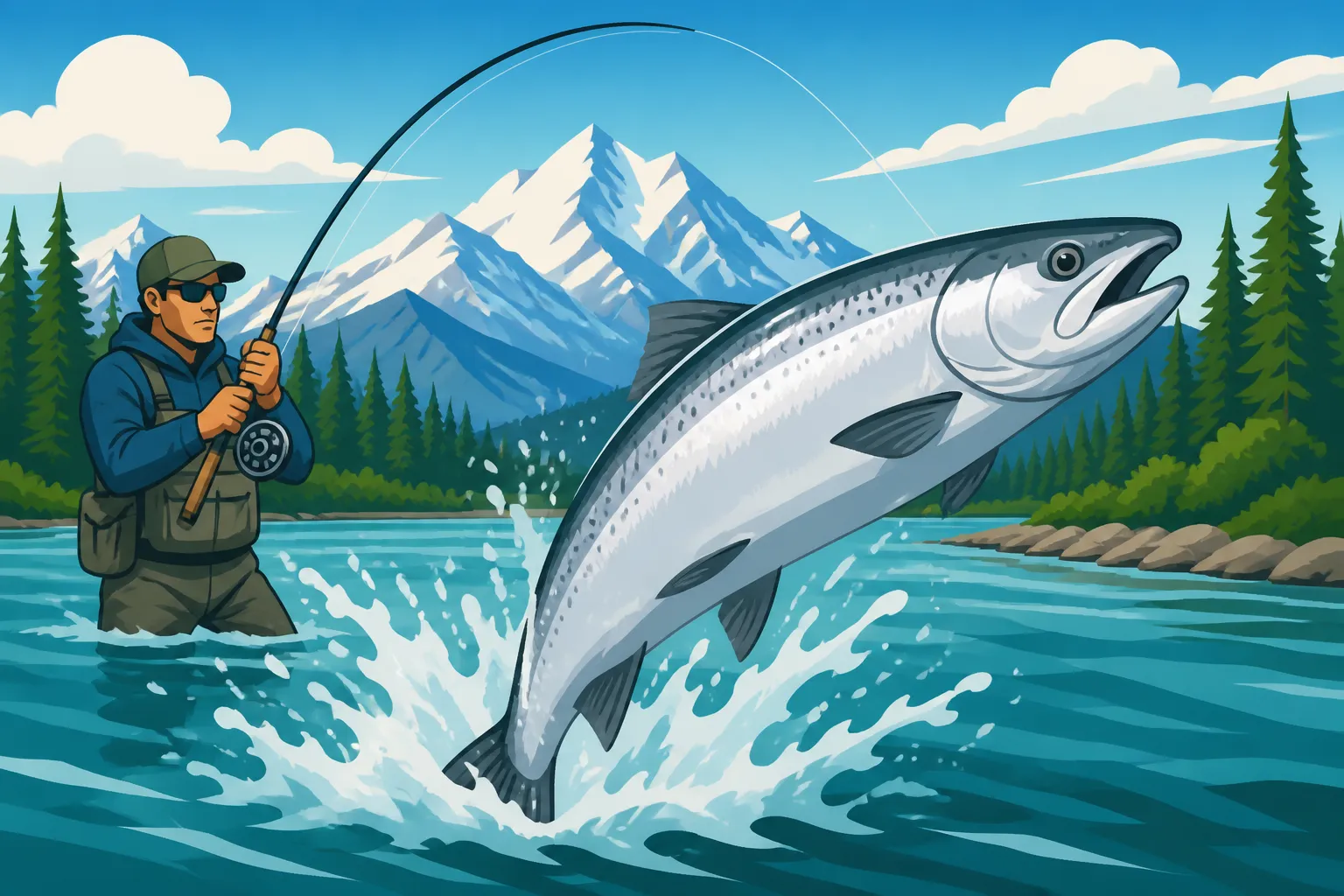
Silver salmon, also known as Coho salmon, are celebrated for their incredible fighting spirit and aerial acrobatics. Unlike some of their Chinook (King) cousins who dig deep and fight with brute force, silvers are known for their spectacular jumps and powerful runs, often tearing line off your reel in thrilling bursts. Imagine hooking into a hot silver on the Kenai; it's a moment of pure adrenaline as the fish breaches the water, shimmering under the Alaskan sun, before making another blistering run. They range in size, typically from 8 to 15 pounds, but bigger ones pushing into the high teens are definitely caught, especially later in the season.
Beyond their fighting prowess, Kenai River silvers are also highly prized for their table fare. Their firm, orange-red flesh is absolutely delicious, whether grilled, baked, or smoked. Many anglers consider them one of the best-tasting salmon species, making them a fantastic reward after a thrilling fight. On top of that, the scenery on the Kenai River while fishing for silvers is simply breathtaking. You're surrounded by towering spruce trees, often spotting eagles soaring overhead or even the occasional bear on the riverbanks, adding to the quintessential Alaskan wilderness experience. It’s not just about the fish; it’s about being immersed in that incredible environment.
Understanding the Kenai River's Unique Characteristics
The Kenai River isn't just any river; it's a dynamic, glacial-fed system with characteristics that make silver salmon fishing both challenging and incredibly rewarding. Flowing from Kenai Lake and emptying into Cook Inlet, the river changes significantly along its roughly 82-mile length. The water itself often has a beautiful turquoise hue, a result of glacial silt, which means visibility can vary. This impacts how fish see your lures and how you approach different fishing spots.
The river's structure is diverse, featuring everything from deep holes and swift currents to braided channels and shallow riffles. The lower Kenai, below the Cooper Landing area, is typically wider and slower, making it excellent for drift fishing from a boat. Upriver, especially around the Kenai Canyon, the water gets faster and more technical, requiring different approaches. Understanding these nuances is key. For example, silvers tend to hold in seams and eddies, just out of the main current, waiting for an easy meal to drift by. Knowing how to "read" the water – identifying these holding spots, current breaks, and drop-offs – is a skill that comes with experience, often best learned from a seasoned guide. The varied landscape also means different fishing opportunities, whether you prefer bank fishing from specific access points or navigating the river by drift boat or powerboat. Many anglers find that exploring various sections of the river, from the lower river's tidal influence near Kenai and Soldotna to the more tranquil upper river, offers distinct silver salmon experiences.
Timing Your Kenai Silver Salmon Adventure
When it comes to fishing for silver salmon on the Kenai, timing is absolutely everything. Show up too early or too late, and you might miss the peak of the action. The Kenai has two distinct runs of silver salmon, and knowing when each one typically arrives can dramatically increase your chances of success. It's a dance with nature, guided by instinct and environmental cues.
Peak Seasons for Coho Salmon Runs
The Kenai River typically experiences two main runs of silver salmon. The first, often called the "early run," usually begins in late July and continues through mid-August. These fish are fresh from the ocean, bright, and incredibly feisty. They tend to be a bit smaller on average than their late-run counterparts, but what they lack in size, they more than make up for in sheer aggression. Fishing during this period can be fantastic, though sometimes the crowds are still thick from the tail end of the sockeye runs.
The "late run" of Kenai River silvers is generally considered the main event. These fish typically start pouring into the river in late August, with the run peaking in September and often extending well into October, depending on conditions. The late-run silvers are often larger, having spent more time feeding in the ocean, and can be truly massive. This is when you're more likely to encounter those high-teen-pound fish. While the weather might be cooler and the days shorter, the fishing can be spectacular, and the vibrant fall colors along the river banks add an extra layer of beauty to the experience. For specific run timing forecasts and historical data, always check the Alaska Department of Fish and Game (ADF&G) resources; they're invaluable for planning. You can also dive deeper into Alaska Salmon Run Timing Explained for a broader perspective.
Weather and Water Conditions: What to Look For
Just like any fishing, success on the Kenai River for silver salmon is heavily influenced by weather and water conditions. Silvers are often more active when conditions are a bit "fishy" – think overcast skies, light rain, or even a slight drizzle. These conditions can often lead to higher fish activity, as it might encourage them to move upriver or feed more aggressively. Bright, sunny days can sometimes make fish lethargic or push them into deeper, shadier holding lies.
Water levels and clarity are also critical. After heavy rains, the Kenai can rise and become cloudier, especially in the lower sections. While too much murkiness can be detrimental, a slight increase in water flow and a bit of color can actually improve fishing by spreading the fish out and making them less wary of anglers. However, extremely high or low water can make certain fishing techniques challenging or even unsafe. Low water, for example, might concentrate fish but also make them very spooky, while extremely high water can scatter them and make presentation difficult. Monitoring local river gauges and weather forecasts is a smart move. Guides often pay close attention to these factors daily, knowing how to adjust their strategies based on the latest conditions. For those planning a trip, considering the Best Time for Salmon Fishing in Alaska in general can help you narrow down your dates.
Essential Techniques and Gear for Kenai Silvers
Hooking into a Kenai River silver salmon is an unforgettable experience, but it rarely happens by accident. These fish can be selective, and having the right techniques and gear in your arsenal can make all the difference between a fish tale and a fish in the net. Let's break down how to effectively target these magnificent Coho.
Popular Fishing Methods for Coho Salmon
On the Kenai River, several proven techniques consistently put silver salmon in the boat or on the bank. Each method has its time and place, depending on water conditions, location, and fish behavior.
Drift Fishing: This is arguably one of the most popular and effective methods, especially from a drift boat or powerboat. Anglers use weighted setups with bait (like cured salmon roe) or artificial lures (such as beads, Spin-N-Glos, or small Corkies) to bounce along the bottom where silvers often hold. The key is to maintain a perfect drift, matching the speed of the current so your offering appears natural. You're looking for that subtle tap or sudden pull as a silver inhales your bait. A good guide will position the boat perfectly to allow for long, productive drifts through known holding water.
Casting Spinners and Spoons: When silvers are aggressive and actively chasing, casting and retrieving spinners or spoons can be deadly. These lures imitate fleeing baitfish and trigger an instinctive strike. Popular choices include Blue Fox Vibrax spinners, Pixee Spoons, or even larger in-line spinners like Mepps. The technique involves casting across or slightly upstream, letting the lure sink a bit, and then retrieving it at a speed that allows the blade to flash and vibrate enticingly. This is a very active form of fishing that often results in explosive strikes, especially in faster currents or along river seams where silvers stage. For more on what works, check out our guide on Best Lures for Alaska Salmon.
Fly Fishing: For the purists and those who love the finesse of fly angling, the Kenai River also offers fantastic opportunities for fly fishing for silvers. Streamers, large weighted flies that mimic baitfish, are typically the most effective. Patterns like Dolly Llama, Clouser Minnows, or various Alaska-specific Coho patterns in chartreuse, pink, and white combinations work wonders. A sinking tip line or even a full sink line can be essential to get your fly down to the fish in the Kenai's currents. Stripping streamers through likely holding water, or swinging them across current, can provoke powerful takes. This method requires a bit more skill and understanding of the water, but the reward of landing a Kenai silver on a fly rod is unparalleled. If you're new to fly fishing, a guide specializing in this technique can provide invaluable instruction and help you get started.
Recommended Rods, Reels, and Lures
Having the right gear is crucial for tackling hard-fighting Kenai River silver salmon. You need equipment that can handle powerful runs and the occasional acrobatics without faltering.
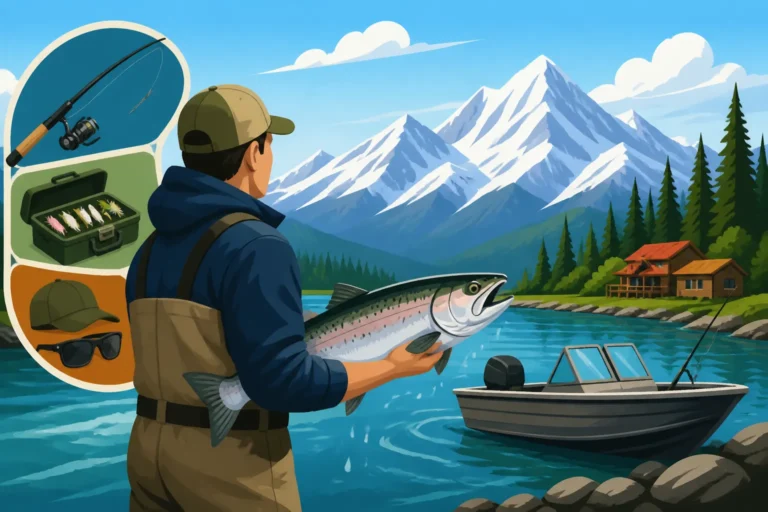
Rods: For conventional gear, a medium-heavy to heavy action spinning or baitcasting rod, typically 8 to 9.5 feet in length, is ideal. This length provides good casting distance and enough leverage to control a strong fish in current. Brands like Lamiglas, Shimano, or G. Loomis offer excellent options that are sensitive enough to detect subtle bites but powerful enough to land large silvers. For fly anglers, an 8 to 10-weight fly rod is generally recommended. The heavier weight helps with casting large, weighted flies and provides the backbone needed to fight strong salmon.
Reels: Pair your rod with a reliable reel. For spinning gear, a 4000 to 5000 series reel with a smooth drag system is perfect. Baitcasting reels should be robust, capable of holding plenty of line, and have a strong drag. Spool your reel with 30- to 50-pound braided line, which offers superior sensitivity and strength, and then attach a fluorocarbon leader of 15- to 25-pound test. The leader provides stealth in clear water and abrasion resistance. Fly reels should match your fly rod weight and have a strong, smooth drag to handle the initial runs of a hot silver.
Lures and Bait:
- Spinners: Blue Fox Vibrax in sizes 4 or 5 are classics. Popular colors include chartreuse, pink, orange, and silver.
- Spoons: Pixee Spoons (often with a rubber insert) in fluorescent orange, pink, or silver/blue combinations are very effective. Gibbs-Delta Koho spoons are also a favorite.
- Plugs: Kwikfish or Flatfish plugs, especially K13 or K15 sizes, in bright colors like "Fire Tiger," "Hot Pink," or "Metallic Chartreuse," can be incredibly productive when back-trolling or back-bouncing.
- Bait: Cured salmon roe (often from sockeye or chum salmon) is a perennial favorite, fished under a bobber or on a drift rig. Scented soft plastics can also work.
- Beads: For a more natural presentation, especially when fish are concentrated or spooky, beads mimicking salmon eggs in sizes 8mm to 12mm are excellent. They are often drifted under a strike indicator.
Remember to always check current Alaska Coho Salmon Fishing Regulations and Limits for specific rules on bait and tackle, including any barbless hook requirements or single-hook rules. These regulations can change rapidly due to emergency orders, so staying informed is paramount.
Navigating Regulations and Ensuring a Responsible Trip
Fishing in Alaska, particularly on a renowned river like the Kenai, comes with a responsibility to understand and adhere to the regulations. These rules are in place to conserve the incredible resource for future generations, and ignorance is rarely an excuse for violations. Taking a little time to learn them can save you a lot of grief and ensure a sustainable fishing experience.
Understanding Kenai River Silver Salmon Regulations
The Kenai River is heavily managed by the Alaska Department of Fish and Game (ADF&G), and regulations for silver salmon can vary not only from year to year but even in-season due to emergency orders. Generally, anglers will need an Alaska Fishing License: Complete Guide for the current year, and non-residents will have specific licensing requirements. Beyond the license, pay close attention to:
- Bag Limits: This specifies how many silver salmon you can keep per day and often how many you can have in your possession at any given time (possession limit). These numbers can change, sometimes dramatically, based on the strength of the salmon runs. For example, during a strong run, the limit might be three per day, but if a run is weak, it could be reduced to one or even zero.
- Size Restrictions: While less common for silvers, specific size limits can occasionally be implemented.
- Gear Restrictions: The Kenai River has various rules about tackle, including bait restrictions, single-hook requirements, or even specific fly-fishing-only sections. For instance, during certain periods, only unbaited, single-hook artificial lures might be permitted.
- Closed Waters/Seasons: Certain areas of the river or specific dates may be closed to fishing for silver salmon to protect spawning fish or sensitive habitats.
It is absolutely crucial to consult the most current ADF&G Sport Fishing Regulations booklet for the Southcentral region before you even pack your bags, and regularly check their emergency orders website or hotline. These emergency orders can change regulations with very little notice, sometimes even daily, especially for popular fisheries like the Kenai. You can find detailed information on Alaska Fishing Regulations Explained to help you understand the nuances.
The Importance of Guided Trips and Local Knowledge
For many, especially first-time visitors or those less familiar with the Kenai, hiring an experienced fishing guide is an investment that pays dividends. A good Kenai River fishing guide does so much more than just drive a boat. They are intimately familiar with:
- Current Regulations: They keep up-to-the-minute on emergency orders, know what's legal to use, and how many fish you can keep. This takes a huge burden off your shoulders, allowing you to focus on fishing.
- Hot Spots: Guides spend countless hours on the water and know exactly where the fish are holding based on water levels, time of day, and run timing. They can put you on fish when you might struggle to find them on your own.
- Effective Techniques: They'll provide the right gear and teach you the specific techniques that are working that day for silver salmon on that section of the river. Whether it's drift fishing a particular seam or casting a specific spinner, their expertise is invaluable.
- Safety: The Kenai River can be swift and challenging. Guides ensure your safety on the water and navigate hazards.
- Fish Handling: They can demonstrate proper fish handling for both catch-and-release and retention, ensuring ethical practices.
Booking a guide through a reputable platform like FishingBooker can streamline the process, allowing you to compare local guides, read reviews, and find one that specializes in Kenai River silver salmon. Many of these charters will even provide all the necessary gear and tackle, and some might even handle initial fish processing for you. It's truly a hassle-free way to maximize your chances of success and enjoyment. You can learn more about finding the right professional by reading our Alaska Fishing Charters: Complete Guide.
Conservation and Best Practices
As stewards of Alaska's incredible natural resources, responsible angling is paramount. Here are a few best practices to keep in mind:
- Respect Bag Limits: Only keep what is legally allowed and what you intend to consume. If you've reached your limit, switch to catch-and-release fishing or target other species.
- Handle Fish Carefully: For any fish you plan to release, minimize its time out of the water. Use knotless rubber nets to protect their slime coat, keep your hands wet, and avoid squeezing them. Revive fish gently in the current until they can swim away strongly.
- Barbless Hooks: Even if not mandated by regulation, using barbless hooks for catch-and-release fishing makes it much easier to remove the hook with minimal harm to the fish.
- Leave No Trace: Pack out everything you pack in. Dispose of all trash, including fishing line, responsibly.
- Be Bear Aware: You are in bear country. Be mindful of your surroundings, especially when cleaning fish or storing food.
- Respect Other Anglers: The Kenai can get busy. Be courteous, maintain reasonable distances from other anglers, and understand that everyone is there to enjoy the experience.
By following these guidelines, you contribute to the sustainability of the Kenai River's magnificent silver salmon fishery, ensuring that future generations can enjoy the same thrilling experiences we do.
Here's a quick comparison of common Kenai River silver salmon fishing techniques:
| Technique | Primary Application | Gear Setup | Pros | Cons |
|---|---|---|---|---|
| Drift Fishing | Deep holes, river seams, varying current speeds | Medium-heavy rod, baitcasting/spinning reel, cured eggs/beads | Highly effective, covers water thoroughly, natural presentation | Can snag easily, requires good current reading, often boat-based |
| Casting Spinners/Spoons | Aggressive fish, faster water, searching for active biters | Medium-heavy rod, spinning reel, Blue Fox Vibrax/Pixee Spoons | Exciting strikes, active fishing, effective in many conditions | Less effective for lethargic fish, can be physically tiring |
| Fly Fishing | Clear water, focused presentation, active fish, personal preference | 8-10 wt fly rod, sinking tip line, streamers (Dolly Llama) | Engaging, rewarding, highly selective for large fish | Steep learning curve, limited range, wind can be challenging |
| Back-Trolling Plugs | Deeper sections, targeting specific channels with boat control | Heavy rod, baitcasting reel, Kwikfish/Flatfish plugs | Very effective for covering water, often triggers aggressive strikes | Requires boat, specific boat maneuvering skills, not for all conditions |
Disclaimer
The information provided in this guide is for general informational purposes only and is subject to change. Fishing regulations, run timings, and river conditions in Alaska can change rapidly. Always consult the official Alaska Department of Fish and Game (ADF&G) regulations booklet and check for emergency orders before and during your fishing trip to ensure compliance. Personal safety is paramount; be aware of wildlife and river hazards.