Prince William Sound Fishing: What to Know Before You Go
The sheer size and complexity of Prince William Sound can feel incredibly daunting when you're dreaming of an Alaska fishing trip. With its labyrinthine fjords, countless islands, and ever-changing conditions, figuring out where to even begin your angling adventure can be a real headache. This comprehensive guide is here to cut through the confusion, offering you everything you need to know to plan a successful and unforgettable fishing expedition in this breathtaking corner of Alaska.
Why Prince William Sound is a Premier Fishing Destination
Prince William Sound, often simply called "the Sound," is a natural wonderland of immense proportions, a true gem for anglers seeking both adventure and bountiful catches. This vast, protected waterway, nestled on Alaska's south-central coast, offers a unique combination of stunning wilderness and rich marine ecosystems, making it a bucket-list destination for many. It's not just the fish; it's the entire experience of being surrounded by towering glaciers, verdant forests, and abundant wildlife.
Unique Geography and Abundant Marine Life
What sets Prince William Sound apart is its dramatic and diverse geography. Carved by ancient glaciers, it boasts over 3,800 miles of coastline, riddled with deep fjords, sheltered coves, and hundreds of islands. This intricate environment creates an incredible variety of habitats for marine life. From deep ocean trenches to shallow kelp beds, the ecosystem supports a robust food chain, attracting and sustaining a staggering number of fish species. It's truly a place where you can feel the wildness of Alaska.
The nutrient-rich waters flowing in from glacial melt and the Gulf of Alaska create a prime feeding ground for everything from tiny plankton to massive whales. This abundance naturally draws in huge schools of baitfish, which, in turn, attract larger predatory species. This means that whether you're targeting salmon, halibut, or rockfish, you're stepping into an environment designed for success. The pristine nature of the Sound also ensures that the fish are healthy and vibrant, offering a truly rewarding angling experience.
Accessibility and Serenity
Despite its wild nature, Prince William Sound is surprisingly accessible. Major gateway communities like Valdez, Whittier, and Cordova serve as launching points, offering essential services, boat ramps, and plenty of charter operations. This accessibility, combined with the sheer scale of the Sound, means you can find both bustling fishing hubs and incredibly secluded, tranquil spots where you might not see another soul for days. It's this balance of convenience and solitude that truly enhances the fishing experience here.
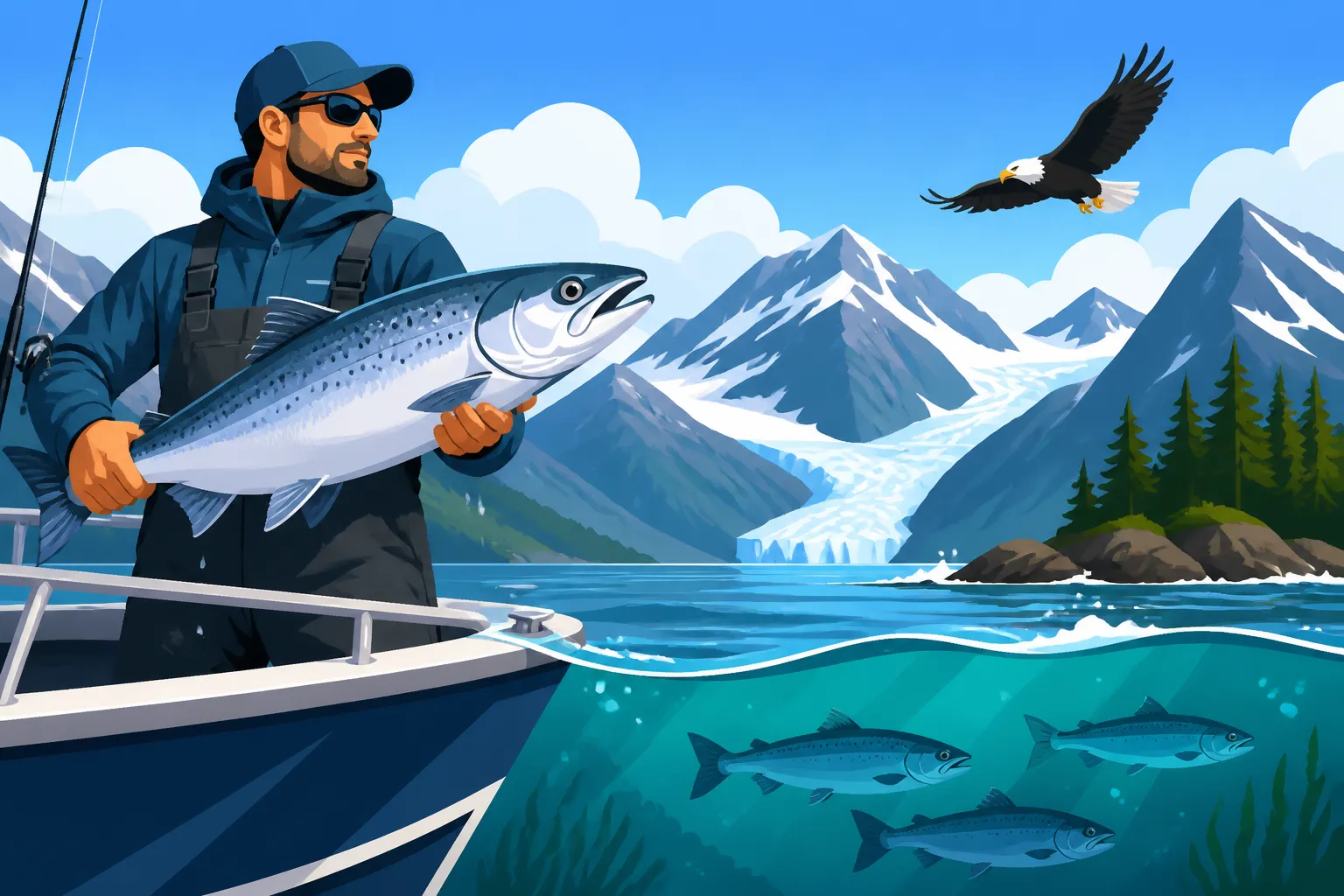
For many, the appeal isn't just about catching fish, but about escaping the everyday hustle and immersing themselves in nature. Cruising past tidewater glaciers, spotting sea otters, eagles, and even bears on the shoreline, adds another layer to the adventure. Even on a busy fishing day, the vastness of the Sound allows for a sense of peace and wonder that is hard to find elsewhere. It’s a place where the journey to your fishing spot is just as memorable as the catch itself.
Key Fish Species and When to Target Them
Prince William Sound is a true mixed bag, offering an incredible variety of fish species to pursue throughout the open water seasons. Knowing what's biting and when is crucial for planning your trip and maximizing your chances of success. From the mighty King Salmon to the colossal Halibut, there's a different thrill waiting around every bend.
Salmon Species: Kings, Silvers, Pinks, Chums
Salmon are, without a doubt, the stars of Alaskan fishing, and Prince William Sound hosts healthy runs of several species. Each has its peak season and unique fighting characteristics, offering diverse challenges for anglers. Understanding the nuances of the salmon runs can make all the difference in your fishing strategy.
-
King Salmon (Chinook): The revered King Salmon makes its appearance in Prince William Sound primarily from late May through July. While not as concentrated as some river systems like the Kenai, feeder kings can be found cruising the open waters, particularly near Valdez and Whittier. These are often the biggest and strongest fighters, making them a prized catch. Remember that King Salmon fishing regulations and limits can be quite strict and change frequently, so always check the latest emergency orders. Understanding how to catch King Salmon in Alaska often involves trolling with flashers and spoons or using herring.
-
Sockeye Salmon (Red): While not typically targeted in the saltwater of Prince William Sound, sockeye do pass through on their way to spawning rivers. If you happen upon them near river mouths in late June and July, they can be caught, though they are notoriously tricky biters in saltwater. Most anglers pursue sockeye further upriver in freshwater systems where their strong runs make them a viable target.
-
Pink Salmon (Humpy): These are the most abundant salmon species in the Sound and typically arrive in huge numbers every even year (e.g., 2024, 2026). Their runs usually peak from mid-July through August. While smaller than Kings or Silvers, their sheer numbers make for fast-paced action, perfect for families and beginners. They're excellent for smoking and canning, and their aggressive bites make for a lot of fun.
-
Chum Salmon (Dog): Similar to Pinks, Chum Salmon arrive in strong numbers from July through August, often overlapping with the Pink run. They are larger and stronger fighters than Pinks, offering a good challenge. Chums are also excellent for smoking and can be a blast on light tackle. Targeting them often involves similar techniques to Pinks, such as casting spinners and spoons near river mouths and rocky shorelines.
-
Silver Salmon (Coho): The acrobatic Silver Salmon usually enters the Sound in late July, with runs peaking in August and September. These fish are known for their spectacular aerial displays and powerful runs, making them an exciting catch. Many anglers consider silvers the most fun salmon to catch due to their feisty nature. Trolling with spoons, herring, or plugs is effective, as is casting spinners and flies in various coves and near river entrances. For detailed insights on when to fish for each salmon species in Alaska, it's always good to consult a local calendar.
Bottomfish: Halibut and Rockfish
Beyond salmon, Prince William Sound is renowned for its excellent bottomfishing, particularly for the much-sought-after Pacific Halibut and a variety of rockfish. These species provide year-round opportunities, though the best seasons are generally during the warmer months.
-
Pacific Halibut: The "barn door" of Alaska, Pacific Halibut are a prime target in the Sound. They inhabit deep, nutrient-rich waters, often found near underwater structures, pinnacles, and ledges. The main halibut season runs from May through September, with peak opportunities in June, July, and August. Anglers commonly target them by How to Catch Halibut in Alaska using heavy gear, large baited circle hooks (often with herring, salmon heads, or squid), and jigs. You'll often find excellent halibut grounds around Montague Island and the many submerged structures within the Sound. Remember that Alaska Halibut Charter Regulations Explained can differ significantly from unguided limits, so be sure to know the rules for your specific trip.
-
Rockfish: Prince William Sound is home to a diverse array of rockfish species, including the prized Yelloweye (often called Red Snapper), Black Rockfish, Copper Rockfish, and various other species. These colorful fish are found in rocky areas, often at varying depths. They bite readily and are fantastic eating. Rockfish are generally available year-round, but fishing is most comfortable and productive from spring through fall. Jigging with artificial lures or bait fishing with cut herring or squid near rocky reefs and pinnacles are common and effective methods. It’s crucial to use a descending device for rockfish caught from deep water to ensure their survival if released, as barotrauma can be an issue.
Other Opportunities: Lingcod and Steelhead
While salmon, halibut, and rockfish are the primary draws, Prince William Sound also offers chances to catch other intriguing species.
-
Lingcod: These prehistoric-looking bottom dwellers are aggressive predators and formidable fighters, making them a favorite for many anglers. They prefer rocky, current-swept areas and are often found in similar habitats to rockfish, though typically in shallower depths. Lingcod season usually opens in July and runs through November. They respond well to large jigs, swimbaits, and live bait. Landing a big lingcod can be a serious workout, and they are excellent table fare.
-
Steelhead (Rainbow Trout): While primarily a freshwater species, anadromous steelhead, which are sea-run rainbow trout, can be found in some of the smaller rivers and streams emptying into Prince William Sound, particularly in the spring. These elusive and powerful fish offer a true challenge for dedicated anglers, often pursued with fly fishing gear. They are typically catch-and-release only, so always check specific regulations for any stream you plan to fish.
Prince William Sound Peak Fishing Seasons by Species
| Species | Best Months | Typical Size Range | Notes |
|---|---|---|---|
| King Salmon | Late May – July | 15-50+ lbs | Feeder kings, trolling is key. Strict limits. |
| Sockeye Salmon | Late June – July (near river mouths) | 5-12 lbs | Best pursued in freshwater systems. |
| Pink Salmon | Mid-July – August (even years for strong runs) | 3-8 lbs | Abundant, great for action. |
| Chum Salmon | July – August | 8-20 lbs | Strong fighters, good for smoking. |
| Silver Salmon | Late July – September | 8-20 lbs | Acrobatic, aggressive, very popular. |
| Pacific Halibut | May – September (peak June-August) | 20-200+ lbs | Bottom fishing. Large baits and jigs. |
| Rockfish | May – October (year-round but easier in summer) | 2-25 lbs | Jigging/bait in rocky areas. |
| Lingcod | July – November | 15-50+ lbs | Aggressive predators. Deep jigs. |
| Steelhead | Spring (April-May) – limited specific rivers only | 5-15 lbs | Anadromous trout, mostly C&R. |
This table provides a general overview, but always remember that Alaska Fishing Seasons: Month-by-Month Guide can fluctuate based on specific weather patterns and fish migratory habits.
Navigating the Waters: Fishing Methods and Considerations
Fishing in Prince William Sound is an experience unto itself, blending incredible natural beauty with diverse angling opportunities. However, navigating its vastness and choosing the right approach requires some thought. Whether you're hiring a seasoned pro or venturing out on your own, understanding the different methods and considerations will elevate your trip.
Charter vs. Private Boat Fishing
Deciding between a charter trip and bringing your own boat is a fundamental choice when planning your Prince William Sound adventure. Each has its distinct advantages and challenges.
Hiring a professional fishing charter is often the easiest and most effective way to experience the Sound, especially for visitors or those new to the area. Charters provide all the necessary gear, bait, and most importantly, the expertise of a local captain who knows the productive fishing grounds, current regulations, and safety protocols. They handle everything from launching and navigating to filleting your catch. For example, a reputable charter service found on sites like FishingBooker will have captains intimately familiar with the prime halibut grounds near Montague Island or the best salmon trolling lanes out of Whittier. This peace of mind and access to local knowledge can be invaluable, especially when time is limited. Many charters offer combo trips, allowing you to target multiple species in a single day, like salmon and halibut, maximizing your chances for a diverse cooler. If you're wondering How to Choose an Alaska Fishing Charter, consider factors like the captain's experience, the type of boat, and what's included in the price.
On the other hand, bringing your own boat offers unparalleled freedom and flexibility. You can explore at your own pace, choose your own spots, and spend as much time as you like chasing a particular species. This is ideal for experienced boaters and anglers who are comfortable navigating large, often unpredictable waters and are familiar with marine safety. However, this option comes with significant responsibilities, including ensuring your vessel is sea-worthy, having all necessary safety equipment, and possessing excellent navigation skills for the often remote and unmarked waters. You'll also need to transport and launch your boat, which can be a logistical challenge, particularly from entry points like Valdez or Whittier which have busy harbor facilities. It’s also crucial to be fully self-sufficient with gear, bait, and knowledge of the ever-changing local fishing regulations.
Popular Fishing Techniques
The variety of fish in Prince William Sound necessitates a range of fishing techniques. Adapting your approach based on your target species and the specific conditions is key to success.
When targeting salmon in the open waters of the Sound, trolling is by far the most popular and effective method. This involves dragging lures, spoons, or baited herring behind a moving boat, often using downriggers to get the presentation down to the desired depth. Different salmon species prefer different depths, and the use of flashers or dodgers to attract fish to your offering is common. For King and Silver Salmon, imitating baitfish with plugs or cured herring behind a diver or downrigger is highly productive. For Pink and Chum Salmon, trolling smaller spoons or spinners can yield excellent results, especially near river mouths or rocky outcroppings where they congregate before heading upstream.
For bottom-dwelling species like halibut, rockfish, and lingcod, jigging and bait fishing are the go-to techniques. Bottom fishing typically involves dropping heavy jigs or large baited circle hooks (using herring, octopus, or salmon scraps) directly to the seafloor where these fish reside. When jigging, anglers impart action to heavy metal jigs or soft plastic swimbaits to entice a strike. This can be an active and rewarding way to fish. Bait fishing, on the other hand, often involves letting your bait sit on or near the bottom, waiting for a bite. This method can be very effective, especially for larger, lazier halibut. Ensuring you have the right Alaska Fishing Gear and Tackle Guide for deep-sea bottom fishing is critical, as these fish can put up a significant fight.
Essential Gear and Safety
Preparing with the right gear and prioritizing safety are non-negotiable for any fishing trip in Prince William Sound. The remote nature and unpredictable Alaskan weather demand a cautious and well-equipped approach.
For clothing, layering is paramount. Even on a sunny summer day, conditions can change rapidly. Waterproof and windproof outer layers are essential, as are warm base and mid-layers. Insulated waterproof boots are also highly recommended. How to Dress for Alaska Fishing is a common concern, and the key is always to be prepared for cold, wet weather, regardless of the forecast. Beyond personal gear, make sure your fishing tackle is appropriate for the species you're targeting. Heavy-duty rods and reels with braided line are necessary for battling large halibut, while medium-heavy gear is suitable for salmon. Don't forget a landing net or gaff, a sturdy cooler for your catch, and basic fishing tools like pliers and clippers.
Safety in Prince William Sound extends beyond just wearing a life vest. Given the vastness and potential for remote locations, having reliable communication is critical. A marine VHF radio is a must, and a satellite phone or satellite messenger device (like a Garmin InReach) is highly recommended for areas outside of cell service. Always file a float plan with a trusted contact, detailing your route, expected return time, and number of people on board. Be acutely aware of weather forecasts and ocean conditions, as heavy seas can develop quickly. Carry emergency supplies, including extra food, water, first-aid, navigation charts, and flares. Understanding Alaska Fishing Regulations Explained and carrying a copy of the current regulations booklet is also a vital safety measure to avoid accidental violations.
Planning Your Prince William Sound Fishing Adventure
Embarking on a fishing trip to Prince William Sound requires more than just knowing how to cast a line. Thoughtful planning, understanding the regulations, and making smart logistical choices will ensure a smooth and successful experience. Don't underestimate the details; they can make or break your adventure.
Permits, Regulations, and Emergency Orders
Alaska's fisheries are among the best-managed in the world, and adhering to the rules is crucial for conservation and avoiding hefty fines. The regulations can be complex and are subject to change, sometimes even mid-season.
First and foremost, every angler 16 years or older needs an Alaska Fishing License: Complete Guide. For non-residents, a multi-day or annual license must be purchased. If you plan to target King Salmon, you'll also need a King Salmon Stamp. These can be purchased online through the Alaska Department of Fish and Game (ADF&G) website or from various vendors in towns like Valdez and Whittier. Always carry your license and stamp with you while fishing. Beyond the general license, specific regulations govern bag limits, size restrictions, and seasons for each species. For instance, Alaska Halibut Fishing Regulations and Limits often include daily bag limits, annual limits, and sometimes specific days when fishing is prohibited, especially for charter operations.
A unique aspect of Alaskan fishing is the system of Emergency Orders. These orders can instantly change regulations (e.g., closing a fishery, changing bag limits, or altering legal gear) due to conservation concerns or unexpected fluctuations in fish runs. It's not enough to just read the annual regulations booklet; you absolutely must How to Check Alaska Emergency Orders Before Fishing right before and even during your trip. The ADF&G website and local sporting goods stores are excellent resources for the latest updates. Ignoring an emergency order, even unknowingly, can lead to serious penalties, so staying informed is paramount.
Booking Charters and Lodging
Securing your fishing charter and accommodation well in advance is critical, especially if you plan to visit during the peak summer months. Prince William Sound's popularity means that the best options book up quickly.
If you're opting for a guided experience, start researching and booking your charter at least six months to a year out, particularly for prime dates in July and August. Online platforms like FishingBooker are excellent resources for finding and comparing various charters operating out of Valdez, Whittier, or Cordova. You can read reviews, compare prices, and see what types of trips are offered (e.g., dedicated halibut trips, salmon trolling, or combo charters). When you contact a charter, be clear about your target species, group size, and any special needs. Don't be afraid to ask questions about their experience, safety record, and what is included in the price (e.g., gear, bait, fish processing, lunch).
Similarly, lodging in the gateway towns can be limited, especially for peak season weekends. Valdez offers more hotel and rental options, while Whittier has fewer but equally sought-after accommodations. Cordova, being more remote, also requires early booking. Consider whether you prefer the amenities of a town or a more secluded cabin or lodge experience within the Sound itself. Some fishing lodges offer all-inclusive packages that combine lodging, meals, and guided fishing, providing a seamless experience for visitors. These comprehensive options can simplify your planning immensely.
Preparing for the Weather and Wildlife
Alaska's wild beauty comes with its own set of challenges, particularly when it comes to weather and wildlife encounters. Being prepared will make your trip safer and more enjoyable.
The weather in Prince William Sound is notoriously unpredictable. Summer days can be sunny and warm, but rain, fog, and strong winds can develop rapidly. As discussed, dressing in layers and having quality waterproof gear is essential. Pack for all four seasons, even in July. Check multiple weather forecasts leading up to and during your trip, paying close attention to marine forecasts for wind and wave conditions. A sudden shift in weather can turn calm waters into a rough ride very quickly, so always be ready to adjust your plans.
Wildlife encounters are a common and cherished part of the Prince William Sound experience. You're likely to see sea otters, harbor seals, eagles, and various seabirds. Whales (humpback, orca) are also frequent visitors. On shore, black bears and brown bears are present, especially near salmon spawning streams. While exhilarating, it's vital to respect wildlife and maintain a safe distance. Store food securely, especially if camping or stopping on shore, to avoid attracting bears. If you plan to explore ashore, carry bear spray and know how to use it. A good pair of binoculars will enhance your wildlife viewing safely from a distance. Being mindful of these aspects adds to the adventure, ensuring memorable moments while respecting the delicate ecosystem of this incredible region.
Disclaimer
Please be aware that fishing regulations in Alaska are subject to change without notice by the Alaska Department of Fish and Game (ADF&G). It is the angler's responsibility to check current regulations and emergency orders before heading out on the water. This guide provides general information and should not be considered a substitute for official ADF&G regulations.