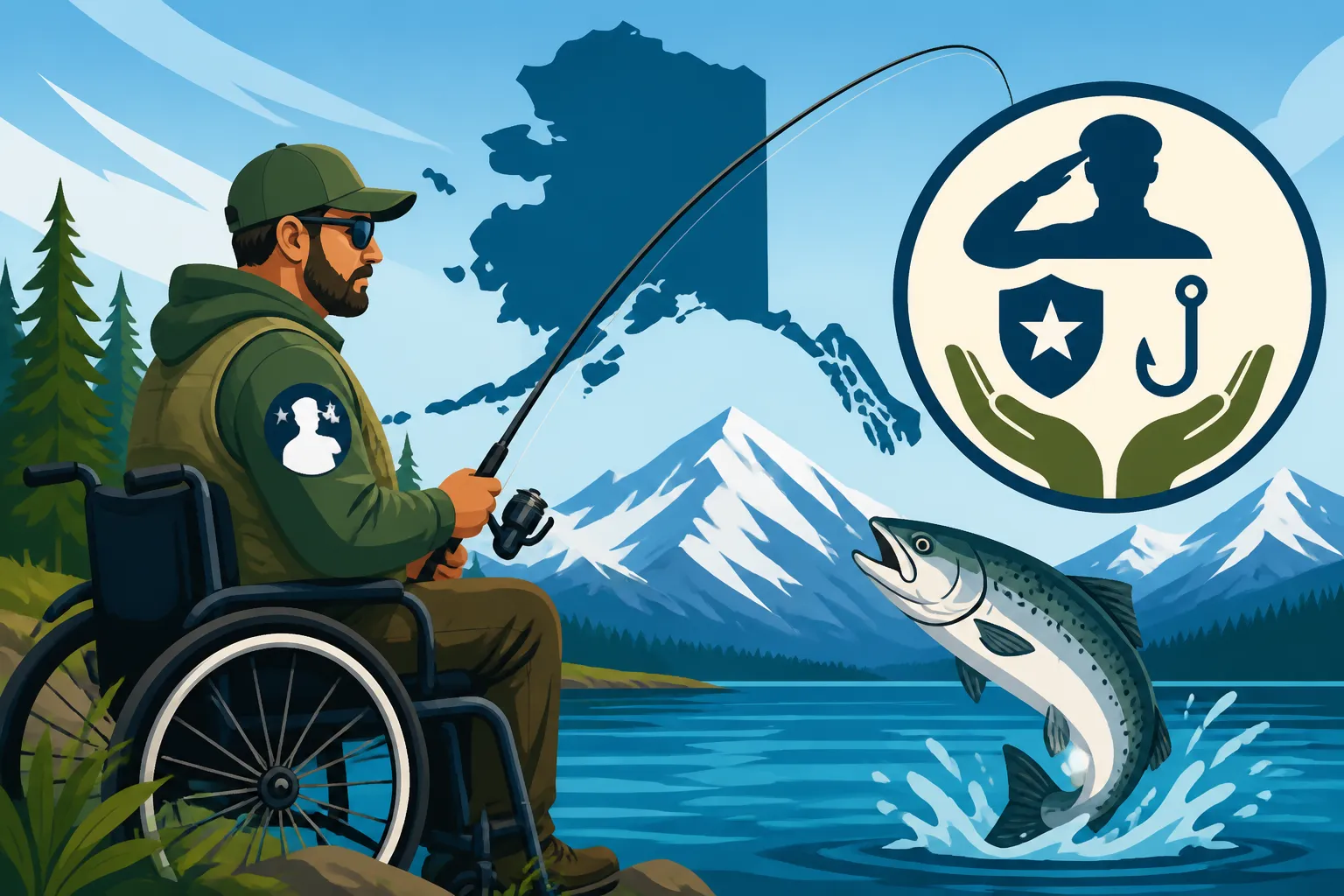
Alaska Disabled Veteran Fishing License Benefits
The struggle to navigate complex regulations and unexpected costs can be a real buzzkill when all you want to do is get out on the water and enjoy the peace that fishing brings. For our disabled veterans, who have given so much, facing these hurdles can be particularly frustrating. This comprehensive guide is here to cut through the confusion, detailing the specific benefits available for disabled veterans seeking an Alaska fishing license, how to qualify, and the simple steps to claim your deserved privileges.
Acknowledging the Sacrifices and the Healing Power of the Outdoors
First and foremost, let’s take a moment to acknowledge the incredible sacrifices made by our disabled veterans. Your service to our nation is immeasurable, and the challenges you face daily, both visible and invisible, deserve our utmost respect and support. It's completely understandable that after enduring so much, the last thing you want to deal with is bureaucratic red tape just to enjoy a pastime that can be incredibly therapeutic and restorative. Fishing in Alaska, with its pristine waters and breathtaking landscapes, offers a unique opportunity for healing, reflection, and connection with nature.
The beauty of Alaska's wilderness often provides a profound sense of calm and perspective. For many veterans, the quiet focus required for fishing, the rhythmic cast and retrieve, or the patient waiting for a bite, can be a powerful antidote to stress and anxiety. It’s a chance to reconnect with oneself, with friends or family, and with the grandeur of the natural world, far from the demands of daily life. The benefits of outdoor recreation for mental and physical well-being are well-documented, and providing accessible opportunities for our disabled veterans is a small but meaningful way to show our gratitude. Understanding the specific benefits available for disabled veterans can significantly ease the financial and administrative burdens, allowing you to focus on the joy of the catch.
Eligibility: Who Qualifies for Alaska's Disabled Veteran Fishing License Benefits?
Navigating the specifics of who qualifies for a special license can sometimes feel like deciphering ancient texts, but for disabled veterans in Alaska, the rules are thankfully straightforward once you know where to look. Alaska offers significant benefits to its resident disabled veterans, acknowledging their service and the unique challenges they might face.
Defining "Disabled Veteran" in Alaska for Licensing
For the purposes of a special sport fishing (and hunting) license, the Alaska Department of Fish and Game (ADF&G) defines a "disabled veteran" quite specifically. To qualify for these benefits, you must be a resident of Alaska and possess a service-connected disability of 50% or greater, as determined by the U.S. Department of Veterans Affairs (VA). This means your disability must be directly related to your military service and documented by official VA records.
It’s crucial to understand that this 50% or greater disability rating is a key threshold. If your disability rating is below 50%, unfortunately, you would not qualify for this specific resident disabled veteran license. The state of Alaska has set this benchmark to ensure that those with significant service-connected disabilities receive the support they need to continue enjoying Alaska's unparalleled fishing opportunities. This determination is based solely on your VA rating, so having your current and official VA documentation readily available is paramount when you decide to apply.
Residency Requirements for These Specific Benefits
This is perhaps the most critical point to emphasize: these specific disabled veteran fishing license benefits are primarily for Alaska residents. If you're visiting Alaska from another state, even if you are a disabled veteran with a high VA rating, you will generally be required to purchase a standard Alaska Non-Resident Fishing License Guide at the prevailing non-resident rates. This is a common point of confusion, and it’s important to manage expectations upfront.
To be considered an Alaska resident for ADF&G licensing purposes, you must:
- Have maintained your primary domicile in Alaska for a continuous period of at least 12 consecutive months immediately preceding the application for a license.
- Intend to make Alaska your permanent place of abode.
- Not claim residency in any other state or country, or apply for or purchase resident fishing or hunting licenses in another jurisdiction.
- Provide proof of residency, which can include things like an Alaska driver's license, voter registration, permanent fund dividend (PFD) application history, or utility bills in your name.
It's not enough to simply own property or spend a few months here each year; true intent and a continuous physical presence are key. The ADF&G takes residency requirements very seriously to ensure that the benefits intended for permanent Alaskans are distributed appropriately. If you're on the fence about whether you meet the residency criteria, it's always best to consult the official ADF&G regulations or contact their licensing division directly to avoid any misunderstandings or potential violations. You can learn more in our detailed guide on Alaska Resident Fishing License: Cost and How to Buy.
The Perks: Benefits of an Alaska Disabled Veteran Fishing License
Once you meet the eligibility criteria as an Alaska resident disabled veteran, the benefits truly shine. This isn't just about a small discount; it's about making Alaskan fishing accessible and affordable for those who have given so much.
Significant Cost Savings and License Types Covered
The most impactful benefit is often the cost savings. For qualifying Alaska resident disabled veterans, the Alaska Department of Fish and Game issues a permanent identification card that functions as both a sport fishing license and a small game hunting license. The best part? This permanent identification card is issued at no cost. This means you don't need to purchase an annual license, a 1-day, 3-day, 7-day, or 14-day license every time you want to go fishing. It’s a truly permanent solution, saving you money year after year.
Imagine the freedom of not having to think about "How Much Is an Alaska Fishing License for Residents" or needing to renew it online every spring. This benefit covers the base sport fishing license, allowing you to fish for most species throughout the state without additional cost. This ease of access can significantly enhance your ability to enjoy fishing whenever the urge strikes, whether you're targeting salmon on the Kenai River or trout in a remote Interior stream.
What's Included and What You Might Still Need
While the permanent disabled veteran license covers your base sport fishing license, it’s vital to understand what might not be included automatically. Alaska's fishing regulations can be quite nuanced, especially concerning certain species and specific fisheries.
Here’s a breakdown:
- King Salmon Stamp: Historically, the King Salmon Stamp was a separate requirement for anyone fishing for King Salmon, regardless of their base license. For many years, even disabled veterans needed to purchase this stamp if they intended to fish for kings. However, as of recent updates, the permanent identification card for qualified resident disabled veterans does include the privilege of fishing for King Salmon. This is a fantastic improvement, removing another layer of cost and administrative hassle. So, if you're planning on chasing those magnificent Alaska King Salmon Fishing Regulations and Limits, you should be covered.
- Harvest Record Card: This is an important distinction. While your permanent license covers the privilege to fish, you are still required to possess a valid Alaska Sport Fishing Harvest Record Card if you intend to fish for species that require recording. This includes King Salmon (except when fishing in waters where an annual limit applies), various species of Pacific salmon in specific personal use fisheries, and certain shellfish. These cards are usually free and can be obtained online or from license vendors. They are essential for resource management, allowing ADF&G to track angler harvests. For more details, check out our guide on the Alaska Harvest Record Card Explained.
- Special Permits/Tags: For highly regulated fisheries, such as some personal use fisheries (like dipnetting on the Kenai or Chitina), or certain subsistence fisheries, additional permits or tags might still be required. These are typically specific to the fishery and are designed to manage harvest pressure on particular runs. Always consult the most current Alaska Fishing Regulations Explained booklet for the specific region and fishery you plan to visit, as emergency orders can also change things on the fly.
- Federal Waters: If you plan to fish in federal waters (e.g., beyond three miles offshore in the ocean), federal regulations may apply, and your state license may not cover all aspects. This is particularly relevant for species like halibut, which are managed jointly by state and federal agencies. Charters operating in these waters will usually guide you on requirements.
Table: Alaska Resident Disabled Veteran Fishing License Benefits Summary
| Feature | Details |
|---|---|
| Eligibility | Alaska Resident, 50% or greater service-connected disability (VA rated) |
| Cost | FREE |
| License Type | Permanent Identification Card (functions as Sport Fishing & Small Game Hunting License) |
| King Salmon Stamp | Included with the permanent card |
| Harvest Record Card | Required for species needing recording (obtain separately, usually free) |
| Additional Permits | May be required for specific personal use fisheries (e.g., dipnetting) or federal waters; always check regulations. |
| Validity | Permanent (as long as residency and disability status remain) |
| Non-Resident Benefits | None for this specific license type; non-residents pay standard non-resident rates. |
Applying for Your Disabled Veteran Fishing License: A Practical Guide
Getting your hands on this invaluable permanent license is a process that, while requiring a few steps, is well worth the effort. Knowing exactly what to do can save you a lot of time and frustration.
Gathering Necessary Documentation
The key to a smooth application is having all your ducks in a row before you even start. Here's what you'll typically need:
- Proof of Alaska Residency: This is paramount. Acceptable documents often include your Alaska driver's license or state ID card, a copy of your current Permanent Fund Dividend application, utility bills with your name and Alaskan address, or property tax statements. The ADF&G may request more than one form of proof to establish continuous 12-month residency.
- Proof of Service-Connected Disability: You'll need official documentation from the U.S. Department of Veterans Affairs (VA) stating your service-connected disability rating. This usually comes in the form of a VA benefits letter, which clearly outlines your percentage of disability. Ensure the letter explicitly states "service-connected" and shows a rating of 50% or greater.
- Identification: A valid government-issued photo ID, like your Alaska driver's license or state ID, is necessary to verify your identity.
- Application Form: There's usually a specific application form for disabled veteran licenses (or permanent ID cards). You can often find this on the ADF&G website.
It’s always a good idea to have original documents, or certified copies, ready, especially if applying in person. If you're mailing documents, never send originals unless explicitly requested and you've made copies for your own records.
Application Methods: Online, Mail, or In-Person
The ADF&G offers several convenient ways to apply, so you can choose the method that best suits your needs.
- In-Person Application: This is often the quickest way to get your permanent card, especially if you have all your documents organized. You can visit any ADF&G license vendor, which includes many sporting goods stores, general stores, and ADF&G offices across the state. Places like Anchorage, Fairbanks, Juneau, and Soldotna will have numerous vendors. Bringing all your original documents allows the vendor to verify them on the spot, and you can often walk out with your permanent card the same day. This also gives you an opportunity to ask any clarifying questions directly.
- Application by Mail: If you live in a remote area or prefer to handle things from home, applying by mail is a viable option. You’ll need to download and print the application form from the ADF&G website, fill it out completely, and then mail it along with photocopies (never originals!) of all your supporting documentation to the ADF&G licensing office in Juneau. Be prepared for a processing time that can range from a few weeks to over a month, especially during peak seasons.
- Online Application: While you can buy regular Alaska Fishing License Online, the process for a permanent disabled veteran license, which requires verification of VA disability and residency, often necessitates an initial in-person or mail application for the first issuance. However, the ADF&G's online system might allow for updates or replacements once you're in their system. It's best to check the official ADF&G licensing portal for the most current options. The online system is primarily for standard license purchases and renewals, not typically for the initial application of special permanent ID cards requiring document verification.
Tips for a Smooth Application Process
To minimize delays and ensure a hassle-free experience:
- Verify Requirements Annually: While the permanent card itself doesn't need renewal, the underlying regulations can sometimes change. Always double-check the ADF&G website or call their licensing division if you have any doubts, especially if there have been significant changes to federal VA benefits or state statutes.
- Keep Copies: Always keep copies of everything you submit, regardless of the application method. This includes the application form itself and all supporting documents. It’s your proof if anything goes astray.
- Plan Ahead: Don't wait until the day before your big fishing trip to apply, especially if you're mailing your application. Give yourself plenty of lead time, ideally several weeks, to account for processing and potential requests for additional information.
- Contact ADF&G: If you have any questions about your eligibility, documentation, or the application process, don't hesitate to contact the Alaska Department of Fish and Game's licensing section directly. Their staff are usually very helpful and can provide the most accurate and up-to-date information.
Maximizing Your Fishing Experience with Your Benefits
Having your permanent disabled veteran fishing license in hand is more than just a piece of plastic; it's a passport to some of the world's most incredible fishing. It opens doors to countless adventures without the recurring financial burden of licensing, allowing you to focus on the joy of the sport.
Planning Your Accessible Fishing Adventures
With your free permanent license, you're now set to explore. Alaska offers an incredible variety of fishing opportunities, from roadside rivers to remote fly-in lakes. When planning, consider accessibility. Many popular areas, like sections of the Kenai River or fishing spots near Anchorage, have developed infrastructure, including accessible fishing platforms or paved access points. For instance, areas around the Palmer and Wasilla region offer various lakes with easy access for shore fishing or small boats.
Think about the type of fishing you enjoy most. Do you prefer the challenge of fighting a giant King Salmon in a powerful river, or the tranquility of casting for Alaska Rainbow Trout Regulations in a clear mountain stream? Perhaps deep-sea fishing for halibut out of Homer or Seward calls to you. Many communities have specific accessible points designed to accommodate anglers with varying mobility needs. Checking with local visitor centers or fishing forums can often yield valuable information on the most accessible spots. This freedom from license costs means you can try different locations and types of fishing without worrying about the varying costs of short-term licenses.
Essential Gear Considerations and Brand Mentions
Even with a free license, having the right gear is crucial for a comfortable and successful outing in Alaska's often unpredictable weather. Investing in quality, durable gear can make a huge difference, especially if you plan to fish frequently.
For rain gear, think layered, waterproof, and breathable. Brands like Simms and Grundéns are popular among Alaskan anglers for their durability and performance in harsh conditions. However, you can also find excellent, budget-friendly options on platforms like Amazon from brands like Frogg Toggs, which offer surprisingly good protection without breaking the bank. Remember, staying dry is key to staying warm and comfortable, even on a summer day in Alaska.
When it comes to waders, if you plan on river fishing, breathable chest waders are essential. Neoprene waders offer more warmth in colder water, but breathable ones are versatile for most of Alaska's fishing season. Pairing them with sturdy wading boots that offer good ankle support and grip on slippery rocks is critical for safety. Again, a quick search on Amazon will show you a wide array of options, from entry-level Caddis waders to more premium Orvis or Patagonia models.
For fishing rods and reels, the type depends on what you're targeting. A medium-heavy spinning rod (8-10.5 feet) with a sturdy spinning reel (4000-6000 series) is a versatile setup for many salmon and trout scenarios from the bank. If you're heading out on a charter for halibut, they'll typically provide heavy-duty rods and reels, but having your own sturdy setup for other species gives you flexibility. You can explore a vast selection of reputable brands like Shimano, Daiwa, or Penn on Amazon, often with competitive pricing and reviews from other anglers. Don't forget a good tackle box, filled with appropriate lures, hooks, weights, and leader material. A multi-purpose fishing knife and a pair of pliers are also indispensable.
And finally, consider bear safety. While not gear you fish with, it's essential when fishing in Alaska. Bear spray, easily attachable to your belt or waders, is a must-have in many areas. Just ensure you know how to use it safely and effectively. You can often find bear spray and holster combos on Amazon or at local sporting goods stores like Bass Pro Shops or Sportsman's Warehouse. Staying alert, making noise, and properly storing food are equally important.
Your permanent disabled veteran fishing license unlocks the potential for countless fishing adventures, but preparing with the right gear ensures those adventures are as enjoyable and safe as possible.
Disclaimer
The information provided in this guide is for general informational purposes only and does not constitute legal advice. Fishing regulations in Alaska are complex and subject to change by the Alaska Department of Fish and Game (ADF&G) through emergency orders and annual regulatory cycles. It is the responsibility of every angler to consult the current Alaska Sport Fishing Regulations booklet and any active emergency orders for the specific region and species they intend to fish before heading out on the water. Eligibility for disabled veteran benefits is determined by the ADF&G based on current state statutes and federal VA documentation. Always confirm your eligibility and application requirements directly with the ADF&G.