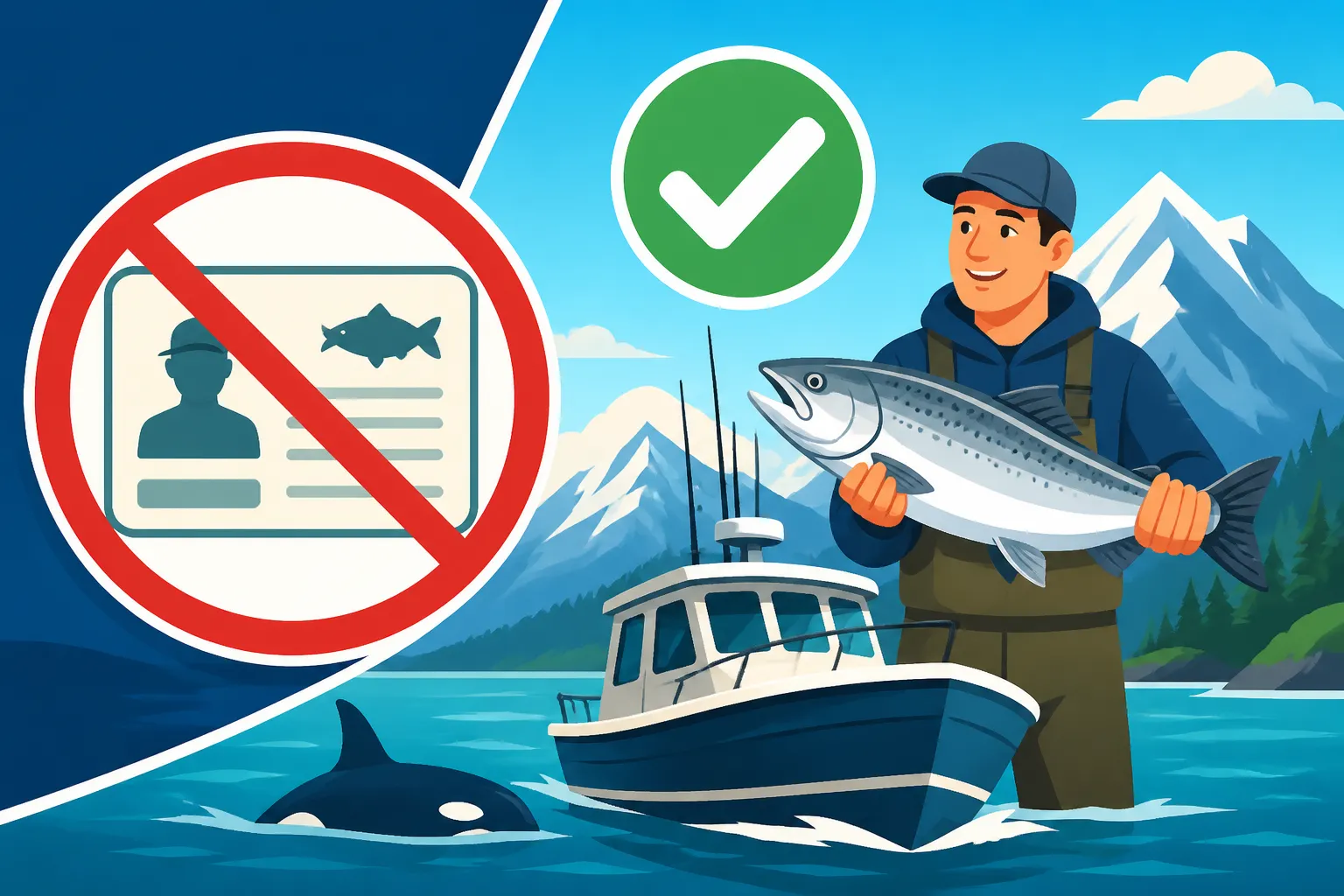
Do You Need a License to Fish on a Charter in Alaska
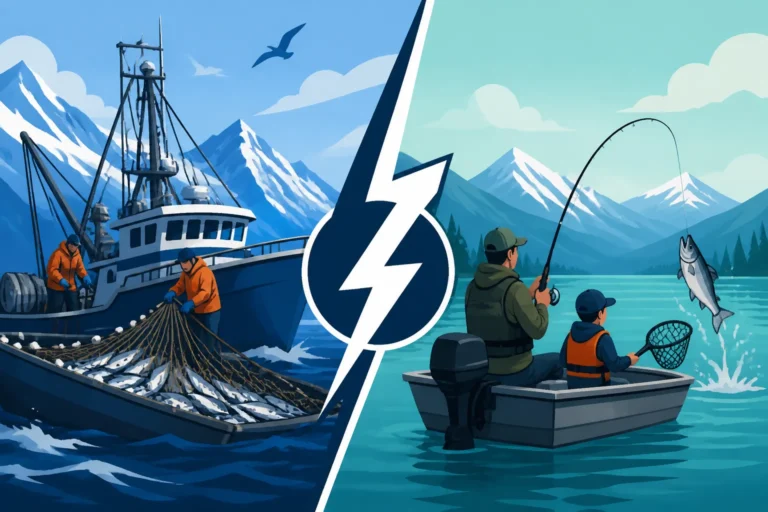
Planning an unforgettable fishing trip to Alaska, especially one involving a charter, often comes with a whole host of questions. One of the most frequently asked, and often misunderstood, aspects revolves around whether you actually need your own fishing license when you're going out with a professional guide. Many anglers assume the charter fee covers all the bureaucratic bits, but that's a common trap. This guide will thoroughly break down everything you need to know about Alaska fishing licenses for charter trips, ensuring you're fully prepared and compliant before you even cast a line.
The Straightforward Answer: Yes, You Need a License (Almost Always)
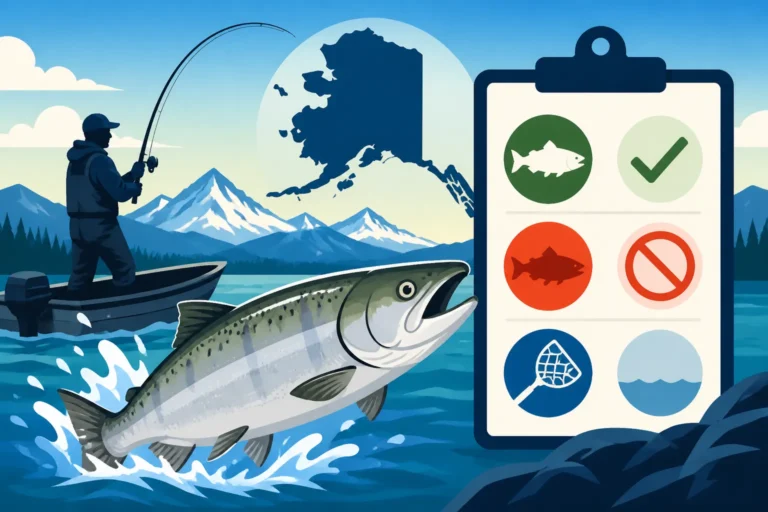
Let's cut right to the chase because this is where many people get tripped up. When you step aboard an Alaska fishing charter, whether it's for king salmon on the Kenai River or giant halibut out of Homer, you, as an individual angler, are responsible for holding a valid Alaska sport fishing license. The charter company provides the boat, the gear, the expertise, and often an incredible experience, but your personal license is exactly that – personal. It's not transferable, and it's not covered by the guide's credentials or the boat's permit.
Why Even Charters Require Your Own License
The requirement for an individual fishing license in Alaska stems from state law, specifically regulations set forth by the Alaska Department of Fish and Game (ADF&G). These rules are in place to manage fish populations, fund conservation efforts, and track angler effort across all sport fisheries, guided or unguided. Every fish you catch, keep, or release under the auspices of sport fishing contributes to data that helps biologists make critical management decisions. Your license purchase directly supports these vital programs.
Think of it like getting a driver's license. Even if you're riding in a taxi or a guided tour bus, you'd still need your own driver's license if you were to get behind the wheel yourself. The charter guide is like the professional driver; they have their commercial license and permits, but you're still the individual participating in the activity of fishing. Enforcement officers, whether they're Alaska State Troopers or ADF&G personnel, have the authority to check every angler on board for proper licensing. Getting caught without one isn't just an inconvenience; it can lead to significant fines and the forfeiture of your catch, which is the last thing you want on a dream Alaska fishing vacation.
Understanding Different License Types
Alaska offers a variety of fishing licenses designed to accommodate residents, non-residents, and different trip durations. For visitors coming to Alaska specifically for a fishing charter, the most common choice will be a non-resident sport fishing license. These come in several options to match the length of your stay and planned fishing activities.
You can choose from a 1-day, 3-day, 7-day, or 14-day non-resident sport fishing license. There's also an annual non-resident license, which makes sense if you plan multiple trips within a calendar year. Residents, on the other hand, have access to annual licenses at a significantly reduced cost, and certain resident categories (like seniors and disabled veterans) might even qualify for free licenses. When planning your trip, it's crucial to select a license duration that covers all the days you intend to fish, including travel days if you plan on fishing immediately upon arrival or departure. A good rule of thumb is to buy a license that covers a day or two more than your planned fishing excursions, just in case weather delays extend your trip or you decide to squeeze in some extra bank fishing. For a deeper dive into the specific options, check out our guide on Alaska Fishing License Cost and Types.
Beyond the Basic License: Essential Stamps and Record Keeping
Just having a basic fishing license isn't always enough, especially if you're targeting some of Alaska's most iconic species. There are additional requirements that, if overlooked, can quickly turn your exciting catch into a regulatory headache. These typically revolve around specific species and ensuring proper harvest accounting.
The King Salmon Stamp Requirement
If your Alaska fishing charter targets or has the potential to catch King Salmon (also known as Chinook salmon), you absolutely must purchase a King Salmon Stamp in addition to your regular sport fishing license. This isn't an optional add-on; it's a mandatory requirement for anyone, resident or non-resident, who wishes to fish for, catch, or retain a King Salmon. The revenue from these stamps goes directly to King Salmon enhancement and conservation programs, which are vital given the sometimes-fragile status of King Salmon runs in many rivers, like the Kenai River.
The cost of a King Salmon Stamp is separate from your base license and can vary depending on whether you're a resident or non-resident, and also if you choose a 1-day, 3-day, 7-day, 14-day, or annual stamp. It's important to match the duration of your King Salmon stamp to the duration of your base fishing license. For instance, if you have a 7-day non-resident fishing license and plan to fish for Kings on three of those days, you'd need at least a 3-day King Salmon stamp, though getting a 7-day stamp for peace of mind isn't a bad idea. Charters almost always check for this stamp if King Salmon fishing is on the agenda, as they are also liable if an angler on their boat isn't compliant. You can learn more about this specific requirement in our detailed article, Do You Need a King Salmon Stamp in Alaska, and understand the associated costs by reading How Much Is the Alaska King Salmon Stamp.
The Harvest Record Card and What to Track
Along with your physical license and any required stamps, you'll receive a sport fishing harvest record card. This card is a crucial document that serves as your personal logbook for specific high-value species. The primary fish you'll need to record immediately upon retention in many areas is King Salmon. For saltwater trips, particularly for halibut, there are often specific regulations concerning recording, especially for charter guests in certain areas like Southcentral Alaska (e.g., in the areas around Homer or Seward).
It's your responsibility as the angler to accurately and immediately record your catch on this card. This typically means noting the date, location (general area, not precise GPS coordinates), and species of fish. Charters will usually remind you and might even have pens handy, but the act of recording and the accuracy of the information falls squarely on your shoulders. This data is invaluable for ADF&G to monitor harvest levels and ensure sustainable fishing practices. Failing to properly record a fish can result in penalties, just like not having a license. To fully understand these requirements and how to correctly use your card, refer to our guides on Alaska Harvest Record Card Explained and How to Fill Out an Alaska Harvest Record Card.
Navigating License Purchase and Charter Responsibilities
Knowing you need a license is one thing; actually getting it efficiently is another. Fortunately, Alaska has made the process quite accessible. Understanding what your charter covers versus what's your personal responsibility will also save you time and prevent misunderstandings when you arrive.
Where to Purchase Your Alaska Fishing License
There are several convenient ways to purchase your Alaska fishing license and any necessary stamps:
- Online via ADF&G Website: This is by far the easiest and most recommended method, especially for non-residents planning a trip. You can visit the official Alaska Department of Fish and Game online licensing system, purchase your license, and print it out right from your home computer. You'll receive a digital copy instantly, which is perfectly valid. This allows you to handle everything before you even pack your bags, avoiding any last-minute stress. To get started, take a look at our guide on How to Get an Alaska Fishing License Online.
- Authorized Vendors: Once you're in Alaska, you can purchase licenses at thousands of vendor locations across the state. These include sporting goods stores, tackle shops, general stores, and even some grocery stores. Locations like Sportsman's Warehouse or local gear shops in towns like Soldotna, Seward, or Homer are common places. Just look for the official ADF&G license vendor sign.
- ADF&G Offices: You can also visit any Alaska Department of Fish and Game office in person during business hours to purchase your license. This is less common for transient visitors but an option nonetheless.
It’s always a good idea to purchase your license well in advance of your trip. Don’t wait until the morning of your charter, as unforeseen technical glitches or long lines can eat into your valuable fishing time. While you can find great fishing gear, rain jackets, and other essentials on Amazon to prepare for your trip, remember that official Alaska fishing licenses and stamps must be purchased directly through the ADF&G or its authorized vendors.
What Charter Companies Typically Provide (and Don't)
Charter operators play a crucial role in your Alaska fishing experience, but it’s vital to understand the scope of their services to avoid any surprises.
What they typically do provide:
- Boat and Fuel: A safe, seaworthy vessel tailored for the type of fishing you're doing (e.g., a large ocean-going boat for halibut, or a drift boat for river salmon).
- Experienced Guide: A licensed and knowledgeable captain or guide who knows the local waters, fishing spots, and techniques.
- Fishing Gear and Tackle: High-quality rods, reels, lines, lures, bait, and all the terminal tackle you'll need. This is a huge benefit, as bringing your own gear can be a logistical challenge. Many guides will even provide specifics, like the best cured salmon eggs or specialized jigs.
- Safety Equipment: Life vests, first-aid kits, communication devices, and other essential safety gear.
- Basic Fish Handling: Once you land a fish, the guide or deckhand will typically unhook it, bleed it, and store it on ice. Some may even fillet your catch at the end of the day or direct you to a local processor.
- Guidance on Regulations: Your guide will ensure that the fishing they facilitate adheres to current regulations, including bag limits, size restrictions, and any emergency orders. They'll also remind you about recording your catch.
What they typically don't provide (and you're responsible for):
- Your Personal Alaska Fishing License: As established, this is entirely your responsibility. Your guide will almost certainly check to see if you have it before the boat leaves the dock.
- King Salmon Stamp (if applicable): Another personal responsibility.
- Food and Beverages: Unless specifically advertised as an all-inclusive package, you'll need to bring your own snacks, lunch, and drinks for the day.
- Appropriate Clothing: Layers, rain gear, waterproof boots, hats, and gloves are essential. While you might find a basic rain poncho on the boat, investing in good quality gear, perhaps from Amazon or a local outdoor store, is highly recommended.
- Sunscreen, Sunglasses, Personal Medications: Standard personal items.
- Gratuity for the Crew: Tipping is customary in the charter industry.
- Fish Processing Beyond Basic Filleting: While some charters offer basic filleting, most will direct you to a professional fish processor in town for cutting, vacuum-sealing, and freezing your catch, often for shipping home.
It's always a good idea to confirm with your specific charter company what they provide and what you need to bring. Reputable charters are usually very transparent about this. Don't fall into the trap of thinking your charter fee includes your license; you can explore this topic further in Do Charters Include Alaska Fishing Licenses.
Common Misconceptions and Age Requirements
Even with the best intentions, it's easy to get confused about Alaska's fishing license requirements. Let's clear up some common myths and ensure you understand who truly needs a license based on age and residency.
The "Charter Covers Everything" Myth
This is perhaps the biggest misconception that trips up visitors to Alaska. Many people erroneously believe that because they've booked and paid for a charter, the guides handle all the necessary permits and licenses for everyone on board. The thinking goes, "I paid a premium for a guided trip, so all the legal stuff must be baked into that price." This is absolutely not the case for individual angler licenses.
The charter's permit is for their commercial operation, the vessel, and the guide's ability to conduct business. It doesn't extend to the individual right of each client to fish. Imagine going to a baseball game: the stadium has its permits and the team has its license to play, but you still need your individual ticket to enter. Your fishing license is your "ticket" to participate in sport fishing in Alaska. If you arrive at the dock without your valid license and any required stamps, your guide will not be able to take you fishing, and you might lose your charter fee. It's a non-negotiable legal requirement for every angler.
Age and Residency Exceptions
While the general rule is that everyone needs a license, there are a few important exceptions based on age and residency that are worth noting.
- Youth Under 16: Children under the age of 16 (both residents and non-residents) are generally exempt from needing a sport fishing license. This is fantastic news for families planning a trip, as it makes fishing more accessible for the younger generation. However, if they plan to target King Salmon, they will still need a King Salmon stamp, even if they don't need the base license. This nuance is often overlooked. You can find more details in our articles on Alaska Fishing License Age Requirements and Do Kids Need a Fishing License in Alaska.
- Alaska Residents:
- Resident Seniors: Alaska residents who are 60 years of age or older and have been residents for at least one year are eligible for a permanent identification card that allows them to sport fish without purchasing an annual license. They still need a King Salmon stamp if targeting Kings.
- Disabled Veterans: Alaska residents who are disabled veterans meeting specific criteria (e.g., 50% or more disability rating from a service-connected condition) may also qualify for a free permanent identification card for sport fishing. Like seniors, they would still need a King Salmon stamp.
- It's important to differentiate between general Alaska residents and those with these specific qualifications. Most adult Alaska residents still need to purchase an annual license, albeit at a much lower cost than non-residents.
Always double-check the current ADF&G regulations, as these rules can occasionally be updated. It's better to be safe than sorry when it comes to compliance. Bringing along a copy of your license (either paper or digital on your phone) is also a smart move, especially if you picked up your fishing supplies from Amazon and just want to focus on the fun part.
To help visualize the common license scenarios for charter guests, here's a quick summary:
| License Type | Who Needs It (Typical Charter Guest) | Approximate Non-Resident Cost (2024)* | Key Considerations |
|---|---|---|---|
| Non-Resident Sport Fish | All non-resident anglers 16 years and older. | 1-day: $15 – $20 3-day: $30 – $40 7-day: $50 – $65 14-day: $75 – $95 Annual: $100 – $145 |
Choose duration to cover all fishing days. Required for all sport fishing activities. |
| Non-Resident King Salmon Stamp | All non-resident anglers (even those under 16) targeting or retaining King Salmon. | 1-day: $10 – $15 3-day: $20 – $25 7-day: $30 – $35 14-day: $50 – $55 Annual: $70 – $80 |
Mandatory in addition to basic license if fishing for Kings. Match stamp duration to license duration. |
| Resident Sport Fish | Adult Alaska residents (not qualifying for free ID card). | Annual: $20 – $30 | Significantly cheaper than non-resident licenses. |
| Resident King Salmon Stamp | All resident anglers targeting or retaining King Salmon. | Annual: $10 – $15 | Required for residents in addition to basic license. |
| Youth (Under 16) | Generally no basic license needed. | Free (for basic license) | If targeting King Salmon, a King Salmon stamp is required, even though the basic license is not. This is a critical point to remember! |
| Harvest Record Card | Included with your license purchase. | Free | Mandatory for recording King Salmon and potentially other species (e.g., halibut in certain areas). Must be filled out immediately upon retention. |
*Costs are approximate and subject to change. Always check the official Alaska Department of Fish and Game website for the most current pricing.
Disclaimer
The information provided in this guide is intended for general informational purposes only and does not constitute legal advice. Alaska fishing regulations, including licensing requirements, bag limits, and seasons, are subject to change by emergency order throughout the year. It is the individual angler's responsibility to check the most current regulations and emergency orders issued by the Alaska Department of Fish and Game (ADF&G) before heading out on any fishing trip. Always consult the official ADF&G website or a local ADF&G office for the latest and most accurate information.