Alaska Fishing License Cost for a Week
Planning a fishing trip to Alaska is an incredible adventure, but one of the first things that often throws people for a loop is figuring out the exact cost of a fishing license, especially for a shorter stay. It can feel like navigating a maze of options, trying to ensure you're compliant without overspending on a license you don't fully need. This guide is here to clear up the confusion around the cost of an Alaska fishing license for a week, detailing what you can expect to pay as both a resident and non-resident, and what additional stamps you might need to consider.
Understanding Alaska's Fishing License Structure for Short Trips
When you're planning a trip to Alaska, whether it's for a weekend getaway or a full two-week vacation, understanding the nuances of the fishing license system is paramount. It’s not always as straightforward as just picking a "weekly" option, especially for those visiting from out of state.
Why a "Weekly" License Isn't Always a Direct Option
Many folks arrive in Alaska, excited to hit the water, and ask for a "weekly fishing license." It's a natural assumption, right? You're here for seven days, so a seven-day license makes sense. However, the Alaska Department of Fish and Game (ADF&G) doesn't explicitly label a license as "weekly." Instead, for non-residents, they offer short-term licenses in specific durations: 1-day, 3-day, 7-day, and 14-day options. So, when you ask for a "weekly" license, you're looking for the 7-day non-resident sport fishing license.
This distinction might seem minor, but it's important to be aware of the exact terminology when purchasing your license. The 7-day license is designed specifically for those shorter visits, covering seven consecutive calendar days from the date of activation. It’s a fantastic option for tourists who might spend a few days chasing halibut out of Homer, then switch to salmon fishing on the Kenai River for the rest of their trip. The flexibility of these short-term licenses ensures you only pay for the days you'll actually be wetting a line, which can be a significant cost-saver compared to an annual license if your stay is truly limited to a week or two. It really helps simplify the process, even if the wording is a little different than you might expect.
The Core Difference: Resident vs. Non-Resident Costs
One of the most significant factors influencing the cost of your Alaska fishing license is whether you qualify as a resident or a non-resident. The difference isn't just a few dollars; it's substantial, reflecting the state's approach to funding its robust conservation efforts and managing its world-class fisheries.
To qualify as an Alaska resident for fishing license purposes, you generally need to have maintained a permanent place of abode in Alaska for the preceding 12 consecutive months and not claim residency in any other state or country. There are specific criteria, including showing intent to remain in Alaska indefinitely. This means that if you just moved to Anchorage last month, you're likely still considered a non-resident for license purchasing.
For the vast majority of visitors, whether you're coming from the Lower 48, Canada, or further afield, you will be classified as a non-resident. This classification comes with higher license fees, which contribute directly to the management, enforcement, and research programs that protect Alaska's incredible fish populations. While it might feel a bit steep for visitors, these funds are critical to maintaining the pristine fishing experiences that draw people here year after year. It's truly a necessary investment in the future of Alaska's fisheries, ensuring that the opportunities for Alaska King Salmon: Complete Guide or Alaska Halibut: Complete Guide remain vibrant for generations to come.
Breaking Down the Cost of a 7-Day Alaska Fishing License
Alright, let's get down to brass tacks and talk numbers. The cost of your 7-day Alaska fishing license, as mentioned, hinges entirely on your residency status. For most visitors, this will mean a non-resident license, which has a set price.
Non-Resident 7-Day Fishing License Cost
As of my last check, a non-resident 7-day sport fishing license in Alaska typically costs around $45. This covers your ability to fish for most species in both fresh and saltwater throughout the state for seven consecutive days. It's a great value when you consider the incredible fishing opportunities available, from battling mighty King Salmon in rivers to jigging for barn-door halibut in the Gulf of Alaska.
Imagine you've planned a dream week-long trip to Seward, hoping to experience some world-class saltwater fishing. You arrive, purchase your 7-day license for $45, and for the next seven days, you're legally good to go, whether you're joining a charter for halibut or trying your luck at silver salmon from the shore. This single purchase is your ticket to angling freedom for that specific period. It's important to remember that this cost is for the base license only; it doesn't automatically include any specialized stamps you might need, which we'll cover shortly. This simple, fixed cost helps budget-conscious travelers know exactly what to expect when planning their fishing adventures.
Resident 7-Day Equivalent and Other Options
Now, if you are an Alaska resident, the concept of a "7-day license" for you practically doesn't exist. Residents almost invariably opt for an annual sport fishing license. Why? Because it's incredibly affordable and makes far more sense economically, even for just a few fishing trips a year. As of recent information, an annual resident sport fishing license costs about $20.
Think about it: for less than half the price of a non-resident 7-day license, a resident can fish for an entire year. This makes a lot of sense given that many residents fish multiple times throughout the year, perhaps targeting sockeye salmon in the summer, ice fishing in the winter, or chasing rainbow trout in the spring. Even if a resident only planned to fish for a single week, purchasing the annual license is still the more logical and cost-effective choice.
There are also further discounts and options for residents. For instance, Alaska residents who are 60 years or older and meet certain residency requirements can obtain a permanent identification card that allows them to fish without purchasing an annual license. Similarly, qualified resident disabled veterans also have special license benefits, which further highlight the state's commitment to its long-term residents and those who have served. These programs make fishing highly accessible for those who call Alaska home, differentiating significantly from the visitor experience. You can find more details on these age-related requirements in our guide on Alaska Fishing License Age Requirements.
The Essential King Salmon Stamp: An Additional Cost
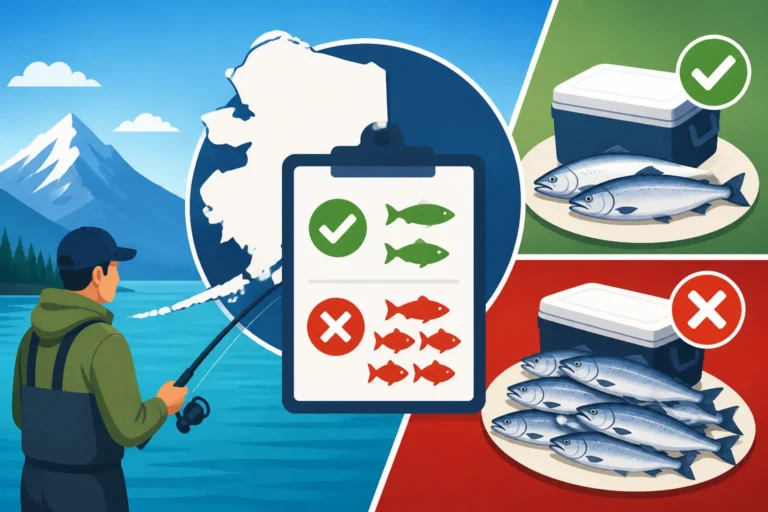
Ah, the King Salmon stamp. This is where many anglers, particularly non-residents, can get tripped up if they're not careful. If your fishing plans involve targeting or keeping King Salmon (also known as Chinook Salmon), you must purchase a King Salmon stamp in addition to your regular fishing license. This isn't just a suggestion; it's a legal requirement, and fishery enforcement in Alaska is no joke.
The cost of a King Salmon stamp also varies by duration and residency. For a non-resident, a 7-day King Salmon stamp currently costs around $45. This means if you're a non-resident coming for a week to fish exclusively for Kings, your total license cost would be $45 for the 7-day license plus $45 for the 7-day King Salmon stamp, totaling $90. For residents, an annual King Salmon stamp is much cheaper, typically around $10.
It's crucial to understand that even if you're not intentionally targeting King Salmon but accidentally hook one, the regulations often stipulate that you cannot retain it without the stamp. The best practice is to always buy the stamp if there's any chance you might encounter these magnificent fish. Many anglers heading to rivers like the Kenai or the Deshka during King Salmon runs wisely purchase the stamp upfront, even if they're primarily after other species, just to be safe. It’s an easy way to avoid potential fines and ensure you can enjoy the thrill of catching and legally keeping a King Salmon. Our comprehensive guide, Do You Need a King Salmon Stamp in Alaska, offers even more detailed information on this vital requirement.
Here's a quick breakdown of typical non-resident costs for short-term licenses and stamps:
| License Type | Duration | Non-Resident Cost (approx.) | Resident Cost (approx.) | Notes |
|---|---|---|---|---|
| Sport Fishing License | 1-Day | $15 | N/A (annual recommended) | Covers most sport fishing for one day. |
| Sport Fishing License | 3-Day | $30 | N/A (annual recommended) | Covers most sport fishing for three consecutive days. |
| Sport Fishing License | 7-Day | $45 | N/A (annual recommended) | Your "weekly" option. Covers most sport fishing. |
| Sport Fishing License | 14-Day | $60 | N/A (annual recommended) | Covers most sport fishing for fourteen consecutive days. |
| Sport Fishing License | Annual | $100 | $20 | Best value for residents; good for long non-resident trips. |
| King Salmon Stamp | 1-Day | $15 | N/A (annual recommended) | Required if targeting/retaining King Salmon. |
| King Salmon Stamp | 3-Day | $30 | N/A (annual recommended) | Required if targeting/retaining King Salmon. |
| King Salmon Stamp | 7-Day | $45 | N/A (annual recommended) | Required if targeting/retaining King Salmon for a week. |
| King Salmon Stamp | 14-Day | $60 | N/A (annual recommended) | Required if targeting/retaining King Salmon. |
| King Salmon Stamp | Annual | $100 | $10 | Best value for residents targeting Kings. |
Prices are approximate and subject to change by the Alaska Department of Fish and Game. Always check current rates before purchasing.
Where and How to Purchase Your 7-Day Fishing License
Once you've got your head wrapped around the costs and identified the exact license and stamps you need, the next logical step is figuring out how and where to actually buy them. Thankfully, the Alaska Department of Fish and Game has made the process quite accessible, whether you prefer the convenience of online purchasing or the personal touch of a local vendor.
Online Purchase Through ADF&G
For many, especially those planning their trips in advance from outside the state, purchasing your Alaska fishing license online is the most convenient and straightforward option. The official Alaska Department of Fish and Game (ADF&G) website provides a secure portal where you can buy all necessary licenses and stamps from the comfort of your home.
The process is generally user-friendly. You'll input your personal details, select the appropriate non-resident 7-day sport fishing license, add any necessary King Salmon stamps, and complete your payment. Once purchased, you'll receive a printable PDF of your license immediately. This is fantastic because you can print multiple copies, save one to your phone, and even email it to yourself as a backup. There's no waiting for a physical card to arrive in the mail, which can be a huge relief if you're on a tight travel schedule. Just make sure your printer is working, or you have a reliable way to display the license on your electronic device, as you're required to have it on your person while fishing. For a detailed walkthrough, check out our guide on How to Get an Alaska Fishing License Online.
Authorized Vendors and Local Retailers
If you prefer a more traditional approach, or if you find yourself spontaneously deciding to fish after you've already arrived in Alaska, you can purchase your 7-day fishing license (and stamps) from a wide array of authorized vendors throughout the state. These typically include sporting goods stores, tackle shops, general stores, and even some larger grocery stores.
For example, you can often pick up a license at a Fred Meyer or Walmart in larger towns like Anchorage or Fairbanks, or at smaller, specialized tackle shops in popular fishing hubs like Soldotna, Seward, or Homer. The advantage of buying from a physical vendor is that you get a durable, physical license card right away. Plus, the staff at these shops are often seasoned local anglers who can provide invaluable, up-to-the-minute advice on local regulations, current hot spots, or the best bait to use for the day. It's a great opportunity to gather some local intel, which can be priceless. Just be mindful of store hours, especially in smaller towns, as you wouldn't want to miss a morning bite because you couldn't get a license. You can explore more options in our article, Where to Buy an Alaska Fishing License.
On-Site at Charters or Lodges (Convenience Fees)
Another option, often chosen for sheer convenience, is to purchase your license directly through the fishing charter company or lodge you've booked with. Many reputable Alaska fishing charters, especially those operating out of popular destinations like Kodiak or Sitka, offer this as an add-on service.
While incredibly easy, it's worth noting that some charters or lodges might charge a small convenience fee for this service. This fee is usually minor, but it's something to be aware of when you're budgeting. The biggest benefit here is that everything is handled for you, usually right before you step on the boat, ensuring you have the correct license and any necessary stamps without any last-minute scramble. It also means you'll have an expert guide who can confirm exactly which stamps you need for the specific type of fishing planned for your trip. However, always confirm with your charter beforehand whether they offer this service and if any additional charges apply. Our post Do Charters Include Alaska Fishing Licenses delves deeper into this topic.
Factors Affecting Your Total Fishing Trip Budget
Understanding the cost of your 7-day Alaska fishing license is a great start, but it's crucial to remember that it's just one piece of the overall financial puzzle when planning an Alaskan angling adventure. There are several other expenses that can quickly add up and significantly impact your total budget.
Beyond the License: Additional Permits and Stamps
We've already talked about the mandatory King Salmon stamp if you're chasing those mighty Kings, but Alaska has a few other specialized permits and regulations that might come into play depending on your fishing goals.
For instance, if you're a resident planning on participating in one of Alaska's unique personal use fisheries, like the famous Kenai River dipnet fishery for sockeye salmon, you'll need a specific personal use permit. These permits are typically free for residents but require a separate application process and adherence to specific rules, often related to gear type and location. Non-residents generally cannot participate in personal use fisheries. There are also specific harvest cards, like the Alaska Harvest Record Card Explained, that you'll need to accurately log certain species, which are mandatory for proper fishery management. Understanding these distinct requirements is key to avoiding violations and fully enjoying the varied fishing opportunities Alaska offers.
Gear, Charters, and Logistics
Beyond licenses, the core costs of an Alaska fishing trip often come down to gear, guided services, and the sheer logistics of getting around this vast state. If you're flying in, you'll need to decide whether to bring your own fishing gear or rely on rentals or purchases once you arrive. While you can find great deals on fishing rods, reels, and tackle on platforms like Amazon, carrying them on a plane can be cumbersome and costly. Many outfitters and charters offer gear rentals, which can save you hassle.
Then there's the cost of a fishing charter, which can range widely depending on the duration, type of fish targeted (halibut charters are often different from river salmon guides), and location. A full-day halibut charter out of Seward or Homer can run several hundred dollars per person. If you're going the unguided route, factor in boat rentals, fuel, bait, and tackle. Don't forget travel expenses (flights, car rentals, gas), accommodation, and food. The remote nature of some of Alaska's prime fishing spots means that lodging and even groceries can be more expensive than what you're used to. It's truly an investment, but for many, the unparalleled fishing experience is well worth it. For more insights on charter costs, our Alaska Fishing Charter Cost Explained article provides a detailed overview.
Emergency Orders and Unexpected Changes
One final, often overlooked, factor that can impact your fishing trip's perceived value or even your ability to fish as planned is the reality of Alaska's dynamic fishery management. The Alaska Department of Fish and Game frequently issues "Emergency Orders" (EOs) in-season to adjust regulations based on real-time fish run strength, conservation concerns, or other biological factors.
These emergency orders can mean anything from a reduction in bag limits for certain species, changes in legal fishing hours, or even outright closures of specific fisheries or sections of rivers. For instance, it's not uncommon for King Salmon fisheries on rivers like the Kenai or Kasilof to see emergency closures if returns are weak. This can be incredibly frustrating if you've planned and paid for a trip specifically to target those fish. While your license cost won't change, the opportunities available to you might. It underscores the importance of staying informed and being flexible with your plans. Always check the latest EOs before heading out. Our guide Alaska Fishing Emergency Orders Explained can help you understand how these orders work and how to keep track of them.
Disclaimer
Please note that fishing regulations, license costs, and emergency orders in Alaska are subject to change by the Alaska Department of Fish and Game. Always consult the most current regulations booklet and check for emergency orders before planning and embarking on your fishing trip. This guide is for informational purposes only and should not be considered legal advice.