Do Charters Include Alaska Fishing Licenses
One of the most common head-scratchers for folks planning an epic fishing adventure to the Last Frontier is figuring out what's truly included in their charter package. It's easy to assume that after shelling out good money for a guided trip, every little detail, especially something as fundamental as your fishing license, is handled. But skipping this crucial check can lead to unwelcome surprises or even fines before you've even wet a line. This comprehensive guide will clear up the confusion, detailing why Alaska fishing licenses are typically a separate responsibility and how to ensure you're fully prepared for your angling excursion.
The Common Misconception About All-Inclusive Charters
It's a completely natural assumption: you've booked an Alaska fishing charter, often an investment of a few hundred to over a thousand dollars, depending on the duration and type of fish you're targeting. Surely, with that kind of commitment, everything from the rods and reels to the bait, the captain's expertise, and yes, even your fishing license, would be part of the deal. After all, isn't that the point of an "all-inclusive" experience?
Why Anglers Assume Licenses Are Included
Many travelers come from states or countries where certain recreational activities might bundle permits or licenses directly into a package price. For instance, some tour operators or resorts might include park entry fees or specific activity permits. This expectation gets carried over to fishing charters, especially when the marketing highlights a "hassle-free" or "turnkey" experience. You're there to fish, not to navigate government websites, right? There's also the element of trust in a professional outfitter – it feels logical that they'd ensure every legal box is ticked for their clients. The sheer number of regulations in Alaska can be overwhelming, so delegating that responsibility seems like a natural fit for a guided trip.
When you're dreaming of reeling in a magnificent King Salmon or battling a barn-door Halibut, the last thing on your mind is paperwork. You're focused on the thrill, the scenery, and the delicious fish you'll take home. Because charters often provide all the high-quality gear, tackle, and even rain gear (sometimes), it creates an impression that they manage all necessities. However, the legal framework around individual licenses often distinguishes them from the operational costs of the charter itself.
The Legal Responsibility Falls on You, Not the Charter
Here's the plain truth, folks: in Alaska, just like in most places, an individual fishing license is a personal document. It's your responsibility, as the angler, to possess a valid license for the duration of your fishing activity. While a charter company provides the vessel, the knowledge, and often the equipment, they are not legally allowed to purchase or "include" a fishing license as part of their service package in the same way they provide a fishing rod. The Alaska Department of Fish and Game (ADF&G) regulations are quite clear on this. Each person 16 years of age or older must have their own license when sport fishing.
Think of it this way: your charter captain is a highly skilled professional, an expert at navigating the waters and finding the fish, but they aren't authorized to act as an agent for the state in issuing or managing personal licenses. It would be akin to a rental car company purchasing your driver's license for you. It's simply not how the system works. While a good charter will certainly remind you of this requirement and point you in the right direction, the ultimate responsibility to secure your Alaska fishing license rests squarely on your shoulders. Ignoring this can lead to fines, confiscation of your catch, and a truly memorable (for all the wrong reasons) start to your Alaskan adventure.
Alaska Fishing License Requirements: A Quick Refresher
Before you even step foot on that charter boat, understanding Alaska's fishing license requirements is paramount. This isn't just about having a license; it's about having the right license for your specific situation. The regulations can seem like a maze at first glance, but breaking them down helps simplify the process.
Resident vs. Non-Resident Licenses
The first major distinction is whether you're an Alaska resident or a non-resident. If you've lived in Alaska for a continuous 12 months immediately preceding the application for a license, and don't claim residency elsewhere, you likely qualify for a resident license, which is significantly cheaper. For everyone else, including visitors from other U.S. states or international travelers, a non-resident license is required. It's important to understand the definition of residency carefully, as misrepresenting your status can lead to severe penalties. For a deep dive into the specifics, check out our guide on the Alaska Non-Resident Fishing License Guide.
Non-resident licenses come in various durations: 1-day, 3-day, 7-day, 14-day, and annual. The cost varies accordingly, with longer durations often providing better value if you plan multiple fishing excursions. It’s critical to match the duration of your license to your entire fishing itinerary, not just a single charter trip. If you have several fishing days spread across a week, a 7-day or 14-day license might be more economical than buying multiple 1-day licenses.
King Salmon Stamp Specifics
Ah, the mighty King Salmon! Catching one of these beauties is a bucket-list item for many anglers visiting Alaska. However, if you plan to target King Salmon (also known as Chinook Salmon), you'll need more than just a standard sport fishing license. An Alaska King Salmon Stamp is an additional requirement for anyone, resident or non-resident, who wishes to fish for or retain a King Salmon. This stamp is required in addition to your regular sport fishing license. Even if you're only on a charter specifically targeting Kings, you must have both. You can learn more about this specific requirement in our article, Alaska King Salmon Stamp Requirements.
The King Salmon stamp also comes in various durations, mirroring the fishing license options (1-day, 3-day, 7-day, 14-day, and annual). It's crucial to purchase a stamp that covers the entire period you'll be fishing for King Salmon. Many anglers choose to buy an annual stamp if they plan on multiple King Salmon trips throughout the season or if their trip spans several days where King Salmon might be encountered. For example, if you book a multi-day charter that includes both halibut and salmon fishing, and there's a chance of catching King Salmon, you'll need the stamp for those specific days.
Age Requirements for Anglers
Good news for the youngsters! In Alaska, anglers under the age of 16 are generally exempt from needing a sport fishing license. This policy encourages families to get out and enjoy the state's incredible fisheries together. So, if you're bringing your kids or grandkids along, they likely won't need their own license or a King Salmon stamp. However, it’s always wise to double-check the most current regulations, as rules can occasionally change. Our guide on Alaska Fishing License Age Requirements provides the latest details on this.
It's still a good practice to verify age requirements directly with the ADF&G or your charter operator, especially if your child is close to the age cutoff. For example, a child turning 16 mid-trip would then need a license for the remaining days. Even though they don't need a license, children still need to adhere to all bag limits, size restrictions, and other fishing regulations. The charter captain will ensure everyone on board, regardless of age, understands and follows these critical rules.
What Most Alaska Fishing Charters Do Include (and Why Licenses Are Different)
Understanding what your charter does include helps highlight why licenses are typically excluded. Most reputable Alaska fishing charters aim to provide a comprehensive, enjoyable, and safe fishing experience, covering the essential operational components of the trip.
Standard Inclusions: Gear, Bait, and Expertise
When you book an Alaska fishing charter, you're primarily paying for access to several key things that are critical for a successful outing. First and foremost, you're getting a fully equipped boat. This includes the vessel itself, all the necessary safety equipment (life jackets, first-aid, communications), and a full complement of fishing gear. This means high-quality rods and reels suitable for the heavy-hitting fish found in Alaska, appropriate tackle (lines, leaders, weights, hooks), and often lures or bait specifically chosen for the local conditions and target species. For instance, if you're going halibut fishing out of Homer, your charter will have sturdy bottom fishing rods, circle hooks, and plenty of herring or other cut bait. You won't need to scour sporting goods stores for these essentials or carry them through airport security.
Secondly, and arguably most valuable, is the expertise of a seasoned captain and crew. These are individuals who spend countless hours on the water, intimately familiar with local fishing spots, tides, weather patterns, and the habits of the fish. They know when and where the fish are biting, how to operate the boat safely, and how to help you land that trophy catch. This local knowledge and guidance are invaluable, especially in the vast and sometimes challenging Alaskan environment. They’ll also typically assist with baiting hooks, netting fish, and often even filleting your catch at the end of the day. Many charters also include fish processing, like filleting and bagging, and sometimes even vacuum-sealing and boxing for shipment, which is a huge convenience. This hands-on assistance is a big part of why guided trips are so popular in Alaska.
The Business Model Behind Separate License Purchases
The reason fishing licenses are typically kept separate from charter fees boils down to a few key factors rooted in legal requirements and operational logistics. As mentioned, a fishing license is a personal legal document. It's issued by the State of Alaska to an individual, tracking their harvest for conservation purposes. A charter company simply isn't set up to manage these individual purchases for every client, nor would it be practical or legally permissible for them to do so. The state needs to maintain a direct relationship with the license holder for regulatory and enforcement purposes.
Furthermore, integrating license costs into the charter fee would complicate things unnecessarily. Prices for licenses vary significantly based on residency status (resident vs. non-resident) and duration (1-day, 3-day, annual). A charter company would have to offer dozens of different price points to accommodate every permutation, making their booking system a nightmare. By keeping it separate, they can offer a clear, consistent charter fee, and each angler simply purchases the specific license they require directly from the state. This streamlines the process for both the charter operator and the angler.
Think about it from a tax and accounting perspective too. License fees are revenue for the state, not for the charter business. Bundling them would mean the charter has to collect and then remit these fees, adding a layer of administrative burden and potential liability. It's far more efficient and compliant for the state to collect these fees directly. This also allows for precise tracking of angler participation and harvest, which is crucial for the sustainable management of Alaska's precious fisheries. You'll find similar practices for various permits, like the personal use fishery permits, which are also handled directly by individuals, not charter operators.
Here's a quick comparison of typical inclusions and exclusions:
| Feature | Typically Included by Charter | Typically NOT Included by Charter | Why (Briefly) |
|---|---|---|---|
| Fishing Rods & Reels | Yes | Core service, specialized gear | |
| Bait & Lures | Yes | Essential for fishing, matched to local conditions | |
| Tackle (hooks, weights) | Yes | Part of operational fishing costs | |
| Safety Equipment | Yes (life vests, first aid) | Mandated by Coast Guard, crucial for safety | |
| Experienced Captain/Crew | Yes | Core expertise, guiding service | |
| Fuel for the boat | Yes | Operational cost of running the trip | |
| Fish Filleting/Bagging | Often, at end of trip | Value-added service, part of the fishing experience | |
| Alaska Fishing License | No | Yes | Personal legal document, state revenue |
| King Salmon Stamp | No | Yes | Additional personal legal requirement |
| Food & Drinks | Sometimes (check with charter) | Often (bring your own snacks/lunch) | Varies widely by charter and duration |
| Rain Gear/Outerwear | Sometimes (check with charter) | Often (bring your own or rent) | Personal preference, sizing |
| Fish Processing/Shipping | Filleting often included, shipping extra | Usually an additional service/cost | Specialized service, often done by third parties |
| Gratuity for Crew | No | Yes (expected, typically 15-20%) | Standard industry practice for service |
How to Confirm License Inclusion (or Exclusion) with Your Charter
The best defense against unexpected costs or misunderstandings is proactive communication. Don't assume anything, even if the website uses terms like "all-inclusive" – always verify.
Essential Questions to Ask Before Booking
When you're shopping around for the perfect Alaska fishing charter, don't be shy about asking direct questions. Reputable charter operators welcome these inquiries because they want you to have a smooth and enjoyable experience. Here are some key questions to ask:
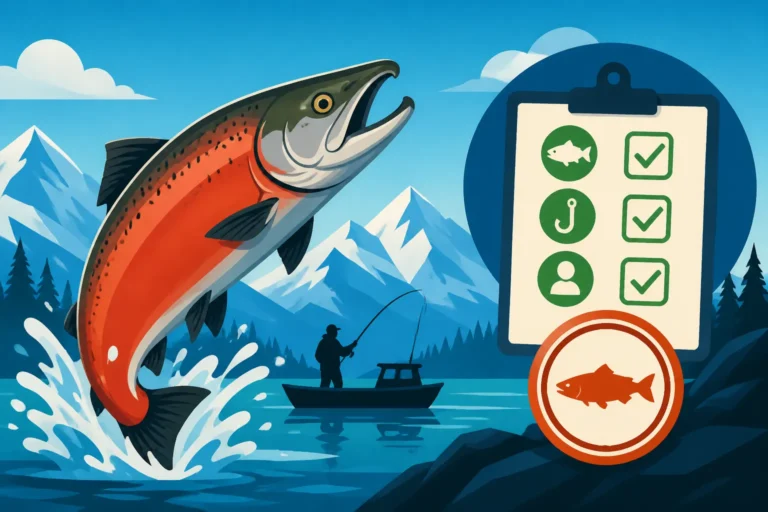
- "Does your charter fee include the Alaska sport fishing license?" (The answer will almost certainly be "no," but it's a good starting point.)
- "Will I need a King Salmon stamp for this trip?" This is vital if you're targeting or might encounter King Salmon.
- "Where can I purchase my Alaska fishing license and King Salmon stamp?" They should be able to direct you to the ADF&G website or local vendors.
- "Do you recommend a specific type of license (e.g., 7-day non-resident) based on my itinerary?" Their experience might help you choose the most cost-effective option.
- "What other documents or permits do I need to bring?" This covers things like your Harvest Record Card if applicable, especially for certain species or personal use fisheries.
A good charter operator will not only answer these questions clearly but might also proactively send you a pre-trip checklist or a link to the ADF&G license purchase page. For instance, reputable charters like those operating out of Seward or Homer are usually very upfront about these requirements. Don't be afraid to ask for specifics, like whether they provide rain gear or if there's a fish processing service nearby if they don't offer it on board.
Checking Your Charter's Website and Booking Details
Most professional Alaska fishing charter operations maintain comprehensive websites that detail what's included and excluded in their packages. Before you even pick up the phone, take some time to thoroughly read through their "What's Included," "FAQ," or "Know Before You Go" sections. Look for clear statements regarding licenses and stamps. If it's not explicitly mentioned as included, assume it's not.
During the booking process, whether online or over the phone, pay close attention to the terms and conditions or the final itinerary details. Many booking confirmations will have a specific section outlining angler responsibilities, and this is where license requirements will be highlighted. If you receive an email confirmation, review it carefully. If anything is unclear, or if you feel a crucial detail is missing, reach out to the charter company immediately for clarification. It's much better to resolve these questions weeks or months before your trip than to arrive in Alaska only to realize you're missing a vital piece of paperwork. Sometimes, a quick search on their site for "license" will bring up the relevant information.
The Importance of Securing Your License Before Your Trip
You might be tempted to wait until you arrive in Alaska to grab your fishing license, figuring it’ll be easy enough to pick up. While it is possible to buy them locally, planning ahead offers peace of mind and ensures you're ready to fish the moment your adventure begins.
Where and How to Purchase Your Alaska Fishing License
The easiest and most recommended way to purchase your Alaska fishing license and any necessary stamps (like the King Salmon stamp) is online through the Alaska Department of Fish and Game (ADF&G) website. This can be done from the comfort of your home well in advance of your trip. The process is straightforward: you'll enter your personal information, select the type and duration of the license and stamp you need, and pay by credit card. Once purchased, you'll receive a printable PDF version of your license that you can carry with you. We have a detailed guide on How to Get an Alaska Fishing License Online that walks you through each step.
Alternatively, you can purchase licenses in person at various vendors throughout Alaska. These often include sporting goods stores, tackle shops, general stores, and even some grocery stores in towns like Soldotna, Seward, or Homer. While convenient if you're already there, relying on this method can sometimes be a gamble. What if the store is closed, or the internet is down, or there's a long line? Having your license printed and ready before you travel eliminates these potential headaches, especially if your charter departs early in the morning. It's also a good idea to keep a digital copy on your phone as a backup, in addition to the physical printout. Some anglers even laminate their licenses for extra durability against the unpredictable Alaskan weather. While you can find essential gear on platforms like Amazon, you won't find official Alaska fishing licenses there; they must come from authorized state sources.
Consequences of Fishing Without a Valid License
This is where things get serious, and it’s a critical point to understand. Fishing without a valid Alaska sport fishing license and any required stamps is a violation of state law. The consequences can range from a significant fine to the confiscation of your fishing gear and your entire catch. Nobody wants their dream Alaska fishing trip to end with a run-in with law enforcement or a hefty penalty. Enforcement officers from the Alaska Wildlife Troopers are active on the water and perform routine checks. They are highly skilled and know the regulations inside and out.
Imagine this scenario: you're out on the Kenai River, you've just landed a gorgeous Sockeye Salmon, and a Trooper pulls up to check licenses. If you don't have one, not only will you be issued a citation, but that beautiful salmon you just caught will likely be seized. It's an immediate end to your fishing day and a very expensive lesson. These violations can also be recorded and might impact your ability to obtain licenses in the future. Beyond the legal ramifications, there's the ethical consideration: license fees contribute directly to the conservation and management of Alaska's fisheries, ensuring these incredible resources are available for generations to come. Fishing legally is part of being a responsible angler. For more information on potential penalties, refer to our article on Alaska Fishing Violations and Fines.
Planning Your Alaska Fishing Trip: Beyond Just the License
Getting your fishing license squared away is a fantastic first step, but a truly successful Alaska fishing trip involves a bit more planning to ensure you're fully compliant and ready for anything.
Other Essential Documents and Stamps
While the basic sport fishing license and King Salmon stamp cover most scenarios, depending on your specific plans, you might encounter other documentation requirements. For example, if you're participating in a Personal Use Fishery, such as the Kenai River dipnet fishery or the Chitina dipnet fishery, you will need a separate Personal Use Fishing permit. These permits are distinct from sport fishing licenses and have their own set of rules and harvest reporting requirements. They are typically reserved for Alaska residents, so non-residents won't need to worry about them for sport fishing. However, understanding the distinction is important when researching fishing opportunities.
Another critical document for certain species, particularly King Salmon and sometimes Steelhead, is the Alaska Harvest Record Card. This card is often printed directly on your physical fishing license. It's where you must immediately record any King Salmon you catch and retain. Failing to record your catch promptly and accurately is another violation. These records are vital for state biologists to manage fish populations effectively. Always keep your license and harvest record card handy and a pen or pencil that works in wet conditions! Staying informed about Alaska Harvest Record Card Explained will ensure you comply with all reporting requirements.
Preparing for Emergency Orders and Regulations
Alaska's fisheries are dynamic, and regulations can change rapidly, often due to fluctuating fish returns or other conservation concerns. The Alaska Department of Fish and Game frequently issues "Emergency Orders" that can alter bag limits, close fisheries, change allowed gear, or even modify fishing seasons on short notice. This is particularly common during King Salmon runs, where closures or restrictions might be implemented to protect struggling stocks. Your charter captain will certainly be aware of these changes for your specific trip, but as an angler, it's a good habit to stay informed.
Before and during your trip, it's wise to check the ADF&G website or local news sources for any recent Emergency Orders affecting the areas you plan to fish. Many anglers bookmark the ADF&G Emergency Order page or subscribe to email alerts. A truly prepared angler understands that flexibility is key in Alaska. What might be legal one day could be restricted the next. Your charter captain will always adhere to the most current regulations, but knowing these changes yourself helps you understand why certain decisions are made on the water. For a general overview of the regulatory landscape, you might want to read our article on Alaska Fishing Regulations Explained or How to Read Alaska Fishing Regulations. While you can find specific types of fishing gear that might become necessary due to regulation changes on Amazon, the regulations themselves are always found on the official ADF&G channels.
For example, a common emergency order scenario might involve a river closure for King Salmon retention on the Kenai River, shifting the focus to catch-and-release only, or a complete closure if returns are critically low. This can significantly impact your planned fishing strategy, but it’s all done for the long-term health of the fishery. Being aware of these possibilities allows you to adjust your expectations and appreciate the conservation efforts at play.
Disclaimer
Please note that fishing regulations in Alaska are subject to change by the Alaska Department of Fish and Game. While every effort has been made to provide accurate and up-to-date information in this guide, it is the angler's ultimate responsibility to check the latest regulations, emergency orders, and licensing requirements before engaging in any fishing activity. Always consult the official ADF&G website or local offices for the most current information.