How to Book a Homer Halibut Charter
Dreaming of hooking into a massive halibut in the pristine waters of Alaska is an experience many anglers yearn for, but the thought of planning such a trip, especially to a renowned destination like Homer, can feel overwhelming. Between finding the right boat, understanding local regulations, and ensuring you get the best value, it's easy to get bogged down in the details. This comprehensive guide is here to demystify the process, walking you through everything you need to know about how to book a Homer halibut charter and ensuring your Alaskan fishing adventure is as smooth and successful as possible.
Why Homer, Alaska is the Mecca for Halibut Fishing
Homer isn't just a charming town at the end of the road; it's a legendary fishing destination, particularly when it comes to Pacific halibut. The deep, nutrient-rich waters of Kachemak Bay and the Outer Coast of the Kenai Peninsula create an ideal habitat for these impressive flatfish, drawing anglers from around the globe. When people talk about halibut fishing in Alaska, Homer is almost always at the top of the list, and for good reason.
The "Halibut Fishing Capital of the World" Title
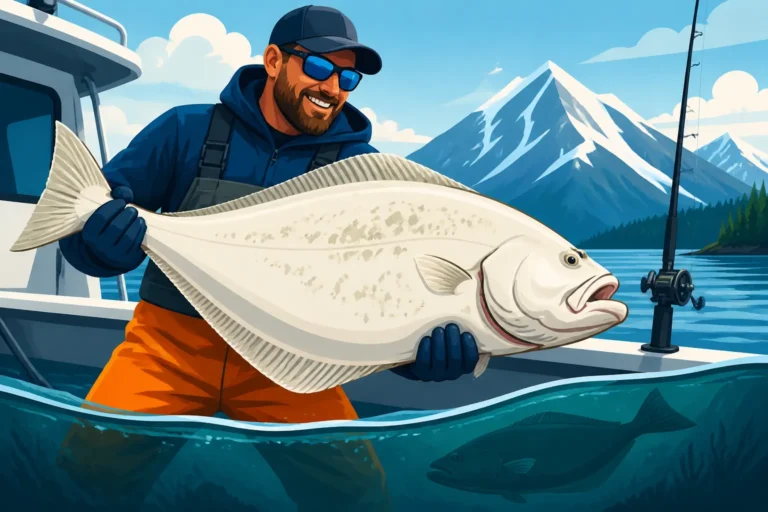
There's a reason Homer proudly proclaims itself the "Halibut Fishing Capital of the World." The sheer abundance and often prodigious size of the halibut caught here are simply unparalleled. Imagine battling a "barn door" halibut, a fish so large it barely fits through the boat's door, weighing in at over 100 pounds. While not every trip guarantees a record-breaker, the chances of landing substantial fish are significantly higher here than in many other locations. The fertile feeding grounds, combined with the migration patterns of halibut through these waters, contribute to this reputation, making it a prime location to target these delicious and hard-fighting fish. The consistent success rates reported by local charters truly underpin this well-deserved moniker.
Understanding the Types of Halibut Fishing from Homer
When you book a charter out of Homer, you'll generally encounter a few primary methods for targeting halibut, all designed to maximize your chances of success in these deep waters.
The most common technique is bottom fishing. This involves dropping heavy weights (often 1-2 pounds or more) with large baited hooks (typically using herring, salmon heads, or octopus) down to the seafloor, sometimes hundreds of feet deep. The boat might drift slowly or anchor over known halibut grounds, allowing your bait to sit right where the fish are feeding. It's a waiting game that pays off with powerful bites.
Another popular method, often combined with bottom fishing, is jigging. Anglers use large metal jigs, often tipped with a piece of bait, which they drop to the bottom and then rhythmically lift and drop, mimicking a wounded baitfish. This active technique can be incredibly effective, especially when halibut are aggressive. Many charters employ a mix of these techniques throughout the day, adapting to the conditions and the fish's mood.
Some larger operations might also use a form of longlining, though on a smaller, sport-fishing scale. This isn't the commercial longlining you might imagine; rather, it refers to setting out multiple baited lines from the boat to cover a wider area, increasing the chances of multiple hookups simultaneously. No matter the method, be prepared for a serious workout, as reeling in a big halibut from the depths is no small feat!
Essential Steps to Booking Your Homer Halibut Charter
Booking a charter might seem daunting, especially if you're traveling from afar, but breaking it down into manageable steps makes the process much clearer. It's all about planning ahead and asking the right questions.
When to Book Your Halibut Charter in Advance
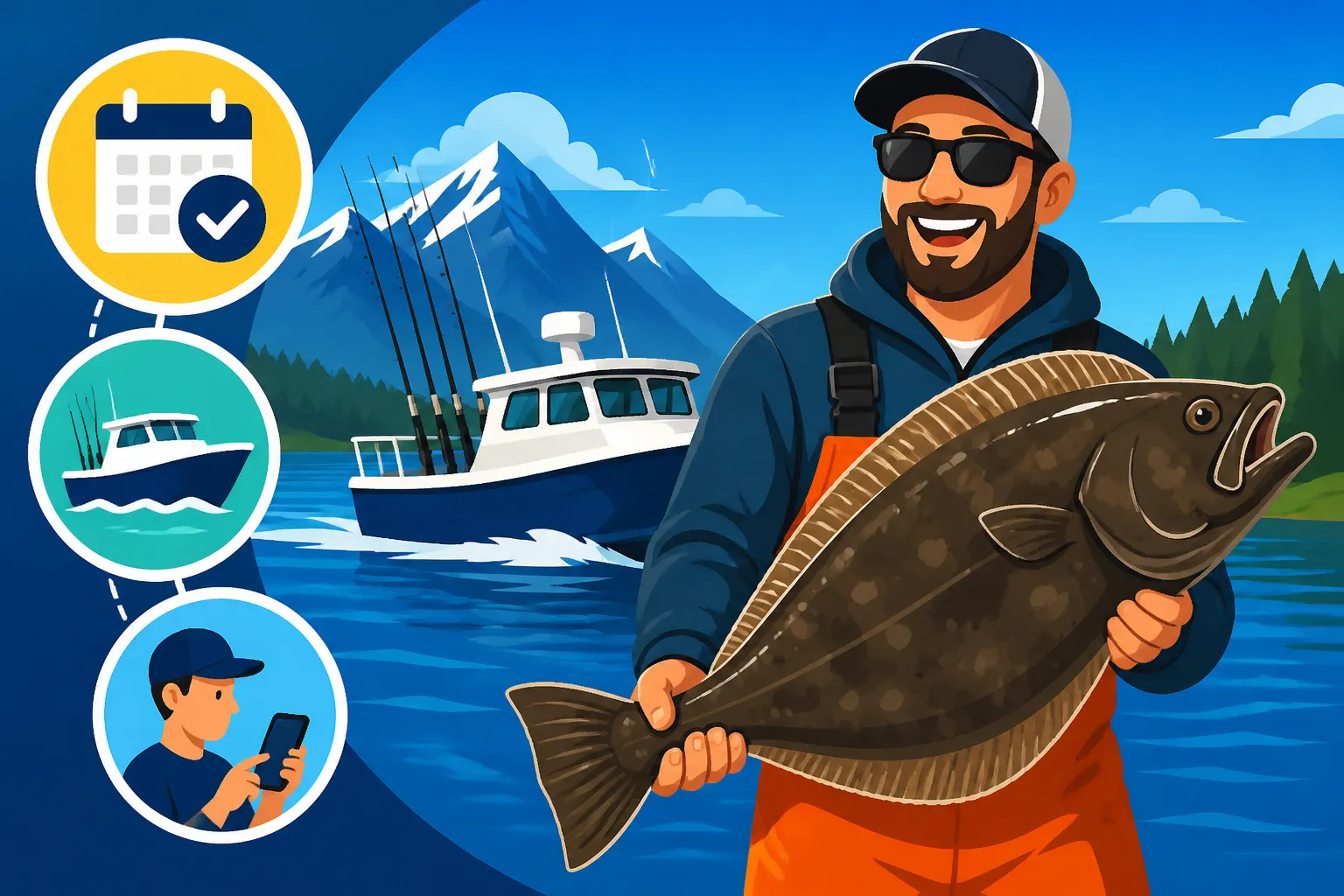
This is perhaps the most crucial piece of advice: book early, especially for prime dates! Homer's halibut season generally runs from May through September, with July and August being the peak months for both weather and fishing action. During these busy times, the best charters, particularly those with a reputation for excellent boats and experienced captains, can be fully booked months, even a year, in advance.
Think about it this way: a good captain runs a tight ship, has a loyal following, and there are only so many days in the season. If you're planning a trip for late spring or early summer, aiming to book in the fall or winter of the previous year is not uncommon. If you're targeting a specific date or traveling with a large group, this foresight becomes even more critical. Waiting until a few weeks before your desired dates might leave you scrambling for less-ideal options or even finding no availability at all. Early booking also often gives you a better selection of boat sizes and trip durations, whether you're looking for a half-day or a full-day adventure.
Choosing the Right Charter for Your Adventure
Selecting the right charter can make or break your trip. It's not just about finding an open spot; it's about matching your expectations with the services provided.
Start by considering your group size and experience level. Are you a seasoned angler looking for a serious battle, or is this a family trip with kids and beginners? Many charters specialize. For example, some cater to hard-core fishermen, while others offer a more relaxed, family-friendly atmosphere. Platforms like FishingBooker can be incredibly useful here, allowing you to browse numerous Homer charters, compare their offerings, read reviews from past clients, and even filter by amenities or target species. This helps you get a feel for their reputation and what kind of experience they offer. You can find detailed profiles of captains, their boats, and specific trip types available.
Next, think about trip length. Homer offers everything from shorter half-day excursions, often focusing on Kachemak Bay, to full-day or even extended trips that venture further into the Gulf of Alaska for larger, more consistent catches. Longer trips usually mean more travel time to prime fishing grounds but also more fishing time and a better chance at those trophy fish. For an in-depth look at what to expect, check out our guide on How to Choose an Alaska Fishing Charter. Don't be shy about calling the charter directly to ask questions – a good captain will be happy to discuss your goals and help you pick the perfect trip.
Understanding What's Included and What's Not
This is where hidden costs can surprise you if you're not careful. Always clarify what your charter fee covers upfront.
Typically, most Homer halibut charters include:
- The boat and experienced captain/crew: Your guide for the day.
- All necessary fishing gear: Rods, reels, tackle, and bait. This usually includes heavy-duty setups designed specifically for deepwater halibut fishing.
- Basic safety equipment: Life jackets, first aid, emergency communication.
However, there are several things that are almost never included, which you'll need to account for:
- Alaska Fishing License: This is a non-negotiable personal expense. Every angler over the age of 16 needs one. You can purchase your Alaska Fishing License: Complete Guide online through the Alaska Department of Fish and Game (ADF&G) website or from local vendors in Homer. Make sure you understand the Alaska Fishing License Cost and Types to get the right one for your trip duration and residency status.
- King Salmon Stamp: While not needed for halibut, if you're on a combo trip that targets King Salmon, you'll need this additional stamp if you plan to retain any kings. Check if you need a King Salmon Stamp in Alaska.
- Harvest Record Card: This is often provided, but you are responsible for filling it out accurately, especially for species like King Salmon and halibut. Knowing the rules for your Alaska Harvest Record Card Explained is important.
- Food and Beverages: Most charters are BYO for snacks, lunch, and drinks. Confirm this ahead of time.
- Fish Processing: While many charters will fillet your fish for you on the boat, taking it further (cutting into portions, vacuum sealing, freezing, and shipping) is usually an additional service offered by local processors in Homer. This is a significant cost to factor in, especially if you catch a lot of fish. For more details on what happens after the catch, read about Fish Processing After an Alaska Charter.
- Tips for the Crew: Tipping is customary and greatly appreciated for good service. A common guideline is 15-20% of the charter fee. Our guide on Tipping on an Alaska Fishing Charter offers more insights.
It's crucial to ask your charter provider for a full breakdown of what's included to avoid any unwelcome surprises on the day of your trip.
Preparing for Your Homer Halibut Adventure
Once your charter is booked, the real excitement (and preparation!) begins. Getting ready for an Alaskan fishing trip involves more than just packing a suitcase; it requires specific considerations for comfort, safety, and legal compliance.
Essential Gear and Attire for Alaskan Waters
Alaska weather, especially on the water, can be famously unpredictable. A sunny, calm morning can quickly turn into a chilly, windy, and wet afternoon. Dressing in layers is absolutely paramount for any fishing trip out of Homer.
- Base Layer: Start with moisture-wicking synthetic or wool layers close to your skin. Avoid cotton, as it loses its insulating properties when wet.
- Mid-Layers: Add fleece jackets or down vests for warmth. You want to be able to add or remove layers as the temperature changes throughout the day.
- Outer Layer: A waterproof and windproof jacket and pants are non-negotiable. Look for high-quality rain gear, like those from Grundens or Helly Hansen, that can withstand sea spray and sudden downpours. Even on a clear day, the spray from the boat can leave you soaked.
- Headwear: A warm hat (beanie) is crucial, as you lose a lot of heat through your head. A baseball cap or wide-brimmed hat can also be useful for sun protection if the sun decides to make an appearance.
- Gloves: Waterproof gloves are a lifesaver for handling cold, wet fish and lines.
- Footwear: Waterproof, non-slip boots are essential for safety and comfort on a wet deck. Xtratuf boots are practically a uniform for Alaskans and a popular choice for their durability and grip. For a full rundown, check out our guide on What to Wear on an Alaska Fishing Charter.
Don't underestimate the cold or wet. It's always better to overpack warm, waterproof layers than to be miserable on the boat. Most charters have limited storage space, so pack smartly.
Understanding Licenses, Stamps, and Regulations
Before you even step on the boat, ensure all your paperwork is in order. Every angler over the age of 16 needs an Alaska sport fishing license. Non-residents will typically need a specific non-resident license, which can be purchased for varying durations (1-day, 3-day, 7-day, 14-day, or annual). You can easily purchase these online through the ADF&G website before your trip, print it out, or save it to your phone. Remember, digital copies are usually acceptable.
For halibut, a King Salmon stamp is not required. However, if your Homer charter is a combo trip that also targets salmon, and you intend to keep any King Salmon, you will need to purchase this additional stamp. Always verify the current regulations with your charter captain or the ADF&G website before your trip, as emergency orders can change rules quickly, even mid-season. Understanding Alaska Halibut Charter Regulations Explained is vital.
You'll also need to be familiar with the daily and annual bag limits. For example, Alaska Halibut Daily Limit for Charter Anglers typically involves specific rules, including a "reverse slot limit" and possible weekly closures, like the well-known "Thursday closure" for charter halibut fishing in certain areas. These regulations are designed to manage the fishery sustainably and can change, so staying informed is key. Your charter captain will, of course, guide you through these rules on the day of your trip, but a basic understanding helps.
Logistics and Managing Expectations
Homer is about a 4-5 hour drive south of Anchorage. Plan your travel accordingly, allowing ample time, especially if you're flying into Anchorage. The drive down the Sterling Highway is beautiful but can be busy, especially on summer weekends.
Managing expectations is key to a great trip:
- Weather: Expect anything. Charters generally go out rain or shine, unless the weather creates unsafe conditions (high winds, rough seas). Trust your captain's judgment on safety.
- Seasickness: If you're prone to motion sickness, take preventative measures. Over-the-counter medications like Dramamine or Bonine work best when taken before you board the boat. Many people also find relief with acupressure wristbands. A queasy stomach can quickly ruin an otherwise fantastic day.
- Fish Size and Quantity: While Homer is legendary, fishing is never guaranteed. Some days are better than others. Go with the mindset of enjoying the experience, the scenery, and the company, and any fish you catch are a bonus. That said, most Homer charters work very hard to put you on fish, and a skunk is rare. Learn about Alaska Fishing Limits and Bag Limits Explained to know what you can legally keep.
- Communication: Maintain open communication with your charter captain or their office. Confirm departure times, meeting points, and any last-minute changes.
What to Expect On the Water During Your Halibut Charter
The moment you've been waiting for! Stepping onto that boat, smelling the salt air, and feeling the anticipation is truly special. Here's a glimpse of what the actual fishing day entails.
The Journey to the Fishing Grounds
Most Homer halibut charters depart from the Homer Spit, a long, narrow landform extending into Kachemak Bay. From there, your captain will steer the boat towards the fishing grounds. For the really big halibut, this often means venturing outside Kachemak Bay into the open waters of Cook Inlet or even the Gulf of Alaska. Depending on the chosen fishing spot, the ride out can take anywhere from 30 minutes to 2 hours or more, offering stunning views of glaciers, volcanoes (like Mount Iliamna and Mount Redoubt across the Inlet), and wildlife such as sea otters, eagles, and sometimes even whales.
This travel time is a great opportunity to get to know your fellow anglers and crew, ask questions about the area, and soak in the majestic Alaskan scenery. The boats are designed for comfort and safety in these waters, but be prepared for potential swells once you're out of the sheltered bay.
Active Fishing and Battling the "Barn Doors"
Once you reach the captain's chosen spot, the real work (and fun!) begins. The crew will usually provide a quick demonstration of the gear and techniques, ensuring everyone knows how to drop their lines, feel for a bite, and set the hook. As mentioned earlier, bottom fishing with heavy weights and bait, or jigging, are the primary methods.
Halibut bites can range from a subtle tap to a rod-bending thud. When you feel that unmistakable pull, it's time to set the hook and start reeling! Halibut are powerful fish and will fight hard, especially larger ones. This often involves a long, steady retrieve from deep water, punctuated by strong runs where the fish tries to pull back down. The crew will be there to guide you, adjust your drag, and offer encouragement. Landing a substantial halibut is an exhilarating experience that will leave your arms burning but your spirits soaring. It's a true test of strength and endurance, and the satisfaction of seeing that broad, flat fish come over the rail is immense.
Handling Your Catch and Onboard Processing
Once a halibut is successfully brought alongside the boat, the crew will typically gaff it and bring it on board. For large halibut, they may need to dispatch it quickly and humanely before bringing it onto the deck to ensure safety for everyone. This isn't for the faint of heart, but it's part of the reality of harvesting such a powerful fish.
On many Homer charters, especially full-day trips, the crew will begin the process of filleting your catch right on the boat as you head back to the harbor. They're incredibly skilled at this, turning a whole halibut into beautiful, boneless fillets ready for further processing. You'll typically have designated bags for your catch. This initial processing is usually included in the charter fee.
Once back at the dock, you'll transfer your fillets to one of Homer's excellent local fish processors. Businesses like Coal Point Seafood Company or Captain Jack's Seafood Locker are veterans in handling angler's catches. They offer services like portioning, vacuum sealing, freezing, and even shipping your precious cargo home. This service is almost always an additional cost, but it's well worth it to ensure your hard-won fillets arrive home in perfect condition. They'll pack your fish in sturdy, airline-approved boxes, making your journey home much easier.
Remember that a major part of the Homer experience is not just catching the fish, but also enjoying the bounty long after you've left Alaska!
| Booking Aspect | Key Considerations | Best Practice |
|---|---|---|
| When to Book | Peak season (July-August) fills quickly; popular charters have limited spots. | Book 6-12 months in advance for prime dates; 3-6 months for shoulder season (May, June, September). |
| Charter Selection | Group size, experience level, target species (halibut only vs. combo), trip length (half vs. full day). | Use platforms like FishingBooker to compare, read reviews, and call captains with specific questions. |
| Licenses & Stamps | Required for all anglers 16+; King Salmon stamp needed for King Salmon, not halibut. | Purchase your Alaska fishing license online beforehand; verify any specific species stamps needed. |
| What's Included | Gear, bait, basic boat safety usually included. Fish processing (beyond filleting), tips, food/drink are extra. | Get a clear list from the charter of what is and isn't covered to budget appropriately. |
| Attire | Alaska weather is unpredictable; layers are essential. | Pack waterproof, windproof outer layers, warm mid-layers, moisture-wicking base layers, and waterproof boots. |
| Onboard Experience | Expect a boat ride to grounds, active fishing (bottom fishing, jigging), and crew assistance with fish handling. | Be prepared for motion if prone to seasickness; enjoy the scenery and the fight of a powerful halibut. |
| Fish Processing | Charters typically fillet; local processors handle portioning, vacuum sealing, freezing, and shipping (extra cost). | Plan for post-charter fish processing services in Homer to preserve and transport your catch. |
Disclaimer
The information provided in this guide is for general informational purposes only and is subject to change. Alaska fishing regulations, including bag limits, seasons, and licensing requirements, are dynamic and can be altered at any time by the Alaska Department of Fish and Game through emergency orders. It is the angler's sole responsibility to consult the official ADF&G regulations and any current emergency orders before fishing. Always verify details directly with your chosen charter operator.