Alaska Rockfish Charter: What to Expect
Planning an Alaska fishing trip for rockfish is exciting, but let's be honest, trying to figure out what to expect on a charter can feel like deciphering a secret code. You want to make the most of your time on the water, ensure you're compliant with regulations, and, of course, catch some incredible fish! This guide is here to walk you through everything you need to know about an Alaska rockfish charter, from preparation to the thrilling catch and beyond.
Understanding Alaska Rockfish: More Than Just a Pretty Face
When people talk about fishing in Alaska, often the first things that come to mind are the mighty King Salmon or the enormous Halibut. But let me tell you, rockfish are absolutely incredible, and targeting them offers a unique and exhilarating experience. They're often overlooked, but they shouldn't be! These fish are feisty fighters, can be surprisingly large, and are absolutely delicious on the plate.
The Diversity of Alaska's Rockfish Species
Alaska is home to a fantastic array of rockfish species, far more than most anglers realize. While some might just see "rockfish" as one type of creature, there's a whole family out there, each with its own characteristics and preferred habitats. The most commonly targeted species include Yelloweye Rockfish, often called "red snapper" due to their vibrant color and delicious white meat; Black Rockfish, known for their aggressive strikes and schooling behavior; and China Rockfish, easily identified by their striking yellow blotches. You might also encounter Copper Rockfish, Quillback Rockfish, and even the deepwater Shortraker Rockfish.
Each species tends to hang out in different depths and structures, which is why a good charter captain is essential. They know the local waters and where to find the specific species you're hoping to target. For instance, Black Rockfish often patrol kelp beds and rocky shorelines in shallower waters, making them accessible to a wider range of anglers, while the prized Yelloweye usually lurk in deeper, craggier environments, sometimes requiring specialized gear to reach them. Understanding this diversity not only enriches your fishing experience but also helps you appreciate the incredible marine ecosystem you're a part of.
Why Target Rockfish in the Last Frontier
Beyond their sheer abundance and fighting spirit, rockfish offer several compelling reasons to make them a target on your Alaska fishing adventure. Firstly, they provide a fantastic alternative or complement to salmon and halibut fishing. If salmon runs are slow or halibut limits are tight, rockfish can often save the day, ensuring you still get plenty of action and fish for the cooler. They are prolific, making them a reliable target.
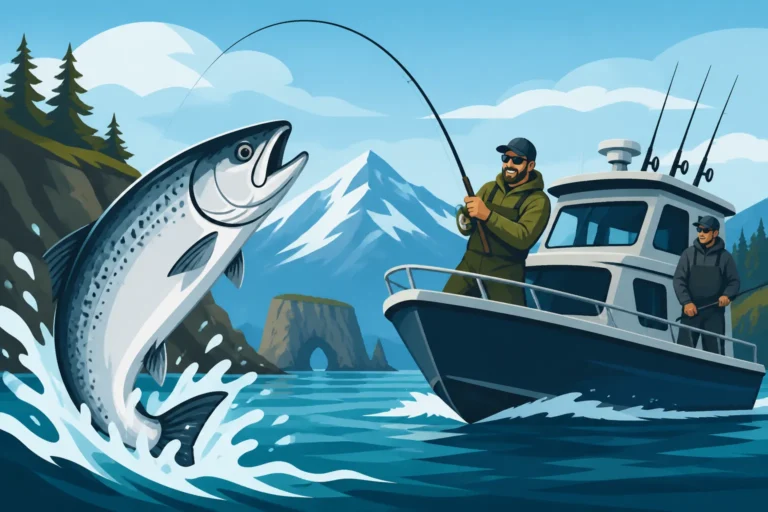
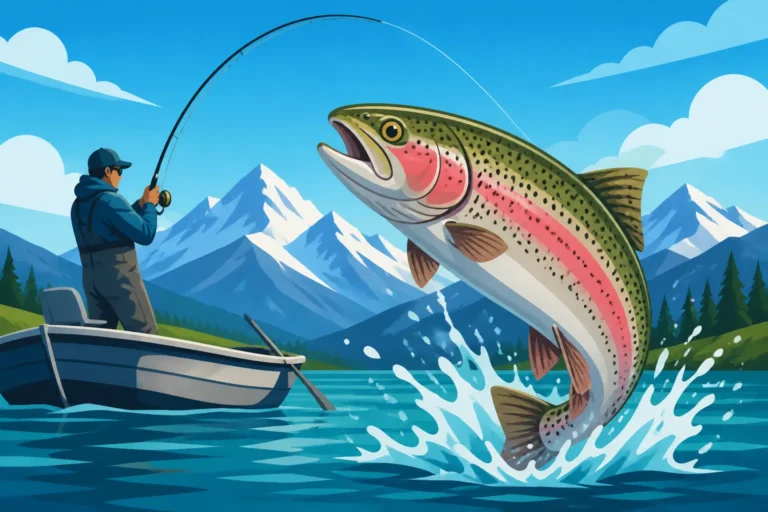
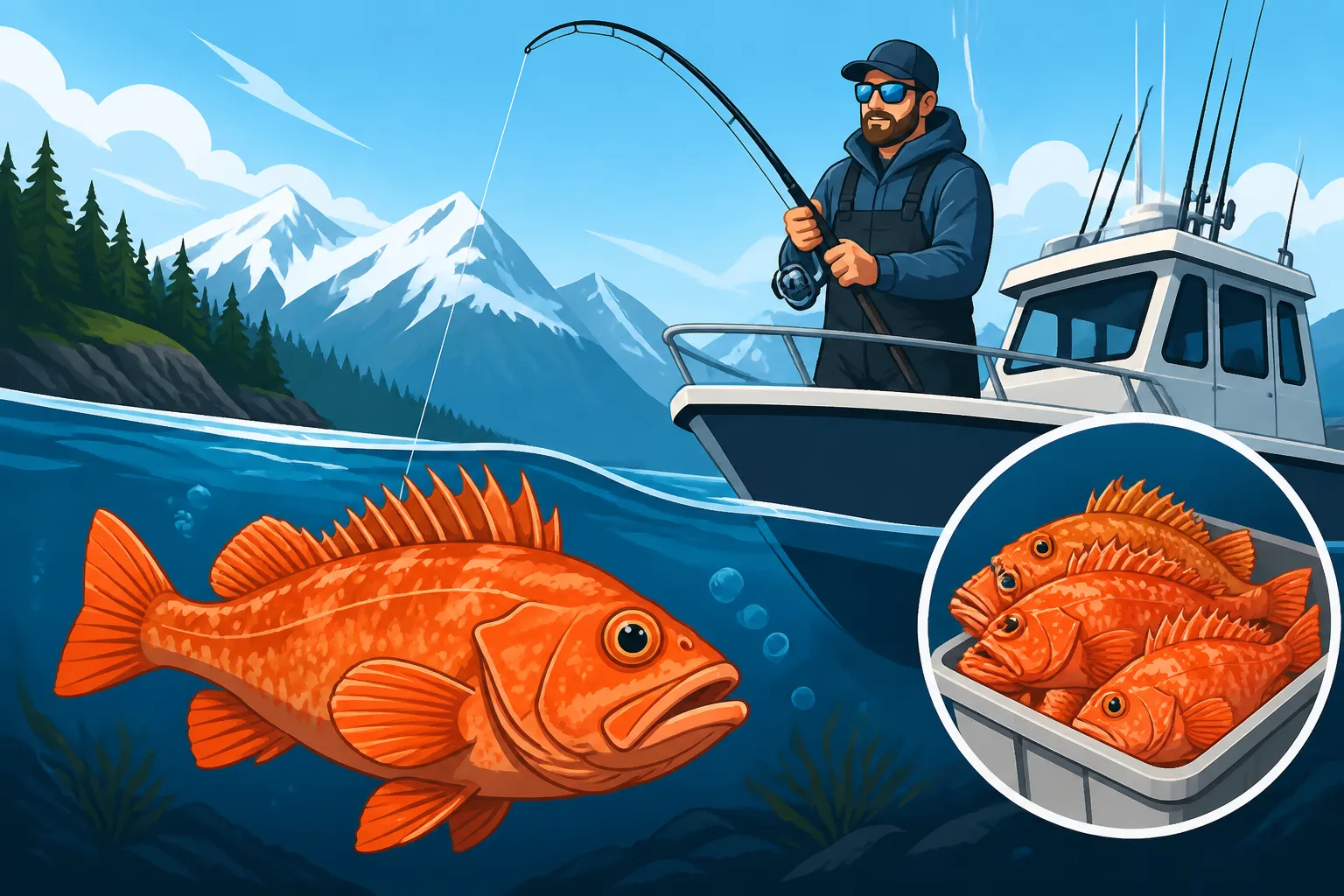
Secondly, the scenic beauty of rockfish fishing is unparalleled. You'll often be fishing near dramatic coastlines, rocky islands, and underwater pinnacles, surrounded by the stunning Alaskan wilderness. Imagine reeling in a brightly colored Yelloweye against a backdrop of towering, snow-capped mountains and pristine evergreen forests – it's truly a postcard moment.
Lastly, rockfish are excellent table fare. Their firm, white, flaky meat holds up well to a variety of cooking methods, whether you're grilling, baking, or frying. Many consider Yelloweye to be among the best-tasting fish in Alaskan waters. Plus, they freeze remarkably well, making them perfect for taking home to enjoy later. It's a fantastic way to fill your freezer with quality Alaskan seafood.
Selecting the Ideal Alaska Rockfish Charter
Finding the right charter can make or break your rockfish experience. With so many options out there, it’s easy to feel overwhelmed. But by knowing what to look for and asking the right questions, you can ensure you book a trip that perfectly suits your style and expectations.
Types of Rockfish Charters Available
Alaska offers a range of charter experiences, each with its own flavor. For rockfish, you'll primarily find two main categories: dedicated rockfish trips and combo trips.
Dedicated Rockfish Charters: These trips focus exclusively on rockfish. They are ideal if you have a strong preference for targeting these specific species and want to spend your entire day exploring rockfish habitats and trying different techniques. On such a trip, your captain will likely take you to a variety of spots known for holding different rockfish species, giving you a chance to fill your bag limit quickly and efficiently. These charters are great for learning the nuances of rockfish behavior and fishing techniques.
Combo Charters (Halibut/Rockfish, Salmon/Rockfish): These are incredibly popular in Alaska, offering a chance to target multiple species in one outing. Many halibut charters will offer the option to drop for rockfish after you've limited out on halibut or if the halibut bite is slow. Similarly, some salmon charters might incorporate a rockfish stop. The advantage here is variety; you get to experience more of Alaska's diverse fisheries. The downside is that rockfish might not be the primary focus, and you might spend less time specifically targeting them. If you're hoping for a mixed bag and don't mind splitting your attention, a combo trip is an excellent choice. Platforms like FishingBooker allow you to filter for specific target species, making it easier to find charters that offer rockfish, whether exclusively or as part of a combo.
Key Factors When Choosing Your Charter
Once you have an idea of the type of trip you want, it's time to dig into the specifics. Here are the crucial factors to consider:
Reputation and Experience: Look for charters with a solid track record and experienced captains. An experienced captain will not only know the best fishing grounds but also understand the ever-changing Alaska Fishing Regulations Explained and how to keep you safe and successful. Reading recent reviews and asking for recommendations can provide valuable insights. A reputable charter will be transparent about their success rates and what to expect.
Boat and Equipment: Ensure the charter boat is well-maintained, safe, and comfortable. For rockfish, especially if you're venturing into deeper waters, you'll want a boat equipped with good electronics (fish finders, GPS), a proper anchor system, and appropriate fishing gear. Ask about the rods, reels, and tackle they provide. Are they suited for battling a big Yelloweye from 200 feet down? Most reputable charters, like those you can find on FishingBooker, will detail their boat and gear in their listings.
Location: Where are you fishing from? Coastal towns like Seward, Homer, Sitka, and Ketchikan are prime locations for rockfish charters due to their proximity to excellent saltwater fishing grounds. Each area might offer slightly different species or fishing conditions. For example, some areas are known for deeper water Yelloweye, while others excel for shallower Black Rockfish. Consider where you'll be staying and which departure points are most convenient.
Pricing and Inclusions: Understand what's included in the charter price. Does it cover bait, tackle, and fish processing? What about your fishing license and any necessary stamps, like the Do You Need a King Salmon Stamp in Alaska if targeting kings in a combo? Clarify any extra costs upfront, such as fuel surcharges or gratuities for the deckhand. Compare options, but remember that the cheapest option isn't always the best value when it comes to safety and a quality experience. You can often find a clear breakdown of costs and inclusions when browsing listings on various booking sites.
Questions to Ask Before You Book
Don't be shy! A good charter operator will be happy to answer your questions.
- What species of rockfish do you typically target? This helps align expectations, especially if you have a specific species in mind.
- What is the average group size? Knowing if it’s a private or shared trip, and how many anglers will be onboard, can impact your comfort and fishing time.
- What is your policy on bad weather or cancellations? Alaska weather can be unpredictable. Understand their policy for rescheduling or refunds.
- Do you provide rain gear and necessary safety equipment? While you should bring your own layers, some charters offer additional gear.
- How do you handle catch limits and fish processing? This is crucial for understanding what to do with your fish after the trip.
By taking the time to research and ask these questions, you'll be well on your way to booking an amazing Alaska rockfish charter.
Onboard Your Alaska Rockfish Charter: The Experience
So, you've booked your charter, and the day has finally arrived! Stepping onto the boat for your rockfish adventure is an exciting moment. Knowing what to expect during the trip itself will help you feel prepared and get the most out of your time on the water.
Gear, Techniques, and The Rockfish Bite
Rockfish charters typically employ specific gear and techniques designed to get your bait or lure down to their rocky, deepwater habitats.
The Gear: You'll usually be using heavy-duty conventional rods and reels, often spooled with braided line. The reason for this is simple: rockfish can live in depths ranging from a few feet to over a thousand, but many of the most desirable species are found in 100-300 feet of water. You need strong gear to handle heavy weights to combat current and get down quickly, and powerful reels to crank up fish from those depths. Your charter will provide all the necessary rods, reels, and tackle, but if you're curious, it's typically a 6-foot heavy action rod paired with a robust star-drag or lever-drag reel.
Common Techniques:
- Bottom Fishing with Bait: This is the most common and often most effective method. You'll drop a heavy sinker (often 1-3 pounds or more, depending on depth and current) with a series of baited hooks, usually herring or squid, down to the bottom. The idea is to bounce your rig just off the rocks where rockfish lurk.
- Jigging: Similar to bottom fishing but using metal jigs instead of bait. Anglers will drop heavy jigs (often 8-16 oz) and work them with a series of lifts and drops, mimicking an injured baitfish. This can be very effective, especially for more aggressive species like Black Rockfish.
- Drift Fishing: Sometimes, the captain will allow the boat to drift over rocky structure, allowing your rig to cover more ground. This requires constant attention to your line to ensure you stay near the bottom without getting snagged.
The Bite: A rockfish bite can vary. Black Rockfish often hit hard and fast, feeling like a solid thud. Deeper water Yelloweye or Quillback might offer a more subtle tap or a steady weight as they inhale the bait. Once hooked, they put up a surprisingly strong fight for their size, especially the larger ones. You'll feel their powerful headshakes all the way up. The challenge is often more about the consistent cranking from depth than a dynamic surface battle.
Essential Safety and Responsible Angling Practices
Safety is paramount on any fishing charter, and responsible angling is crucial for sustaining Alaska's incredible fisheries. Your captain and crew will always prioritize your safety.
Safety Briefing: Expect a thorough safety briefing at the beginning of your trip. This will cover the location of life jackets, emergency exits, first aid, and how to operate any safety equipment. Pay close attention, even if you’ve been on charters before.
Deckhand Assistance: The deckhand is there to help. They'll assist with baiting hooks, untangling lines, gaffing fish, and keeping the deck clear and safe. Don't hesitate to ask them for help or advice.
Catch and Release Best Practices: While rockfish are excellent eating, proper Alaska Rockfish Retention and Release Rules are critical, especially for certain species like Yelloweye, which are particularly susceptible to barotrauma when brought up from deep water. Barotrauma is when the pressure change causes internal organs to expand. Many charters are equipped with Alaska Rockfish Deepwater Release Device Rules to safely return fish that are not kept to the depths they came from. These devices help fish recover and increase their survival rates, which is a testament to Alaska's commitment to sustainable fishing. Your captain will guide you on what fish to keep and what to release responsibly.
Navigating Alaska's Regulations
Alaska has some of the most robust and complex fishing regulations in the world, all designed to protect its precious resources. Your charter captain is an expert on these rules, but it's good for you to be aware.
Bag and Possession Limits: These vary greatly by species, region, and sometimes even by the specific water body. For example, while Black Rockfish might have a generous daily limit, Yelloweye Rockfish often have very strict limits, sometimes as low as one per day or even one per year in certain areas to protect their slow-growing populations. Always refer to the most current Alaska Fishing Regulations Explained booklet.
Harvest Record Card: Many species, especially King Salmon and Yelloweye Rockfish, require you to record your catch on your Alaska Harvest Record Card. This is a vital part of data collection for fisheries management. Your crew will typically guide you on how to fill out an Alaska Harvest Record Card correctly.
Emergency Orders: Regulations can change rapidly via emergency orders, often due to fluctuating fish returns. Your charter captain will be up-to-date on any changes, but it’s always a good idea to check the Alaska Department of Fish and Game website before your trip for any last-minute updates. Understanding these dynamic regulations is key to avoiding Alaska Fishing Violations and Fines.
By being informed about the gear, techniques, safety protocols, and regulations, you'll be well-prepared for an exciting and successful day targeting rockfish on your Alaska charter.
Bringing Home the Catch: Processing and Preservation
The fishing doesn't end when the lines come out of the water! Getting your hard-earned rockfish from the boat to your plate, or back home, requires careful handling and adherence to specific procedures. This post-fishing process is just as important as the fishing itself.
On-Board Fish Handling and Initial Processing
Immediately after being caught, your rockfish will be handled with care by the deckhand.
Bleeding and Icing: Good charters will bleed your fish immediately. This process helps preserve the quality of the meat, making it taste better and last longer. After bleeding, the fish will be placed on ice in a cooler. Proper icing is crucial for maintaining freshness, especially in Alaska's sometimes mild temperatures. A well-iced fish prevents spoilage and bacteria growth, ensuring your rockfish tastes as good as it can.
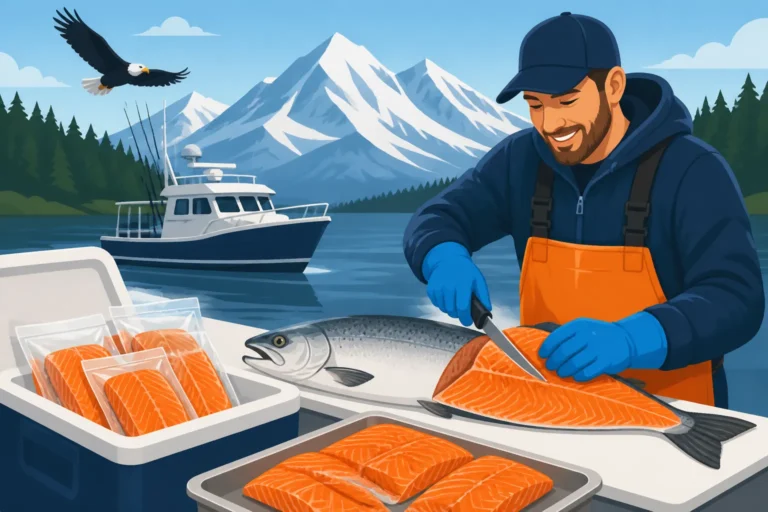
Filleting on the Dock: While some charters might offer basic filleting onboard, most often the primary processing—filleting, skinning, and portioning—happens back at the dock. The deckhand, or a dedicated fish processor if available at the marina, will expertly clean and fillet your catch. This is a crucial step; a skilled hand means more meat and less waste. Don't be afraid to ask questions about how they plan to fillet, especially if you have preferences for certain cuts. This is also where discussions about species differentiation become important, as species like Yelloweye might have special handling requirements or limits that the crew will adhere to.
Preparing Your Rockfish for the Journey Home
Once filleted, your rockfish is ready for the next stage of preservation, especially if you're traveling a long distance.
Vacuum Sealing: This is the gold standard for preserving fish. Vacuum sealing removes air, which significantly extends the freezer life of your fish and prevents freezer burn. Most reputable charters or nearby fish processors offer vacuum sealing services, often for an additional fee. It's an investment absolutely worth making for the quality of your catch. Imagine bringing home beautiful, perfectly sealed fillets of Black Rockfish or Yelloweye, ready to be enjoyed months later.
Freezing: After vacuum sealing, your fish will be blast-frozen or deep-frozen. This rapid freezing locks in freshness and texture. If your charter doesn't offer this directly, they will guide you to local fish processing facilities that do. Places like Homer and Seward have excellent fish processors equipped to handle large volumes of fish for traveling anglers. Companies like Captain Jack's in Seward or Coal Point Seafood Company in Homer are well-known for their expertise in this area.
Shipping Options: For visitors flying home, shipping your catch is often the most convenient option. You have a few choices:
- Insulated Fish Boxes: Many processors will pack your frozen, vacuum-sealed fish into airline-approved, insulated fish boxes (usually waxed cardboard with a Styrofoam liner). These are designed to keep your fish frozen for 24-48 hours.
- Checked Luggage: You can often check these boxes as oversized luggage on your flight. Be sure to check with your specific airline for their current policies and fees.
- Freight Shipping: For larger quantities or if you prefer not to deal with it at the airport, some processors offer freight shipping services directly to your home address via FedEx or UPS. This is usually more expensive but guarantees your fish arrives frozen. Make sure to understand Alaska Fish Transport and Shipping Rules before making final plans.
| Aspect | On-Board Handling | Dockside Processing | Taking Home / Shipping |
|---|---|---|---|
| Primary Action | Bleeding, Icing, Initial Storage | Filleting, Skinning, Portioning | Vacuum Sealing, Freezing, Packing |
| Who Does It | Deckhand/Crew | Deckhand/Fish Processor | Fish Processor/You (if self-packaging) |
| Key Benefit | Maintains freshness, prevents spoilage | Maximizes yield, prepares for preservation | Extends shelf life, prevents freezer burn |
| Typical Cost | Usually included in charter fee | Often included, or small per-pound fee | Varies by weight, service, and shipping method |
| Important Note | Keep fish covered in ice, don't let it thaw. | Verify cuts, adhere to harvest card rules. | Check airline rules, track shipments. |
Final Thoughts on Responsible Harvesting
Remember that fishing in Alaska is a privilege, and conservation is everyone's responsibility. Adhering to bag limits and size restrictions, especially for sensitive species like Yelloweye Rockfish, ensures that these incredible fisheries remain healthy for generations to come. Your captain and crew are your best resource for understanding these nuanced rules, and they will help ensure you have a legal and ethical trip. Enjoy your delicious rockfish, and savor the memories of your Alaskan adventure!
Disclaimer
Please remember that fishing regulations in Alaska can change frequently. While this guide provides comprehensive information, always consult the most current Alaska Department of Fish and Game regulations and emergency orders before heading out on any fishing trip. It is your responsibility to know and follow all applicable laws and regulations.