How Charters Handle Your Alaska Catch
One of the biggest excitements of an Alaska fishing trip is the potential for bringing home a substantial catch, but for many anglers, the thought of how to properly handle and transport that prized salmon or halibut can feel overwhelming. After all, you've invested time, money, and effort into catching these incredible fish, and the last thing you want is for them to spoil or be poorly prepared. This guide will walk you through the entire process of how fishing charters in Alaska manage your catch, from the moment it hits the deck to when it's ready for your journey home, ensuring your culinary souvenirs are preserved perfectly.
Immediate Handling Onboard: The First Step to Preservation
The journey of your fish from the vast Alaskan waters to your dinner plate begins the moment it's brought aboard the charter boat. This initial handling is absolutely critical for maintaining the quality, flavor, and texture of the fish. Charters understand that proper care at this stage sets the foundation for a delicious meal later on, and they have established routines to ensure your catch is treated with the utmost respect and expertise. It’s not just about landing the fish; it’s about starting the preservation process immediately.
The Critical Role of Bleeding and Gutting
As soon as a fish is landed, especially salmon and halibut, the very first step a good charter crew will take is to bleed it out. This involves making a quick, precise cut to sever the main arteries, allowing the blood to drain from the fish's system while its heart is still beating. Why is this so important? Blood contains lactic acid and other metabolic waste products that can quickly degrade the quality of the meat, leading to a "fishy" taste and a softer texture. By bleeding the fish quickly and thoroughly, you prevent these compounds from permeating the flesh, resulting in cleaner, firmer, and significantly better-tasting fillets. You'll notice the difference immediately when you cook it.
After bleeding, many charters will also gut the fish right away, especially if you're on a full-day trip or targeting species where the guts could quickly spoil the meat in warmer conditions. Removing the internal organs eliminates a major source of bacteria and enzymes that contribute to spoilage. This is particularly crucial for species like sockeye salmon, which have delicate flesh. While you might not perform this step yourself, watching a skilled deckhand quickly and efficiently bleed and gut a fish is an art form, and it's all part of the charter's commitment to ensuring your catch is in prime condition. This immediate attention to detail drastically extends the shelf life and quality of your fish.
Keeping Your Catch Pristine: The Importance of Icing
Once bled and potentially gutted, the next critical step is to get your fish on ice, and fast. The goal is to rapidly lower the internal temperature of the fish to just above freezing. This halts bacterial growth and enzyme activity that can cause spoilage. Charters typically have large fish holds or insulated coolers packed with a generous amount of ice, often a mix of flake ice and ice blocks, designed to chill the fish quickly and maintain that cold temperature throughout the day. Your catch won't just be tossed into a box; it will be carefully laid out on the ice, often with layers of ice between fish, to ensure maximum contact and cooling.
This isn't just a casual chill; it's an active process of thermal management. The colder the fish, the slower the degradation process, which means the fresher it will be when it finally reaches the processing plant. You might notice deckhands periodically adding more ice or rearranging fish to ensure even cooling. This diligent icing prevents temperature fluctuations, keeps the meat firm, and significantly contributes to the excellent quality of Alaskan fish. Whether you're targeting a trophy halibut or a cooler full of sockeye, proper icing onboard ensures that the pristine condition achieved through bleeding and gutting is maintained until the boat returns to the dock.
Professional Processing at the Dock: Turning Fish into Fillets
Once your charter boat pulls back into port, the real magic of transforming your raw catch into ready-to-cook portions begins. This is where the expertise of professional fish processors shines. These facilities, often located right at the harbors in towns like Homer, Seward, or Valdez, are equipped to handle large volumes of fish with efficiency and precision. They understand the importance of speed and sanitation, ensuring that the quality preserved onboard is maintained through the processing stage. Many charters work directly with specific processors, making the transition seamless from boat to filleting table.
Filleting and Portioning: From Whole Fish to Ready-to-Cook
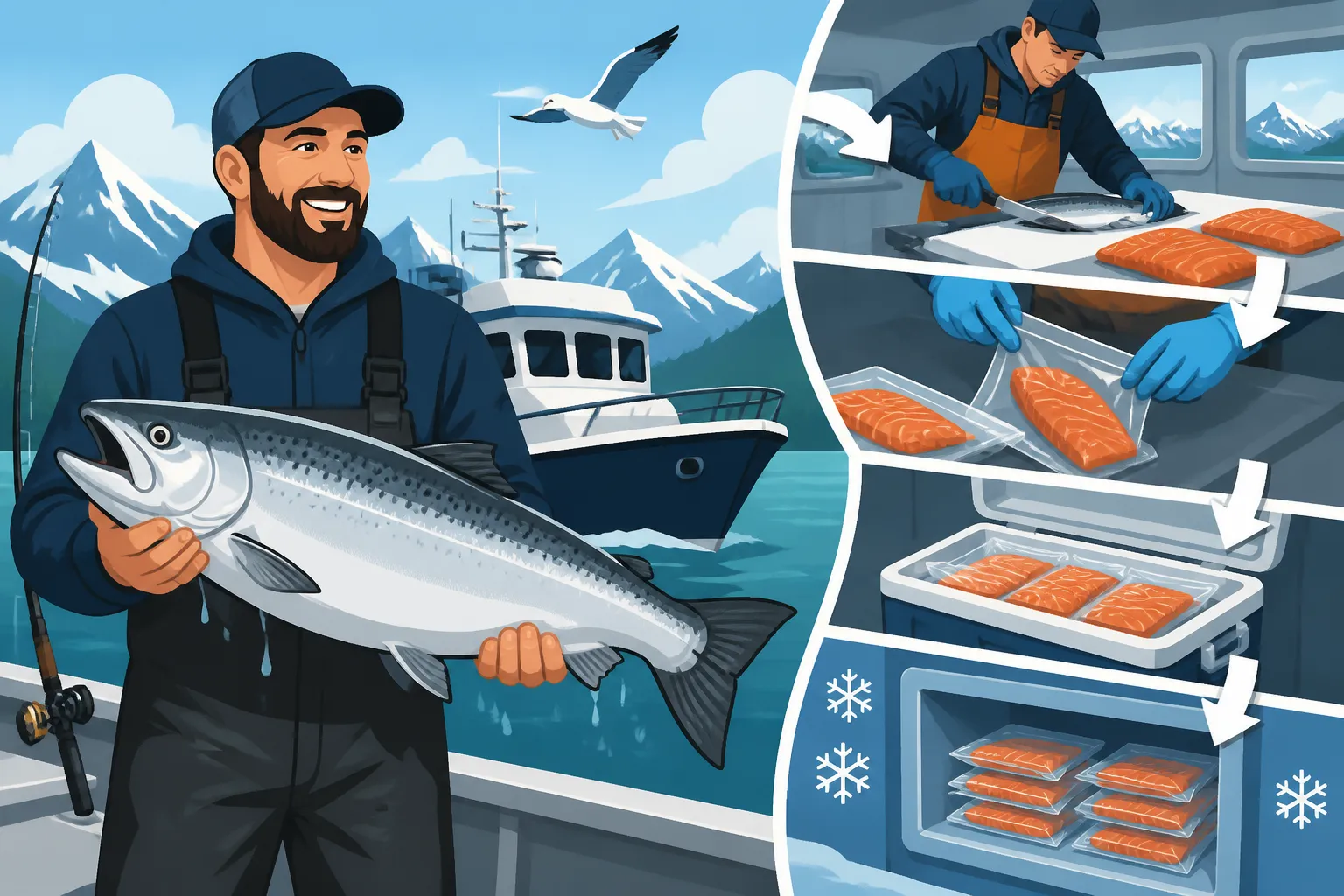
The first major step at the processing plant is filleting. This is an art form in itself, requiring skilled hands to quickly and cleanly separate the edible meat from the bones and skin. A professional fish cutter can fillet a large salmon or halibut in mere minutes, maximizing the yield and minimizing waste. You'll usually have options for how your fish is filleted. For salmon, common cuts include boneless, skin-on fillets, or often smaller portions known as "steaks." For halibut, especially larger ones, you might opt for large, thick steaks or smaller, manageable fillets. Some processors even offer specialty cuts like cheeks (a delicacy from halibut) or collars.
Beyond just filleting, portioning is key for convenience. Imagine bringing home a 50-pound halibut; you wouldn't want one giant fillet! Processors will typically cut your fillets into smaller, meal-sized portions, perfect for a single serving or a family dinner. This saves you significant time and effort once you get home, as the fish is already prepped and ready for the freezer. It's wise to discuss your preferences with the charter or processor beforehand – whether you like thicker portions for grilling, thinner ones for pan-searing, or a mix of sizes. This customization is a huge benefit of using professional services.
Vacuum Sealing: The Key to Long-Term Freshness
After filleting and portioning, the next crucial step is vacuum sealing. This process removes all the air from the packaging around the fish, creating an airtight seal. Why is this so important? Oxygen is the enemy of fresh fish. Exposure to air causes freezer burn, oxidation, and ultimately, a degradation of flavor and texture. Vacuum sealing protects your fish from these elements, dramatically extending its freezer life while preserving its fresh-caught quality. Properly vacuum-sealed fish can remain delicious in your freezer for 6-12 months, sometimes even longer, without losing its integrity.
The processors use commercial-grade vacuum sealing machines that are far more robust and effective than home units. Each portion is individually sealed, making it easy to thaw just what you need without disturbing the rest of your catch. The sealed packages are also compact, making them easier to store in your freezer at home and to pack for transport. This step is non-negotiable for anyone looking to enjoy their Alaskan bounty for months after their trip. It ensures that the effort put into immediate handling onboard and meticulous filleting doesn't go to waste, delivering restaurant-quality fish right to your kitchen.
Freezing and Storage Solutions: Keeping Your Prize Frozen
Once your fish is perfectly filleted, portioned, and vacuum-sealed, the next crucial phase is rapid freezing and secure storage. You've come all this way to catch these magnificent creatures, and proper freezing is what locks in that fresh-from-the-ocean flavor. Alaskan fish processors are experts in this, utilizing specialized equipment to ensure your fish is frozen quickly and kept at optimal temperatures until you're ready to take it home. This isn't just about throwing it in a cold room; it's a science designed to preserve peak quality.
On-Site Freezing and Short-Term Storage
Following vacuum sealing, your fish will typically go into a commercial blast freezer. Unlike a standard home freezer, a blast freezer rapidly lowers the temperature of the fish to well below zero degrees Fahrenheit in a very short amount of time. This quick freezing prevents large ice crystals from forming within the fish's cells. Large ice crystals can damage the cell structure, leading to a mushy texture and loss of moisture when the fish is thawed. By flash-freezing your catch, the cell walls remain intact, preserving the firm texture and juicy flavor you expect from fresh Alaska fish.
After blast freezing, your individually packaged, frozen portions are then moved to a long-term freezer storage area. Most processing facilities offer short-term storage for a few days, giving you ample time to finish your trip, enjoy other activities, and make arrangements for your journey home. This convenience means you don't have to worry about your fish immediately after it's processed. It's kept safely frozen at optimal temperatures, patiently waiting for you. When you're considering which charter to book, you can often find information about their partner processors and their handling practices on platforms like FishingBooker, which often highlights the services included or available.
Long-Term Storage and Shipping Preparation
For those who are extending their stay in Alaska, or perhaps planning to ship their fish much later, many processors also offer longer-term storage options, sometimes for weeks or even months, for an additional fee. This is a fantastic service if your travel plans are complex or if you're not ready to deal with transporting a large amount of fish right away. It offers peace of mind knowing your valuable catch is being meticulously cared for in a professional, controlled environment.
When it comes time to prepare your catch for its final journey, whether it's with you on a plane or shipped via cargo, the processors will retrieve your frozen fish from storage. They'll then carefully pack it into insulated fish boxes, ensuring it's dense with frozen fillets to maximize cold retention. This preparation is meticulous, aiming to create a solid, frozen block that can withstand the rigors of travel. The care taken at this stage, from blast freezing to strategic packing, is crucial for maintaining the quality you experienced on your Alaska Halibut Charter Guide or Alaska Salmon Charter Guide until you unpack it at home.
Packaging Your Catch for the Journey Home: Ready for Travel
Once your fish is processed, vacuum-sealed, and rock-solid frozen, the next critical step is preparing it for transport. This is not just about putting fish in a box; it's about creating a robust, insulated package that can maintain sub-zero temperatures for an extended period, protecting your precious cargo from thawing. The right packaging ensures your fillets arrive home in the same pristine condition they left the processor.
The Essential Fish Box: Styrofoam, Waxed, and Airline Approved
The standard vessel for transporting your frozen fish is a specialized fish box. These are typically heavy-duty, insulated Styrofoam containers that fit snugly inside a sturdy, waxed cardboard outer shell. The Styrofoam provides excellent thermal insulation, acting as a barrier against external temperatures, while the waxed cardboard outer layer adds structural integrity and protects the Styrofoam from damage. These boxes are designed to be durable enough to handle the bumps and jostles of airport baggage handlers or shipping carriers.
Most processors will use boxes that are specifically designed to be airline-approved for checked luggage or cargo. They come in various sizes, commonly holding 25, 50, or 100 pounds of fish. The size you choose will depend on your total catch and your airline's baggage policies. The aim is to pack the box as densely as possible with frozen fish, leaving minimal air space, as this helps the entire package act as one large thermal mass, retaining cold more effectively. A well-packed, airline-approved fish box is your best friend when flying home with your bounty.
Dry Ice vs. Gel Packs: Maintaining Temperature During Transit
To further ensure your fish stays frozen solid, especially during longer travel times, you'll need an additional cooling agent. The two most common options are dry ice and gel packs, each with its own advantages and considerations.
Dry Ice: This is by far the most effective cooling agent for frozen fish. Dry ice is frozen carbon dioxide, which sublimes (turns directly from a solid into a gas) at -109.3 degrees Fahrenheit (-78.5 degrees Celsius). This extremely low temperature can keep your fish frozen solid for days, making it ideal for longer journeys or if you anticipate delays. However, dry ice comes with specific regulations. Airlines have strict rules about how much dry ice you can carry (typically 5-5.5 lbs per passenger in checked luggage, sometimes more for cargo), and it must be properly vented to allow the gas to escape. Processors are well-versed in these rules and can correctly pack and label your dry ice for airline compliance. Always check your specific airline's current regulations on How to Ship Your Catch Home from Alaska before you fly.
Gel Packs: While not as cold as dry ice, frozen gel packs are a viable alternative, especially for shorter travel times (under 24 hours) or if dry ice regulations are a concern. They maintain temperatures colder than regular ice and don't create water as they melt, which is a major advantage. You'll need a substantial amount of gel packs to keep a large box of fish frozen, and they work best when the fish itself is already flash-frozen solid. They are generally less restricted by airlines. When your fish is packed with either of these agents, it's essentially a self-contained freezer, ready for its journey, ensuring that your investment in that Alaska Fishing License: Complete Guide pays off with delicious meals for months to come.
Shipping Your Alaskan Bounty: From Port to Plate
For many anglers, especially those without direct flights or wanting to avoid extra baggage fees, shipping their catch home is the most convenient and often most reliable option. Alaska's fishing industry has developed robust shipping infrastructure to cater to this need, allowing you to enjoy your fresh-caught fish without the added hassle of personally lugging heavy coolers through airports. This service truly makes it possible to enjoy the fruits of your labor without the logistical headaches.
Air Cargo Options for Expedited Delivery
Air cargo is the fastest and most common method for shipping large quantities of frozen fish from Alaska to the Lower 48 and beyond. Major airlines like Alaska Airlines, Delta, and United offer cargo services from Alaskan airports. Processors will often have direct relationships with these cargo divisions, streamlining the drop-off and paperwork process. Your fish, packed in those insulated, airline-approved boxes with dry ice, will be loaded onto commercial flights and flown to an airport near your home.
When using air cargo, you typically pick up your shipment at the airline's cargo facility at your destination airport. This usually happens within 24-48 hours of your fish leaving Alaska, ensuring minimal time for thawing. While potentially more expensive than checking it as baggage, air cargo is ideal for larger shipments, guarantees proper handling, and often provides more consistent temperature control during transit. It's a fantastic option if you've had a truly epic trip and are bringing home a substantial amount of salmon, halibut, or a mix of both. Always factor in the cost of Alaska Fishing Charter Cost Explained and shipping when planning your overall trip budget.
Specialized Fish Shippers: Door-to-Door Convenience
For the ultimate convenience, specialized fish shipping companies offer door-to-door service. These companies handle everything from picking up your packed fish from the processor to delivering it directly to your home or a specified address. They typically utilize a combination of air freight for the long haul and then ground shipping (like FedEx or UPS) for the "last mile" delivery. While this option is generally the most expensive, it removes all the logistical burdens from your shoulders.
Companies like FedEx or UPS themselves also offer express shipping for perishables, but usually require you to pack the fish according to their specific guidelines, including sufficient dry ice. Some Alaskan processors, particularly those in popular fishing hubs like Seward or Homer, will have established relationships with these specialized shippers and can arrange the entire process for you. You just tell them where you want your fish to go, and they take care of the rest. This can be especially appealing for visitors who are new to Alaska or those who simply prefer a hands-off approach to getting their catch home. Many reputable charters listed on platforms like FishingBooker can also guide you towards the best local shipping solutions for your needs.
Understanding the Costs: Investing in Your Culinary Souvenir
One of the most common questions anglers have after a successful charter trip is about the cost of processing and shipping their catch. While the thrill of the catch is priceless, getting it home in pristine condition does involve an investment. It's important to factor these expenses into your overall trip budget to avoid any surprises. Reputable charters and processors are transparent about their fees, and understanding the breakdown will help you plan accordingly.
Breakdown of Processing and Packaging Fees
The cost of processing your fish typically depends on the species and the weight of your cleaned catch. Most processors charge by the pound (dressed weight, meaning gutted). This fee usually covers the entire processing workflow: filleting, portioning, vacuum sealing, and blast freezing. Expect these costs to vary between $1.50 to $3.00 per pound, depending on the facility and the level of service. For example, some might have a slightly higher rate for halibut due to the larger size and different cutting techniques.
Additionally, there will be a separate charge for the fish boxes themselves and any dry ice or gel packs needed. A standard 50-pound insulated fish box might cost anywhere from $30 to $50, sometimes more. The dry ice will be an additional cost, usually calculated by the pound, and you'll pay for the amount necessary to keep your fish frozen for your specific travel duration. It’s always a good idea to ask your charter or the processor for a detailed breakdown of these fees when you drop off your fish. Many outfitters, particularly those found through services like FishingBooker, will often have a clear idea of these costs and can advise you.
Here's a generalized table illustrating typical processing and packaging costs in Alaska. Keep in mind these are estimates and actual prices may vary by location and processor.
| Service Category | Item/Service | Estimated Cost Range (USD) | Notes |
|---|---|---|---|
| Processing (Per Pound) | Filleting, Portioning, Vac-Seal, Freeze | $1.50 – $3.00 per pound | Dressed weight; varies by fish species (e.g., salmon vs. halibut). |
| Packaging | 25 lb Fish Box (Insulated) | $25 – $40 | Styrofoam with waxed cardboard outer. |
| 50 lb Fish Box (Insulated) | $35 – $60 | Most common size for checked luggage. | |
| 100 lb Fish Box (Insulated) | $60 – $90 | Larger option, often for cargo or larger groups. | |
| Cooling Agents | Dry Ice (Per Pound) | $2.00 – $4.00 per pound | Essential for longer travel; quantity limited by airlines. |
| Gel Packs (Per Pack) | $2.00 – $5.00 per pack | Alternative to dry ice, less effective for long trips. | |
| Optional Services | Long-Term Storage (Per Day/Week) | $1.00 – $5.00+ per day | For extended stays or delayed shipping. |
Shipping Expenses: The Final Leg of Your Investment
The cost of shipping your fish home can often be the most significant expense after the charter itself. This is highly variable, depending on the total weight of your shipment, your destination, the shipping method (air cargo vs. specialized shipper), and the speed of delivery you choose.
If you opt to check your fish boxes as airline baggage, you'll pay standard checked baggage fees, which can quickly add up for multiple boxes. For example, a 50-pound box might incur a typical checked bag fee of $30-$50 for the first bag, but subsequent bags can jump to $40-$100+ each, depending on the airline and your fare class. Overweight fees are also a common concern if your boxes exceed the 50-pound limit. Always confirm current baggage fees with your specific airline. You can find more specific details on this in guides like How to Fish Safely Around Alaska Bears.
For air cargo or specialized door-to-door shipping, the costs will be higher but often more predictable. Air cargo rates are typically calculated by weight and volume and can range from $2.00 to $5.00+ per pound, depending on the distance and speed. A 50-pound box shipped via air cargo might cost $100-$250 or more. Specialized shippers, offering door-to-door convenience, will be at the higher end of this spectrum, reflecting the added service. While these costs can seem steep, they represent the final investment in bringing a taste of your Alaskan adventure directly to your kitchen, a worthwhile expense for many who value the unparalleled quality of wild Alaskan fish.
Disclaimer
Please note that regulations, pricing, and services can change frequently in the fishing industry. Always confirm current fishing regulations with the Alaska Department of Fish and Game (ADF&G) and discuss specific processing, packaging, and shipping options and costs directly with your chosen charter and fish processor before your trip. This guide is for informational purposes only and should not be considered a substitute for official advice.