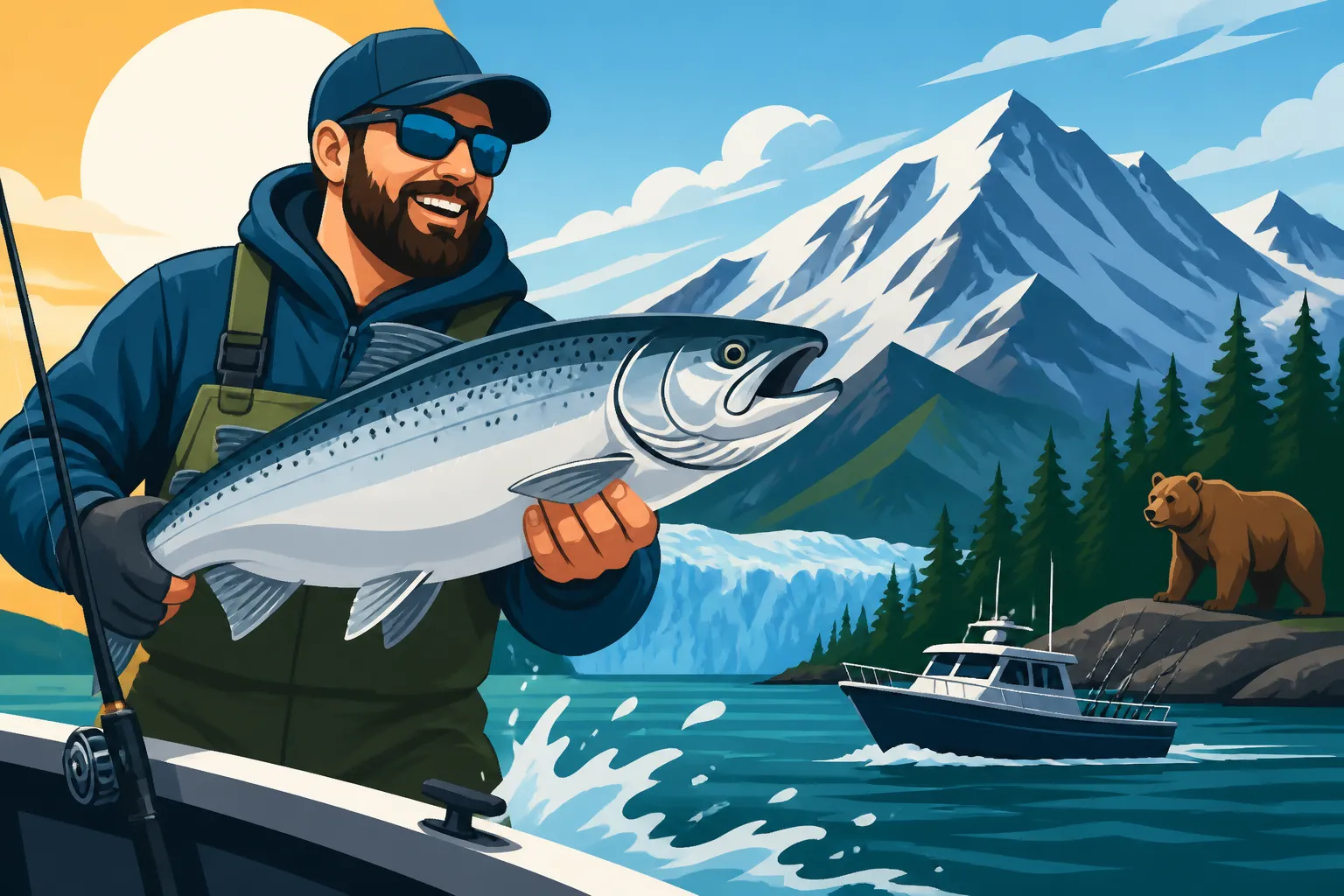
What to Expect on an Alaska Fishing Charter
Planning an Alaskan fishing trip can feel like stepping into a vast, exciting unknown, especially when it comes to booking a charter. Many first-time visitors, and even seasoned anglers from other regions, find themselves wondering what the day-to-day reality of a guided trip truly entails beyond just catching fish. This comprehensive guide is here to pull back the curtain, detailing everything you can expect before, during, and after your unforgettable Alaska fishing charter adventure.
The Pre-Trip Planning: Setting Yourself Up for Success
Before your boots even hit Alaskan soil, a significant part of your charter experience begins with careful planning. It's not just about picking a date; it's about making informed decisions that will shape your entire trip. The sheer volume of choices and regulations can feel overwhelming, but a little homework goes a long way.
Researching and Booking Your Charter
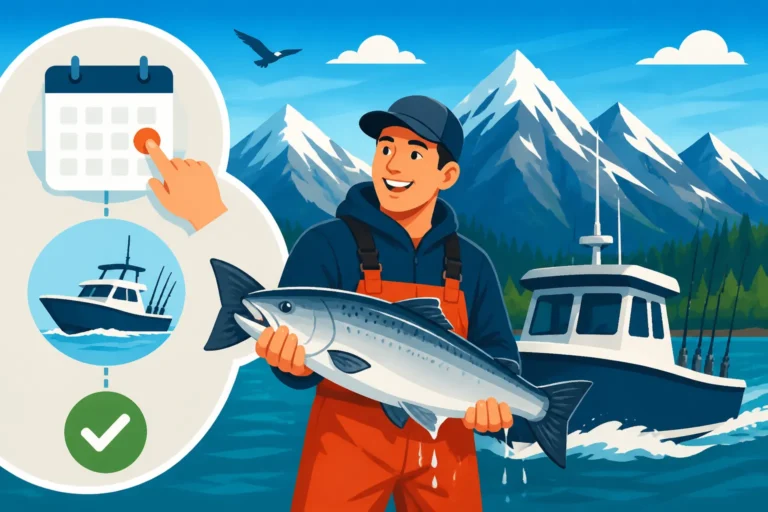
Choosing the right fishing charter in Alaska is probably one of the most critical decisions you'll make for your trip. It's not a one-size-fits-all situation. Are you dreaming of a multi-day expedition into remote waters, or are you looking for a half-day halibut hunt out of a bustling port like Homer? The type of experience you desire will heavily influence the kind of charter you book. For instance, a focused salmon trip on the Kenai River will be vastly different from an offshore saltwater trip targeting halibut and rockfish in Prince William Sound.
When you start your research, don't just look at prices. Dive into reviews, ask about the captain's experience, the size and type of boat, and what's included in the trip cost. Some charters specialize in certain species, like the highly sought-after King Salmon, while others offer combo trips to maximize your chances of catching a variety of fish. Platforms like FishingBooker can be incredibly useful for comparing options, reading genuine reviews, and understanding the nuances between different operators. They often list whether the charter provides all gear, bait, and even basic fish processing. Knowing what's provided versus what you need to bring or arrange can save you a lot of last-minute stress and expense. Consider what kind of experience you want: a hardcore angling challenge, a relaxed family outing, or something in between.
Understanding Licenses and Stamps
One of the most common pitfalls for visitors is arriving in Alaska without the proper fishing credentials. It's easy to assume your home state's license is sufficient or that the charter will handle everything. Unfortunately, that's rarely the case. Every angler, resident or non-resident, 16 years of age or older, needs an Alaska fishing license to legally fish in the state. And depending on what you're targeting, you might need more than just a basic license.
If your charter is planning to target King Salmon, for example, you'll need to purchase a King Salmon stamp in addition to your regular sport fishing license. This stamp is mandatory and specific to King Salmon, often with different prices for residents and non-residents, and can be purchased for different durations. Failing to have the correct license and stamp can result in hefty fines and ruin your day on the water. The good news is that acquiring these is straightforward. You can usually purchase your Alaska Fishing License: Complete Guide online through the Alaska Department of Fish and Game (ADF&G) website before you even leave home, or from authorized vendors once you arrive. Always double-check the current regulations and requirements for the species and region you plan to fish, as they can change seasonally due to emergency orders.
Packing Essentials for Alaskan Weather
Alaska's weather is famously unpredictable. A beautiful, sunny morning can quickly turn into a chilly, rainy, and windy afternoon, even in the height of summer. This isn't just a minor inconvenience; being unprepared for the elements can make your trip miserable and even unsafe. Layering is the absolute golden rule when it comes to dressing for an Alaska fishing charter. Start with a moisture-wicking base layer, add an insulating fleece or down jacket, and top it off with waterproof and windproof outerwear.
Don't forget good quality waterproof boots, ideally knee-high if you're going to be on a boat deck that might get wet or if you plan any streamside fishing. Gloves, a warm hat, and sunglasses are also non-negotiable. Even on cloudy days, UV rays reflect off the water, and eye protection is crucial. Many people forget that even in summer, early morning departures can be quite cold, especially when zipping across the water at speed. While some high-end charters might offer loaner rain gear, it's always best to bring your own reliable set. For a more detailed breakdown, check out our guide on what to Wear on an Alaska Fishing Charter. A small waterproof bag or backpack to keep personal items like cameras, phones, and extra layers dry is also highly recommended.
Arrival at the Dock: What Happens Before You Cast
The morning of your fishing trip is often filled with anticipation and excitement. While every charter operator has their own routine, there are some universal steps you can expect once you arrive at the designated meeting point, usually a dock or harbor office. This initial phase sets the tone for your entire day.
Meeting Your Captain and Crew
When you arrive at the dock, you'll typically be greeted by your captain and deckhand(s). They're usually easy to spot, often wearing branded gear and standing near their vessel. This is your chance to introduce yourself, ask any last-minute questions, and get a feel for the personalities you'll be spending the next several hours with. A good captain and crew are not just skilled anglers; they're also excellent communicators, safety-conscious, and dedicated to making your trip enjoyable. They'll confirm your booking, check that you have your licenses and King Salmon stamps ready (they might ask to see them, or at least remind you to have them accessible if ADF&G officials conduct a check), and direct you to where to store your personal belongings on the boat.
Don't be shy about asking questions at this stage. If you're new to the area or a specific type of fishing, voice your expectations. Are you hoping to target a "barn door" halibut, or is your main goal to simply catch dinner? Setting clear expectations can help the crew tailor the experience within reasonable limits. For example, if you're on an Alaska Halibut Charter: What to Expect, the captain might give you an overview of the halibut grounds they plan to visit and the techniques they'll employ. They're there to guide you, both literally and figuratively, through your Alaskan fishing adventure.
Safety Briefings and Vessel Orientation
Before the lines are cast off, your captain will conduct a mandatory safety briefing. This isn't just a formality; it's vital information designed to keep everyone safe on the water. They'll point out emergency exits, the location of life jackets (and instruct you on how to wear them), first aid kits, fire extinguishers, and any other safety equipment specific to their vessel. They'll also explain how to use the marine head (bathroom), if available, and where to stow your belongings securely so they don't become tripping hazards or fly overboard.
Listen carefully to these instructions. They might seem basic, but knowing where to grab a life jacket in a hurry or how to brace yourself for rough seas could be crucial. The captain will also cover general rules of the boat, like staying within designated areas, not leaning over the rails unnecessarily, and how to properly handle fishing rods when they're not in use. Some charters, especially those operating in more exposed saltwater environments like the Gulf of Alaska near Seward, will emphasize sea sickness prevention and what to do if you start feeling unwell. Being prepared and respectful of the boat's rules ensures a smoother and safer experience for everyone onboard.
Gear and Bait Provided
One of the great advantages of an Alaska fishing charter, particularly for travelers, is that the charter typically provides all the necessary fishing gear and bait. This means you don't have to worry about packing bulky rods, reels, tackle boxes, or sourcing fresh bait yourself. On most reputable charters, you can expect high-quality rods and reels specifically suited for the type of fish you'll be pursuing. For instance, if you're targeting large King Salmon, you'll likely be equipped with heavy-duty conventional or spinning gear, capable of handling powerful runs.
For halibut fishing, you'll often find stout rods with large conventional reels spooled with heavy braid, designed to lift big fish from deep water. Bait will also be supplied, which often includes cut herring, squid, or salmon scraps, depending on the target species and local preferences. Some charters might also utilize artificial lures, jigs, or flies, and these will also be provided. While the charter supplies the primary gear, you might still want to bring your own small tackle bag with personal preferences if you have them, though it's usually unnecessary. Just make sure to confirm this with your charter beforehand. Having everything ready to go lets you focus purely on the excitement of the catch.
On the Water: The Dynamic Alaskan Fishing Experience
Once you've left the dock, the real adventure begins. Alaska's fishing grounds are diverse and dynamic, offering a wide array of experiences depending on your location and target species. From the serene riverbanks of the Kenai to the vast expanse of the open ocean, each environment presents its own unique challenges and thrills.
Targeted Species and Fishing Techniques
Alaska is renowned for its incredible diversity of fish, making each charter trip a unique experience. When you book, you'll generally specify what you're hoping to catch, and the captain will plan accordingly. For many, the dream is to hook into an Alaska King Salmon: Complete Guide, the largest and most prized of the Pacific salmon species. King Salmon fishing often involves back-trolling with Kwikfish plugs or bait-wrapped lures, or sometimes drift fishing with eggs or beads in rivers like the Kenai or Kasilof. You might even experience "flossing" for Sockeye Salmon on popular rivers, which is a very specific technique allowed in certain areas.
If you're heading out to saltwater, the focus might be on Alaska Halibut, known for their immense size and delicious white meat. Halibut fishing typically involves bottom fishing with heavy weights, large circle hooks, and bait like herring or octopus, or jigging with large metal jigs. Many charters also offer combo trips where you can target multiple species, perhaps starting with salmon in the morning and then heading offshore for halibut and various rockfish in the afternoon. Techniques can vary widely, from trolling for Coho (Silver) Salmon in Southeast Alaska to casting spinners for Pink Salmon in shallow bays. Your guide will demonstrate the specific techniques, ensuring even beginners feel confident. Understanding these different approaches is part of what makes each trip so engaging and educational.
The Role of Weather and Tides
Unlike fishing in a controlled environment, open-water fishing in Alaska is heavily influenced by Mother Nature. The weather dictates comfort, safety, and often, the fish's behavior. A beautiful, calm day can transform quickly into choppy seas and driving rain, particularly in coastal areas. Captains constantly monitor marine forecasts, making decisions about fishing locations and even trip cancellations based on safety. It's not uncommon for a halibut trip to be altered or rescheduled if high winds or heavy swells are predicted, as angler safety is always paramount.
Tides also play a critical role, especially in saltwater fishing. Many species, particularly halibut, feed more actively during specific tidal movements. Strong incoming or outgoing tides can create currents that concentrate baitfish, leading to better fishing. Conversely, slack tides might mean slower action. River fishing, too, is affected by water levels, which can change rapidly with rainfall or snowmelt, influencing salmon runs and fishing success. Your captain will use their local knowledge and experience to time the tides and navigate to the most productive spots, but remember, they can't control the elements. Being flexible and understanding that nature calls the shots is key to enjoying your trip. Sometimes the Best Time to Fish in Alaska might require adjusting your schedule slightly.
Managing Expectations for Success
Let's be realistic: while Alaska is famous for incredible fishing, it's still fishing, not catching. There's no guarantee you'll limit out on trophy fish every single time. Factors like weather, water conditions, fish migration patterns, and even fishing pressure can affect success rates. Sometimes the fish are biting aggressively, and sometimes they're lockjawed. A good charter captain will work tirelessly to put you on fish, using their knowledge of local hot spots, current conditions, and tried-and-true techniques. They might move the boat several times, change baits, or adjust strategies to adapt to what the fish are doing.
However, sometimes the fish simply aren't there, or they're not interested. It's important to go into the experience with a positive attitude and realistic expectations. The true value of an Alaska fishing charter isn't solely in the number of fish you catch, but in the overall experience: the stunning scenery, the thrill of the chase, the camaraderie with your fellow anglers, and the knowledge gained from your guide. Even on slower fishing days, the opportunity to witness a pod of orcas breach, bald eagles soar, or brown bears forage along a riverbank often makes the trip worthwhile.
The Thrill of the Catch: Hooking, Fighting, and Landing
This is what you came for! The moment your rod bends and the reel screams, signaling a fish on the line, is an unparalleled rush. But the fight is just the beginning; there are important steps and regulations to follow to ensure your catch is handled correctly and legally.
Understanding Bag Limits and Regulations
Alaska has strict fishing regulations designed to conserve its precious fish stocks. These regulations dictate how many fish of each species you can keep per day (the daily bag limit) and sometimes over a longer period (the annual limit or possession limit). These limits can vary significantly by species, location, and even by whether you're a resident or non-resident. For example, the Alaska Halibut Daily Limit for Charter Anglers usually involves a reverse slot limit, meaning only halibut within a specific size range can be retained, or a one-fish limit on certain days. King Salmon also have specific annual limits for non-residents.
Your charter captain is an expert on these rules and will keep you informed throughout the day. They will tell you which fish are legal to keep and which must be released. It's your responsibility to listen and comply. If you catch a fish that is undersized, oversized, or an out-of-season species, the crew will instruct you on how to properly release it to maximize its survival chances. They are also responsible for ensuring the boat doesn't exceed its overall daily limit, so sometimes individual limits may be adjusted if the boat is having exceptional success. Staying informed about current regulations, even before your trip, by checking resources like Alaska Fishing Limits and Bag Limits Explained, can greatly enhance your understanding.
Responsible Fish Handling and Recording
Once you've successfully brought a legal fish to the boat, the crew will take over, ensuring it's handled efficiently and ethically. For smaller fish, they might quickly dispatch it and place it in a cooler. For larger fish, especially powerful species like King Salmon or big halibut, they may use a gaff or harpoon to safely bring it into the boat. They're skilled at this, minimizing stress on the fish and ensuring safety for everyone onboard.
For certain species, particularly King Salmon, you'll be required to immediately record your catch on your Alaska Harvest Record Card. This card tracks the number of King Salmon you catch and retain, ensuring you don't exceed your annual limit. Your crew will typically have a pen and the knowledge to help you accurately fill out the necessary details, including the date, location, and species. Proper recording is crucial for ADF&G to monitor fish stocks. Additionally, deepwater release devices might be used for rockfish caught from deep water to help them survive if released. This proactive approach to fish management is a testament to Alaska's commitment to sustainable fishing.
The "Barn Door" Halibut and "King" Salmon Fight
There's a reason these two fish are legendary. Landing a substantial "barn door" halibut or a powerful King Salmon is often the highlight of an Alaskan fishing trip. When a large halibut takes your bait, it's often a heavy, thudding pull, followed by a relentless, stubborn fight from the bottom. These fish don't make screaming runs like salmon; instead, they dig deep, using their broad, flat bodies to create immense resistance. Bringing one up from 100-300 feet of water can be a serious workout, especially on heavy tackle. Your guide will coach you through the process, reminding you to keep pumping the rod and reeling steadily.
King Salmon, on the other hand, are known for their explosive runs and acrobatic leaps. When a big King hits your lure in a river, the reel can scream as line peels off at an alarming rate. They'll test your tackle and your endurance, making powerful surges upstream or downstream, sometimes jumping clear out of the water. Fighting a fish like this requires focus, strength, and quick reflexes. The crew will be there to offer advice, clear lines, and eventually, bring the fish alongside the boat. These are the moments that truly create lasting memories, and the tales of these battles will be told for years to come.
Post-Fishing Logistics: From Ocean to Table
The fishing might be over, but the work isn't quite done. Once back at the dock, there's a well-oiled process for handling your catch, ensuring it's properly cared for and ready for its journey home. This is where your investment truly pays off.
Onboard and Dockside Fish Processing
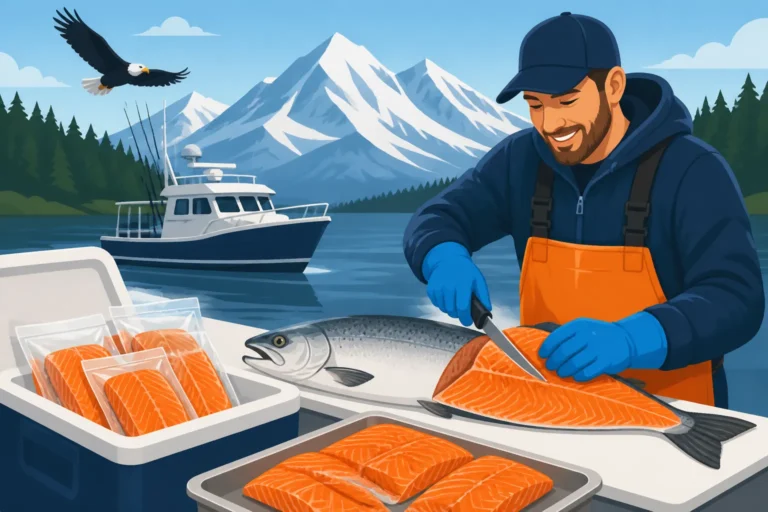
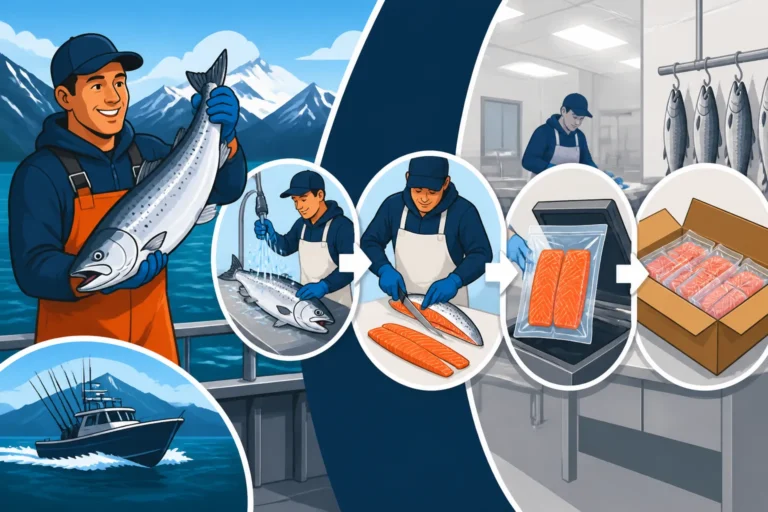
One of the fantastic perks of booking an Alaska fishing charter is that the crew typically handles the initial fish processing. Onboard, smaller fish might be bled and gutted immediately to preserve meat quality. For larger fish, once back at the dock, the crew will usually unload the catch and perform the initial filleting. This isn't just a quick cut; it's a skilled process where they efficiently transform whole fish into clean, boneless fillets. The sight of a skilled deckhand quickly turning a massive halibut into pristine white portions is impressive.
After filleting, many charters will offer to bag your fish, often in thick plastic bags, and place them on ice in coolers. Some operations, particularly in major fishing hubs like Homer or Seward, have dedicated fish processing facilities right at the dock or work closely with local processors. These facilities take it a step further, offering professional vacuum sealing, freezing, and even custom cutting (steaks, portions, etc.). This professional handling is crucial for maintaining the quality and freshness of your hard-earned catch, especially if it has a long journey ahead. It eliminates the mess and hassle for you, allowing you to relax after a long day on the water.
Tipping Your Hardworking Crew
It's customary in the charter fishing industry to tip the captain and crew, much like you would tip staff in a restaurant or other service industry. These individuals work incredibly hard, often from before sunrise until well after sunset, to ensure your trip is safe, enjoyable, and successful. This includes everything from preparing the boat, bait, and gear, to guiding you to fish, assisting with techniques, cleaning your catch, and ensuring your safety.
A good rule of thumb for tipping on an Alaska Fishing Charter is 15-20% of the total charter cost, split between the captain and deckhand(s). If you had an exceptional experience, feel free to give more. It's a direct way to show your appreciation for their efforts. Tips are often a significant portion of their income and are genuinely valued. You can give cash directly to the captain or deckhand at the end of the trip. If you're unsure, don't hesitate to discreetly ask your captain about their preferred tipping practice. They'll appreciate the thoughtfulness, and it ensures their hardworking crew is recognized for their dedication.
Shipping Your Catch Home
For many visitors, bringing home a cooler full of fresh Alaskan fish is a major goal. Thankfully, the logistics for this are well-established. If your charter doesn't offer full processing services, they'll often direct you to a local fish processor nearby. These businesses specialize in preparing fish for travel. They will vacuum seal your fillets, ensuring freshness and preventing freezer burn, then blast freeze them solid. Finally, they'll pack your frozen fish into airline-approved, insulated fish boxes, typically made of waxed cardboard with a styrofoam liner.
You'll then have a few options for getting your fish home. Many visitors choose to check their fish boxes as luggage on their flight. Airlines have specific rules and weight limits for checked seafood, so it's wise to check with your airline in advance. Alternatively, some processors offer direct shipping services, sending your frozen fish via FedEx or UPS to your home address. While this can be more expensive, it's incredibly convenient, ensuring your fish arrives safely without you having to haul it through airports. The cost varies based on weight and destination, but it's a worthwhile investment to enjoy your Alaskan bounty for months after your trip. For more details, explore our guide on Fish Processing After an Alaska Charter.
Beyond the Reel: The Unforgettable Alaskan Surroundings
While catching fish is undoubtedly the main draw, an Alaska fishing charter offers so much more than just what's on the end of your line. The sheer beauty and raw wilderness of the Last Frontier provide an incredible backdrop to your angling adventure.
Wildlife Encounters
One of the most magical aspects of fishing in Alaska is the constant potential for incredible wildlife encounters. On saltwater charters, it's not uncommon to spot majestic humpback whales breaching or spouting in the distance, or even to see a pod of orcas (killer whales) gracefully swimming by. Playful sea otters often bob on their backs, cracking shellfish on their bellies, while sleek harbor seals and Steller sea lions might pop up near the boat, curious about your catch.
Above you, bald eagles are a common sight, often perched in trees along the coastline or circling overhead, scanning the water for an easy meal. On river charters, you might glimpse a brown bear fishing for salmon along the banks of the Kenai River or spot a moose wading in the shallows. These wildlife sightings add an unparalleled dimension to your trip, turning a fishing excursion into a truly immersive wilderness experience. Always have your camera ready, but remember to enjoy the moment and respect these wild creatures from a distance.
Stunning Scenery and Photography Opportunities
Alaska's landscapes are nothing short of breathtaking, and a fishing charter provides a unique vantage point to soak it all in. Imagine casting your line with snow-capped mountains towering in the background, glaciers calving into the sea, or dense emerald forests lining a pristine river. Coastal charters often navigate through fjords carved by ancient glaciers, offering dramatic views of sheer cliffs, cascading waterfalls, and remote, untouched beaches.
On river trips, you'll be surrounded by lush wilderness, with towering spruce and birch trees, and the sound of rushing water. The long daylight hours of the Alaskan summer mean extended opportunities for photography, with "golden hour" light stretching for what feels like eternity. Whether it's a panoramic shot of Kachemak Bay at sunset or a close-up of an eagle soaring overhead, the photographic opportunities are endless. Even if the fishing is slow, the scenery alone makes the trip unforgettable. Take a moment to put your rod down, breathe in the crisp Alaskan air, and simply appreciate the immense natural beauty that surrounds you.
Choosing the Right Charter for Your Adventure
With so many options, finding the perfect charter for your Alaskan dream trip can be a bit daunting. But knowing what questions to ask and what factors to consider will make the process much smoother and ensure your trip aligns with your expectations.
Different Types of Charters
Understanding the variety of fishing charters available is the first step in making an informed decision. The most common distinction is between saltwater and freshwater (river) charters. Saltwater charters, often operating out of towns like Homer, Seward, or Valdez, typically target halibut, salmon (King, Silver, Pink, Chum), rockfish, and lingcod. These usually involve larger, ocean-going vessels, and trips can range from half-day excursions to multi-day overnight adventures on larger boats or even liveaboards. The experience is generally more open-water, sometimes with longer travel times to fishing grounds, and subject to ocean conditions.
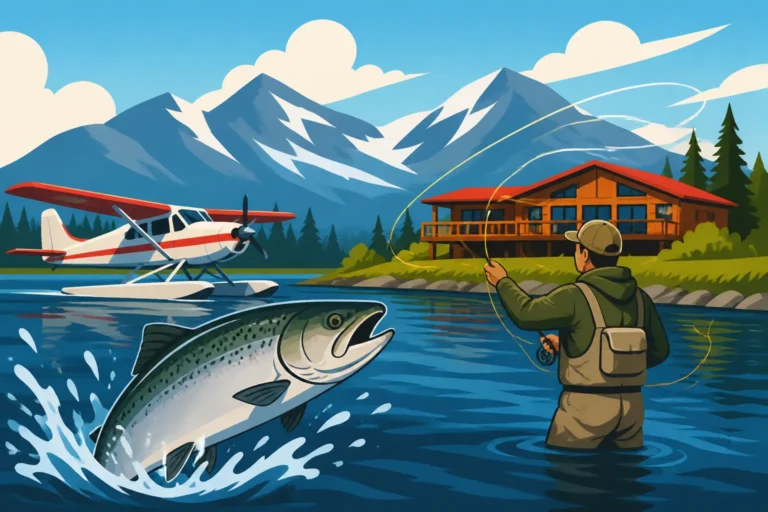
River charters, popular on iconic waterways like the Kenai River or Russian River, focus on salmon (especially Sockeye and King) and rainbow trout. These generally use smaller drift boats or jet boats and operate closer to shore or within river channels. The experience is often more intimate, with guides providing hands-on instruction for specific river fishing techniques. Beyond these, you also have specialized charters, such as fly-out trips to remote lakes or rivers for trophy trout or salmon, or even combination hunting and fishing packages. Each type offers a distinct adventure, catering to different preferences for target species, scenery, and overall fishing style. Don't forget to look at guides like our Alaska Fishing Charters: Complete Guide for even more detail.
Key Questions to Ask Before Booking
Once you've narrowed down the type of charter you're interested in, don't be afraid to ask plenty of questions before you commit. A reputable charter company will be happy to provide all the information you need. Start with practicalities: "What's included in the price?" (Is it just the fishing, or does it cover gear, bait, and basic processing?) "Are licenses and stamps included, or do I need to purchase them separately?" (The answer is almost always separately, but it's good to confirm).
Then, delve into the specifics of the trip: "What species are you targeting during my dates, and what are the current bag limits?" "What type of boat will we be on, and how many other anglers will be onboard?" "What's your cancellation policy, especially for weather?" "How do you handle fish processing and what are the options for getting my fish home?" "What is the typical tipping etiquette for your crew?" Knowing these details upfront will prevent surprises and ensure a smoother, more enjoyable trip. For instance, if you’re particularly interested in targeting trophy halibut, you might ask about the captain’s success rate with bigger fish or if they participate in programs like the Alaska Halibut GAF Program Explained. Don't forget to mention any specific needs or preferences you have, such as a desire for a private charter versus a shared boat or accessibility concerns.
| Feature / Aspect | River Fishing Charter (e.g., Kenai River) | Saltwater Fishing Charter (e.g., Homer, Seward) |
|---|---|---|
| Primary Target Species | King, Sockeye, Coho Salmon; Rainbow Trout | Halibut, King, Coho Salmon; Rockfish, Lingcod |
| Vessel Type | Drift boats, jet boats | Larger cabin cruisers, offshore boats |
| Environment | Rivers, lakes, protected bays | Open ocean, fjords, coastal waters |
| Typical Techniques | Back-trolling, drift fishing, fly-fishing | Bottom fishing, jigging, trolling |
| Weather Impact | Water levels, rain, wind (can be less severe) | Waves, wind, fog (can lead to cancellations) |
| Wildlife Spotting | Bears, moose, eagles, waterfowl | Whales, orcas, seals, sea lions, puffins, eagles |
| Trip Duration | Half-day to full-day | Half-day, full-day, multi-day |
| Fishing Style | More active casting, hands-on | Often more stationary, waiting for bites |
| Motion Sickness | Very low risk | Moderate to high risk |
Disclaimer
The information provided in this guide is for general informational purposes only and does not constitute professional advice. Alaska fishing regulations are complex and subject to frequent change, including emergency orders issued by the Alaska Department of Fish and Game (ADF&G). Always consult the official ADF&G regulations booklet, website, or contact ADF&G directly for the most current and accurate information before planning and embarking on your fishing trip. While efforts have been made to ensure accuracy, we cannot guarantee that all information is completely up-to-date or applicable to every specific situation. Fishing inherently involves risks, and safety precautions should always be followed.