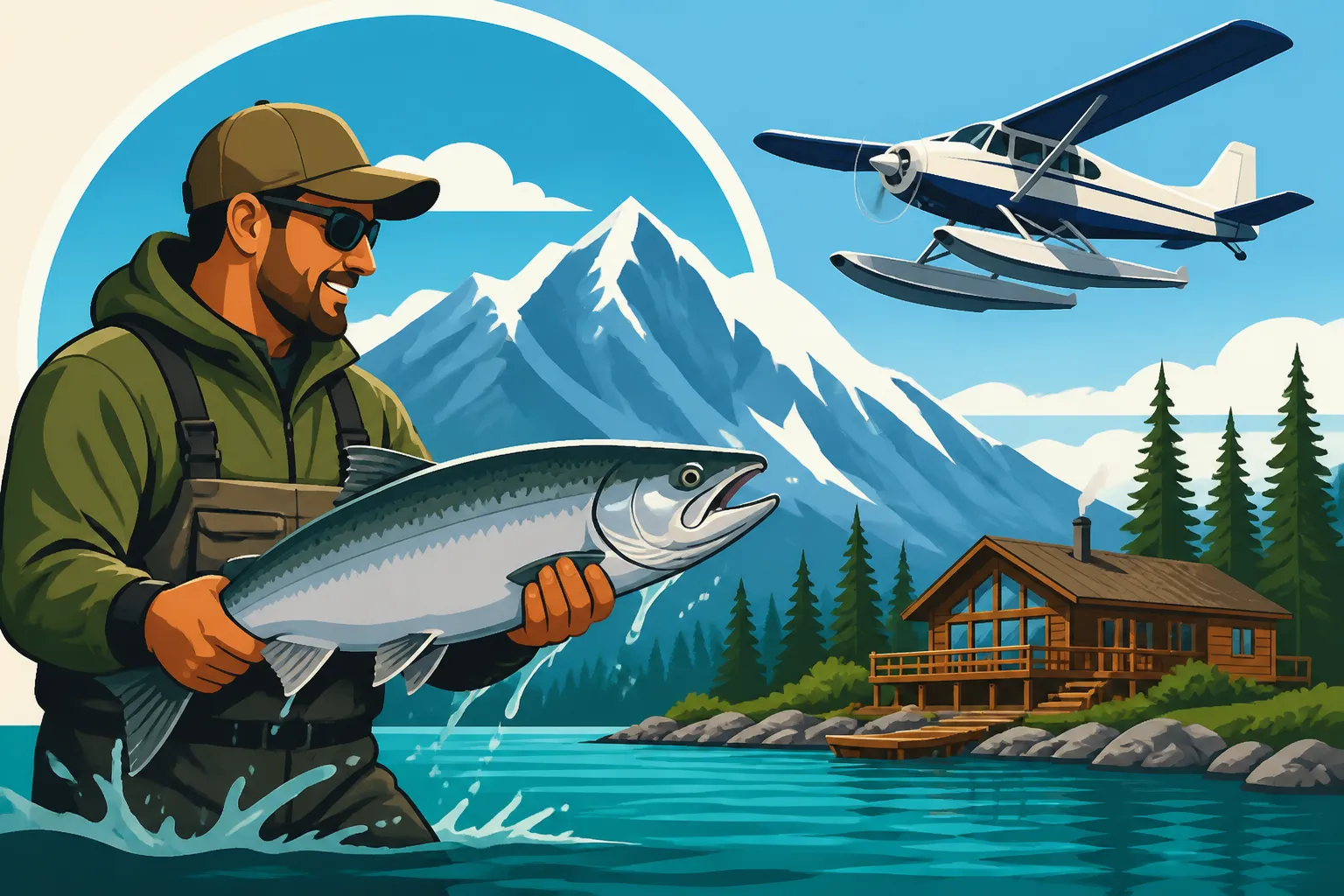
Alaska Fly-In Fishing Lodges Guide
Imagine standing on the bank of a wild Alaskan river, surrounded by towering mountains and untouched wilderness, the roar of a bush plane fading into the distance as you realize the nearest road is hundreds of miles away. This isn't just a fantasy; it's the reality of a fly-in fishing lodge experience, and it's what draws so many anglers to the Last Frontier. This comprehensive guide will peel back the layers of these unique destinations, helping you understand what they are, why they'd be perfect for your next adventure, and how to plan every detail for an unforgettable trip into Alaska's remote fishing paradises.
What Exactly is a Fly-In Fishing Lodge in Alaska?
When you hear "fly-in fishing lodge" in Alaska, it's easy to picture something out of a movie – a rustic cabin accessible only by air. While that image certainly has its truth, the reality is far more intricate and diverse. These lodges represent the pinnacle of remote angling experiences, offering access to waters that remain pristine precisely because they are so difficult to reach by conventional means.
Defining the Remote Experience
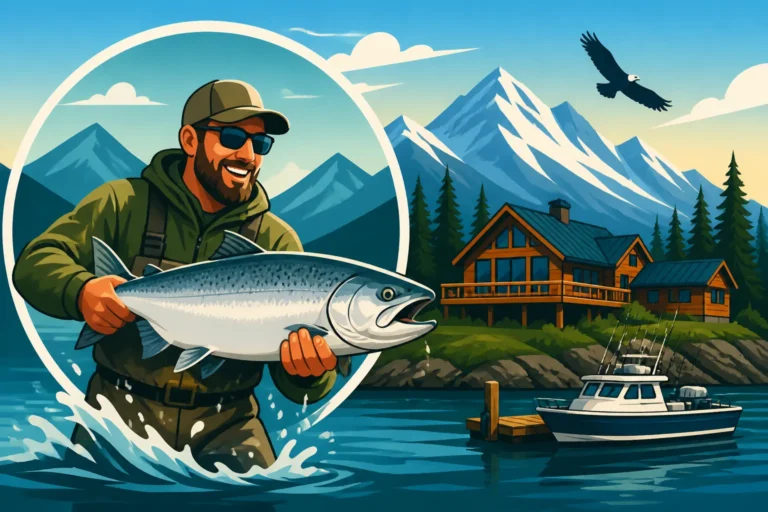
At its core, a fly-in lodge is a self-contained operation situated in a truly remote part of Alaska, far from any road system. The only way in and out is typically by floatplane, wheel plane, or occasionally a helicopter. This isolation is not a drawback; it's the main attraction. It means you're stepping into an ecosystem largely untouched by human development, where wildlife thrives and fish populations flourish. Picture landing on a serene lake or river, the plane taxiing right up to the lodge's dock, and knowing that for the next few days or a week, this slice of wilderness is your home. It’s an immersion into Alaska's raw beauty, offering a level of solitude and natural connection that's increasingly rare in our busy world. You're not just going fishing; you're embarking on an expedition into the heart of the wild.
Beyond Just Fishing: The All-Inclusive Aspect
While fishing is undoubtedly the main draw, fly-in lodges offer much more than just a place to cast a line. Most are "all-inclusive" in nature, meaning your package typically covers your lodging, gourmet or hearty home-cooked meals, daily guided fishing excursions, and often even your round-trip air transportation from a designated hub like Anchorage, King Salmon, or Iliamna. This all-encompassing approach removes the stress of planning daily logistics, cooking, or figuring out transportation in a challenging environment. You arrive, settle in, and everything else is taken care of, allowing you to focus entirely on the experience. Some lodges even provide all the necessary fishing gear, waders, and rain jackets, further simplifying your packing and ensuring you have the right equipment for Alaska's demanding conditions.
Logistical Marvels of Fly-In Operations
Running a fly-in lodge in the Alaskan bush is an incredible logistical feat. Imagine providing fresh food, clean linens, hot showers, and reliable electricity to guests who are hundreds of miles from the nearest grocery store or hardware shop. Everything, from a gallon of milk to a new boat motor, must be flown in. This requires meticulous planning, an extensive supply chain, and often, an on-site team skilled in everything from carpentry and mechanics to gourmet cooking and guiding. Propane tanks, fuel for planes and boats, building materials, and even potable water systems are all managed in this remote setting. The bush planes themselves are the lifeblood, not just for guest transport but for resupply runs, emergency services, and flying anglers to different fishing spots daily. Understanding this intricate operation gives you an even deeper appreciation for the unique service these lodges provide.
Why Choose a Fly-In Lodge for Your Alaska Fishing Adventure?
Alaska offers countless fishing opportunities, from roadside streams to popular charter towns. So, why would an angler choose to invest in a fly-in lodge, often at a higher price point? The answer lies in the unparalleled quality of the experience, the unique access it provides, and the complete immersion into true Alaskan wilderness that simply can't be replicated elsewhere.
Unparalleled Access to Pristine Waters
One of the most compelling reasons to opt for a fly-in lodge is the access it grants to waters that see minimal fishing pressure. Far from the crowded banks of the Kenai River or the bustling docks of Homer, these lodges are strategically located on or near rivers and lakes teeming with fish. Think of remote tributaries flowing into Bristol Bay, known globally for its massive sockeye salmon runs, or hidden lakes in the Interior where trophy rainbow trout patrol the depths. These are fisheries that are often only reachable by aircraft, ensuring that the fish populations remain robust and the angling experience feels genuinely wild. Guides from these lodges often use their bush planes or jet boats to transport you daily to different stretches of water, chasing the best bite and ensuring you're always fishing in prime, uncrowded locations. If you dream of casting into crystal-clear water where the fish haven't seen a thousand lures, a fly-in lodge delivers. For those looking for the ultimate experience, exploring different Best Fishing Spots in Alaska often means getting off the road system entirely.
The Ultimate Wilderness Immersion
Beyond the fishing itself, a fly-in lodge offers a profound connection to the Alaskan wilderness. You're surrounded by vast, unspoiled landscapes, where the sounds of civilization are replaced by the call of loons, the rustle of wind through spruce trees, and the distant roar of a bear. Wildlife viewing is an integral part of the experience; it’s not uncommon to see grizzly bears fishing alongside you, moose wading in the shallows, or eagles soaring overhead. The remoteness forces a natural disconnect from the stresses of daily life – no cell service, no internet, just the rhythm of nature. It's an opportunity to truly unplug, recharge, and reconnect with the wild. Many guests find the overall wilderness experience, from the breathtaking scenery to the abundant wildlife, as memorable as the fishing itself. It’s an adventure that engages all your senses.
Luxury Meets Rugged Adventure
While the setting is rugged, many fly-in lodges successfully blend this wilderness adventure with remarkable comfort and even luxury. You're not typically roughing it in a tent. Instead, you might find yourself in a cozy cabin with a private bath, enjoying gourmet meals prepared by a talented chef, and relaxing in a lodge with a warm fireplace and comfortable seating after a long day on the water. This combination means you can experience the raw beauty and challenging fishing of Alaska without sacrificing essential comforts. It appeals to anglers who want a serious fishing trip but also appreciate a soft bed, delicious food, and a place to unwind and share stories without worrying about camp chores. This balance is especially appealing for couples or groups where some members might appreciate the "glamping" aspect as much as the angling challenge.
Types of Alaska Fly-In Fishing Lodges
Just like any other travel destination, not all fly-in fishing lodges are created equal. They cater to a wide spectrum of preferences, from the truly rustic and bare-bones to ultra-luxurious resorts complete with spa services. Understanding these distinctions is key to finding the perfect fit for your budget and desired experience.
Rustic Wilderness Camps
At one end of the spectrum are the rustic wilderness camps. These lodges prioritize simplicity and function, offering a no-frills, authentic bush experience. Accommodations might be basic cabins, wall tents, or bunkhouses, with shared bathrooms or outhouses. Meals are often hearty, home-style cooking rather than gourmet fare. The focus here is squarely on the fishing and the wilderness itself. Guests who choose these camps are typically seasoned adventurers who don't mind roughing it a bit, valuing the untouched fishing opportunities and raw natural beauty above plush amenities. These camps often offer the most affordable fly-in options, making them accessible for those on a tighter budget who still crave the remote experience. You might even participate in some camp duties, fostering a strong camaraderie among guests and staff.
Mid-Range Comfort Lodges
The most common type of fly-in lodge falls into the mid-range category, striking a balance between comfort and cost. Here, you'll find more private accommodations, often with individual cabins or rooms that may include private or semi-private bathrooms. The main lodge typically features a comfortable dining area, lounge, and perhaps a small shop. Meals are usually excellent, with varied menus that might feature fresh local ingredients. These lodges still emphasize the fishing experience but add a layer of comfort that makes them appealing to a broader audience. They are perfect for anglers who want a comfortable retreat after a long day on the water but aren't looking for extravagant luxury. Many lodges in popular areas like Bristol Bay, the Kenai Peninsula outskirts, or Southeast Alaska fall into this category.
Luxury All-Inclusive Resorts
For those seeking the pinnacle of an Alaskan fishing vacation, luxury all-inclusive resorts deliver. These high-end lodges spare no expense in providing a lavish experience alongside world-class fishing. Expect exquisitely appointed private cabins, often with daily housekeeping, en-suite bathrooms, and perhaps even individual fireplaces or personal decks. Dining is typically gourmet, with a focus on fine wines and locally sourced delicacies. Beyond fishing, these lodges may offer additional amenities like massage services, hot tubs, satellite internet access, and a wider range of non-fishing activities such. The guide-to-guest ratio is often very low, ensuring highly personalized service. These lodges cater to discerning travelers who want to combine the thrill of remote Alaskan fishing with the comfort and service of a five-star hotel. They are an investment, but for many, the seamless, indulgent experience is well worth the premium.
Specialty Lodges
Beyond these general categories, some fly-in lodges specialize in specific types of fishing or experiences. You might find lodges dedicated exclusively to fly-fishing, offering expert instruction and access to prime dry-fly or spey-casting waters for trout or steelhead. Others might focus on specific species, such as lodges renowned for their trophy rainbow trout, or those perfectly positioned for the peak of an Alaska Sockeye Salmon Run Timing Explained on a specific river. There are also lodges that combine fishing with other outdoor activities like wildlife photography, bear viewing, hiking, or even sea kayaking. These specialty lodges appeal to anglers with particular interests or those looking to diversify their wilderness adventure beyond just catching fish. Always ask about their primary focus and specialties when researching.
Here's a quick comparison of the different lodge types:
| Feature | Rustic Wilderness Camps | Mid-Range Comfort Lodges | Luxury All-Inclusive Resorts | Specialty Lodges |
|---|---|---|---|---|
| Accommodation | Basic cabins, bunkhouses, tents | Private rooms/cabins, private/shared bath | Lavish private cabins, en-suite baths | Varies, often mid-range to luxury |
| Meals | Hearty, home-style, basic | Excellent, varied, fresh | Gourmet, fine dining | Tailored to client needs, often high quality |
| Amenities | Limited, essential | Comfortable common areas, some extras | Extensive, spa, internet, private services | Focus on specific activity amenities (e.g., fly tying room) |
| Price Point | Budget-friendly | Moderate | Premium | Varies based on specialty, often premium |
| Focus | Pure fishing, wilderness | Comfortable fishing experience | Luxury experience + fishing | Specific fish species, fishing method, or activity |
| Clientele | Avid anglers, budget-conscious | Broad appeal, couples, groups | Discerning travelers, high-end | Enthusiasts of specific fishing/activity |
Key Factors to Consider When Choosing Your Ideal Lodge
Choosing the right fly-in fishing lodge in Alaska is crucial for a successful and enjoyable trip. With so many options, it's easy to get overwhelmed. By focusing on a few key factors, you can narrow down your choices and find a lodge that perfectly aligns with your expectations and angling aspirations.
Target Species and Seasonality
First and foremost, consider what you want to catch. Alaska is renowned for its five species of Pacific salmon (King, Sockeye, Coho, Pink, and Chum), but also offers incredible opportunities for trophy rainbow trout, Dolly Varden, Arctic grayling, northern pike, and even saltwater species like halibut and rockfish in coastal areas. Each species has its peak season and preferred habitats. For instance, if your dream is to land a massive King Salmon, you'll generally be looking at early to mid-summer, typically June and early July. If you're after the acrobatic fights of Silver Salmon, late summer into early fall (August-September) is prime. Rainbow trout fishing can be excellent all summer long, peaking in late summer and fall when salmon eggs are abundant. Make sure the lodge's operating season and location perfectly match the Alaska Salmon Run Timing Explained or other fish you're hoping to target. A lodge on the Nushagak River might be ideal for Kings, while one in Katmai National Park might excel for rainbow trout. Don't hesitate to directly ask lodges about their prime weeks for specific species.
Location and Accessibility
Alaska is vast, and fly-in lodges are scattered across various regions, each offering a distinct experience. You'll find lodges in the remote wilderness of Bristol Bay, on the fringes of the Kenai Peninsula, deep in the Interior, or nestled along the coast of Southeast Alaska. Consider the overall journey: how far is the lodge's pick-up point from a major airport like Anchorage (ANC)? Some lodges require an additional commercial flight to a smaller hub (like King Salmon or Iliamna) before your final bush plane flight, adding time and cost. For example, lodges in the famed Bristol Bay region usually fly out of King Salmon (AKN) or Iliamna (ILI). Coastal lodges in Southeast Alaska might be accessed from Ketchikan or Juneau. Researching the full travel itinerary is vital. The more remote the location, the more pristine the fishing tends to be, but also the more complex and potentially weather-dependent the travel logistics.
Guide-to-Guest Ratios and Expertise
A good fishing guide can make or break your trip, especially in remote Alaskan waters. Look into the lodge's guide-to-guest ratio. A lower ratio (e.g., 1:2 or 1:3) often means more personalized attention, better instruction, and greater flexibility in targeting different species or fishing spots. Inquire about the experience and local knowledge of the guides. Are they long-term Alaskans or seasonal workers? Do they specialize in certain techniques (fly fishing, spin fishing, spey casting)? Guides should be experts in navigation, fish behavior, local regulations, and crucially, bear safety. A skilled guide will not only put you on fish but also enhance your overall understanding and appreciation of the ecosystem. Many top lodges pride themselves on their experienced and friendly guide staff, often featuring bios on their websites. This is also where platforms like FishingBooker can be useful for reading reviews about specific guides and lodge services.
Accommodations, Amenities, and Cuisine
The level of comfort and amenities varies wildly among fly-in lodges. Decide what's important to you. Do you need a private room with an en-suite bathroom, or are you comfortable with shared facilities? Is gourmet dining a priority, or are you happy with hearty, simple meals? Some lodges offer additional perks like a hot tub, sauna, internet access (though often limited and slow), or even laundry service. For those with dietary restrictions or allergies, confirming the lodge's ability to accommodate these needs in a remote setting is essential. Read recent reviews and check out photo galleries to get a realistic sense of the accommodations. Remember, the remote nature means certain amenities common in urban areas might be unavailable or operate differently.
What to Expect During Your Fly-In Fishing Trip
Embarking on a fly-in fishing trip to Alaska is a unique experience, vastly different from a day trip or a casual outing. Understanding the typical rhythm and offerings of a lodge stay will help you prepare mentally and ensure you make the most of your adventure.
The Daily Itinerary of a Lodge Stay
Life at a fly-in lodge usually follows a comfortable yet adventurous routine. Your day often begins with an early breakfast, sometimes as early as 6:00 AM, to get a head start on the prime fishing hours. After breakfast, you'll meet your guide, grab your gear, and head out for the day's fishing. Depending on the lodge and location, this might involve a short boat ride, a bush plane flight to a remote stream, or a float down a river in a drift boat. Lunch is often a packed affair, enjoyed riverside, allowing you to maximize fishing time. You'll typically fish for 8-10 hours, returning to the lodge in the late afternoon. Evenings are for unwinding, enjoying appetizers and drinks, followed by a delicious dinner. Many lodges have a comfortable common area where guests can share stories, play cards, or simply relax before heading to their cabins for a good night's sleep, ready for another day of angling. The camaraderie among guests and guides is often a highlight of the evenings.
Provided Gear, Tackle, and Expertise
One of the great conveniences of many all-inclusive fly-in lodges is that they provide much of the essential fishing gear and tackle. This can include high-quality rods and reels (for both spin fishing and fly fishing), waders, wading boots, and even rain gear. This significantly reduces your packing burden and ensures you have equipment perfectly suited for the local conditions and target species. However, it's always wise to confirm exactly what's provided. Some anglers prefer to bring their own favorite rod or specific flies, especially if they are particular about their setup. Lodge guides are experts in the local waters and will supply the necessary lures, flies, and bait, and teach you the best techniques, whether it's back-bouncing for Kings or fly-flossing for Sockeye. If you plan to bring your own gear, be sure to check our Alaska Fishing Gear and Tackle Guide to ensure you're packing appropriately.
Fish Processing, Packaging, and Transport Home
Catching fish is only half the battle; getting it home is the other. Fly-in lodges understand this and typically offer comprehensive fish processing services. This usually involves filleting, vacuum-sealing, and flash-freezing your catch daily. At the end of your trip, your fish will be packed into airline-approved, insulated fish boxes, ready for transport. Some lodges include a certain weight of processed fish in their package price, while others charge a small fee per box. It's crucial to understand the rules and limitations for transporting fish on airlines. Most airlines have specific requirements for cooler size and weight. Your lodge will be well-versed in these rules and can guide you through the process. They'll ensure your hard-earned catch arrives home frozen solid and ready for your dinner table. For more detailed information on this process, you can refer to our guide on Fish Processing After an Alaska Charter.
Planning Your Fly-In Fishing Lodge Budget
A trip to an Alaska fly-in fishing lodge is often a significant investment, but understanding the cost breakdown and what truly offers value can help you plan effectively and avoid any unpleasant surprises. While it might seem expensive upfront, consider what's included and the unique, remote experience you're paying for.
Understanding the All-Inclusive Price Tag
The sticker price for an Alaska fly-in fishing lodge often looks substantial, ranging anywhere from $4,000 to $15,000+ per person for a typical 7-day, 6-night package. However, remember the "all-inclusive" nature. This price typically covers a huge array of services that would cost far more to arrange individually in such a remote setting. It usually includes:
- Round-trip airfare from a designated staging city (like Anchorage, King Salmon, or Iliamna) to the lodge via bush plane.
- All your lodging and accommodations.
- Three delicious meals a day, plus snacks and beverages.
- Daily guided fishing, often with a dedicated guide for a small group.
- Use of high-quality fishing gear, waders, and rain gear.
- Initial fish processing (filleting, vacuum sealing, freezing).
- Boat and fuel for daily fishing excursions.
When you break it down, the convenience and quality of having all these elements meticulously managed in a pristine wilderness environment often represent excellent value, especially compared to piecing together a DIY trip with similar access and amenities.
Anticipating Additional Costs
Even with an all-inclusive package, there are almost always additional expenses to factor into your budget. Being aware of these upfront will prevent any surprises:
- Fishing Licenses and Stamps: You absolutely need an Alaska fishing license and potentially a King Salmon stamp, which must be purchased separately. You can often buy these online before your trip or upon arrival at a larger hub. Check out our Alaska Fishing License: Complete Guide for more details on current requirements and costs.
- Gratuities (Tips): Tipping your guides and lodge staff is customary and expected. A general guideline is 10-20% of the trip cost for guides and 5-10% for the lodge staff (cooks, housekeepers, fish processors). This can add a significant amount to your total budget, so plan accordingly. Our Tipping on an Alaska Fishing Charter guide can offer more specific advice.
- Alcoholic Beverages: While some lodges include a limited selection of beer and wine, premium spirits or extensive selections are often an extra charge.
- Travel to/from Alaska: Your flight to Anchorage or whichever Alaskan hub serves as your starting point is not typically included.
- Overnight Stays: You may need an overnight stay in Anchorage or other staging city before and/or after your lodge trip, especially with flight schedules to remote areas.
- Souvenirs and Lodge Gear: Many lodges have gift shops with branded apparel or local crafts.
- Extra Fish Boxes/Shipping: While processing is included, if you catch a lot of fish, you might incur charges for extra fish boxes or specialized shipping services beyond standard airline baggage.
- Satellite Phone Calls/Internet: If a lodge offers satellite communication, it often comes with a per-minute or per-data charge.
Comparing Value Across Different Tiers
When comparing lodges, look beyond just the price. A cheaper lodge might have a higher guide-to-guest ratio, less comfortable accommodations, or fewer included services (e.g., you might need to bring all your own gear). A more expensive lodge might offer private planes to different fishing locations daily, a personal chef, or specialized equipment. Consider what truly matters to you. Is it maximizing fish caught, experiencing ultimate luxury, or a balance of both? Read reviews, ask detailed questions about what's not included, and get references. Sometimes, paying a bit more upfront saves you hassle and offers a significantly better experience in the long run. The value isn't just in the number of fish; it's in the overall adventure, comfort, and memories created.
Booking Your Dream Alaska Fly-In Fishing Expedition
Booking a fly-in fishing lodge in Alaska isn't like reserving a hotel room a few weeks out. These unique destinations require careful planning and often a significant lead time to secure your spot, especially during peak seasons.
Timing is Everything: When to Book and Why Early is Key
Alaska's fishing season is relatively short, typically running from late May through September, with specific "peak" windows for different species. The best lodges and prime dates (like the peak of the King Salmon run in June or the Sockeye run in July) often book up a year or even two years in advance. If you have specific dates in mind or are targeting a particular species' peak, starting your research and booking process as early as possible is absolutely critical. Waiting too long means you'll likely find your preferred lodge fully booked or only have less desirable dates available. This is particularly true for smaller, more intimate lodges with limited capacity. Don't underestimate the demand for these world-class experiences.
Researching and Vetting Reputable Lodges
Once you've decided on your target species, desired level of comfort, and general budget, it's time to dive into research. Start by exploring lodge websites, looking at their photo galleries, reading about their history, guides, and fishing philosophy. Check their online presence on platforms like FishingBooker, which can provide a comprehensive list of operators and real angler reviews. Reading testimonials and reviews from previous guests is invaluable for getting an unbiased perspective on everything from the quality of the fishing to the food and accommodations. Don't be shy about contacting lodges directly. Ask detailed questions about their operations, what's included, what's not, their specific fishing strategies, and their cancellation policies. Good lodges will be happy to answer all your questions and provide references if requested. Look for lodges that are transparent about their pricing and services.
The Booking Process: Deposits and Cancellation Policies
Once you've chosen a lodge, the booking process typically involves a substantial deposit to secure your reservation, often 25-50% of the total trip cost. The remaining balance is usually due several months before your arrival. It is absolutely essential to thoroughly review the lodge's cancellation policy. Given the remote nature and significant investment involved, these policies can be quite strict. Many lodges operate on a "no refunds" policy within a certain timeframe (e.g., 90-180 days before the trip) unless they can rebook your spot. Consider purchasing travel insurance, especially "Cancel For Any Reason" (CFAR) coverage, which can protect your investment in case unforeseen circumstances prevent you from traveling. Reputable lodges are generally very clear about their terms and conditions, so read the fine print carefully before committing.
Preparing for Your Remote Alaska Adventure
Once your fly-in fishing lodge is booked, the anticipation builds, and it's time to shift your focus to preparation. Being well-prepared for the unique challenges and environment of remote Alaska will significantly enhance your enjoyment and safety.
Essential Packing for the Bush
Packing for an Alaskan fly-in trip is all about layers and versatility. Even in summer, weather can change rapidly from sunny and warm to rainy and cold, sometimes all in the same day. Here's a breakdown of essentials:
- Rain Gear: This is non-negotiable. Invest in high-quality, breathable, waterproof jacket and pants. GORE-TEX or similar technology is highly recommended. You'll wear this daily.
- Layering System:
- Base Layers: Moisture-wicking (synthetic or merino wool) tops and bottoms. Avoid cotton, as it stays wet and loses insulation.
- Mid-Layers: Fleece jackets, lightweight down vests, or wool sweaters for insulation.
- Outer Shell: Your waterproof rain jacket doubles as a windbreaker.
- Waders and Wading Boots: Many lodges provide these, but if you prefer your own, ensure they are breathable chest waders. Felt soles are often prohibited to prevent the spread of invasive species, so rubber-soled wading boots are generally preferred. Confirm with your lodge.
- Headwear: A warm beanie for cold mornings and a wide-brimmed hat or baseball cap for sun protection.
- Gloves: Lightweight fishing gloves for sun protection and grip, and warmer waterproof gloves for colder, wetter days.
- Socks: Plenty of wool or synthetic socks.
- Sun Protection: High SPF sunscreen, lip balm with SPF, and polarized sunglasses are a must, even on cloudy days.
- Personal Toiletries and Medications: Bring all prescription medications and any preferred toiletries, as options will be extremely limited or non-existent in the bush.
- Camera Gear: Bring extra batteries and memory cards, as charging opportunities might be limited, and you'll be taking a lot of photos!
- Small Day Pack: For carrying extra layers, water, snacks, and personal items while fishing.
Remember that weight and luggage restrictions on bush planes are often strict, typically 50 pounds per person, sometimes less. Pack smart and confirm limits with your lodge.
Health, Safety, and Communication
While lodges prioritize guest safety, you are in a remote wilderness environment.
- First Aid: Lodges have basic first aid, but bring a small personal kit with any specific needs, blister treatment, pain relievers, and insect repellent (head nets can also be a lifesaver).
- Bear Safety: Your guides are experts in bear country protocols and will carry bear spray or firearms. Listen to their instructions carefully. Never wander off alone.
- Emergency Communication: Cell service is non-existent. Lodges will have satellite phones for emergencies. Consider bringing a personal satellite messenger device (like an inReach or Zoleo) for personal peace of mind if you plan any independent activities, but always inform your guides of your plans.
- Travel Insurance: As mentioned earlier, travel insurance is highly recommended to cover medical emergencies, trip cancellations, or delays. Emergency medical evacuation from remote Alaska can be incredibly expensive.
Mental Preparation for a Disconnected Experience
One of the greatest joys of a fly-in lodge trip is the digital detox. Embrace it! Prepare to be unplugged, with little to no cell service or internet access. This allows you to truly immerse yourself in the natural world and connect with your fellow anglers and guides. Inform family and work contacts that you will be largely unreachable during your trip, providing the lodge's emergency contact information if necessary. Go with an open mind, a sense of adventure, and a readiness to adapt to the unpredictable nature of Alaskan weather and fishing conditions. The fish might not always bite, but the memories of the journey, the camaraderie, and the stunning wilderness will last a lifetime.
Disclaimer
Please note that the information provided in this guide is for general informational purposes only and is subject to change. Fishing regulations, license requirements, and lodge policies can vary and are updated frequently by the Alaska Department of Fish and Game (ADF&G) and individual operators. Always verify the most current regulations and specific details directly with your chosen lodge and the ADF&G before planning and embarking on your trip. Safe and responsible angling practices are paramount in Alaska's delicate ecosystem.