How Big Do Alaska Sheefish Get
If you've ever dreamt of battling a true freshwater behemoth in the wild heart of Alaska, chances are the sheefish, often dubbed the "Tarpon of the North," has crossed your mind. Anglers from all over are captivated by its power and mystique, but a common question lingers: just how colossal do these magnificent fish truly get? It's easy to get lost in conflicting stories and exaggerated claims, making it tough to know what to realistically expect. This comprehensive guide is designed to cut through the noise, offering clear, detailed insights into the impressive size and growth patterns of Alaska's sheefish, so you're well-prepared for your next angling adventure.
The Sheefish – Alaska's Tarpon of the North
The sheefish, or Stenodus leucichthys, holds a special place in the hearts of Alaskan anglers. These incredible fish are not only powerful fighters but also represent a unique piece of Alaska's diverse aquatic ecosystem. Their silvery scales, predatory nature, and impressive size earn them their famous moniker, drawing comparisons to the saltwater tarpon.
What Makes Sheefish Unique?
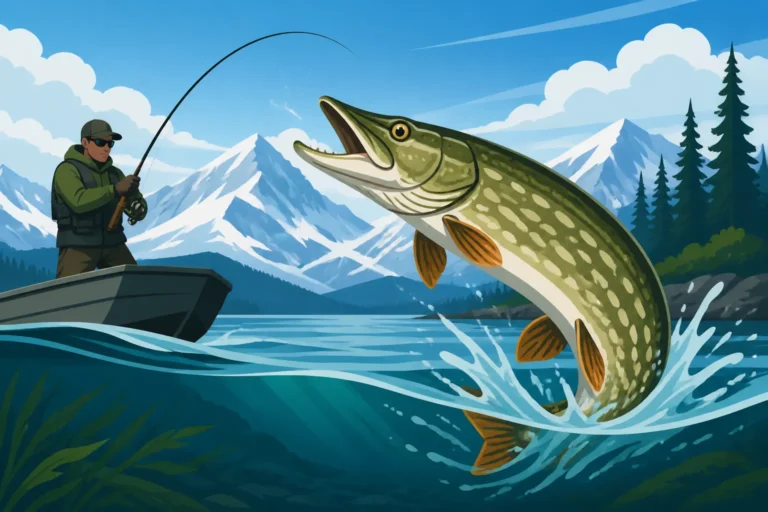
Sheefish are fascinating creatures, belonging to the whitefish subfamily of the salmon family, yet they behave much more like a pike or a trout. They are apex predators in their freshwater habitats, known for their aggressive strikes and acrobatic leaps when hooked. Unlike salmon, sheefish do not die after spawning, allowing them to grow to considerable sizes over many years. This unique life cycle contributes significantly to their potential for truly massive growth, often reaching lengths and weights that surprise even seasoned anglers. Their large, powerful tails and streamlined bodies are perfectly adapted for hunting smaller fish, making them formidable opponents on the line. They are often found in clear, cold rivers and lakes, thriving in environments that support a healthy population of baitfish.
The mystique surrounding sheefish is not just about their fight; it’s also about their elusive nature. They inhabit some of the most remote and pristine waters in Alaska, making a dedicated sheefish trip an adventure in itself. When you finally connect with one, the sheer power and speed they demonstrate leave an indelible memory, reinforcing their reputation as one of Alaska's most prized freshwater catches. If you're looking for more details on this elusive species, check out our guide on Alaska Sheefish: Facts, Season, and How to Catch.
Where Do Alaska Sheefish Live?
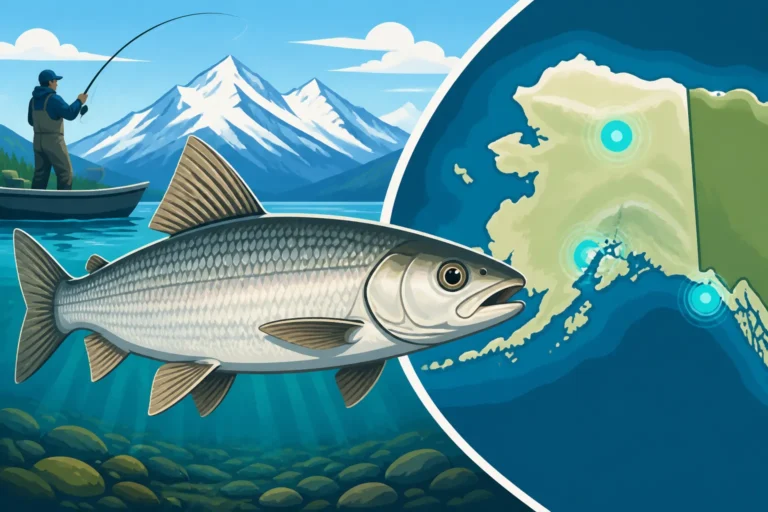
Sheefish are primarily found in the large river systems of Western and Interior Alaska, particularly those that drain into the Bering and Arctic Seas. Key areas include the mighty Yukon and Kuskokwim River systems, which offer extensive networks of rivers, sloughs, and lakes where sheefish thrive. The Kobuk River, flowing through Kobuk Valley National Park, is another renowned hotspot, famous for its strong runs of large sheefish. Other notable locations include the Selawik River, the Alatna River, and various tributaries of the Yukon.
These remote river systems provide the ideal environment for sheefish: abundant forage fish like ciscoes, pike, and young whitefish, along with vast stretches of undisturbed habitat. Their migratory patterns often involve moving from brackish estuaries into freshwater systems for spawning and feeding, covering impressive distances. Anglers often target them in specific areas where these migrations converge, such as river confluences or deep pools. Knowing the best time to fish in these regions can significantly increase your chances of encountering a trophy, and our guide on Where to Catch Sheefish in Alaska offers more granular detail on these prime locations.
Understanding Sheefish Size and Growth
When it comes to sheefish, stories of "the one that got away" are common, but what's a realistic expectation for their size, and how large can they truly become? Their growth is a testament to their longevity and the richness of Alaska's pristine waters.
Average Size and Weight for Anglers
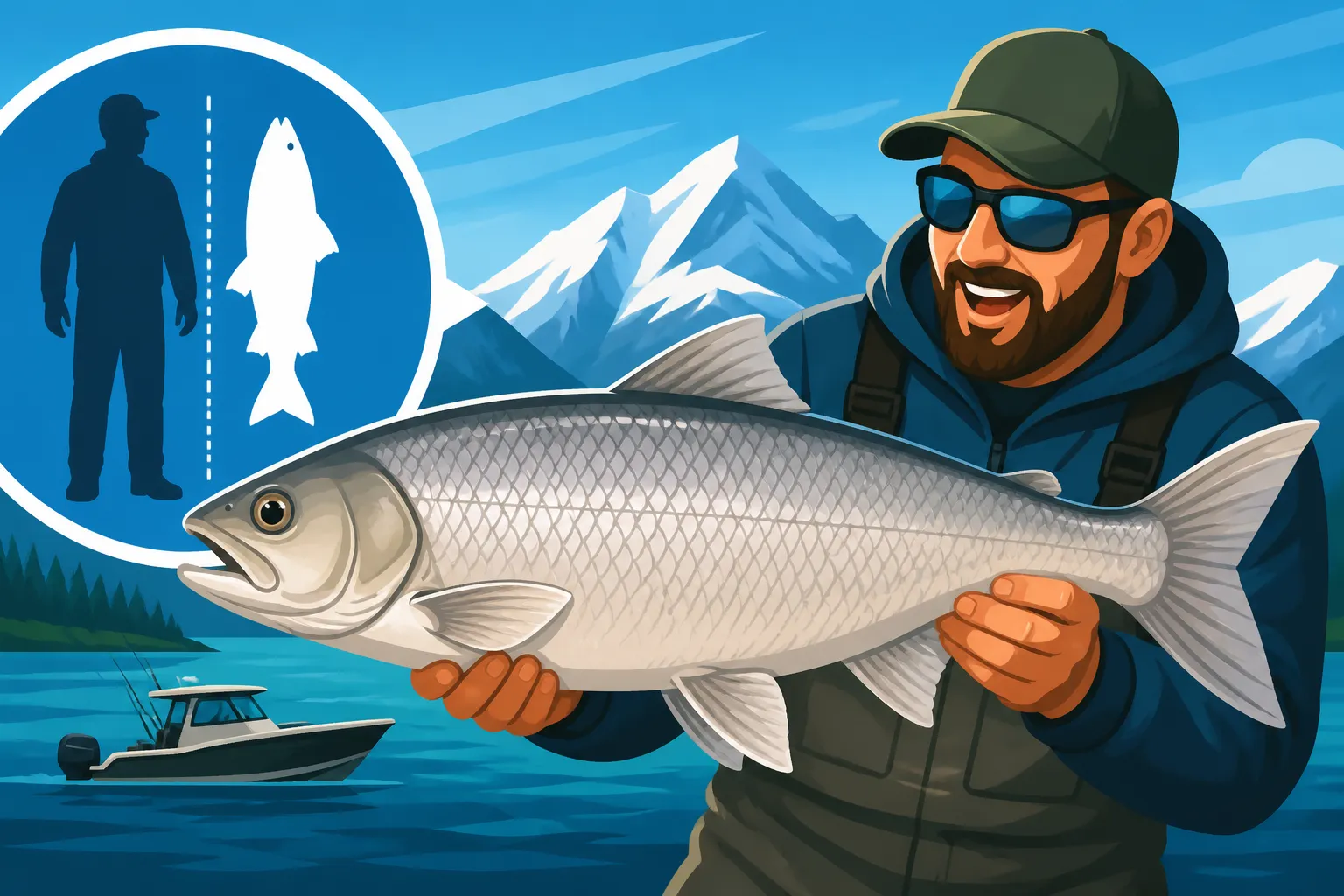
For most anglers venturing out specifically for sheefish in Alaska, a "good" fish typically falls within the 8 to 15-pound range, often measuring between 28 and 36 inches long. These are strong, healthy fish that provide an exhilarating fight, testing your gear and your resolve. Catching several fish in this size class on a trip is considered a successful outing, and for many, it’s a truly memorable experience. These average-sized sheefish are abundant in many of the key river systems during their feeding migrations.
However, don't be surprised if you hook into something a bit larger. Fish weighing 15 to 20 pounds, and stretching over 40 inches, are certainly within the realm of possibility, especially in well-known fisheries like the Kobuk River or certain sections of the Yukon. These are the fish that start to really earn the "Tarpon of the North" reputation, with runs that can strip line and powerful headshakes. When you're rigging up, consider using a medium-heavy spinning or casting rod with 20-30 lb braided line, readily available on platforms like Amazon, to handle these robust fighters.
The Pursuit of Trophy Sheefish
The term "trophy" in sheefish angling usually refers to fish exceeding 20 pounds, often pushing past the 40-inch mark, with some reaching an astonishing 45 inches or more. These are the true giants that make a sheefish expedition legendary. Landing a fish of this caliber requires patience, skill, and often a bit of luck, as they are not as numerous as their smaller counterparts. These larger fish are typically older, having survived many seasons in a challenging environment, and their experience makes them particularly cunning and hard to fool.
Anglers specifically targeting these trophy-class sheefish will often focus on specific times of the year and particular sections of rivers where larger fish are known to congregate. This usually involves understanding their migratory patterns, identifying prime feeding grounds, and using larger baits or lures. The fight from a 20+ pound sheefish is truly something to behold – imagine a freshwater fish capable of long, sustained runs and powerful surges, trying desperately to shake the hook. It's an adrenaline-fueled battle that can last upwards of 15-20 minutes, leaving you with sore arms and an unforgettable story.
Factors Influencing Sheefish Size
Several key factors contribute to how big an Alaska sheefish can ultimately get:
- Age and Longevity: Sheefish are relatively long-lived fish, with individuals known to reach ages of 20 years or more. Unlike salmon that die after spawning, sheefish can spawn multiple times throughout their lives, allowing them to accumulate mass over many seasons. The older they get, the larger they grow, assuming they avoid predators and disease.
- Food Availability: A consistent and abundant food source is critical for rapid growth. Sheefish are piscivores, meaning they primarily eat other fish. Rivers and lakes with healthy populations of ciscoes, smelts, pike fry, and other small baitfish provide the necessary calories for sheefish to reach impressive sizes. The sheer biomass of prey in Alaska's vast systems is a major advantage.
- Habitat Quality: Pristine, cold-water habitats with deep pools, strong currents, and ample cover provide ideal conditions for sheefish to grow and thrive. Areas with minimal fishing pressure and good water quality allow fish to reach their full potential. The remote nature of many Alaskan sheefish fisheries contributes to their ability to produce massive specimens.
- Genetics: Like all species, individual sheefish have genetic predispositions that can influence their maximum size. Some strains or populations may naturally grow larger than others, a characteristic passed down through generations.
- Water Temperature: While sheefish thrive in cold water, extremely cold temperatures can slow down their metabolic rate and, consequently, their growth. Optimal temperatures for feeding and growth allow them to pack on pounds more efficiently during the brief Alaskan summers.
World Records and Notable Catches
Every angler dreams of catching a record-breaking fish, and with sheefish, those dreams can become a reality in Alaska. The state is renowned for producing some of the largest sheefish ever recorded, solidifying its status as the premier destination for this species.
The All-Tackle World Record Sheefish
The current International Game Fish Association (IGFA) All-Tackle World Record for sheefish is an astounding 53-pound fish, measuring 47.5 inches in length. This colossal sheefish was caught by angler Larry Suydam on July 20, 1989, in the Pah River, a tributary of the Kobuk River system, near the village of Selawik. This record has stood for decades, a testament to the immense potential of Alaskan waters and the legendary status of its sheefish. Imagine reeling in a fish that weighs more than a small child!
This record-breaking catch highlights the fact that while 20-pounders are considered trophies, there are truly monstrous sheefish lurking in the depths. The Pah River, despite its remote location, remains a legendary spot for those seeking to challenge this incredible record. Anglers heading to these remote waters should be equipped with heavy-duty gear, reliable boats, and a strong sense of adventure. Considering the remoteness, having backup fishing line and spare hooks, perhaps ordered ahead from Amazon, is always a smart move.
Notable Catches by Alaska Anglers
Beyond the world record, numerous exceptional sheefish have been caught by both resident Alaskans and visiting anglers over the years. Many rivers, particularly the Kobuk and Yukon, regularly produce sheefish in the 30 to 40-pound class. These are not everyday catches, but they are certainly not unheard of, especially for anglers who dedicate significant time and effort to targeting them.
For instance, local guides in the Selawik and Kotzebue areas often tell tales of clients landing sheefish well into the high 30s. These fish often come from specific deep holes or eddies during the peak of their feeding migrations. Some local lodges, like those operating on the Kobuk River, have "wall of fame" photos displaying numerous fish exceeding the 25-pound mark, inspiring awe and setting high expectations for their guests. These anecdotal reports, combined with official records, paint a clear picture of the sheefish's incredible size potential in Alaska. Our guide on Alaska Trophy Fish Explained delves deeper into the pursuit of such remarkable catches across various species.
Here's a quick comparison of sheefish sizes:
| Category | Approximate Length Range (inches) | Approximate Weight Range (pounds) |
|---|---|---|
| Average Catch | 28 – 36 | 8 – 15 |
| Trophy Fish | 38 – 45+ | 20 – 40 |
| All-Tackle Record | 47.5 | 53 |
Fishing for Giant Sheefish
Targeting those truly massive sheefish requires more than just showing up; it demands strategy, the right gear, and a deep understanding of their habits. If you're serious about landing a personal best or even dreaming of a record, here's what you need to know.
Prime Locations for Larger Fish
As mentioned, the Kobuk, Selawik, and Yukon River systems are the undisputed champions for giant sheefish. Within these vast systems, specific areas tend to hold the larger specimens. Look for deep holes, confluences of major rivers and tributaries, and sections with strong current breaks that provide ambush points for these predatory fish. During their spawning migrations, which typically peak in late summer and early fall, sheefish move upstream in large numbers, making them more concentrated and accessible in certain areas. Understanding the specific Alaska Salmon Run Timing Explained for other species can also give clues about the overall health and productivity of these river systems, indirectly affecting sheefish.
The Lower Kobuk River, particularly areas around Kiana and Ambler, is legendary. Further upstream, towards the headwaters, the fish might be smaller but more numerous. The confluence of the Koyukuk River with the Yukon River is another prime location, offering vast feeding grounds. It's not just about the location, though, but also the timing. Focusing on the months of July through September generally offers the best chance at intercepting these larger, actively feeding fish. Researching specific fishing reports for these regions can provide up-to-the-minute intel on current hot spots.
Gear and Techniques for Big Sheefish
When you're chasing the "Tarpon of the North," you absolutely cannot skimp on your gear. These fish are powerful, and a standard trout setup simply won't cut it. You'll need equipment robust enough to withstand powerful runs and sudden, violent headshakes.
- Rods and Reels: A medium-heavy to heavy casting or spinning rod, typically 7 to 8 feet long, is ideal. Look for rods with a fast action to handle heavy lures and provide solid hooksets. Pair this with a high-quality baitcasting or spinning reel capable of holding at least 200-250 yards of 30-50 pound braided line. A good quality reel with a smooth, powerful drag system is paramount. Brands like Shimano, Daiwa, or Penn are reliable choices, and you can find a wide selection of suitable options on Amazon, often with helpful reviews.
- Line: Braided line in the 30 to 50-pound test range is highly recommended for its strength, sensitivity, and lack of stretch, which aids in hook setting. A fluorocarbon leader of 30-40 pounds, about 2-3 feet long, is good for abrasion resistance and stealth.
- Lures: Sheefish are aggressive predators, so flashy, erratic lures that imitate baitfish are incredibly effective. Large spoons (1-2 oz) in silver, blue, or chartreuse colors, heavy jigs with plastic tails, and diving crankbaits (like a Bomber Long A or a Kwikfish in larger sizes) that can get down to deeper depths are go-to choices. The action of the lure is more important than the exact pattern, as sheefish react strongly to vibration and flash. Don't be afraid to use larger lures; remember, you're targeting big fish.
- Techniques: Trolling large crankbaits or spoons in deep channels and along current breaks can be highly productive, especially from a boat. Casting and retrieving spoons or jigs in known holding areas, focusing on varying your retrieve speed to mimic an injured baitfish, is another effective method. Drift fishing with large chunks of cut bait, such as whitefish or cisco, can also tempt reluctant giants. Our detailed guide on How to Catch Sheefish in Alaska offers more nuanced techniques for success. You might also want to check out Alaska Fishing Gear and Tackle Guide for a broader overview of recommended equipment for various species.
Sheefish Conservation and Responsible Angling
While the pursuit of large sheefish is exciting, it's crucial to practice responsible angling to ensure these magnificent fish continue to thrive for future generations. Alaska's fisheries are managed by the Alaska Department of Fish and Game (ADF&G), and adhering to regulations is non-negotiable.
Understanding Regulations and Limits
Sheefish regulations, including bag and possession limits, can vary by region and even by specific river system. It is absolutely essential to consult the current Alaska Fishing Regulations Explained booklet or the ADF&G website before embarking on your trip. Pay close attention to any emergency orders, which can change limits or close fisheries with little notice, often due to conservation concerns. For example, some areas might have specific bait restrictions or gear limitations to protect other species or ensure sustainable sheefish populations.
Typically, sheefish limits are fairly generous compared to salmon, reflecting their healthy populations in many areas. However, larger, older sheefish are vital to the breeding stock. Practicing catch-and-release for these trophy-sized specimens, especially if you've already met your harvest goals for smaller fish, is a highly recommended conservation practice. Handle fish gently, minimize their time out of water, and use proper release techniques to maximize their survival chances. For further details on responsible practices, our guide on Alaska Catch-and-Release Best Practices is an excellent resource.
Protecting Sheefish Habitat
The remote, pristine nature of sheefish habitat is a significant factor in their ability to reach impressive sizes. Protecting these environments is paramount. This means practicing "leave no trace" principles: pack out everything you pack in, avoid disturbing riparian zones, and be mindful of your boat's impact on shallow spawning or rearing areas.
Pollution, habitat degradation, and climate change all pose threats to sheefish populations. By supporting conservation efforts, adhering to regulations, and advocating for the protection of Alaska's wild rivers, anglers play a direct role in safeguarding the future of these incredible fish. Respecting the local communities and their subsistence traditions in these remote areas is also a crucial part of responsible angling. Many of the best sheefish spots are within or near Native Alaskan lands, where fishing has been a way of life for millennia.
Disclaimer
Please remember that fishing conditions, regulations, and fish populations can change rapidly in Alaska due to environmental factors and management decisions. Always consult the latest Alaska Department of Fish and Game regulations and emergency orders before planning and executing any fishing trip. Safety should always be your top priority when venturing into Alaska's wilderness.