Alaska Salmon Shark Explained
If you've ever cast a line in Alaska's vast saltwater or even just dreamed about it, chances are you've heard whispers of some truly formidable creatures lurking beneath the waves. One such apex predator that often sparks both awe and a little bit of apprehension is the salmon shark. Many anglers feel a mix of excitement and unease when these powerful, torpedo-shaped sharks are mentioned, often wondering how they fit into the ecosystem and if they pose any threat. This comprehensive guide aims to demystify the Alaska salmon shark, exploring its characteristics, behavior, and what it truly means for those of us who love to fish in these pristine waters.
Understanding the Enigmatic Alaska Salmon Shark
The Alaska salmon shark, scientifically known as Lamna ditropis, is a fascinating and often misunderstood marine creature that truly embodies the wild spirit of the Last Frontier. They are built for speed and power, perfectly adapted to hunt in the cold, nutrient-rich waters of the North Pacific. For many, the sight of their dorsal fin breaking the surface can be startling, but understanding these sharks helps us appreciate their vital role.
Physical Characteristics and Identification
Imagine a shark that looks like a miniature great white, but with an even more robust and stocky build – that's essentially a salmon shark. They are often confused with their larger, more infamous cousins due to their similar body shape and powerful tail fin. However, there are distinct differences if you know what to look for.
Salmon sharks typically grow to an impressive size, with adults commonly reaching 6.5 to 8.5 feet in length and weighing between 220 and 485 pounds. Some larger individuals have been reported, pushing over 10 feet and nearing 1,000 pounds! Their coloring is usually dark bluish-gray to black on top, fading to a stark white on their belly, often with blotchy dark spots on the ventral side in adults. This countershading helps them blend into the dark depths when viewed from above and the bright surface when viewed from below, making them incredibly effective ambush predators. Their powerful crescent-shaped tail, often called a lunate tail, is perfectly designed for bursts of speed to chase down fast-moving prey. Unlike many other sharks, salmon sharks are endothermic, meaning they can maintain a body temperature warmer than the surrounding water, a crucial adaptation that allows them to thrive in the frigid waters of Alaska, giving them an advantage when hunting cold-blooded prey.
Habitat and Range in Alaskan Waters
Salmon sharks are pelagic, meaning they live in the open ocean, but they are frequently found in coastal waters and even bays across Alaska, particularly where their namesake prey congregates. You’ll find them patrolling the waters of the Gulf of Alaska, Prince William Sound, and along the Aleutian Islands, extending all the way into the Bering Sea. They prefer water temperatures between 36 and 75 degrees Fahrenheit, making Alaska's productive waters an ideal hunting ground.
During the massive salmon runs that Alaska is famous for, these sharks can become more concentrated in certain areas, following the abundant food source. For example, during the peak of the Alaska Salmon Run Timing Explained, especially for sockeye and coho salmon, you might see them more frequently near river mouths or along migratory routes in saltwater. Their presence is a testament to the health and abundance of Alaska’s marine ecosystems, indicating a robust food web that supports these top predators. They are truly an integral part of the dynamic Alaska Saltwater Fish Species community, often traveling vast distances to follow their prey.
Diet and Feeding Habits
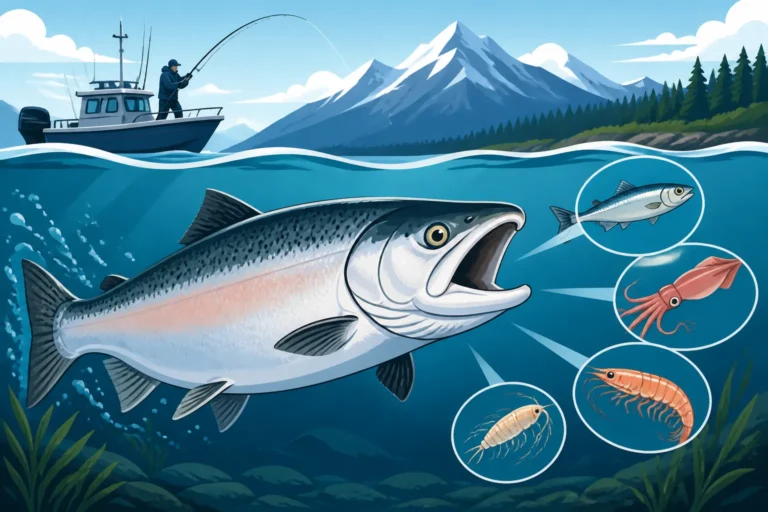
As their name suggests, salmon are a primary food source for salmon sharks. They are opportunistic predators, however, and their diet is actually quite diverse. Besides king, sockeye, and silver salmon, they also actively feed on other schooling fish like herring, pollock, and sablefish. They have also been known to prey on squid and even smaller sharks.
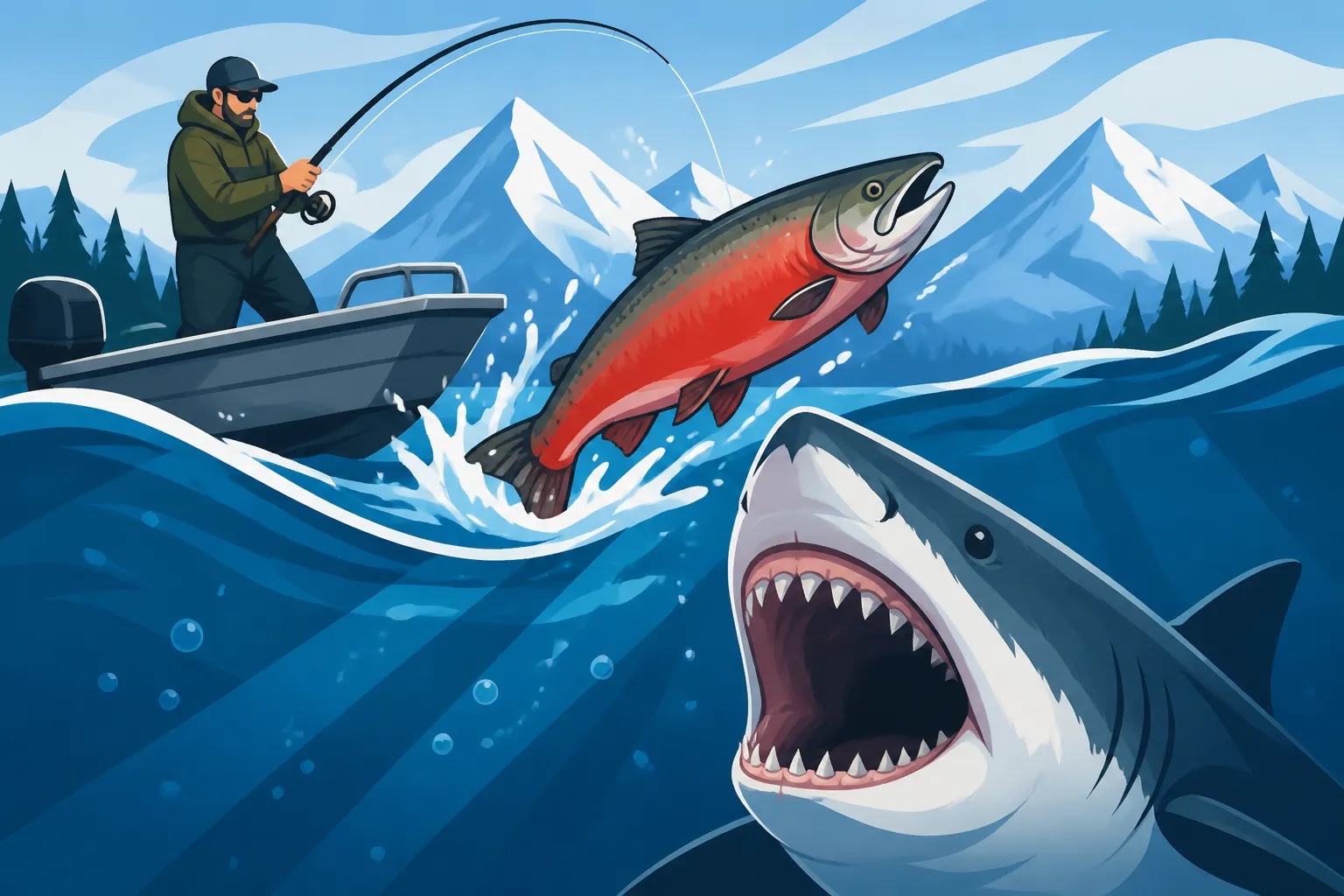
Their hunting strategy is impressive. With their incredible speed and keen senses, they can locate and ambush schools of fish. Sometimes, they might even target larger, solitary fish. Anglers fishing for halibut or salmon might occasionally see a salmon shark darting through a school of baitfish or even chasing a hooked fish near the boat. This behavior highlights their voracious appetite and powerful predatory instincts, reminding us just how active and alive the ocean truly is. The efficiency of their hunting contributes significantly to the overall marine ecosystem, helping to keep fish populations balanced and healthy, even if it sometimes means a lost catch for an unlucky angler.
Encounters with Salmon Sharks: Separating Fact from Fiction
The word "shark" often conjures images of aggressive predators from Hollywood movies, leading to understandable anxiety when encountering one in the wild. While salmon sharks are powerful apex predators, their reputation is often exaggerated, especially regarding human interaction. Understanding their true behavior is key to feeling more comfortable and respectful in their presence.
Are Salmon Sharks Dangerous to Humans?
This is the big question everyone asks, and it’s a valid one. The simple answer is: extremely rarely. Despite their impressive size and formidable appearance, salmon sharks are not considered a significant threat to humans. There have been no confirmed, unprovoked fatal attacks on humans by salmon sharks. While there have been a few isolated incidents where a salmon shark bumped or investigated a diver or a fishing boat, these encounters are typically exploratory rather than aggressive.
These sharks are built to hunt fish, not people. Their primary motivation is finding food, and humans are simply not on their menu. Most interactions occur when a shark is investigating potential prey or is accidentally caught by anglers. It's crucial to remember that any large wild animal deserves respect and space. If you encounter a salmon shark while swimming or diving (which is highly unlikely in the cold waters they inhabit), the best practice is to remain calm, avoid sudden movements, and slowly create distance. Just like encountering a bear on land, giving them space is paramount for safety. You wouldn't want to get between a bear and its food, and the same goes for a shark.
Common Misconceptions and Realities
There are several myths surrounding salmon sharks, largely fueled by their resemblance to great whites and the general fear of sharks.
- Myth 1: They are aggressive man-eaters.
- Reality: As discussed, unprovoked attacks are virtually nonexistent. They are powerful predators, but their predatory focus is on marine life.
- Myth 2: They are constantly patrolling near popular fishing spots, looking for boats.
- Reality: While they do follow salmon runs, they are not specifically targeting boats or anglers. They are after the fish. Encounters near boats are usually coincidental, often when they are feeding on a salmon that's already hooked, or investigating an unusual disturbance.
- Myth 3: Seeing one means the water is unsafe.
- Reality: Seeing a salmon shark is often a sign of a healthy and vibrant ecosystem. It means there's a thriving food chain supporting these top-tier predators.
It’s important to approach any wildlife encounter with knowledge and respect. The vast majority of people who fish or recreate in Alaska's waters will never have a close encounter with a salmon shark, and those who do typically find it to be a thrilling, albeit brief, experience. Understanding the true nature of these creatures can help alleviate unnecessary fear and foster a greater appreciation for their place in the ocean.
Fishing for Salmon Sharks in Alaska: A Niche Pursuit
For the dedicated and adventurous angler, targeting salmon sharks can be a thrilling and unique experience. It's not your typical salmon or halibut trip, but for those seeking a true challenge and an opportunity to encounter one of Alaska's most powerful fish, it's an option. However, it requires specialized gear, knowledge, and a strong commitment to ethical fishing practices.
Regulations and Conservation Concerns
Before you even think about casting a line for a salmon shark, it’s absolutely critical to be aware of the specific Alaska Fishing Regulations Explained that apply. While salmon sharks are not typically under severe conservation pressure in Alaska, rules and guidelines are in place to ensure sustainable fishing. These regulations can change, so always consult the latest Alaska Department of Fish and Game (ADF&G) regulations booklet for the most up-to-date information.
Key considerations often include:
- Harvest Limits: There might be daily or annual bag limits, or restrictions on size.
- Gear Restrictions: Certain types of gear, like treble hooks or gaffs, might be prohibited or regulated.
- Seasonality: While generally available year-round, local regulations might impose closures.
- Reporting: Anglers might be required to report any salmon sharks caught, even if released, to help biologists monitor populations.
Many anglers who target salmon sharks practice catch-and-release to ensure the long-term health of the population. If you do plan to release a shark, ensure you have the proper tools for a quick and safe release, minimizing stress on the fish. This aligns with broader Alaska Catch-and-Release Best Practices for all species.
Techniques and Gear for Shark Angling
Fishing for salmon sharks is not for the faint of heart or light tackle. These are incredibly strong, fast, and resilient fish that will test your equipment and your endurance. You'll need heavy-duty gear designed to handle large, powerful saltwater species.
- Rods and Reels: Think big game. You'll need stout rods, often 6 to 8 feet long, with a heavy action, rated for 80-130 lb line. Paired with this, a large conventional reel, like a Penn International, Shimano Tiagra, or Daiwa Saltiga, capable of holding several hundred yards of heavy braided line (80-150 lb test) is essential. Make sure your reel has a smooth, powerful drag system.
- Line and Leaders: Braided line is popular for its strength-to-diameter ratio, but a monofilament topshot can add some stretch. A heavy monofilament or fluorocarbon leader (200-400 lb test) is crucial to prevent abrasion from the shark’s rough skin and powerful tail. Steel leaders, typically wire leader (200-400 lb test), are absolutely necessary to prevent the shark's sharp teeth from cutting your line. You can find pre-made heavy-duty steel leaders and crimping sleeves on sites like Amazon, making it easier to assemble your rigs.
- Hooks: Large, strong circle hooks are generally preferred for salmon shark fishing. Circle hooks are designed to hook in the corner of the shark's mouth, minimizing the chance of gut-hooking and increasing the survival rate for released fish. Sizes typically range from 16/0 to 24/0.
- Bait: Fresh, oily fish are king. Large pieces of salmon (cut into steaks or whole small salmon), halibut scraps, or even whole herring or mackerel are excellent choices. The scent trail from these baits can draw sharks from a distance.
- Chumming: Many shark anglers use a chum bag filled with fish guts, blood, and chopped bait to create a scent slick in the water, attracting sharks to the area.
This kind of specialized Alaska Fishing Gear and Tackle Guide isn't what you'd typically use for trout or even most salmon species, highlighting the unique nature of this pursuit.
Best Practices for Catch and Release
If you're targeting salmon sharks, especially if you intend to release them, responsible angling is paramount. These are magnificent creatures, and their well-being should be a top priority.
- Proper Tools: Have long-handled de-hookers, bolt cutters (for cutting the hook if necessary), and a tail rope or sturdy landing net ready. Avoid gaffing if you plan to release.
- Minimize Fight Time: Use appropriate heavy tackle to land the fish as quickly as possible, reducing exhaustion.
- Keep the Shark in Water: Whenever possible, keep the shark in the water alongside the boat. If it must be brought aboard, do so quickly and keep it wet. A strong tail rope can help secure it for quick de-hooking.
- Quick Release: De-hook the shark swiftly and carefully. If the hook is deeply set and you cannot remove it without causing significant harm, cut the leader as close to the hook as possible. Circle hooks will often rust out over time.
- Revival: If the shark is exhausted, hold it upright in the water with water flowing over its gills until it regains strength and can swim away under its own power.
- Safety First: Remember, these are powerful animals. Their tail can cause serious injury, even out of the water. Always prioritize your safety and the safety of your fellow anglers.
Engaging in ethical practices ensures that these incredible creatures continue to thrive in Alaska's marine environment for generations to come.
The Salmon Shark's Place in Alaska's Marine Ecosystem
Every creature, no matter how large or small, plays a role in the intricate web of life. The salmon shark, as an apex predator, holds a particularly important position in Alaska's marine ecosystem, influencing the health and balance of fish populations.
Role as an Apex Predator
Salmon sharks sit at the top of the food chain in their environment. As such, they exert top-down control on the populations of the fish they prey upon, including various species of salmon, herring, and pollock. By hunting and consuming weaker or less agile individuals, they contribute to the "natural selection" process, helping to maintain healthy and robust fish stocks. This role is crucial for preventing overpopulation of certain species and ensuring that the overall ecosystem remains balanced.
Their presence signifies a healthy and productive marine environment. If salmon shark populations were to decline drastically, it could potentially lead to cascading effects throughout the food web, impacting other species that compete for the same food sources or are preyed upon by the fish that salmon sharks consume. They are a vital part of what makes Alaska Fish Species Guide so diverse and dynamic. Without them, the entire system would look quite different.
Impact on Other Fish Populations and the Food Web
The dietary habits of salmon sharks directly impact the abundance and distribution of their prey. During peak salmon runs, their concentrated feeding can naturally thin out salmon numbers, which, while sometimes frustrating for anglers hoping to fill their freezers, is a natural and necessary ecological process. This pressure helps prevent individual rivers or spawning grounds from becoming oversaturated, potentially impacting future generations of salmon by reducing competition for resources.
Consider their impact on other species like pollock, a foundational species in many marine food webs. By consuming pollock, salmon sharks influence the availability of this prey for other predators, and also help control pollock populations, preventing them from overwhelming other species that rely on the same resources. It’s a delicate balance, and the salmon shark plays a critical role in maintaining that equilibrium. Understanding these complex relationships is key to appreciating the entirety of the Alaskan fishing experience, from targeting a prized king salmon to encountering one of its most formidable predators.
Disclaimer
The information provided in this guide is for general informational purposes only and is based on current scientific understanding and typical regulations. Alaska fishing regulations, including those pertaining to salmon sharks, are subject to change. Always consult the latest official regulations from the Alaska Department of Fish and Game (ADF&G) before planning any fishing trip. Safety should always be your top priority when interacting with wildlife.