Why Pink Salmon Are Called Humpies
There's nothing quite like the feeling of reeling in a salmon in Alaska, but if you've ever spent time on the rivers or out on the saltwater here, you've probably heard the term "Humpy" thrown around. It can be a little confusing for newcomers, wondering if it's a different species entirely or just a nickname. This guide is here to clear up that mystery, explaining exactly why pink salmon earn their distinctive moniker and what makes them such a unique and prolific part of Alaska's incredible fisheries.
The Distinctive Physical Transformation of Pink Salmon
The reason pink salmon are affectionately, or sometimes derisively, called "Humpies" becomes incredibly clear once you see them during their spawning run. These fish undergo some of the most dramatic physical transformations of any salmon species as they prepare to fulfill their biological imperative. It's a truly wild sight to behold, and it’s these changes that give them their memorable nickname.
The Spawning Journey's Dramatic Changes
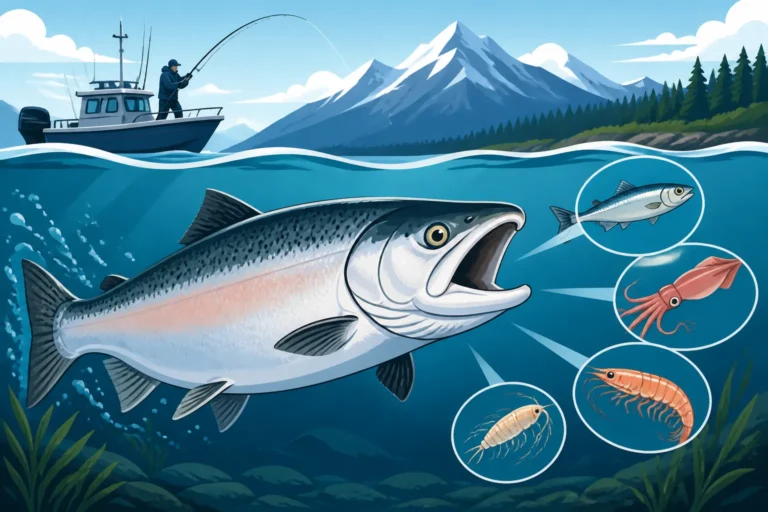
When pink salmon, or Oncorhynchus gorbuscha, first enter freshwater from the ocean, they're typically sleek, silver-sided torpedoes. They're built for speed and survival in the vast Pacific, with minimal ornamentation. But as they journey upstream, often into the smaller, shallower rivers and streams of Alaska, their bodies begin to morph in preparation for spawning. This isn't just a cosmetic change; it's a profound physiological shift driven by hormones and the urgent need to attract a mate and defend territory. They stop feeding once they enter fresh water, dedicating all their remaining energy reserves to the arduous task of reproduction. This entire process, from the initial silver phase to the dramatic spawning colors, is a crucial part of their two-year lifecycle, which is shorter and more predictable than other salmon species.
The Iconic Dorsal Hump Development
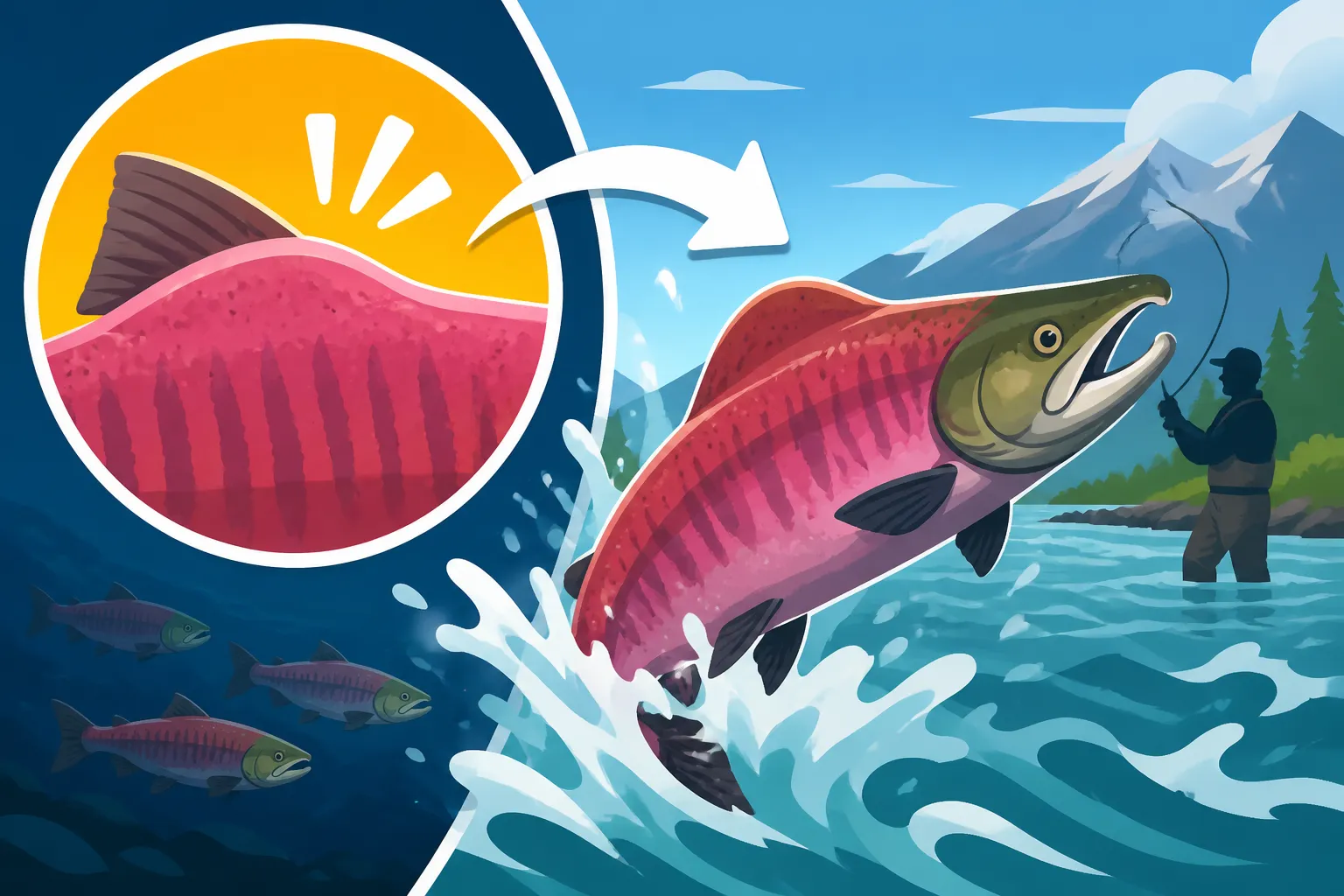
The most striking and defining characteristic that earns pink salmon the "Humpy" name is the massive, exaggerated hump that develops on the backs of the males. This dorsal hump begins to grow shortly after they enter freshwater, becoming more pronounced as they approach their spawning grounds. Imagine a normal fish shape, then picture a huge, almost grotesque, fleshy protuberance rising dramatically from just behind the head, arching high over their spine. It's truly a sight to behold, and for many, it's the definitive sign that the "Humpy" run is on!
This hump serves a crucial purpose: intimidation and display. In the competitive world of salmon spawning, the biggest, most aggressive males often get the best opportunities to mate. A larger hump signals dominance and strength to rival males, often allowing them to secure prime redds (spawning nests) with females. It's a natural form of sexual selection, where this exaggerated feature plays a key role in reproductive success. While females also undergo color changes, their physical shape remains much more streamlined, lacking the pronounced hump of their male counterparts. This differentiation is a key element in How to Identify Alaska Salmon Species.
Beyond the Hump: Other Identifiers for Pink Salmon
While the hump is the standout feature for male pink salmon during spawning, there are several other distinct characteristics that help identify them. These traits, when combined, make it relatively easy to distinguish them from other salmon species, even when the hump isn't fully developed or if you're looking at a female. Understanding these nuances can greatly enhance your Alaska Fishing Techniques Explained and appreciation for these prolific fish.
Coloration Changes During Spawning
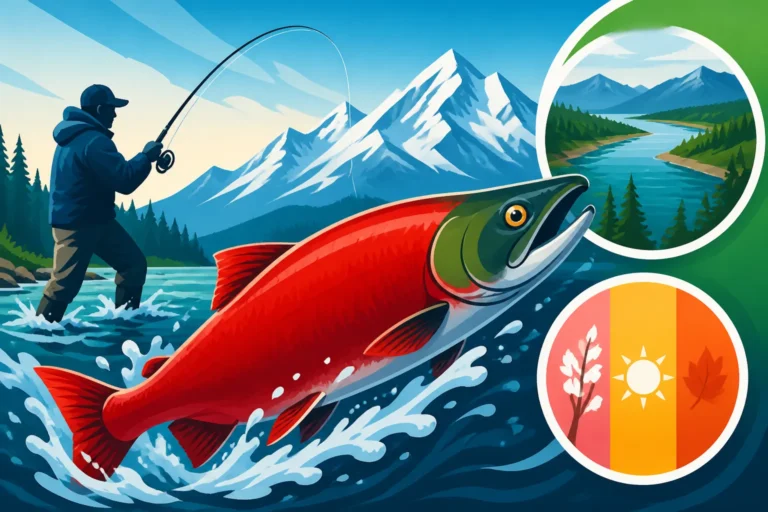
Before they enter rivers, pink salmon are a brilliant, almost iridescent silver with a darker back, similar to many ocean-phase salmon. However, as they transition into their spawning phase in fresh water, their appearance undergoes a dramatic shift. Their sides often turn a mottled mix of olive-green, brown, and even black, sometimes with a yellowish-white belly. They develop faint vertical bars or blotches along their sides, giving them a somewhat camouflaged, almost prehistoric look. This vibrant, sometimes almost garish, coloring helps them blend in with the riverbed and foliage, but also serves as a visual signal during courtship.
Spotting and Fin Characteristics
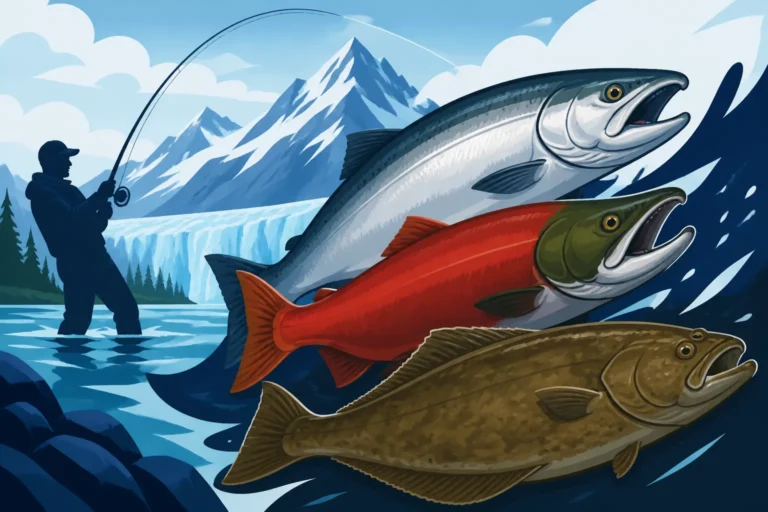
Another unmistakable identifier for pink salmon is their spotting pattern. They possess large, oval-shaped spots, particularly prominent on their dorsal fin and their entire caudal (tail) fin. These spots are typically darker than the surrounding body color. When you're trying to figure out which salmon you've just hooked, check the tail — if it's peppered with large, distinct black spots, especially the upper lobe, you're almost certainly looking at a Humpy. In contrast, other salmon species like sockeye have virtually no spots on their tails, and coho salmon might have spots, but they are usually smaller and only on the upper lobe. This makes them stand out among Types of Salmon in Alaska Explained.
| Feature | Pink Salmon (Humpy) | Sockeye Salmon | Coho Salmon | King Salmon |
|---|---|---|---|---|
| Spawning Body Color | Mottled olive-green, brown, black; white belly | Bright red body, green head | Reddish-maroon sides, dark back, often faded | Dark olive, brown, or black, often with reddish mottling |
| Male Hump | Very pronounced, especially during spawning | Slight hump, not as pronounced | Moderate hump, less prominent than pinks | Moderate hump, robust body |
| Tail Spots | Large, distinct oval spots on entire tail and dorsal fin | No spots on tail or dorsal fin | Small spots on upper lobe only of tail, sometimes dorsal | Irregular black spots on both lobes of tail, dorsal |
| Mouth/Gums | White mouth, black tongue, no teeth on tongue | White mouth, white gums, no teeth on tongue | White mouth, white lower gums, black upper gums | Dark mouth, black gums, black tongue, teeth on tongue |
| Average Size (lbs) | 3-5 lbs (ocean phase); smaller on spawning grounds | 6-12 lbs | 7-15 lbs | 20-30 lbs (can be much larger) |
| Life Cycle | Fixed 2-year life cycle | Typically 3-5 years | Typically 3 years | Typically 4-7 years |
Size and Lifecycle Nuances
Pink salmon are generally the smallest of the Pacific salmon species, usually weighing between 3 to 5 pounds in the ocean, though they can reach up to 12 pounds. Once they enter freshwater and stop feeding, they begin to lose condition, becoming even lighter. This smaller size, combined with their characteristic hump and spotting, makes them fairly easy to identify.
What's truly unique about Humpies is their incredibly consistent two-year life cycle. This means that if you have a strong run one year, you can almost guarantee another strong run of their offspring two years later. This predictability is why you often hear about "even-year" or "odd-year" runs, with some rivers experiencing massive returns predominantly in one of those cycles. For example, some rivers like the Kenai Peninsula see strong runs every odd year, while others in Prince William Sound might have strong even-year runs. This consistent cycle means that every single pink salmon born in a given year will return to spawn exactly two years later, a biological marvel that underpins their incredible abundance. You can learn more about specific timing in When Do Pink Salmon Run in Alaska.
The Ecological Role and Fishing Experience of Humpies
Pink salmon, or Humpies, might be the smallest of the Pacific salmon species, but what they lack in individual size, they more than make up for in sheer numbers. Their incredible abundance makes them a vital part of Alaska's ecosystem and offers a unique fishing experience that's both accessible and action-packed.
Abundance and Importance in the Ecosystem
When the Humpies show up, they often arrive in astronomical numbers. We're talking about millions upon millions of fish crowding into rivers, estuaries, and even small streams. This massive influx of biomass plays an absolutely critical role in the Alaskan ecosystem. They are a primary food source for a vast array of wildlife, from bears and eagles to seals and other marine mammals. You’ll often see coastal brown bears lining the rivers during a strong pink salmon run, feasting on the easily catchable fish. Even the decaying carcasses of spawned-out salmon enrich the riparian zones, providing essential nutrients to the forest and insect populations. This nutrient cycling is vital for the health of the entire watershed, making the Humpy run an ecological cornerstone. Without these teeming numbers, many other species would struggle to survive.
Fishing for Pink Salmon: Tips and Techniques
Fishing for Humpies is often described as an incredible experience, especially for beginners or families, because of their sheer numbers. When they're in, they're in, and it's not uncommon to hook a fish on nearly every cast. While they might not offer the same grueling fight as a King Salmon, they are aggressive biters and can provide constant action, which is fantastic for keeping kids engaged!
When targeting pink salmon in rivers, light to medium spinning tackle is usually sufficient. Think spinning rods in the 7-8 foot range, paired with a reel spooled with 10-15 pound test line. They are particularly fond of bright, flashy lures. Small pink or chartreuse spinners like a size 3 or 4 Rooster Tail or a Pixie Spoon are deadly effective. Many anglers also find success with pink or chartreuse flies when fly-fishing. Even a simple lead-head jig with a pink or white grub can be incredibly effective. Sometimes, their aggressive nature means they'll hit almost anything bright and flashy that passes by!
Remember, while the fishing can be fast and furious, always be mindful of Alaska Fishing Regulations Explained and daily bag limits. Catch and release practices should always be handled with care, especially for fish you don't intend to keep, though with Humpies, many anglers are there to fill their freezers. You can find a good selection of gear, including specific pink salmon lures, on platforms like Amazon if you're looking to stock up before your trip. For more in-depth advice on what to use, check out our guide on Best Lures and Bait for Alaska Pink Salmon.
Culinary Qualities and Misconceptions
There's a common misconception that pink salmon aren't good eating, especially compared to their larger, fattier cousins like Kings or Sockeye. And while it's true that their meat is paler and has a milder flavor, often due to their lower fat content, they are absolutely delicious when handled correctly! The key is to catch them fresh, preferably in the saltwater or very early in their freshwater migration, before they start their dramatic spawning transformation. At this stage, their flesh is still firm and vibrant, with a delicate flavor.
As they progress upriver and develop their hump, their flesh does soften and can become a bit mushy, which is where some of the negative perceptions come from. However, even these later-run fish are excellent for smoking, canning, or making fish patties. The milder flavor also makes them a fantastic canvas for various seasonings and marinades. So don't dismiss the Humpy as table fare; just know when and how to best utilize your catch! For more details on this, you might find Are Alaska Pink Salmon Good to Eat helpful. They're a sustainable, abundant resource that can provide many delicious meals if you approach them with the right expectations and preparation.
Disclaimer
Please remember that Alaska fishing regulations, seasons, and emergency orders can change frequently. Always consult the most current Alaska Department of Fish and Game (ADF&G) regulations booklet or their website before heading out on any fishing trip. This information is for general guidance and educational purposes only.