Alaska Rainbow Trout Size Record
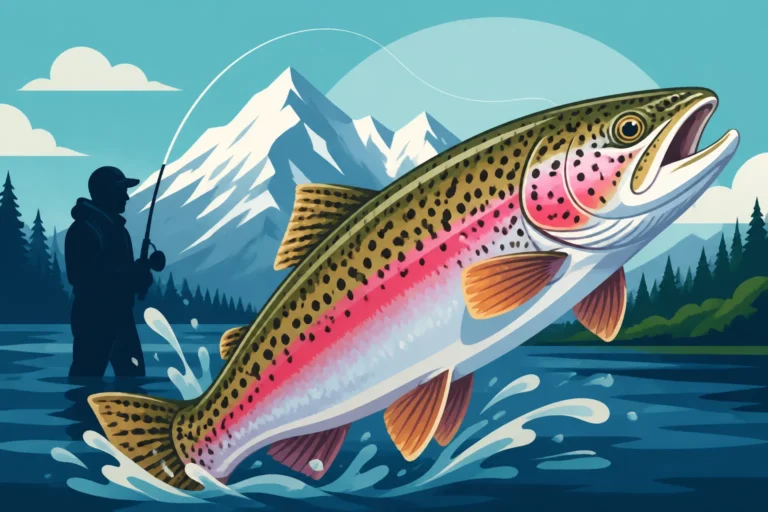
The dream of hooking into a truly monumental rainbow trout, one that bends your rod to its breaking point and pushes the limits of your tackle, is a powerful draw for anglers visiting Alaska. While many come for the salmon, the sheer size and fighting prowess of a trophy Alaskan rainbow trout often steal the show. This guide delves into the impressive world of Alaska's largest rainbow trout, exploring the state record, the factors that create such behemoths, and how you might just land a personal best yourself.
The Lure of the Alaska Rainbow Trout Record
For many, Alaska isn't just a fishing destination; it's a pilgrimage to a wild frontier where fish grow to legendary proportions. While the pursuit of salmon is often the primary goal, the quest for a record-breaking rainbow trout holds a special place in the hearts of dedicated anglers. There's something truly magical about these vibrant, powerful fish that thrive in Alaska's pristine waters.
Current State Record for Rainbow Trout in Alaska
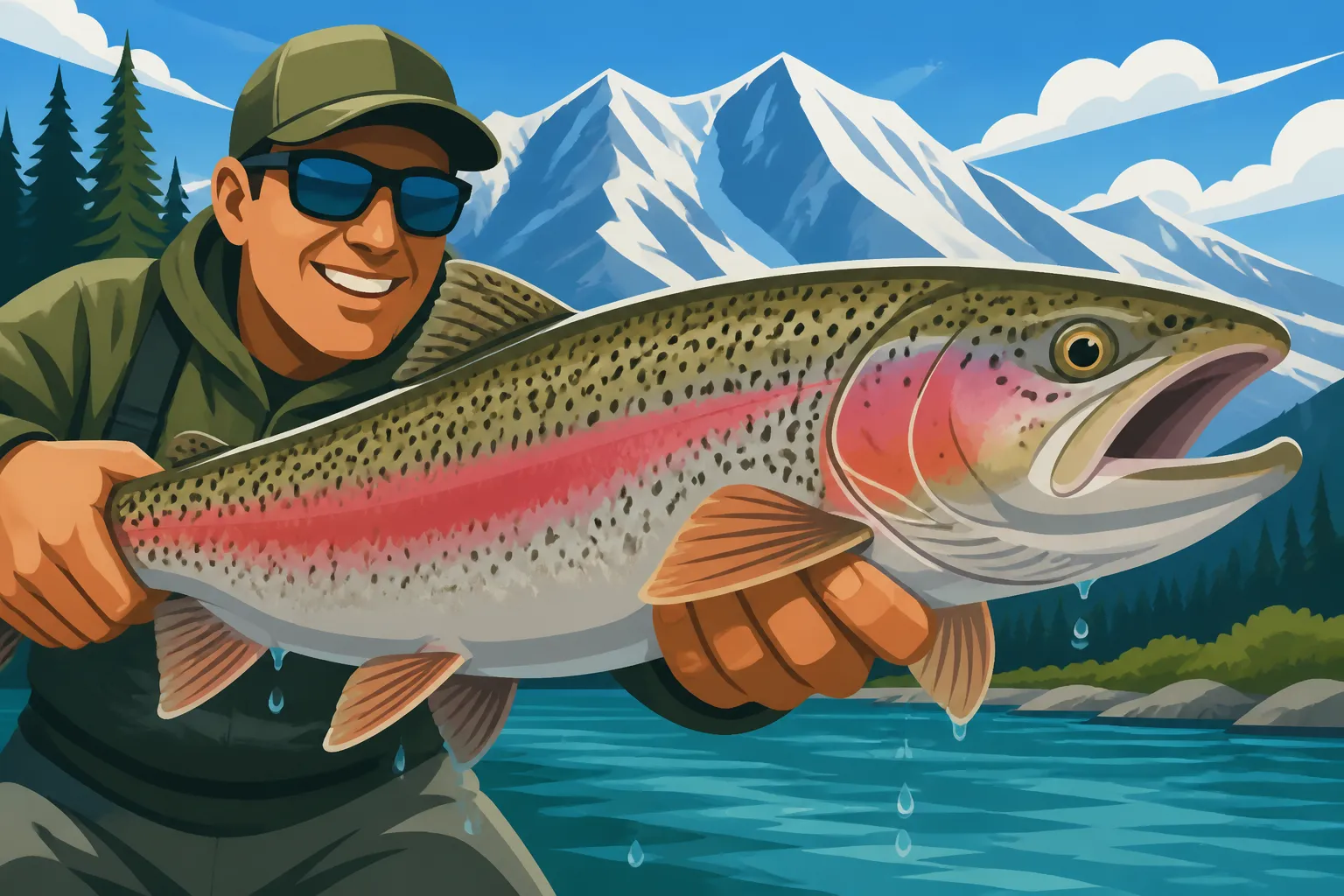
Let's talk about the big one – the official Alaska state record for rainbow trout. This isn't just some fish tale; it's a documented feat that stands as a testament to the incredible potential of Alaska's fisheries. The current state record for rainbow trout, as recognized by the Alaska Department of Fish and Game (ADF&G), weighed a staggering 21 pounds, 14 ounces. This behemoth was caught by David White in 1989 from the famous Lake Iliamna, a vast freshwater lake in the Bristol Bay region known for producing monstrous fish.
Imagine the fight, the sheer power required to land a fish of that magnitude! It speaks volumes about the health and richness of the waters where such giants can thrive. While many anglers chase the various species of salmon, the elusive nature and formidable size of these record-class rainbows make them an incredibly prized catch. Breaking this record is a monumental challenge, requiring not only skill and patience but also a good measure of luck, being in the right place at the right time.
Why Alaska Grows Such Large Rainbow Trout
So, what's the secret sauce that allows Alaska to produce such gargantuan rainbow trout? It’s a combination of unique environmental factors, an incredibly rich food web, and the inherent genetics of its native fish populations. Unlike many Lower 48 rivers where rainbow trout might reach a respectable 20-25 inches, Alaska's wild systems consistently kick out fish well beyond that, often into the high 20s and even 30-inch range.
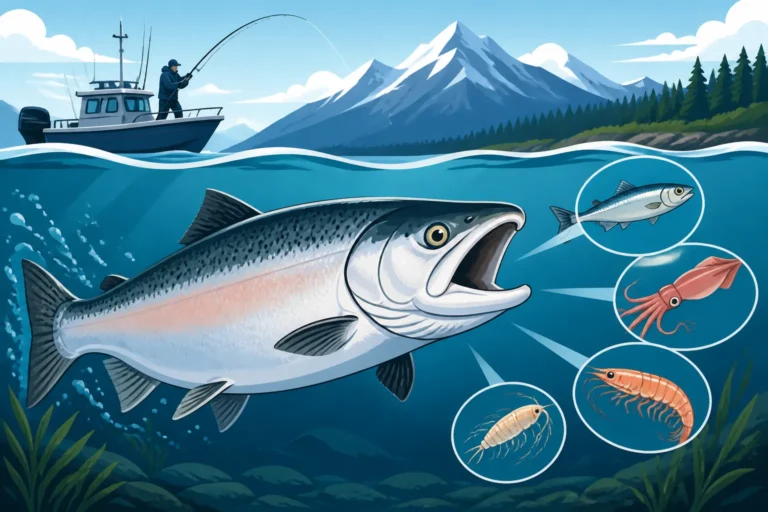
The primary driver for this exceptional growth is the sheer abundance of food, particularly salmon eggs and smolt. When millions of salmon return to spawn each year in rivers like the Kenai River or those flowing into Bristol Bay, they create an all-you-can-eat buffet for resident rainbow trout. These trout gorge themselves on protein-rich eggs, quickly putting on weight and growing rapidly. Furthermore, the long daylight hours of the Alaskan summer mean extended feeding periods, allowing fish to pack on even more bulk before the colder, leaner winter months.
Beyond the food, Alaska’s pristine, glacier-fed waters provide ideal habitat. These cold, oxygen-rich environments are perfect for trout health and growth. Many of these systems are relatively untouched by human development, maintaining a natural balance that supports thriving fish populations. The genetic makeup of these native Alaskan rainbow trout also plays a role; they are simply predisposed to grow larger and live longer than some hatchery-stoked populations found elsewhere, contributing to their impressive size potential.
Understanding Average Sizes and Age of Alaskan Rainbows
While the state record is certainly a benchmark, it's important to understand what constitutes a "trophy" or even an "average" large rainbow trout in Alaska. The definition often shifts depending on the specific river system and the expectations of the angler. However, one thing remains constant: Alaska's rainbows are generally larger than their counterparts in many other parts of the world.
Typical Size Ranges in Alaska's Premier Rivers
When you're out on a float trip down the Naknek River or wading the clear waters of the Kvichak River, you'll quickly realize that an "average" rainbow trout here is anything but ordinary. In many of Alaska's top rainbow trout fisheries, a healthy adult rainbow will typically measure between 18 to 24 inches. These are strong, vibrant fish that provide incredible sport on a fly rod or spinning gear.
However, the real excitement often begins when you start consistently hooking fish in the 25 to 30-inch range. These are considered trophy-class rainbows in most anglers' books – true giants that have survived multiple seasons and gorged on countless salmon eggs. Rivers like the Kenai River are particularly famous for their colossal rainbow trout, with many anglers reporting encounters with fish pushing or exceeding the 30-inch mark. The numerous tributaries within the Bristol Bay watershed, such as the Alagnak River and the Nushagak River, are also legendary for their large trout populations. These variations in average size are often linked to the specific productivity of the river system, particularly its salmon runs.
Age and Growth Factors Affecting Size
Just like humans, fish grow at different rates depending on their environment and diet. For Alaska's rainbow trout, reaching those truly impressive sizes is a journey that takes years, driven by consistent access to high-quality food. A rainbow trout that is 25 inches or longer is likely several years old, perhaps five to seven years, possibly even more for the real monsters.
Their growth spurts are directly tied to the presence of spawning salmon. Imagine a trout spending its spring and early summer feeding on aquatic insects and smaller baitfish, growing steadily. Then, the salmon runs begin. Suddenly, an almost limitless supply of calorie-rich salmon eggs and decaying flesh becomes available. The trout enter a feeding frenzy, packing on incredible amounts of weight and length in a relatively short period, often over just a few weeks or months. This super-charged diet, combined with the cold, oxygenated water that keeps their metabolism efficient, allows them to achieve sizes that would be impossible in less productive ecosystems.
Another crucial factor is the lifespan of these fish. Alaskan rainbows tend to live longer than their counterparts in warmer, less abundant waters. A longer lifespan means more feeding seasons, and more opportunities to bulk up and grow to record-challenging dimensions. It’s a delicate balance of favorable genetics, a pristine environment, and an endless buffet provided by the annual salmon migration that allows these fish to truly thrive.
Strategies for Targeting Trophy Rainbow Trout
While the state record might seem like an unreachable fantasy, consistently targeting and catching large rainbow trout in Alaska is a very real possibility with the right approach. It's about understanding their behavior, knowing where and when to find them, and employing effective techniques.
Best Locations and Seasons for Big Rainbows
To maximize your chances of encountering a truly enormous rainbow, you need to be in the right place at the right time. Alaska has several world-renowned destinations for trophy rainbow trout. The Bristol Bay region, encompassing rivers like the Kvichak, Naknek, and Alagnak, is arguably the pinnacle. These rivers are part of the largest sockeye salmon run in the world, providing an unmatched food source for resident trout. Another powerhouse is the Kenai River, particularly the upper and middle sections, famous for its giant rainbow trout that grow fat on eggs and flesh from its massive salmon runs. Other notable rivers include the American Creek and the Branch River, both offering incredible opportunities.
The optimal season for targeting these large rainbows typically aligns with or immediately follows the salmon spawning runs. In most Southcentral and Southwest Alaska river systems, this means late summer into fall, from late July through October. During this period, the trout are actively staging behind spawning salmon, feasting on their eggs. As the salmon runs progress and eventually die, the trout will also shift to feeding on decaying flesh, another rich food source. While you can catch rainbows earlier in the season, the sheer volume and size of fish often peak during this post-spawn feeding frenzy. It's truly a magical time to be on the water, with vibrant autumn colors and hungry, aggressive trout. Many anglers plan their trips specifically for this time to chase big rainbows, often opting for fly-in lodge experiences in more remote areas.
Gear and Techniques for Record-Class Fish
When you're after rainbow trout that can exceed 10 or even 20 pounds, your standard trout gear from home might not cut it. You need tackle that can handle strong runs and powerful head shakes. For fly anglers, a 7-weight or 8-weight fly rod is generally preferred, paired with a matching reel with a strong drag system and plenty of backing. A stout rod allows you to cast large, heavy fly patterns and control big fish more effectively. You'll want to spool up with at least 150 yards of 20-pound Dacron backing behind your fly line, as these big trout can strip line in a hurry. You can find excellent options for rods, reels, and lines from brands like Redington, Orvis, and Sage. Many anglers find it convenient to order specialized gear or replacement parts online, with platforms like Amazon offering a wide selection.
For conventional gear users, a medium-heavy spinning rod or baitcasting setup, rated for 10-20 pound line, is a good choice. Spool your reel with 10-15 pound monofilament or fluorocarbon line, or consider braid with a fluorocarbon leader for added sensitivity and abrasion resistance. Remember, these fish are strong, and you don't want to lose a trophy because of inadequate tackle.
When it comes to techniques, fly fishing with egg patterns and flesh flies is incredibly effective during and after the salmon spawn. Trout actively key in on these food sources. Popular patterns include beads (often pegged to imitate single salmon eggs), Glo Bugs, and various flesh fly imitations. In some systems, mouse patterns can also be deadly, especially during low light conditions, as large trout will eagerly ambush rodents that fall into the water. Spin fishermen will also find success with bead rigs or small spoons and spinners that imitate baitfish. However, always check the local Alaska Fishing Regulations Explained, as bait restrictions and lure types can vary by river system. For instance, specific rules might apply to areas where you need a King Salmon Stamp in Alaska.
Here’s a quick overview of some top spots and strategies:
| Location (River/Region) | Average Trophy Size (Inches) | Prime Season | Primary Technique (Fly) | Primary Technique (Spin) |
|---|---|---|---|---|
| Kenai River (Upper/Middle) | 25-30+ | Aug – Oct | Beads, Flesh Flies | Beads, Spinners |
| Kvichak River (Bristol Bay) | 26-30+ | Late Jul – Oct | Beads, Flesh Flies, Mice | Beads, Spoons |
| Naknek River (Bristol Bay) | 24-28+ | Late Jul – Sep | Beads, Flesh Flies | Beads, Spinners |
| Alagnak River (Bristol Bay) | 22-26+ | Aug – Sep | Beads, Streamers | Beads, Small Plugs |
| American Creek (Bristol Bay) | 20-25+ | Aug – Sep | Beads, Streamers | Beads, Spinners |
Responsible Angling and Conservation
Chasing giant rainbow trout in Alaska comes with a profound responsibility: to protect these magnificent fish and the pristine ecosystems they inhabit. Every angler plays a crucial role in ensuring that future generations can also experience the thrill of a record-class rainbow. It's not just about compliance with the law, but also about adopting ethical practices that go above and beyond.
Catch-and-Release Best Practices for Large Trout
Given the age and rarity of truly large rainbow trout, practicing proper catch-and-release is absolutely paramount. These aren't just fish; they are vital components of the ecosystem, often the prime breeders that contribute to healthy future populations. When you hook into a giant, remember that getting it back into the water alive and healthy is just as important as the thrill of the catch.
Always keep the fish in the water as much as possible. Avoid dragging it onto shore or into the boat. If you need a photo, do it quickly with the fish partially submerged. Wet your hands thoroughly before touching the fish to protect its delicate slime coat, which acts as a barrier against disease. Use a knotless, rubberized net to minimize harm to fins and scales. If the fish is deeply hooked, consider cutting the line as close to the hook as possible rather than tearing at its gills or esophagus trying to extract it. For a quick release, barbless hooks are highly recommended, as they make extraction far easier and faster. Allow the fish to recover in the current until it swims away strongly on its own. These small actions contribute significantly to the fish's survival rate. To learn more about ethical handling, consult resources on Alaska Catch-and-Release Best Practices.
Regulations and Why They Protect Big Fish
Alaska's fishing regulations are designed with conservation in mind, particularly for its most prized species like rainbow trout. Understanding and adhering to these rules is non-negotiable. For instance, many of Alaska's premier rainbow trout waters, especially those known for trophy fish, have single-hook, barbless hook requirements. This isn't just a suggestion; it's a rule that greatly reduces injury to fish, making catch-and-release much more effective.
You'll also frequently encounter special regulations like slot limits or specific bag and possession limits that aim to protect the larger, spawning-age fish. For example, a river might have a slot limit that requires all fish between 20 and 28 inches to be released, while allowing harvest of smaller fish. This ensures that the biggest, most genetically robust individuals remain in the system to reproduce. The Alaska Department of Fish and Game (ADF&G) regularly updates these regulations, sometimes with in-season emergency orders based on fish returns. It’s critical to check the current Alaska Fishing Regulations Explained booklet or their website before you head out. These rules aren't meant to make fishing harder; they are the backbone of sustainable fishing in a state famous for its incredible natural resources. Paying attention to details like your Alaska Harvest Record Card, where you document your catch, also contributes to valuable data for fishery management.
It's also worth noting that some areas, particularly in the Kenai National Wildlife Refuge, have specific regulations related to fishing from boats, using motors, and even where you can legally wade. Always be aware of your surroundings and any local postings from ADF&G or the National Park Service. For the most up-to-date and specific details on size, season, and where to catch, you can delve into comprehensive guides such as the Alaska Rainbow Trout Guide.
Disclaimer
Please remember that fishing conditions, regulations, and fish populations in Alaska can change rapidly due to environmental factors, management decisions, and emergency orders. Always consult the most current Alaska Department of Fish and Game (ADF&G) regulations before planning your trip and before you begin fishing. This guide provides general information and recommendations but is not a substitute for official regulatory sources. Your safety and adherence to local laws are your responsibility.