Which Alaska Salmon Is Best to Eat
One of the biggest questions I get from folks planning their Alaska fishing adventure, or even just picking up some wild Alaska salmon at the market, is simply this: 'Which one should I eat?' With five incredible species of Pacific salmon calling these waters home, it's easy to feel overwhelmed by choice. This comprehensive guide is here to demystify the distinct flavors, textures, and culinary uses of each Alaska salmon, helping you choose the perfect catch for your plate.
Understanding Alaska's Five Salmon Species
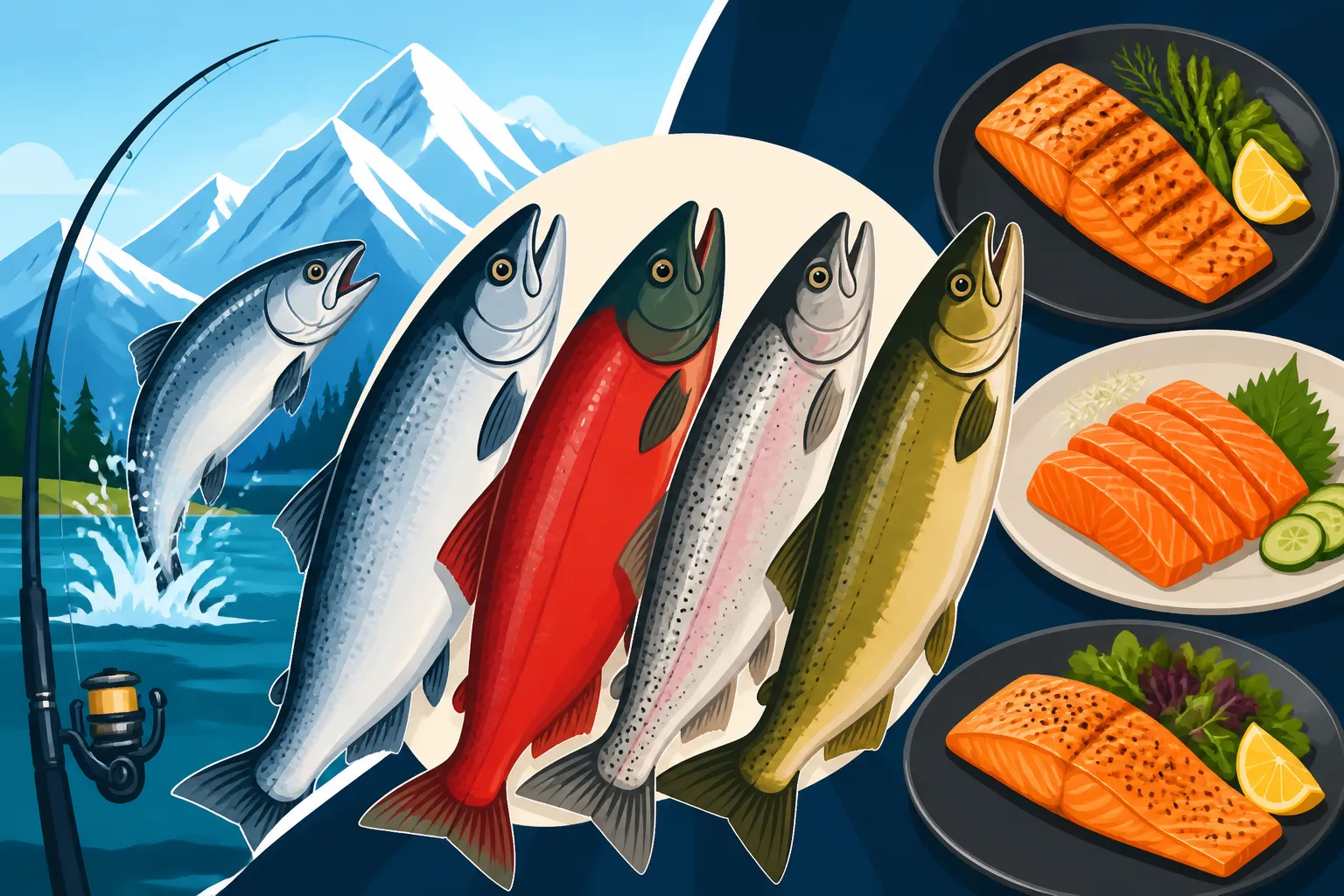
Before we dive into the delicious details, let's get acquainted with the magnificent five types of salmon that make Alaska their home. Each species is unique, not just in appearance but in its life cycle, where it spawns, and ultimately, how it tastes on your dinner table. Knowing a bit about their background can really help you appreciate the differences when you're deciding which salmon is best to eat.
King Salmon (Chinook)
Ah, the King! Also known as Chinook salmon, this magnificent fish truly lives up to its regal name. Kings are the largest and generally the most sought-after salmon species in Alaska, revered for their impressive size and rich flavor. They can grow to be enormous, with some trophy fish weighing over 50 pounds, making them an exciting catch for any angler. You can learn more about these impressive fish in our Alaska King Salmon: Complete Guide.
What truly sets the King apart is its incredibly high oil content. This natural richness translates into a buttery, melt-in-your-mouth texture that is simply unparalleled. The flesh is usually a vibrant red-orange, firm yet flaky, and boasts a full, robust salmon flavor that many consider the gold standard. It’s no wonder chefs and home cooks alike covet King salmon for its luxurious quality.
The season for King salmon fishing in Alaska typically runs from late May through early July, though exact timing varies by river system. When you get your hands on a fresh King, you're not just getting a piece of fish; you're getting a culinary experience that's hard to beat.
Sockeye Salmon (Red)
If you've ever seen a photograph of an Alaska salmon stream packed with bright red fish, chances are you were looking at Sockeye salmon. Also known as Red salmon, these fish are famous for their stunning crimson flesh and distinct, robust flavor. Unlike Kings, Sockeye are plankton feeders for much of their lives, which contributes to their unique color and leaner profile. For a deep dive into this species, check out our Alaska Sockeye Salmon Explained.
Sockeye salmon have a firmer, more dense texture compared to the King, and they hold together beautifully when cooked. While leaner than King salmon, they still possess a wonderful rich flavor, often described as more intensely "fishy" in the best possible way. This strong, clean flavor is a favorite among those who truly appreciate the taste of wild salmon.
Sockeye runs are often massive, particularly in rivers like the Kenai and the Russian River, typically peaking in late June and July. This abundance makes them a staple for both sport fishermen and personal-use dipnetters. They are incredibly versatile in the kitchen, offering a fantastic balance of flavor and texture.
Coho Salmon (Silver)
The Coho salmon, affectionately known as Silver salmon, is a fantastic all-around choice that often strikes a perfect balance for many palates. Their name, Silver, refers to their bright, iridescent scales when fresh from the ocean. They are generally smaller than Kings but larger than Pinks and Chums, offering a good fight on the line and a generous fillet on the plate. Our Alaska Coho Salmon: Facts and Fishing Tips provides more details on this popular species.
Coho salmon flesh is typically a beautiful orange-red, lighter in color than a Sockeye but still vibrant. What makes Coho so popular in the kitchen is its mild, delicate flavor and firm, flaky texture. It's not as intensely rich as a King, nor as bold as a Sockeye, making it incredibly versatile and approachable for a wide range of recipes and diners, including those who might be new to salmon.
You'll find Coho salmon primarily running in late summer and early fall, from late July through September. This makes them a fantastic target for anglers looking to extend their fishing season. Their consistent quality and palatable flavor make them a go-to choice for many Alaskan families and visitors.
Pink Salmon (Humpy)
Pink salmon are the most abundant salmon species in Alaska, and they play a crucial role in the ecosystem. Often called "Humpies" due to the pronounced hump that males develop on their backs during spawning, these are typically the smallest of the Pacific salmon. Their sheer numbers during their biennial runs can be staggering, particularly in even-numbered years in many parts of Southcentral Alaska. Discover more about them in our Alaska Pink Salmon: Facts and Fishing Tips.
Because of their lower oil content and softer flesh, Pink salmon have a very mild flavor and a delicate, fine texture. The flesh is usually a pale pink, hence their name. While some might overlook them in favor of their larger cousins, Pink salmon offer a unique advantage: their mildness makes them an excellent choice for canning, smoking, or incorporating into dishes where you want a subtle salmon flavor without overwhelming other ingredients.
Pink salmon runs are incredibly widespread and predictable, generally appearing in huge numbers from mid-July through August. They are a fantastic entry point for beginner anglers and provide plentiful opportunities for harvest. Don't underestimate the humble Humpy; it has its own special place in Alaskan cuisine.
Chum Salmon (Dog/Keta)
Chum salmon, also known as Dog salmon or Keta salmon, often get a bad rap, but that's a bit unfair. While they might not be the prettiest or fattiest, they are incredibly robust fish, known for their large teeth and distinct stripes during their spawning phase. Despite their less glamorous nicknames, Chum salmon are a vital part of the commercial fishery and offer specific culinary advantages that are often overlooked. Learn more about their unique characteristics in Alaska Chum Salmon: Facts and Fishing Tips.
Chum salmon have the lowest oil content among the five species, resulting in paler, firmer flesh with a milder, less rich flavor profile. The texture can be a bit drier if not prepared correctly, but this firmness makes them excellent for certain applications. While perhaps not ideal for a simple grilled fillet for everyone, their unique qualities shine when used thoughtfully.
Chum salmon typically run in July and August, often alongside Pinks and Cohos. Their firm flesh is particularly well-suited for processes that add moisture and flavor, like smoking or curing. In fact, many high-quality smoked salmon products actually use Chum because of how well it absorbs brines and holds its shape during the smoking process.
The Flavor and Texture Showdown: A Comparative Guide
Now that we've met all five players, let's get down to the real heart of the matter: how do they stack up against each other when it comes to taste and texture? This is where personal preference really comes into play, but understanding the general characteristics will guide you toward your perfect Alaska salmon experience. It’s not just about one being "better" than another; it's about finding the right salmon for your palate and your dish.
Richness and Oil Content
When people talk about salmon flavor, they often implicitly refer to its fat content, which directly correlates with richness and moisture. This is arguably the biggest differentiator between the species and often dictates how they're best cooked.
- King Salmon: Unquestionably the champion in this category. King salmon boasts the highest oil content, sometimes reaching up to 20% fat. This abundance of healthy omega-3 fatty acids gives it that distinctive buttery, almost decadent flavor and a melt-in-your-mouth texture. If you're looking for the ultimate rich, luxurious salmon experience, the King is your reigning monarch. This high fat content also means it's very forgiving in the kitchen, resisting drying out even if you slightly overcook it.
- Sockeye Salmon: Sockeye comes in second in terms of oil content, but it's a significant drop from the King. Its fat content is still good, usually in the 8-12% range, contributing to its firm texture and distinct, robust flavor. While leaner than a King, Sockeye still feels rich and satisfying, just in a different, more intense way. It's less buttery and more "fishy" (again, in a good, clean, wild salmon way).
- Coho Salmon: Coho sits comfortably in the middle, with a moderate oil content, typically around 5-10%. This middle-ground richness is why it's so versatile. It has enough fat to stay moist and flavorful, but it's not overpowering. It's often described as a "lighter" salmon compared to King or Sockeye, making it a great option for those who enjoy a milder, less intensely rich fish.
- Pink Salmon: With an oil content usually below 5%, Pink salmon is on the leaner side. This lower fat contributes to its very mild flavor and delicate texture. While it might not have the "wow" factor of a King, its leanness means it absorbs flavors well and works wonders in preparations where you want the salmon to be a supporting player rather than the star, such as in salmon cakes or casseroles.
- Chum Salmon: Chum salmon has the lowest oil content, often below 4%. This makes it the leanest and firmest of the Pacific salmon. This doesn't mean it's flavorless; rather, its flavor is clean, mild, and less "oily." This characteristic actually makes it exceptional for certain cooking methods, especially when you're adding fat or moisture back in, like smoking or brining.
Texture and Flakiness
Beyond flavor, texture is a huge factor in determining which salmon you'll enjoy most. Each species has a unique muscle structure and fat distribution that dictates how it feels in your mouth and how it reacts to heat.
- King Salmon: The texture of King salmon is notoriously tender and velvety. The high fat content renders down during cooking, creating large, moist flakes that almost melt on your tongue. It's incredibly succulent and tender, making each bite a luxurious experience. This tenderness means it needs a delicate touch when handling to keep those beautiful flakes intact.
- Sockeye Salmon: Sockeye is renowned for its firm, dense texture. Its muscle fibers are tighter, giving it a meaty bite that holds up exceptionally well to various cooking methods without falling apart. While it flakes, the flakes are smaller and more compact than a King's. This firmness is part of its appeal, offering a satisfying mouthfeel that’s distinct from the softer Kings.
- Coho Salmon: Coho strikes a lovely balance here too, offering firm yet tender flakes. It's not as dense as Sockeye, nor as fatty and velvety as King. The flakes are medium-sized and moist, providing a very pleasant and agreeable texture that isn't too overpowering in either direction. It’s a very user-friendly salmon in terms of texture.
- Pink Salmon: Pink salmon has a very fine, delicate, and somewhat soft texture. The flakes are small and tender, but without the high fat content, they can sometimes feel a bit dry if overcooked. Because of its tenderness, it’s often fantastic for recipes where the salmon is broken apart, such as in salads, sandwich fillings, or for easy integration into pasta dishes.
- Chum Salmon: Chum salmon is characterized by its very firm and coarse texture. The flakes are large and distinct, but they are drier than other species due to the low oil content. This robust texture is not a flaw; it simply means Chum requires careful preparation to prevent dryness. However, this firmness is a huge asset for smoking, as it holds together beautifully and develops a wonderful chew.
Flavor Profile: Mild to Bold
Finally, let's talk about the actual taste. While oil content influences richness, each salmon also carries its own subtle, inherent flavor notes that contribute to its overall profile.
- King Salmon: Rich, buttery, and deeply savory. It has a full-bodied flavor that is definitively "salmon" but without being overly fishy. It's elegant and complex, with a hint of sweetness. This is the flavor many aspire to when they think of premium salmon.
- Sockeye Salmon: A robust, intense, and clean salmon flavor. It has a distinctive wild taste that can be described as gamey by some, in a delicious way, and very oceanic. If you love a strong, true salmon taste, Sockeye will be a top contender. It pairs wonderfully with bright, acidic flavors.
- Coho Salmon: Mild, delicate, and fresh. Coho offers a classic salmon flavor that is less intense than Sockeye or King. It’s subtle, clean, and not overwhelmingly "fishy," making it a great choice for those who prefer a gentler introduction to salmon or want a fish that won't compete with strong sauces or seasonings.
- Pink Salmon: Very mild and almost neutral. Pink salmon has the least pronounced "salmon" flavor, making it a blank canvas for other ingredients. It's perfect for recipes where you want the health benefits and tender texture of salmon without a dominant fish taste.
- Chum Salmon: Mild, clean, and sometimes described as earthy. Chum salmon has a less oily flavor than its relatives. While sometimes considered bland on its own, its firm texture and ability to absorb marinades make it a fantastic choice for smoking or for dishes with bold seasonings. Don't let the "dog salmon" nickname fool you; it offers a unique, clean taste that many enjoy.
Here’s a quick summary to help you visualize the differences:
| Salmon Species | Oil Content | Texture | Flavor Profile | Best Uses |
|---|---|---|---|---|
| King (Chinook) | Very High | Velvety, Tender | Rich, Buttery, Deeply Savory | Grilling, Roasting, Pan-Searing, Sashimi |
| Sockeye (Red) | High | Firm, Dense | Robust, Intense, Clean | Grilling, Roasting, Baking, Canning |
| Coho (Silver) | Moderate | Firm yet Flaky | Mild, Delicate, Fresh | Pan-Searing, Baking, Grilling, Smoking |
| Pink (Humpy) | Low | Soft, Fine | Very Mild, Neutral | Canning, Soups, Salads, Fish Cakes |
| Chum (Keta/Dog) | Very Low | Very Firm, Coarse | Mild, Clean, Earthy | Smoking, Curing, Stir-fries, Canning |
Choosing the Right Salmon for Your Culinary Adventure
Now that you've got a good handle on each species' unique characteristics, let's talk about how to match the right salmon to your cooking plans. It's like choosing the right tool for the job – you wouldn't use a hammer to drive a screw! The beauty of Alaska salmon is that there's truly a perfect option for every dish and every preference.
Best for Grilling and Roasting
Grilling and roasting involve high heat, which can be tough on delicate fish, but it also creates that beautiful crispy skin and tender, flaky interior that we all love. For these methods, you generally want a salmon that can stand up to the heat and deliver on flavor. Many anglers bring their fresh catch back to cook this way, especially after a successful day targeting Alaska King Salmon Fishing Regulations and Limits.
King salmon is an absolute superstar for grilling and roasting. Its high oil content means it's incredibly forgiving and resists drying out, even over direct heat. The fats render beautifully, basting the fish from the inside out and leaving you with a juicy, flavorful fillet. A simple seasoning of salt, pepper, and a squeeze of lemon is often all you need to let the King's natural richness shine. You can also marinate it for an hour or two in a light soy-ginger sauce, which caramelizes wonderfully on the grill.
Sockeye salmon is another excellent choice for these high-heat methods. While leaner than King, its firm texture prevents it from falling apart on the grill grates or in the oven. The robust flavor of Sockeye intensifies with grilling, giving you a deeply satisfying meal. Just be a little more mindful of cooking times with Sockeye to avoid over-drying; a quick sear on each side and then indirect heat or finishing in the oven works wonders. Many Alaskans claim Best Salmon for Grilling from Alaska is undoubtedly Sockeye due to its firm texture.
Coho salmon can also be grilled or roasted beautifully. Its moderate fat content and firm-yet-flaky texture make it a versatile option. If you're grilling Coho, consider using a cedar plank to add moisture and a lovely smoky aroma, or simply keep a close eye on it to ensure it remains moist. Roasting it with some asparagus and cherry tomatoes makes for an easy and delicious weeknight meal.
Ideal for Pan-Searing and Baking
Pan-searing and baking offer gentler cooking methods, allowing for more control over temperature and moisture. These techniques are perfect for preserving the delicate textures and nuanced flavors of salmon.
For pan-searing, King salmon is, again, phenomenal. The searing heat creates a delicious crispy skin while keeping the interior unbelievably moist and tender. It’s hard to beat a perfectly pan-seared King salmon fillet, especially when topped with a simple herb butter sauce. The rich oils ensure a gorgeous golden crust forms without the fish sticking to the pan.
Coho salmon truly shines when pan-seared or baked. Its mild flavor and firm, flaky texture hold up perfectly to these methods. Pan-searing Coho allows for that beautiful crust, and baking it gently with some white wine, herbs, and butter keeps it incredibly moist. It’s a fantastic option for a more delicate dish where you want the salmon to be flavorful but not overly assertive. For those who appreciate a versatile fish that can be dressed up or down, Coho is a top pick.
Sockeye salmon bakes beautifully, especially if you want to ensure consistent cooking throughout the fillet. Wrapping it in parchment paper (en papillote) with some vegetables and aromatics is a fantastic way to steam it gently in the oven, locking in its firm texture and robust flavor.
Perfect for Smoking and Curing
Smoking and curing are traditional Alaskan methods for preserving and enhancing salmon, and certain species are definitely better suited for these time-honored techniques. The flavors developed through these processes are truly unique and deeply satisfying. When considering preserving your catch, understanding Alaska Fish Transport and Shipping Rules is also crucial.
Chum salmon, despite its lower oil content, is actually a phenomenal choice for smoking and curing. Its very firm, coarse texture means it holds up incredibly well to brining and the long, slow smoking process without turning mushy. The milder flavor of Chum also makes it an excellent canvas for absorbing smoky flavors and spices. Many commercial smoked salmon products, including some of the best jerky-style cuts, are made from Chum because of these properties. Don't be surprised if your local processor offers a fantastic smoked Chum!
Coho salmon is another excellent option for smoking. Its moderate oil content provides good moisture, and its delicate flavor takes on smoky notes beautifully without being overwhelmed. Smoked Coho is often very popular, offering a lighter, more subtle smoked flavor compared to the intense richness of smoked King. It’s fantastic on crackers or in a smoked salmon dip.
While King salmon can certainly be smoked, its very high oil content can sometimes make it a bit too rich for some palates after a heavy smoking process. However, a lightly brined and hot-smoked King is an indulgence. Sockeye also smokes well, yielding a firm, flavorful smoked product that's great for flaking into salads or serving alongside cream cheese and bagels. If you're looking to cure your own salmon, a good quality vacuum sealer, readily available on Amazon, will be your best friend for long-term storage after smoking.
Delicious for Raw Preparations (Sushi/Sashimi)
For those who appreciate the delicate art of sushi, sashimi, or poke, the quality of raw fish is paramount. When it comes to eating salmon raw, freshness and handling are critical, but the inherent qualities of certain species also make them standout choices.
King salmon is often considered the absolute pinnacle for raw preparations. Its incredibly high oil content and tender, buttery texture make it melt in your mouth, almost like fine wagyu beef. The rich flavor is exquisite, and its pristine quality is perfect for showcasing without any cooking. If you ever have access to fresh, sashimi-grade King salmon, don't miss the chance to try it raw.
Sockeye salmon, with its firm texture and robust, clean flavor, also makes for excellent sashimi and poke. While not as buttery as King, its dense flesh holds its shape beautifully, and its intense flavor is a delight. It's often favored in poke bowls where its firmness provides a satisfying bite. Many prefer its deeper "salmon" flavor for raw applications.
Coho salmon can also be used for raw preparations, offering a milder flavor and pleasing texture. It's a great option if you want a lighter sashimi experience or a fresh ceviche. Always ensure that any salmon intended for raw consumption has been properly handled and, ideally, previously frozen to eliminate parasites, as per food safety guidelines.
Maximizing Your Alaska Salmon Experience: Tips for Selection and Preparation
So, you've got a better idea of which Alaska salmon to choose based on your preferences and cooking plans. But getting the "best" experience goes beyond just picking the right species. It's also about how you select, handle, and prepare your fish. A little knowledge goes a long way in turning a good piece of salmon into an unforgettable meal.
Fresh vs. Frozen: What to Look For
Let's face it, most of us aren't catching our salmon directly from an Alaskan river every day. So, understanding how to buy quality salmon, whether fresh or frozen, is key to enjoying it at its best.
When buying "fresh" salmon, especially if you're not in Alaska, the term can be a bit tricky. Many fish labeled "fresh" have actually been previously frozen and then thawed. That's not necessarily a bad thing, especially with modern freezing techniques, but it's good to be aware. True fresh salmon, never frozen, is a rare treat outside of peak fishing season in Alaska. When you are looking at truly fresh fish, whether at a local market or directly from a fishing trip, look for clear, bright eyes (if the head is on), firm and elastic flesh that springs back when gently pressed, and a clean, fresh smell—not fishy. The skin should be shiny and moist, and the color of the flesh should be vibrant and appropriate for the species, like the deep red of a Sockeye or the rich orange of a King.
For frozen salmon, which is how most of us outside Alaska will get our wild catch, the quality of the freezing process makes all the difference. Look for individually vacuum-sealed portions. This packaging prevents freezer burn and protects the fish from oxygen, which can degrade quality. The fish itself should look solid and not have any ice crystals inside the packaging, which could indicate thawing and refreezing. Brands like Copper River Salmon or Bristol Bay Sockeye are often revered for their quality. A high-quality, flash-frozen, vacuum-sealed fillet, easily found on Amazon or at specialty stores, can often be superior to "fresh" fish that has traveled a long way and spent too much time on ice. Always thaw frozen salmon slowly in the refrigerator overnight for the best texture.
Sustainable Choices
As lovers of wild Alaska fishing, we have a vested interest in ensuring healthy fish populations for generations to come. The good news is that Alaska's salmon fisheries are globally recognized as some of the best-managed and most sustainable in the world. The state's constitution mandates sustainable yield, and the Alaska Department of Fish and Game (ADF&G) rigorously manages the fisheries to ensure strong runs. This dedication means that when you buy wild Alaska salmon, you're almost always making a sustainable choice.
You'll often see certifications like the Marine Stewardship Council (MSC) blue label on wild Alaska salmon products, confirming their sustainable origins. This commitment to sustainability is something Alaskans are incredibly proud of. So, you can enjoy your delicious salmon with the peace of mind that you're supporting responsible fishing practices and helping to preserve this incredible natural resource. Understanding Alaska Fishing Regulations Explained further emphasizes this commitment to sustainability.
Beyond the Fillet: Utilizing the Whole Fish
While fillets are the most common and convenient way to enjoy salmon, don't forget that there's so much more to a whole fish! True culinary adventurers and those looking to maximize their harvest will appreciate utilizing the entire catch. This not only reduces waste but also opens up a world of delicious possibilities.
For instance, salmon collars (the part of the fish just behind the gills) are incredibly fatty and flavorful, perfect for grilling or roasting. They often contain the richest meat and are considered a delicacy in many cultures. Salmon bellies, likewise, are rich in omega-3s and make for fantastic grilling or crispy pan-fried treats.
Even the bones and heads can be used to make a rich, flavorful fish stock, which forms the base for incredible soups, chowders, or sauces. Don't forget the roe (eggs), if you're lucky enough to find some! Fresh salmon roe can be cured into ikura, a prized delicacy. If you’re processing your own fish, having a sharp fillet knife, perhaps one you scouted on Amazon for its ergonomic grip and stainless steel blade, makes a huge difference in efficiently breaking down the fish and utilizing every bit. This approach truly honors the fish and brings a deeper connection to your Alaskan fishing adventure.
Disclaimer
Please remember that fishing regulations, seasons, and emergency orders can change rapidly in Alaska. Always consult the most current Alaska Department of Fish and Game regulations or contact local authorities before planning your trip or fishing activities. This guide is for informational purposes only and should not be considered legal advice.