Alaska Burbot: Size, Season, and Where to Catch
When you think of Alaska fishing, your mind probably jumps straight to those legendary King Salmon or massive Halibut, right? But sometimes, it's those lesser-known, enigmatic species that offer some of the most unique and rewarding experiences. Many anglers are left wondering about fish like the burbot – often overlooked but a true Alaskan gem, especially when the ice sets in. This guide is all about demystifying the Alaska burbot, covering everything from how big they get and when to find them, to the best places and techniques for reeling in one of these curious freshwater residents.
Understanding the Alaska Burbot: Size, Appearance, and Habitat
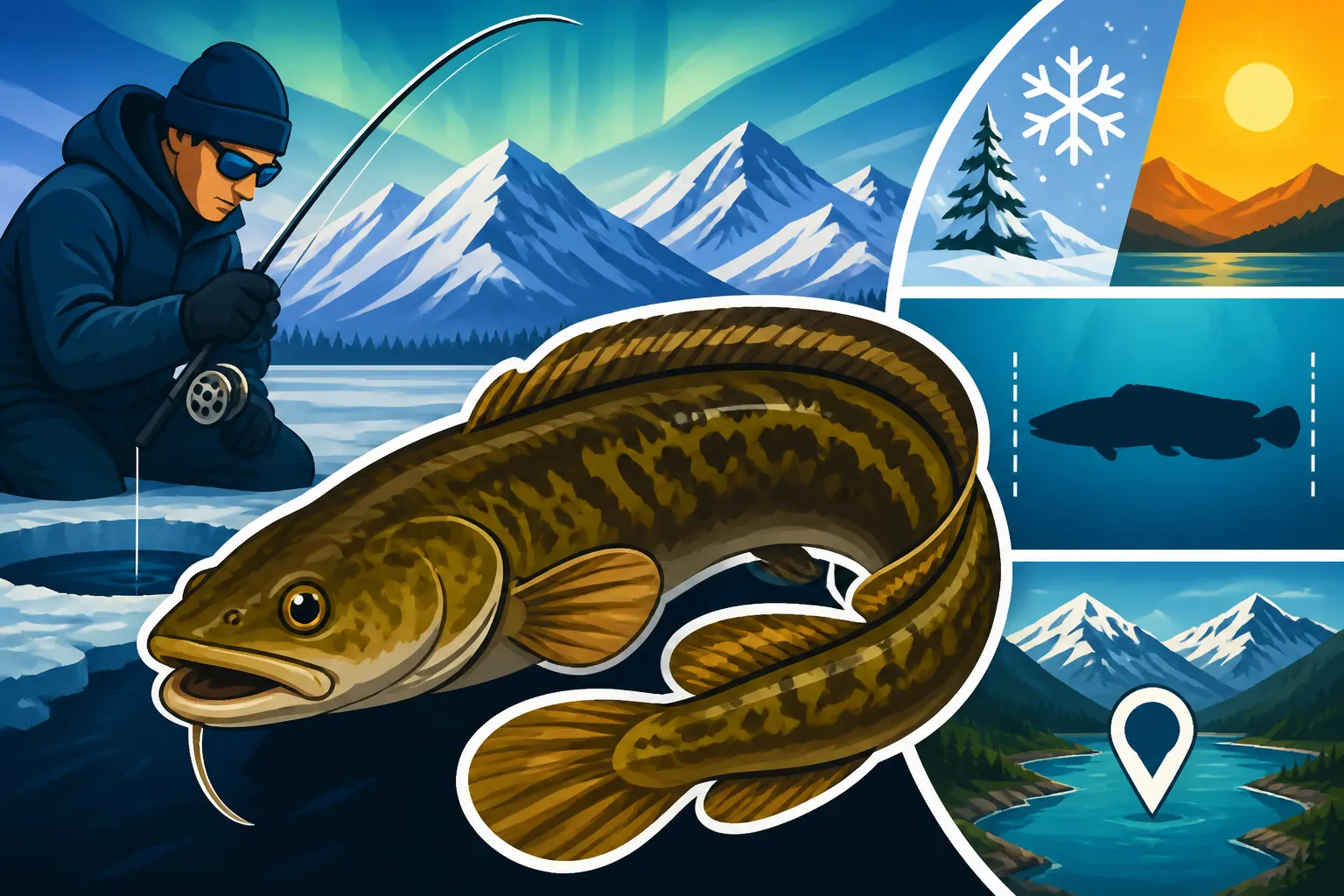
Let's be real, the burbot isn't going to win any beauty contests. Sometimes affectionately (or not-so-affectionately) called the "poor man's lobster" or "freshwater cod," these fish have a very distinctive look that sets them apart from most other Alaskan freshwater species. If you've never seen one, imagine a fish with a long, eel-like body, mottled olive-green and brown camouflage, and a single prominent barbel (whisker) under its chin, which gives it that "cod-like" appearance. They have small, smooth scales and soft dorsal and anal fins that extend almost to their rounded tail fin. Their large mouth, filled with tiny, sharp teeth, is perfectly adapted for their predatory lifestyle.
Average and Record Burbot Sizes in Alaska
While burbot might not boast the sheer power of a King Salmon or the immense girth of a halibut, they can still grow to impressive sizes, especially in Alaska’s nutrient-rich, cold waters. Most burbot you’ll encounter on a typical fishing trip will range from 18 to 30 inches in length and weigh between 2 to 6 pounds. These are solid, feisty fish that put up a surprisingly good fight, particularly on lighter tackle. However, some true giants lurk beneath the surface.
The current Alaska state record for burbot is an astonishing 24 pounds, 12 ounces, caught in Lake Louise back in 2010. This fish was a monster, measuring over 40 inches long! Stories of larger burbot, often pulled from remote, deep lakes under the ice, fuel the passion of dedicated burbot anglers. The size of burbot can vary significantly depending on the lake or river system they inhabit, with those in larger, deeper, and more isolated waters tending to grow bigger and older. It's not uncommon to catch burbot well into their teens or even twenties in terms of age, indicating their slow growth rate in cold environments. When you hook into one of these substantial fish, you'll certainly know it.
Identifying Burbot vs. Other Freshwater Species
Because of their unique appearance, confusing a burbot with other common Alaskan freshwater fish is pretty rare once you’ve seen one. Unlike the streamlined, silvery forms of salmon or the spotted patterns of trout and char, the burbot stands out. The most defining feature is that single chin barbel. Other fish like Arctic Grayling have large, sail-like dorsal fins and vibrant colors, while Northern Pike are characterized by their duck-bill snout and sharp teeth. Dolly Varden and Arctic Char have distinct spots and a more typical salmonid body shape.
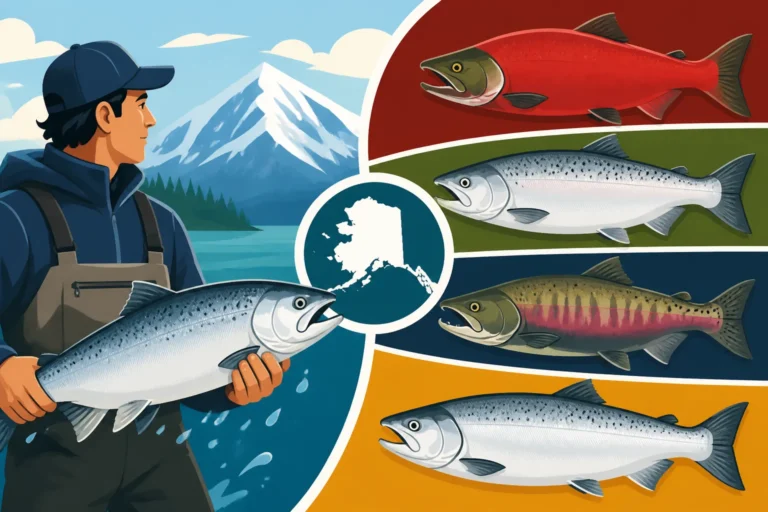
Another key identifier is their skin. It feels smooth and slimy due to a thick mucus layer, rather than scaly like most game fish. This slimy coating helps protect them in their often abrasive, rocky habitats. Their coloration, a cryptic blend of olive, brown, and yellow mottling, is perfect for blending into the gravel and mud bottoms where they spend much of their time. So, if you pull up a long, mottled, single-whiskered fish, you can be pretty confident you've got yourself an Alaska burbot. For more general information on identifying various species, check out our comprehensive guide on How to Identify Alaska Salmon Species.
The Best Time to Chase Alaska Burbot
Unlike many popular Alaskan species that have distinct summer runs, burbot are primarily a cold-water fish, making them an incredible target during the colder months. This is particularly true for ice fishing, which is when they are most active and accessible in many areas.
Prime Burbot Season: Ice Fishing Extravaganza
Hands down, the absolute best time to target burbot in Alaska is during the ice fishing season, typically from late November through April. As lakes and rivers freeze over, burbot become much more active, feeding aggressively in preparation for and during their winter spawning period. While other fish might slow down significantly under the ice, burbot seem to thrive. This makes them a fantastic species for anglers looking to extend their fishing season well beyond the salmon runs.
During this window, burbot move into shallower areas, often near submerged structures, drop-offs, and points, making them easier to locate for ice anglers. Their spawning typically occurs in late winter, often between January and March, when they gather in specific areas, further concentrating their numbers and increasing your chances of a hookup. The combination of increased activity and predictable movements makes ice fishing for burbot a highly productive and enjoyable pursuit across interior and southcentral Alaska.
Open Water Opportunities for Burbot
While ice fishing is king for burbot, you *can* catch them during the open water season, though it’s generally more challenging. During the summer months, burbot retreat to deeper, cooler parts of lakes and rivers, often remaining relatively inactive during daylight hours. They become more active at night when water temperatures drop and they move shallower to feed. This means your best bet for catching them in open water is often during dusk, dawn, or even after dark, using similar bait and techniques you’d employ through the ice.
Targeting deep lakes, especially those with steep drop-offs and rocky bottoms, can yield results. Using a boat with a good fish finder to locate schools of baitfish or deep structures where burbot might be lurking is crucial. However, the sheer abundance and accessibility during the ice fishing season make it the preferred time for most dedicated burbot anglers. If you're planning a trip, consider reviewing Alaska Fishing Seasons: Month-by-Month Guide to align your visit with peak burbot activity.
Top Spots to Catch Burbot Across Alaska
Alaska is blessed with countless lakes and rivers, and many of them hold healthy populations of burbot. While they're widespread, some areas are particularly renowned for consistent burbot action. Focusing on interior and southcentral Alaska will give you the best opportunities.
Interior Alaska Hotspots
When it comes to interior Alaska, the region around Fairbanks and the Mat-Su Valley is a burbot haven. These areas feature numerous lakes that freeze solid, providing prime ice fishing conditions.
- Lake Louise: Often considered one of the premier burbot lakes in Alaska, Lake Louise is legendary. Not only does it hold the state record, but it consistently produces large burbot for anglers willing to brave the winter conditions. Its vast, deep waters and ample forage provide an ideal environment for burbot to thrive. Access can be a bit of a trek, but the rewards often justify the effort.
- George Lake: Another fantastic interior option, George Lake is known for its strong burbot population and is a popular destination for ice anglers. It's often more accessible than Lake Louise, making it a great choice for a dedicated weekend trip.
- Tanana River Drainage: While lakes are prime, burbot also inhabit many river systems. The Tanana River and its tributaries, particularly slower-moving sections with deep holes, can offer good burbot fishing, especially where they connect with lakes. This requires a bit more exploration, but river burbot can be just as impressive.
Southcentral Alaska Destinations
Southcentral Alaska, with its denser population and more accessible road system, also offers excellent burbot opportunities, especially for those living near Anchorage or the Kenai Peninsula.
- Susitna River Drainage: The various lakes and sloughs connected to the Susitna River system, including popular lakes like Nancy Lake, Big Lake, and Wassilla Lake, are excellent choices. These lakes are relatively accessible from the road system and consistently produce good numbers of burbot, often of respectable size. They're popular choices for weekend ice fishing excursions.
- Lake Spenard (Anchorage): Believe it or not, even within the city limits of Anchorage, you can find burbot. Lake Spenard, while smaller, has a stocked population that offers a convenient option for local anglers looking to try their hand at burbot fishing without a long drive.
- Paxon and Summit Lakes: Further south on the Richardson Highway, these lakes are also known for their burbot. They tend to be deep and clear, offering excellent habitat. They are a bit more of a drive from Anchorage but worth it for the scenic beauty and fishing potential.
When planning your trip to these spots, always check current Alaska Fishing Regulations Explained and local emergency orders, as conditions and rules can change. You might also find it helpful to look into Best Fishing Spots Near Anchorage or Best Fishing Spots in Interior Alaska for broader freshwater fishing options.
Effective Techniques and Essential Gear for Burbot
Burbot fishing doesn't require highly specialized gear, but understanding their habits and having the right approach will significantly increase your success. They're not particularly finicky, but they are opportunistic feeders.
Recommended Tackle and Baits
For burbot, a medium to medium-heavy action rod and reel setup is generally ideal, especially when ice fishing. You’ll want something stout enough to handle a potentially large fish and to work your bait effectively. A spinning reel spooled with 20-30 pound braided line, perhaps with a fluorocarbon leader, provides strength and sensitivity. Many anglers prefer a braided line due to its lack of stretch, which helps detect the often subtle bites of a burbot in deep water. You can find excellent options for rods, reels, and lines on platforms like Amazon, making it easy to gear up before your trip.
When it comes to bait, burbot are primarily scavengers and predators, so scent and visual appeal are key.
- Cut Bait: This is often the undisputed champion for burbot. Freshly cut pieces of oily fish like herring, smelt, or even strips of whitefish or salmon belly are incredibly effective. The scent trail they put out in the water is irresistible to burbot. Many anglers will "charge" their bait with commercial scent attractants to give it an extra boost.
- Live Bait (where legal): In some areas where live bait is permitted, a small minnow or sculpin can be deadly. However, be sure to check Alaska Bait Restrictions Explained as live bait regulations vary widely and are often prohibited to prevent the spread of invasive species.
- Jigs: Heavy jigs, often tipped with a piece of cut bait, are also very effective. Jigs in glow-in-the-dark colors or those with rattling features can attract attention in the dark, deep waters where burbot lurk. When jigging, a slow, methodical lift-and-drop presentation is usually best, mimicking a struggling baitfish or an easy meal on the bottom.
Fishing Methods: Jigging and Set Lines
Two primary methods dominate burbot fishing, especially through the ice:
- Jigging: This active method involves using your rod to vertically jig a lure or baited hook, typically near the bottom. Burbot often hold tight to the bottom, so keeping your offering within a foot or two of the lakebed is critical. Experiment with different jigging patterns – from subtle quivers to more aggressive lifts – until you find what triggers a bite. Many anglers use a fish finder (flasher) to identify the bottom, track their lure, and spot any approaching fish. A good flasher can drastically improve your success rate by showing you when burbot are interested but perhaps not committing.
- Set Lines (Tip-ups): This passive method is incredibly popular for burbot. A set line, often called a tip-up, allows you to fish multiple holes simultaneously. The line is spooled onto a reel under the ice, and a flag signals when a fish has taken the bait. The beauty of set lines is that they allow you to cover a larger area and wait out the fish. You can fish your jigging rod actively while monitoring several set lines. Ensure you use strong leader material, as burbot can be surprisingly aggressive. Check Alaska Fishing Regulations Explained regarding the number of lines you're allowed to fish. Typically, through the ice, you can use two lines, but always verify current rules.
| Feature | Description | Typical Experience |
|---|---|---|
| Average Size | 18-30 inches, 2-6 lbs | Common catch, good fight on light tackle |
| State Record | 24 lbs, 12 oz (Lake Louise) | Rare trophy, often 40+ inches |
| Prime Season | Late November – April (Ice Fishing) | Most active and accessible |
| Spawning Peak | January – March | Increased concentration and feeding |
| Habitat | Cold, deep lakes and rivers; rocky/muddy bottoms | Found near drop-offs, submerged structures |
| Best Bait | Cut bait (herring, smelt, salmon belly), live minnows | Scent is key, fresh bait preferred |
| Common Lures | Heavy jigs (glow-in-the-dark, rattling) | Tipped with bait for added attraction |
| Techniques | Jigging, Set Lines (Tip-ups) | Active jigging, passive multi-line fishing |
When you're out on the ice, remember to prioritize safety. Always check ice thickness, especially early and late in the season. Dressing in layers, having proper ice cleats, and carrying safety gear like ice picks are non-negotiable.
Preparing Your Burbot Catch for the Table
Once you've successfully reeled in some burbot, you'll discover why they're often called the "poor man's lobster." Their firm, white, flaky meat is delicious and versatile, making them a highly sought-after table fish, particularly when prepared correctly.
Cleaning and Filleting Burbot
Cleaning a burbot is a bit different from cleaning a salmon or a trout, mainly due to their unique skin. Instead of scaling, most anglers “skin” a burbot. It’s actually quite easy once you get the hang of it. You can make a cut around the head, then use pliers or a strong grip to peel the skin off from head to tail, much like you would skin an eel. Once skinned, you can fillet them just like any other fish, removing the backbone and ribs. The flesh is incredibly white and clean.
It's common to only keep the main body fillets, as the tail section can be quite bony. Some anglers also save the cheeks and collars, which are considered delicacies. Proper cleaning immediately after catch, especially getting them on ice, will ensure the best quality meat.
Cooking Suggestions for Burbot
The firm, white flesh of the burbot truly shines in a variety of cooking methods. Its texture and mild flavor are remarkably similar to cod or even lobster.
- "Poor Man's Lobster": This is probably the most famous way to prepare burbot. Cut the fillets into chunks, boil them briefly in salted water (you can add a touch of crab boil seasoning for extra flavor), and then serve with melted butter. The texture is so close to lobster, you might fool your dinner guests!
- Frying: Dredge the fillets in a seasoned flour or cornmeal mix and pan-fry until golden brown. The firm flesh holds up beautifully, creating a crispy exterior and tender interior.
- Baking or Broiling: Burbot fillets can be baked with herbs, lemon, and butter, or broiled for a quick and healthy meal. Their mild flavor takes well to various seasonings.
- Fish and Chips: The thick, flaky fillets are perfect for a classic fish and chips dish. Serve with tartar sauce and a side of fries.
- Fish Tacos: Flaked burbot meat, especially pan-fried or baked, makes excellent fish tacos.
No matter how you prepare it, burbot is a delicious reward for a day spent out on the ice or braving the Alaskan night. Don't forget to review Alaska Fish Transport and Shipping Rules if you plan on bringing your tasty burbot home with you.
Disclaimer
The information provided in this guide is for general informational purposes only. Fishing regulations in Alaska are complex and subject to change frequently, often through emergency orders. Always consult the official Alaska Department of Fish and Game regulations booklet and check for current emergency orders for the specific region and waterbody you plan to fish before heading out. Failure to do so can result in citations and fines.