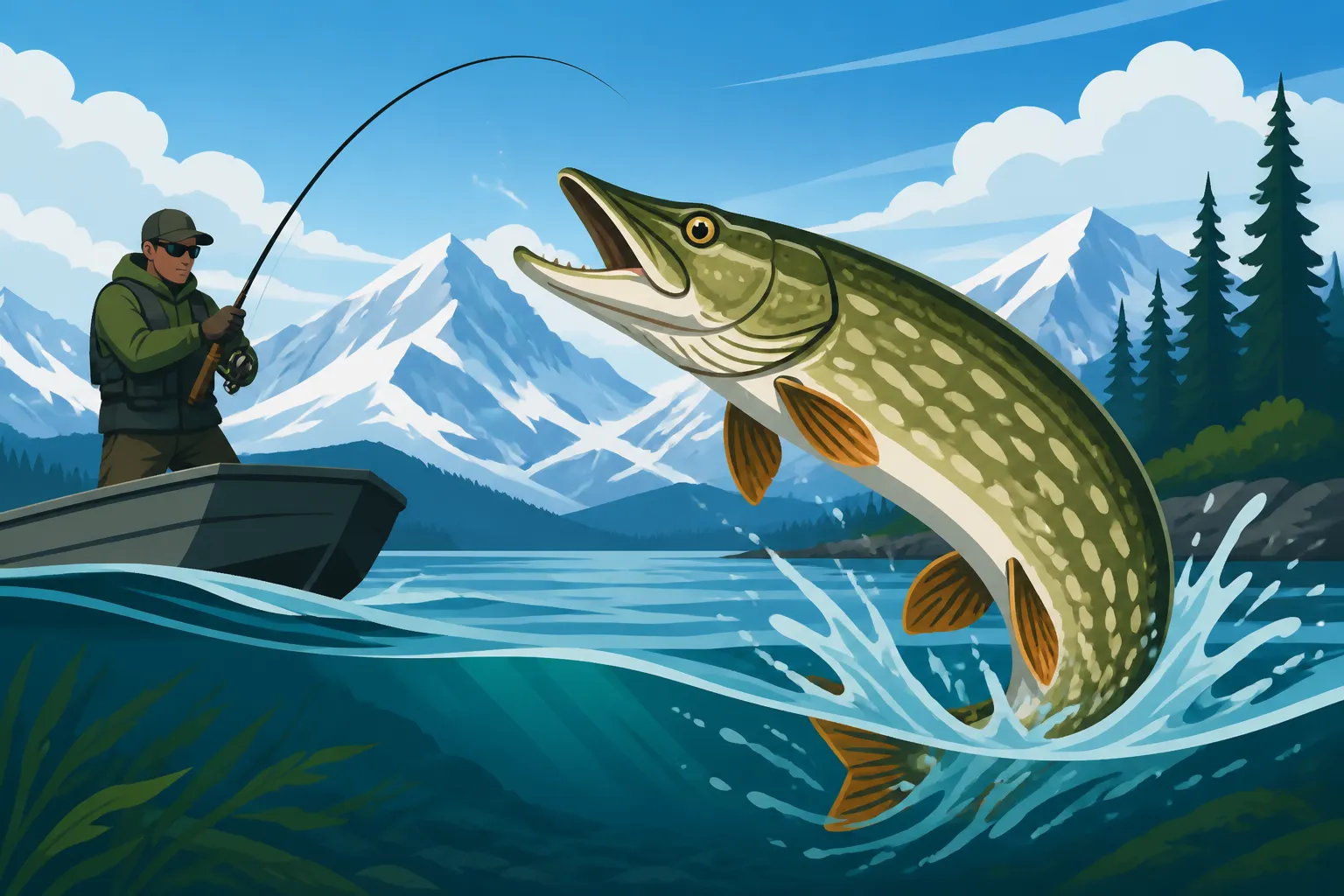
Alaska Northern Pike: Facts and Fishing Tips
For many anglers heading to Alaska, the iconic salmon and massive halibut often steal the spotlight, leaving some truly incredible freshwater opportunities overlooked. But if you're a keen angler looking for a different kind of fight, you're missing out on the exhilarating thrill of pursuing Alaska's Northern Pike, a fierce, toothy predator that offers non-stop action and a unique challenge. This guide will dive deep into everything you need to know about targeting these aggressive fish, from understanding their habits to mastering the techniques that will put them in your net.
Unraveling the Mystery of Alaska's Northern Pike
Northern Pike ( Esox lucius) might not have the flashy reputation of a King Salmon, but they are formidable freshwater predators that demand respect and offer an unforgettable angling experience. Known for their explosive strikes and powerful runs, these fish are a top-tier game species for those who seek them out. Understanding their unique biology and behavior is the first step toward successful pike fishing in the Last Frontier.
Identification and Characteristics of Northern Pike
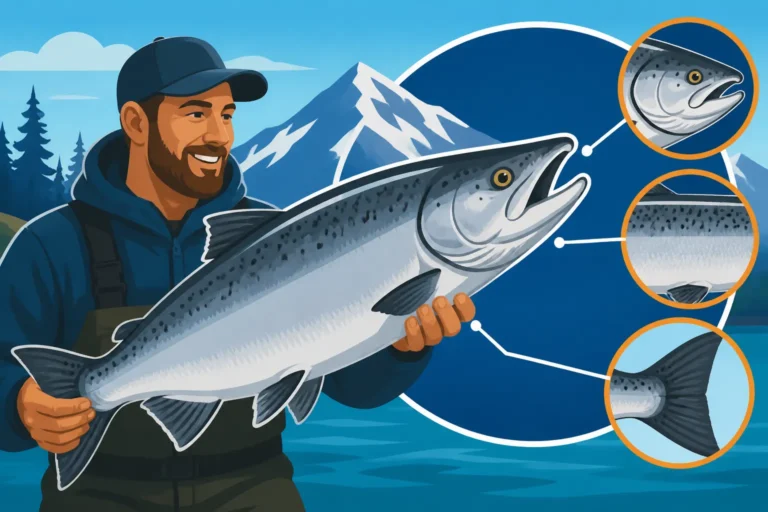
Identifying a Northern Pike is relatively straightforward once you know what to look for. They have that unmistakable elongated, torpedo-shaped body, perfectly designed for ambush predation. Their coloration typically ranges from dark green to olive green on their backs, fading to a creamy white or yellow on their belly, with distinctive light-colored, bean-shaped spots or markings along their flanks. What truly sets them apart, however, is their duck-billed snout, which is packed with hundreds of razor-sharp teeth. These teeth are not just for show; they're incredibly efficient at holding onto prey and can easily sever fishing lines if you're not prepared.
Another key identifier is their dorsal fin, which is set far back on their body, almost directly above their anal fin. This posterior placement of fins, combined with a broad, paddle-like tail, gives them incredible bursts of speed. Think of it like the fins on a rocket; they provide maximum thrust for a sudden, aggressive charge. Anglers often comment on how their eyes seem to track every movement, giving them an almost sinister, intelligent gaze that perfectly matches their predatory nature. When you hook into a Northern Pike, you'll immediately understand why they're often called "water wolves" – they're built for the hunt.
Habitat and Behavior of Alaska's Pike
Northern Pike are creatures of specific habitats, preferring shallow, weedy areas in lakes, slow-moving rivers, and sloughs. They are masters of camouflage, lurking motionless among submerged vegetation, fallen timber, or undercut banks, waiting for an unsuspecting meal to swim by. This preference for cover is crucial for anglers to remember; if you're not casting near structure, you're likely missing the prime holding spots for these cunning fish.
In Alaska, their habitat choices are influenced by water temperature and food availability. During colder periods, they might retreat to slightly deeper water, but they are never far from cover. As the water warms, they become more active in the shallower, vegetated bays and coves, which serve as nurseries for baitfish and insect larvae – their primary food sources. Their behavior is largely dictated by their ambush predator strategy. They are not typically open-water cruisers like some salmon species; instead, they are patient, camouflaged hunters who explode into action with incredible speed. This means anglers need to be precise with their presentations, putting lures directly into their strike zone.
Diet and Predatory Nature
Northern Pike are opportunistic carnivores with a voracious appetite. Their diet is incredibly diverse, reflecting whatever prey is most abundant in their environment. Small fish like minnows, sticklebacks, juvenile salmon, and even smaller pike are staples. However, they're not picky; frogs, waterfowl, mice, and even small muskrats have been found in the stomachs of larger pike. Their powerful jaws and numerous teeth are designed to grasp and hold slippery prey, often swallowing it whole, headfirst.
This predatory nature means they are almost always looking for a meal, which is fantastic news for anglers. They respond well to lures that mimic injured baitfish or other small animals struggling in the water. Their feeding can be cyclical, with bursts of activity, especially during dawn and dusk, or before a weather front moves in. Don't be surprised if a larger pike in an area has cleared out much of the smaller fish; these apex predators truly dominate their local ecosystems, often earning the nickname "gators of the north" for their aggressive feeding habits. Their aggressive nature is exactly why they're such a blast to target.
Where to Find Northern Pike in Alaska
While Northern Pike might not be as widespread across all of Alaska as some other species, they thrive in specific regions, particularly in the interior and southcentral parts of the state. Knowing where to focus your efforts is paramount to a successful pike fishing adventure. It’s not just about knowing the region, but also understanding the specific types of water bodies they prefer and how their movements might change with the seasons.
Key Regions and Water Bodies for Pike
Alaska offers several fantastic regions for Northern Pike fishing, each with its own unique charm and access challenges. The Interior Alaska region, particularly around Fairbanks, is renowned for its abundant pike populations. Lakes like Minto Flats, the Yukon River drainage, and numerous smaller lakes and sloughs in the vast network of Interior waterways hold impressive numbers and sizes of pike. Here, the pike are native and have long been a part of the ecosystem, providing a stable fishery.
In Southcentral Alaska, specifically the Matanuska-Susitna Valley (often called the Mat-Su Valley), pike have become well-established in many lakes and rivers. While some of these populations are native, a significant number are the result of illegal introductions, leading to some complex management strategies by the Alaska Department of Fish and Game (ADF&G). Lakes such as Lake Louise, Nancy Lake, Big Lake, and the vast Deshka River drainage are prime spots. The Deshka River is more famous for its salmon, but the surrounding sloughs and backwaters can be teeming with pike. The challenge here is balancing conservation efforts for native species with the recreational opportunity pike present. Many anglers head to these areas, which offer convenient access from Anchorage, making them popular for weekend trips. For more general advice on fishing locations, you might want to check out our guide on Best Fishing Spots in Alaska.
Identifying Prime Pike Haunts
Once you're in a pike-rich region, the real detective work begins. Northern Pike are not typically found in open, deep water. Instead, they seek out shallow, weedy bays, submerged logjams, lily pad fields, cattail edges, and areas with extensive aquatic vegetation. Think of any place where they can hide in ambush. These areas offer both cover from predators (when they are small) and, more importantly, a perfect hiding spot to surprise their prey. Look for "edge" habitats – where open water meets a weed line, a drop-off, or a fallen tree.
Sluggish backwaters and oxbow lakes off larger river systems, especially in the Interior, are also classic pike territory. These calm, nutrient-rich environments often hold abundant baitfish, creating ideal conditions for pike to thrive. During the spawn, usually in early spring shortly after ice-out, they will move into even shallower, flooded areas, often grassy margins, to lay their eggs. Understanding these habitat preferences is key to successful targeting. Don't be afraid to cast into seemingly impenetrable weed beds; that's often exactly where a trophy pike is lurking.
Seasonal Movements and Locations
Pike locations can shift with the seasons, driven largely by water temperature and the availability of prey. In spring, immediately after ice-out, pike are often found in very shallow, warming waters, especially near spawning grounds. This is a fantastic time for aggressive topwater and shallow-diving lures. As spring progresses into early summer, they might move slightly deeper to avoid the warmest surface water, but they will still be close to weed lines and structure.
By mid-summer, especially during hot spells, some larger pike may move to deeper weed edges or submerged structures where the water is cooler and oxygen levels are more stable, though they will still make forays into the shallows to feed. Smaller pike, however, tend to remain in the abundant cover of the shallow weeds. Fall sees a reverse migration, with pike becoming increasingly active in shallower areas as the water cools, feeding heavily in preparation for winter. This pre-winter feeding frenzy can provide some of the most exciting fishing of the year. During winter, pike are popular targets for Alaska Ice Fishing Regulations on many frozen lakes, often found near submerged vegetation or bottom structure, still actively feeding beneath the ice. For a broader understanding of how seasons affect fishing, check out our Alaska Fishing Seasons: Month-by-Month Guide.
Best Times and Seasons for Northern Pike Fishing
Northern Pike are active predators year-round, but their behavior and preferred locations change significantly with the seasons. Understanding these seasonal shifts is crucial for anglers hoping to consistently hook into these toothy freshwater giants. Each season offers unique opportunities and challenges, from the explosive strikes of spring to the sustained feeding of fall.
Spring Thaw Frenzy
As Alaska's long winter gives way to spring, the ice recedes, and the waters begin to warm. This period, often from late April through May, ushers in the "spring thaw frenzy" for Northern Pike. This is arguably one of the best times to target them. Immediately after ice-out, pike move into very shallow, warming areas, often the flooded margins of lakes and slow-moving river backwaters, to spawn. During and just after spawning, they are often ravenous, recovering from the energy expenditure of reproduction.
Anglers should focus their efforts on these shallow, vegetated bays and coves. The water temperatures are still cool, meaning pike are often less spooky and more willing to chase. This is a prime time for sight-fishing in clear, shallow areas, or fan-casting across expansive flats. Lures that create a good profile and move relatively slowly, such as large spinnerbaits, soft plastic swimbaits, and even some topwater lures, can be incredibly effective. The pike are looking for an easy, substantial meal, and they're not afraid to hit anything that looks like it's struggling in their newly accessible hunting grounds.
Summer's Warm Waters
Summer in Alaska, typically June through August, brings longer days and warmer water temperatures. While pike remain active, their behavior adapts to these conditions. In early summer, they might still be relatively shallow, but as water temperatures peak in July and August, larger pike often seek out slightly deeper, cooler water. However, they rarely stray far from significant cover like dense weed beds, submerged timber, or deep weed lines where they can ambush prey.
During mid-summer, the thermocline (the layer where water temperature changes rapidly) in deeper lakes can concentrate baitfish, and thus pike. Early mornings and late evenings, or even after dark, can be particularly productive as water temperatures are cooler, and pike might move shallower to feed. Mid-day fishing can still be good, especially if targeting shaded areas or fishing after a cold front has passed through, which can sometimes trigger a feeding binge. It's a time for more varied techniques, from casting into heavy cover to trolling deeper weed edges. Flexibility is key, and having a good selection of weedless lures on hand is a must. Many anglers find excellent gear for summer pike on Amazon, from weedless spoons to stout casting rods.
Fall Feeding Blitz
As summer fades and the air takes on a crisp edge, Alaska's Northern Pike enter their fall feeding blitz, typically from September through October. This period can be just as, if not more, productive than spring. As water temperatures begin to cool, pike become incredibly active, feeding aggressively to build up fat reserves for the coming winter. They often move back into shallower areas, especially those with green, healthy vegetation that is still holding baitfish.
This is a time when big, aggressive lures often pay off. Pike are less concerned with subtlety and more focused on consuming as much as possible. Large crankbaits, jerkbaits, and big swimbaits that mimic substantial prey items can draw savage strikes. The fall colors of the Alaskan landscape are often mirrored in the vibrancy of the pike's markings, making for stunning photos. Fishing during this period often involves covering a lot of water, casting along vast weed flats and deeper transitions. The colder water also means the fish fight harder and stay stronger for longer, making for truly memorable battles before the ice returns.
| Season | Pike Behavior | Recommended Lures/Techniques | Prime Locations |
|---|---|---|---|
| Spring | Post-spawn, ravenous, shallow | Large spinnerbaits, soft swimbaits, topwater | Shallow, warming bays, flooded grassy areas |
| Summer | Active, may move deeper in heat, seek cover | Weedless spoons, topwater (early/late), crankbaits | Dense weed beds, lily pads, deep weed lines, shaded spots |
| Fall | Aggressive feeding, preparing for winter | Large crankbaits, jerkbaits, big swimbaits | Green weed flats, drop-offs, river bends |
| Winter | Active under ice, slower metabolism | Dead bait on tip-ups, jigging spoons | Submerged vegetation, bottom structure |
Effective Fishing Techniques for Northern Pike
Catching Northern Pike in Alaska requires a blend of aggression, patience, and the right presentation. These fish are notorious for their explosive strikes, and choosing the right technique can make all the difference between a frustrating day and an unforgettable experience. Forget subtle finesse; pike often respond best to presentations that mimic injured or fleeing prey, triggering their primal predatory instincts.
Casting and Retrieving Lures
Casting and retrieving lures is arguably the most popular and effective method for targeting Northern Pike, especially in shallow to medium depths. The key here is to use lures that create a strong vibration, flash, or erratic action, mimicking a struggling baitfish. Spinnerbaits are pike magnets, particularly those with large blades that displace a lot of water. Their weedless design also makes them perfect for casting into the dense vegetation where pike lurk. Experiment with retrieve speeds; sometimes a fast, erratic retrieve triggers a chase, while other times a slower, stop-and-go presentation can entice a strike from a hesitant fish.
Spoons, especially brightly colored or silver/gold varieties, are also incredibly effective. The classic Daredevil spoon has accounted for countless pike over the years. Their wobbling action on the retrieve and flash on the drop are irresistible. Again, vary your retrieve and add pauses to let the spoon flutter. For those looking to buy reliable spoons, checking Amazon for trusted brands like Johnson Silver Minnow or Acme Kastmaster is a good starting point. Soft plastic swimbaits rigged weedless can also be deadly, offering a realistic profile and natural swimming action. Don't be afraid to use large lures; pike are not intimidated by big meals. This approach often falls under general Best Fishing Techniques for Alaska when applied to other aggressive species too.
Trolling for Deepwater Pike
While many pike are caught in the shallows, don't overlook trolling, especially when targeting larger, deeper-holding fish or covering expansive areas of a lake. Trolling allows you to present a lure at a consistent depth over a long distance, effectively searching for active fish. This technique is particularly useful in summer when some pike might retreat to deeper weed lines or structure to escape the warmest surface temperatures.
Deep-diving crankbaits are the go-to choice for trolling. Look for models that dive to the desired depth and have an aggressive wobble. Matching the lure color to local baitfish or choosing bright, attention-grabbing patterns can be effective. Trolling speed is critical; generally, a slow to moderate speed (around 2-3 mph) is ideal, allowing the lure to work effectively. Pay attention to your fish finder to identify sudden changes in depth, submerged humps, or deep weed growth – these are prime trolling lanes. Trolling can also be effective along the edges of drop-offs where pike might be staging, waiting for prey to move between different depths.
Fly Fishing for Pike
For the adventurous angler, fly fishing for Northern Pike offers an incredibly exciting and visual experience. Imagine a large pike exploding from the weeds to engulf your fly on the surface! This isn't your delicate trout fishing; fly fishing for pike requires heavy-duty gear and aggressive presentations. It's truly a test of your casting ability and nerve.
Large, gaudy streamers and poppers are the main ammunition for pike on the fly. Streamers should be tied on strong, large hooks, mimicking baitfish, leeches, or even small rodents. Colors like chartreuse, white, black, and red are often very effective. When casting streamers, a strip-and-pause retrieve, mimicking an injured baitfish, can be deadly. For surface action, large poppers or Gurgler-style flies create a disturbance that can call pike up from surprisingly deep cover. Fly rods in the 8-10 weight range are necessary to handle these large flies and the powerful fight of a pike. A strong leader with a wire bite tippet is absolutely essential to prevent their sharp teeth from severing your line. This specialized approach offers a truly unique challenge and reward for those willing to commit.
Gear and Tackle Essentials for Northern Pike
When chasing Northern Pike in Alaska, you can't just show up with your ultralight trout setup. These are powerful, toothy predators that demand robust gear designed to withstand their aggressive strikes and sharp teeth. Investing in the right tackle will not only improve your success rate but also prevent the heartbreak of a snapped line or a lost trophy fish.
Rods, Reels, and Line Selection
For casting lures for Northern Pike, a medium-heavy to heavy power spinning or casting rod, typically 6'6" to 7'6" in length, is ideal. The stout backbone is necessary for driving hooks through their bony mouths and for muscling larger fish out of heavy cover. A fast action tip will provide the sensitivity needed for subtle bites (though pike strikes are rarely subtle!) and the power for long casts. Brands like St. Croix, Fenwick, or Ugly Stik offer excellent options for pike fishing, available at many sporting goods stores and on Amazon.
Pair your rod with a durable spinning or baitcasting reel in the 3000-5000 size range (spinning) or a comparable baitcaster. Look for reels with a smooth, reliable drag system, as pike can make powerful, initial runs. For line, braided line in the 30-60 lb test range is the undisputed champion for pike. Its zero stretch provides excellent sensitivity, incredible strength, and superior abrasion resistance against weeds and rough cover. More importantly, it cuts through vegetation much better than mono or fluorocarbon. While braided line is great, you absolutely need to use a leader.
Lures, Baits, and Terminal Tackle
Your lure selection is critical. As discussed, spinnerbaits (1/2 oz to 1 oz or more) with large blades, spoons (like the Johnson Silver Minnow or Daredevil, 1/2 oz to 1 oz), and large crankbaits (5-8 inches, diving to various depths) are staples. Don't forget soft plastic swimbaits (5-8 inches) rigged weedless on heavy-duty hooks, which can be incredibly versatile. Topwater lures like poppers or walk-the-dog style baits can provide explosive action, especially in low-light conditions or over shallow weed beds.
When it comes to terminal tackle, the most important component is a steel or heavy fluorocarbon leader. Pike teeth will make short work of monofilament or standard fluorocarbon line. A leader of at least 9-12 inches, with a test strength of 40-80 lbs, is highly recommended. Stainless steel leaders, either single-strand or braided, are the most reliable. You can find pre-made leaders from brands like Berkley or Tyger Leader, or you can make your own. Strong snaps and swivel are also essential to prevent line twist and allow for quick lure changes. Invest in good quality, heavy-duty hooks for any lures that don't come with them. Our general guide on Alaska Fishing Gear and Tackle Guide offers more universal advice.
Essential Accessories for Pike Fishing
Beyond the rods, reels, and lures, a few essential accessories will make your pike fishing experience much safer and more enjoyable. First and foremost, a good long-nosed pliers or forceps is non-negotiable. Reaching into a pike's mouth to remove a hook without injuring yourself or the fish is crucial. Their teeth are numerous and sharp, so direct hand contact is to be avoided at all costs.
Secondly, a landing net with a rubberized mesh is highly recommended. The rubber coating helps protect the fish's slime coat, which is vital for their health, and prevents treble hooks from getting hopelessly tangled in the net. A fish gripper or lip gripper can also be invaluable for safely handling and controlling a lively pike for hook removal and photos. A cutting tool or strong clippers for braided line, and of course, a valid Alaska Fishing License: Complete Guide are also must-haves. Don't forget a camera to capture those toothy smiles and a reliable pair of polarized sunglasses to spot fish lurking in the weeds.
Regulations and Conservation for Northern Pike
Fishing for Northern Pike in Alaska isn't just about the thrill of the catch; it also comes with a responsibility to understand and adhere to local regulations and contribute to conservation efforts. Alaska's approach to pike management is unique, largely due to the species' dual status as both a native and an invasive species in different parts of the state. It’s crucial to know the rules to ensure you’re fishing legally and responsibly.
Understanding Alaska's Pike Regulations
The regulations for Northern Pike in Alaska can vary significantly depending on the region and even the specific body of water. This is because pike are native to Interior Alaska drainages (like the Yukon, Kuskokwim, and northern portions of the Susitna River drainage) but have been illegally introduced into many lakes and rivers in Southcentral Alaska, particularly in the Mat-Su Valley and the Kenai Peninsula. The Alaska Department of Fish and Game (ADF&G) has distinct management goals for these different populations.
In areas where pike are native, regulations typically include bag and possession limits, and sometimes size restrictions, designed to maintain healthy populations. For example, in parts of Interior Alaska, you might have a limit on the number of pike you can keep. However, in areas where pike are invasive (e.g., much of the Mat-Su Valley and the Kenai), regulations are often designed to encourage anglers to harvest as many pike as possible to reduce their numbers. In some invasive waters, there might be no bag or possession limit, and anglers are even encouraged to kill all pike caught. Always consult the current Alaska Sport Fishing Regulations Summary booklet, paying close attention to the specific region and water body you intend to fish. Emergency orders can also change regulations quickly, so checking the ADF&G website before heading out is a smart move. Our Alaska Fishing Regulations Explained guide can help clarify the broader regulatory landscape.
Invasive Species Concerns and Management
The issue of illegally introduced Northern Pike is a significant concern for Alaska's fisheries managers. Pike are highly effective predators, and when introduced into waters where they are not native, they can decimate populations of native species, especially juvenile salmon and trout. This is particularly problematic in areas like the Mat-Su Valley, where illegal pike introductions have impacted valuable salmon fisheries. The ADF&G has active programs to manage and reduce invasive pike populations, sometimes involving chemical treatments or habitat modification.
As an angler, you play a vital role in these conservation efforts. If you are fishing in an area designated for invasive pike control, it is essential to follow the regulations regarding harvest. This might mean keeping all pike you catch, regardless of size. While it might feel counterintuitive to kill fish, in these specific contexts, it's a critical part of protecting Alaska's native fish populations and ecosystems. Never, under any circumstances, should you transport live pike from one water body to another; this is illegal and highly damaging. Educating yourself and adhering to these specific rules helps protect the long-term health of Alaska's diverse fisheries.
Catch-and-Release Best Practices for Pike
In areas where Northern Pike are native and managed for sustainable populations, catch-and-release is a common practice, especially for larger, trophy-sized fish. However, due to their sharp teeth and aggressive nature, releasing a pike safely requires specific techniques to minimize harm.
First, always use barbless hooks or crimp down the barbs on your hooks. This makes hook removal much easier and faster, reducing stress on the fish. Second, minimize the time the fish is out of the water. Have your camera ready, and if you must take a photo, support the fish horizontally with two hands (one under the head, one under the tail), avoiding vertical hangs that can damage internal organs. Use your long-nosed pliers or forceps to carefully remove the hook. If the hook is deeply embedded, it's often better to cut the line as close to the hook as possible rather than risking further injury by trying to force it out. Gently revive the fish by holding it upright in the water, facing into a current if possible, until it swims away under its own power. These simple steps ensure that the pike you release has the best chance of survival and can continue to contribute to the fishery.
Disclaimer
Fishing in Alaska can be a thrilling adventure, but it's important to remember that conditions can change rapidly. Always prioritize your safety, be aware of your surroundings, and respect the environment. Regulations can and do change, sometimes quickly via emergency orders, so always consult the latest Alaska Department of Fish and Game regulations specific to your fishing location before heading out. This guide provides general information and recommendations, but it is not a substitute for official regulations or personal judgment.