Best Depth for Alaska Halibut Fishing
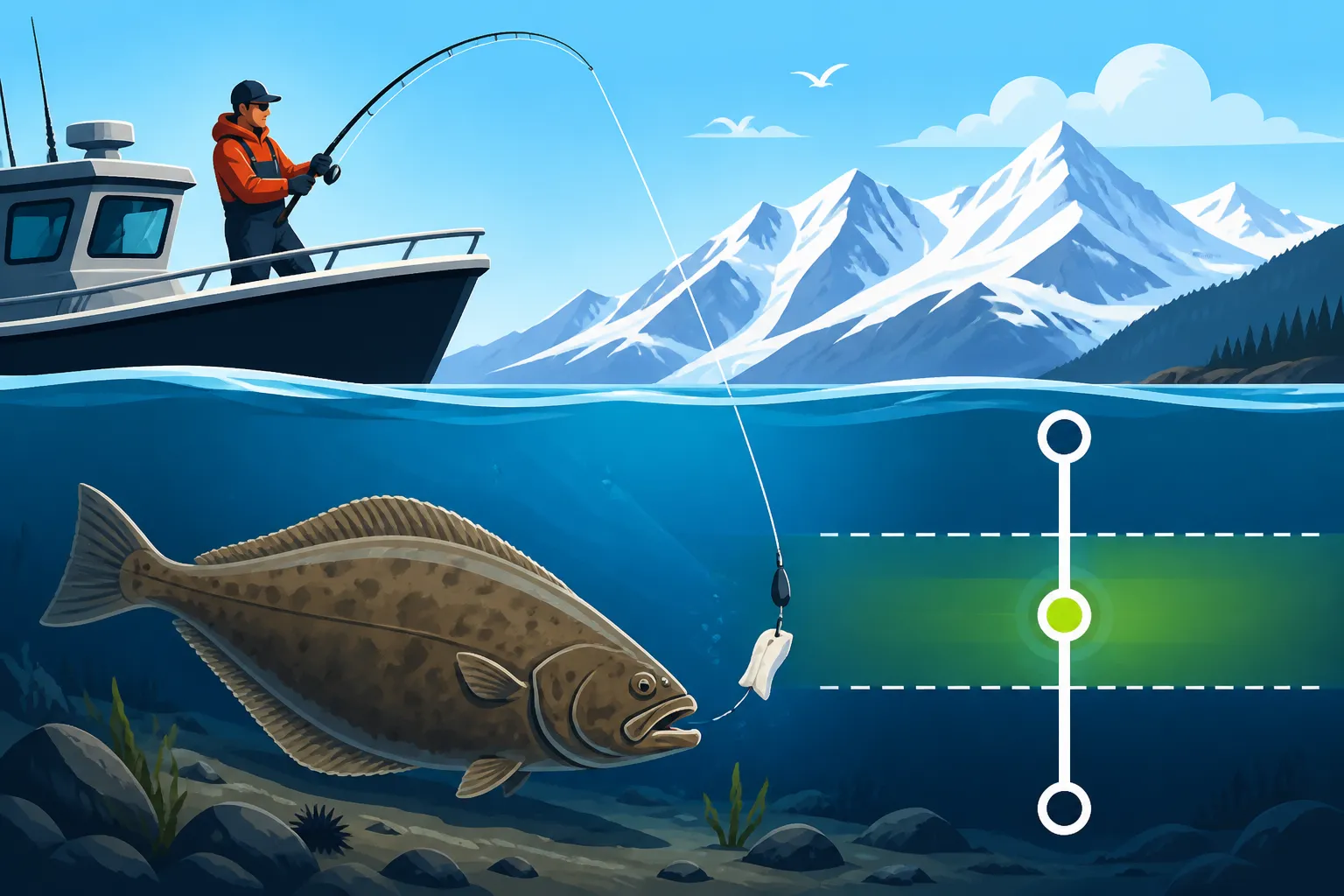
One of the biggest head-scratchers for folks dreaming of landing a monster Alaska halibut is figuring out just how deep to drop that line. It’s not as simple as just "fishing on the bottom," because the bottom can be anywhere from 50 feet to over a thousand, and those big flatfish aren't always hanging out in the abyss. This guide is here to untangle the mystery of halibut fishing depths, helping you understand where these magnificent creatures lurk and how to increase your chances of a successful catch.
Understanding Where Halibut Live and Hunt
Before we even talk about specific numbers on a depth sounder, it helps to get inside the head of an Alaska halibut, or at least understand its typical habits. These aren't your average trout darting around in a stream; halibut are truly kings of the seafloor, perfectly evolved ambush predators.
The Halibut's Natural Habitat
Alaska halibut, specifically the Pacific halibut, are demersal fish, meaning they live on or near the seabed. Their flattened bodies and eyes on one side are perfectly designed for this lifestyle. They love to lie partially buried in the substrate, camouflaged against the ocean floor, waiting for an unsuspecting meal to swim by. This means you're almost always going to be fishing relatively close to the bottom.
But "the bottom" in Alaska is incredibly diverse. You've got everything from vast, flat expanses of sand and gravel to jagged rocky reefs, steep drop-offs, and deep canyons. The specific type of bottom and its proximity to structure or baitfish concentrations often dictates where halibut will choose to set up shop. A halibut isn't just looking for any bottom; it's looking for a good bottom – one that offers concealment, a steady current to bring food, and easy access to their preferred prey like cod, herring, or even smaller octopus.
How Halibut Ambush Their Prey
Imagine a giant pancake with fins. That's essentially a halibut. They are masters of camouflage, their mottled brown and gray topside blending seamlessly with the seafloor. They'll often excavate a shallow depression in the sand or gravel, settling in and becoming almost invisible. From this vantage point, they wait. When a tasty meal swims within striking distance, they explode upwards with surprising speed and power, engulfing their prey.
This ambush strategy means they aren't necessarily chasing bait all over the water column like salmon might. Instead, they position themselves strategically where food is likely to pass. Strong currents can be their friend, delivering a steady conveyor belt of sustenance right to their waiting mouths. This is why you often find them near submerged humps, ledges, or channels where currents are concentrated and baitfish are funneled. Understanding this behavior is crucial because it tells you that simply dropping a line into a deep, featureless abyss might not be as productive as targeting areas with distinct changes in depth or bottom composition.
Prime Depth Ranges for Landing Alaskan Halibut
Now that we know a bit about how halibut operate, let's dive into the specifics of where they like to hang out. It's a spectrum, really, from surprisingly shallow to truly oceanic depths, and each range presents its own opportunities and challenges.
Shallow Water Halibut: The Thrill and the Chase (50-150 feet)
Yes, you read that right – shallow! While not the most common depth for trophy halibut, don't ever discount fishing in shallower waters, especially during certain times of the year or in specific locations. Many anglers who frequent places like Kachemak Bay near Homer or parts of Prince William Sound have experienced incredible days landing halibut in this range.
The thrill of catching a big halibut in shallower water is truly something special. The fight feels even more intense because the fish has less room to dive, often leading to powerful, boat-shaking runs. You'll often find halibut in this range during the early season (late spring/early summer) when baitfish are schooling closer to shore or when tidal currents are particularly strong, pushing food over shallower banks and ledges. These areas also tend to warm up faster, attracting various forms of marine life.
However, fishing shallower often means more careful boat positioning to avoid spooking the fish and being extra vigilant for snags if the bottom is rocky. Your gear doesn't need to be quite as heavy, making for a more sporting fight, but you still need strong rods and reels. For instance, when exploring the "Best Fishing Spots in Alaska," you might find that some areas known for excellent halibut fishing, like parts of Kachemak Bay, often yield good catches in these depths, especially during periods of strong tidal movement.
Mid-Range Depths: The Sweet Spot for Many (150-300 feet)
For most recreational anglers heading out on an Alaska fishing charter, this mid-range depth is often the sweet spot. It offers an excellent balance: you're typically deep enough to consistently find good numbers of halibut, including some respectable "chicken" halibut (20-60 lbs) and even the occasional "barn door" (100+ lbs), without the extreme physical demands and technical difficulties of ultra-deep fishing.
Fishing in the 150-300 foot range is where most charters in popular destinations like Seward and Homer will concentrate their efforts for halibut. This depth allows for the use of slightly lighter lead weights (often 1-2 lbs, though sometimes more depending on current), making it more manageable for a full day of jigging or bait fishing. The current here is often just right – strong enough to disperse scent and present bait naturally, but not so strong that it makes it impossible to hold bottom.
In these depths, you're usually targeting areas just off major drop-offs, along underwater plateaus, or near distinct changes in bottom contour. This is also a fantastic range for a "How to Jig for Halibut in Alaska" strategy, as the less extreme depth allows for more effective lure presentation and feeling subtle bites. Many anglers also find that the Halibut size limits for charter anglers are easier to navigate in this mid-range, offering a good chance at desirable "slot limit" fish.
Deep Water Fishing: Targeting the Giants (300-600+ feet)
If your dream is to land a truly colossal, "barn door" halibut weighing in at hundreds of pounds, then venturing into deeper waters, typically 300 to 600 feet or even more, is often where those monsters lurk. These depths are physically demanding and require specialized gear, but the reward can be truly epic.
The really big halibut often prefer these deeper, colder waters. They might not be as active here, conserving energy, but when they do bite, it's usually with immense power. Fishing at these depths requires very heavy braided line, substantial lead weights (often 2-4 lbs, sometimes even more), and often the aid of an electric reel to manage the retrieve. Manual cranking from 500 feet down with a 200-pound halibut on the end of the line is a workout most people aren't prepared for!
One critical consideration when fishing these extreme depths, especially if you're targeting rockfish as bycatch or hoping to release smaller halibut, is barotrauma. Fish brought up from significant depths rapidly can suffer from expanded swim bladders and other internal damage. If you're planning to target mixed species or release fish, understanding Alaska Rockfish Deepwater Release Device Rules and using descending devices is crucial. While the main target here is halibut, other species like lingcod might also be found. You can find robust electric reels and heavy-duty weights on Amazon to help you conquer these challenging depths.
Here's a quick comparison of general depth ranges:
| Depth Range (feet) | Typical Halibut Size | Gear Considerations | Challenges | Best For |
|---|---|---|---|---|
| 50-150 | Smaller to Medium | Lighter weights (8-16 oz), conventional/spinning gear | More easily spooked, potential snags | Early season, active fishing, sporting fight |
| 150-300 | Medium to Large | Mid-range weights (1-2 lbs), sturdy conventional gear | Strong currents, deeper retrieve | Consistent action, good variety of sizes |
| 300-600+ | Large to Trophy | Heavy weights (2-4+ lbs), electric reels, stout tackle | Physical exertion, barotrauma risk, current | Targeting "barn doors," extreme depth fishing |
Key Factors Influencing Halibut Depth Preferences
Halibut aren't static; their preferred depth can change based on a variety of environmental conditions. Being able to read these signs and adjust your fishing strategy is what separates good anglers from great ones.
Tidal Movement and Current Strength
This is arguably the most critical factor influencing halibut depth and feeding behavior. Halibut are masters of using current to their advantage. A moving tide brings food past their ambush points. During strong tidal exchanges, halibut will often move shallower, positioning themselves along underwater features where the current is concentrated, creating a natural feeding lane. Conversely, during slack tide, when the current slows, they might disperse or settle into deeper depressions to conserve energy, only becoming active again as the current picks up.
Knowing the local tide charts is non-negotiable for halibut fishing. A strong run-out tide in a specific channel might mean halibut are stacked up at 100 feet, while during slack, they might be deeper at 250 feet. It's not just about the depth, but about finding that convergence of depth and current that funnels food to them. Many guides will plan their day around specific tidal windows for prime fishing.
Water Temperature and Thermoclines
While halibut are cold-water fish, extreme temperature fluctuations can still play a role. They generally prefer stable, cooler water, but a strong thermocline (a distinct boundary between warmer surface water and colder deeper water) can influence baitfish distribution, which in turn affects halibut. If baitfish are pushed deeper by a warm surface layer, halibut will often follow.
However, it's rare for water temperature alone to be the primary driver of halibut depth day-to-day. More often, it's the secondary effect of how temperature impacts their food source. Understanding the "Alaska Halibut Season Explained" can give you a general idea of when temperatures are typically most favorable for productive fishing.
The Allure of Baitfish
Halibut eat, and they eat a lot! Their presence is intrinsically linked to the availability of their prey. Herring, cod, pollock, octopus, and even smaller salmon species are all on the menu. If large schools of baitfish are holding at a particular depth, you can bet that halibut won't be far away.
Modern fish finders are incredibly helpful here. Seeing dense schools of bait at, say, 180 feet, especially near a promising bottom structure, is a huge clue that halibut might be lying just beneath them. This is why many successful "How to Bottom Fish for Alaska Halibut" strategies involve observing your electronics carefully, not just for the bottom contour, but for signs of life in the water column above it. If you're not seeing bait, moving to a new spot might be a good idea.
Bottom Structure and Topography
This is another huge one. Halibut don't typically like featureless, flat bottoms. They seek out structure that provides ambush points and concentrates prey. Look for:
- Ledges and Drop-offs: These are classic halibut hangouts. Halibut will often lie on the flatter top of a ledge, waiting for food to come over the edge, or they might position themselves at the base of a drop-off.
- Seamounts and Underwater Humps: These act like magnets for baitfish and, consequently, for halibut.
- Rocky Reefs and Rubble Fields: While you need to be careful of snags, these areas provide excellent cover and habitat for a variety of marine life, making them attractive to halibut.
- Channels and Gulleys: Natural pathways for currents and migrating bait.
A good GPS chartplotter with detailed bathymetric (underwater contour) maps is an invaluable tool for finding these honey holes. You can pour over these charts before your trip, identifying promising structures that align with the "Best Halibut Fishing in Alaska" advice from locals.
Time of Year and Specific Location
Finally, the time of year and your specific location in Alaska will heavily influence halibut depth. For instance:
- Early Season (May/June): Halibut might be found shallower as they become more active after winter, following early bait runs.
- Peak Season (July/August): They tend to be more dispersed and can be found across a wider range of depths, often concentrating in the mid-range sweet spots.
- Late Season (September): As temperatures drop, some might move deeper, or in certain areas, remain productive in shallower feeding grounds before the winter slowdown.
A halibut in Cook Inlet near Deep Creek might prefer different depths than one off the coast of Sitka due to vast differences in oceanography, available bait, and bottom structure. When researching places like "Homer Alaska Fishing Guide" or "Seward Alaska Fishing Guide," pay attention to any depth recommendations specific to those locations and times of year.
Practical Tips for Finding the Right Halibut Depth
You've got the theory, now let's talk about putting it into practice. Finding that perfect depth isn't just luck; it's a combination of preparation, observation, and adaptability.
Harnessing Your Electronics
Your boat's fish finder and GPS are your best friends when targeting halibut.
- Fish Finder (Sounder): Don't just look for fish arches. Pay close attention to the bottom contour. Look for those ledges, humps, and sudden depth changes. A good color display will also help you identify schools of baitfish, which appear as dense blobs or clouds above the bottom. Modern units, like those from Garmin or Lowrance, offer incredibly detailed bottom mapping.
- GPS and Chartplotter: Load detailed charts. Identify potential hotspots based on underwater topography. Mark waypoints when you catch fish or find good structure. Over time, you'll build up a personal "library" of productive spots and the depths that yielded success. If you're looking for a reliable unit, you can find a wide selection of chartplotters and fish finders on Amazon.
Learning from the Pros and Your Own Experience
- Talk to Local Guides and Tackle Shops: This is invaluable. A good local guide (like those detailed in "Alaska Fishing Charters: Complete Guide") spends hundreds of hours on the water and knows the current bite. Tackle shop owners are also treasure troves of information about what's working and where. Don't be shy; ask about typical depths for the current season and conditions.
- Observe and Adapt: If you're fishing a spot and not getting bites, don't just sit there. Try moving up or down the bank by 50-100 feet. If the current changes, re-evaluate. Sometimes a slight shift in boat position or depth is all it takes to find the fish. Pay attention to what depths other boats are successfully fishing if you're in a crowded area.
- Log Your Successes (and Failures): Keep a fishing journal. Note the date, time, tide, location (GPS coordinates), depth, bait/lure used, and what you caught (or didn't). Over time, patterns will emerge, helping you refine your strategy for the Best Time to Catch Halibut in Alaska.
Gear Selection for Depth Management
The depth you fish directly impacts the gear you need, particularly your lead weights.
- Weight Selection: For shallower depths (under 150 feet) in mild current, 8-16 ounce weights might suffice. In the common 150-300 foot range, 1-2 pound lead balls or torpedo weights are standard. For deeper water or strong currents, you might need 3-5 pounds or even more to ensure your bait reaches and stays on the bottom. Having a variety of weights onboard is crucial. You can stock up on bulk lead weights on Amazon.
- Line Type: Braided line is highly recommended for halibut fishing, especially at deeper depths. It has minimal stretch, allowing you to feel bites more effectively, and its thinner diameter cuts through the water better, reducing drag from current and allowing you to use lighter weights to hold bottom. Aim for 80-150 lb test braid.
- Rods and Reels: A stout conventional rod with a powerful lever drag reel (like a Penn International or a Shimano Talica) is ideal. For the deepest fishing, especially over 400 feet, an electric reel can save your arms and back.
When you're setting up your rig, consider guides for "How to Set Up a Halibut Rig for Alaska." Proper rigging ensures your bait or lure presents effectively at the target depth. Remember, halibut are bottom feeders, so if you're fishing 50 feet off the bottom, you're probably not in their strike zone. Get down there and stay down there!
Final Thoughts on Halibut Depth
Ultimately, there's no single "magic" depth for Alaska halibut fishing. These magnificent fish are adaptable, and their preferences can shift with the tides, currents, and availability of food. The most successful anglers are those who understand halibut behavior, meticulously use their electronics, pay attention to environmental cues, and aren't afraid to adjust their strategy throughout the day.
Whether you're battling a "chicken" in 100 feet or winching a "barn door" from the dark abyss of 500 feet, the pursuit of Alaska halibut is an unforgettable adventure. By focusing on the confluence of structure, current, and baitfish at various depths, you'll significantly increase your chances of bringing home some delicious fillets. So get out there, pay attention, and enjoy the incredible experience of fishing Alaska's waters!
Disclaimer
The information provided in this guide is for general informational purposes only. Fishing regulations in Alaska are complex and subject to change without notice, often through emergency orders. Always consult the most current Alaska Department of Fish and Game (ADF&G) regulations booklet and check for any emergency orders before you go fishing. Your safety and compliance with all laws are your responsibility.