What Gear Does an Alaska Charter Provide
It's incredibly exciting to plan an Alaska fishing adventure, but let's be honest, the logistics can be a bit daunting. One of the questions that pops up constantly, and rightly so, is about what fishing gear you can expect your charter to provide. You don't want to overpack, nor do you want to show up unprepared for the fishing trip of a lifetime. This comprehensive guide will walk you through the standard equipment and necessities that most Alaskan fishing charters supply, helping you prepare perfectly for your angling excursion in the Last Frontier.
The Essential Fishing Gear Provided by Most Charters
When you book an Alaska fishing charter, you're not just paying for a ride on a boat; you're investing in an experience curated by professionals who understand the local waters and the specific techniques required to catch fish. A significant part of that investment covers the specialized gear you'll need, which is often high-quality and well-maintained.
Rods, Reels, and Line
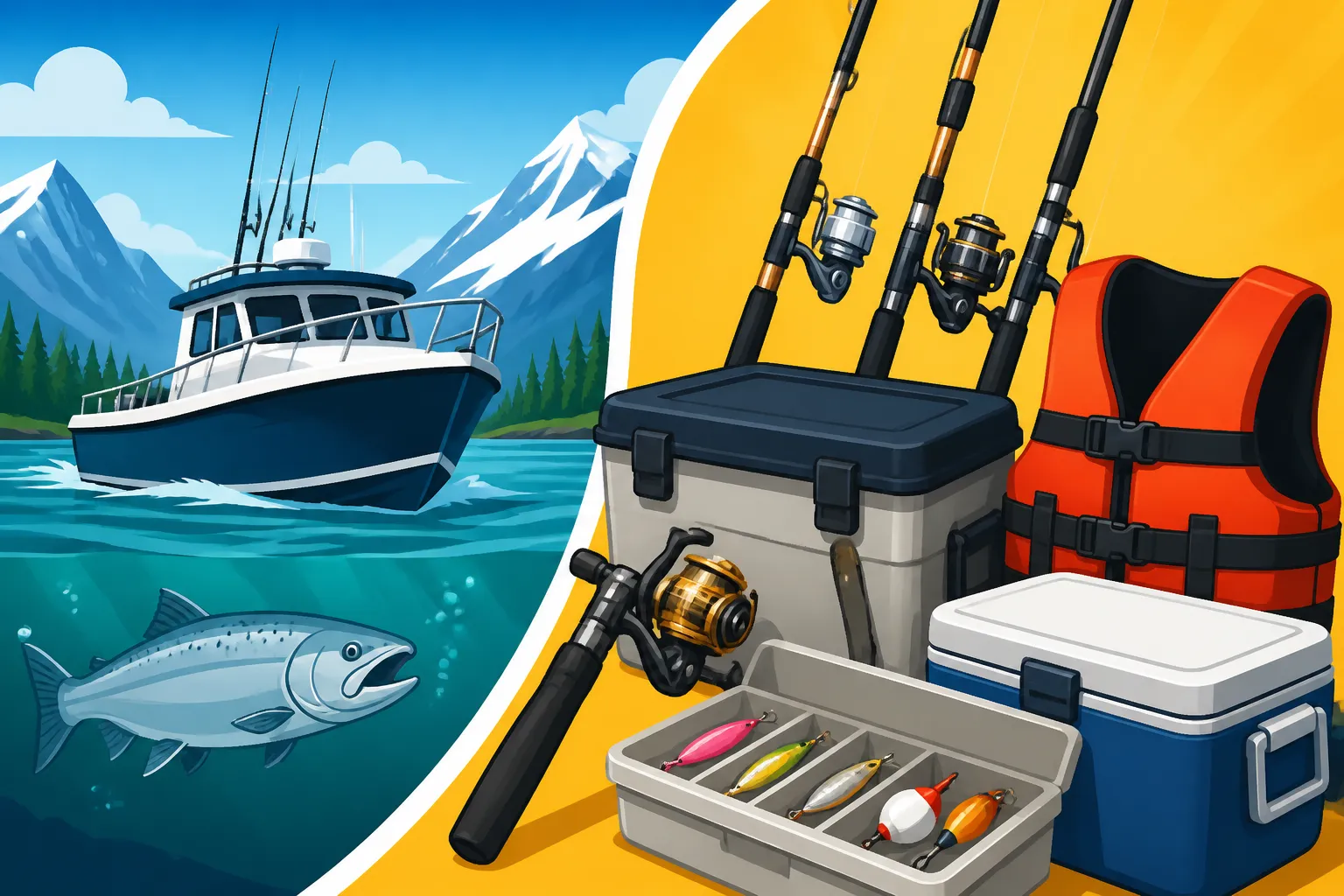
You can breathe a sigh of relief on this front: your charter captain will almost certainly provide all the necessary rods, reels, and fishing line. These aren't just any rods and reels; they are specifically chosen for the type of fishing you'll be doing and the species you're targeting. For example, a halibut charter out of Homer or Seward will equip you with heavy-duty rods and powerful conventional reels, often spooled with braided line capable of handling a "barn door" halibut weighing over 100 pounds. These setups are robust enough to withstand the incredible fight these bottom dwellers put up, and sometimes they might even be electric reels to help with the heavy lifting from hundreds of feet down.
On the other hand, if you're chasing salmon on a river like the Kenai, your guide will likely have lighter, more sensitive spinning or baitcasting rods perfectly suited for drifting bait or "flossing" for sockeye, or for casting lures for aggressive coho. These rods are often designed for specific techniques, like back-trolling a Kwikfish for King Salmon. The quality of this gear is usually top-notch, often from reputable brands like Penn, Shimano, or Ugly Stik, ensuring reliability when you hook into a monster. Trust me, you don't want to bring your ultralight trout rod when you're battling a Kenai King!
Terminal Tackle and Bait
Beyond the rods and reels, charters also supply all the terminal tackle you'll need. This includes a wide array of hooks, swivels, leaders, and sinkers or weights. The specific type and size of tackle will vary greatly depending on your target species and fishing method. For halibut, you'll be using large circle hooks and heavy pyramid sinkers to get your bait down to the seafloor, while salmon fishing might involve smaller, sharper hooks for roe presentations or brightly colored jigs and spinners.
And then there's the bait! This is almost universally covered by your charter fee. For saltwater fishing, expect a generous supply of cut herring, squid, or sometimes even octopus, which are irresistible to halibut and various rockfish species. River salmon charters might provide cured salmon eggs, often from local fish, or artificial baits that mimic natural food sources. Guides are experts at knowing what the fish are biting on that day, and they'll have plenty on hand. They spend time preparing and acquiring the best bait, so you don't have to worry about this crucial element. It's truly a relief knowing you don't have to source and cure your own herring at 4 AM!
Safety Equipment and Onboard Amenities
Safety is paramount on any fishing vessel, and Alaskan charters are no exception. All licensed charter boats are required to carry a full complement of U.S. Coast Guard-approved safety equipment. This typically includes:
- Personal Flotation Devices (PFDs): Life vests for everyone on board, often in various sizes, including options for children if you're bringing the family.
- First-Aid Kits: Fully stocked kits capable of handling minor injuries or emergencies.
- Communication Devices: VHF radios are standard for ship-to-shore communication, and many boats also carry satellite phones or other emergency communication systems, especially in more remote areas.
- Navigation Equipment: GPS and charting systems to ensure safe passage and accurate positioning on fishing grounds.
- Flares and Sound Signaling Devices: For distress signaling.
- Emergency Blankets and Fire Extinguishers: Additional safety measures.
Beyond safety, most charters offer some basic onboard amenities to enhance your comfort. You'll almost always find coolers or fish boxes to store your catch, often filled with ice. Many saltwater charters, particularly larger boats, will have a marine head (restroom) onboard. Some charters even provide bottled water and perhaps a few snacks, though it's always wise to bring your own personal refreshments. These amenities, while seemingly small, can make a big difference on a long day on the water.
Essential Items Anglers Must Bring Themselves
While charters are incredibly well-equipped with fishing gear, there are several crucial items you, as the angler, are responsible for bringing. Failing to bring these can genuinely dampen your experience or even prevent you from fishing.
Personal Clothing and Rain Gear
This is, hands down, the most critical item you need to consider. Alaska's weather is famously unpredictable and can change on a dime, even in the middle of summer. Most charters do not provide personal rain gear or warm clothing, and relying solely on what you bring for sunny days is a recipe for a miserable trip. Layering is the name of the game in Alaska. You'll want:
- Base Layers: Moisture-wicking material (not cotton!).
- Mid-Layers: Fleece jackets, wool sweaters, or insulated vests for warmth.
- Outer Layers: A high-quality, 100% waterproof and windproof jacket and matching pants. Brands like Grundéns or Helly Hansen are popular among Alaskan guides for their durability and protection. Seriously, invest in good rain gear; it's worth every penny. You can find more detailed advice in our guide on What to Wear on an Alaska Fishing Charter.
- Headwear: A warm beanie or wool hat is essential, even in summer, as most body heat escapes through your head. A baseball cap can also be useful for sun protection.
- Gloves: Waterproof and insulated gloves are a game-changer for keeping your hands warm and dry.
- Footwear: Waterproof boots with good traction are a must. XTRATUF boots are practically the official footwear of Alaska, and for good reason—they're incredibly durable and waterproof.
Imagine being out on the waters of Prince William Sound, a sudden squall rolls in, and you're soaked to the bone in five minutes. Not fun, right? Coming prepared with the right clothing layers and rain gear will ensure you stay comfortable, no matter what Mother Nature throws your way.
Alaska Fishing License and King Salmon Stamp
This is non-negotiable and something no charter will provide for you: your valid Alaska fishing license. Every angler aged 16 or older needs one. If you plan to target King Salmon, you'll also need a separate Alaska King Salmon Stamp Requirements on top of your base license, regardless of your age. These are critical legal requirements, and fishing without them can result in hefty fines and the loss of your catch.
You can purchase your license online through the Alaska Department of Fish and Game (ADF&G) website, or from many sporting goods stores, tackle shops, and some grocery stores in Alaska. It's always best to buy it before your trip, printing a physical copy and saving a digital one on your phone. Don't wait until the last minute, as internet access might be spotty in some remote areas. Our comprehensive guide on the Alaska Fishing License: Complete Guide offers detailed instructions on how to secure yours. Make sure you check the specific regulations for the area you'll be fishing, as emergency orders can change limits and seasons quickly.
Food, Drinks, and Personal Comfort Items
While some charters might offer water, it's always a good idea to bring your own snacks and drinks to keep your energy up throughout the day. A full day of fishing can be surprisingly strenuous! Pack things that are easy to eat on a rocking boat, like sandwiches, energy bars, fruit, and plenty of hydration.
Beyond food, consider these personal comfort items:
- Sunscreen and Sunglasses: Even on cloudy days, UV reflection off the water can lead to severe sunburn. Polarized sunglasses are also incredibly helpful for reducing glare and spotting fish in clearer waters.
- Medications: Any prescription medications you need, plus over-the-counter remedies for seasickness (like Dramamine or Bonine), headaches, or allergies. It's better to take seasickness medication before you get on the boat if you're prone to it.
- Camera and Waterproof Bag: You'll want to capture those trophy shots! Make sure your camera and phone are protected in a waterproof bag or case. The last thing you want is a salt-water logged phone.
- Small Backpack or Dry Bag: To keep all your personal items organized and protected from spray or rain.
Factors Influencing Gear Provision
Not all Alaska fishing charters are created equal, and what one provides, another might not. Several factors can influence the scope of gear and amenities included in your trip.
Type of Fishing Trip
The kind of fishing experience you book significantly dictates the gear provided.
- Halibut Charters: These are almost always bottom fishing trips in saltwater. They require heavy-duty rods, conventional reels, specialized terminal tackle, and large amounts of bait. Due to the depth and size of the fish, many charters use electric reels, especially for older anglers or those with physical limitations. Expect robust, purpose-built gear on these trips. Our Alaska Halibut Charter Guide details specific expectations for these voyages.
- Salmon River Charters: Whether you're drift fishing on the Kenai River for sockeye or back-trolling for kings on the Kasilof, freshwater salmon charters use different gear. Lighter rods, sensitive reels, and a variety of lures or cured eggs are common. Guides often use specialized drift boats or powerboats designed for river conditions.
- Fly-Out Fishing Trips: These highly immersive trips, often to remote lodges or wilderness streams, might have different gear provisions. While some lodges provide waders, boots, and high-end fly-fishing outfits, others expect you to bring your own specialized fly gear. Always confirm!
- Combo Charters: Many operations offer combo trips, such as a "King Salmon and Halibut" day. These will typically involve switching gear throughout the day, ensuring you have the right setup for each species.
Charter Package Inclusions and Cost
The price tag often reflects the level of inclusion.
- Budget-Friendly Options: These charters might provide the absolute minimum required gear and expect you to bring more of your own comfort items, like ample snacks and drinks. They're great for anglers who are happy with the basics and want to keep costs down.
- Mid-Range Charters: Most common, these will include all standard fishing gear, bait, and safety equipment, along with basic amenities like a cooler for your catch and maybe some water.
- Premium or All-Inclusive Packages: High-end lodges or multi-day charters sometimes go above and beyond. They might offer complimentary rain gear, provide gourmet lunches, include fish processing and shipping, or even supply waders and boots for wading trips. When you're comparing options on a site like FishingBooker, pay close attention to the "Included" section to understand the full scope of the package. This is where researching Alaska Fishing Charter Cost Explained becomes essential, as higher costs often mean more comprehensive inclusions.
Specific Target Species
As mentioned, the type of fish you're after directly impacts the gear. If you're going after Alaska King Salmon: Complete Guide, expect heavy-duty gear designed to withstand the raw power of these magnificent fish. For Alaska Sockeye Salmon Explained, lighter setups for more nuanced techniques like "flossing" or drift fishing will be provided. The sheer variety of fish in Alaskan waters—from monster halibut to acrobatic silver salmon and feisty rainbow trout—means a huge variety in the optimal gear. Guides are experts at matching the tackle to the fish, so trust their judgment.
How to Confirm What Your Charter Provides Before You Go
Don't leave anything to chance! The best way to ensure you're perfectly prepared is to proactively confirm what your specific charter provides.
Reviewing Charter Listings and Websites
Start by thoroughly reading the charter's description on their website or on booking platforms like FishingBooker. Most reputable operations will have a dedicated section detailing what's included and what guests should bring. Look for specific mentions of "all fishing gear provided," "bait included," and details about safety equipment. If you're booking through a third-party site, pay attention to the "What's Included" checklist, as it often clearly itemizes provisions.
If you're planning a trip, consider browsing a platform like FishingBooker. It allows you to filter by location, species, and even check specific amenities offered by various captains. This can give you a great overview and help you compare options easily.
Direct Communication with the Operator
This is the golden rule! If anything is unclear after reviewing online materials, pick up the phone or send an email directly to the charter captain or booking agent. Don't be shy; they are used to these questions and want you to have a great experience. Asking specific questions such as, "Do you provide rain gear, or should I bring my own?" or "Are snacks and drinks included?" will give you peace of mind.
A good question to ask, especially for river trips, is about footwear. Some river guides might have spare wading boots in common sizes, but it's not guaranteed. You might also want to ask about fish processing. While charters provide the means to catch fish, the handling of your catch after the trip (filleting, vacuum-sealing, freezing, shipping) often involves additional services, either directly through the charter or via local processors. This can be a significant logistical consideration, so it's wise to clarify during your initial conversation. Our guide on Questions to Ask an Alaska Fishing Charter offers a comprehensive list to help you prepare for this conversation.
Preparing a Personal Checklist
Once you have all the information, create your own detailed packing checklist. This will ensure you don't forget anything important. Here's a simple table to get you started, but personalize it based on your charter's specifics:
| Category | Provided by Charter (Confirm) | Angler Should Bring |
|---|---|---|
| Fishing Gear | Rods, reels, line, terminal tackle, bait | (Optional) Personal lucky lure, specialized fly rod if fly-fishing |
| Safety | Life vests, first-aid kit, communication, navigation | Personal medications, seasickness remedies |
| Clothing | (Rarely) Spare rain gear | Waterproof jacket & pants, warm layers, hat, gloves, waterproof boots |
| Documentation | None | Valid Alaska Fishing License, King Salmon Stamp (if needed), ID |
| Personal Items | Cooler for fish, water (sometimes), basic sanitation | Snacks, drinks, sunscreen, sunglasses, camera, waterproof bag, small backpack |
| Other | Fish storage on boat (e.g., cooler) | Cooler for transport to processor, cash for tips |
Following this approach will allow you to focus on the incredible experience of fishing in Alaska, knowing you're well-equipped and prepared for whatever the day brings. Whether you're battling a colossal halibut in the Gulf of Alaska or skillfully landing a chrome bright sockeye on the Kenai, having the right gear is key to maximizing your adventure.
Disclaimer
Please note that fishing regulations and charter practices in Alaska can change frequently due to emergency orders, conservation efforts, and individual company policies. Always confirm the most up-to-date information directly with your chosen charter operator and consult the Alaska Department of Fish and Game (ADF&G) website for current regulations before your trip. This guide provides general information and should not be taken as definitive legal or operational advice.