How to Buy an Alaska King Salmon Stamp
So, you’re planning your dream Alaska fishing trip, probably envisioning that massive King Salmon at the end of your line, a true trophy! But then you start digging into the regulations, and suddenly you hit a snag – a little thing called the King Salmon Stamp. It’s a common moment of confusion for many anglers, especially those visiting Alaska for the first time or even seasoned residents who might just be targeting other species most of the time. This comprehensive guide will walk you through exactly what an Alaska King Salmon Stamp is, who needs one, and most importantly, how to easily purchase it so you can focus on the thrill of the catch without worrying about unknowingly breaking any rules.
Understanding the Alaska King Salmon Stamp Requirement
It's easy to get caught up in the excitement of planning an Alaska fishing adventure, focusing on gear, guides, and where the fish are biting. But overlooking something as crucial as the King Salmon Stamp can turn a fantastic day on the water into a headache. This stamp isn't just another piece of paper; it's a vital part of Alaska's conservation efforts for Chinook salmon, ensuring that this magnificent species continues to thrive for generations of anglers to come.
Why the King Salmon Stamp Exists
Think of the King Salmon Stamp as your direct contribution to the health and sustainability of Alaska's Chinook salmon populations. King salmon, also known as Chinook, are often considered the apex predator of the salmon world, renowned for their immense size, fighting spirit, and delicious flavor. However, they've faced various challenges over the years, from habitat loss to fluctuating ocean conditions and intense fishing pressure. The Alaska Department of Fish and Game (ADF&G) uses the funds generated from King Salmon Stamp sales specifically for research, management, and enhancement programs directly benefiting these fish. This means your stamp helps fund critical stock assessment, habitat restoration, and even hatchery programs in some areas to supplement wild runs. It’s a small fee that makes a big difference in ensuring these incredible fish remain a vibrant part of Alaska's ecosystem and sport fishing opportunities.
Who Needs an Alaska King Salmon Stamp
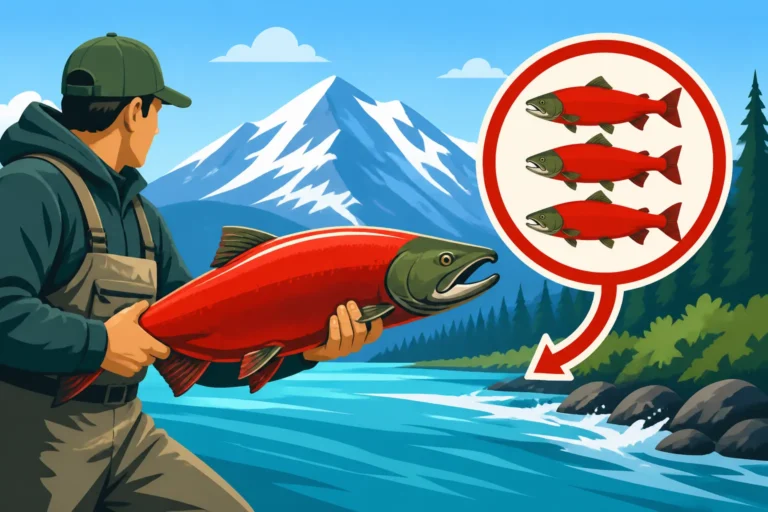
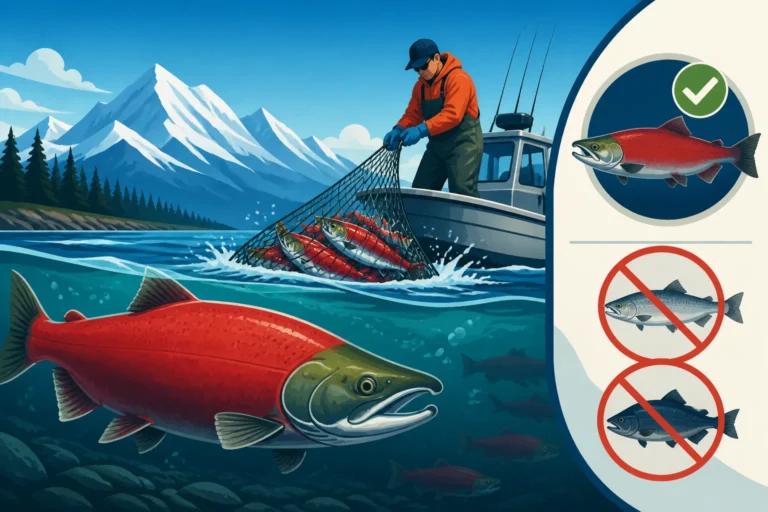
This is where many people get tripped up. It’s a common misconception that if you’re fishing for any salmon, you need a King Salmon Stamp. That’s not quite right. You only need to purchase and possess a King Salmon Stamp if you intend to target or retain a King Salmon (Chinook salmon) during your fishing trip. If you’re exclusively chasing Sockeye, Coho, Pink, or Chum salmon, or perhaps some feisty rainbow trout, a King Salmon Stamp is not required.
Here's a breakdown:
- Targeting King Salmon: If your primary goal is to catch King Salmon, even if you plan to release them, it's generally a good idea to have the stamp. The regulations are designed to prevent anglers from "accidentally" catching a King without the proper licensure.
- Retaining King Salmon: If you catch a King Salmon and decide to keep it (within legal bag limits and slot limits, of course), you absolutely must have a valid King Salmon Stamp, in addition to your current Alaska Fishing License: Complete Guide. Without both, retaining a King Salmon is a violation, and fines can be substantial.
- Youth Anglers: While residents under 16 generally don't need a basic sport fishing license, the King Salmon Stamp requirement usually applies to anyone who is actively targeting or retaining a King Salmon, regardless of age. Always double-check the current Alaska Youth Fishing License Rules or the latest ADF&G regulations for specific age exemptions, as rules can sometimes change or have regional variations. Non-resident youth will also typically need the stamp if they are targeting or retaining King Salmon, even if they might be exempt from the general fishing license below a certain age in their home state.
- Residents vs. Non-Residents: The requirement applies equally to both residents and non-residents, though the cost of the stamp (and the underlying fishing license) differs significantly. Remember, the King Salmon Stamp is always an add-on to your regular sport fishing license. It's not a standalone license. You literally cannot buy just a King Salmon Stamp without first purchasing a valid Alaska sport fishing license.
Let's say you're fishing on the Kenai River in June, hoping for Sockeye, but there's a good chance you might hook into a stray King. If you want the option to keep that King, or even legally fish for it, you'll need the stamp. If you're strictly going for Sockeye and would immediately release any King you caught (and knew how to do so safely and quickly without harming the fish), then you might technically not need it, but it's a risk. Most reputable guides will insist you have one if there's any chance of encountering kings.
Where and How to Purchase Your Alaska King Salmon Stamp
Alright, so you know you need it. Now, how do you actually get your hands on one? The good news is that purchasing an Alaska King Salmon Stamp is a straightforward process, designed to be accessible to anglers whether they're planning far in advance or realize they need one just before hitting the water. You have a couple of primary options, each offering different levels of convenience.
Online Through the Alaska Department of Fish and Game (ADF&G)
For most anglers, especially those planning their trip ahead of time, buying your King Salmon Stamp online is by far the easiest and most recommended method. The Alaska Department of Fish and Game operates a secure online licensing system that handles both your general fishing license and any necessary stamps.
Here’s a step-by-step guide to purchasing your stamp online:
- Visit the Official ADF&G Website: Open your web browser and navigate to the ADF&G online licensing system. The direct address is usually
license.adfg.alaska.gov. Make sure you're on the official state website to avoid any scams or unofficial vendors. - Select "Purchase a License/Permit": Once on the site, you'll typically see clear options to buy or renew licenses. Click on the appropriate link.
- Choose Your License Type: You’ll first need to select the type of general sport fishing license you require (e.g., non-resident annual, 7-day non-resident, Alaska 1-Day Fishing License: Cost and How to Buy, etc.). The King Salmon Stamp is an add-on, so you must select your base fishing license first. If you already have a valid fishing license, you might have an option to purchase just a stamp.
- Enter Your Personal Information: You'll be prompted to enter details such as your full name, date of birth, address, and residency status. Be accurate, as this information will be printed on your license and stamp.
- Add the King Salmon Stamp: During the process of selecting your license, there will be an option to add a King Salmon Stamp. It will usually specify the duration (e.g., 1-day, 3-day, annual) that matches your chosen base fishing license. Select the appropriate King Salmon Stamp for your needs. Remember, your King Salmon Stamp must be valid for the same dates as your primary fishing license. If you're unsure which one to pick, refer to the section on How Much Is the Alaska King Salmon Stamp.
- Review Your Order: Before finalizing, double-check all your selections and personal information. Ensure the dates, license types, and stamp choices are correct.
- Payment: Enter your payment information (credit card or debit card). The system is secure, and you'll receive a confirmation.
- Print Your License and Stamp: After successful payment, you'll be provided with a printable PDF document. This is your official license and stamp. You must print it out and carry a physical copy with you while fishing. While some wardens might accept a digital copy on your phone, it's always safest to have the physical paper. Many anglers laminate theirs for durability, especially in Alaska's often wet environment.
Pro Tip: If you're buying a license for a specific duration (e.g., a 7-day non-resident license), make sure your King Salmon Stamp covers that entire period if you plan on targeting Kings for more than just one day within that week.
In-Person at Licensed Vendors
For those who prefer a face-to-face transaction, or if you find yourself in Alaska realizing you forgot your stamp, you can purchase it in person at various licensed vendors throughout the state. These vendors are typically sporting goods stores, tackle shops, general merchandise stores, and even some grocery stores or gas stations that offer licensing services.
Common places to find licensed vendors include:
- Sporting Goods Stores: Retailers like Big Ray's in Anchorage or Fairbanks, or smaller local tackle shops in towns like Soldotna, Homer, or Seward, are excellent places. The staff are often knowledgeable about local regulations and can help you make sure you're getting the right license and stamp.
- Major Retailers: Stores such as Fred Meyer or Walmart, found in larger towns, usually have a customer service desk or designated area where you can purchase fishing licenses and stamps.
- Gas Stations and Convenience Stores: In more remote areas, a small gas station might be your only option. Look for signs indicating that they are an "ADF&G License Vendor."
- Charter Offices: Many fishing charter operations, especially those in popular destinations like Homer, Seward, or Valdez, will have the ability to sell you a fishing license and King Salmon Stamp right at their office. This can be incredibly convenient, especially if you're booking a last-minute trip.
When purchasing in person, you'll still need to provide your personal identification (like a driver's license), and they'll print out your official license and stamp right there on the spot. Don't forget to keep it safe and dry!
Comparison of Purchase Methods
Here's a quick table to help you decide which method is best for you:
| Feature | Online (ADF&G Website) | In-Person (Licensed Vendor) |
|---|---|---|
| Convenience | High – Purchase anytime, anywhere with internet access. | Moderate – Requires finding a vendor during business hours. |
| Instant Access | Yes – Print immediately after purchase. | Yes – Printed on the spot. |
| Assistance | Limited – Self-service, FAQs available. | High – Staff can answer questions, ensure correct selection. |
| Payment | Credit/Debit Card. | Credit/Debit Card, sometimes Cash. |
| Paper Copy | Requires a printer. | Provided directly. |
| Prior Planning | Best for planning ahead. | Good for last-minute purchases or forgotten stamps. |
| Travel Prep | Ideal for ensuring all licenses are secured before arriving in Alaska. | Useful if arriving without a stamp or if plans change mid-trip. |
No matter which method you choose, the key is to ensure you have a valid, physical copy of your King Salmon Stamp and your base fishing license with you whenever you are targeting or retaining King Salmon. An Alaska Fishing Violations and Fines can be a significant setback, so it's always better to be prepared.
Understanding King Salmon Stamp Costs and Duration
The cost and duration of your King Salmon Stamp are crucial considerations, especially for non-residents, as they can significantly impact your trip budget. The Alaska Department of Fish and Game sets these fees, and they are designed to align with the duration of your primary sport fishing license. It's not a "one-size-fits-all" scenario, so understanding your options is key.
Cost Differences: Resident vs. Non-Resident
As with most state-issued fishing licenses and stamps, there’s a noticeable difference in price between residents and non-residents. This is a common practice across the U.S. to ensure that those who contribute to the state’s economy year-round through taxes or residency pay a reduced rate for recreational activities.
Let's look at typical costs (these are approximate and can change, so always check the official ADF&G site for the most current pricing):
Resident King Salmon Stamp Costs (Approximate):
- 1-Day: Around $10
- 3-Day: Around $20
- 7-Day: Around $30
- 14-Day: Around $50
- Annual: Around $10
Notice how the annual stamp for residents is often quite affordable. This encourages residents who might fish multiple times a year, or spontaneously decide to target Kings, to always be covered.
Non-Resident King Salmon Stamp Costs (Approximate):
- 1-Day: Around $10
- 3-Day: Around $20
- 7-Day: Around $30
- 14-Day: Around $50
- Annual: Around $30
While the daily stamps are often the same price for residents and non-residents, the annual non-resident King Salmon Stamp is typically higher than for residents. This is consistent with the higher cost of the underlying Alaska Non-Resident Fishing License: Cost and How to Buy.
It’s important to budget for this additional cost when planning your trip. For example, a non-resident planning a 7-day fishing trip primarily for salmon would need a 7-day non-resident fishing license and a 7-day non-resident King Salmon Stamp if they want to target or retain Kings. These costs add up, but they are a small investment for the incredible experience Alaska fishing offers and the vital conservation they support.
Matching Stamp Duration to Your Trip
One of the most frequent mistakes anglers make is buying a King Salmon Stamp for a period that doesn't fully cover their intentions or their primary fishing license duration. Your King Salmon Stamp's validity must always align with, or be shorter than, the validity of your base sport fishing license. You cannot use a 1-day King Salmon Stamp with a 7-day fishing license if you plan to fish for Kings on multiple days within that week.
Here’s how to pick the right duration:
- Short Trips (1-3 days): If you're in Alaska for just a weekend or a quick excursion, and you only plan to target King Salmon on one or two specific days, the 1-day or 3-day King Salmon Stamp might be sufficient. This is ideal if your trip includes a dedicated King Salmon charter on a specific day, and other days are for halibut or other species.
- Week-Long Adventures (7-14 days): Many visitors come to Alaska for a week or two. If King Salmon are in season during your visit, and you anticipate multiple opportunities to fish for them (whether with a guide or on your own), a 7-day or 14-day stamp is a much safer bet. This ensures you're covered for the duration of your active King Salmon pursuit.
- Annual Plans or Extended Stays: If you are an Alaska resident, or a non-resident who plans to spend an extended amount of time in Alaska and fish for King Salmon throughout various seasons (e.g., spring Kings, summer Kings), an annual King Salmon Stamp provides the best value and convenience. It eliminates the need to buy multiple short-term stamps.
Always consider your entire trip duration and your potential for targeting King Salmon. It’s better to have a slightly longer stamp than needed than to be caught without one, risking a fine or having to release a prized catch. For more detailed information on various license options, check out our guide on Alaska Fishing License Cost and Types.
Key Regulations and Practical Considerations for King Salmon Stamps
Beyond just purchasing the stamp, there are crucial regulations and practical tips every angler should be aware of to ensure a smooth, legal, and enjoyable King Salmon fishing experience in Alaska. It’s not just about having the stamp; it's about understanding when and how it applies.
When the Stamp is Required: Seasonality and Emergency Orders
The need for a King Salmon Stamp isn't a year-round, always-on requirement for all waters. It's intrinsically linked to the presence and pursuit of King Salmon, which are highly seasonal. King Salmon runs in Alaska typically occur from late May through July, with some early spring and late fall fisheries in specific regions.
- Peak Season: If you're fishing during the peak King Salmon runs on popular rivers like the Kenai, Kasilof, Nushagak, or even in saltwater areas targeting feeders, you will almost certainly need a stamp if you intend to fish for or keep Kings. These are the times when the regulations are most actively enforced.
- Emergency Orders (EOs): This is one of the most critical aspects of Alaska fishing. The ADF&G frequently issues Emergency Orders (EOs) that can change fishing regulations in-season, sometimes with very short notice. These EOs can:
- Close King Salmon Fisheries: King Salmon fisheries might be closed to retention, or even to targeting, if escapement goals (the number of fish needed to spawn) are not being met.
- Modify Bag Limits or Gear Restrictions: EOs can change daily or annual bag limits, or impose gear restrictions (e.g., single-hook, no bait) that affect how you can fish for Kings.
- Impact Stamp Use: Even if you’ve bought an annual King Salmon Stamp, if an Emergency Order closes a specific river or area to King Salmon retention, you legally cannot keep a King, even with your stamp. You might still be able to target them (catch-and-release), but you need to check the specific EO.
It is absolutely vital to check the latest Alaska Fishing Emergency Orders Explained before you head out each day, and even when planning your trip. The ADF&G website and local sporting goods stores are excellent resources. Ignorance of an EO is not a valid defense if you're cited for a violation.
Recording Your Catch on the Harvest Record Card
The King Salmon Stamp goes hand-in-hand with another crucial document: the Alaska Harvest Record Card. This card is usually attached to your physical fishing license, or is a separate sheet issued with it.
- Mandatory Recording: When you retain a King Salmon (or any other species specified for recording, such as Steelhead or some species of Lingcod), you are legally required to immediately record it on your Harvest Record Card. This means writing down the date, species, and location of the catch before you resume fishing or move to another location.
- Why It Matters: This isn't just bureaucracy; it's a critical tool for fisheries managers. The data collected from Harvest Record Cards helps the ADF&G accurately track harvest numbers, assess stock health, and make informed decisions about future regulations, including opening and closing fisheries. Without accurate reporting, the data is incomplete, potentially impacting future fishing opportunities.
- Non-Resident Annual Limit: For non-residents, there's often an annual limit on the number of King Salmon you can retain. The Harvest Record Card is essential for tracking this. For example, some regulations might state a non-resident annual limit of three King Salmon from Cook Inlet. Your card is how you prove you haven't exceeded that limit. Understanding the Alaska King Salmon Annual Limit for Non-Residents is crucial.
Failing to properly record your catch can result in significant fines and penalties, just like fishing without a license or stamp. Take the extra minute to fill out your card accurately every time you keep a King Salmon. Our detailed guide on the Alaska Harvest Record Card Explained can help you understand this process even better.
General Tips for a Smooth King Salmon Fishing Trip
- Print and Protect: Always carry a printed copy of your fishing license and King Salmon Stamp. Consider laminating it or keeping it in a waterproof pouch to protect it from Alaska's unpredictable weather.
- Check Regulations by Region: Alaska's fishing regulations can vary dramatically by region, and even by specific river or drainage. A regulation that applies to the Kenai River might not apply to Southeast Alaska. Always consult the Alaska Fishing Regulations by Region or the official ADF&G regulation booklet specific to the area you'll be fishing.
- Ask Your Guide: If you’re fishing with a charter or guide, they are an invaluable resource. They are usually up-to-date on all the latest regulations, Emergency Orders, and requirements. Don’t hesitate to ask them if you need a stamp or if any current EOs might affect your trip. Most guides will tell you upfront if you need one.
- Plan for Multiple Species: If your trip involves targeting both King Salmon and other species like Halibut or Silvers, ensure your licenses and stamps cover all your intended activities and durations. You might need a Alaska King Salmon Stamp Requirements for one part of the trip and no stamp for another, but it's often easier to be covered for the entire duration if there's any overlap.
By following these guidelines and understanding the importance of the King Salmon Stamp, you'll be well-prepared for an incredible and compliant fishing adventure in the Last Frontier!
Disclaimer
The information provided in this guide is for general informational purposes only and is not intended as legal advice. Fishing regulations in Alaska are complex and subject to frequent change, especially due to emergency orders issued by the Alaska Department of Fish and Game (ADF&G). Always consult the most current official ADF&G sport fishing regulations booklet, the ADF&G website, or contact the ADF&G directly before fishing to ensure compliance with all applicable laws and regulations.